Loading video…


 16 Concepts
 49.6K views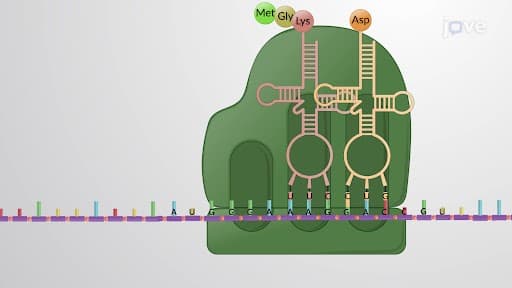

Video Summary: What Is Translation
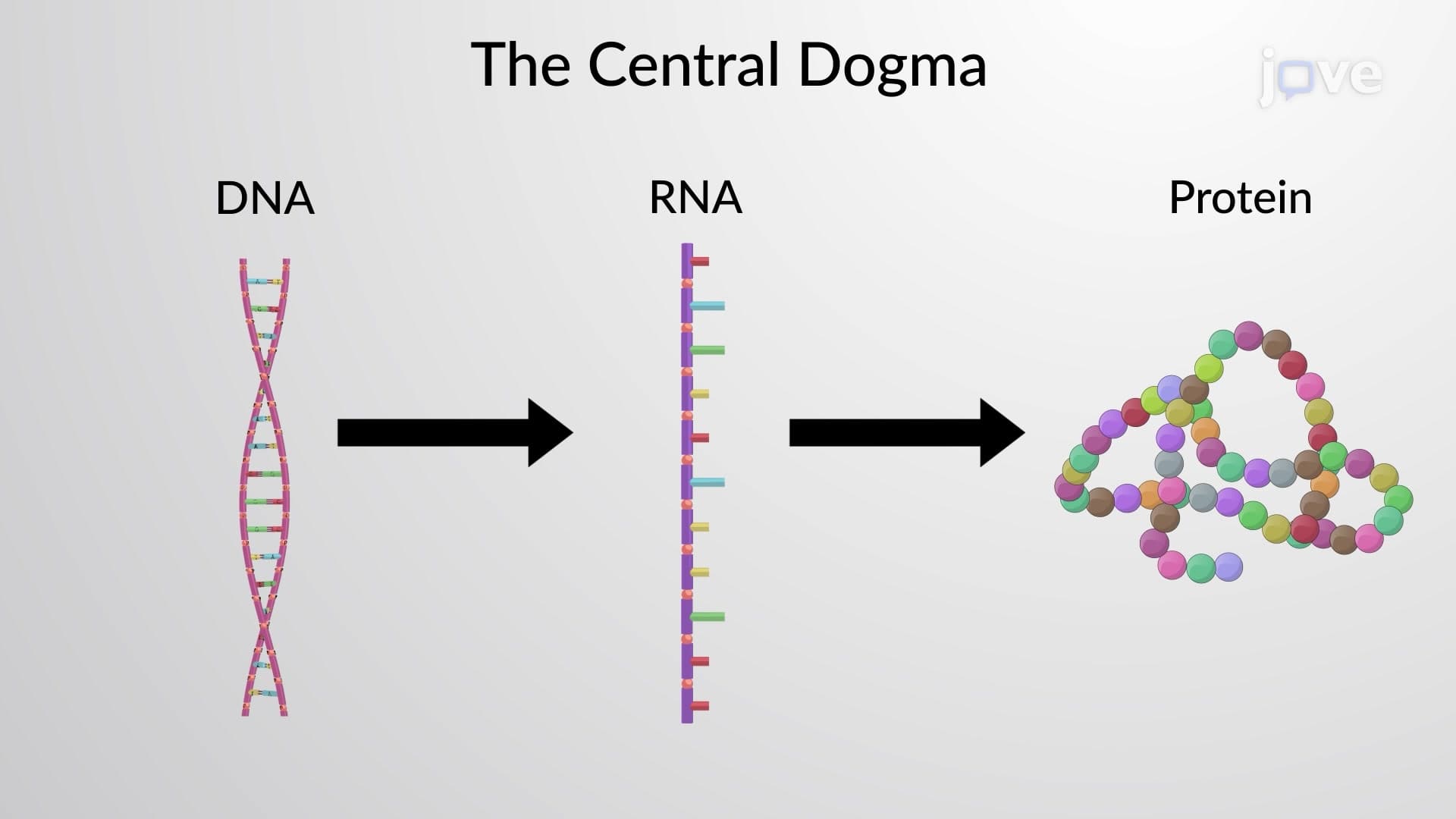
Did you know that your cells produce over 20,000 different proteins every day using the same basic recipe book? Translation explained biology reveals how cells decode messenger RNA instructions to build these essential proteins at microscopic factories called ribosomes. This process is like having a universal assembly line that reads genetic blueprints and constructs everything from insulin (produced by biotech companies like Genentech in California) to muscle fibers. Understanding what is translation helps explain how genetic information becomes the functional molecules that keep you alive. Watch the full video on JoVE Coach to master this concept with expert-led visuals and step-by-step explanations.
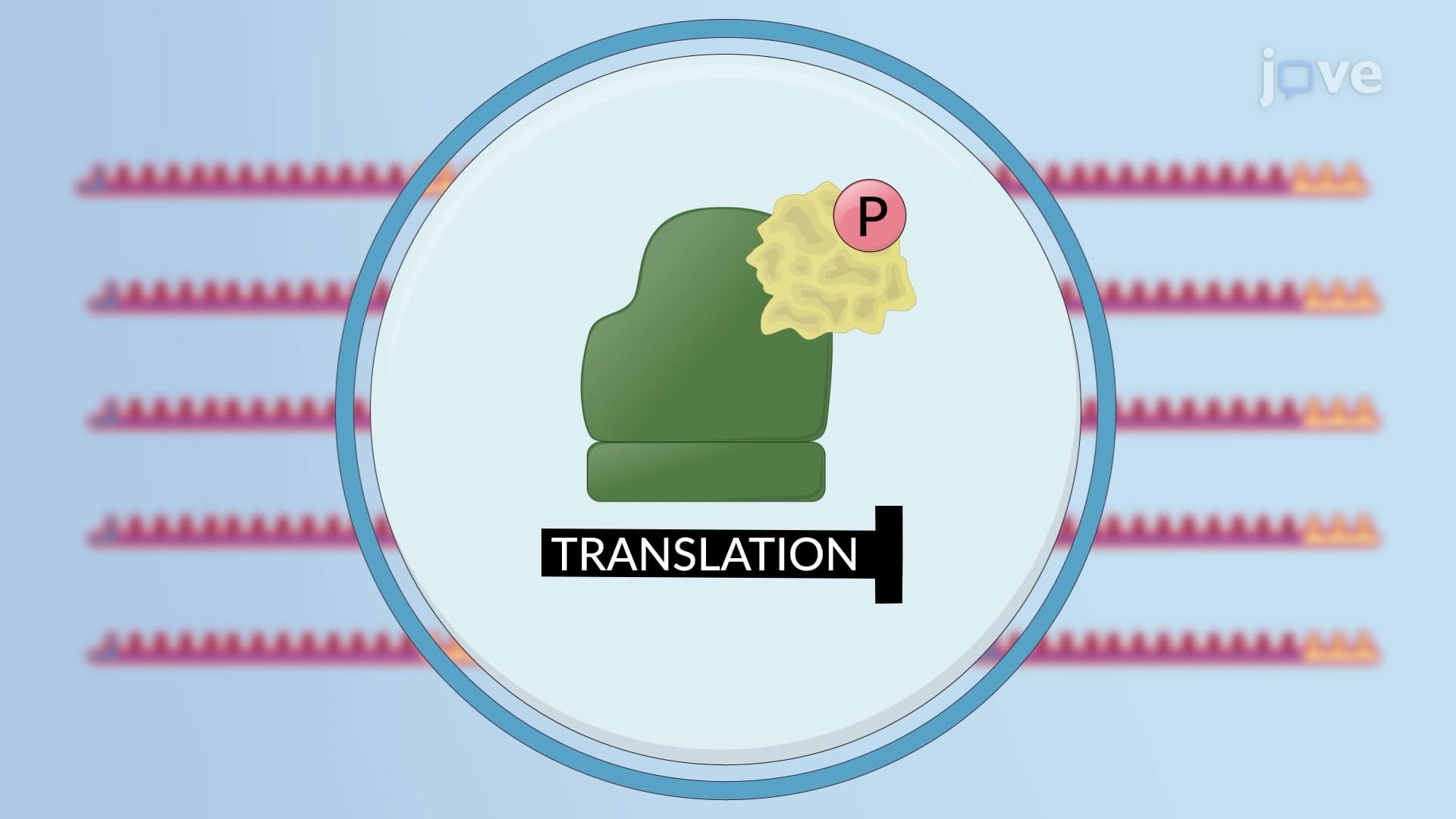
Translation explained biology as the fundamental process where cells convert genetic instructions into working proteins. Unlike transcription, which occurs in the nucleus, translation takes place in the cytoplasm where ribosomes serve as molecular factories. This process is essential for every living organism, from bacteria to humans, making it one of biology's most conserved mechanisms.
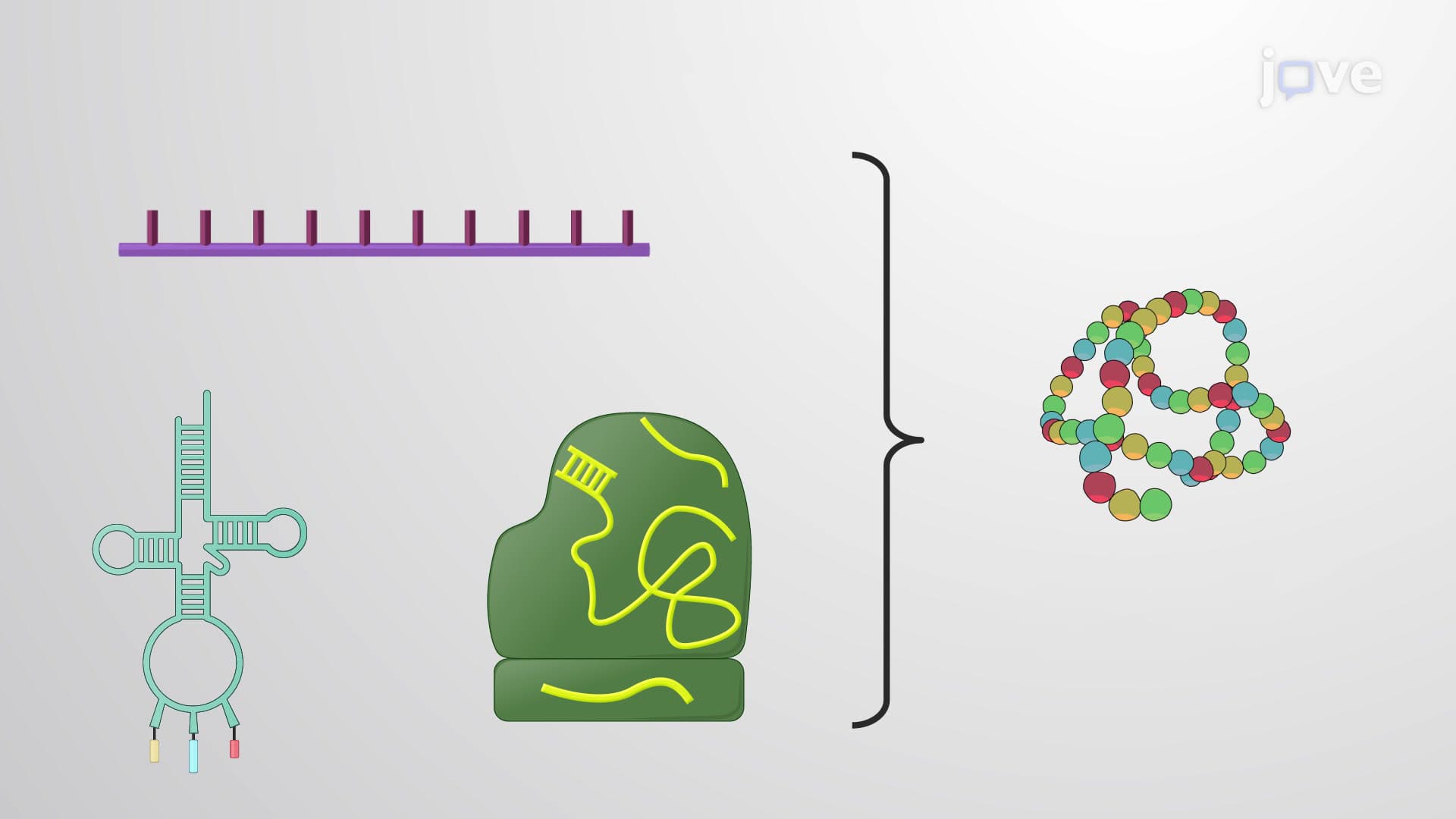
The ribosome represents one of cellular biology's most sophisticated machines, consisting of two subunits that work together during protein synthesis translation biology. The small subunit (30S in prokaryotes, 40S in eukaryotes) binds to mRNA and initiates translation, while the large subunit (50S in prokaryotes, 60S in eukaryotes) catalyzes peptide bond formation. Students preparing for AP Biology or college biochemistry courses should understand that ribosomal RNA, not protein, actually catalyzes peptide bond formation-making ribosomes ribozymes.
Translation initiation elongation follows a precise sequence. Initiation begins when the small ribosomal subunit recognizes the Shine-Dalgarno sequence (in prokaryotes) or 5' cap structure (in eukaryotes) and locates the start codon AUG. The initiator tRNA carrying methionine pairs with this codon, followed by large subunit assembly. During elongation, amino acid incorporation translation occurs as tRNAs enter the ribosome's A-site, transfer their amino acids to the growing polypeptide chain at the P-site, then exit through the E-site. This process continues until a stop codon (UAG, UAA, or UGA) triggers termination and protein release.
Understanding mRNA translation process has revolutionized medicine and biotechnology. Pharmaceutical companies like Moderna and Pfizer utilized this knowledge to develop mRNA vaccines for COVID-19, essentially hijacking cellular translation machinery to produce viral proteins that trigger immune responses. Medical students studying for the MCAT or USMLE should recognize that many antibiotics, including streptomycin and chloramphenicol, specifically target bacterial translation without affecting human protein synthesis-a principle underlying selective toxicity in antimicrobial therapy.
Related Micro-courses