Loading video…


 16 Concepts
 49.6K views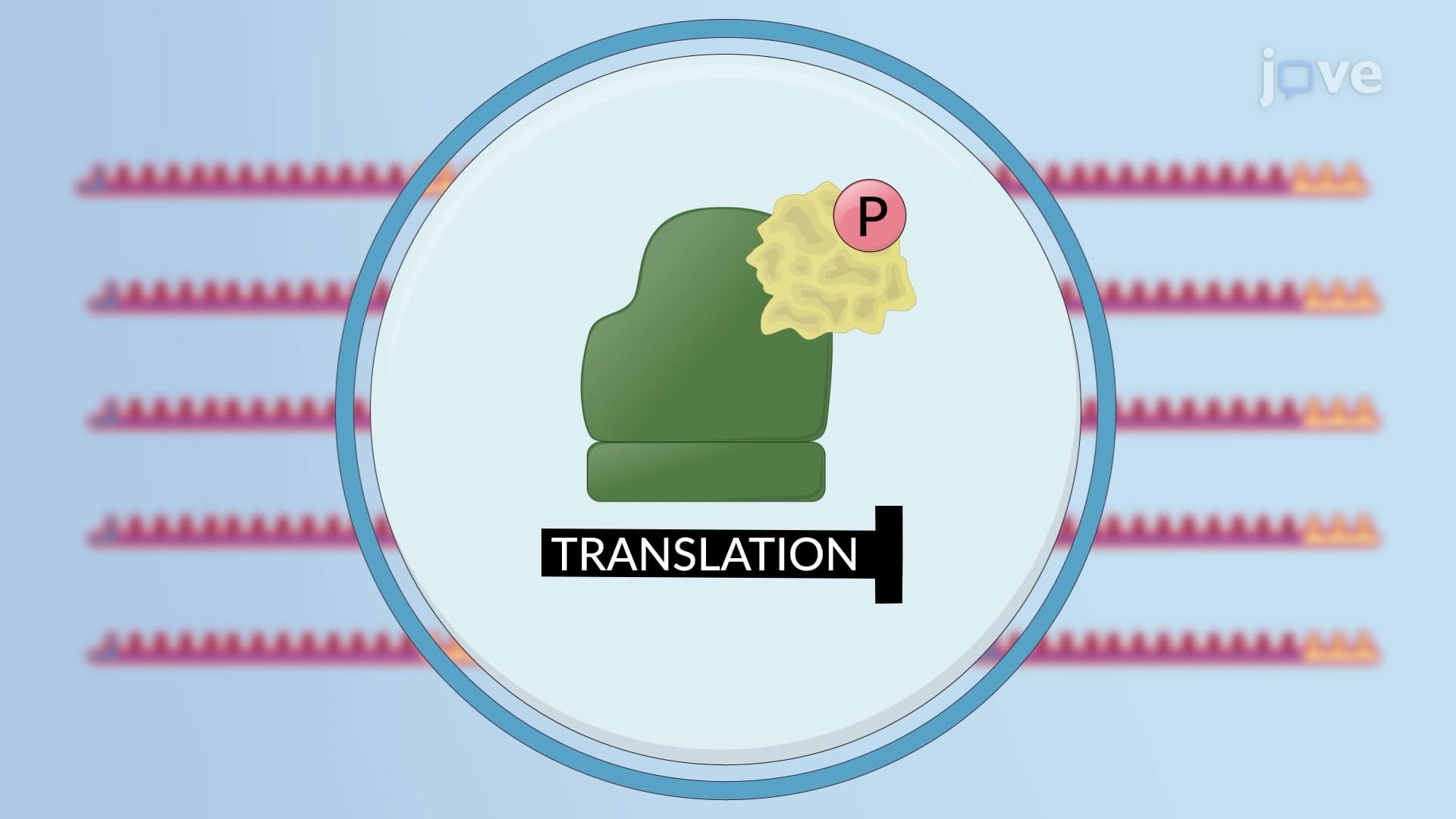

Video Summary: Regulation of Expression at Multiple Steps Explained
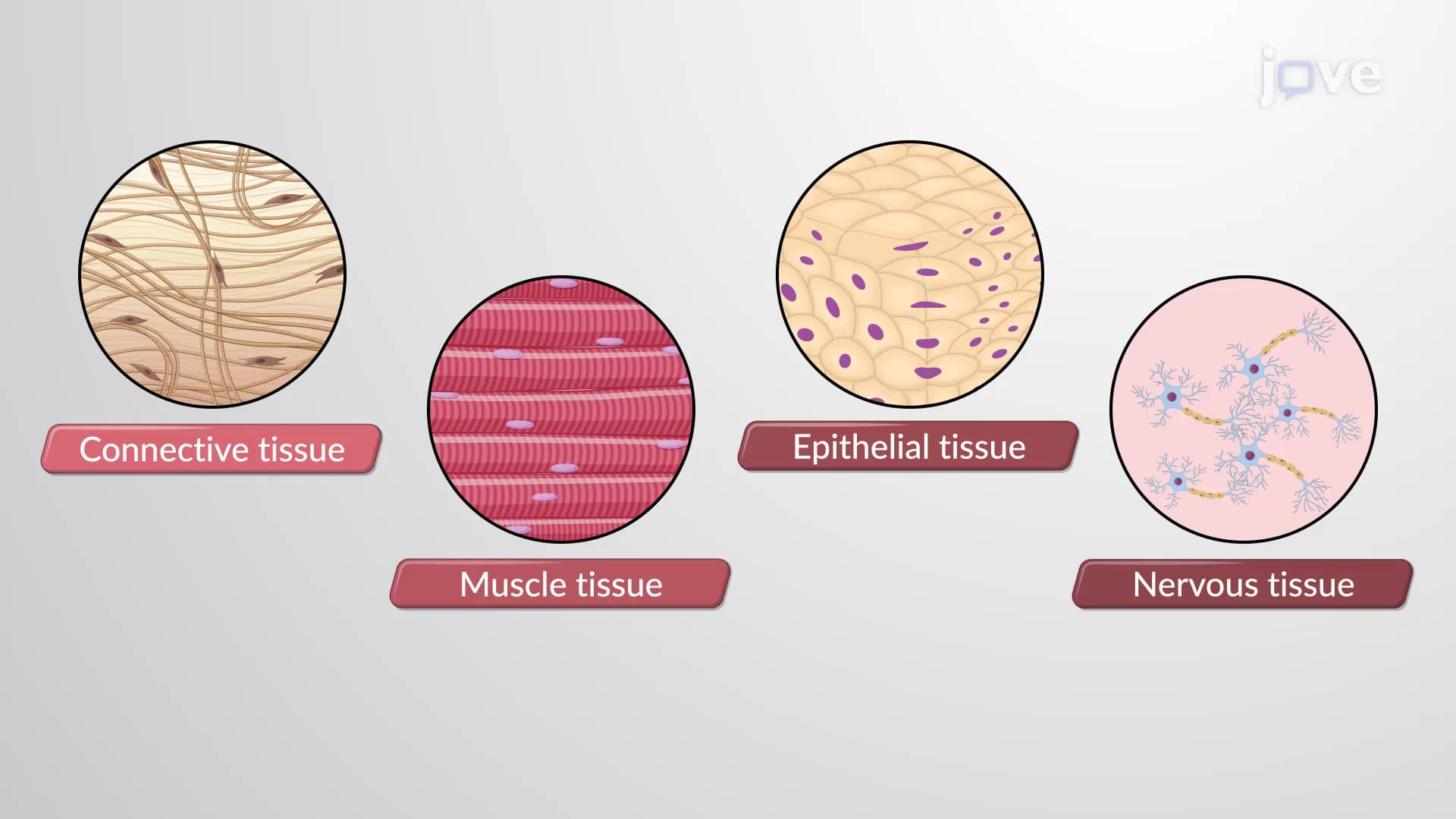
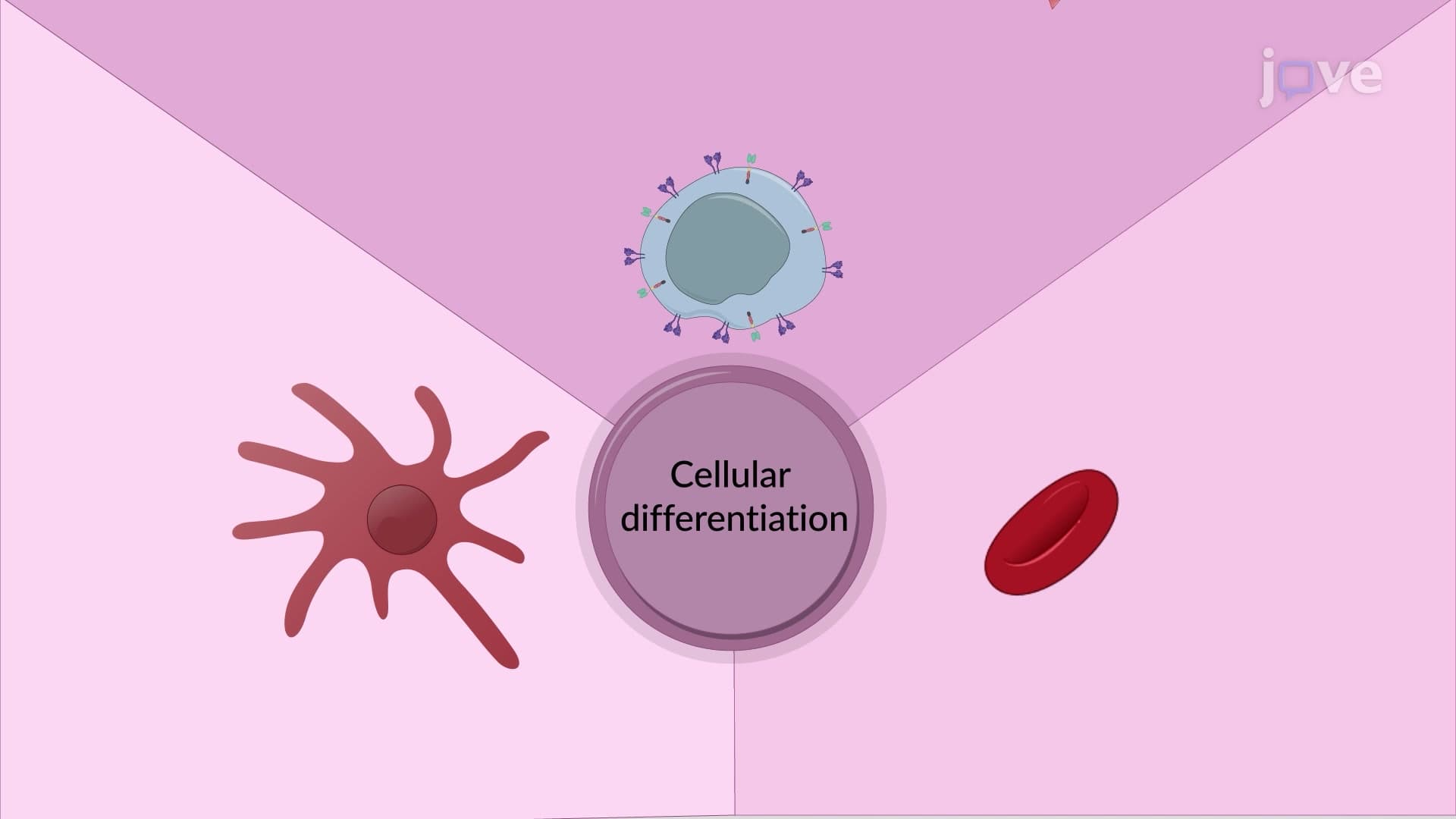
Why do muscle cells and nerve cells look completely different despite having identical DNA? The answer lies in gene expression regulation steps that control which genes are active at specific times and locations. From the insulin production in pancreatic cells during diabetes management to cancer treatments targeting specific cellular pathways, understanding regulation of expression at multiple steps explained becomes crucial for medical breakthroughs. Watch the full video on JoVE Coach to master this concept with expert-led visuals and step-by-step explanations.
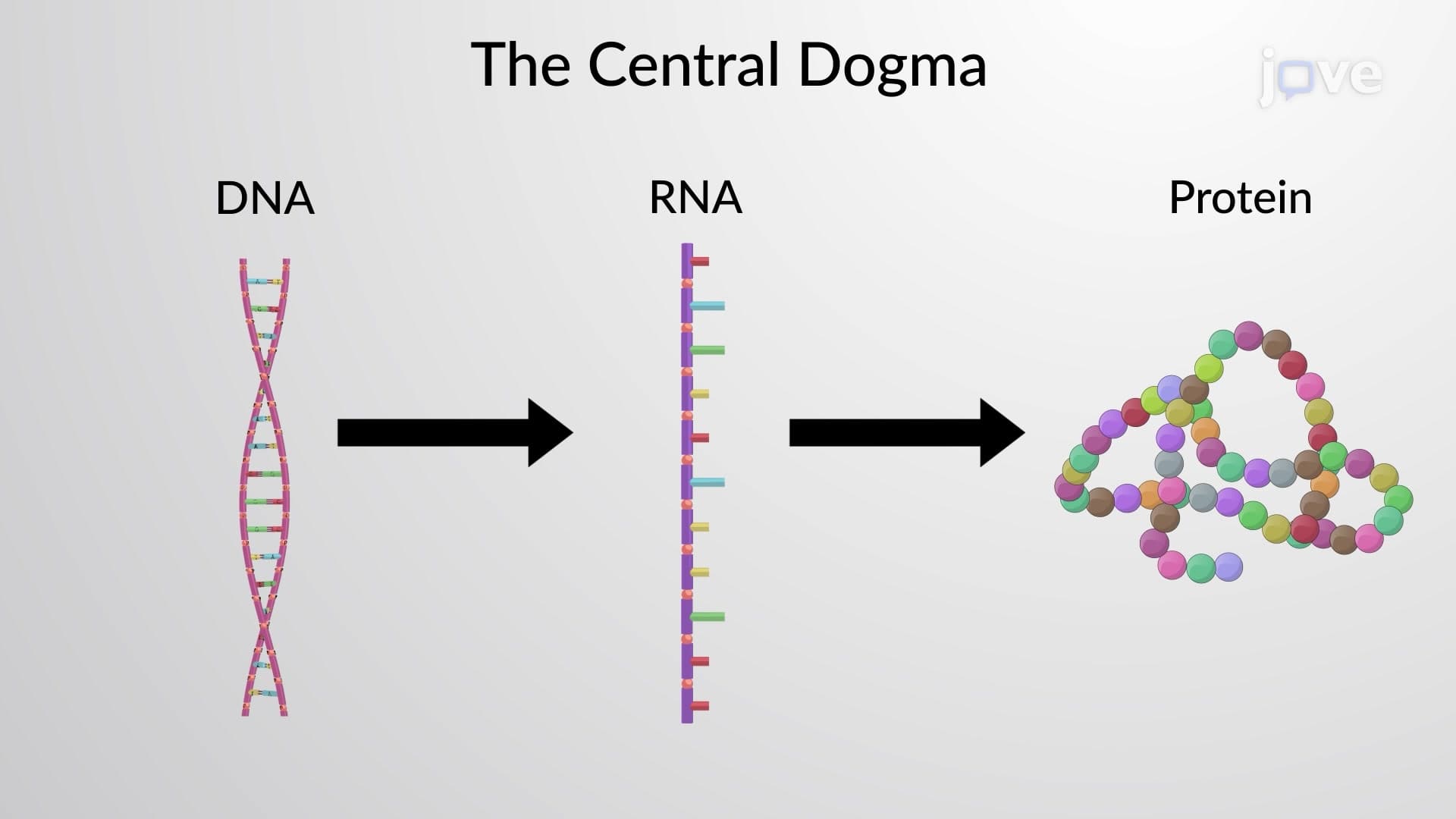
Gene expression regulation represents one of biology's most sophisticated control systems, operating like a multi-tiered security system in cells. Unlike a simple on-off switch, cells employ regulation of gene expression explained through multiple checkpoints, ensuring precise control over when, where, and how much protein gets produced.
Transcriptional regulation gene mechanisms serve as the primary gatekeepers of gene expression. Regulatory proteins called transcription factors scan DNA sequences, binding to specific promoter and enhancer regions. For example, the p53 protein-often called the "guardian of the genome"-activates DNA repair genes when cells detect damage, crucial for preventing cancer development.
This level proves especially important in AP Biology and college genetics courses, where students must understand how environmental factors like stress hormones can trigger specific transcription factor cascades. In medical contexts, understanding these mechanisms helps explain how certain drugs work-like how steroid medications bind to nuclear receptors to regulate inflammatory gene expression.
Post-transcriptional regulation occurs after DNA transcription but before protein synthesis. This includes mRNA processing steps that college students often find challenging: 5' capping protects mRNA from degradation, 3' polyadenylation affects mRNA stability, and splicing removes non-coding introns.
Alternative splicing creates remarkable protein diversity-the human DSCAM gene can theoretically produce over 38,000 different proteins from a single gene through various splicing combinations. This concept frequently appears on MCAT questions testing students' understanding of how genetic complexity exceeds simple gene counting.
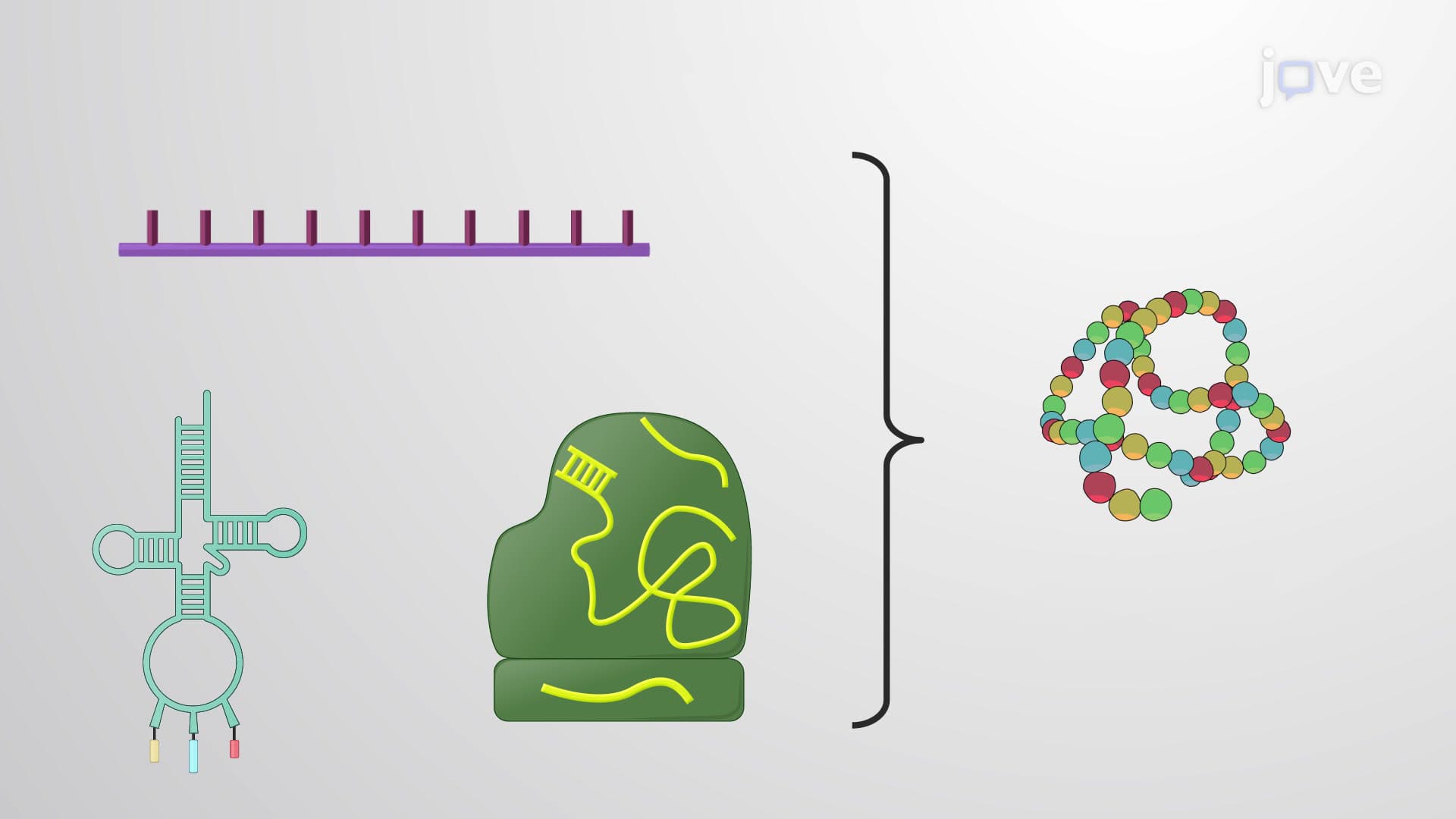
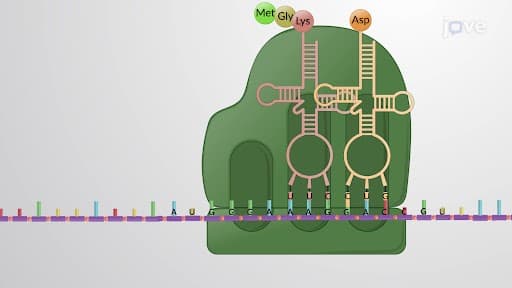
Translational regulation gene mechanisms provide the last opportunity for expression control. MicroRNAs (miRNAs) and small interfering RNAs (siRNAs) bind complementary mRNA sequences, either blocking translation or targeting mRNA for degradation. This regulation type has revolutionized medicine-RNA interference therapies now treat conditions like hereditary transthyretin amyloidosis.
Understanding these epigenetic gene regulation and gene expression control levels becomes essential for students pursuing healthcare careers, as many modern treatments target these regulatory pathways rather than genes themselves.
Related Micro-courses