14 Concepts
6 Concepts
21 Concepts
23 Concepts
21 Concepts
15 Concepts
16 Concepts
26 Concepts
18 Concepts
19 Concepts
11 Concepts
6 Concepts
10 Concepts
22 Concepts
20 Concepts
26 Concepts
26 Concepts
14 Concepts
10 Concepts
12 Concepts
23 Concepts
29 Concepts
19 Concepts
38 Concepts
38 Concepts
25 Concepts
40 Concepts
25 Concepts
25 Concepts
20 Concepts
37 Concepts
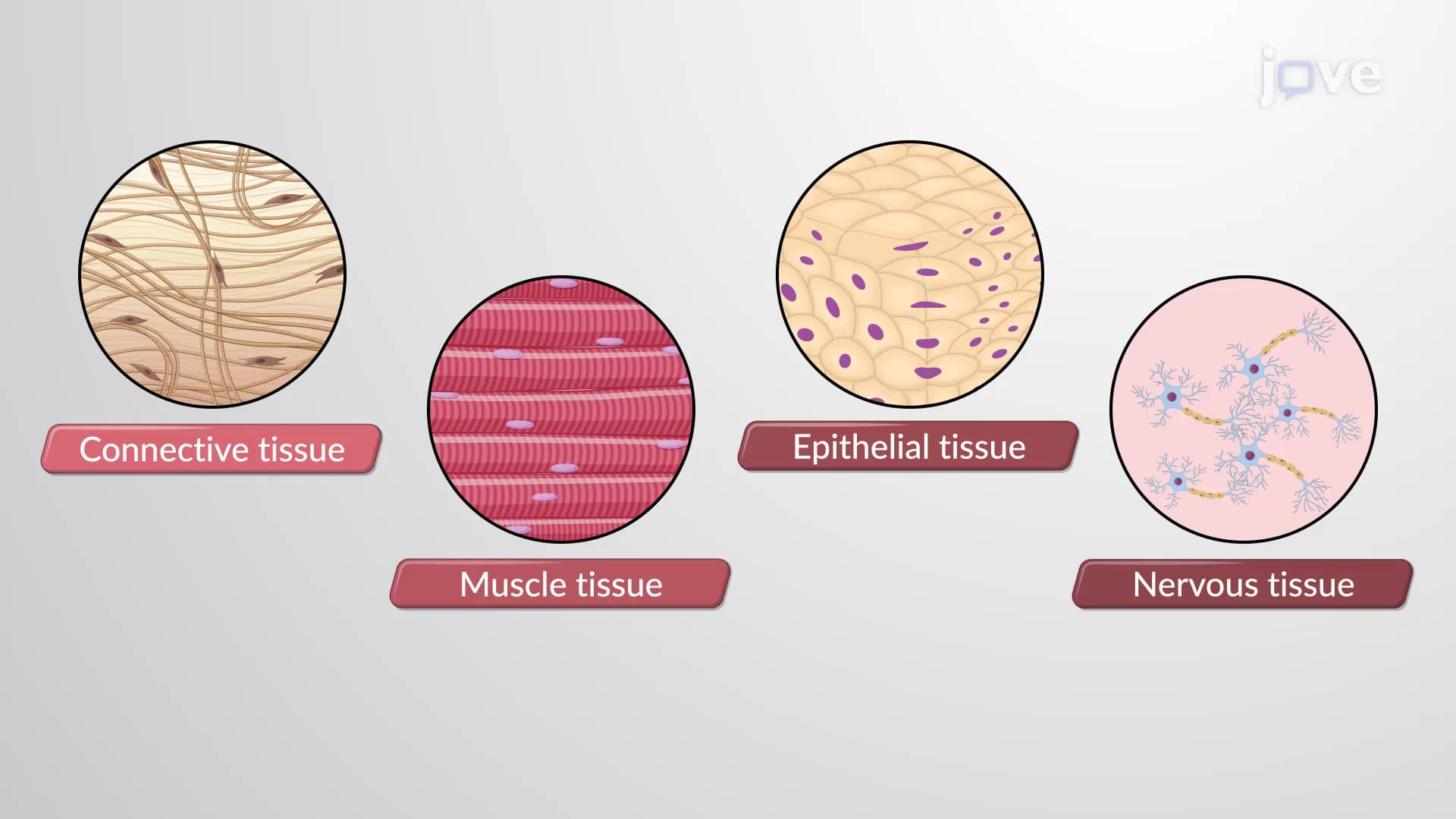
Tissues of the human body consist of four fundamental types that work together to form organs and organ systems. This comprehensive micro-course explores epithelial, connective, muscle, and nervous tissues through their structural organization, cellular components, and physiological functions. Students will examine tissue classification systems, extracellular matrix composition, and tissue repair mechanisms essential for understanding human anatomy and physiology with JoVE Coach.
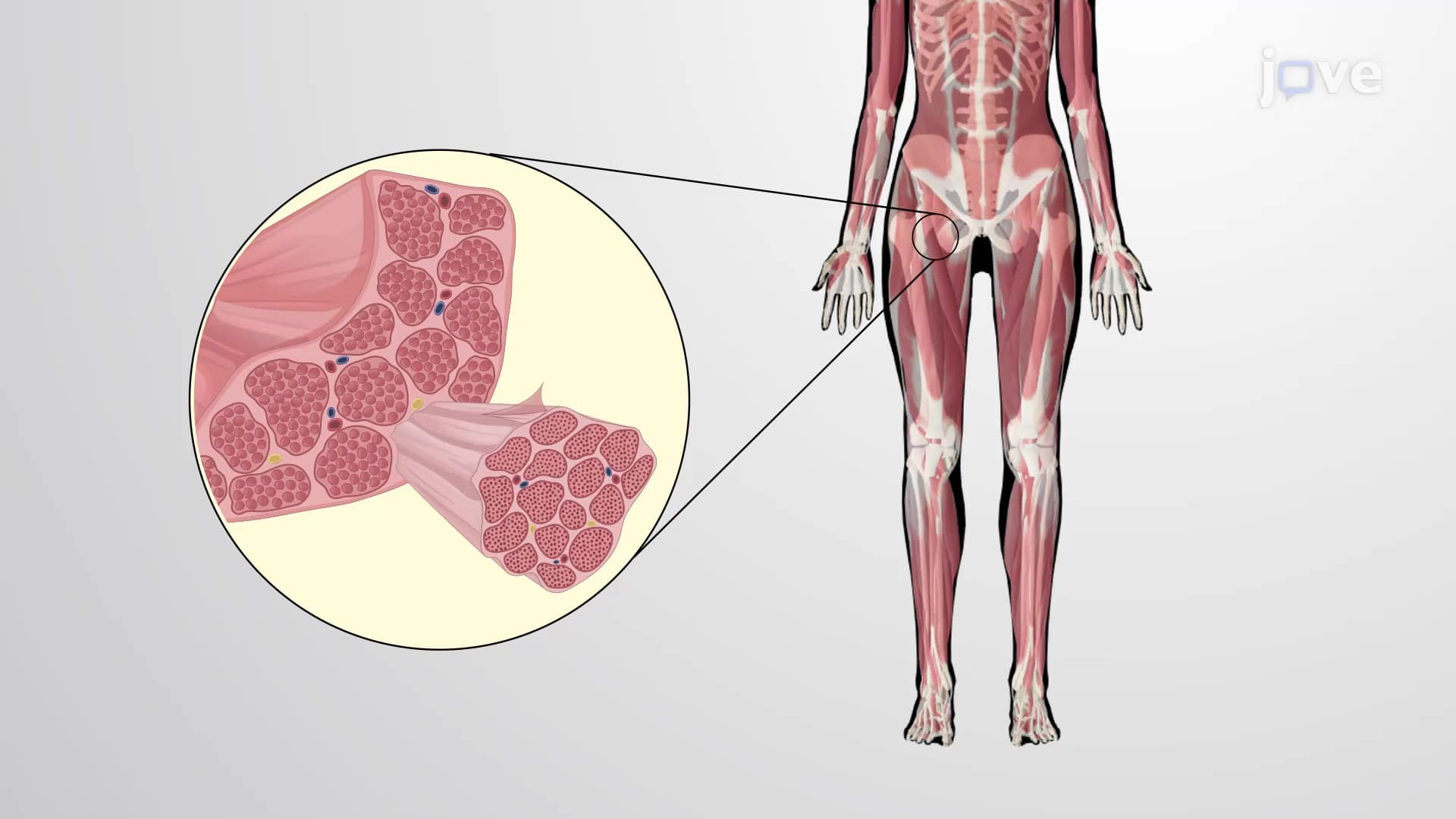
1. Tissue Organization and Classification Systems Multicellular organisms organize specialized cells into four primary tissue types that form the foundation of all organs. Epithelial tissues serve as protective barriers and secretory surfaces, while connective tissues provide structural support and transport functions. Muscle tissues enable movement through contraction, and nervous tissues coordinate information processing. This hierarchical organization allows complex physiological functions like digestion in the gastrointestinal tract, where all four tissue types collaborate. Understanding tissue classification helps predict organ function and disease processes affecting specific tissue types.
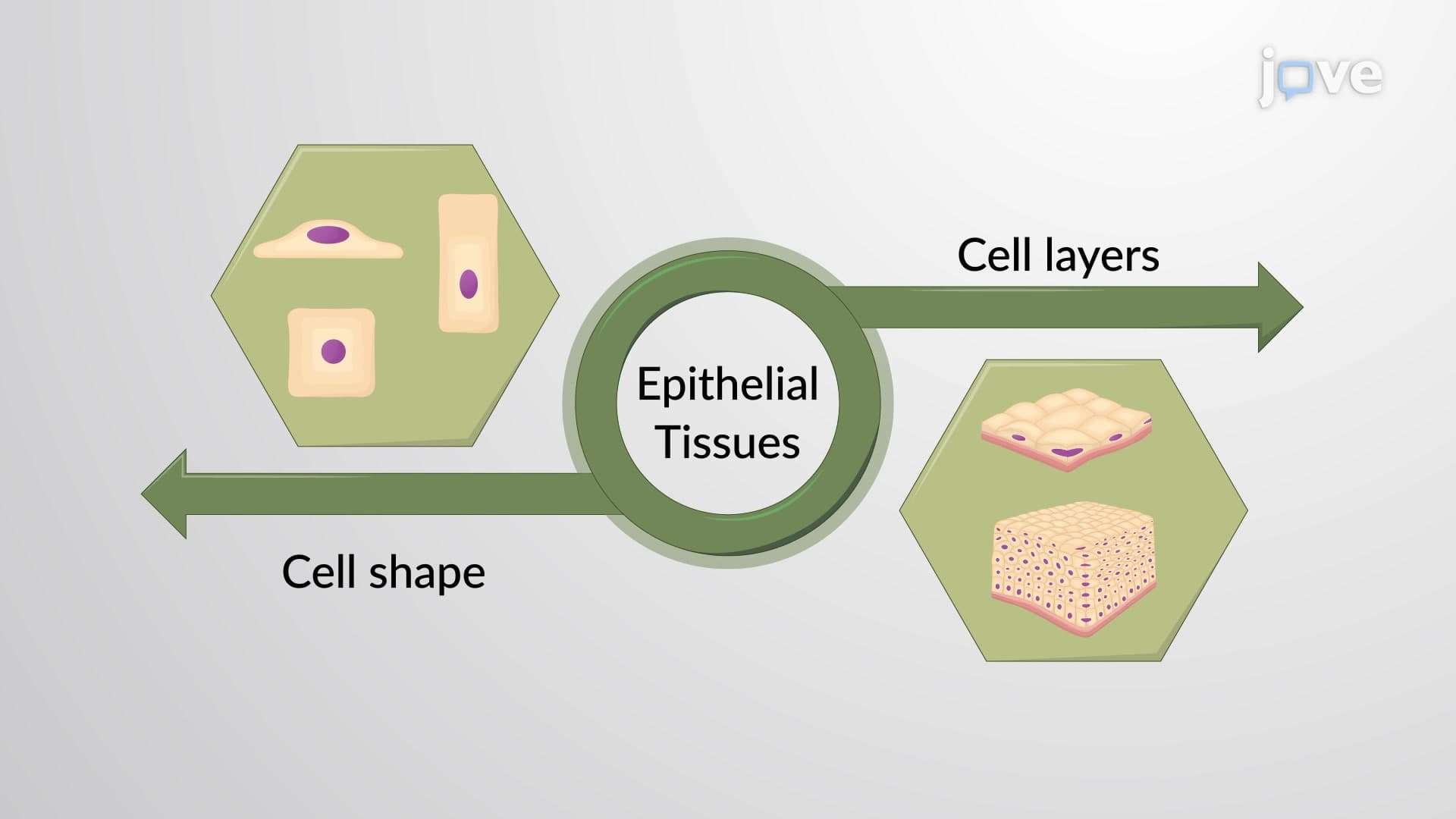
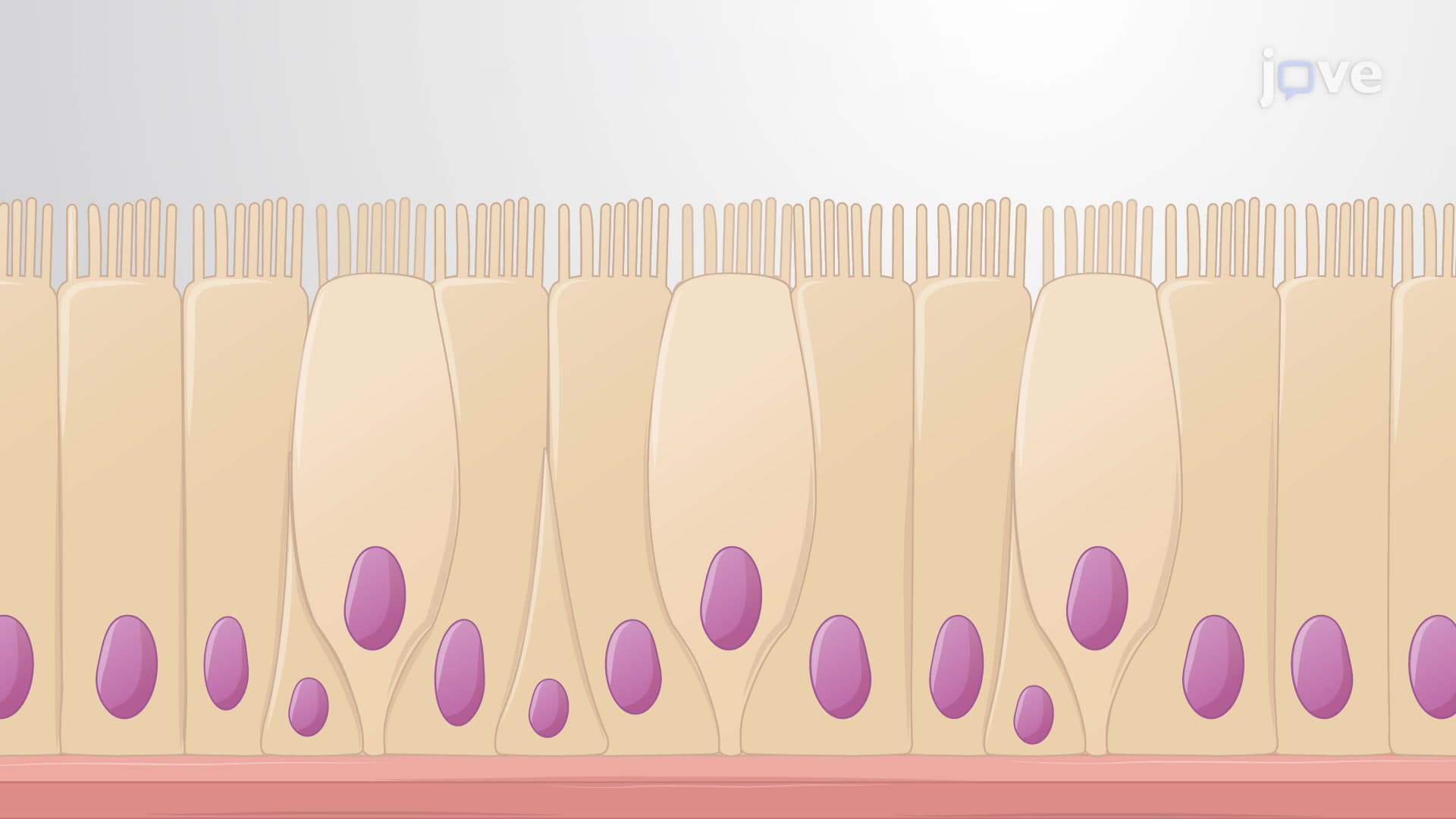
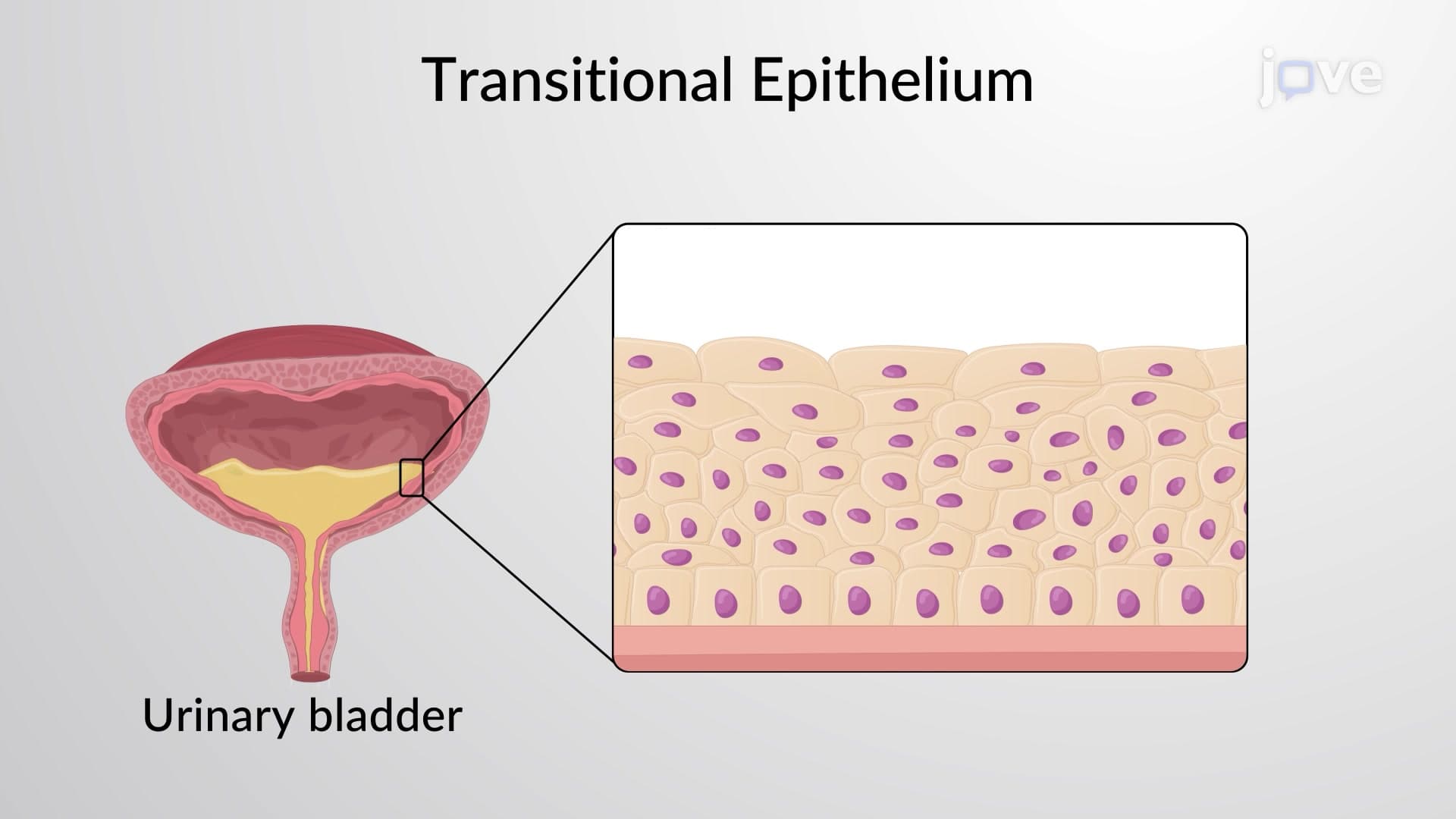
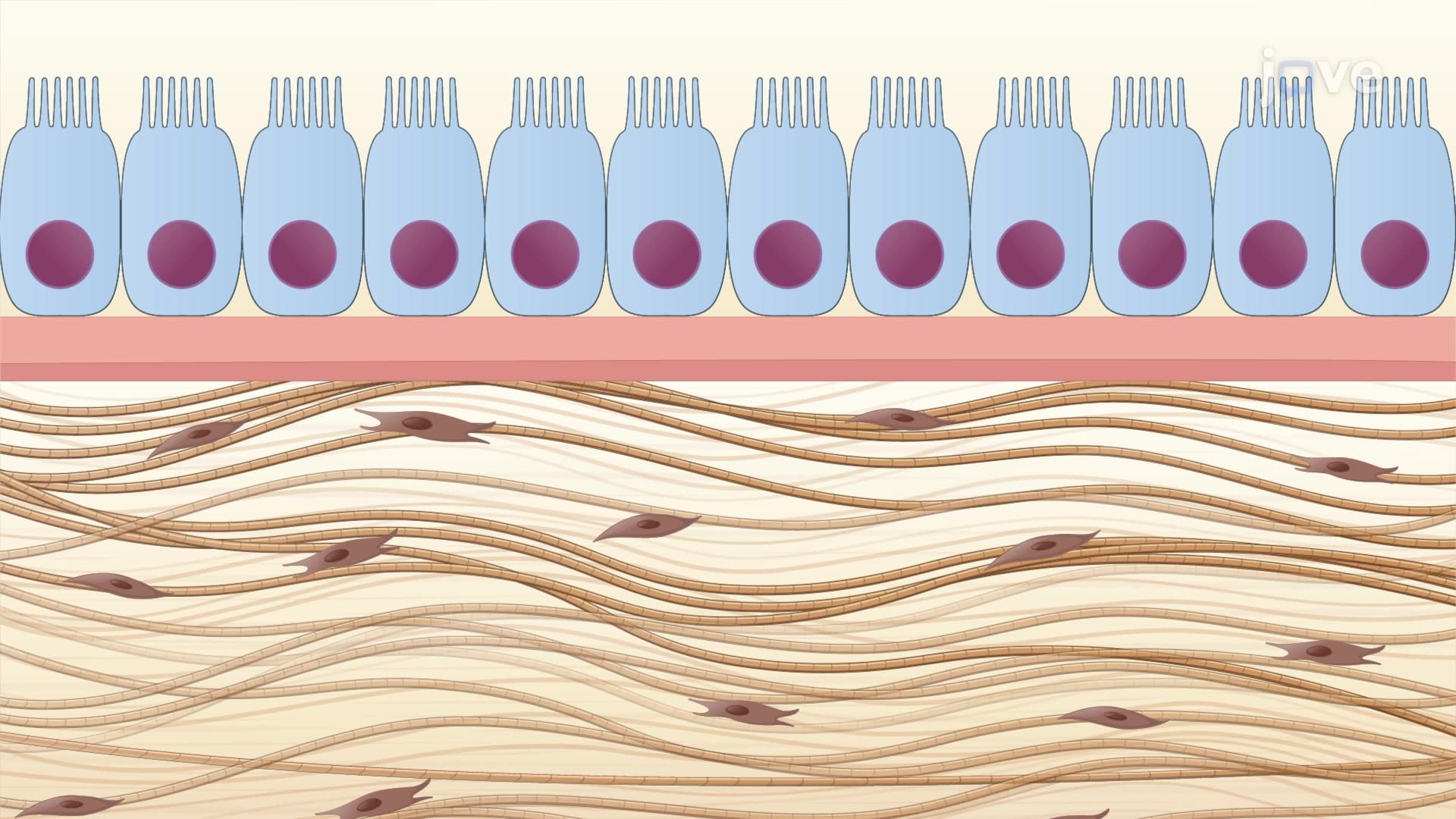
2. Epithelial Tissue Structure and Function Epithelial tissues form continuous sheets of closely-packed cells that cover body surfaces and line internal cavities. Classification depends on cell shape (squamous, cuboidal, columnar) and layer number (simple or stratified). Simple squamous epithelium in lung alveoli facilitates gas exchange, while stratified squamous epithelium in skin epidermis provides mechanical protection. Specialized features like microvilli in intestinal epithelium increase surface area for nutrient absorption. The basement membrane provides structural support and regulates molecular transport between epithelial cells and underlying connective tissue.
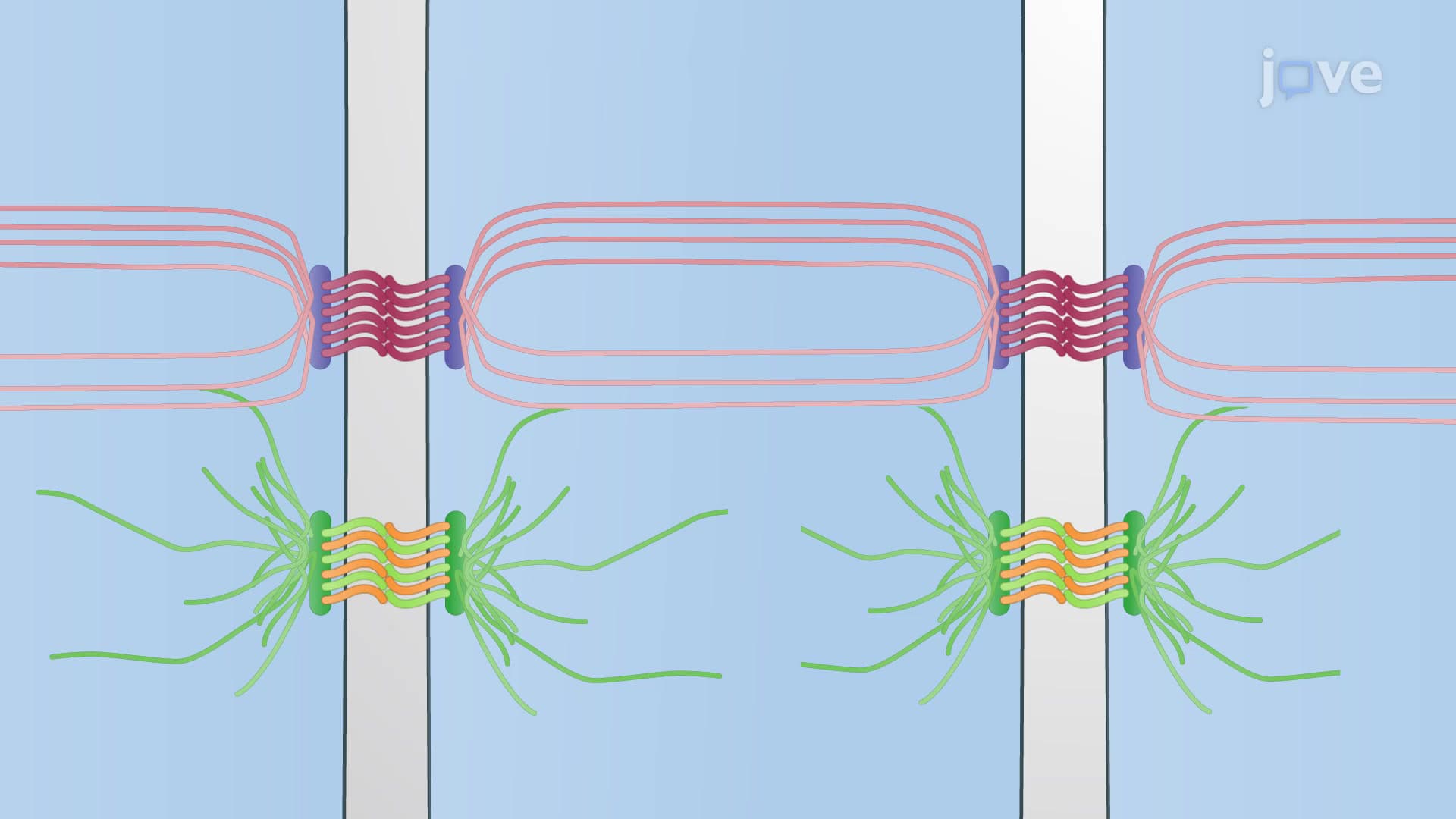
3. Cell Adhesion and Junction Mechanisms Cell adhesion molecules (CAMs) maintain tissue integrity through specific protein interactions between adjacent cells and extracellular matrix. Tight junctions create selective barriers controlling paracellular transport, essential for blood-brain barrier function. Adherens junctions and desmosomes provide mechanical stability through cytoskeletal connections, preventing tissue disruption during physical stress. Gap junctions allow direct cell-to-cell communication through small molecule passage, coordinating cellular responses in cardiac muscle contraction. Understanding junction dysfunction explains disease processes like cancer metastasis and inflammatory bowel disease.
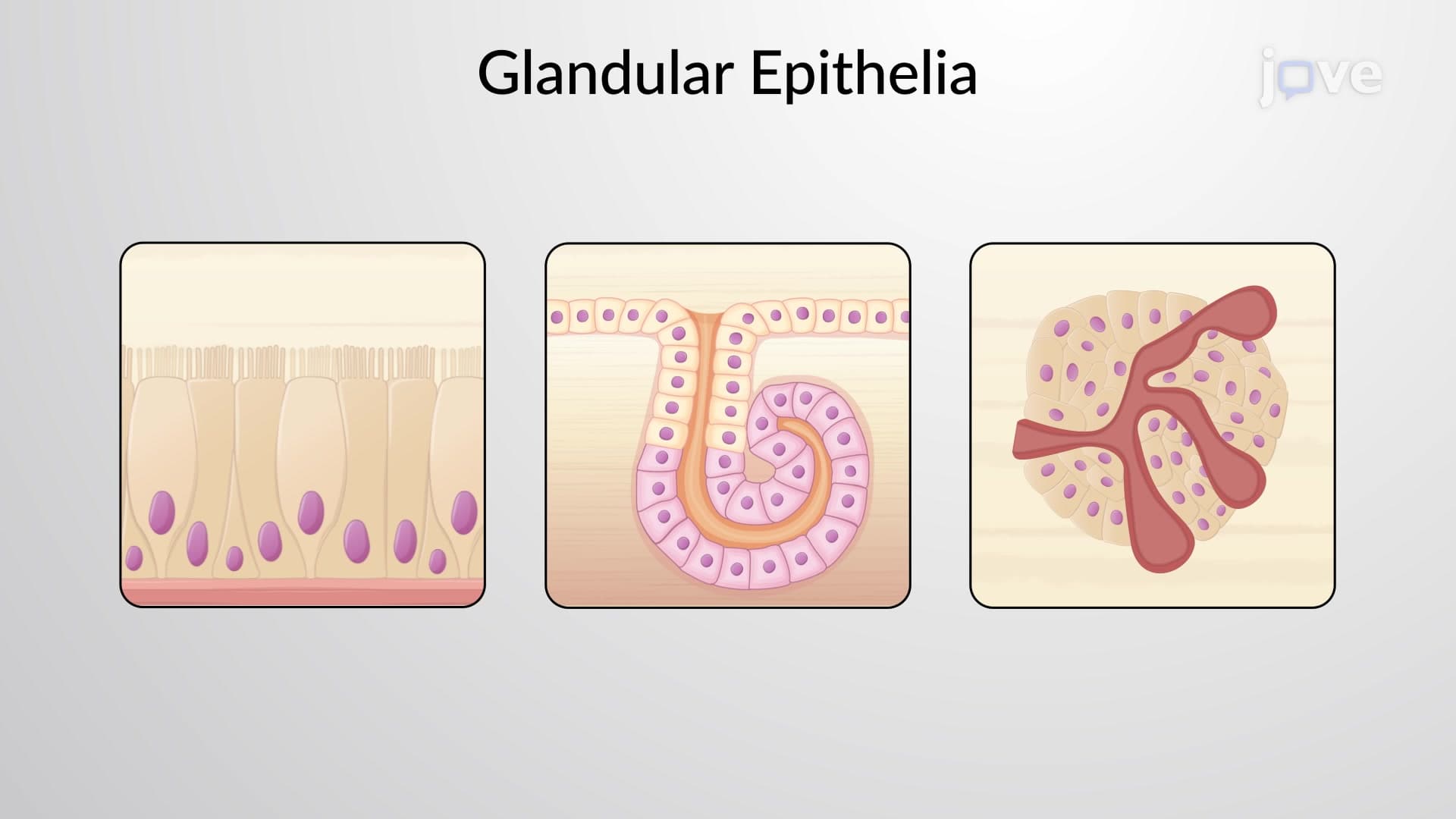
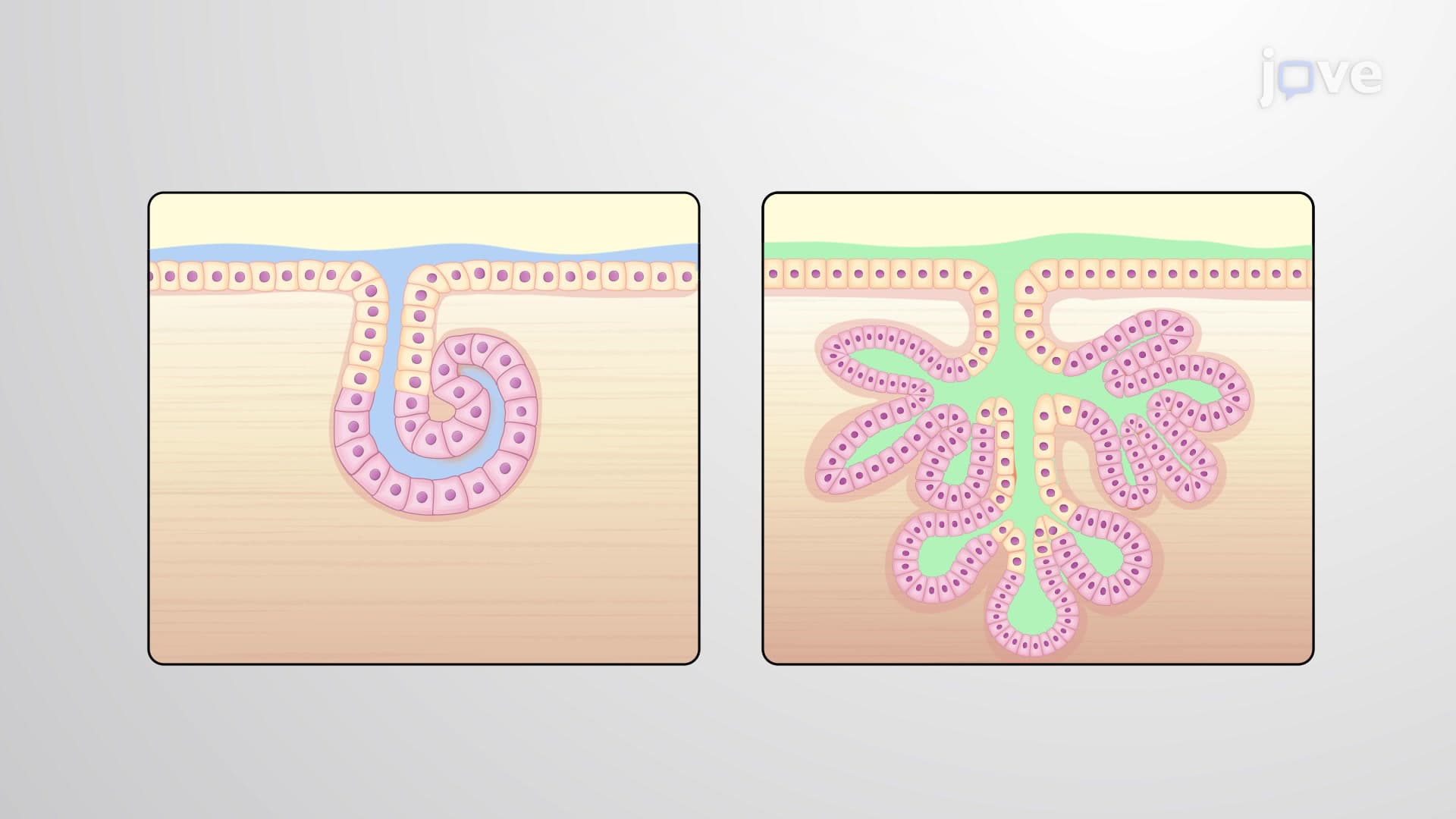
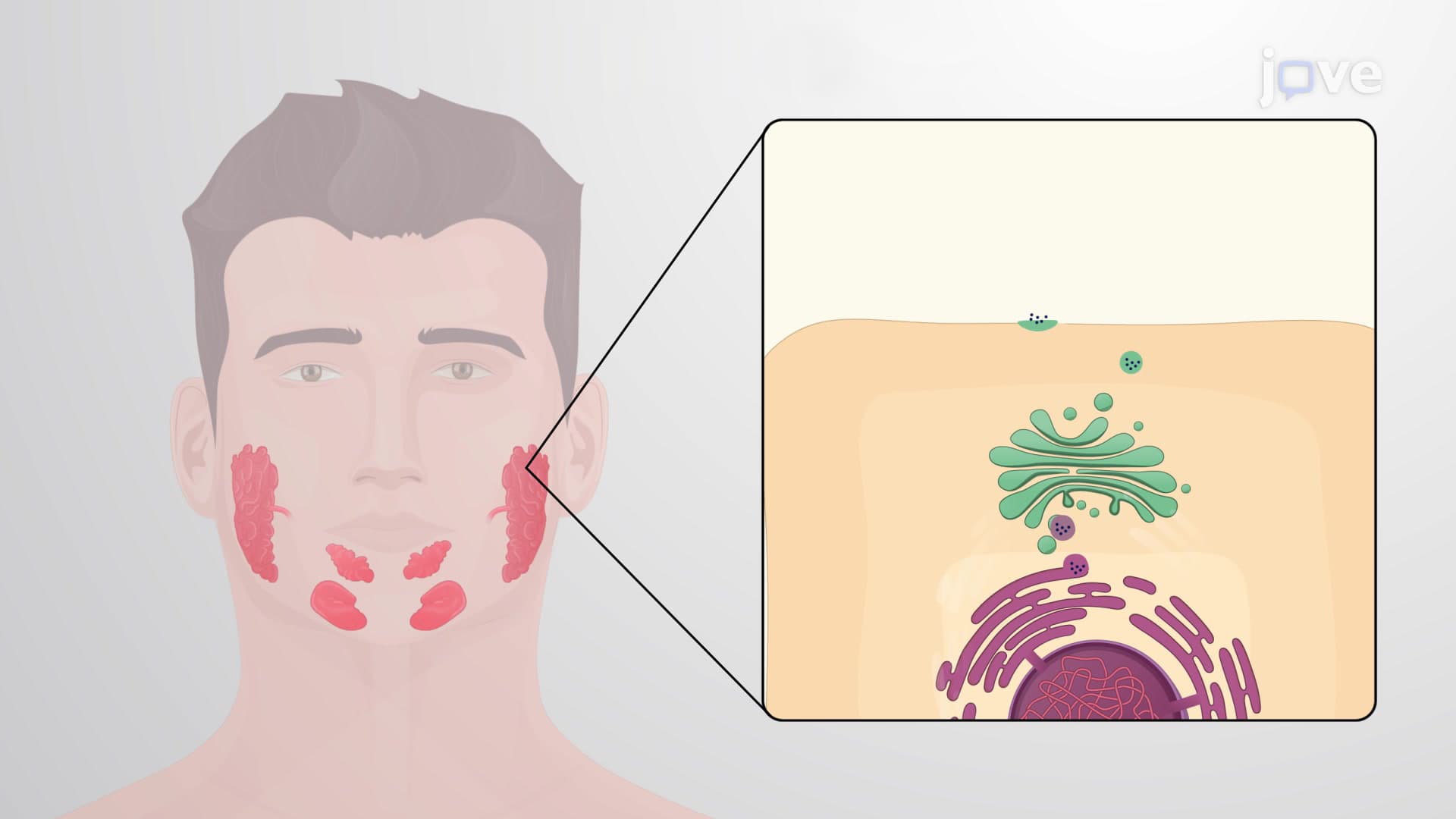
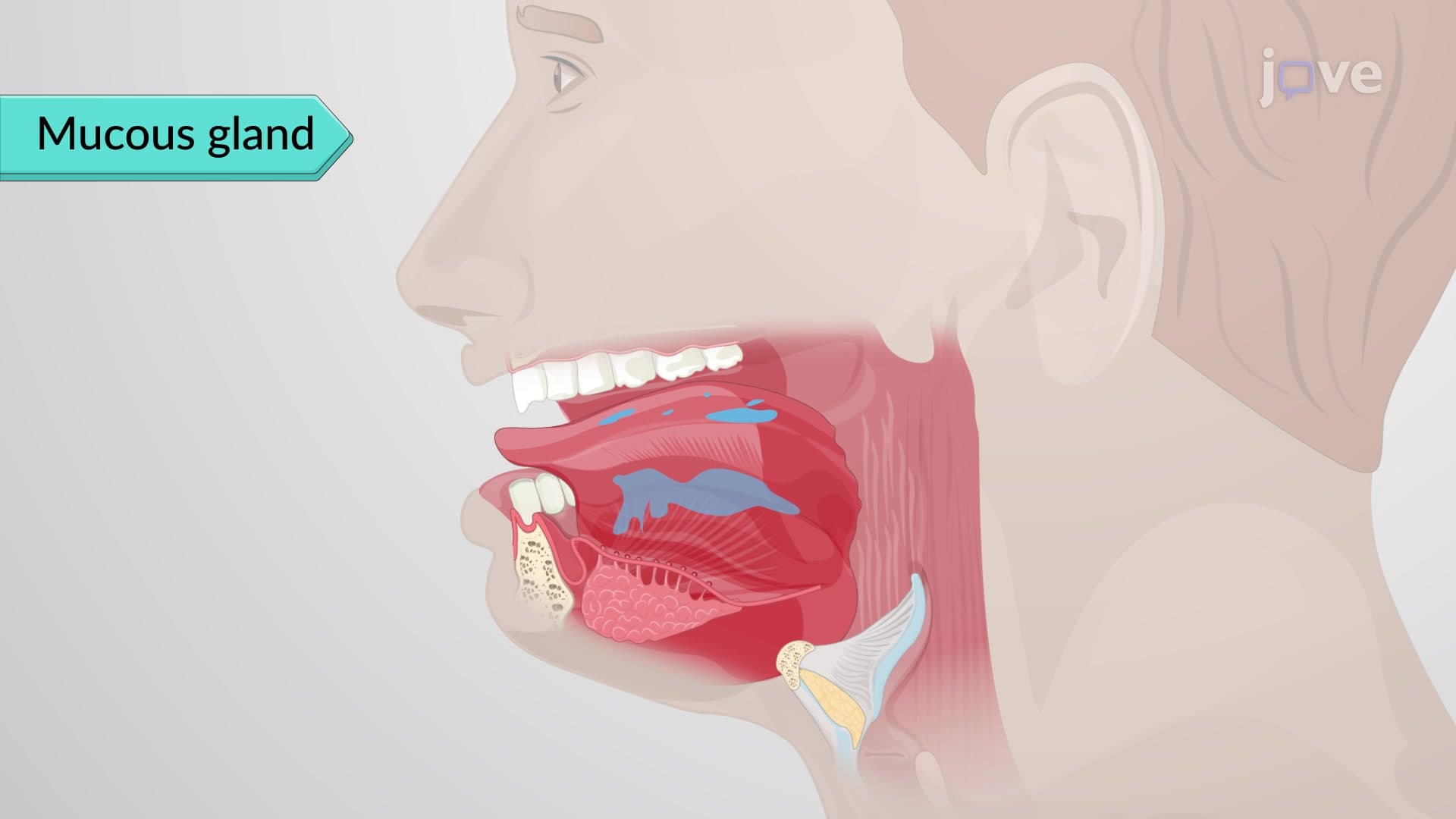
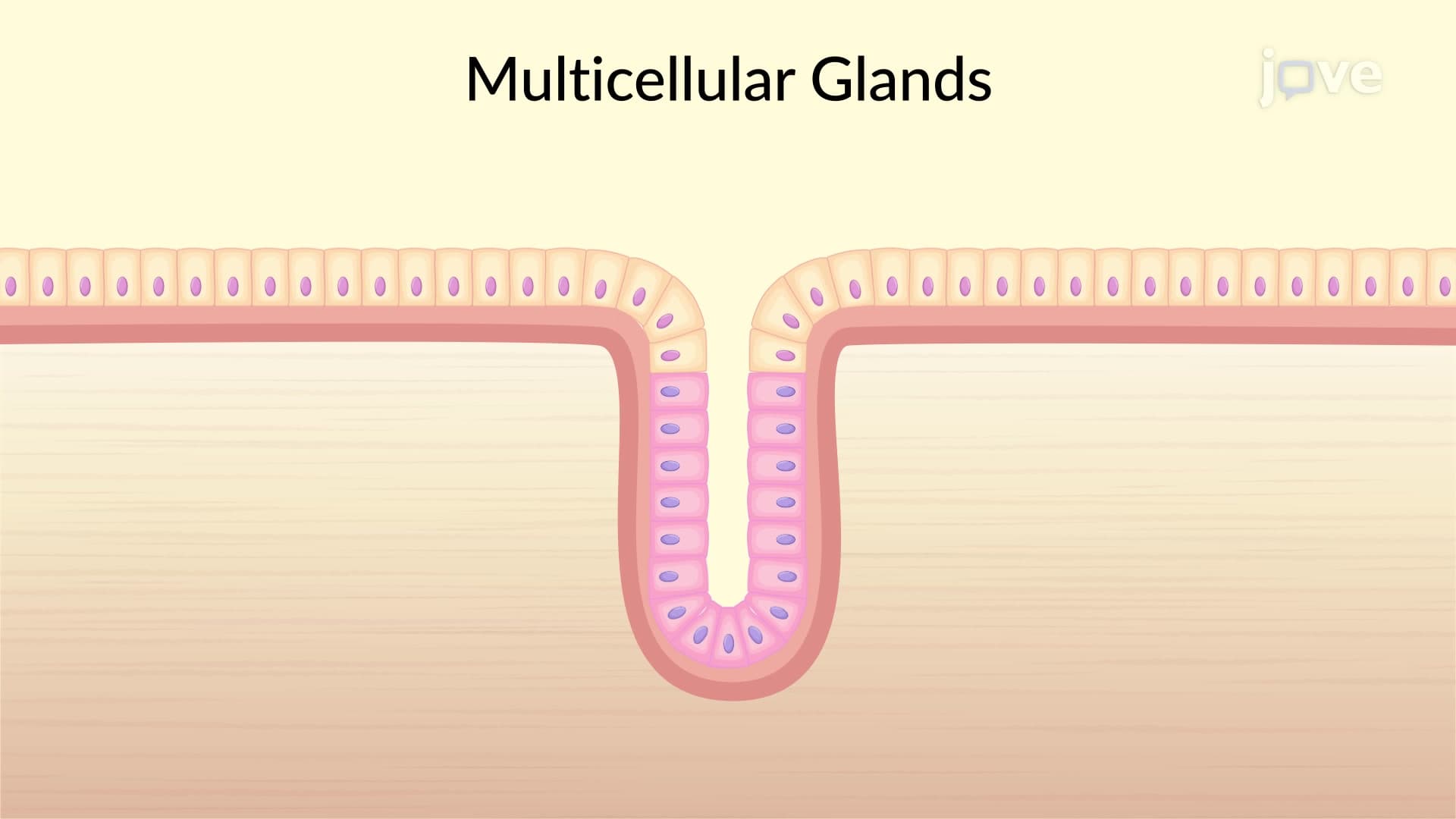
4. Glandular Epithelium and Secretory Functions Glandular epithelia specialize in synthesizing and releasing secretory products essential for physiological homeostasis. Exocrine glands like sweat glands and salivary glands release products through ducts onto epithelial surfaces. Endocrine glands such as thyroid and adrenal glands secrete hormones directly into bloodstream for systemic effects. Classification based on secretion method includes merocrine (vesicle exocytosis), apocrine (cytoplasm release), and holocrine (cell destruction) mechanisms. Sebaceous glands demonstrate holocrine secretion, while pancreatic cells show merocrine secretion patterns.
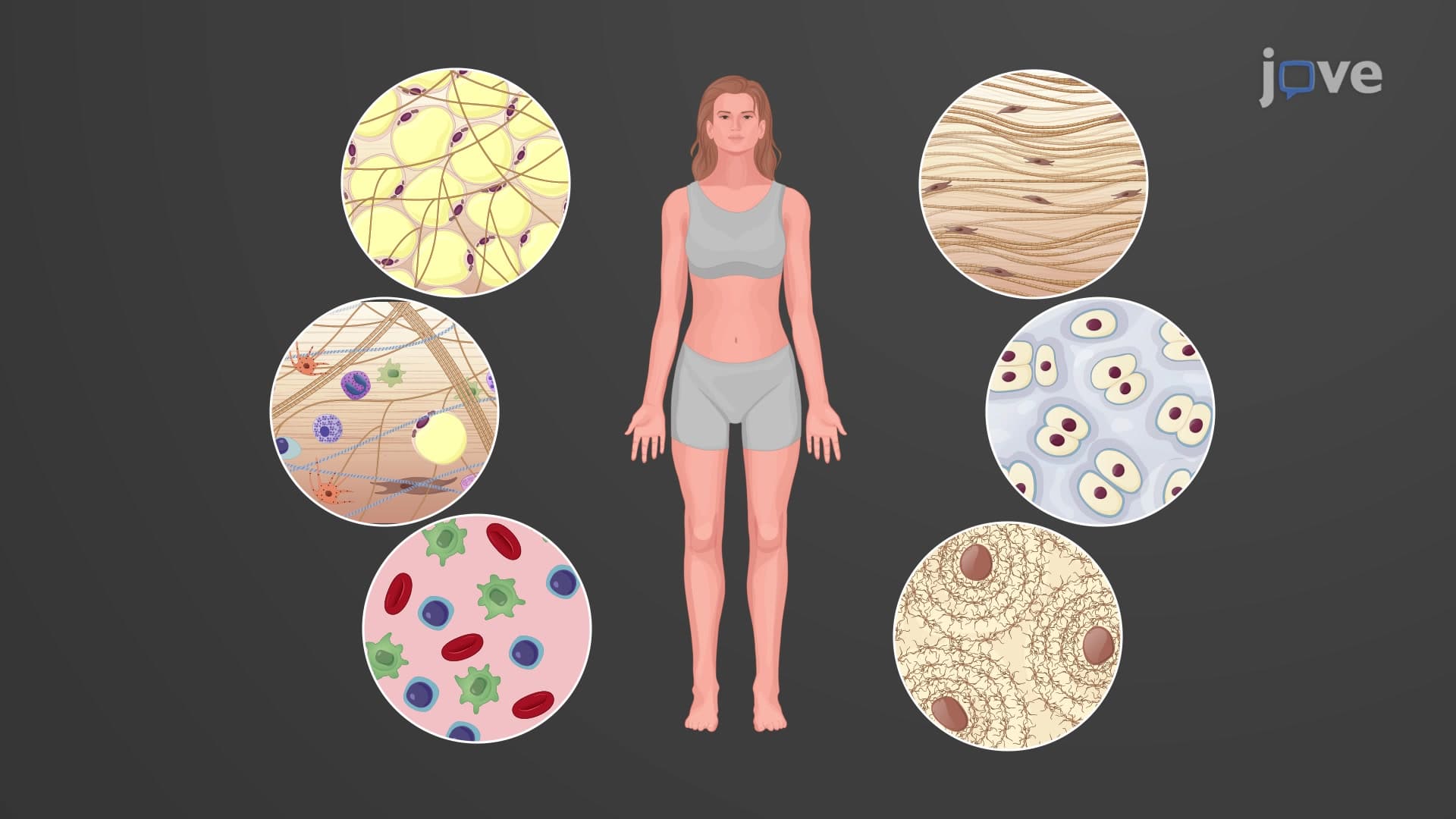
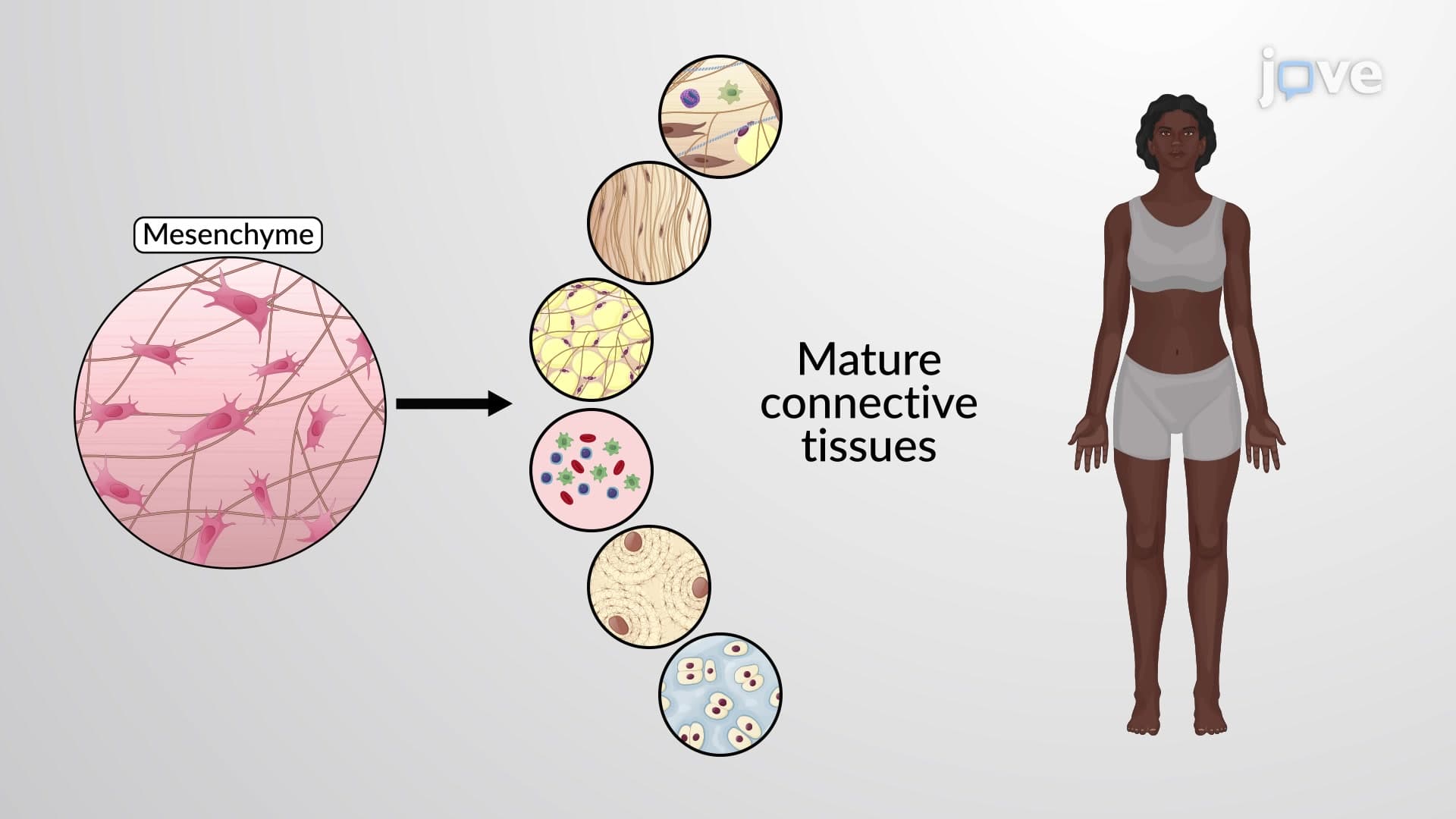
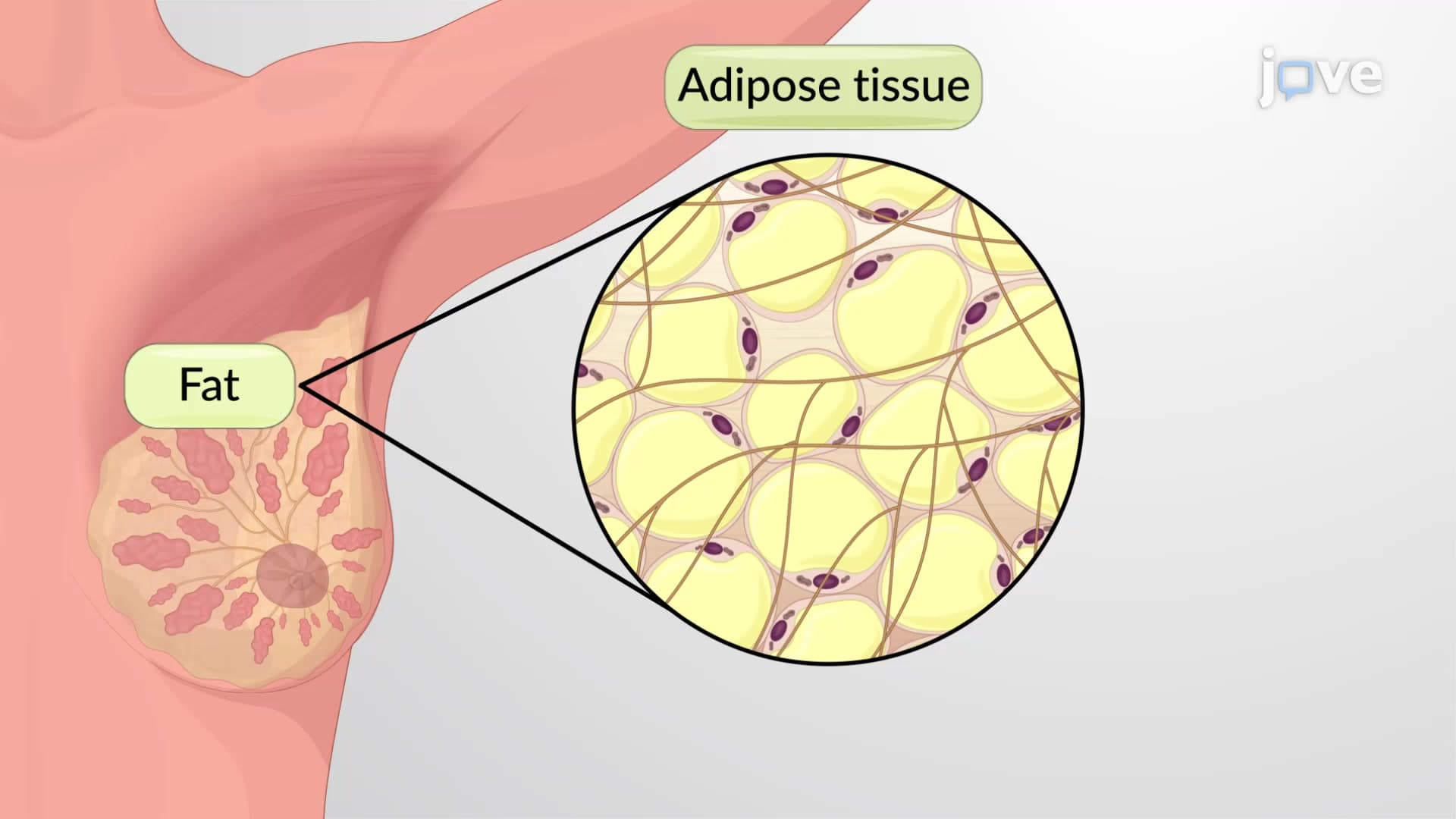
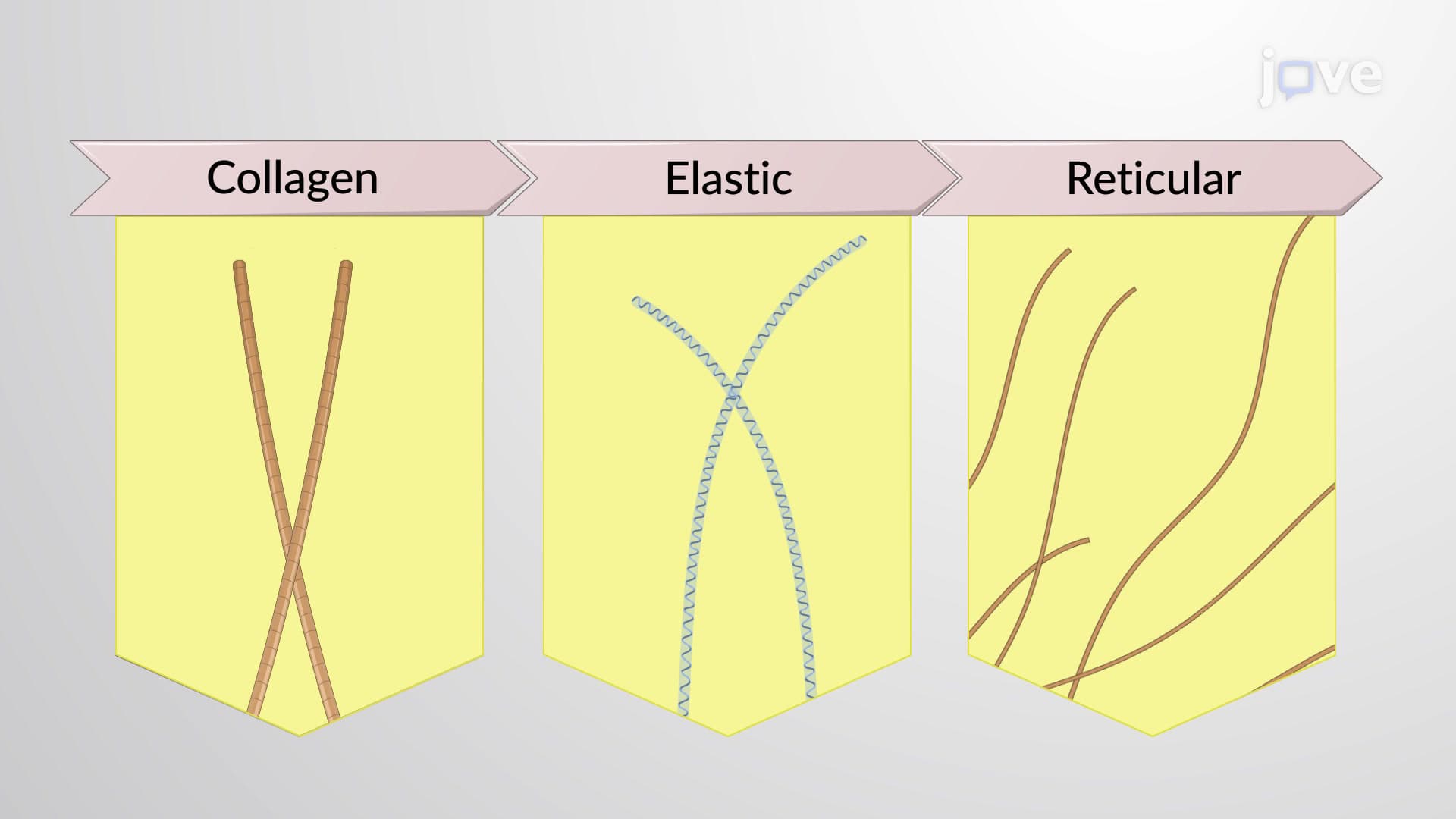
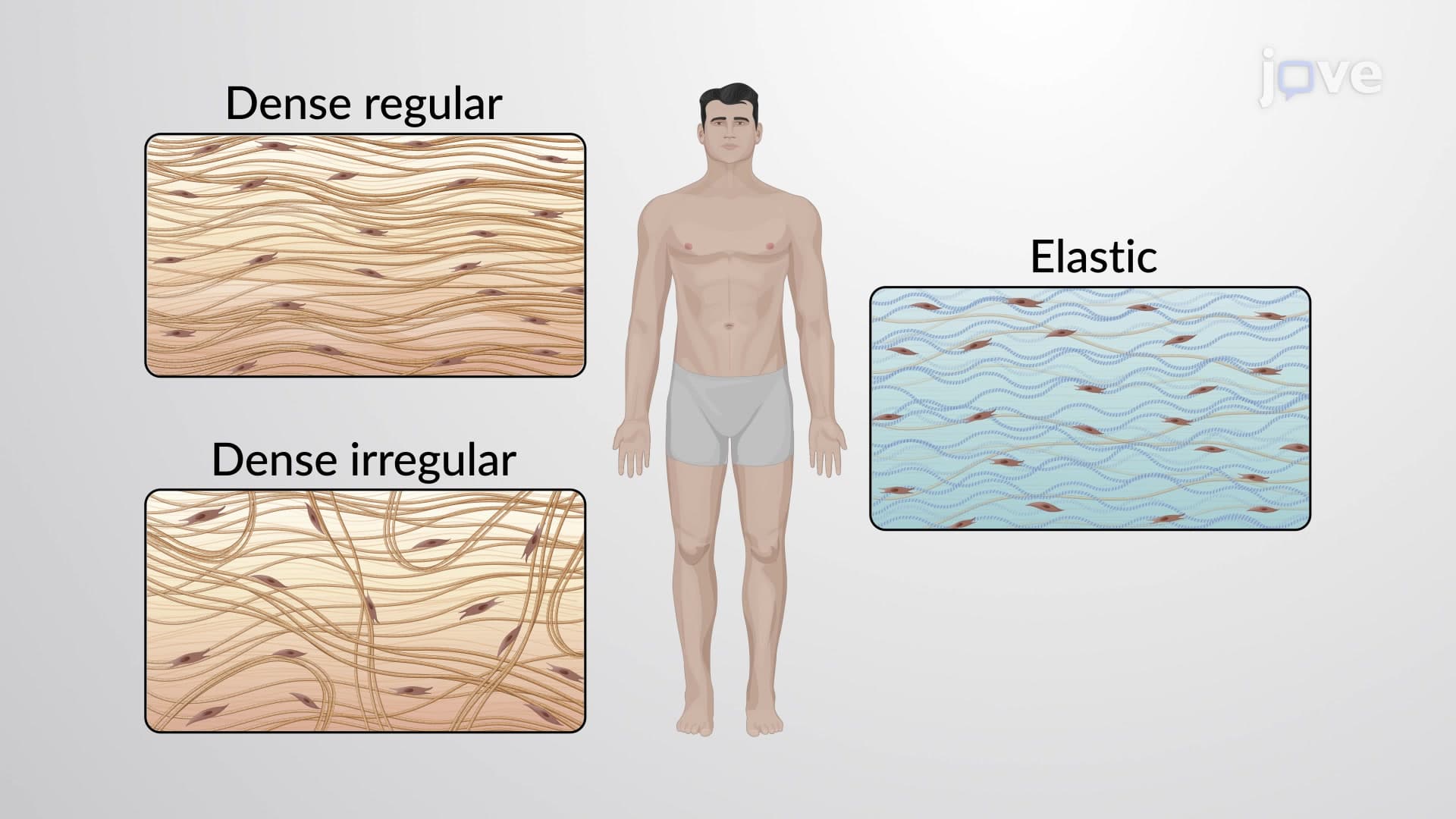
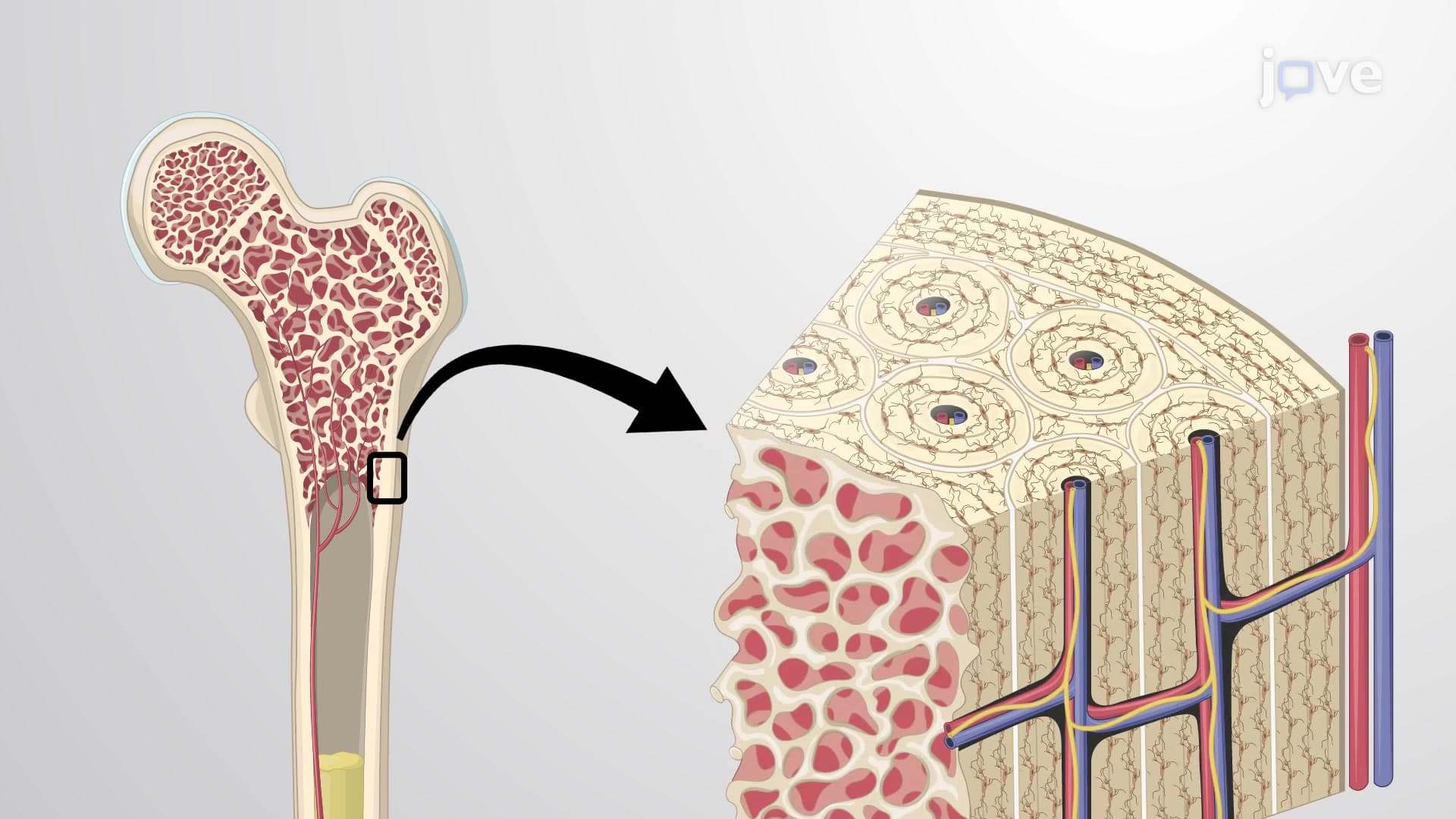
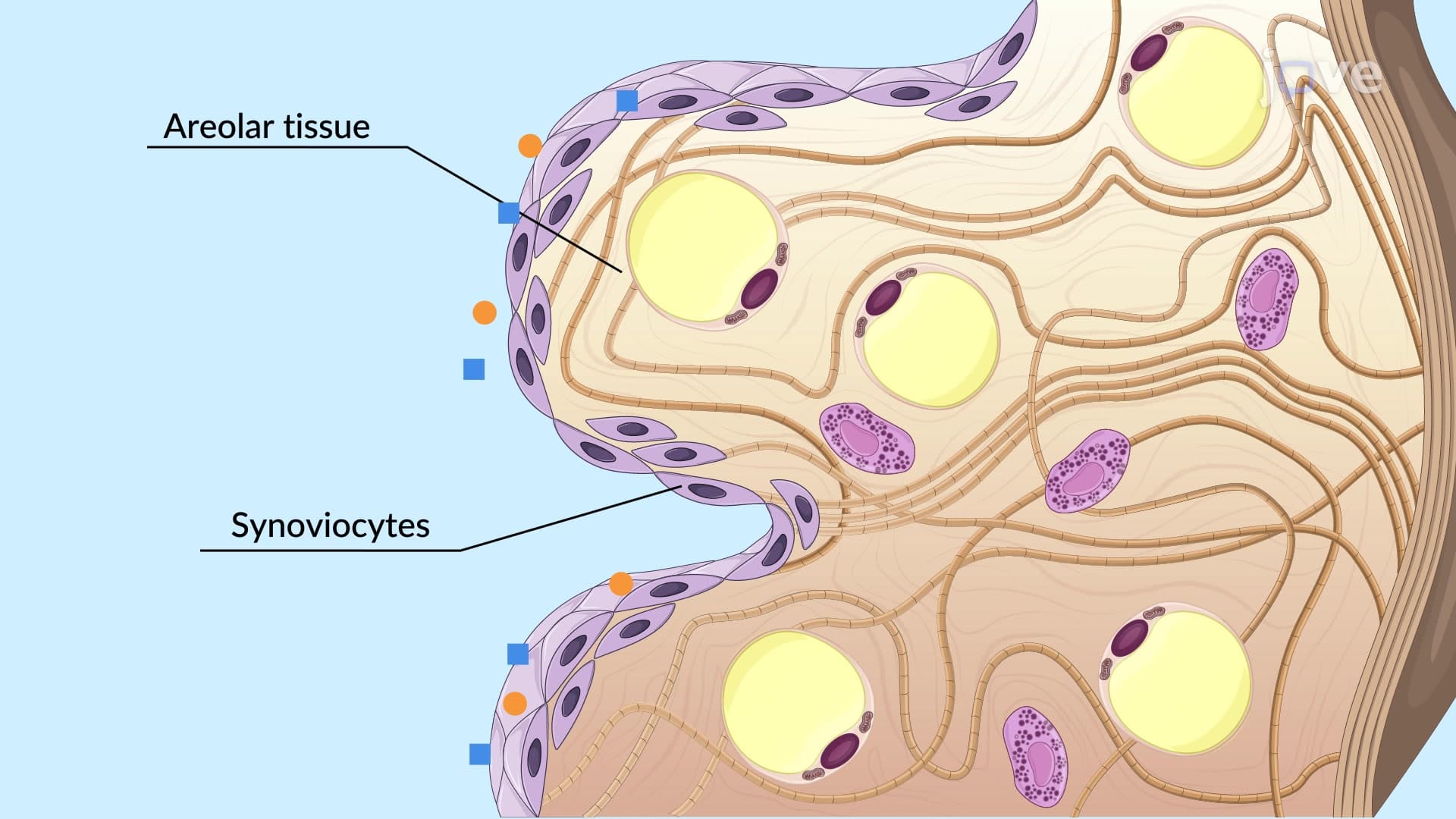
5. Connective Tissue Diversity and Extracellular Matrix Connective tissues demonstrate remarkable structural diversity through varying extracellular matrix compositions and cellular components. Loose connective tissues like areolar tissue provide flexible support and nutrient transport pathways. Dense connective tissues including tendons and ligaments resist mechanical forces through organized collagen fiber arrangements. Specialized connective tissues encompass bone (mineralized matrix), cartilage (flexible matrix), and blood (fluid matrix). The extracellular matrix determines tissue properties through collagen, elastin, and proteoglycan ratios, explaining why bone resists compression while arteries maintain elasticity.
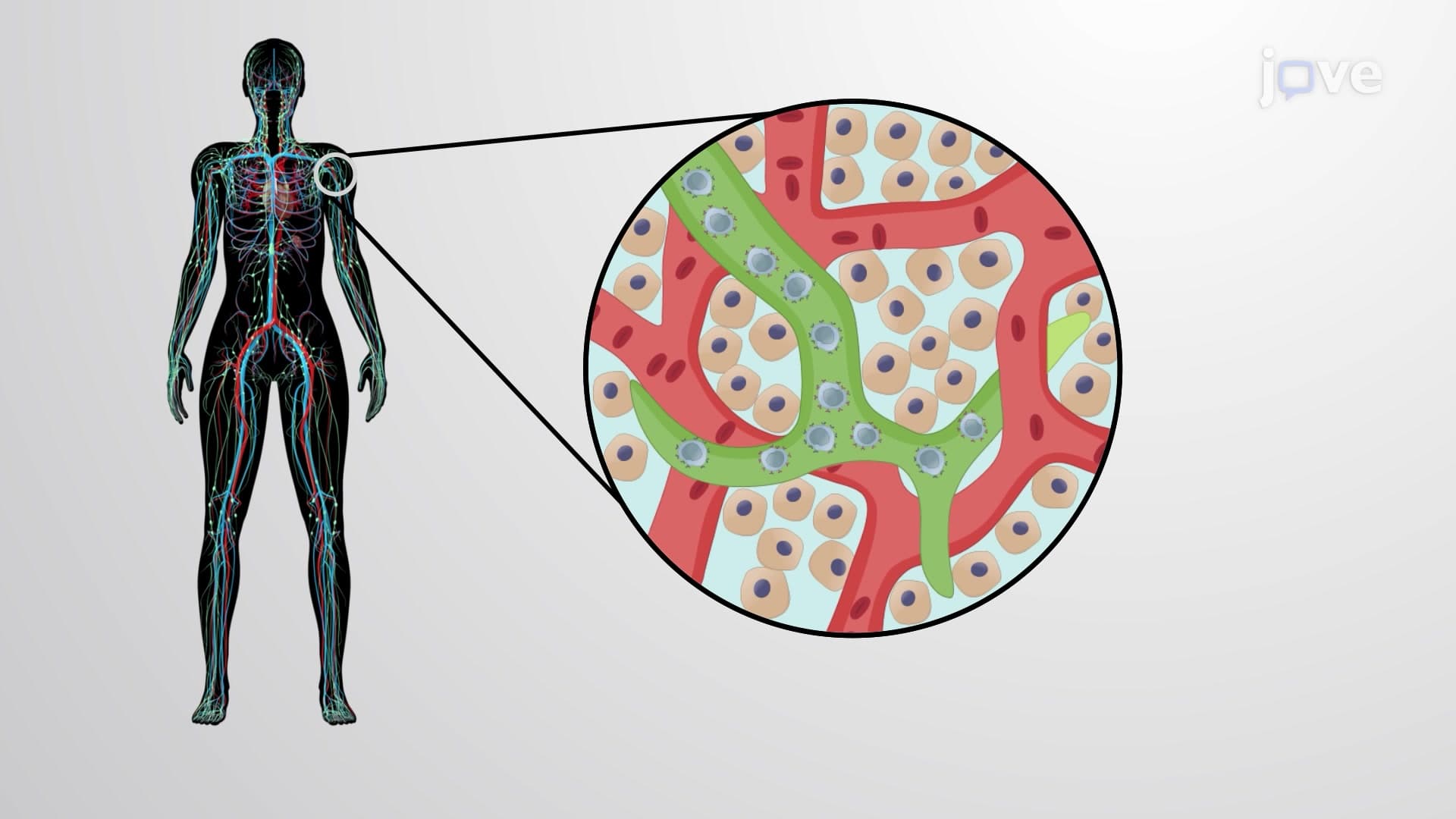
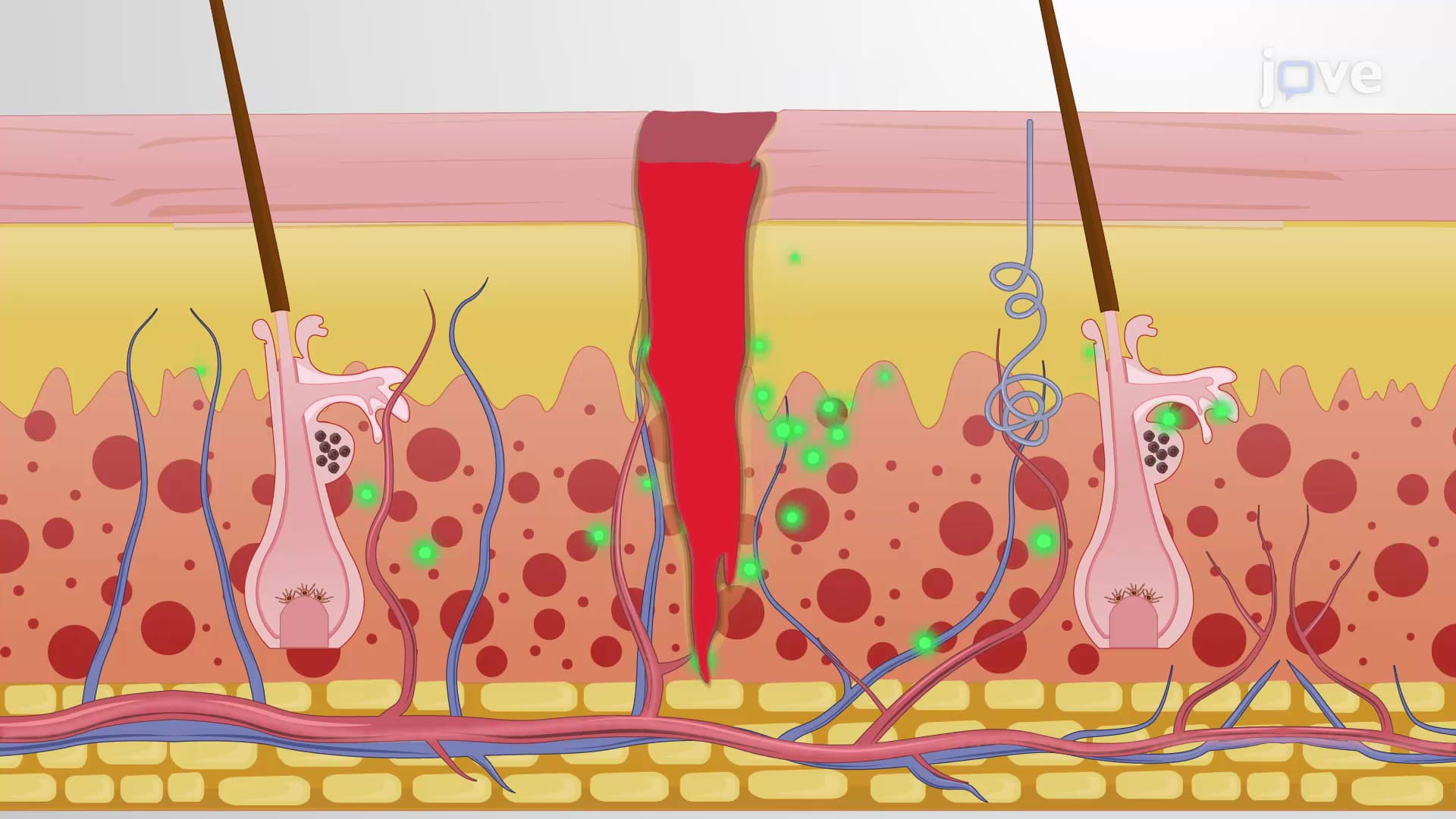
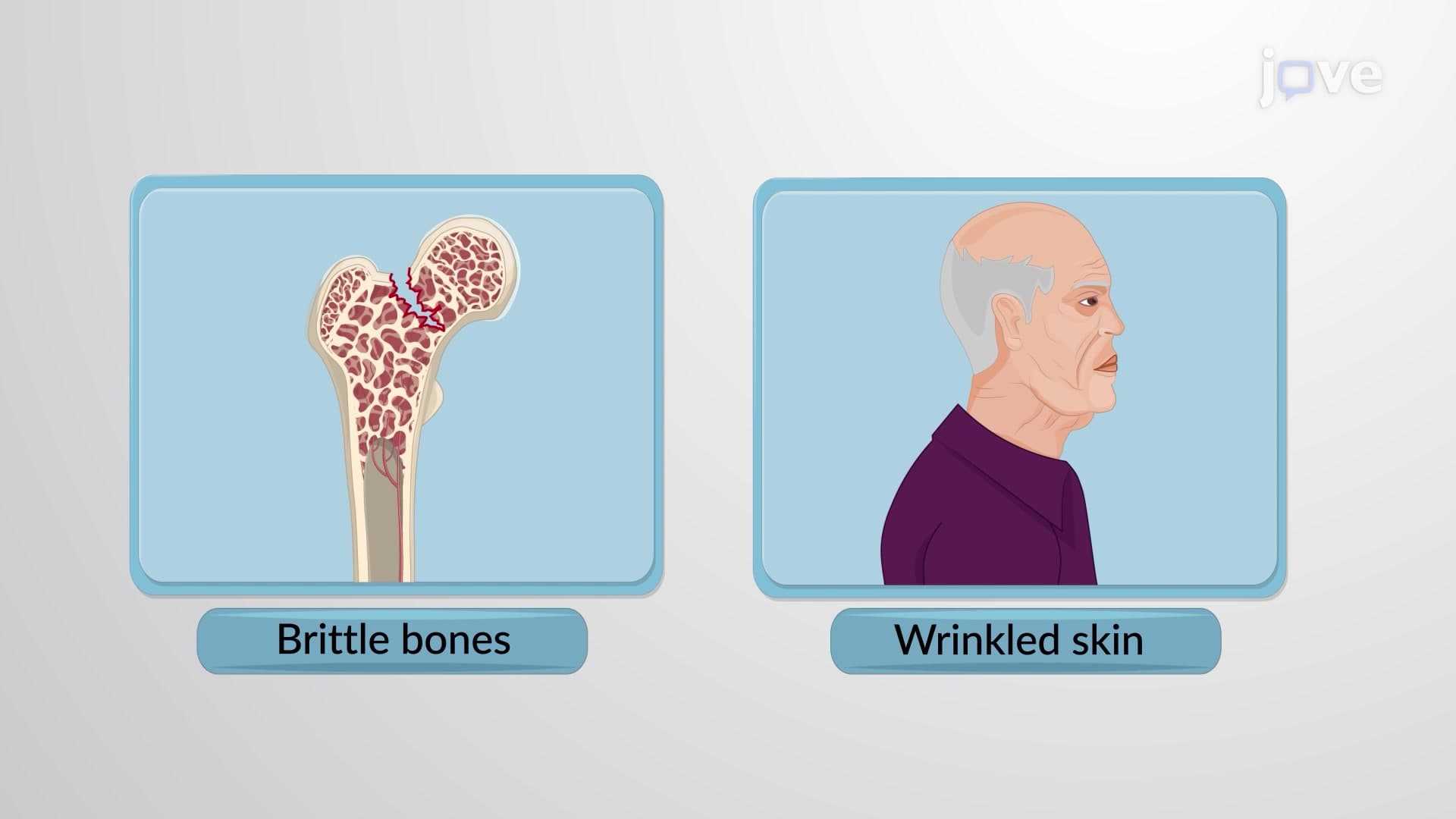
6. Tissue Repair and Aging Processes Tissue injury triggers coordinated repair responses involving inflammation, proliferation, and remodeling phases. Acute inflammation increases vascular permeability and recruits immune cells to injury sites, while chronic inflammation may lead to fibrosis and organ dysfunction. Different tissues show varying regenerative capacities - epithelial tissues regenerate rapidly through stem cell activation, while nervous tissues have limited repair potential. Aging affects tissue structure and function through decreased collagen production, reduced stem cell activity, and accumulating oxidative damage. Understanding repair mechanisms guides therapeutic interventions for wound healing and degenerative diseases.