Loading subject page…


323,108 views

Video Summary: What are Functions of Connective Tissues
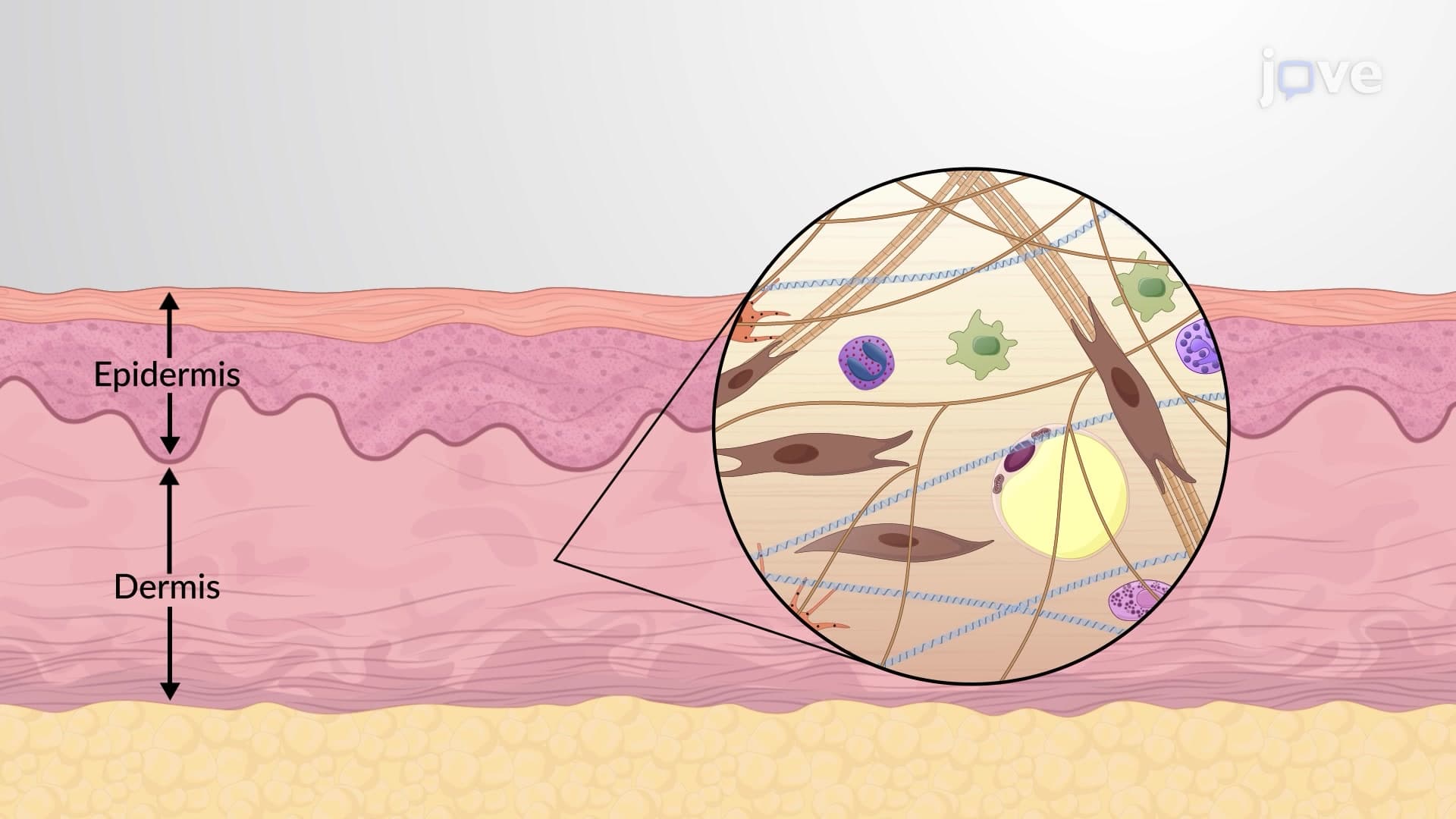
Did you know that connective tissue functions body-wide make up nearly 40% of your total body weight? From the ligaments that prevent UCLA basketball players from dislocating their knees during March Madness to the blood vessels delivering oxygen to your brain during SAT testing, connective tissue functions body systems rely on for survival, protection, and performance. Understanding what are the functions of connective tissues reveals how these versatile tissues create your body's structural foundation, transport vital substances, and defend against disease. Watch the full video on JoVE Coach to master this concept with expert-led visuals and step-by-step explanations.
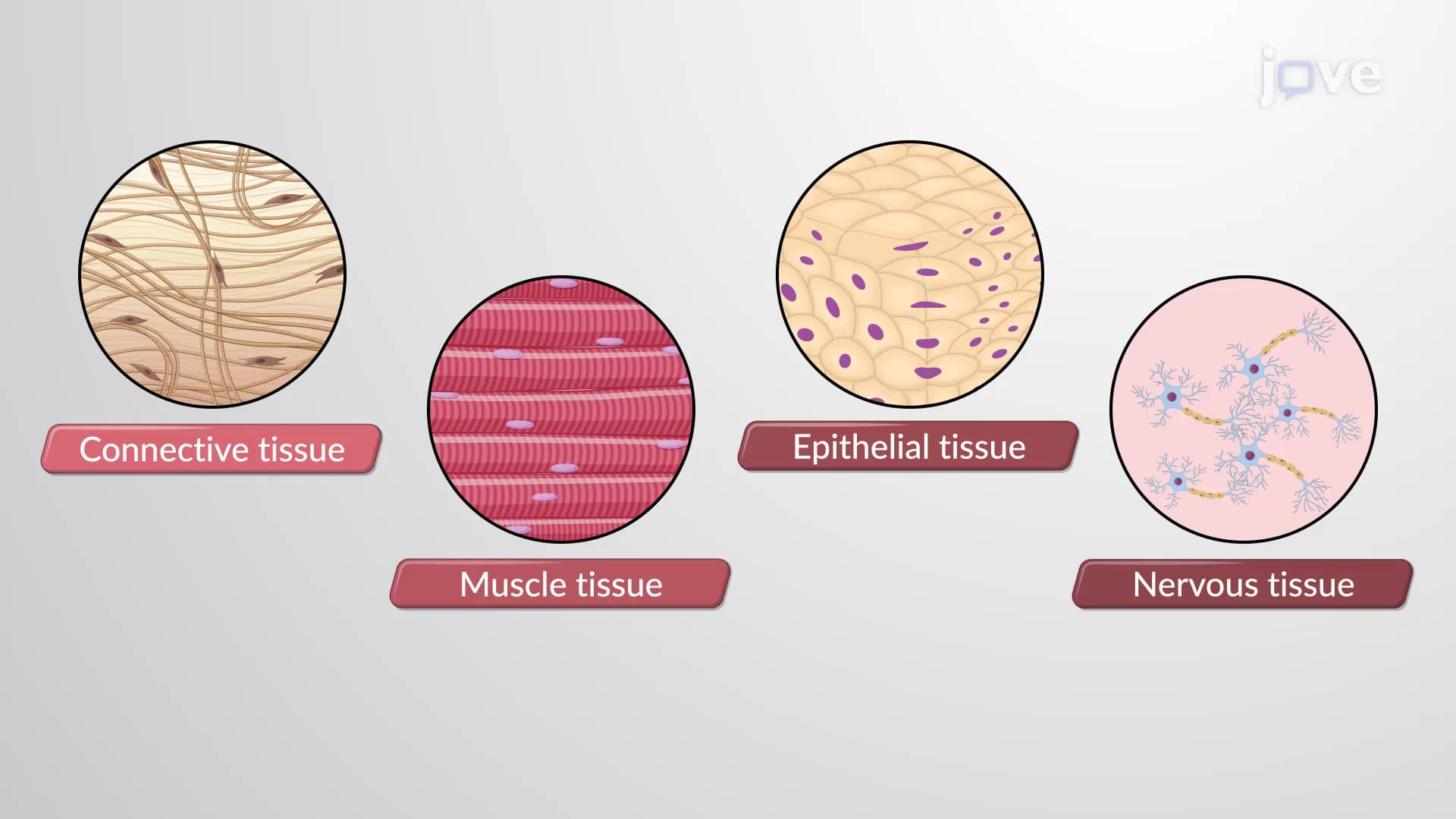
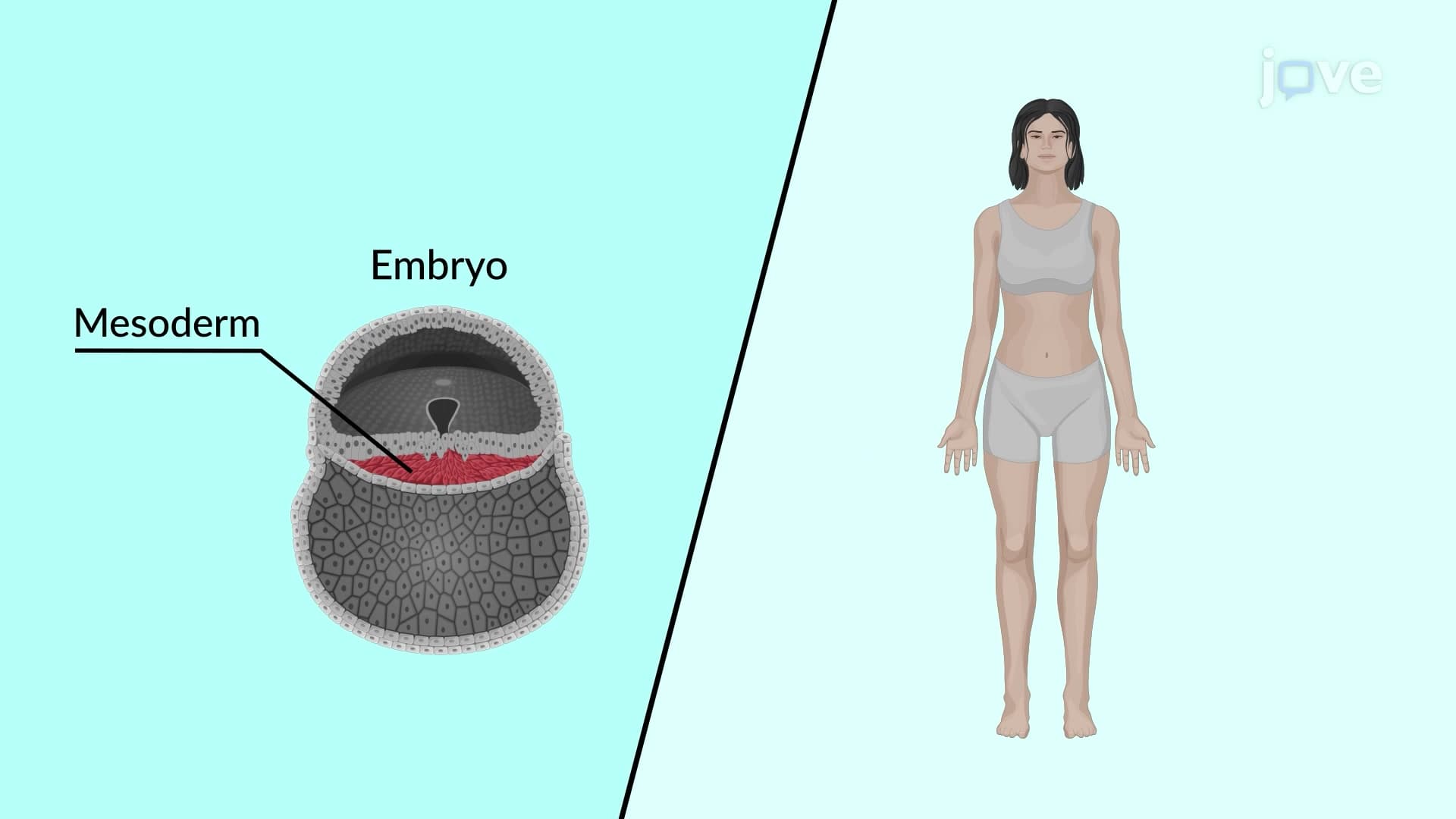
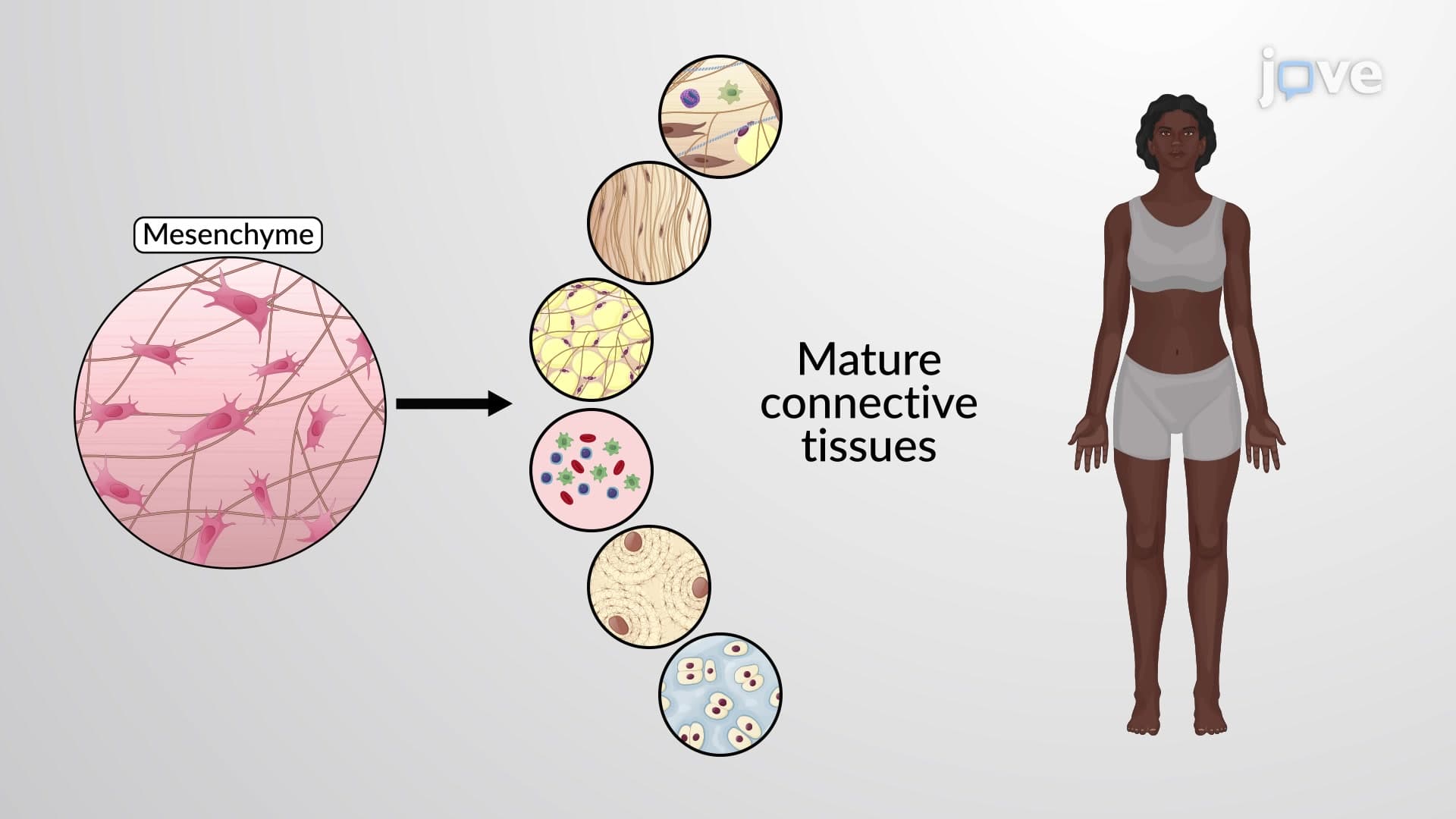
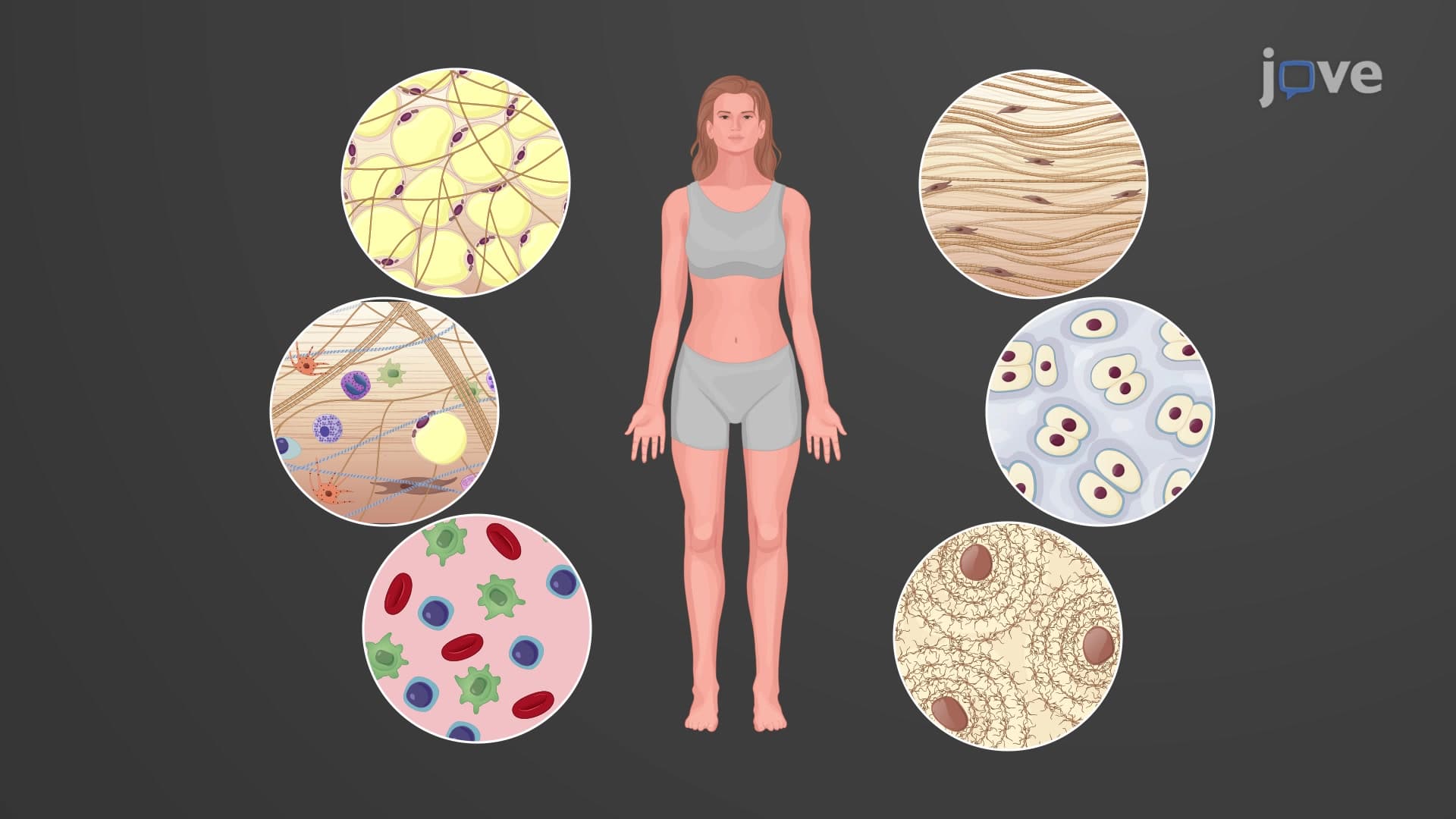
Connective tissue functions body systems through six essential roles that maintain life and enable complex multicellular organization. Unlike epithelial tissues that form barriers or muscle tissues that generate movement, connective tissues create the foundational framework that holds our bodies together while facilitating crucial physiological processes.
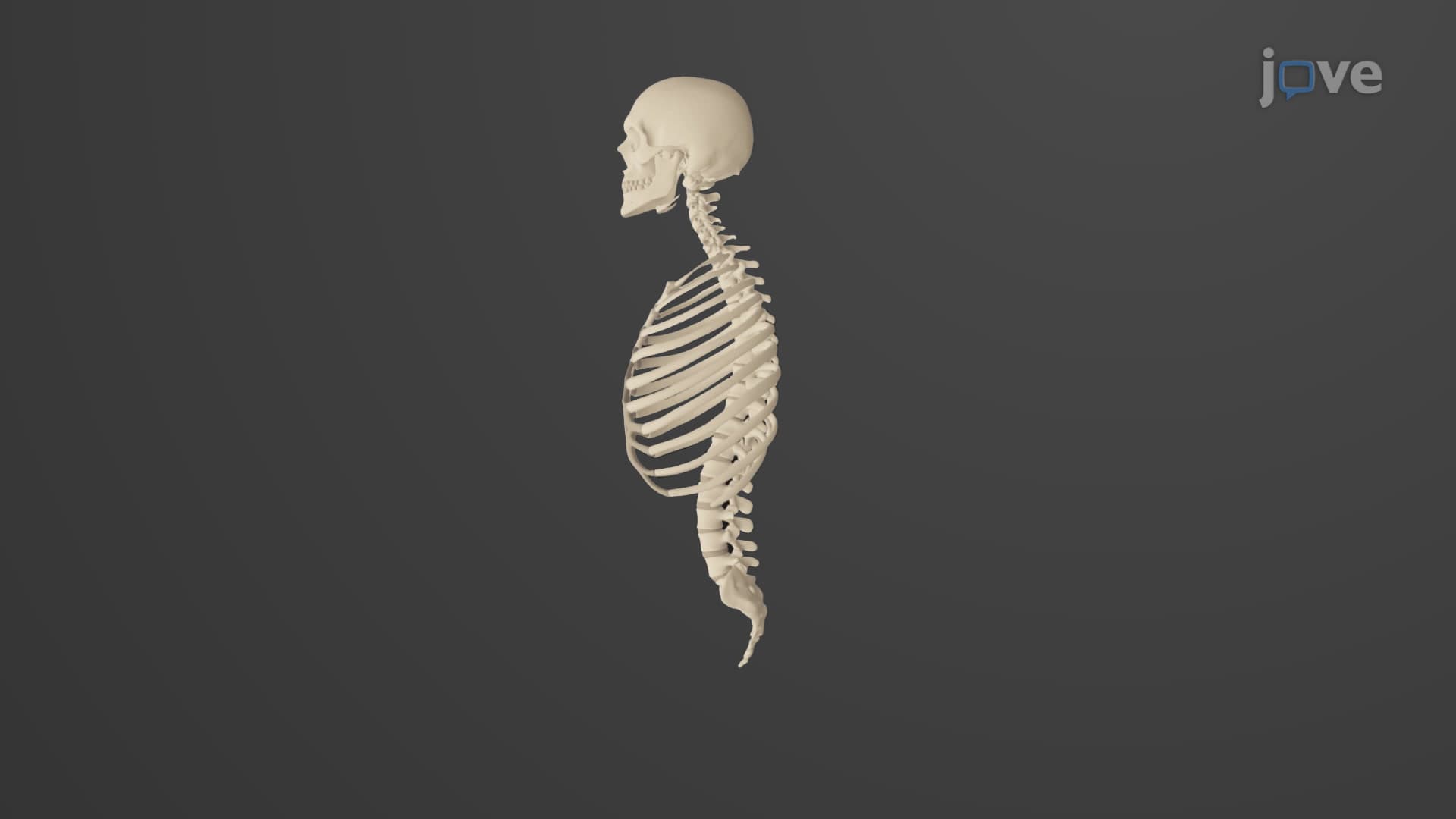
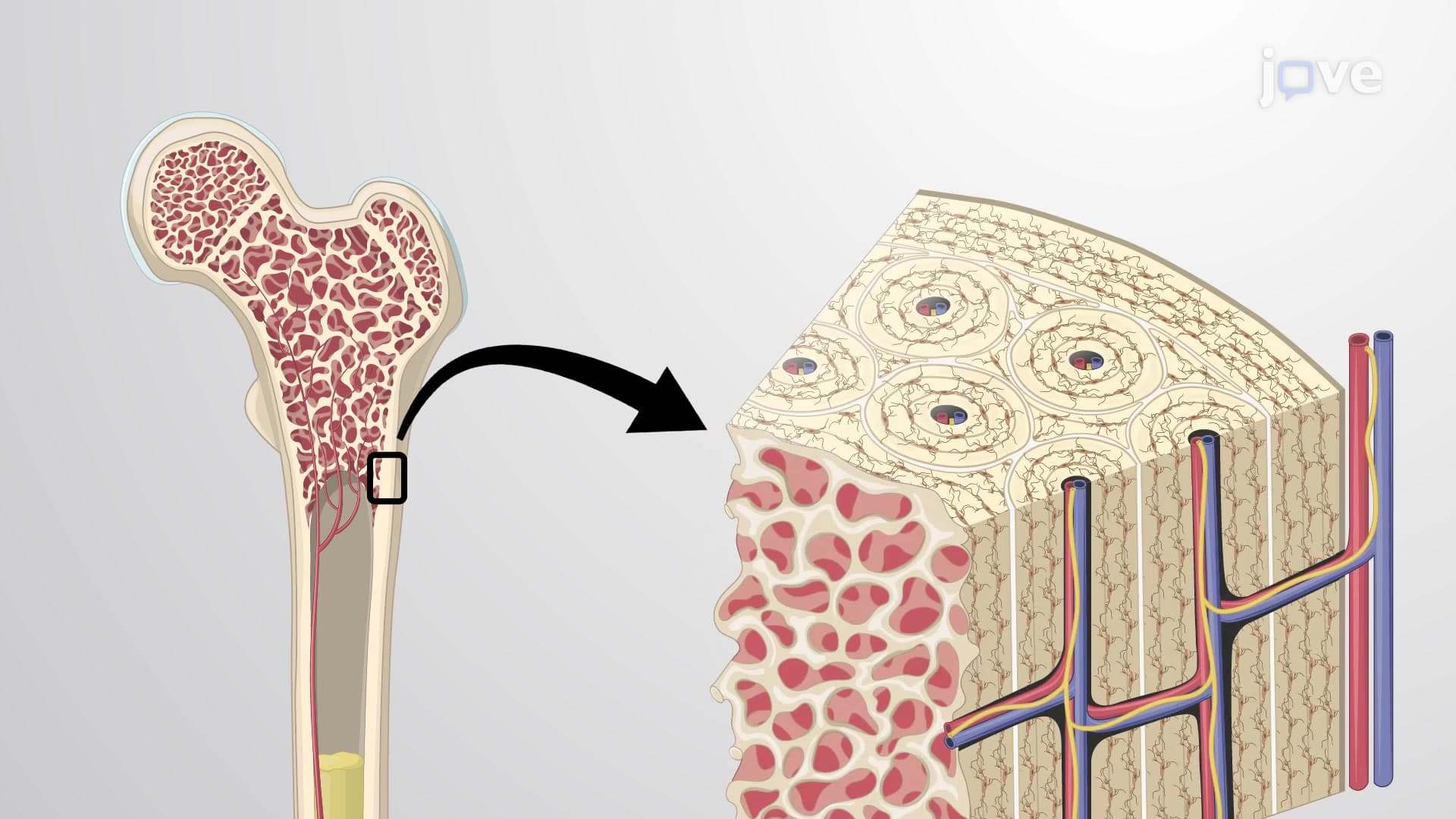
The structural support connective tissue provides forms your body's architectural foundation. Bones contain mineralized connective tissue matrix that creates rigid support structures capable of withstanding tremendous forces-consider how NFL players' femurs resist up to 4,000 pounds of pressure during tackles. Cartilage provides flexible cushioning in joints, allowing smooth movement in your knees during basketball or shoulders during swimming. Tendons create nearly indestructible connections between muscles and bones, with Achilles tendons withstanding forces equivalent to lifting a small car. This structural framework appears frequently on AP Biology exams, particularly in questions comparing tissue types and analyzing musculoskeletal system integration.
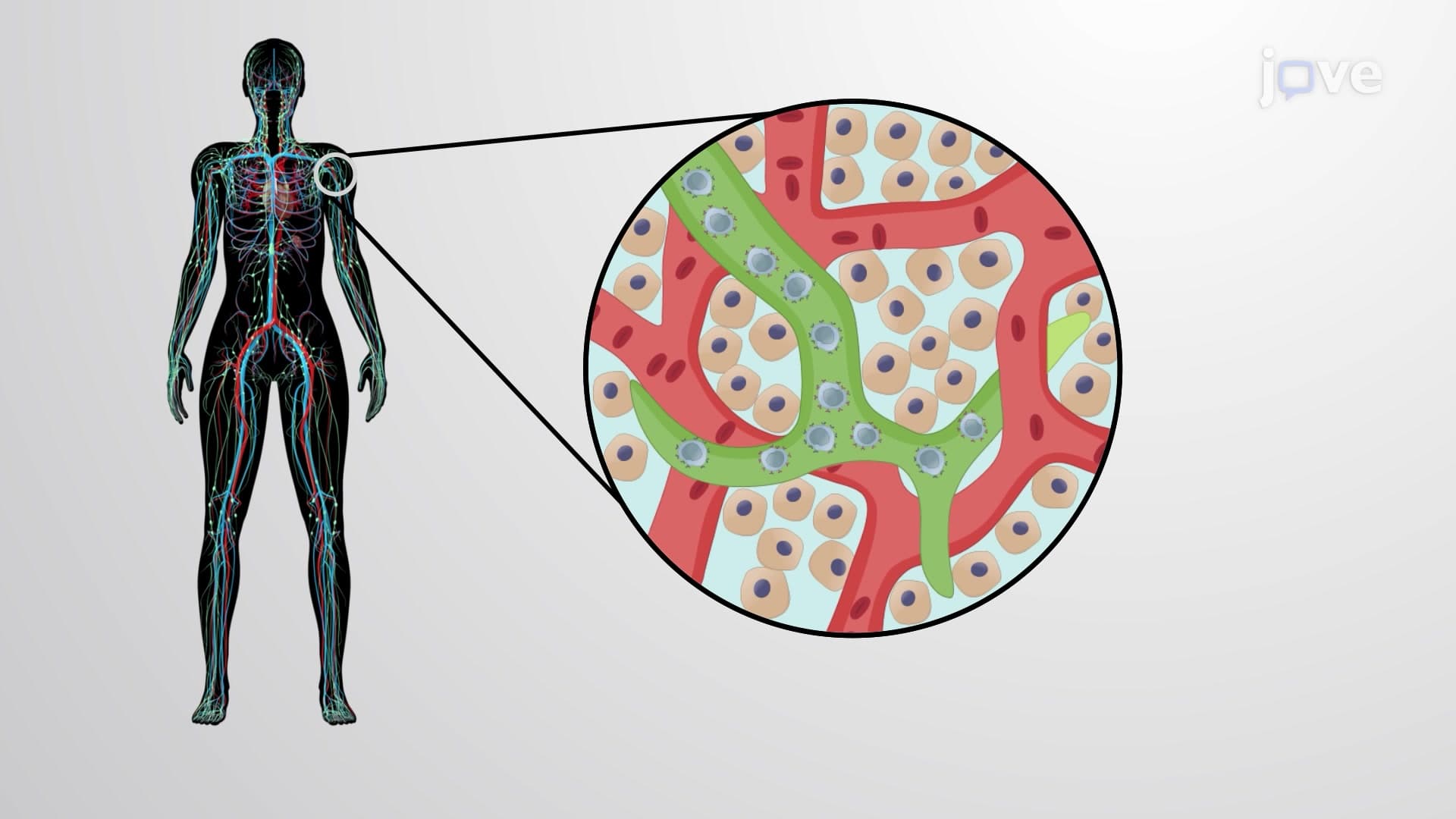
Transport connective tissue systems include blood and lymphatic fluid, which collectively move over 2,000 gallons of fluid daily through your circulatory networks. Blood plasma carries dissolved nutrients from digested meals, oxygen from lung alveoli, and hormones from endocrine glands to target tissues. Simultaneously, blood removes metabolic waste products like carbon dioxide and urea for elimination. The lymphatic system complements blood circulation by collecting excess tissue fluid and returning it to cardiovascular circulation while filtering potential pathogens through lymph nodes.
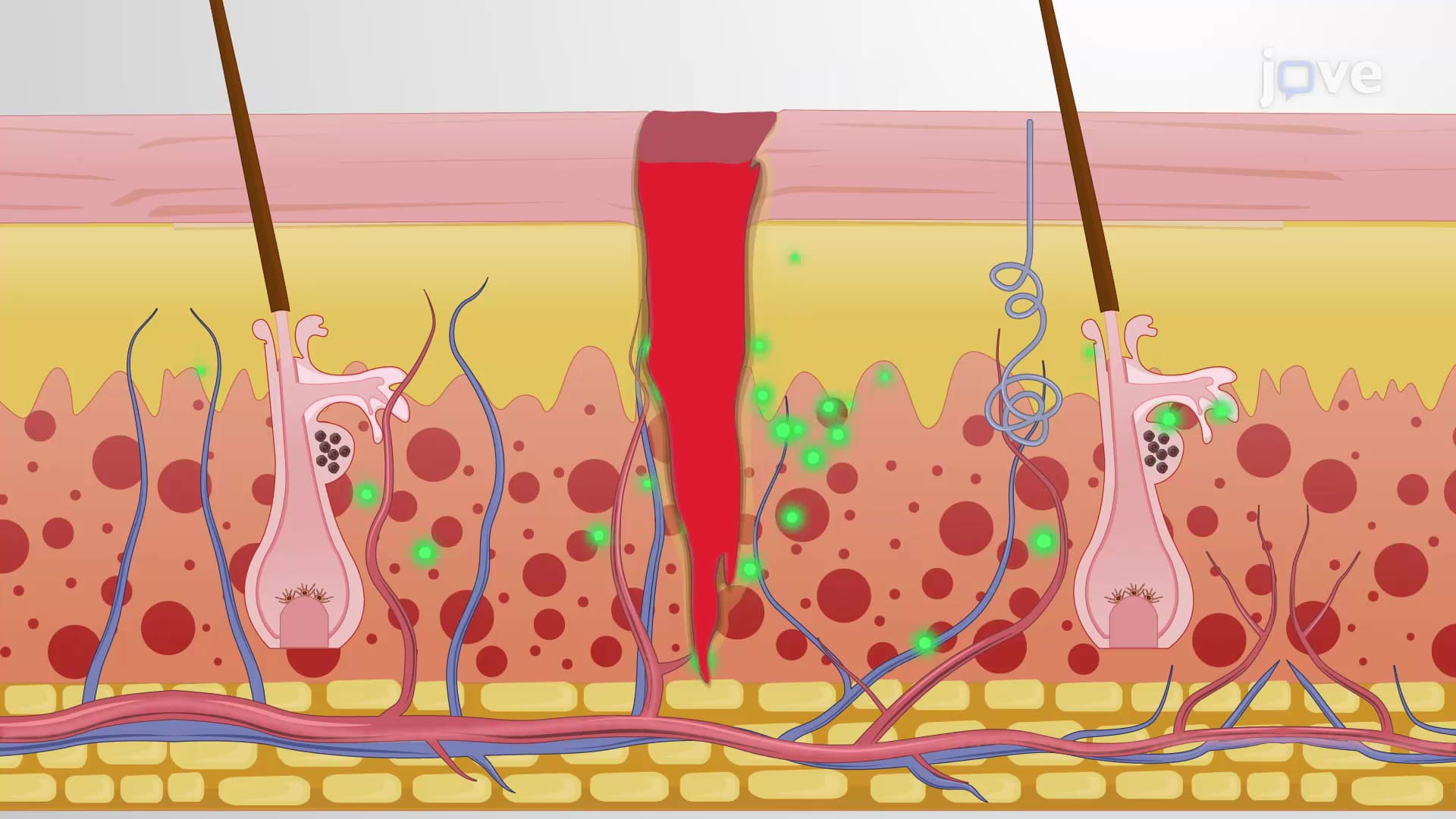
The connective tissue defense function operates through specialized immune cells distributed throughout connective tissue matrices. White blood cells patrol tissue spaces, identifying and eliminating bacterial infections, viral invaders, and abnormal cells. During inflammatory responses to injuries-like ankle sprains common in high school athletics-connective tissues coordinate immune cell recruitment, increase blood flow to affected areas, and initiate tissue repair processes. Antibodies produced by plasma cells circulate through connective tissue fluid, providing specific pathogen recognition and neutralization.
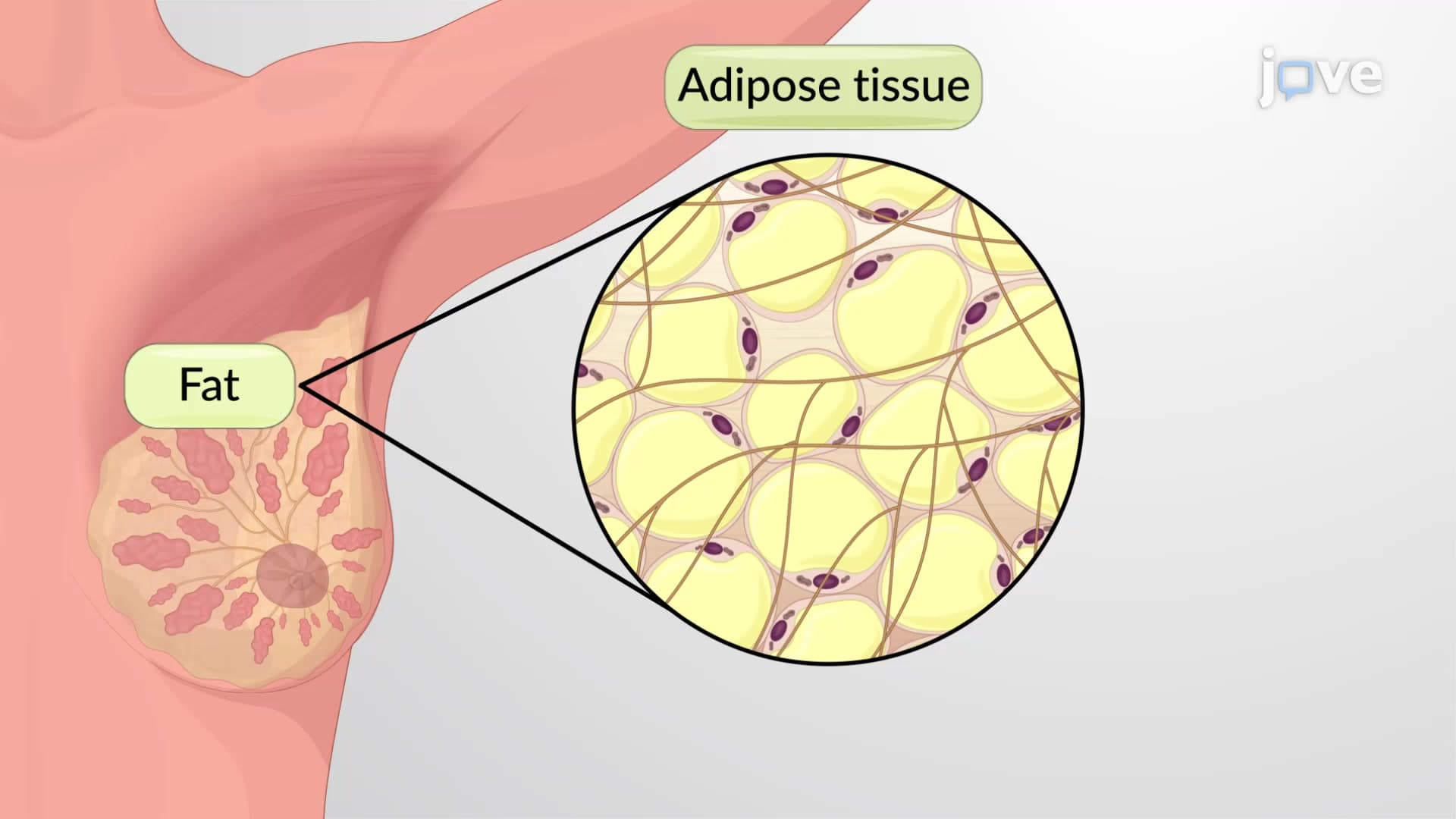
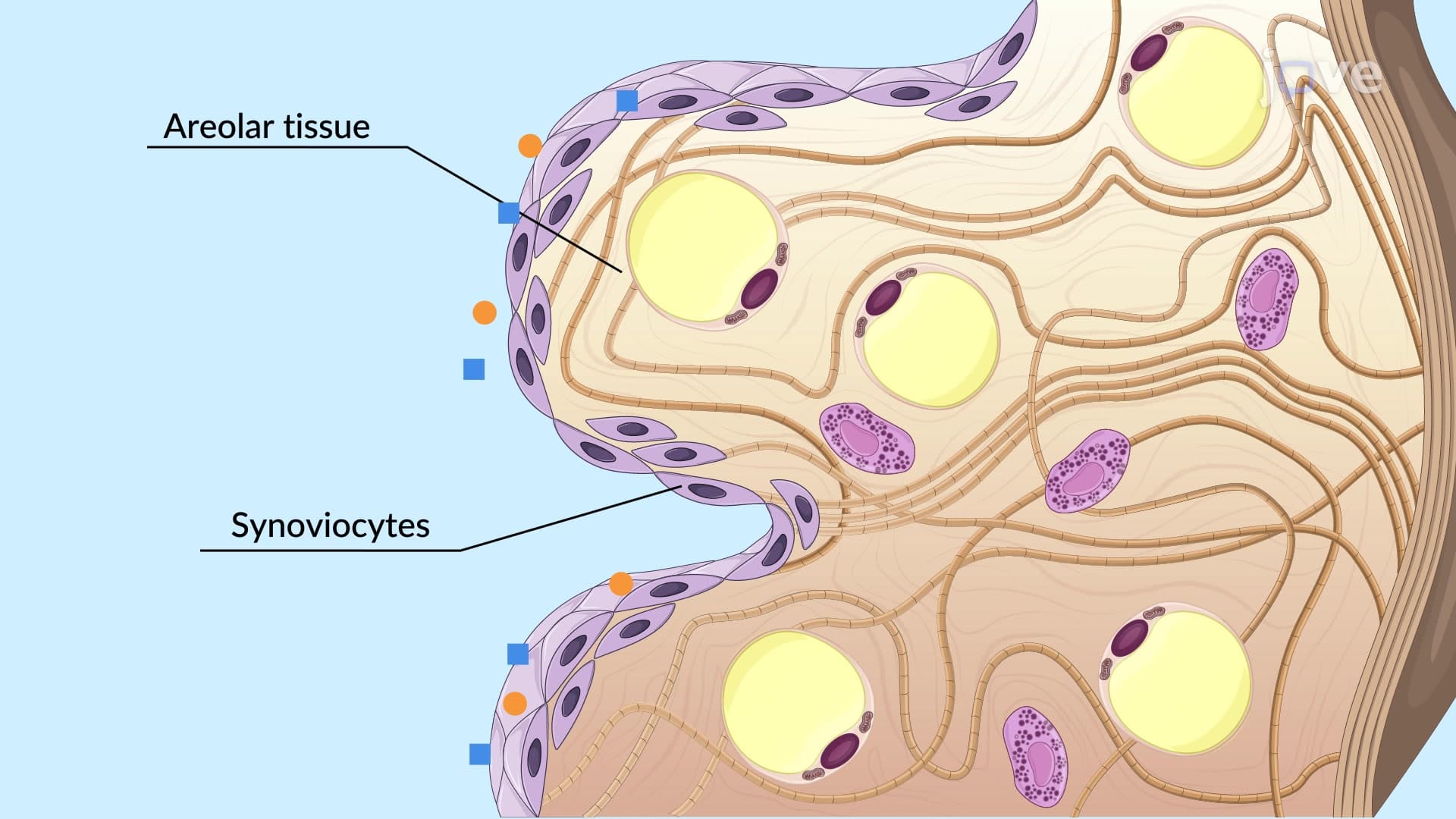
Energy storage adipose tissue serves as your body's primary fuel reservoir, storing approximately 135,000 calories in average adults. Brown adipose tissue generates heat through specialized cellular metabolism, particularly important for maintaining core body temperature during cold exposure. White adipose tissue releases stored fatty acids during extended periods between meals, such as overnight fasting or during marathon running. College anatomy courses emphasize how adipose distribution patterns affect metabolic health and disease risk factors.
Related Micro-courses