Loading video…


 26 Concepts
 323.1K views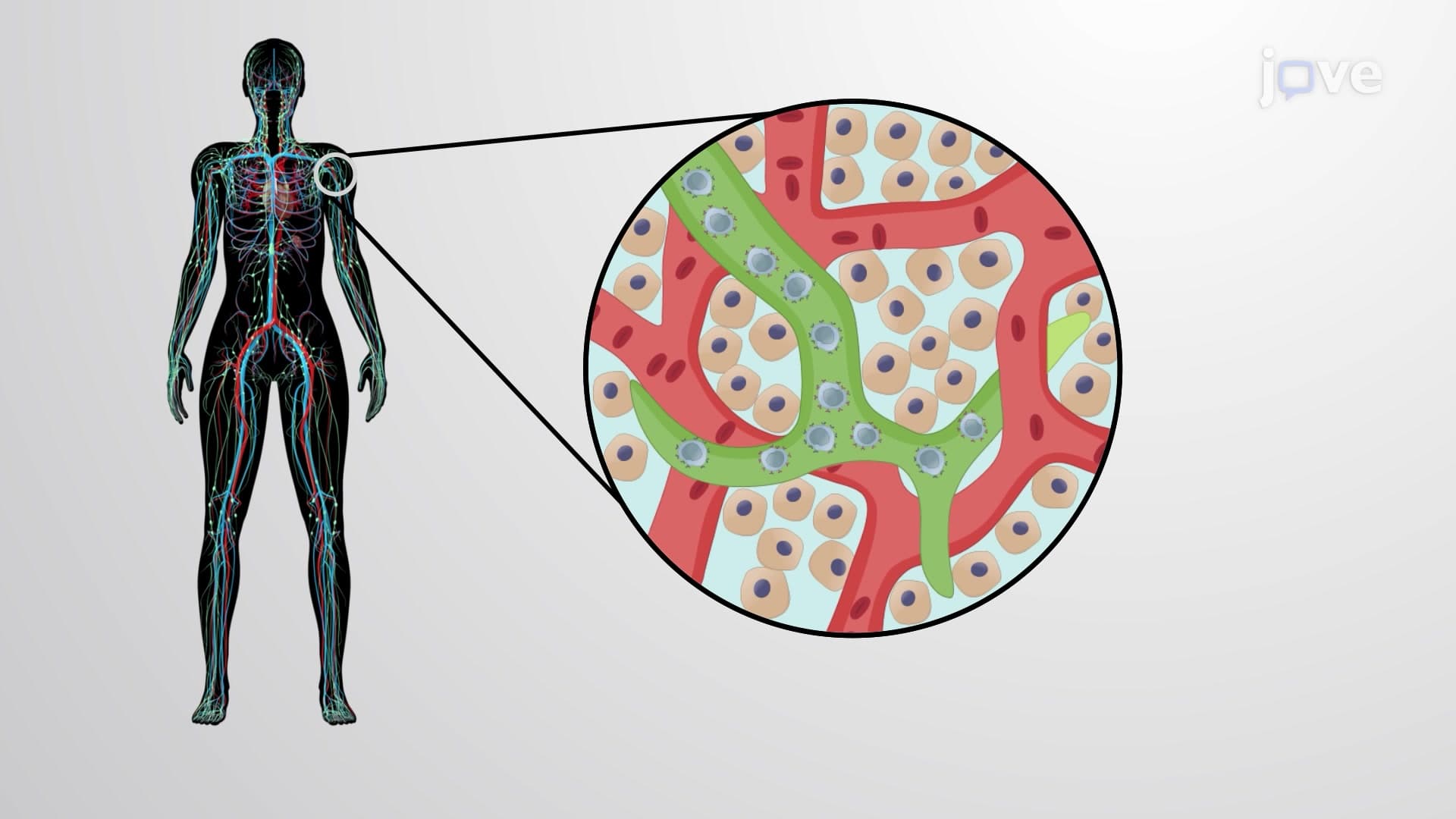

Video Summary: Fluid Connective Tissues Blood and Lymph Explained
Did you know that blood makes up about 7-8% of your total body weight, yet it connects every organ in your body? Blood lymph connective tissue functions as your body's transportation highway, delivering oxygen and nutrients while removing cellular waste. Unlike bone or cartilage that provide structural support, Fluid Connective Tissues Blood And Lymph Explained reveals how these liquid tissues maintain life through circulation and immune defense-think of how blood rushes to a cut finger at Massachusetts General Hospital's emergency room. Watch the full video on JoVE Coach to master this concept with expert-led visuals and step-by-step explanations.
Unlike traditional connective tissues such as bone, cartilage, or tendons that provide mechanical support, blood and lymph represent a specialized category called fluid connective tissues. These liquid tissues perform essential connecting functions by transporting materials between organs, maintaining communication throughout the body, and defending against threats. In the United States healthcare system, understanding these tissues proves crucial for medical students preparing for the MCAT or nursing students taking the NCLEX examination.
Blood consists of formed elements suspended in plasma, creating a complex fluid connective tissue. Erythrocytes (red blood cells) contain hemoglobin, the iron-rich protein responsible for oxygen transport and blood's characteristic red color. A typical adult has approximately 25 trillion red blood cells, each living about 120 days before replacement. White blood cells, including phagocytes and lymphocytes, serve as the body's mobile immune system. Phagocytes literally "eat" pathogens through engulfment, while lymphocytes coordinate immune responses and produce antibodies. Platelets, though cell fragments rather than complete cells, initiate blood clotting alongside fibrin proteins when injury occurs-essential knowledge for AP Biology students studying homeostasis.
The lymphatic system works alongside blood circulation to maintain fluid balance. As blood flows through capillaries under hydrostatic pressure, plasma components leak into surrounding tissues, becoming interstitial fluid. This fluid bathes tissue cells, delivering nutrients and collecting cellular waste. When interstitial fluid enters lymphatic vessels, it transforms into lymph-a clear fluid resembling plasma but containing fewer proteins and more immune cells. Major medical centers like the Cleveland Clinic rely on understanding lymphatic drainage patterns for surgical procedures and cancer treatment planning.
These concepts appear frequently on standardized exams including the MCAT's Biological and Biochemical Foundations section and AP Biology's circulatory system units. College anatomy and physiology courses emphasize fluid connective tissue classification, especially for pre-med and nursing tracks. Understanding blood-lymph relationships proves essential for interpreting laboratory values, comprehending disease processes like lymphedema, and grasping pharmaceutical distribution throughout body compartments.
Related Micro-courses