Loading video…


 26 Concepts
 323.1K views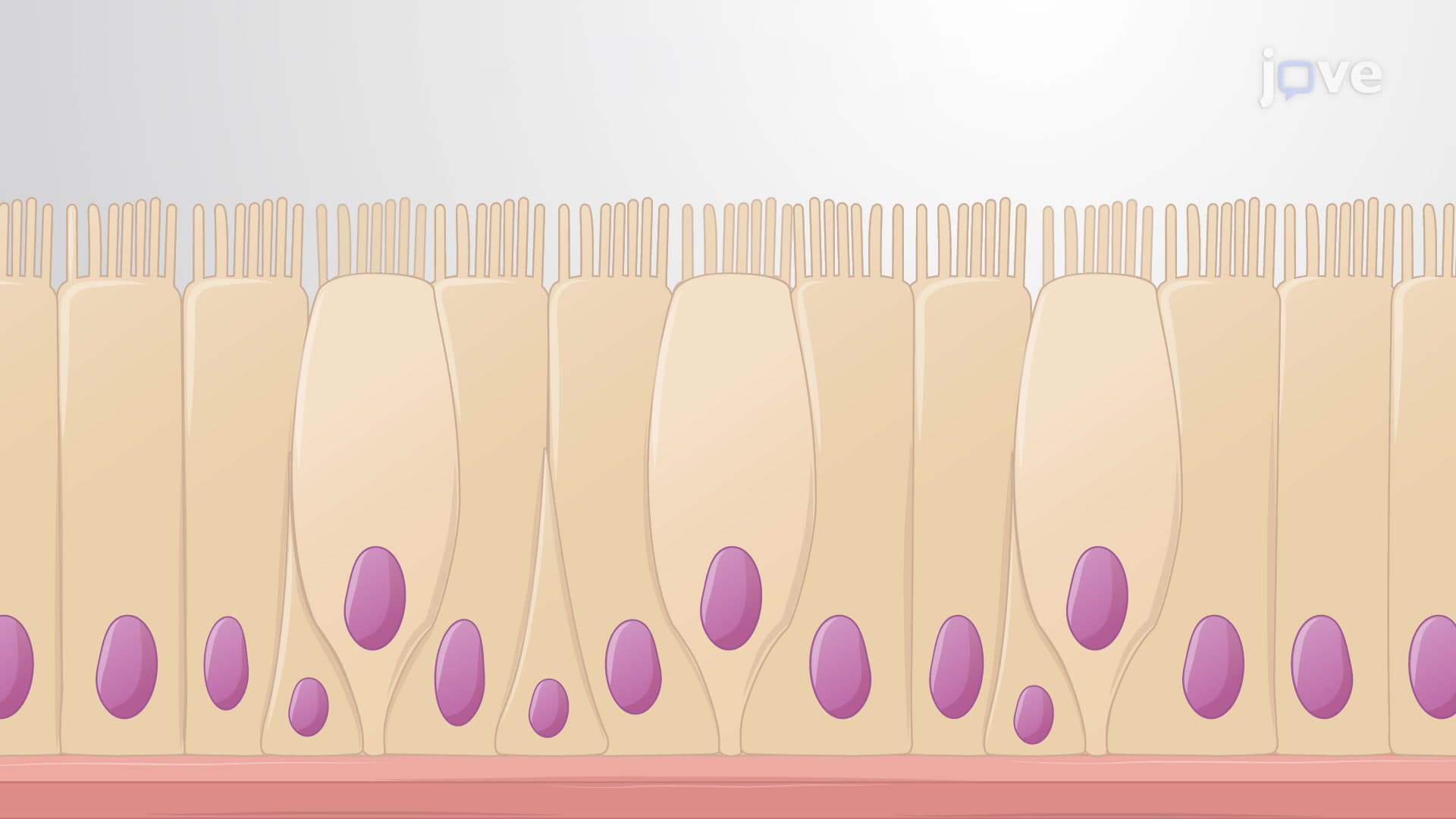

Video Summary: What Is Epithelial Tissues Simple Classification
Did you know that the ultra-thin lining inside your blood vessels is only one cell thick yet strong enough to withstand your heartbeat 100,000 times daily? Simple epithelial classification reveals how these single cell layer structures are perfectly engineered for specific functions. From the gas exchange in your lungs at Denver's high altitude to nutrient absorption in your intestines after eating a meal, simple epithelium types explained demonstrate nature's efficiency in biological design. Watch the full video on JoVE Coach to master this concept with expert-led visuals and step-by-step explanations.
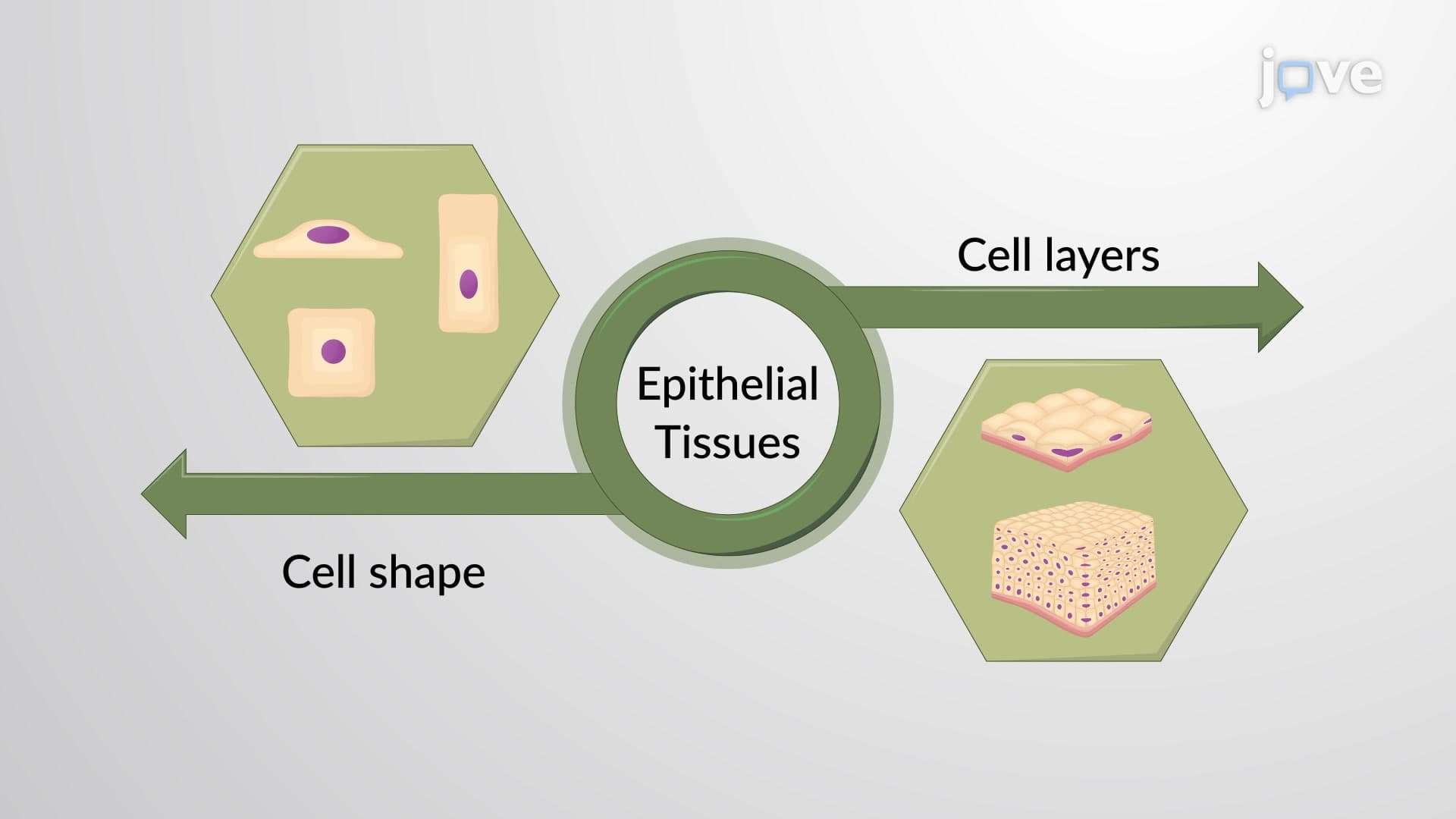
What is epithelial tissues simple classification centers on understanding how single-layer cellular arrangements create specialized biological barriers. Unlike stratified epithelia with multiple cell layers, simple epithelium consists of just one layer of cells resting directly on a basement membrane. This minimal thickness-often just 10-20 micrometers-allows for rapid molecular transport while maintaining selective permeability. The classification system categorizes these tissues based on cell shape: squamous (flat), cuboidal (cube-shaped), or columnar (tall and narrow).
Simple squamous epithelium features extremely flattened cells that create smooth, friction-reducing surfaces. The endothelium lining blood vessels throughout the cardiovascular system exemplifies this design-from major arteries leaving the heart to tiny capillaries in muscle tissue. During a typical echocardiogram at hospitals like Johns Hopkins or Mayo Clinic, physicians can visualize how this smooth endothelial lining facilitates efficient blood flow. Mesothelium represents another specialized form, creating the slippery pleural lining around lungs that prevents friction during the 20,000 breaths you take daily.
Simple cuboidal epithelium, with cells of equal height and width, excels at secretion and reabsorption processes. In kidney nephrons, these cube-shaped cells actively transport waste products into urine while reclaiming essential nutrients and water-a process crucial for maintaining homeostasis. Medical students studying for the MCAT often encounter questions about how diuretic medications affect these cuboidal cell functions.
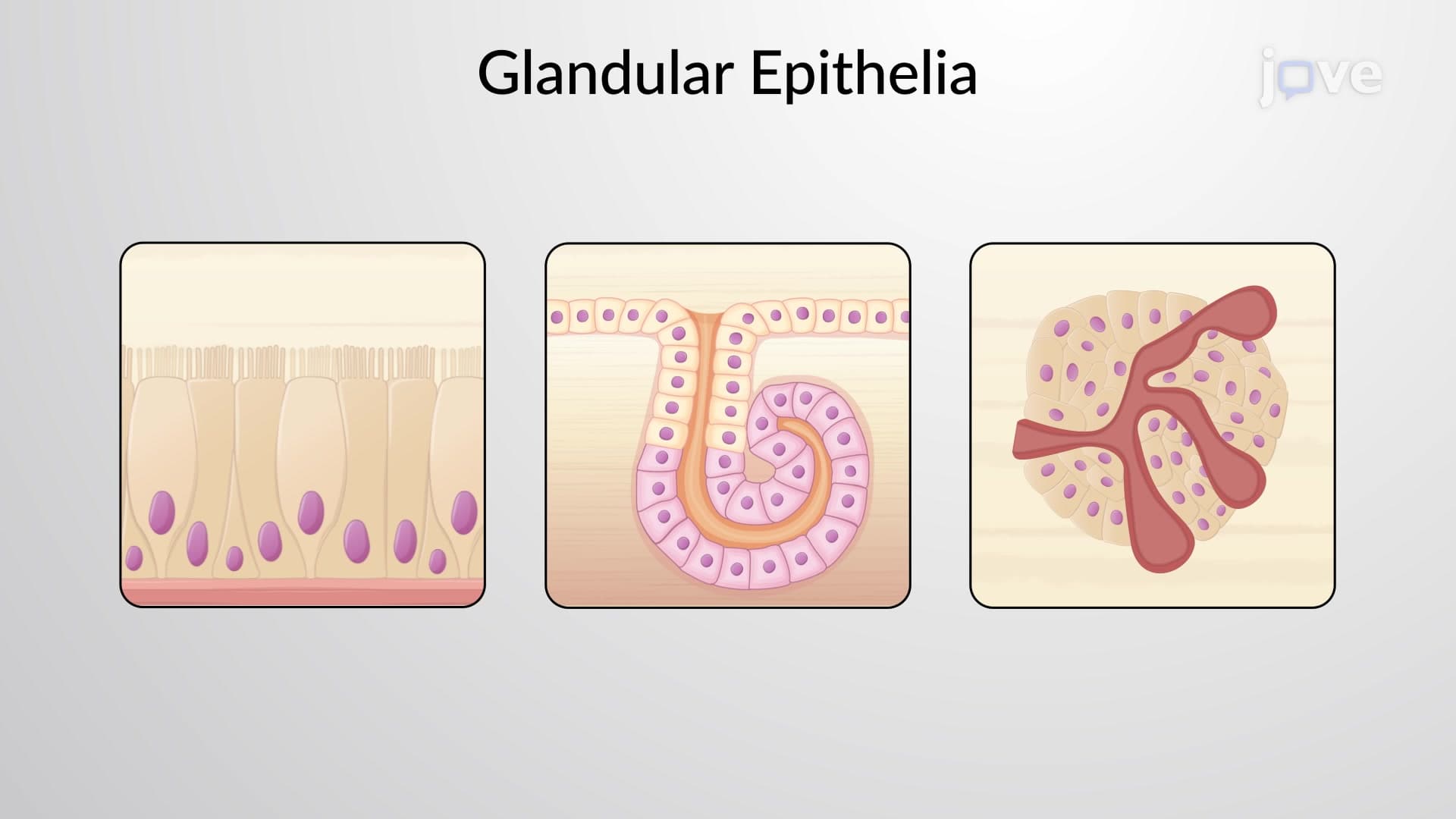
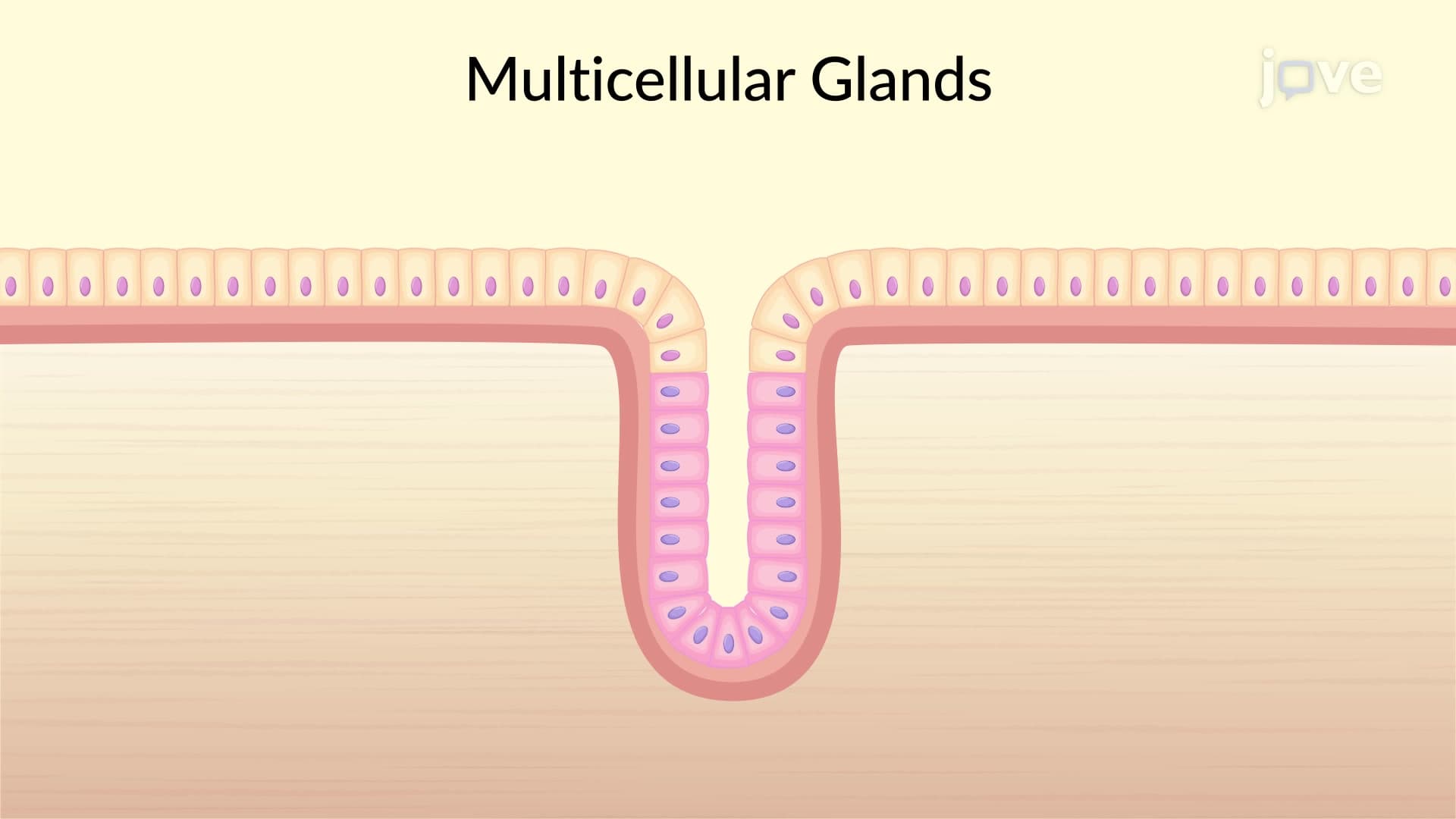
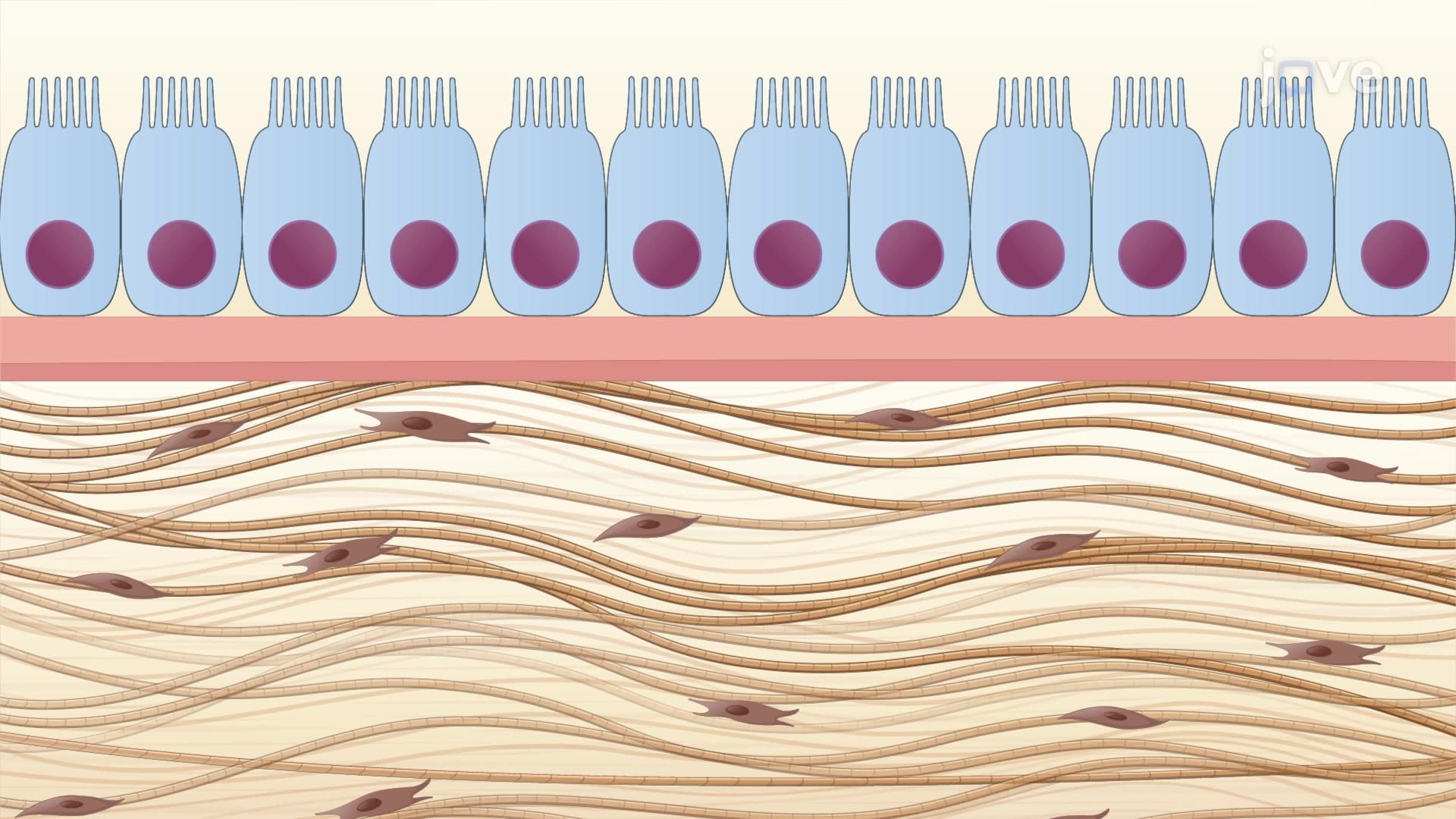
Simple columnar epithelium maximizes absorption through its tall, tightly-packed cellular architecture. The intestinal lining features millions of microvilli projections that increase surface area by 30-fold, enabling efficient nutrient absorption after meals. Gastric columnar cells form specialized tubular glands secreting hydrochloric acid and digestive enzymes essential for protein breakdown.
Understanding simple epithelial tissue types proves essential for AP Biology students and pre-med undergraduates. MCAT questions frequently test knowledge of structure-function relationships, particularly how epithelial thickness correlates with transport efficiency. Pathology courses examine how epithelial damage-such as alveolar injury in acute respiratory distress syndrome-disrupts normal gas exchange processes. This foundational knowledge supports advanced studies in histology, physiology, and clinical medicine throughout undergraduate and medical school curricula.
Related Micro-courses