Loading video…


 26 Concepts
 323.1K views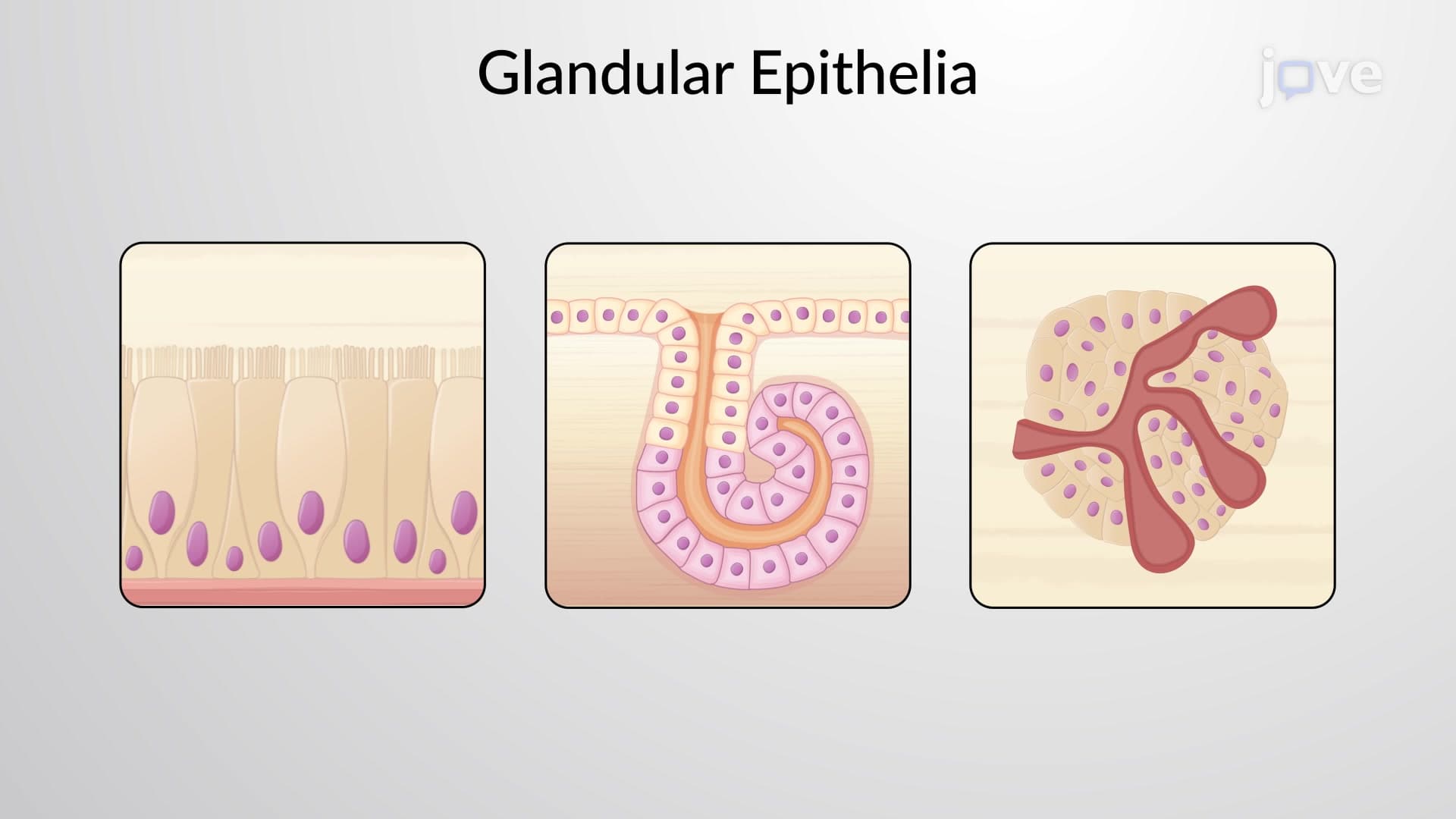

Video Summary: Epithelial Tissues and Their Functions Explained
Did you know that your skin replaces itself completely every 28 days? This remarkable regeneration showcases epithelial tissue functions in action. These specialized cell sheets serve as your body's first line of defense, controlling what enters and exits while producing essential substances like sweat and hormones. From the protective barrier of skin to the selective absorption in kidney tubules at Johns Hopkins Hospital, understanding Epithelial Tissues And Their Functions Explained reveals how these tissues maintain homeostasis and protect against disease. Watch the full video on JoVE Coach to master this concept with expert-led visuals and step-by-step explanations.
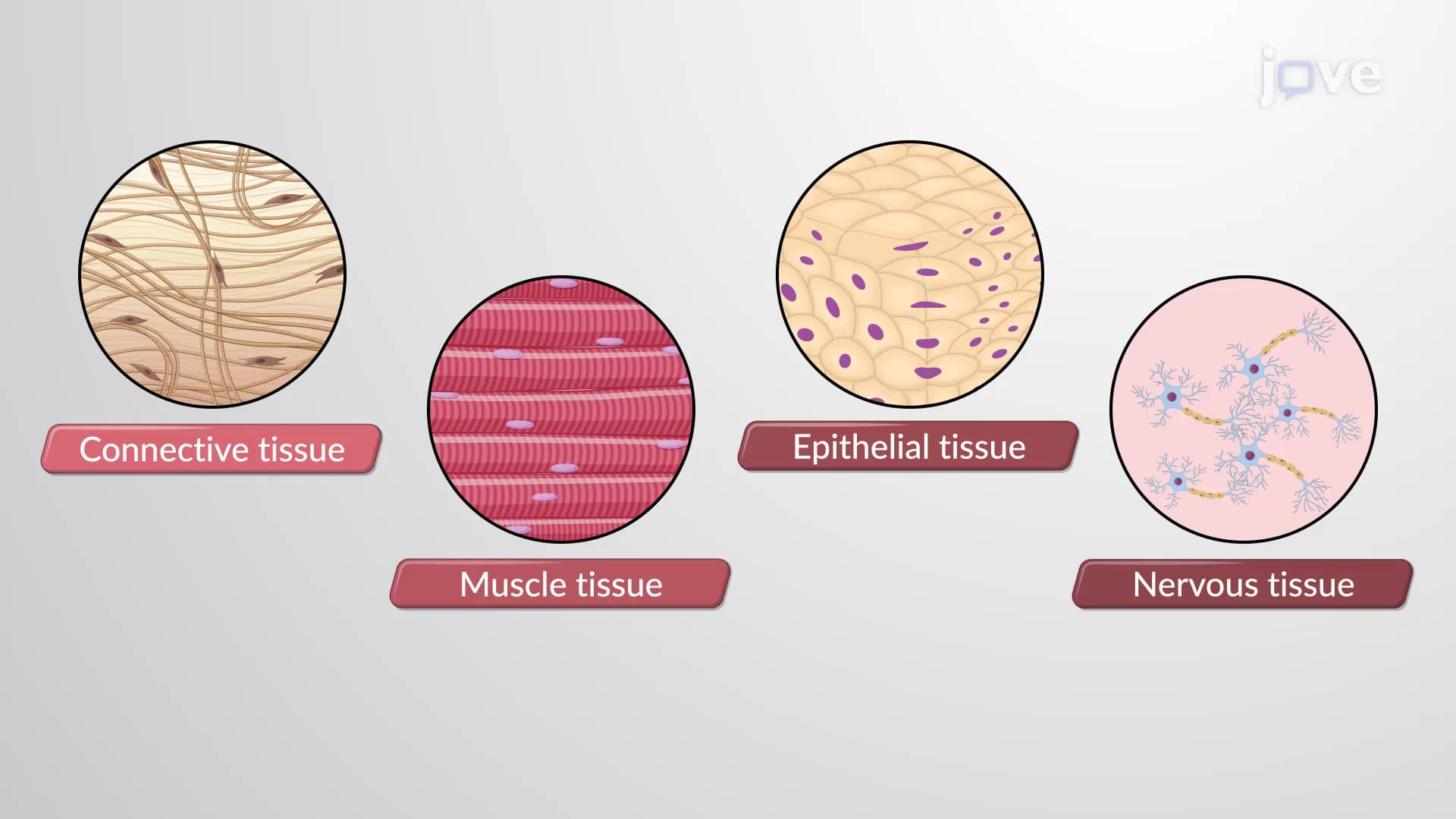
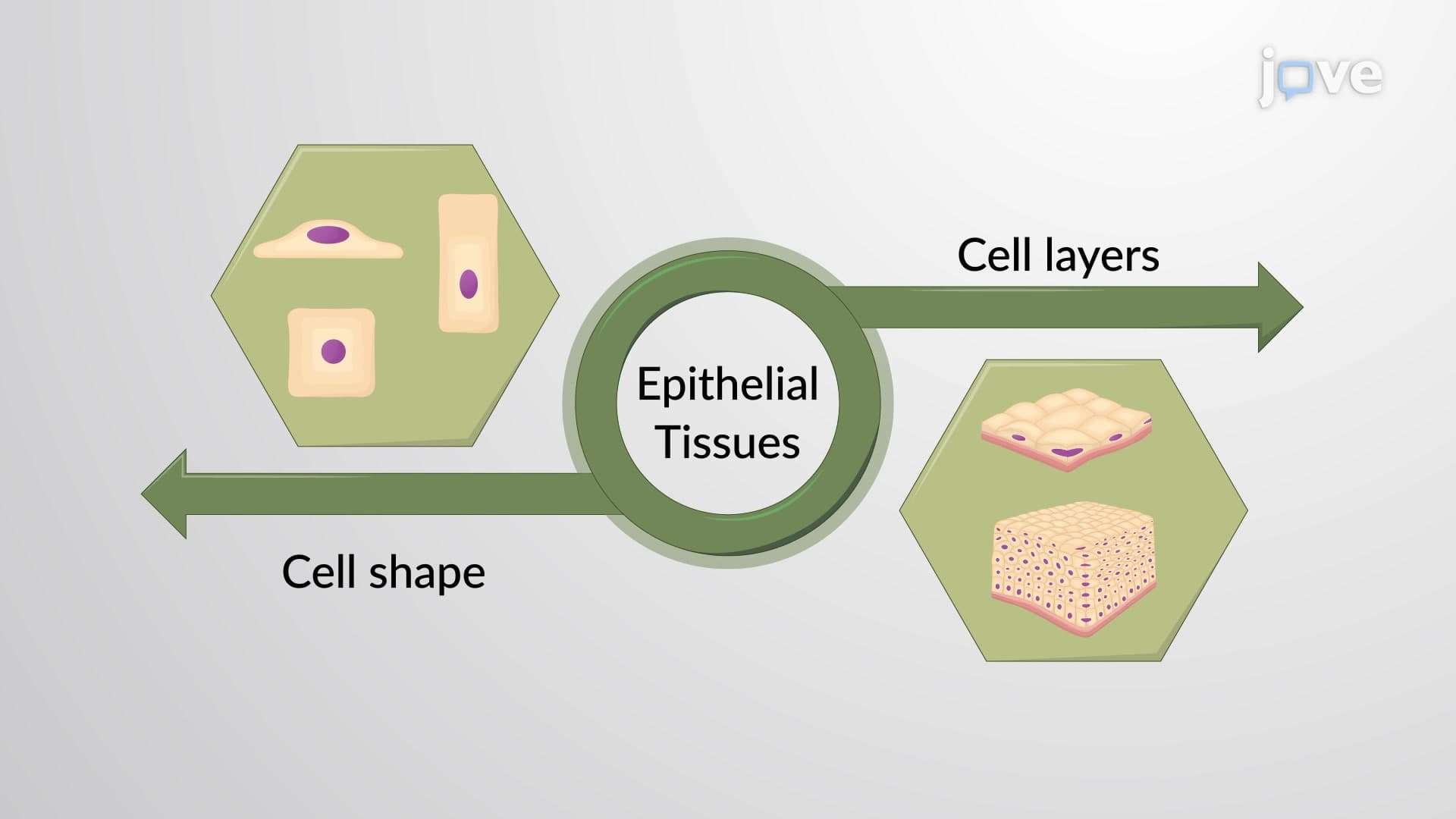
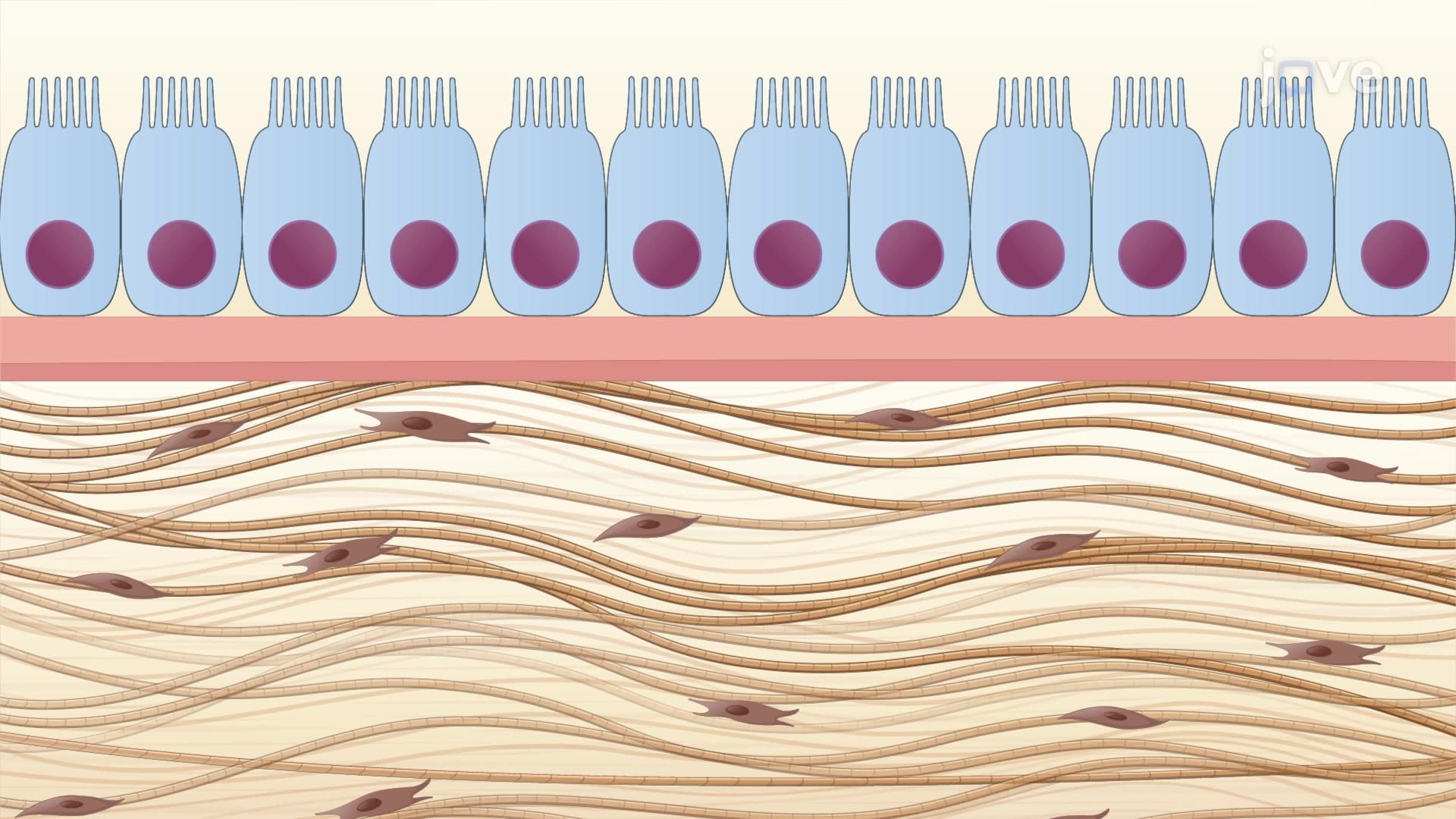
Epithelial tissues represent one of the four fundamental tissue types in human anatomy, distinguished by their unique cellular organization and diverse functional roles. These tissues form continuous sheets of tightly connected cells that create selective barriers throughout the body. Unlike other tissue types, epithelial cells exhibit distinct polarity, with an apical surface facing the external environment or body cavity and a basolateral surface anchored to underlying connective tissue via a specialized basement membrane.
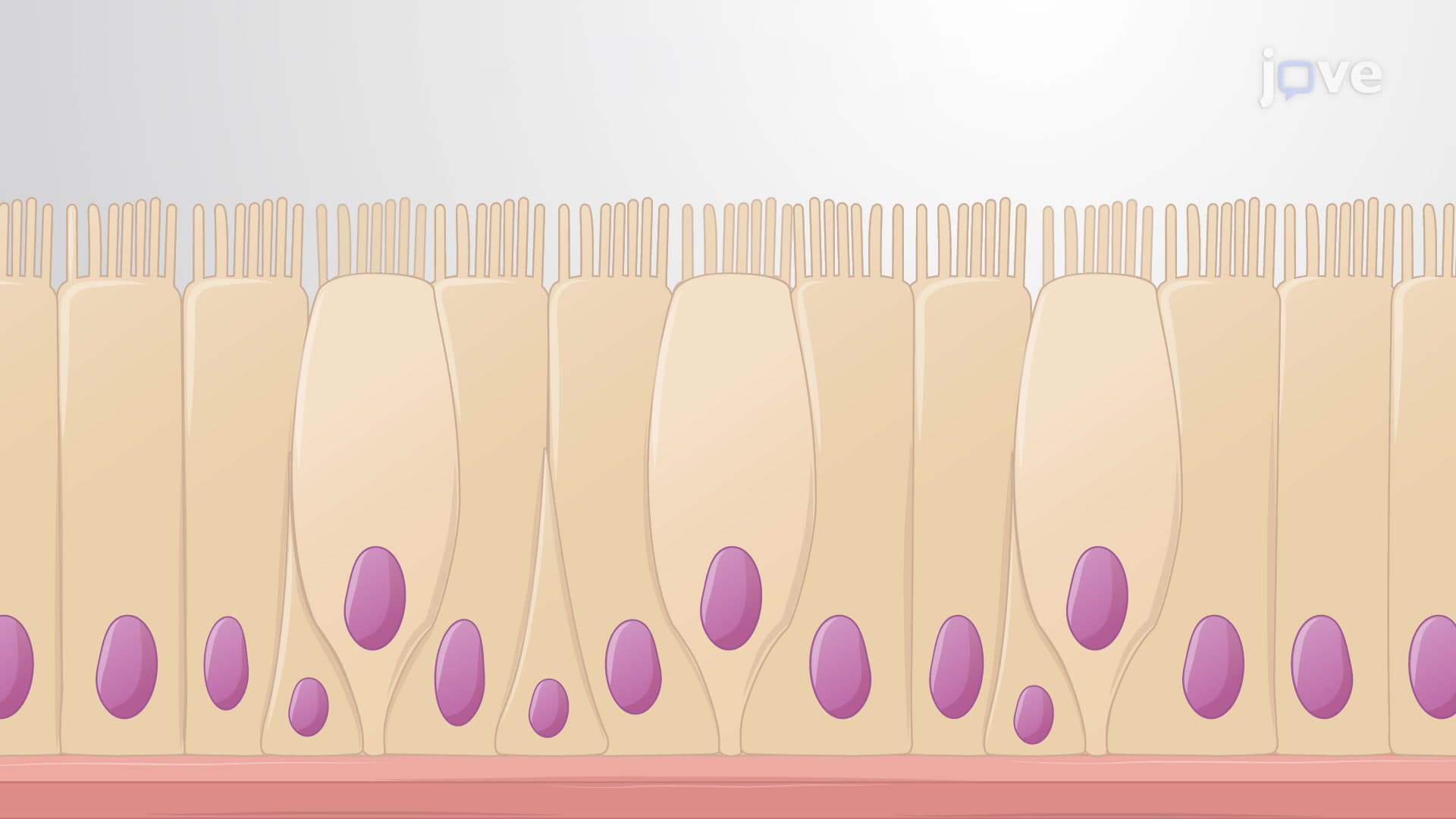
Covering epithelia protect external body surfaces, while lining epithelia create internal boundaries within organs and body cavities. These epithelium protection barriers demonstrate remarkable selectivity in controlling molecular transport. In the respiratory system, ciliated pseudostratified epithelium lining the trachea at institutions like the Mayo Clinic captures and removes inhaled particles through coordinated ciliary action. Similarly, the simple squamous epithelium of lung alveoli facilitates efficient gas exchange due to its minimal thickness-just 0.5 micrometers.
The gastrointestinal tract showcases epithelial versatility through specialized cell types. Simple columnar epithelium in the small intestine features microvilli that increase surface area 600-fold, enabling maximum nutrient absorption. This concept frequently appears on MCAT examinations, where students must understand how structural modifications enhance epithelial function.
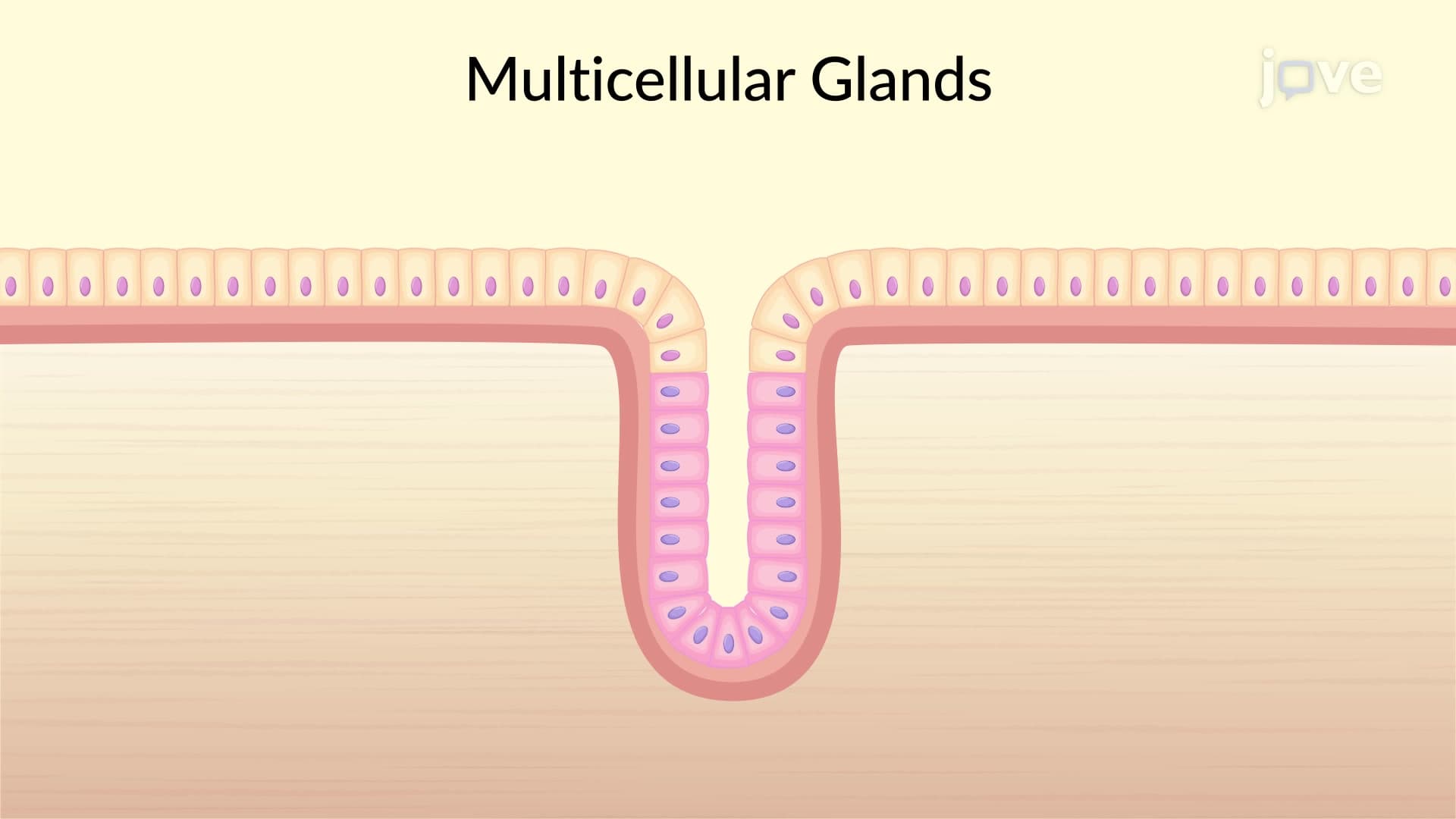
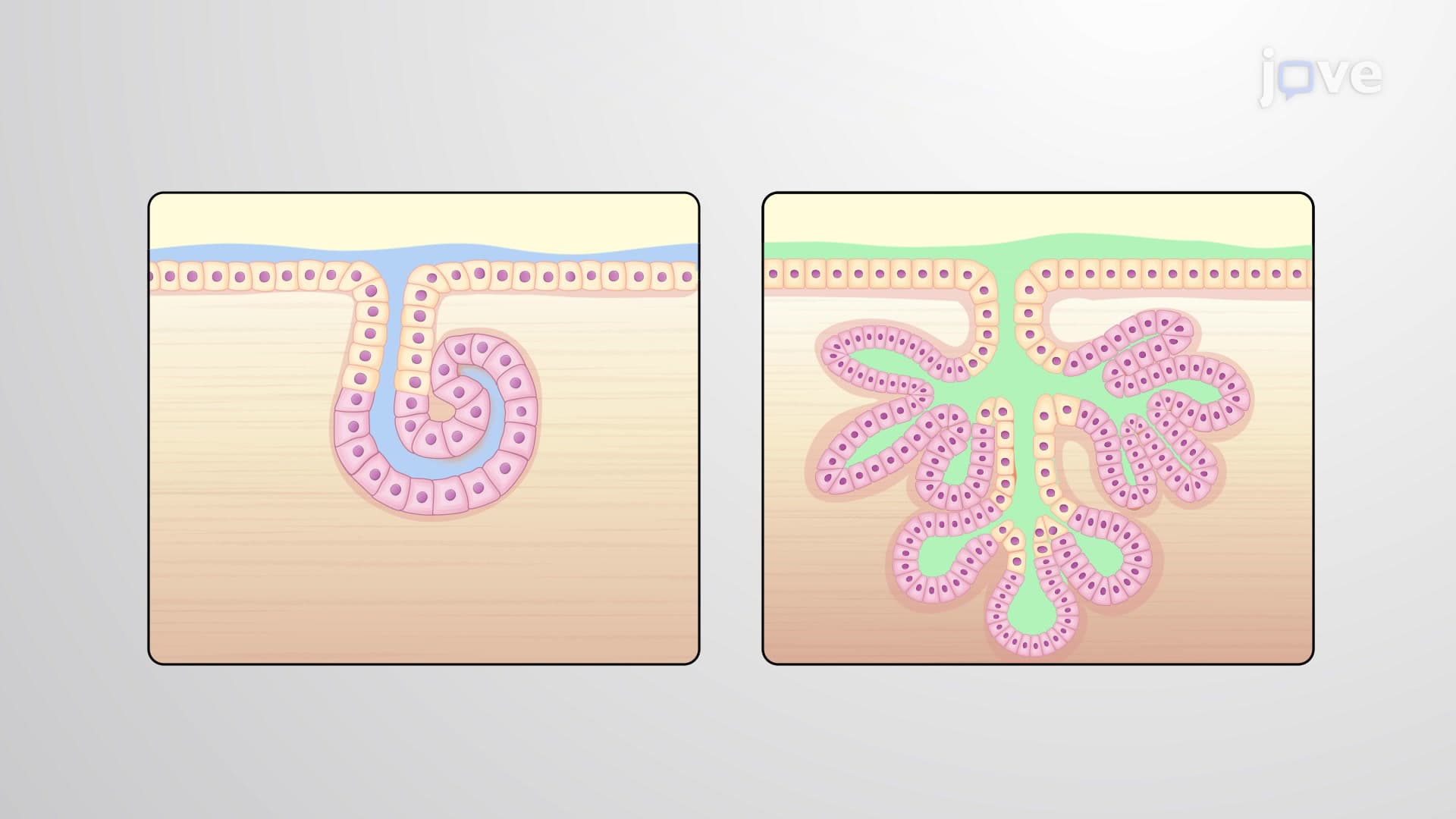
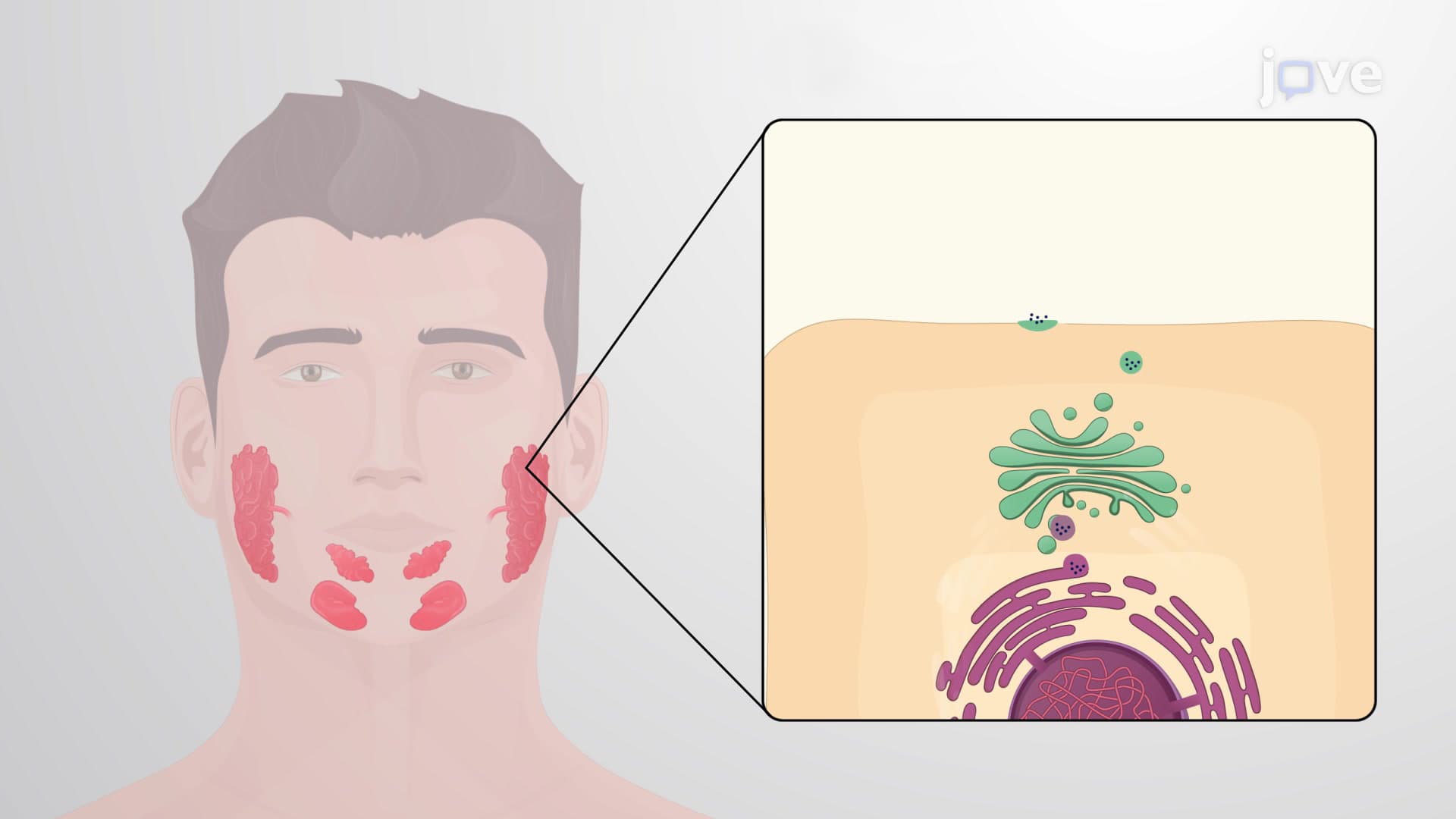
Glandular epithelia demonstrate the absorption secretion epithelium principle through specialized secretory functions. These tissues organize into exocrine glands (releasing products through ducts) and endocrine glands (releasing hormones directly into bloodstream). The pancreas exemplifies dual functionality, with acinar cells producing digestive enzymes as an exocrine function while islet cells secrete insulin and glucagon as endocrine functions.
Sweat glands, abundant in human skin with over 3 million individual units, showcase exocrine gland complexity. These structures help maintain body temperature through evaporative cooling-a process crucial for thermoregulation during exercise or heat exposure, concepts commonly tested on AP Biology examinations.
The basement membrane epithelium relationship proves critical in disease processes and normal physiology. This specialized extracellular matrix provides structural support and acts as a selective filter. In diabetic nephropathy, basement membrane thickening in kidney glomeruli impairs filtration function, leading to proteinuria-a condition frequently encountered in clinical settings at institutions like Cleveland Clinic.
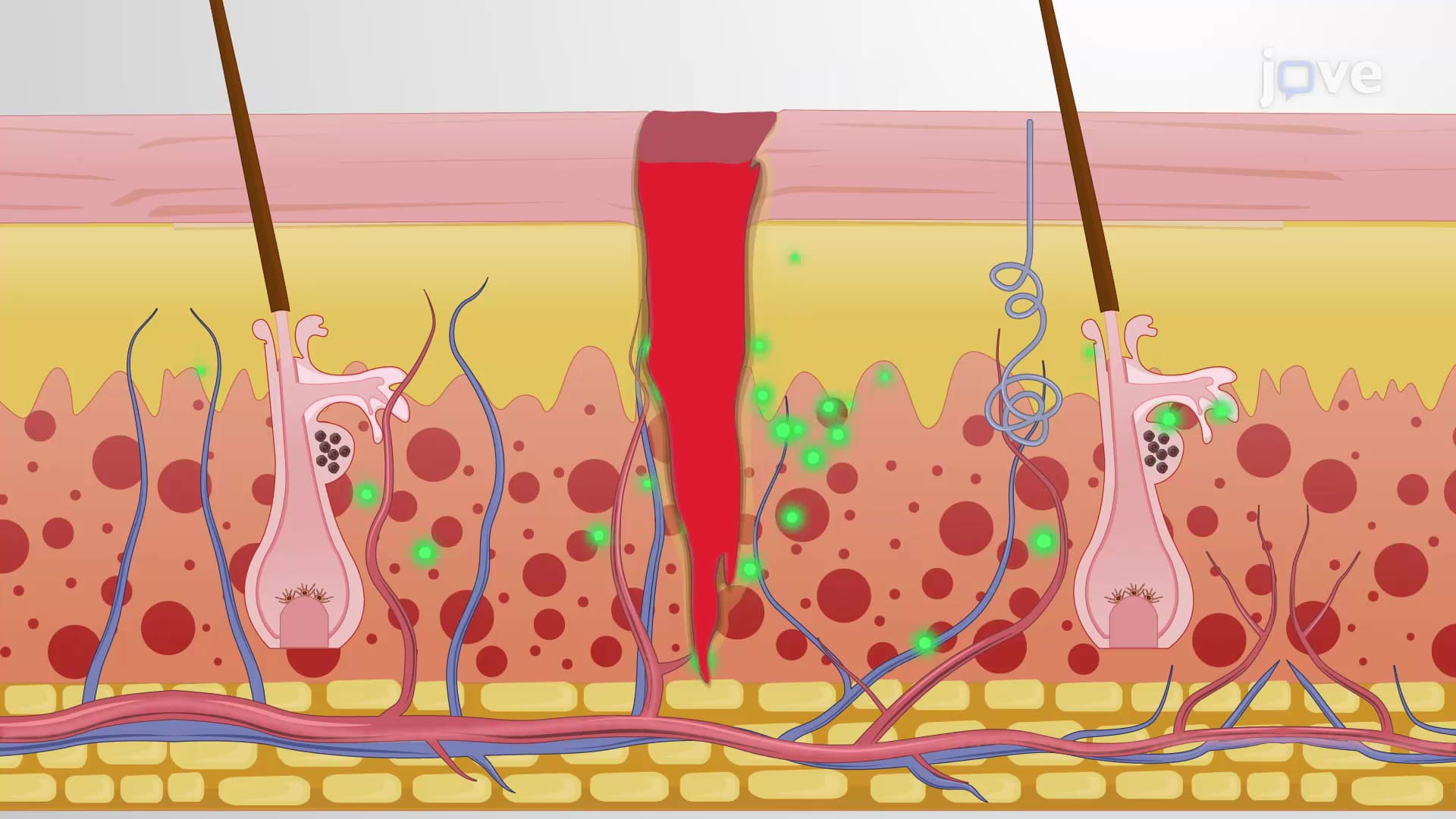
Understanding epithelial tissue role in regeneration helps explain wound healing processes. Epithelial cells possess remarkable regenerative capacity, with intestinal epithelium completely renewing every 3-5 days. This rapid turnover explains why chemotherapy, which targets rapidly dividing cells, often causes gastrointestinal side effects-a concept essential for pre-medical students preparing for MCAT biochemistry sections.
Related Micro-courses