Loading subject page…


323,107 views


Video Summary: Cell Adhesion Molecules Types and Functions Explained
Did you know that cancer cells can "trick" healthy tissue by turning off their adhesion molecules, allowing them to spread throughout the body? Cell adhesion molecules biology governs how our 37 trillion cells stick together and communicate, preventing chaos in our tissues. From keeping your skin intact to helping white blood cells patrol for infections at Johns Hopkins Hospital, these molecular "glues" are essential for life. Understanding cell adhesion molecules types and functions explained reveals the intricate molecular machinery that maintains tissue organization and enables cellular communication. Watch the full video on JoVE Coach to master this concept with expert-led visuals and step-by-step explanations.
Cell adhesion molecules represent a sophisticated network of proteins that orchestrate cellular interactions essential for multicellular life. These surface-bound proteins function as molecular recognition systems, enabling cells to form stable tissues while maintaining the flexibility needed for growth, repair, and immune responses. For students preparing for the AP Biology exam or college-level cell biology courses, mastering these concepts is crucial for understanding everything from embryonic development to cancer progression.
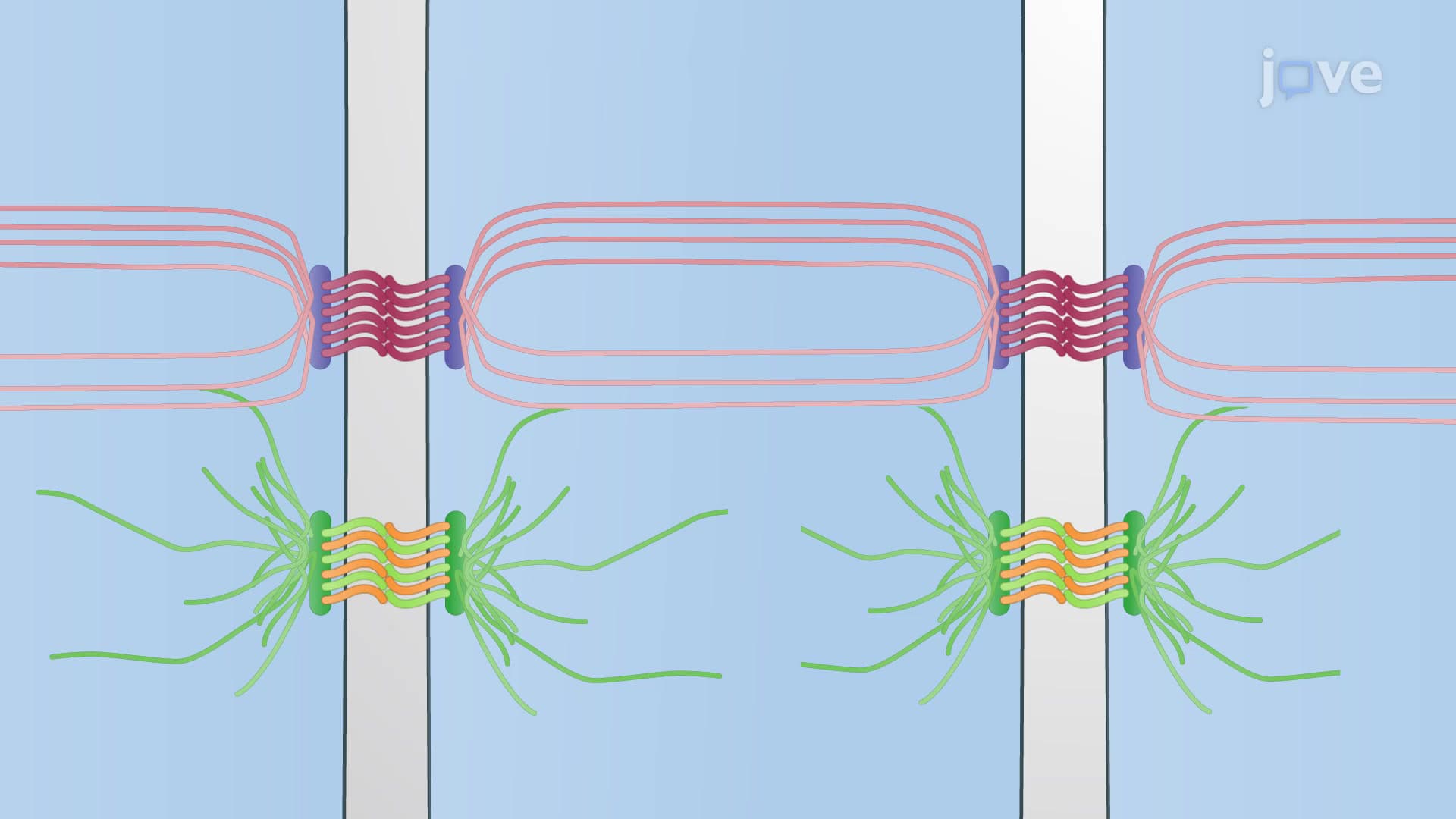
Cadherins form the backbone of epithelial tissue integrity through calcium-dependent homophilic binding. E-cadherin, predominantly found in epithelial cells, creates adherens junctions that maintain the barrier function of organs like the intestinal lining. When researchers at the Mayo Clinic study colorectal cancer, they often focus on E-cadherin loss as a key step in tumor progression.
Integrins serve as bidirectional signaling platforms, connecting the cytoskeleton to extracellular matrix components like fibronectin and laminin. These heterodimeric proteins don't just provide mechanical attachment-they transmit "outside-in" and "inside-out" signals that regulate cell survival, migration, and differentiation. Beta-1 integrins, for example, are critical for proper muscle development and function.
Selectins orchestrate the inflammatory response by mediating the initial "rolling" of leukocytes along blood vessel walls. P-selectin, stored in Weibel-Palade bodies of endothelial cells, rapidly translocates to the cell surface during inflammation, enabling neutrophil recruitment to sites of infection or injury.
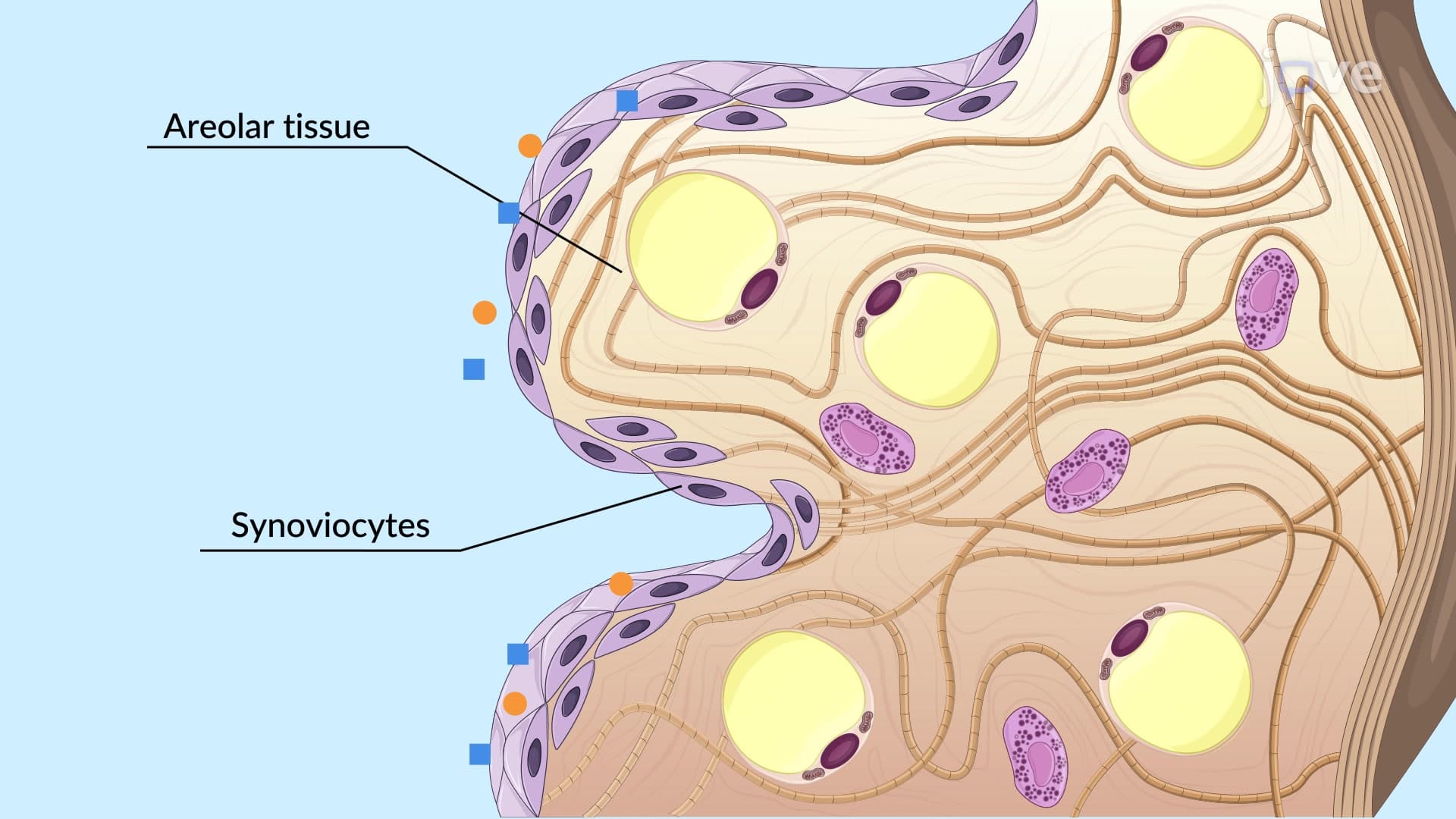
Understanding CAM dysfunction provides insights into numerous pathological conditions. In rheumatoid arthritis, aberrant selectin expression contributes to chronic joint inflammation. The FDA-approved drug natalizumab targets alpha-4 integrins to treat multiple sclerosis by preventing immune cell migration across the blood-brain barrier. These real-world applications demonstrate why cell adhesion molecules biology appears prominently in MCAT preparation and medical school curricula.
Cancer metastasis exemplifies CAM dysregulation, where tumor cells downregulate cadherins (promoting detachment) while upregulating integrins that favor migration. This knowledge has led to therapeutic strategies targeting integrin signaling pathways, currently being tested in clinical trials at institutions like MD Anderson Cancer Center.
Related Micro-courses