Loading concepts…


14 Concepts
6 Concepts
21 Concepts
23 Concepts
21 Concepts
15 Concepts
16 Concepts
26 Concepts
18 Concepts
19 Concepts
11 Concepts
6 Concepts
10 Concepts
22 Concepts
20 Concepts
26 Concepts
26 Concepts
14 Concepts
10 Concepts
12 Concepts
23 Concepts
29 Concepts
19 Concepts
38 Concepts
38 Concepts
25 Concepts
40 Concepts
25 Concepts
25 Concepts
20 Concepts
37 Concepts
 15 Concepts
 84.1K Views
 Popular topics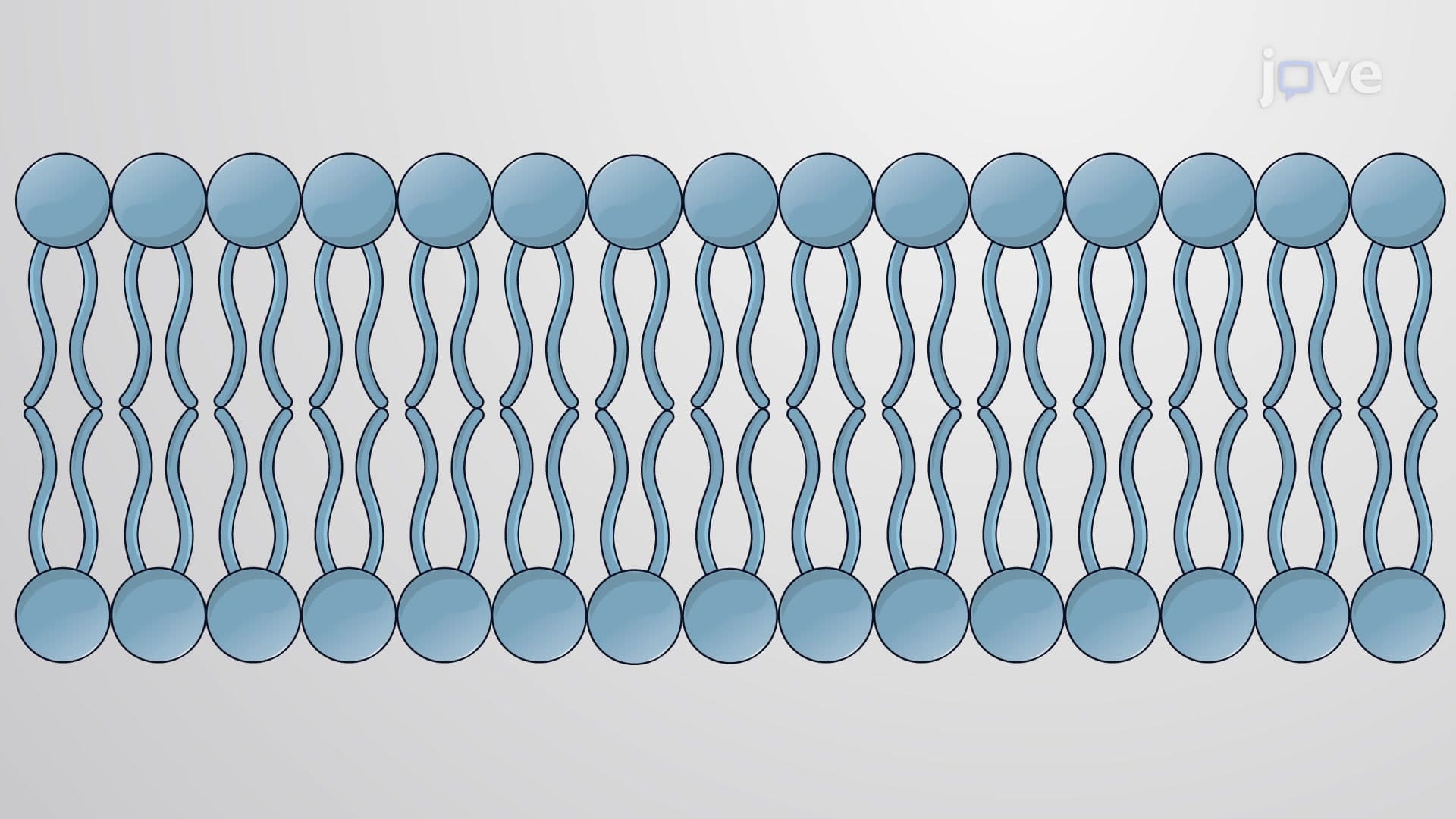
Cell membrane structure and functions represent the foundation of cellular biology, encompassing the phospholipid bilayer proteins that create selective permeability in all living cells. This comprehensive JoVE Coach micro-course explores plasma membrane biology through detailed analysis of membrane components, transport mechanisms, and regulatory processes essential for cellular homeostasis in human physiology and disease states.
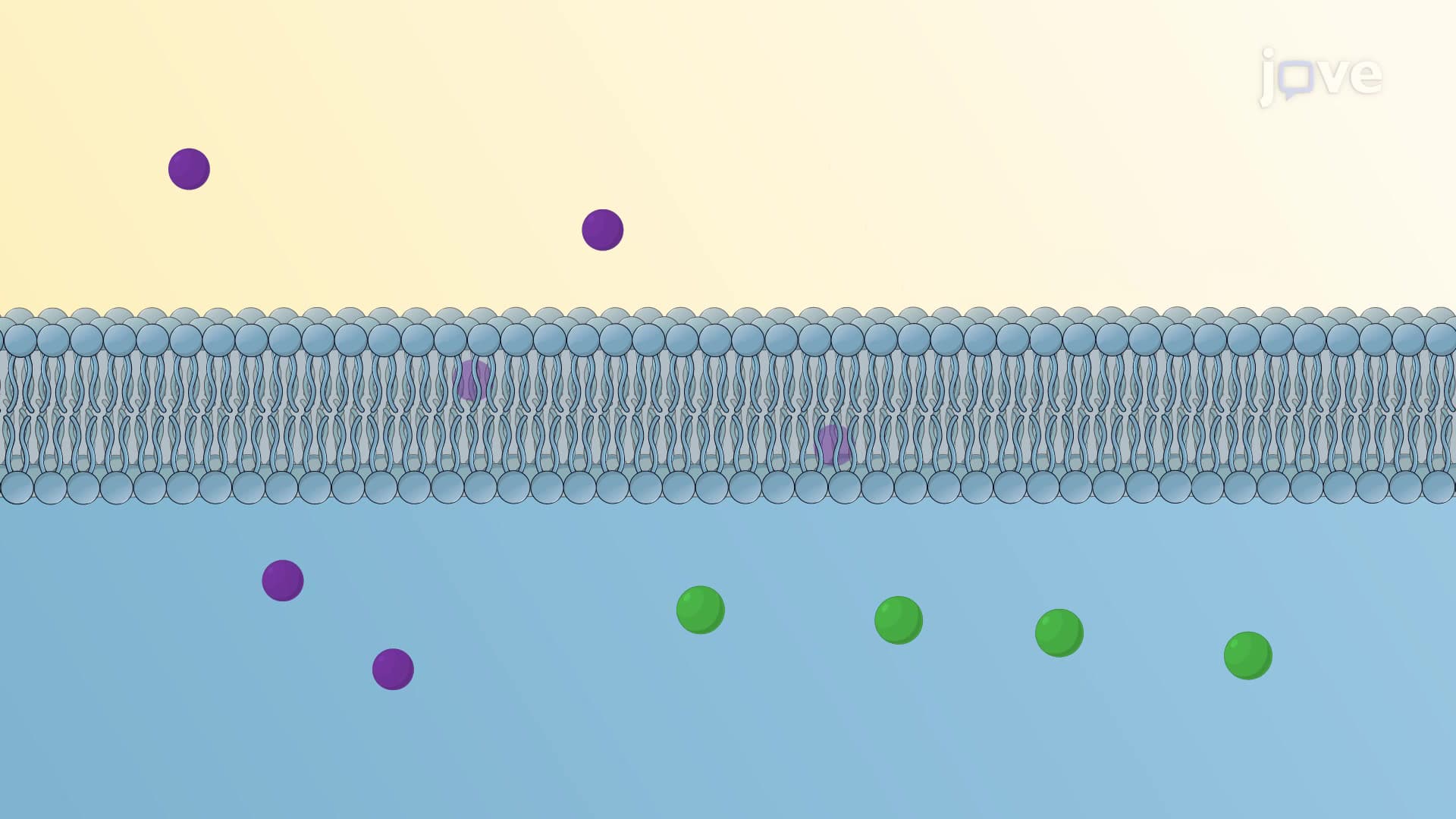
1. Phospholipid Bilayer Architecture and Membrane Fluidity The cell membrane's fundamental structure consists of a phospholipid bilayer approximately seven nanometers thick, where amphipathic molecules spontaneously organize with hydrophilic heads facing aqueous environments and hydrophobic tails clustering internally. This arrangement creates selective permeability essential for cellular function. Cholesterol molecules intercalate between phospholipids, acting as fluidity buffers that maintain optimal membrane consistency across temperature variations. The fluid mosaic model explains how this dynamic structure allows lateral movement of membrane components while maintaining barrier integrity. Understanding membrane fluidity is crucial for comprehending drug delivery mechanisms, anesthesia effects, and temperature adaptation in human physiology, particularly in conditions like hypothermia or fever management in clinical settings.
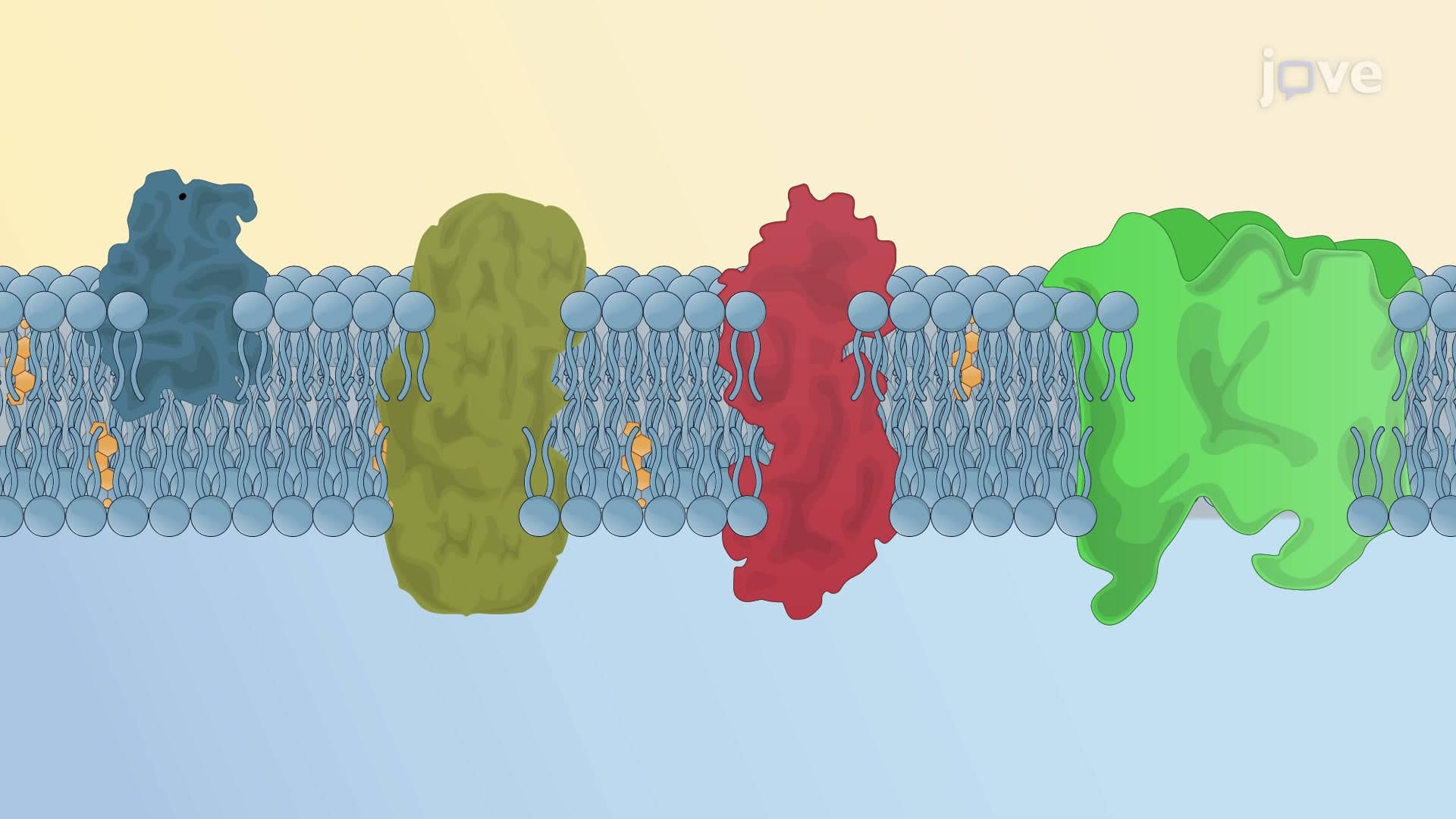
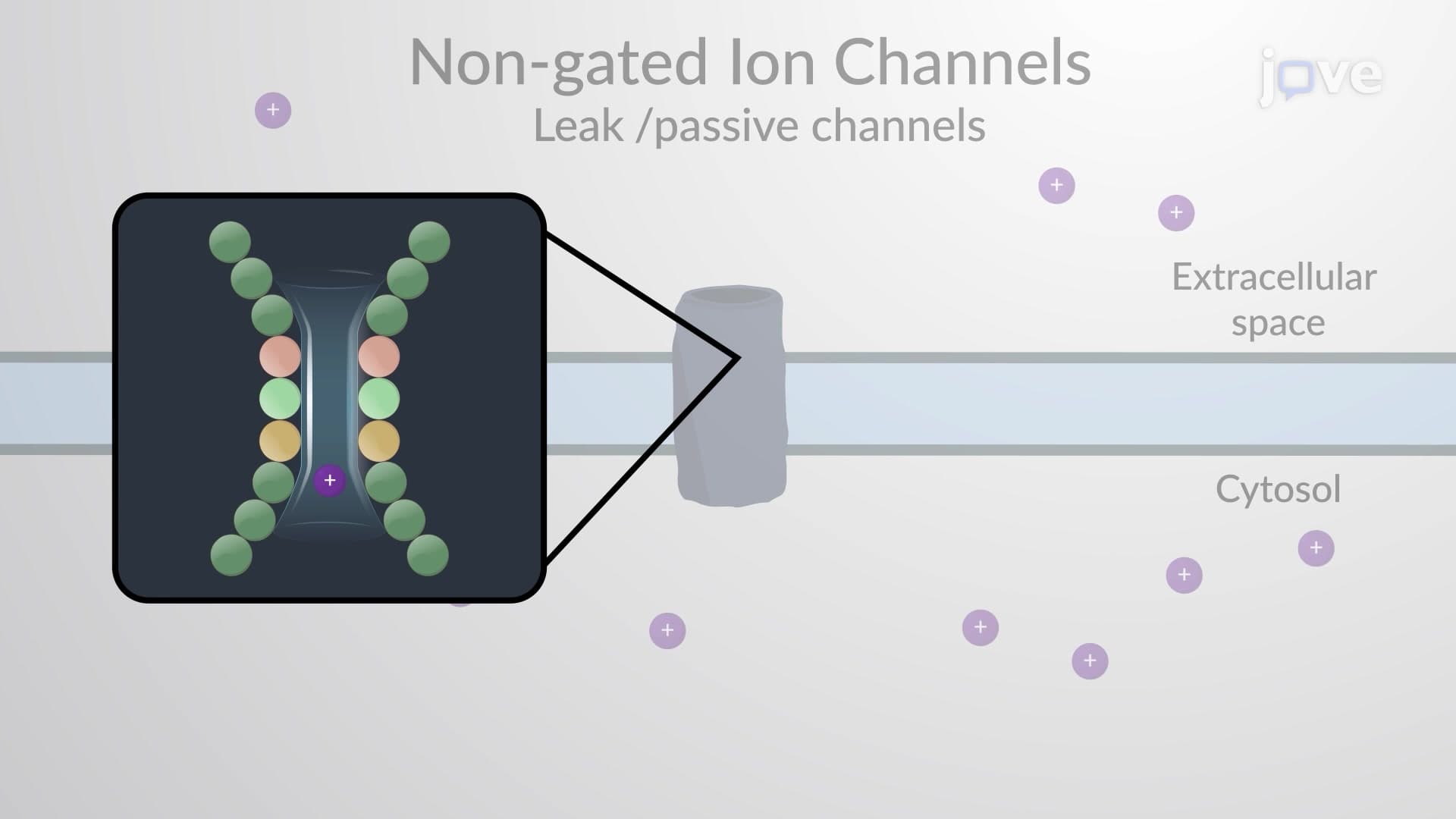
2. Membrane Protein Classification and Functional Diversity Membrane proteins fall into peripheral and integral categories, each serving distinct cellular functions critical for human health. Peripheral proteins associate with membrane surfaces through non-covalent interactions and often participate in cell signaling cascades or cytoskeletal connections. Integral proteins, including monotopic, bitopic, and polytopic variants, embed within or span the lipid bilayer entirely. These transmembrane proteins function as receptors, channels, carriers, and enzymes essential for processes like insulin signaling in diabetes management, neurotransmitter function in neurological disorders, and ion transport in cardiac electrophysiology. Channel proteins facilitate rapid ion movement (tens of millions per second), while carrier proteins transport specific molecules at slower rates (thousands to millions per second), both crucial for maintaining cellular homeostasis.
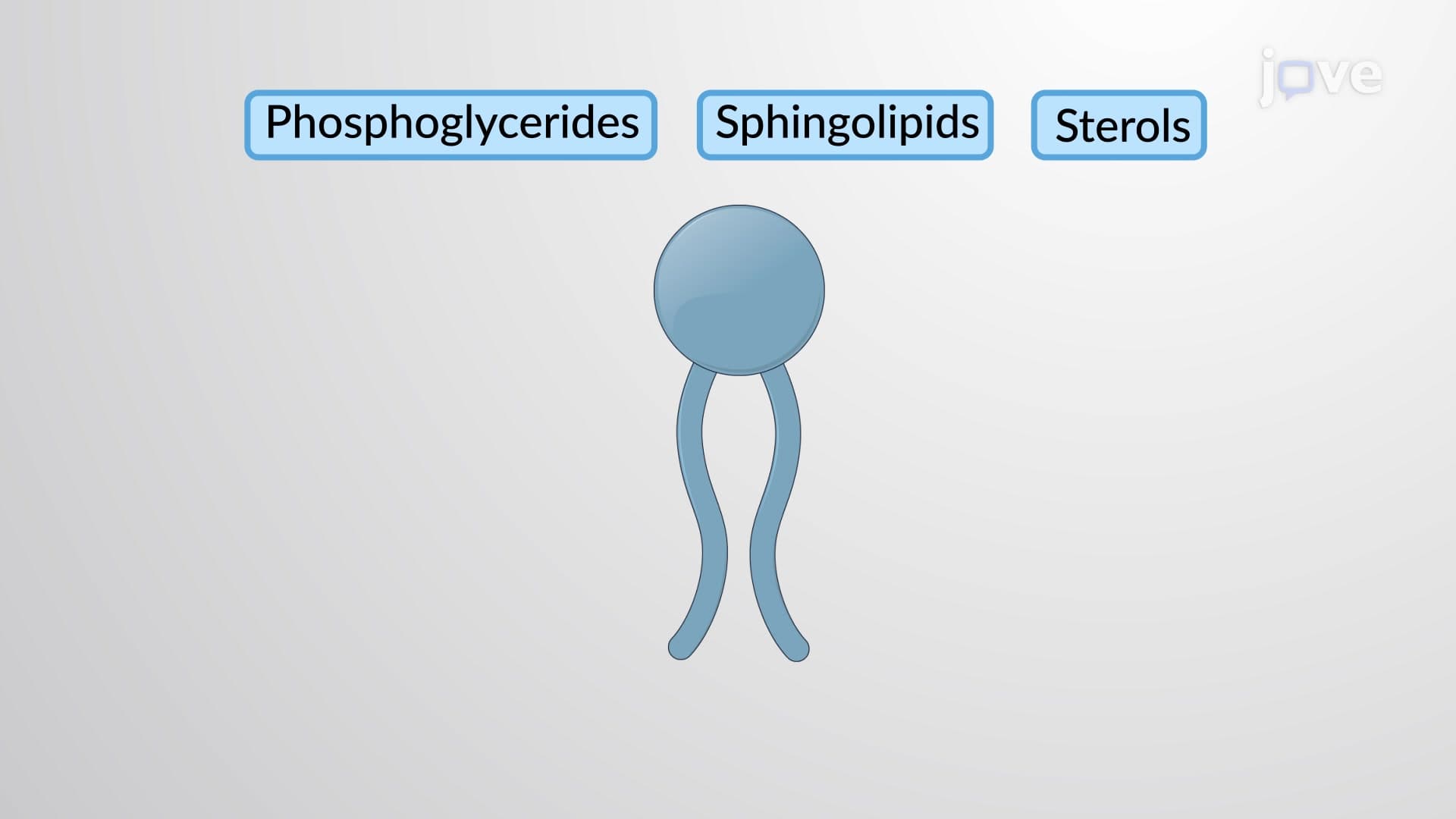
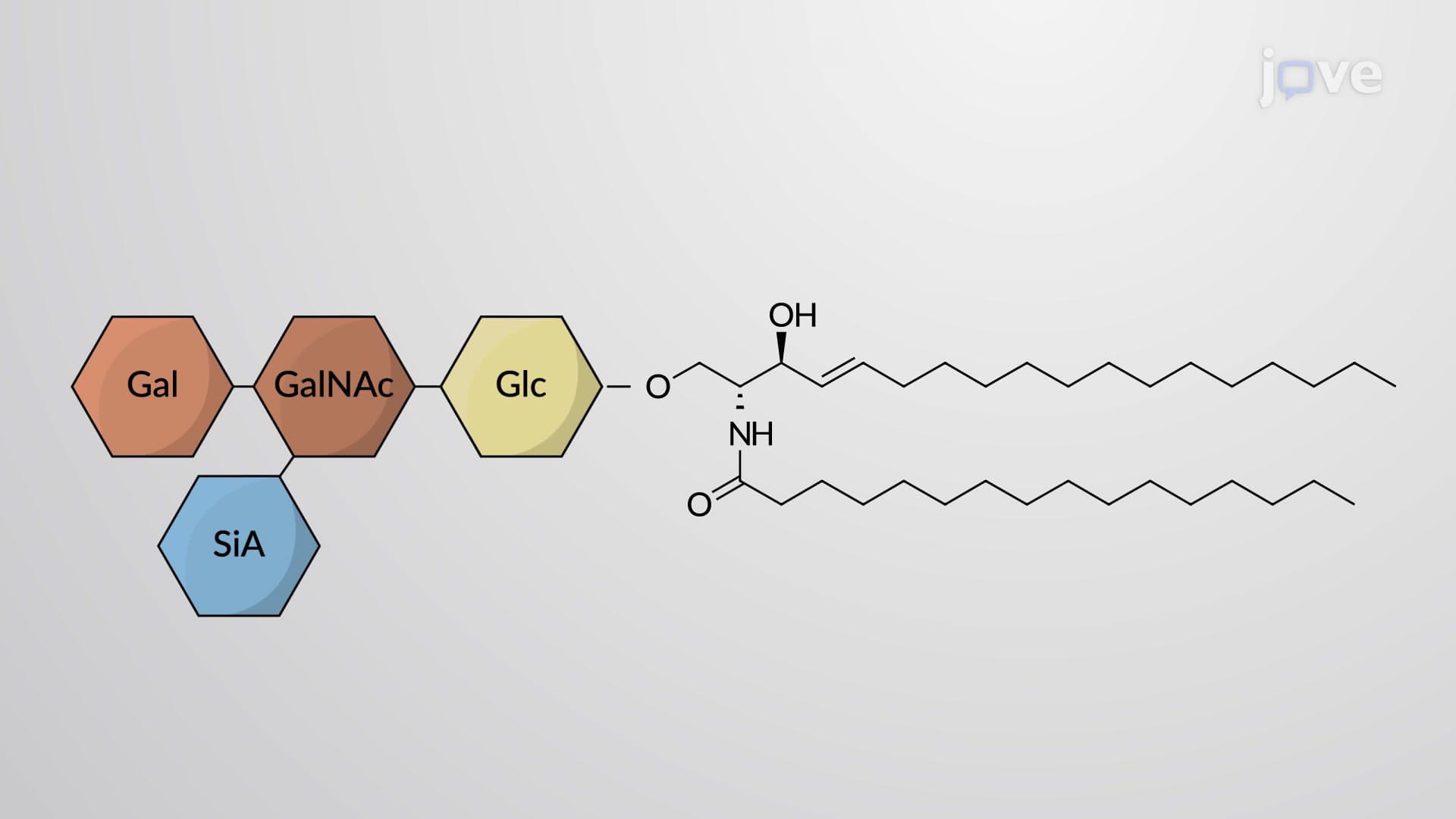
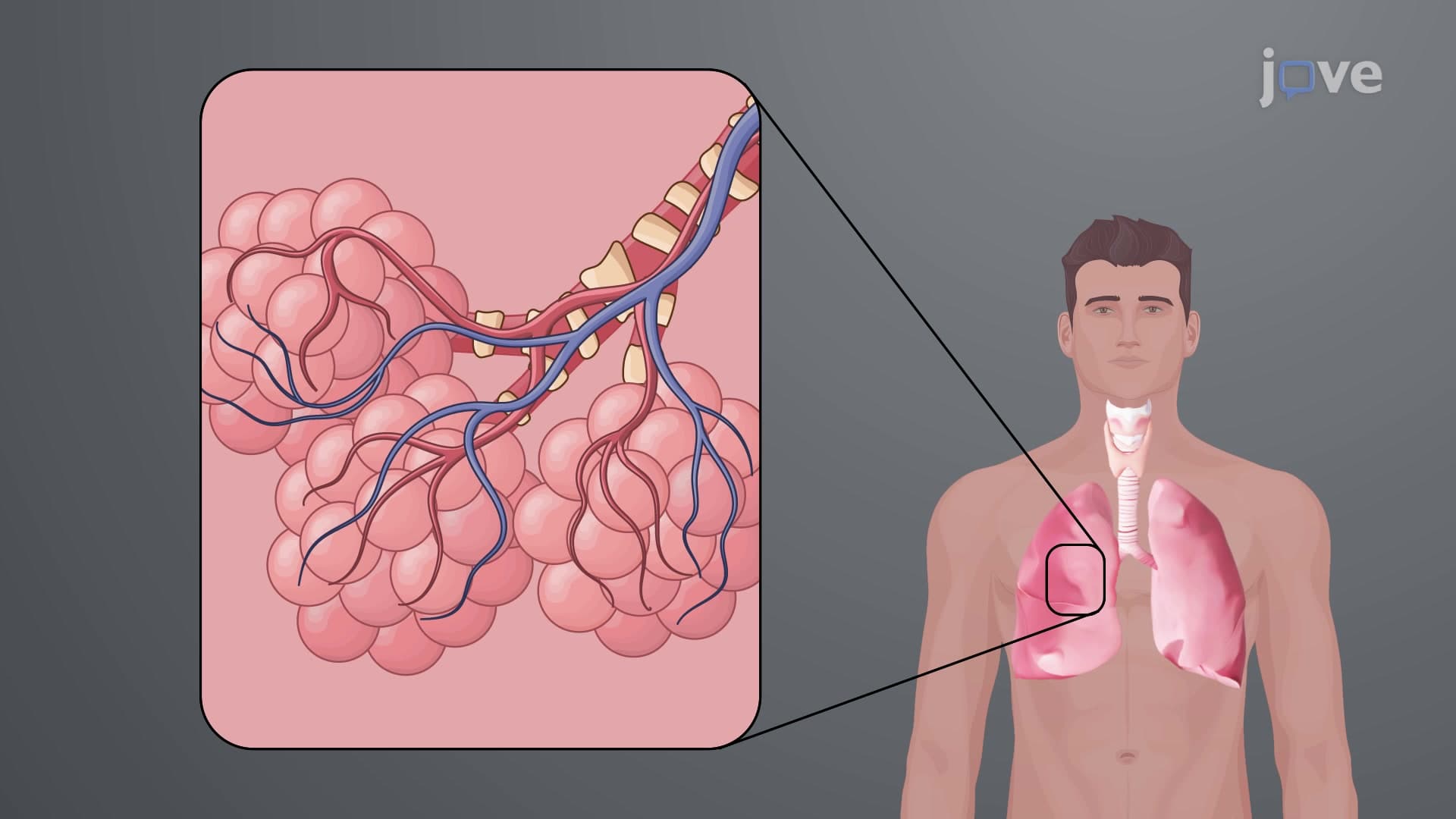
3. Membrane Lipid Composition and Specialized Functions Three major lipid classes-phosphoglycerides, sphingolipids, and sterols-contribute to membrane structure and function with specific roles in human physiology. Phosphoglycerides like phosphatidylcholine and phosphatidylserine form the bilayer backbone and participate in blood clotting mechanisms and lung surfactant production. Sphingolipids, including ceramides and gangliosides, are particularly abundant in nervous tissue where they facilitate neurotransmission and myelin formation. Disruptions in sphingolipid metabolism cause conditions like Tay-Sachs disease and Gaucher disease. Cholesterol content affects membrane permeability and is central to cardiovascular health, with elevated levels contributing to atherosclerosis. These lipid interactions also create specialized membrane domains called lipid rafts that concentrate specific proteins for efficient cellular processes.
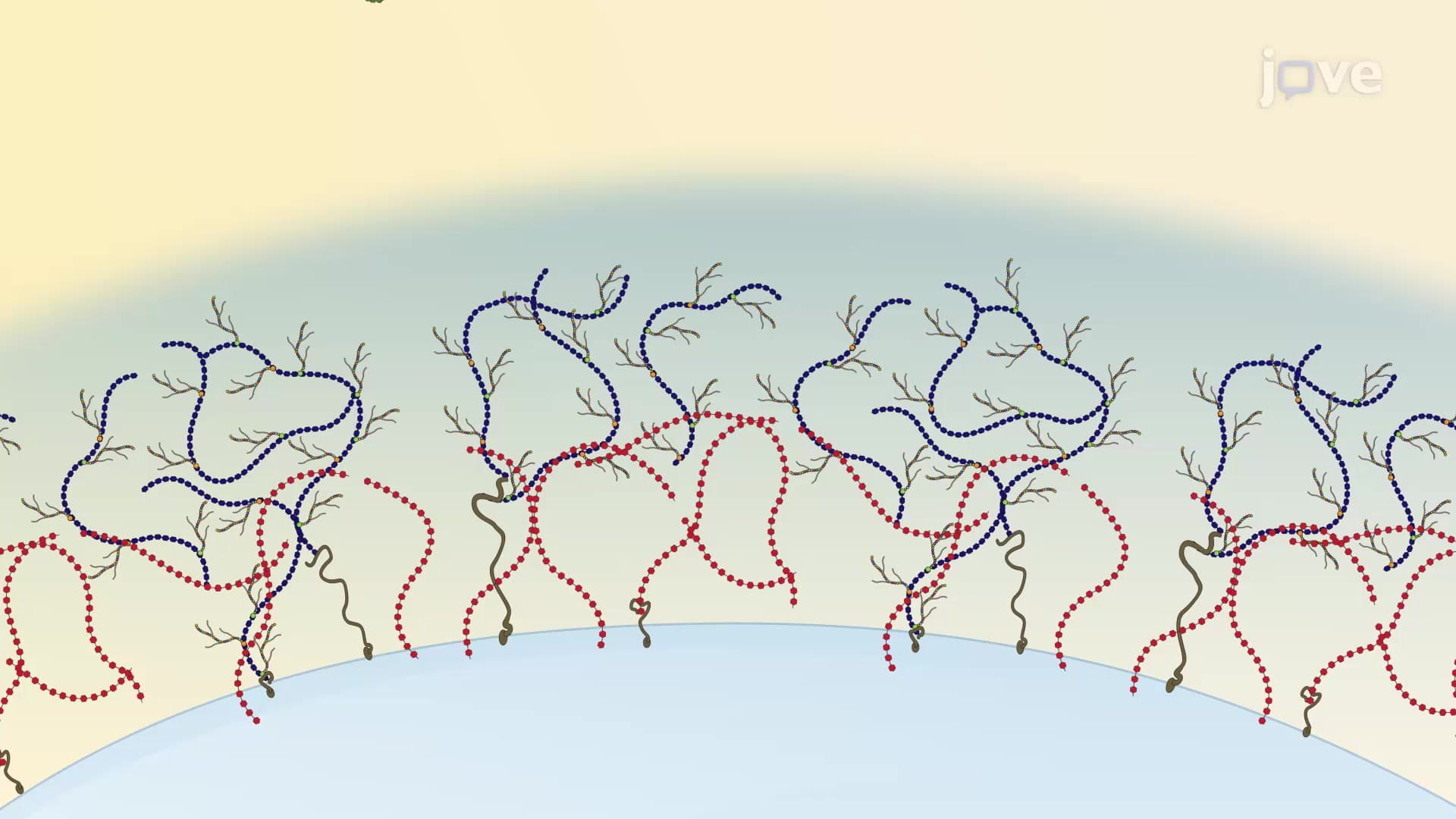
4. Carbohydrate Components and Cellular Recognition Systems Membrane carbohydrates exist primarily as glycoproteins (90%) and glycolipids (10%), forming the glycocalyx layer essential for cell-cell recognition and immune function. N-linked glycosylation occurs on asparagine residues, while O-linked glycosylation involves serine and threonine, both critical for protein folding and stability. The ABO blood group system exemplifies carbohydrate-based recognition, where specific glycan structures determine blood compatibility for transfusions. Gangliosides in neural membranes regulate calcium ion concentrations crucial for synaptic transmission and are targets in neurological conditions like Guillain-Barré syndrome. The glycocalyx also protects vascular endothelium from shear stress during blood flow, with its degradation contributing to cardiovascular disease progression and diabetic complications.
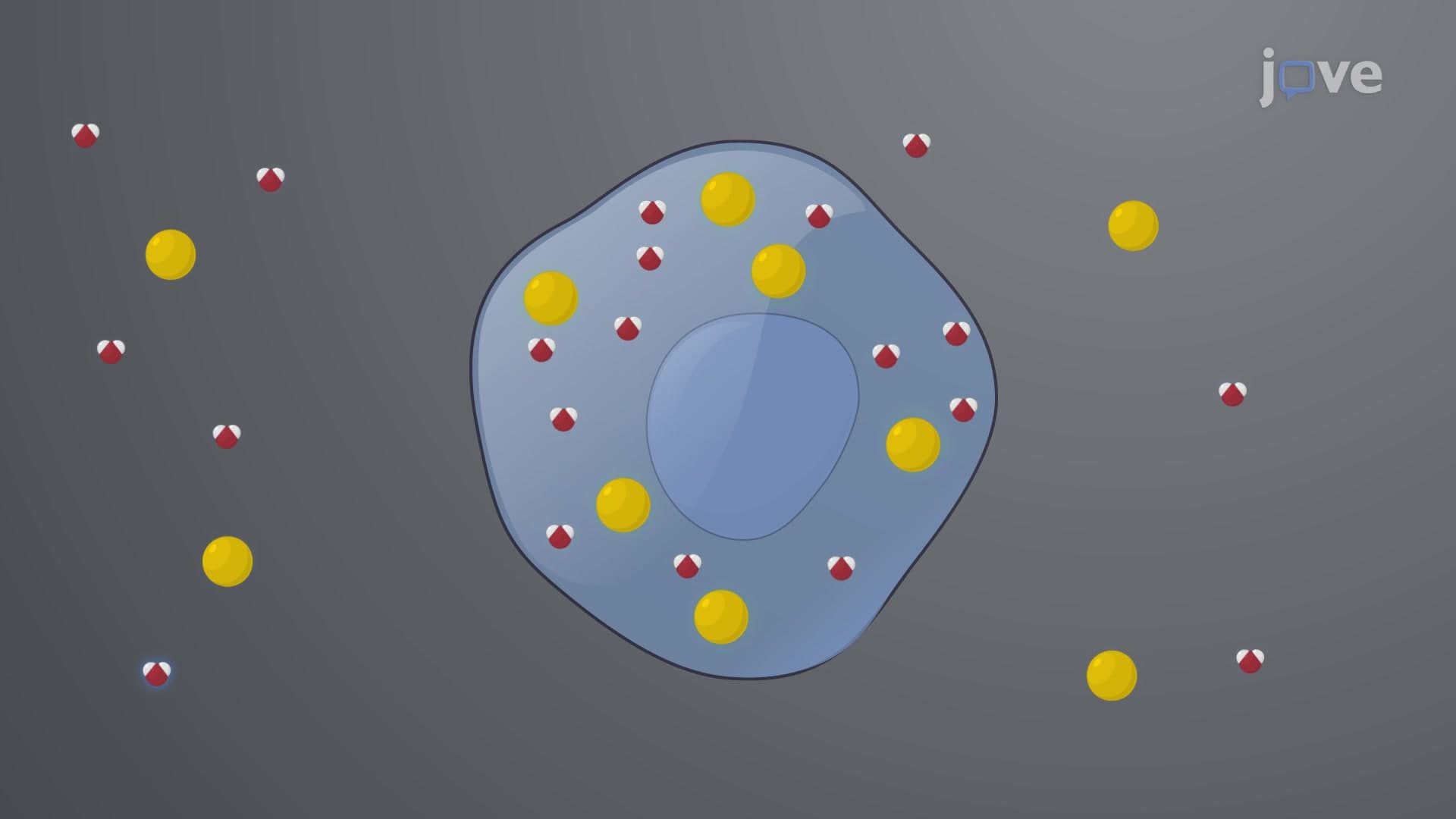
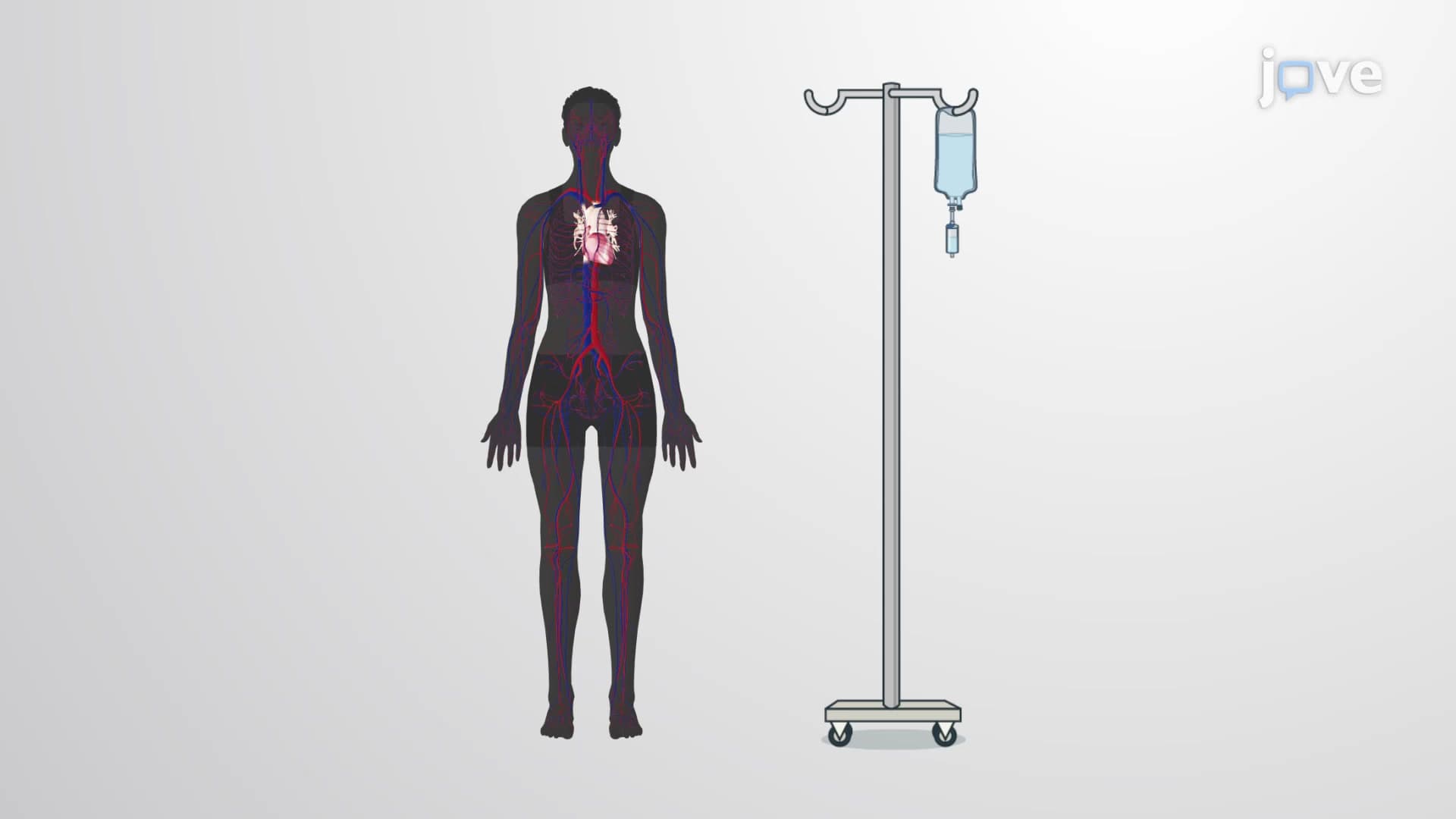
5. Passive Transport Mechanisms and Concentration Gradients Passive transport processes move substances down concentration gradients without energy expenditure, fundamental to cellular homeostasis and drug distribution. Simple diffusion allows lipid-soluble molecules like oxygen, carbon dioxide, and anesthetic gases to cross membranes readily, explaining their rapid tissue penetration. Facilitated diffusion through channel proteins enables ion movement essential for nerve impulse conduction and muscle contraction, while carrier-mediated transport facilitates glucose uptake in tissues. Osmosis drives water movement across membranes, critical for maintaining blood pressure and cellular volume regulation. Understanding tonicity effects helps explain clinical conditions like dehydration, edema formation, and the rationale behind intravenous fluid selection in hospital settings, where isotonic, hypotonic, or hypertonic solutions are chosen based on patient needs.
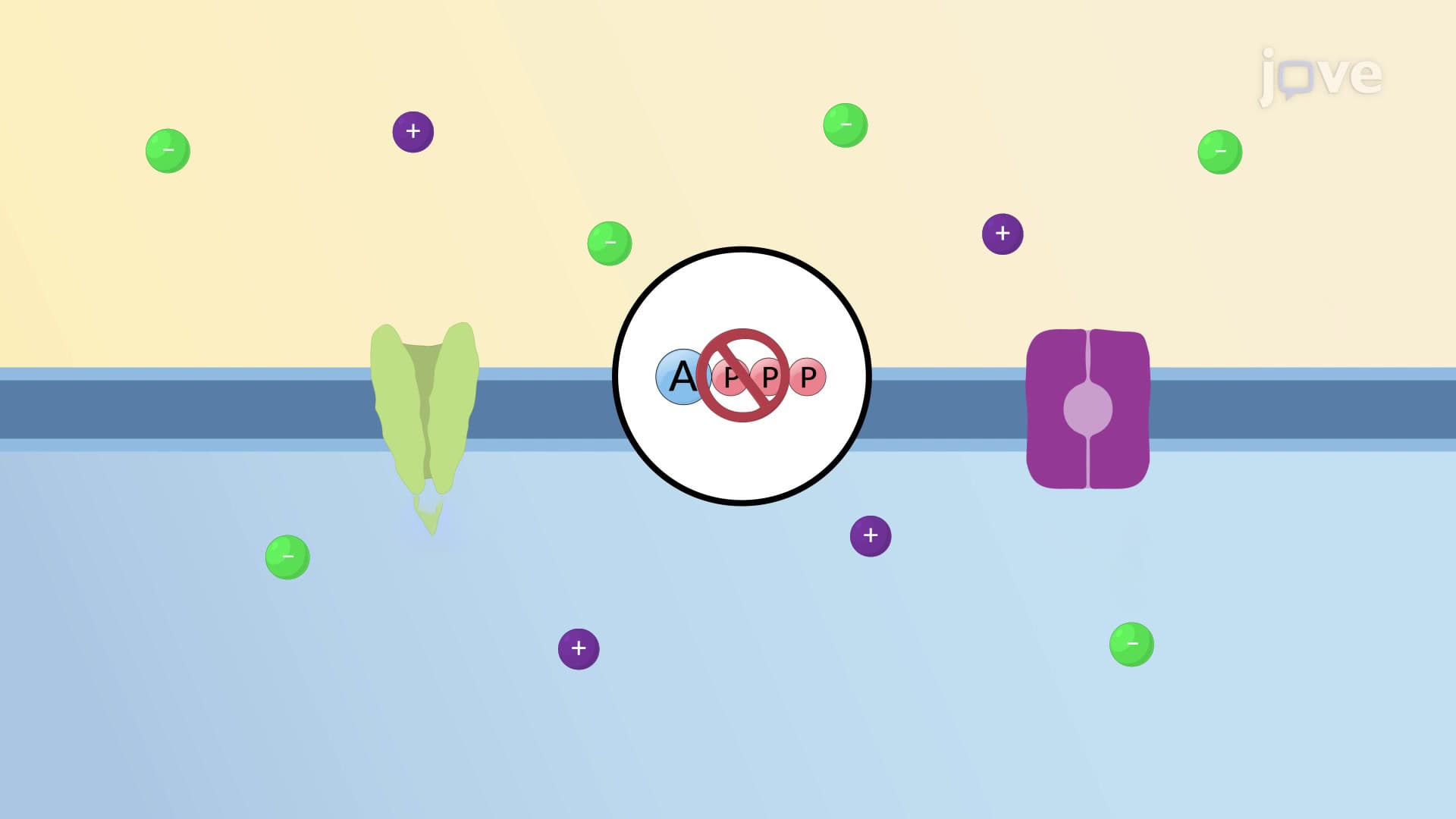
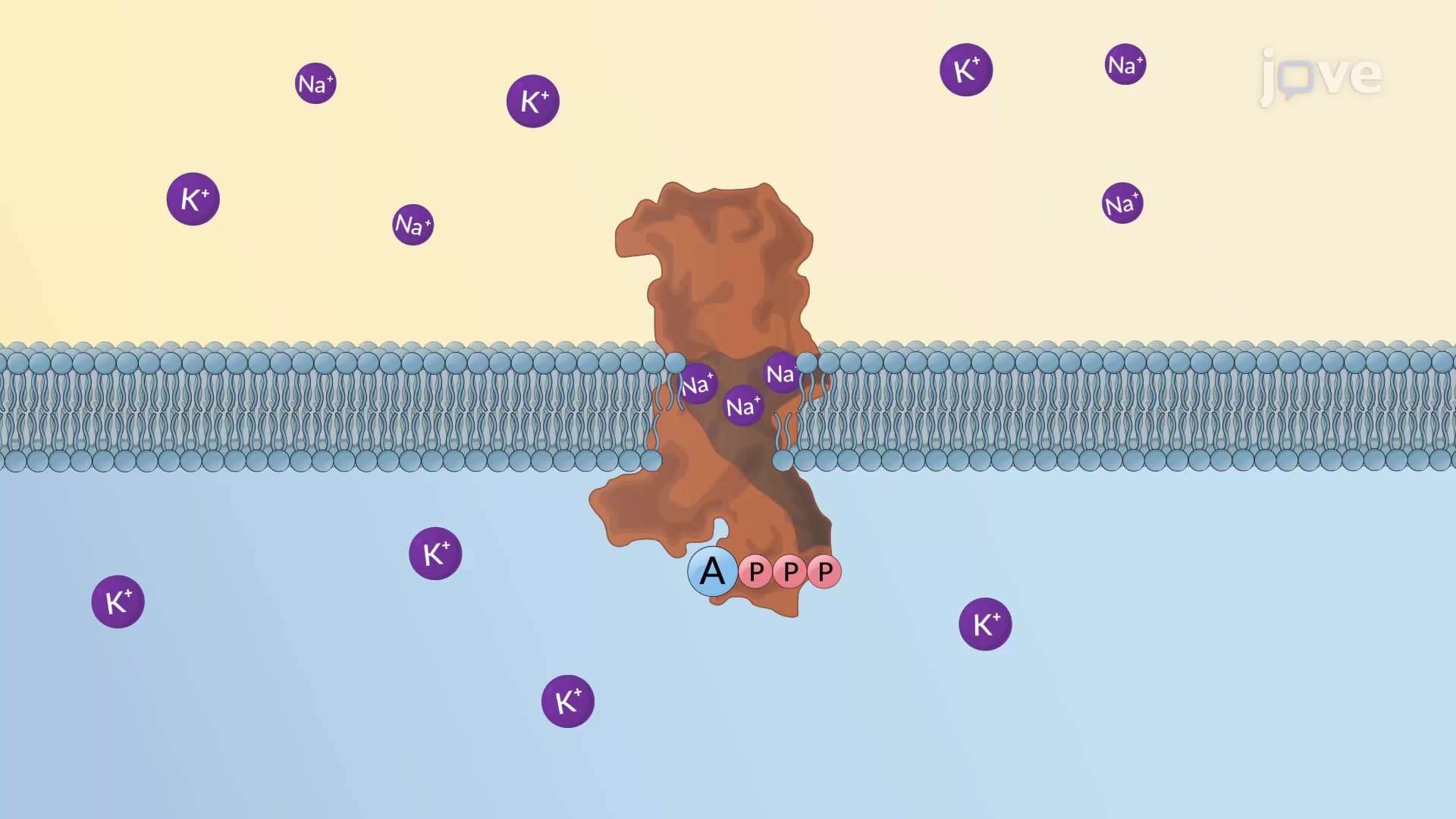
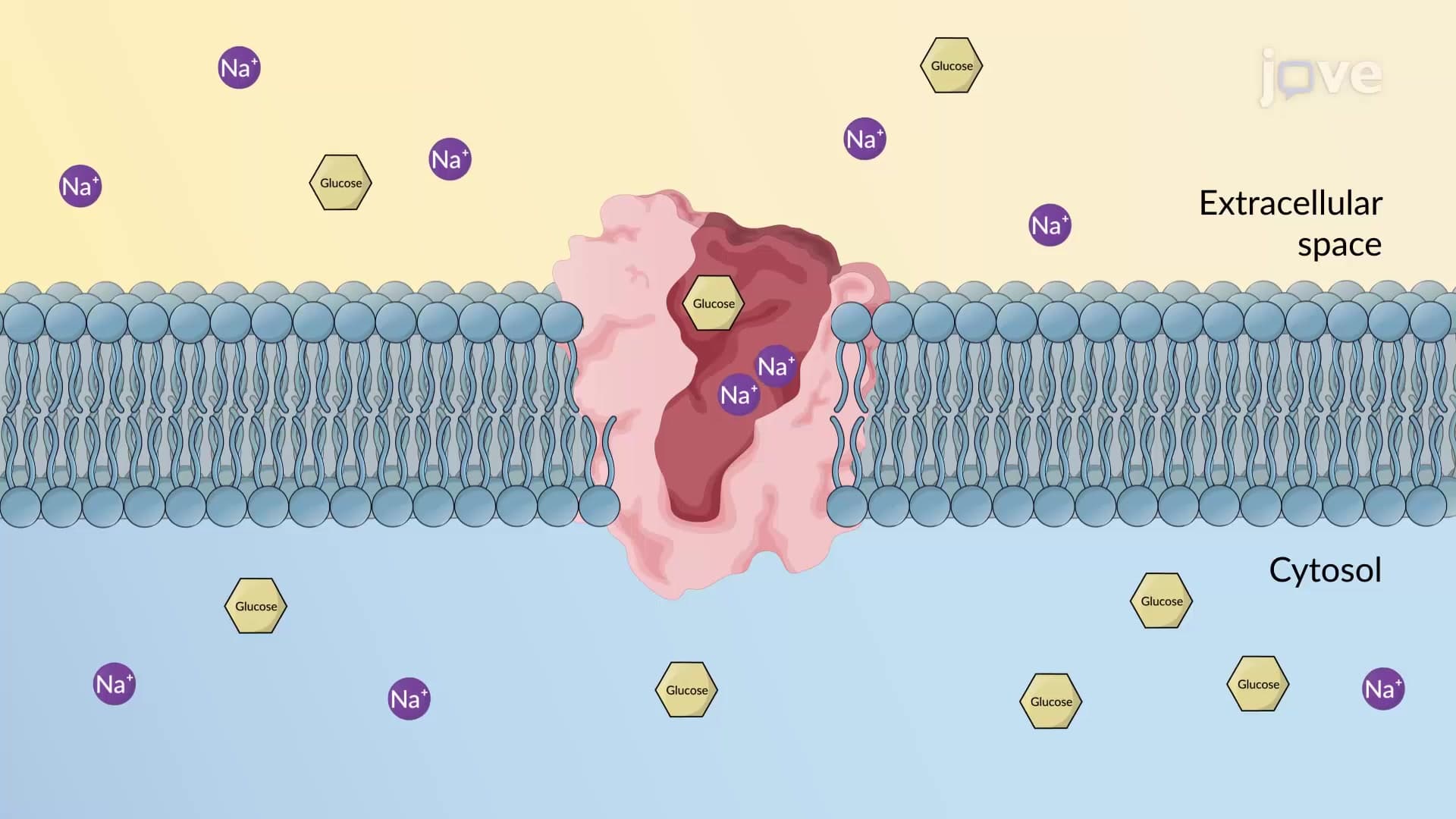
6. Active Transport Systems and Energy Utilization Active transport mechanisms use cellular energy to move substances against concentration gradients, essential for maintaining ionic gradients and nutrient uptake. The sodium-potassium pump exemplifies primary active transport, using ATP hydrolysis to maintain the electrochemical gradients crucial for nerve impulse propagation and muscle contraction. This pump's dysfunction contributes to conditions like digitalis toxicity in cardiac patients. Secondary active transport, demonstrated by the sodium-glucose cotransporter (SGLT1), harnesses existing ion gradients to drive nutrient uptake against concentration gradients. This mechanism is targeted by SGLT2 inhibitors used in diabetes treatment to reduce glucose reabsorption in kidneys. These transport systems maintain cellular homeostasis and enable specialized functions like gastric acid secretion and renal electrolyte balance essential for human survival.
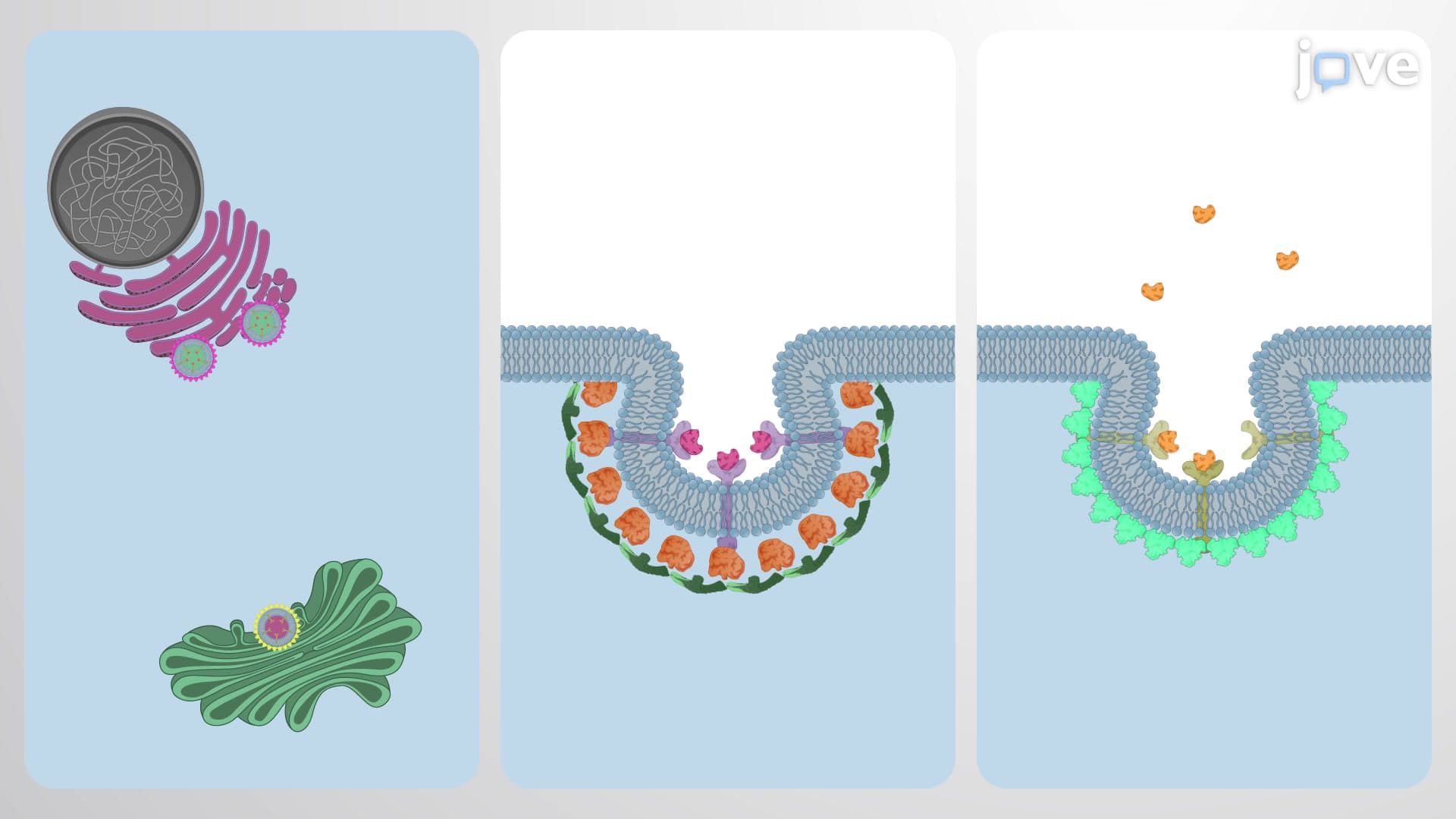
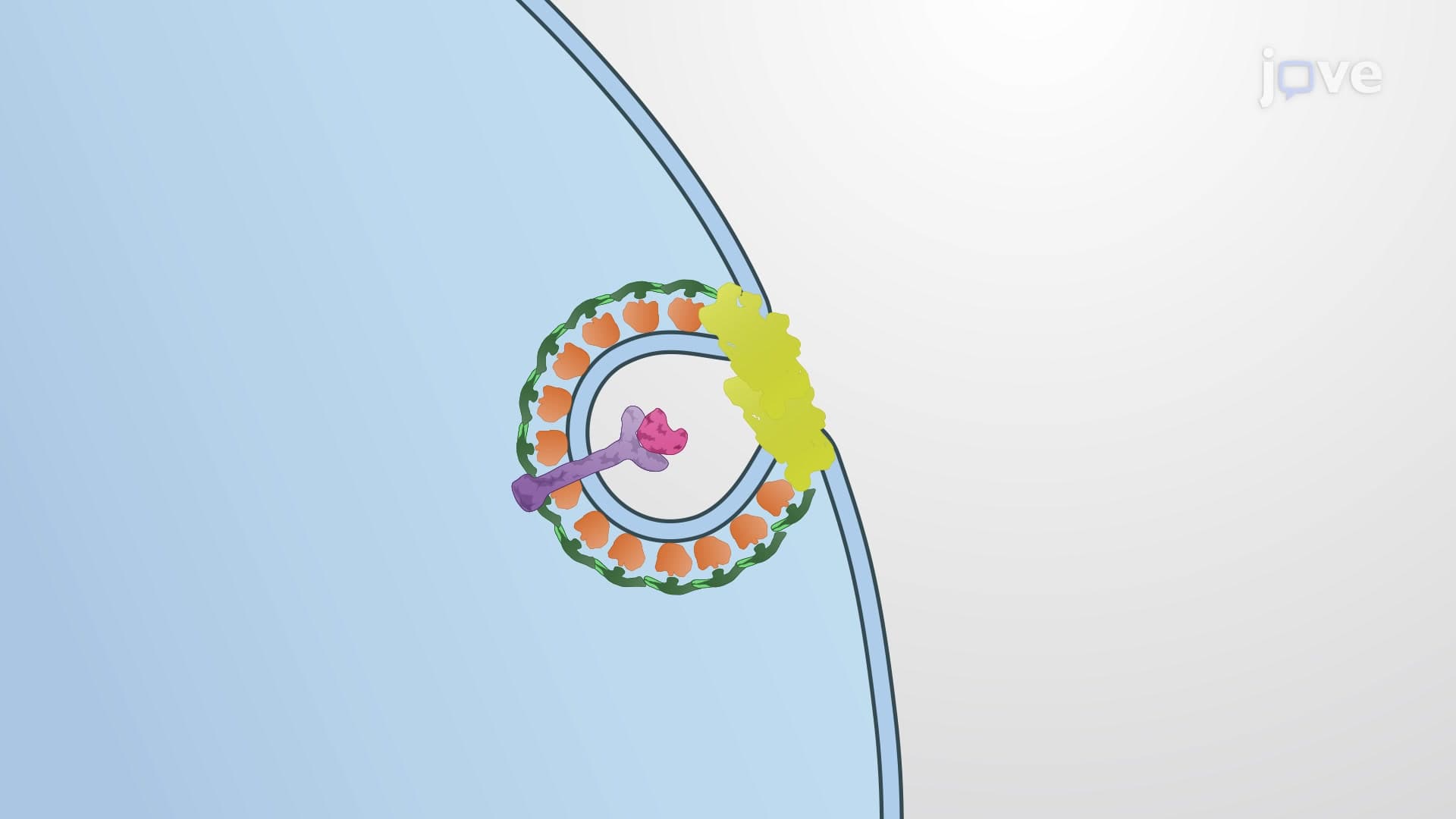
7. Membrane Trafficking and Vesicular Transport Systems Membrane trafficking encompasses endocytosis, exocytosis, and intracellular transport processes vital for cellular communication and homeostasis. Receptor-mediated endocytosis allows specific uptake of molecules like cholesterol (via LDL receptors) and iron (via transferrin receptors), with defects causing familial hypercholesterolemia and iron deficiency disorders respectively. The clathrin-coated vesicle system facilitates this process through precise molecular machinery including adaptor proteins and membrane-bending proteins. Exocytosis enables hormone secretion from endocrine glands, neurotransmitter release at synapses, and enzyme secretion from digestive organs. SNARE proteins mediate vesicle fusion events crucial for insulin release from pancreatic beta cells and synaptic transmission. Understanding these mechanisms is essential for comprehending drug delivery systems, toxin entry pathways, and therapeutic interventions targeting membrane trafficking in diseases like Alzheimer's and cancer.