Loading video…


 15 Concepts
 84.1K views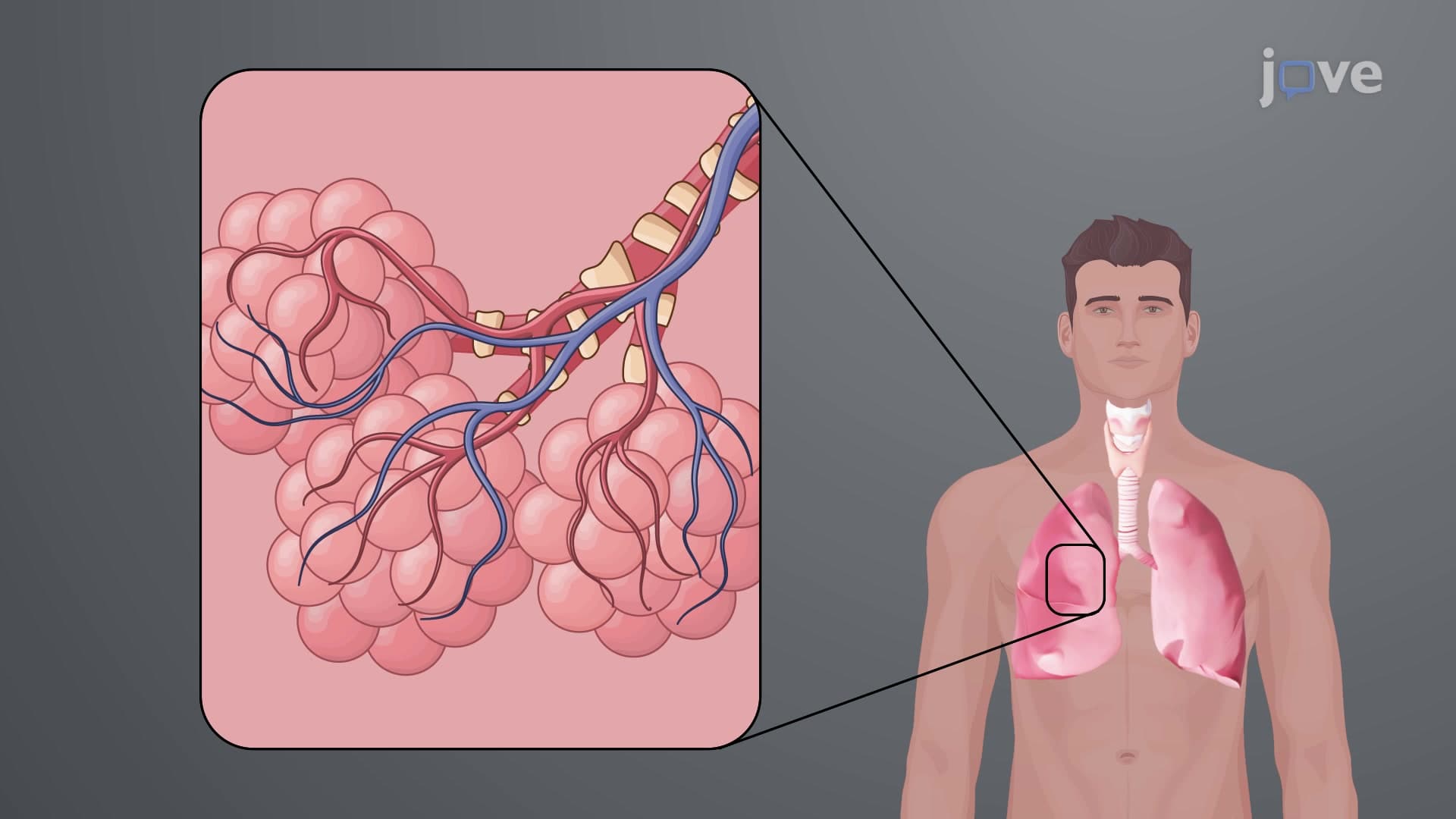

Video Summary: What Is Diffusion
Why does the smell of fresh-baked cookies spread throughout your house? Diffusion explained biology reveals how molecules naturally move from crowded areas to less crowded ones without any energy input. This passive transport process drives everything from oxygen entering your lungs to glucose crossing cell membranes in your body. In American hospitals, understanding what is diffusion helps medical professionals optimize oxygen therapy for patients. Watch the full video on JoVE Coach to master this concept with expert-led visuals and step-by-step explanations.
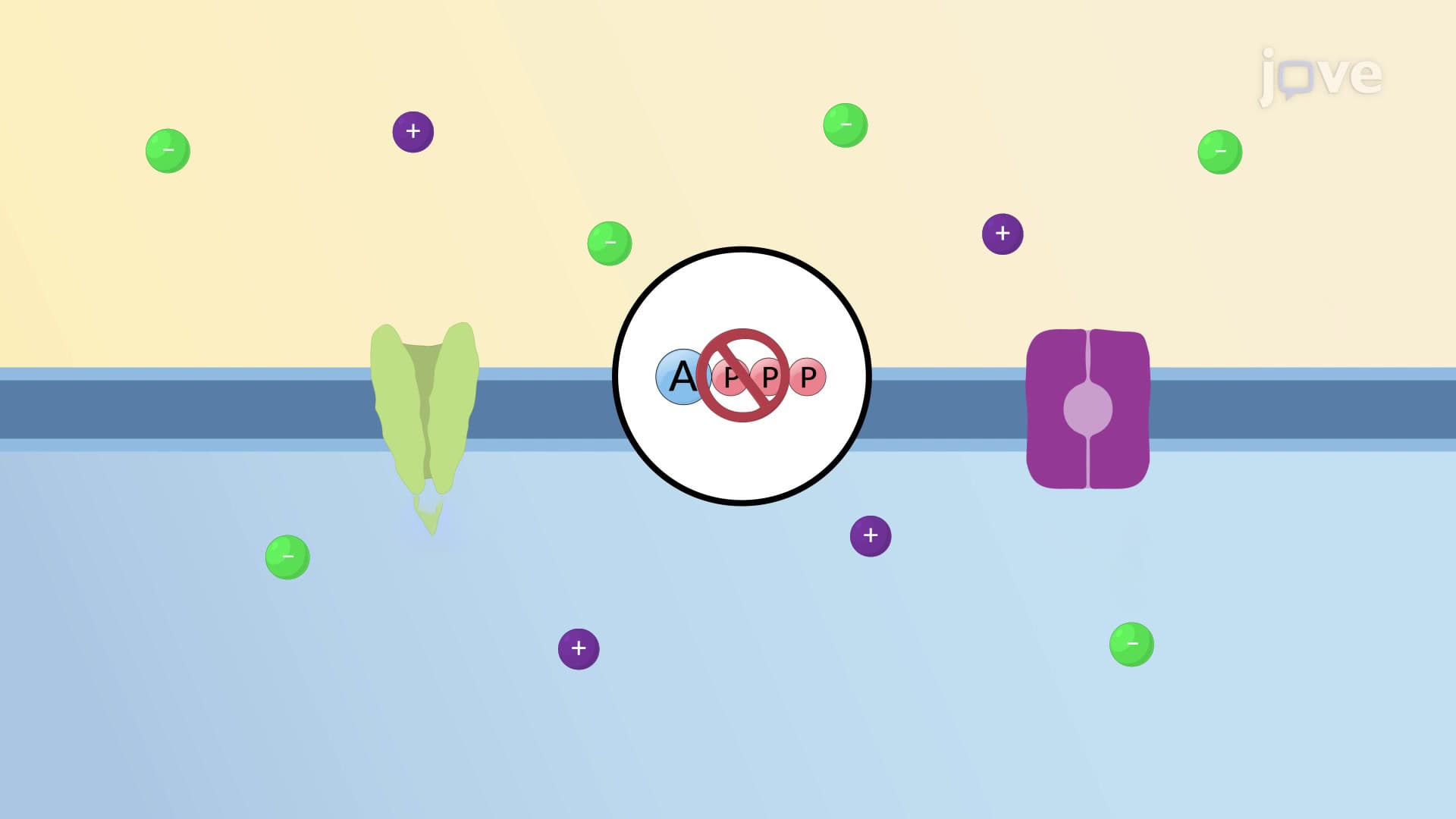
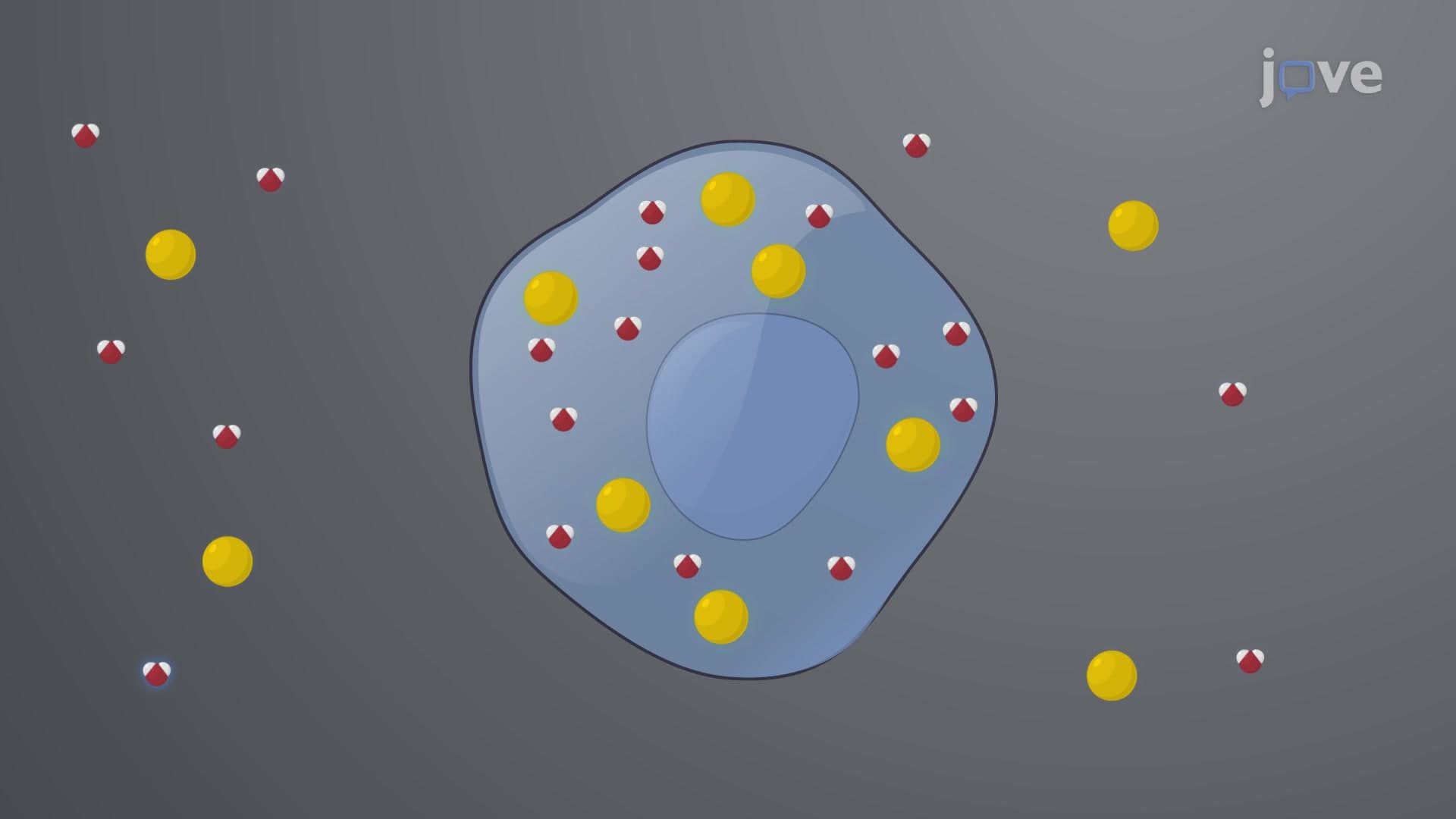
Diffusion explained biology begins with recognizing this fundamental principle: molecules in motion naturally spread from areas of high concentration to low concentration. This passive process requires no cellular energy (ATP) and continues until equilibrium is reached. Think of it like students leaving a crowded cafeteria-they naturally spread out into less crowded areas without anyone directing them.
The driving force behind diffusion is the concentration gradient-the difference in molecular concentration between two regions. Steeper gradients result in faster diffusion rates, following Fick's law of diffusion. This mathematical relationship shows that diffusion rate increases with greater concentration differences, larger surface areas, and higher temperatures, while decreasing with greater distances and larger molecular sizes.
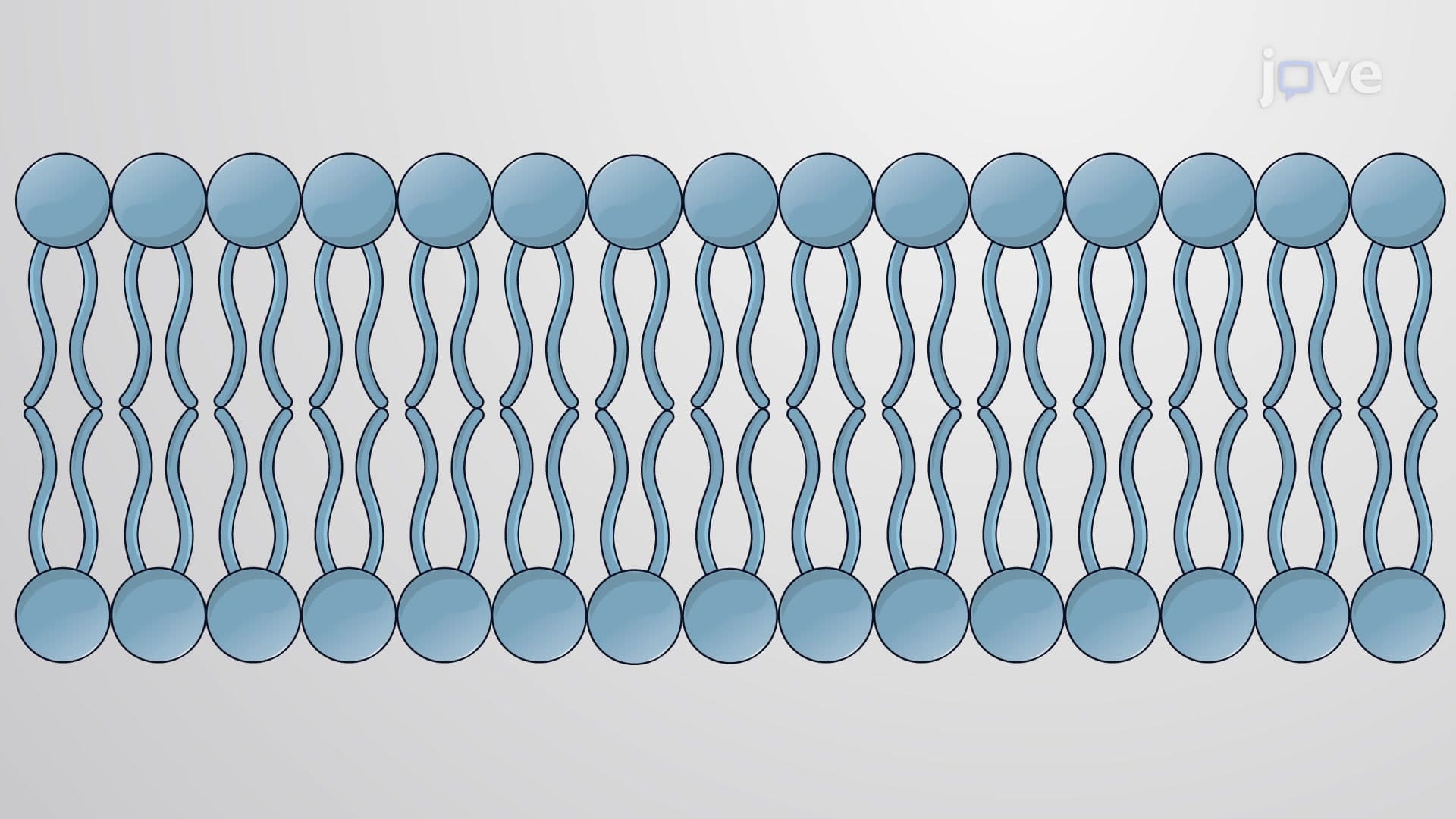
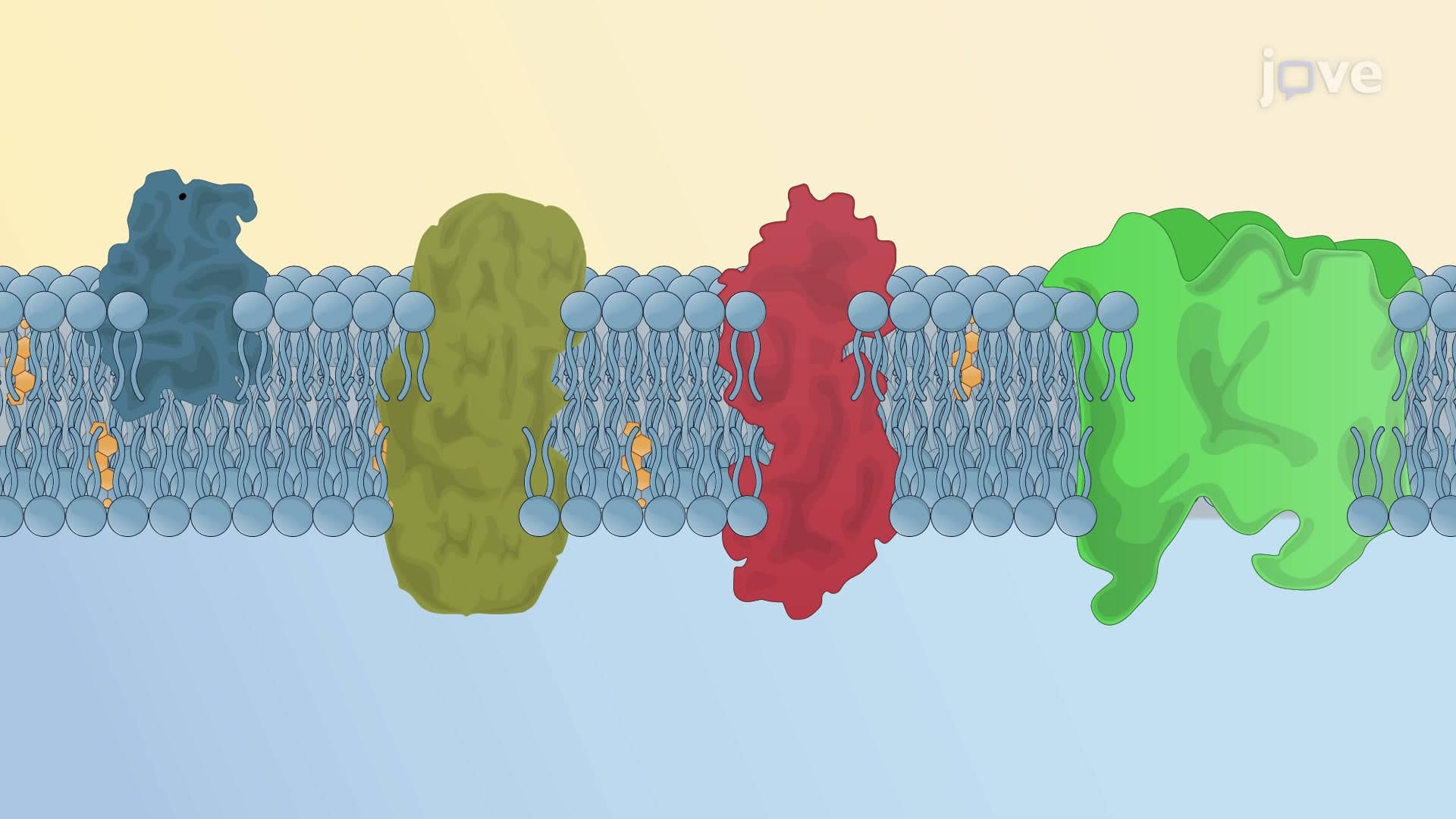
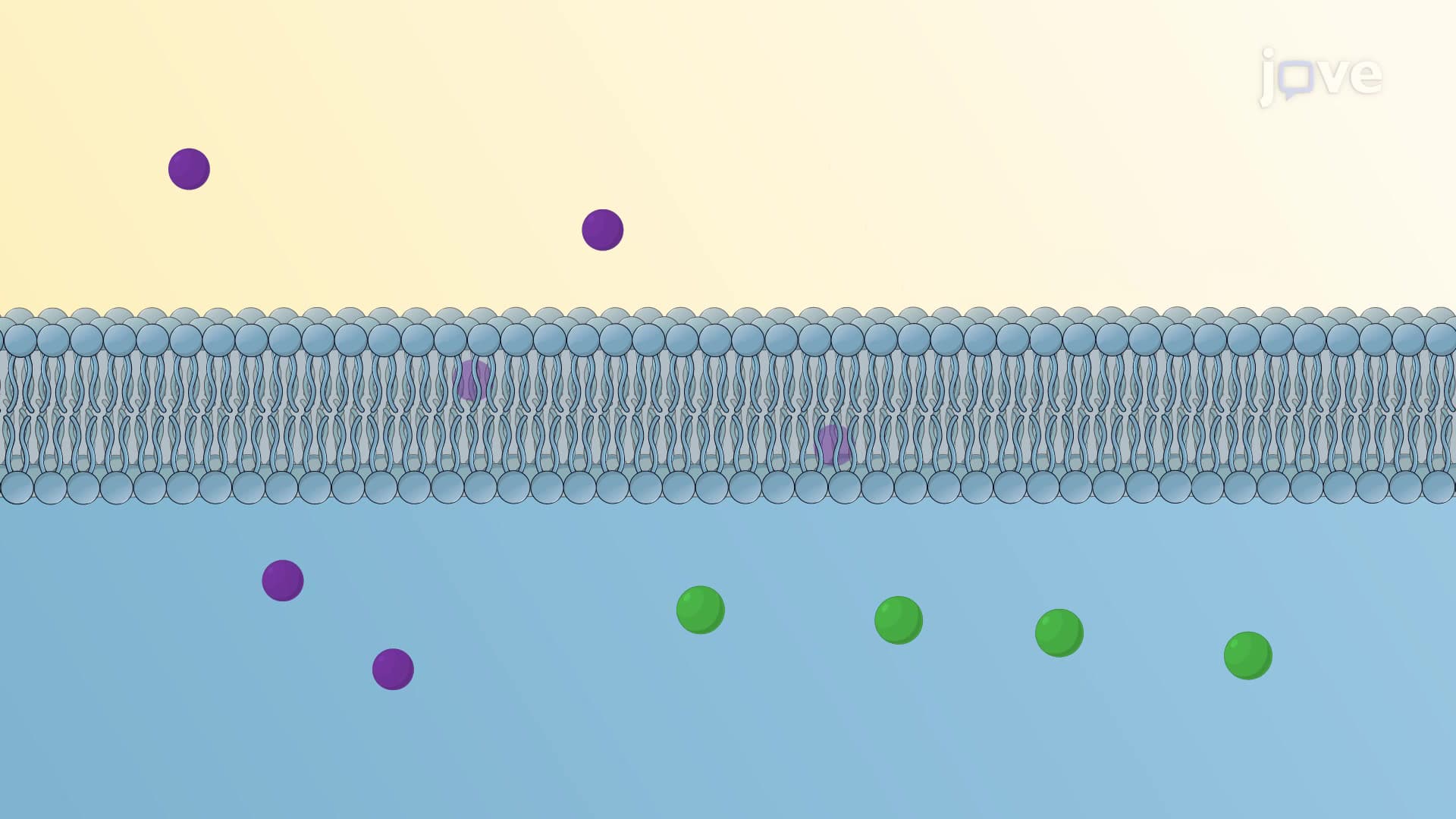
Simple diffusion movement occurs when small, nonpolar molecules pass directly through the lipid bilayer of cell membranes. Oxygen, carbon dioxide, alcohol, and steroid hormones like testosterone and cortisol easily cross membranes this way. These molecules dissolve in the lipid portion of the membrane and emerge on the other side without assistance.
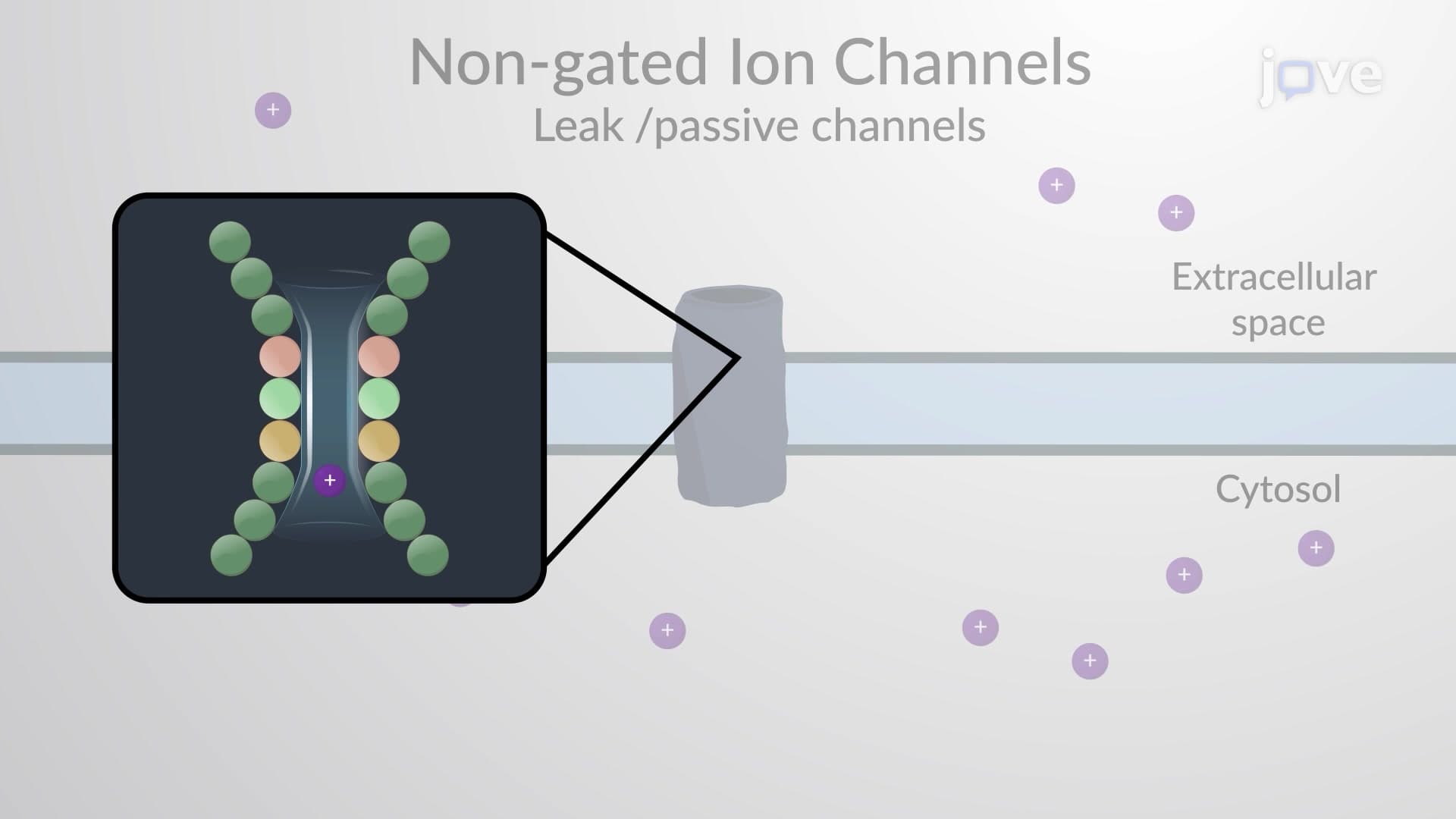
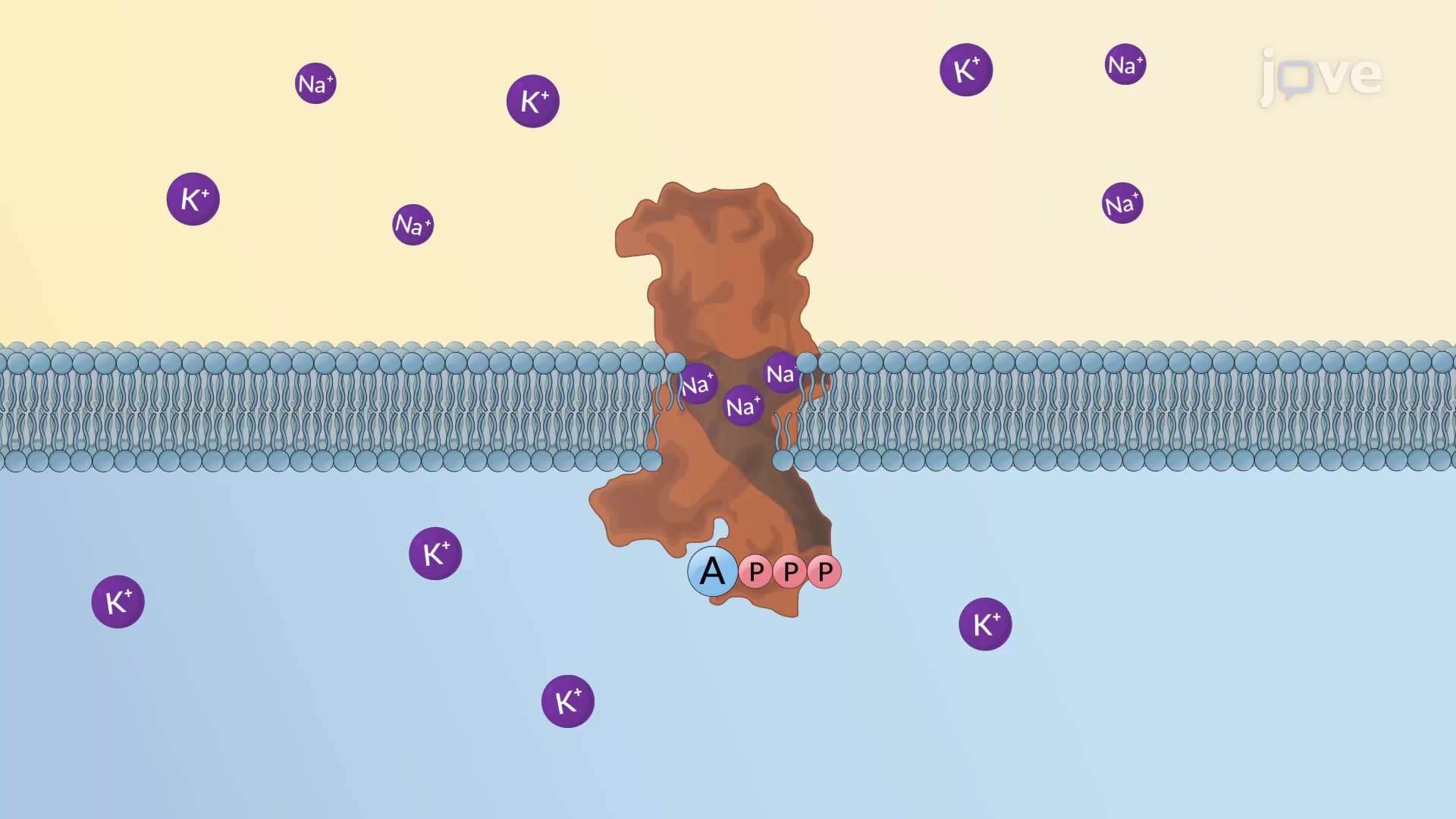
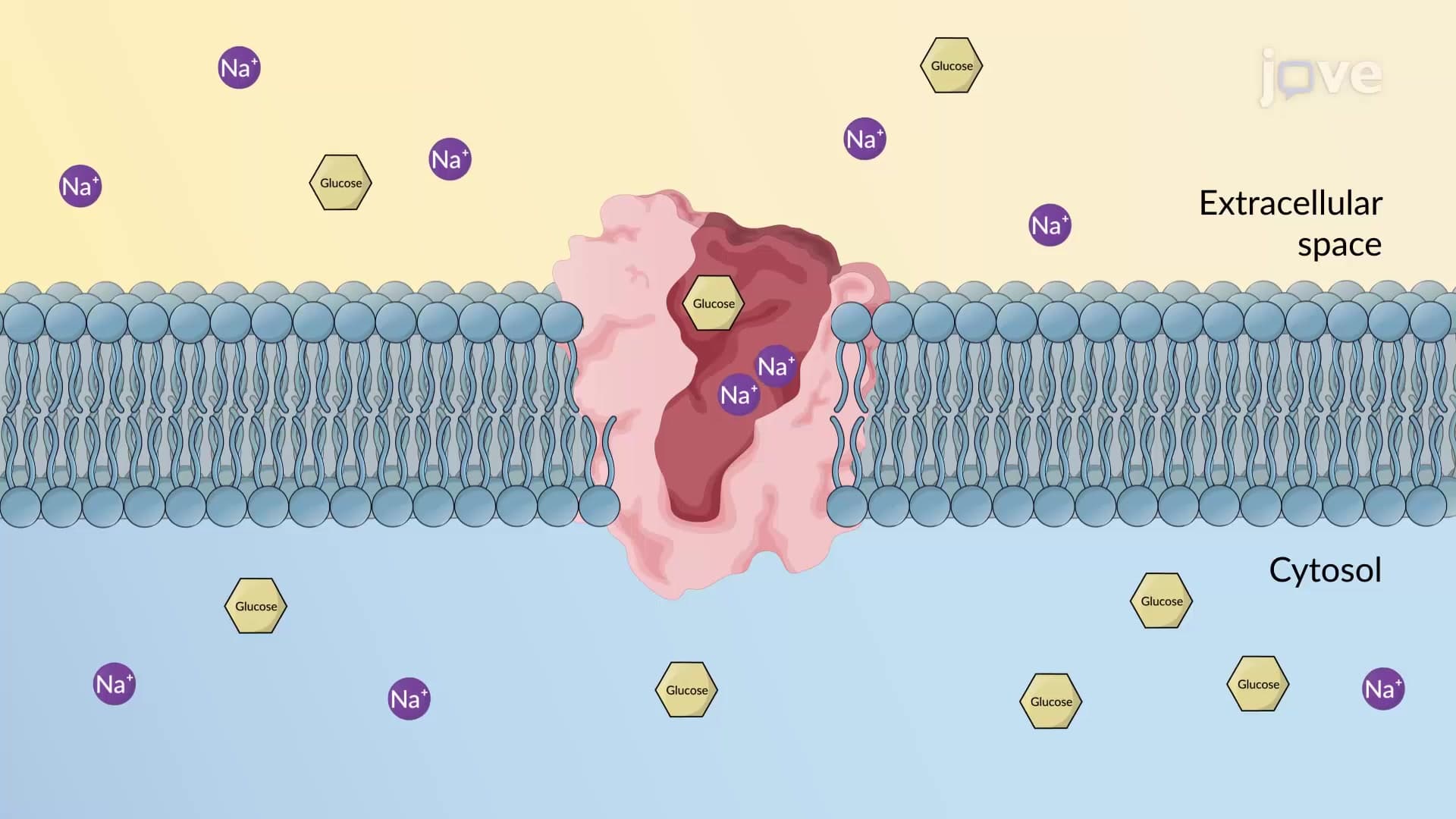
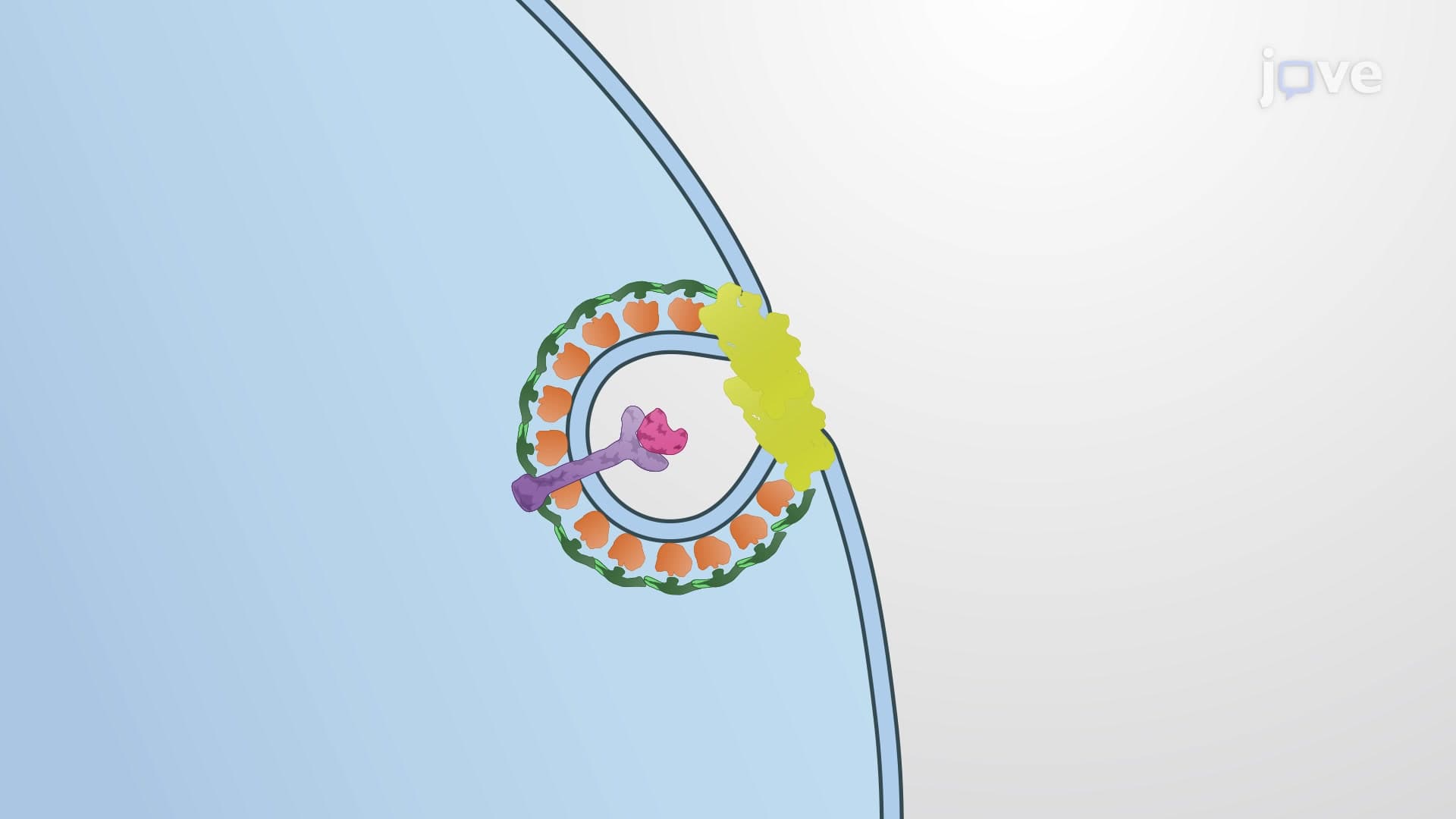
Facilitated diffusion, however, requires transport proteins to help polar molecules and ions cross membranes. Glucose, amino acids, and ions like sodium and potassium cannot pass through lipid membranes alone. Channel proteins create aqueous pores, while carrier proteins undergo conformational changes to shuttle molecules across. The insulin-dependent glucose transporters (GLUT4) in muscle cells exemplify this process.
Concentration gradient diffusion powers respiratory gas exchange in human lungs. When you inhale at Denver's high altitude (5,280 feet), the lower oxygen concentration requires your body to work harder because the concentration gradient between alveolar air and blood is reduced. This principle helps explain why athletes train at altitude-their bodies adapt to extract oxygen more efficiently.
In clinical settings, understanding passive transport diffusion guides medical treatments. Dialysis machines rely on diffusion to remove waste products from patients with kidney failure. The artificial membrane separates blood from dialysis fluid, allowing urea and other toxins to diffuse out while retaining essential blood components.
Diffusion membrane biology frequently appears on AP Biology, MCAT, and college physiology exams. Students must understand how membrane composition affects permeability and why certain diseases disrupt normal diffusion. Cystic fibrosis, caused by defective chloride channels, demonstrates how faulty facilitated diffusion can have life-threatening consequences. Practice problems often involve calculating diffusion rates or predicting molecular movement based on concentration gradients and molecular properties.
Related Micro-courses