Loading video…


 15 Concepts
 84.1K views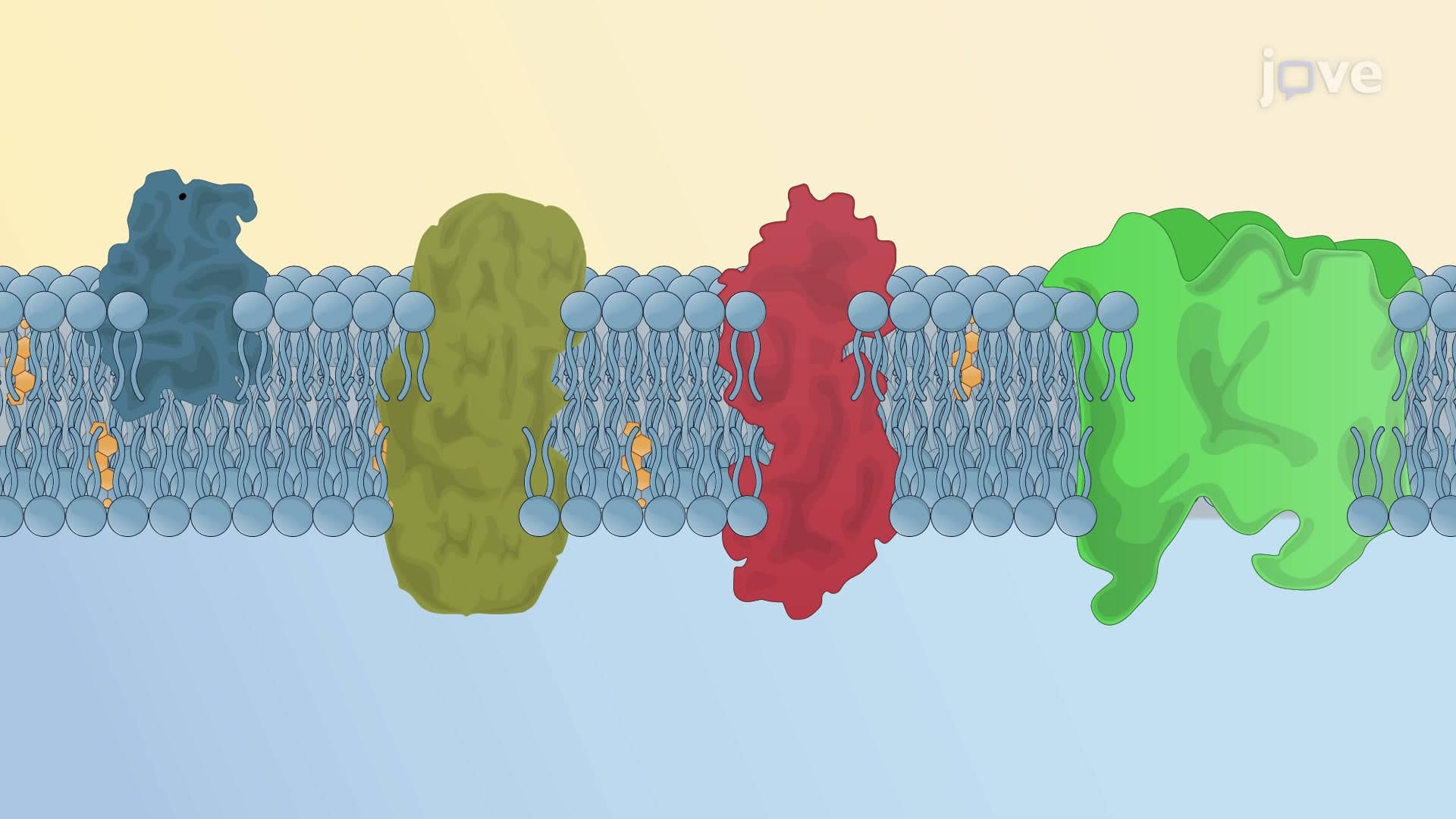

Video Summary: What are Membrane Proteins
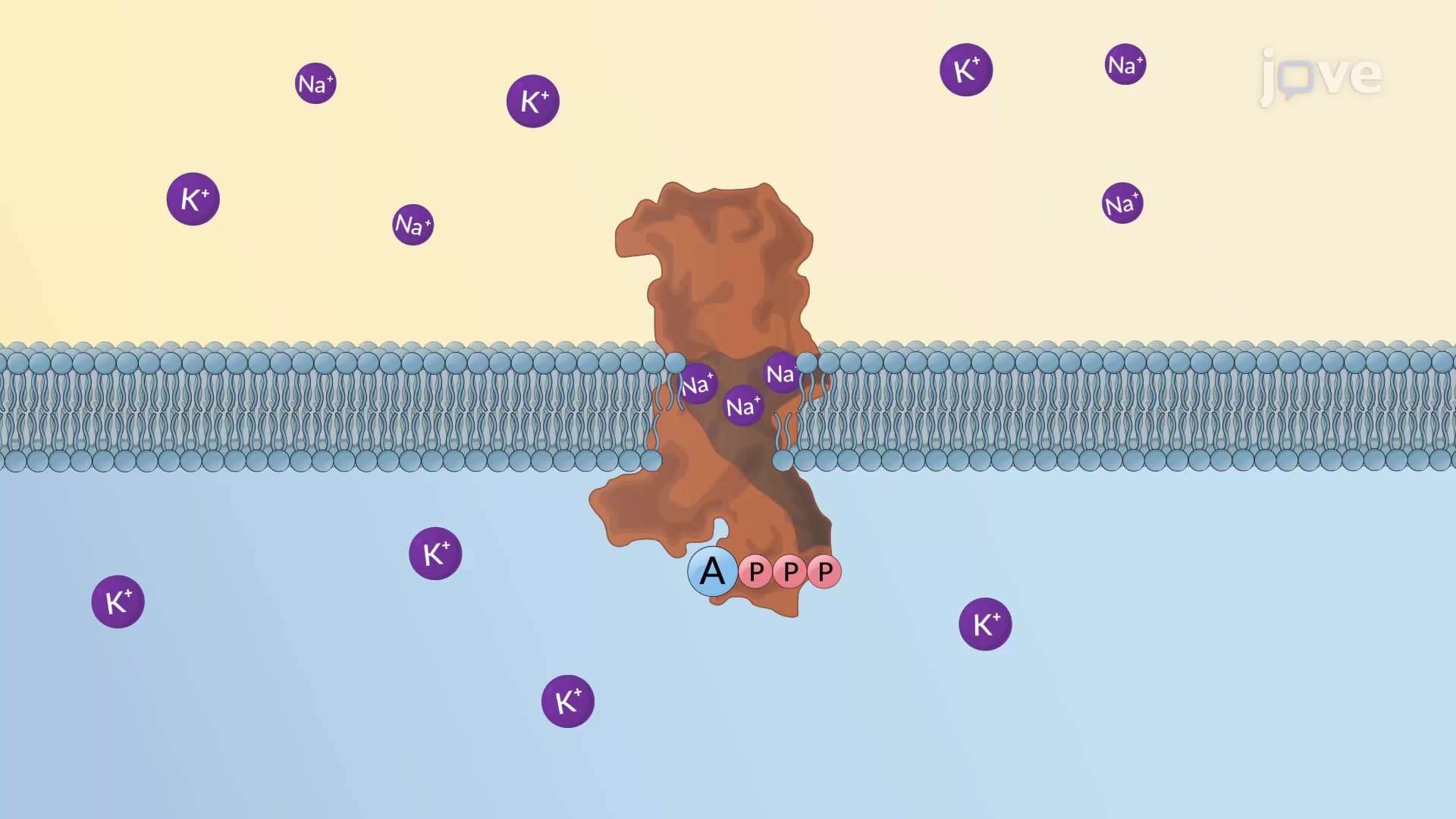
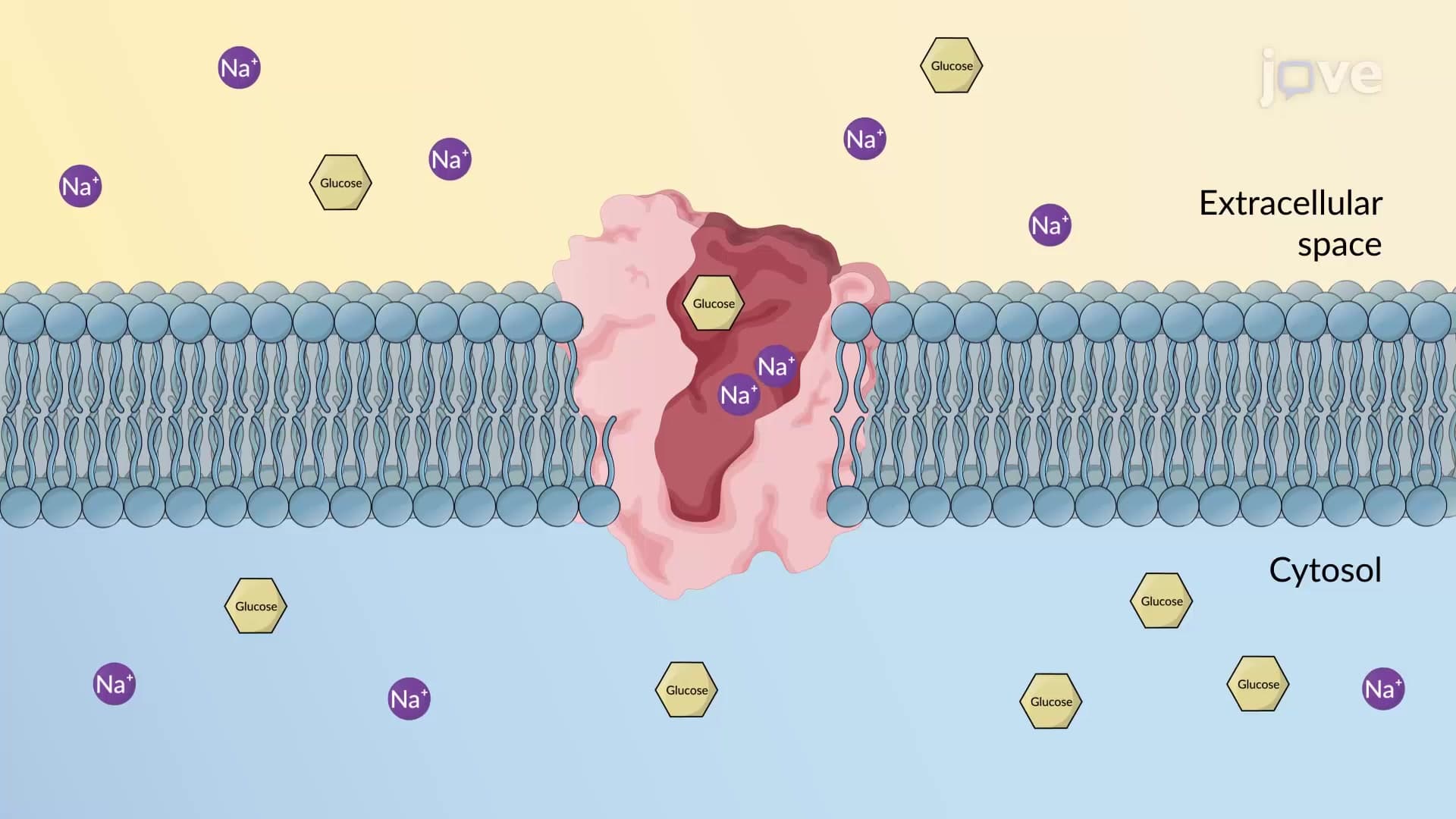
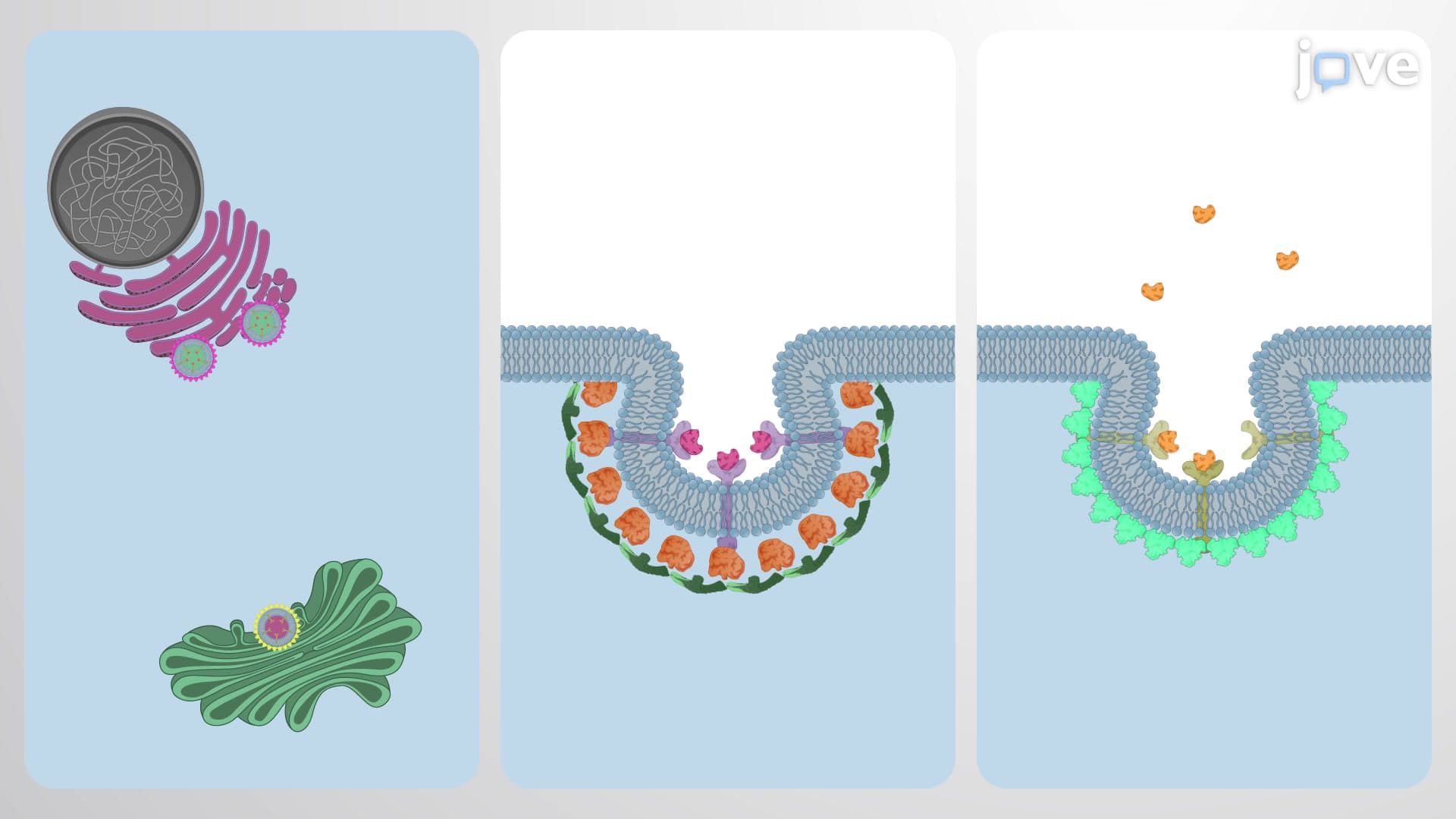
Ever wonder how your nerve cells fire messages at lightning speed? Membrane proteins explained through the lens of sodium channels shows how these molecular gatekeepers control every heartbeat and thought. From insulin receptors managing blood sugar in diabetic patients to ion channels enabling muscle contractions, what are membrane proteins becomes clear when we see them as cellular communication hubs. These specialized proteins, embedded in cell membranes, orchestrate transport, signaling, and recognition processes that keep us alive. Watch the full video on JoVE Coach to master this concept with expert-led visuals and step-by-step explanations.
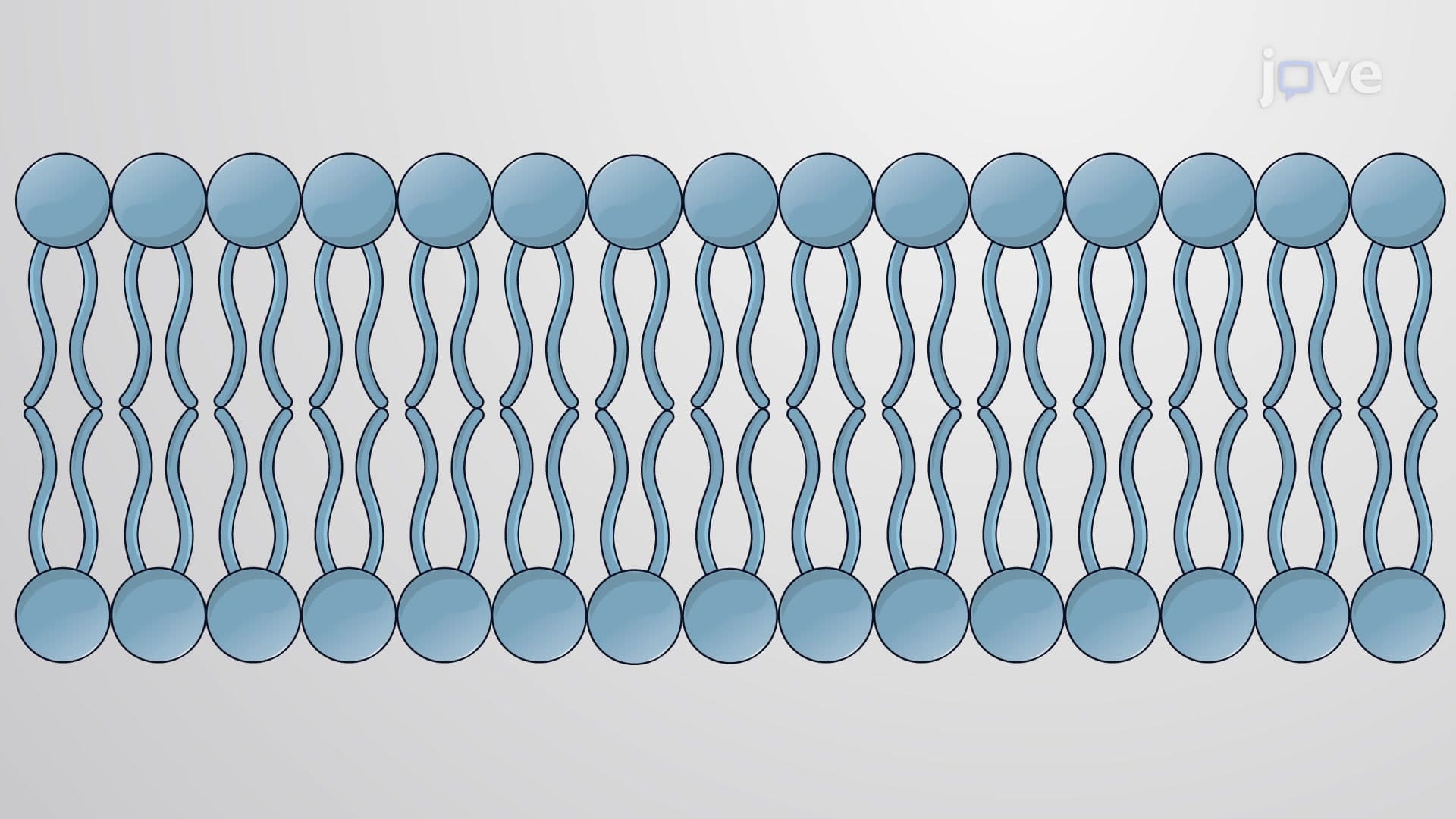
Membrane proteins explained begins with recognizing these specialized molecules as the functional workhorses of cellular membranes. Unlike simple lipid bilayers, biological membranes gain their sophisticated capabilities through embedded and associated proteins that facilitate everything from nutrient uptake to cellular communication. These proteins represent approximately 30% of all human genes, highlighting their fundamental importance in biological systems.
The membrane protein structure varies dramatically based on function, but all share the common feature of interacting with lipid environments. This interaction shapes their unique properties and determines how they perform essential cellular tasks that keep organisms alive and responsive to environmental changes.
Integral peripheral membrane protein differences define two major categories of membrane-associated proteins. Integral proteins, also called intrinsic proteins, span the entire lipid bilayer or embed deeply within it. These transmembrane protein function specialists include ion channels like those found in cardiac pacemaker cells, which regulate heart rhythm by controlling sodium and potassium flow.
Peripheral proteins, conversely, associate loosely with membrane surfaces through electrostatic interactions or hydrogen bonding. These proteins can be easily removed without disrupting membrane integrity, unlike their integral counterparts. Examples include cytoskeletal proteins that provide structural support to red blood cell membranes, maintaining their characteristic biconcave shape essential for oxygen transport.
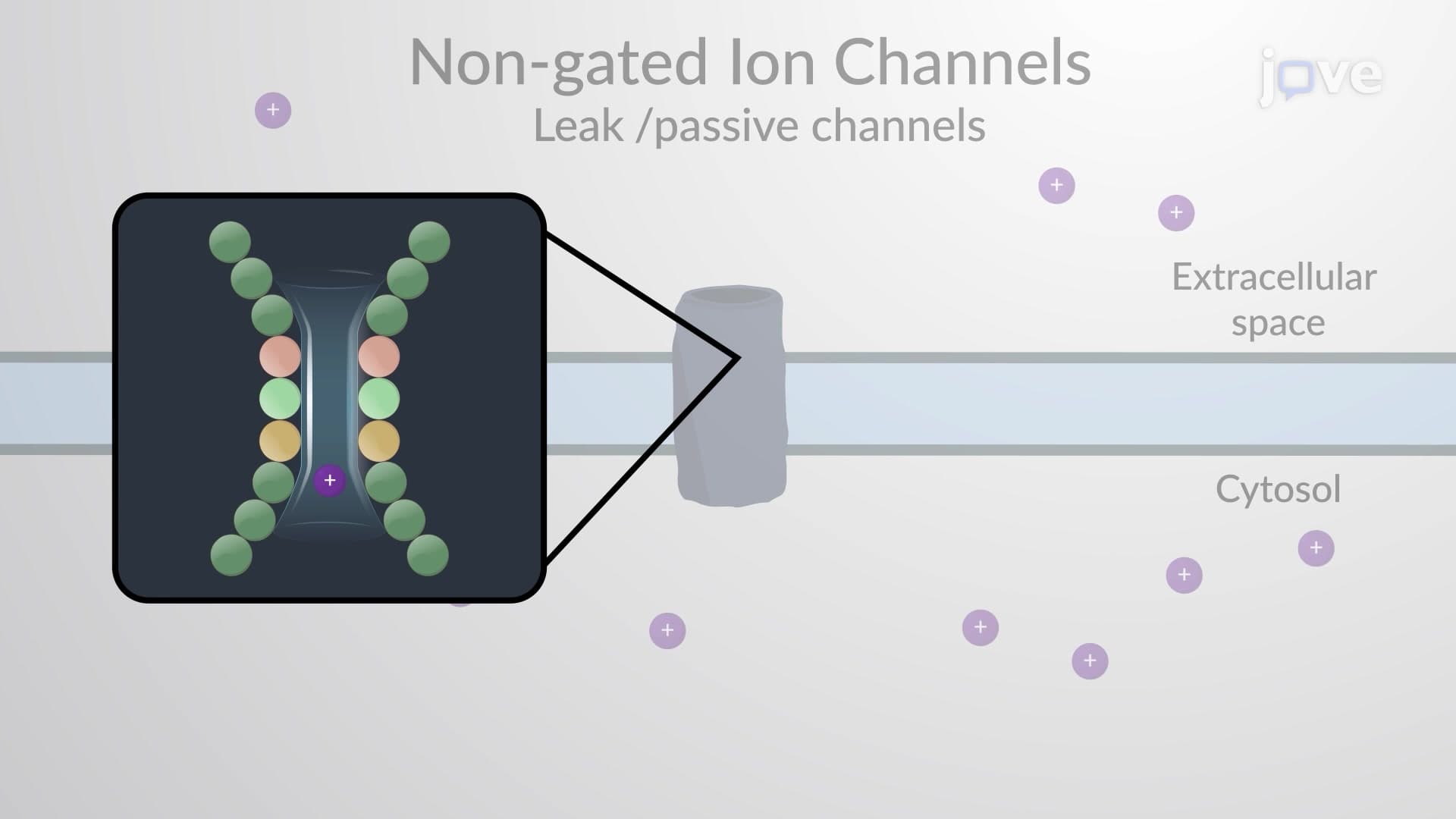
Channel receptor membrane protein systems demonstrate the sophisticated nature of cellular communication. Ion channels, such as voltage-gated sodium channels targeted by local anesthetics like lidocaine, allow rapid electrical signaling in neurons. These channels can open and close in milliseconds, enabling the rapid nerve conduction necessary for reflexes and conscious movement.
G-protein-coupled receptors (GPCRs) represent another crucial category, mediating responses to hormones like adrenaline during fight-or-flight responses. When adrenaline binds to beta-adrenergic receptors in heart muscle, it triggers increased heart rate and contractile strength-a response that can be blocked by beta-blocker medications prescribed for hypertension.
Membrane protein types functions frequently appear in standardized exams including the MCAT, AP Biology, and nursing entrance exams like the HESI A2. Understanding these concepts proves essential for pre-med students tackling biochemistry courses and nursing students studying pharmacology. The glycoprotein membrane function in immune recognition, for instance, explains how organ transplant rejection occurs and why tissue matching is crucial for surgical success.
Related Micro-courses