14 Concepts
6 Concepts
21 Concepts
23 Concepts
21 Concepts
15 Concepts
16 Concepts
26 Concepts
18 Concepts
19 Concepts
11 Concepts
6 Concepts
10 Concepts
22 Concepts
20 Concepts
26 Concepts
26 Concepts
14 Concepts
10 Concepts
12 Concepts
23 Concepts
29 Concepts
19 Concepts
38 Concepts
38 Concepts
25 Concepts
40 Concepts
25 Concepts
25 Concepts
20 Concepts
37 Concepts
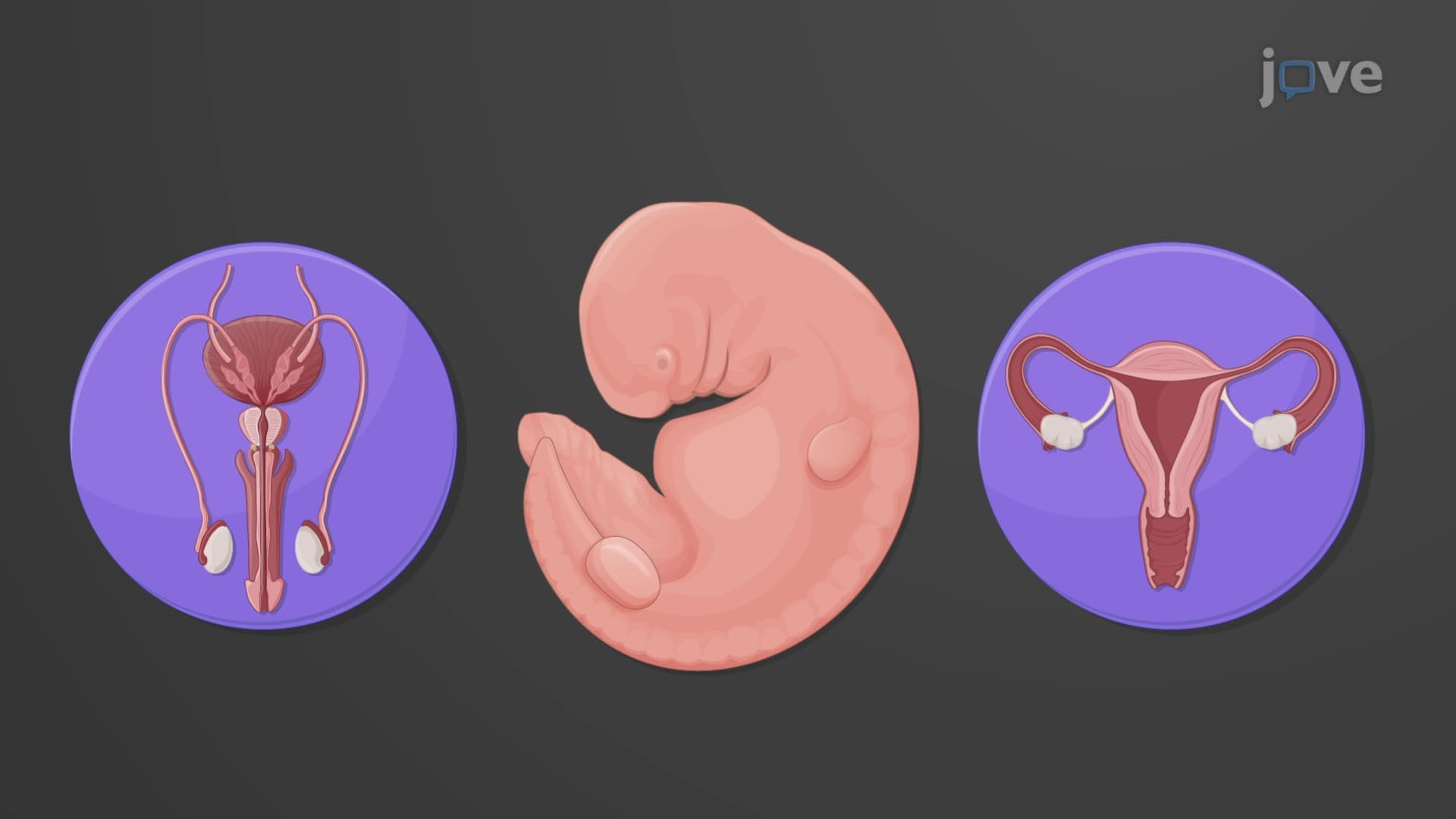
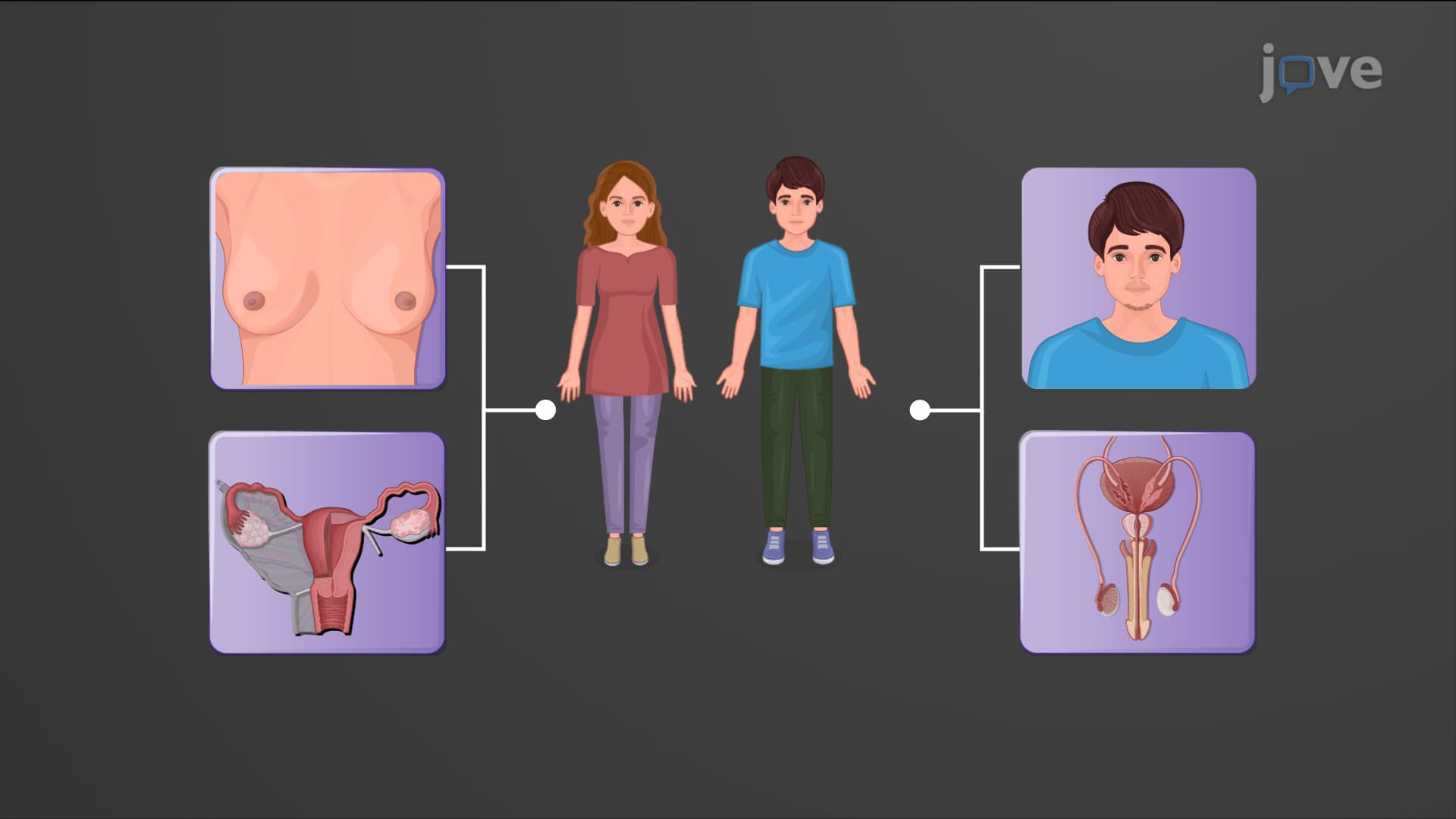
The reproductive system encompasses the complex network of organs, hormones, and processes that enable human reproduction. This comprehensive course examines male and female reproductive anatomy, from microscopic gametogenesis to macroscopic organ structure and function. Students explore hormonal regulation, reproductive cycles, fertility, and common disorders affecting reproductive health. Through detailed analysis of testicular and ovarian function, sperm and egg development, and the intricate hormonal feedback loops controlling reproduction, learners gain essential knowledge applicable to advanced biology courses, pre-health programs, and standardized exams like the MCAT and AP Biology.
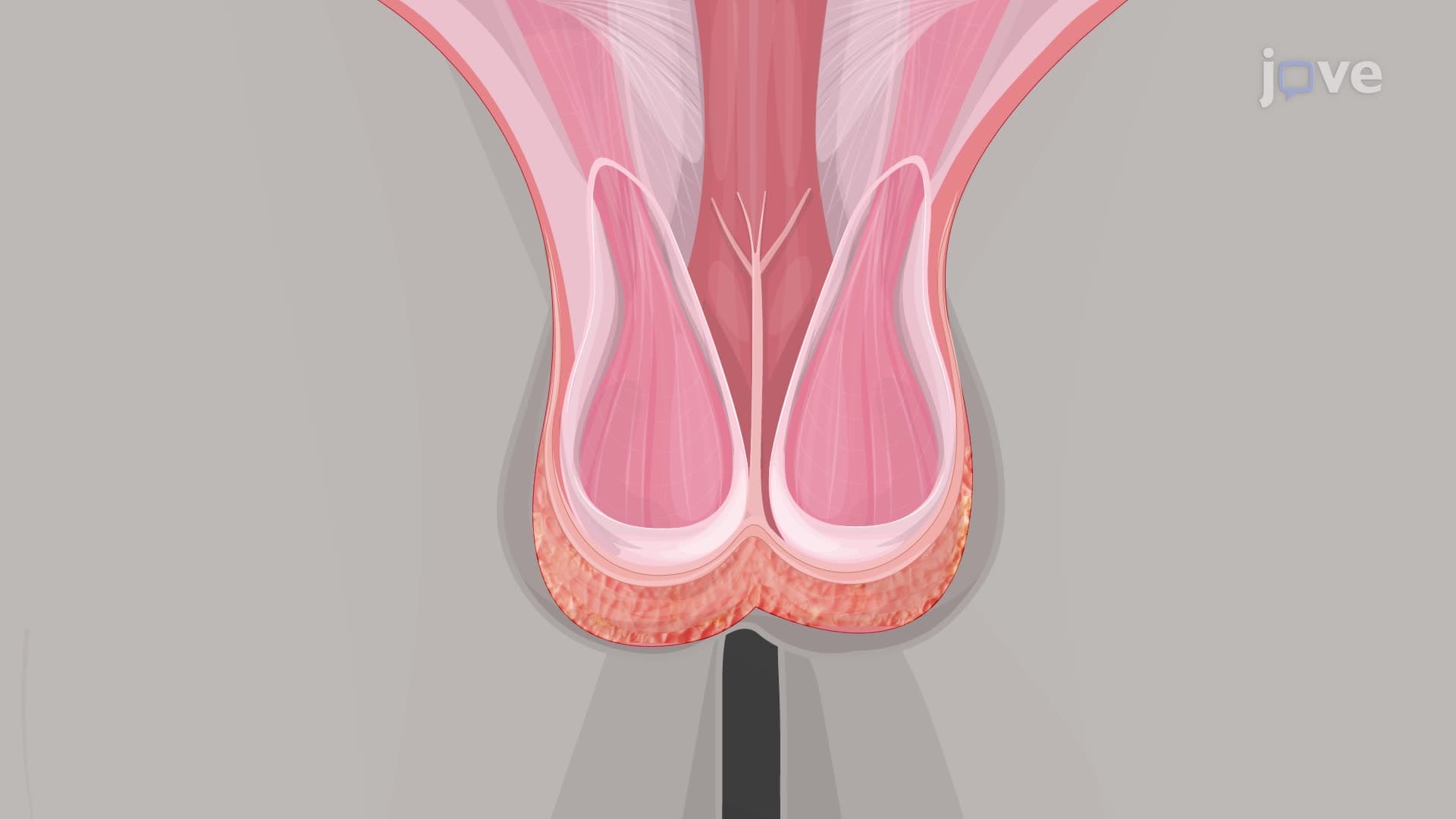
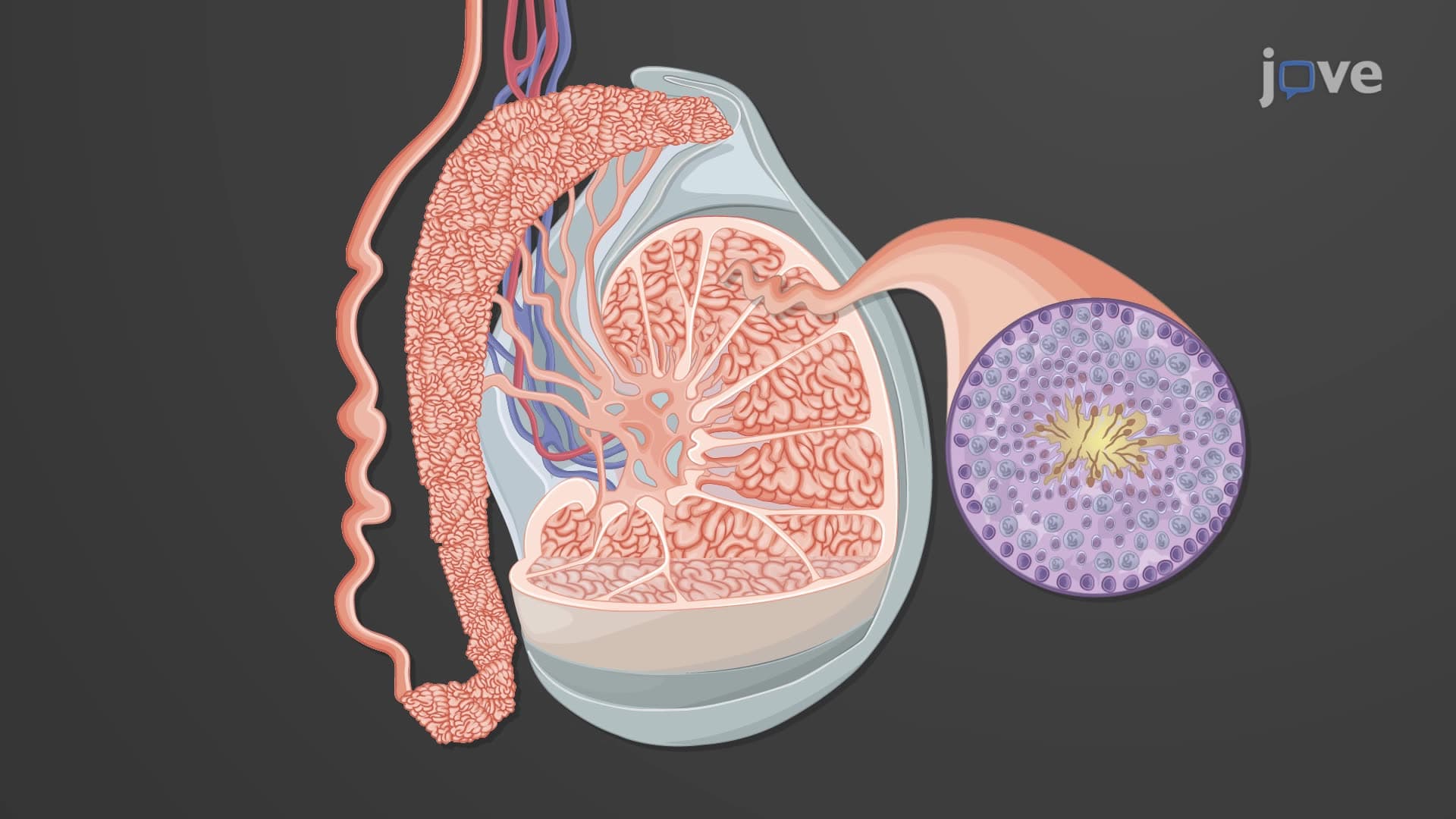
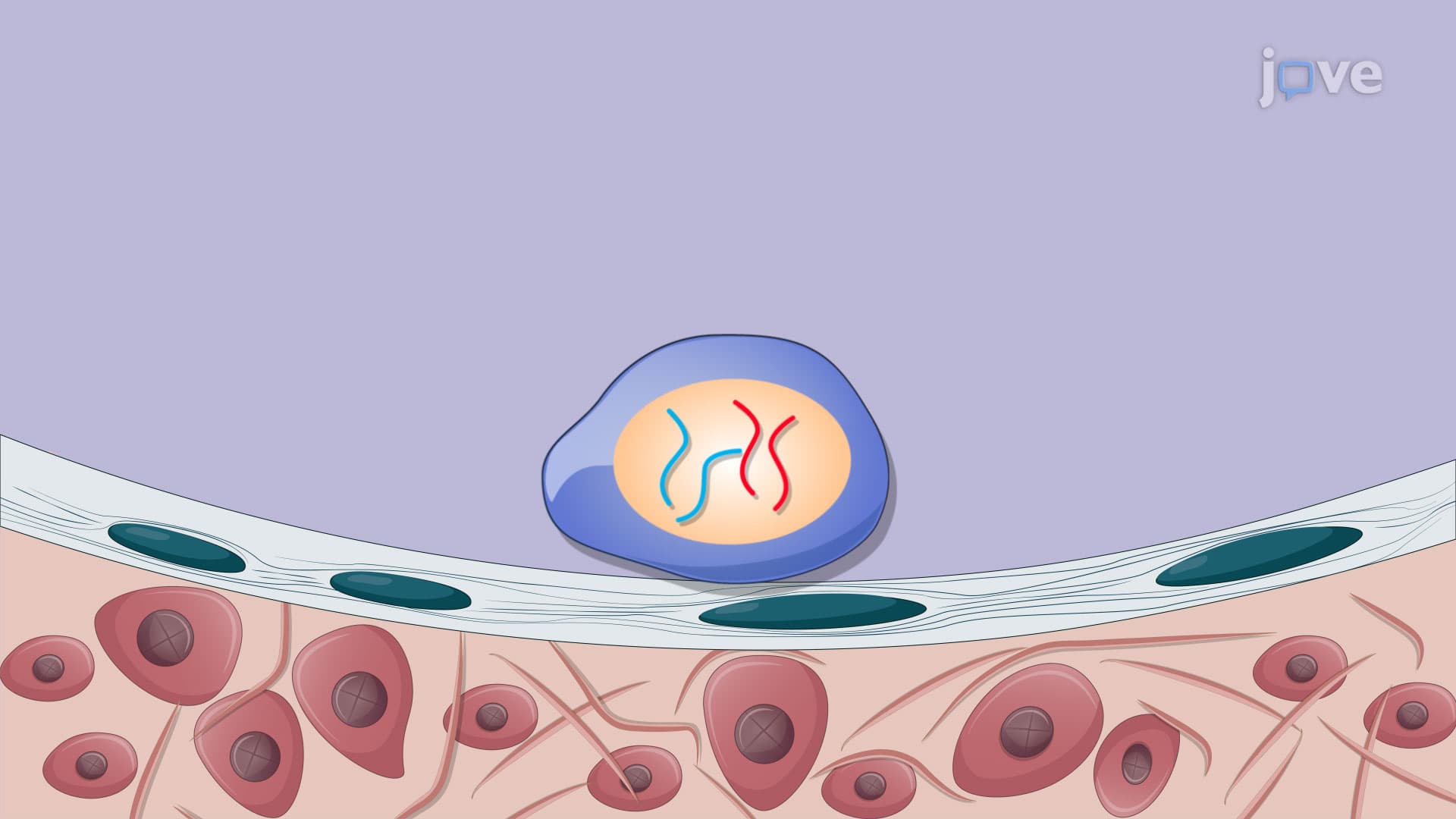
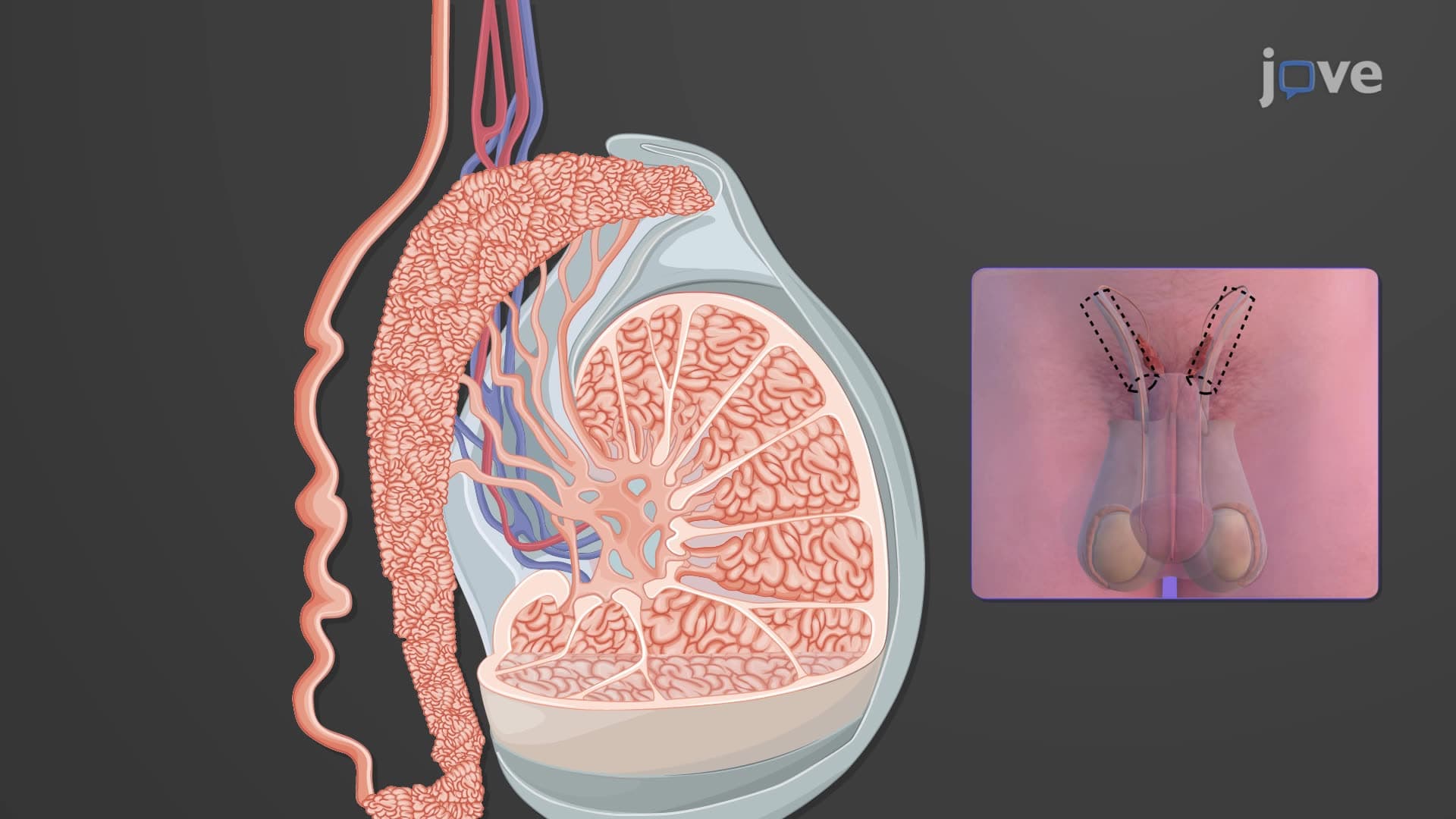
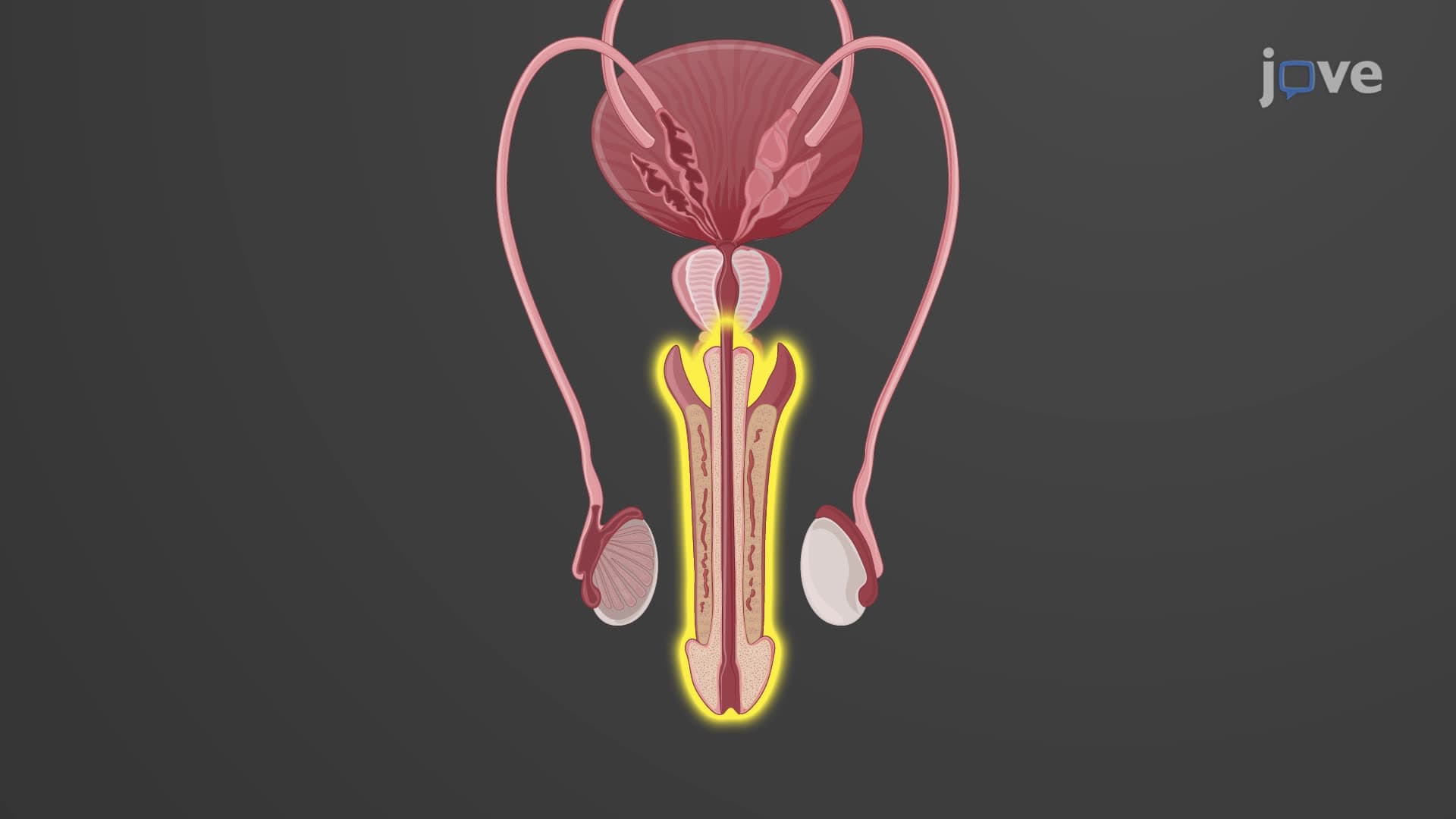
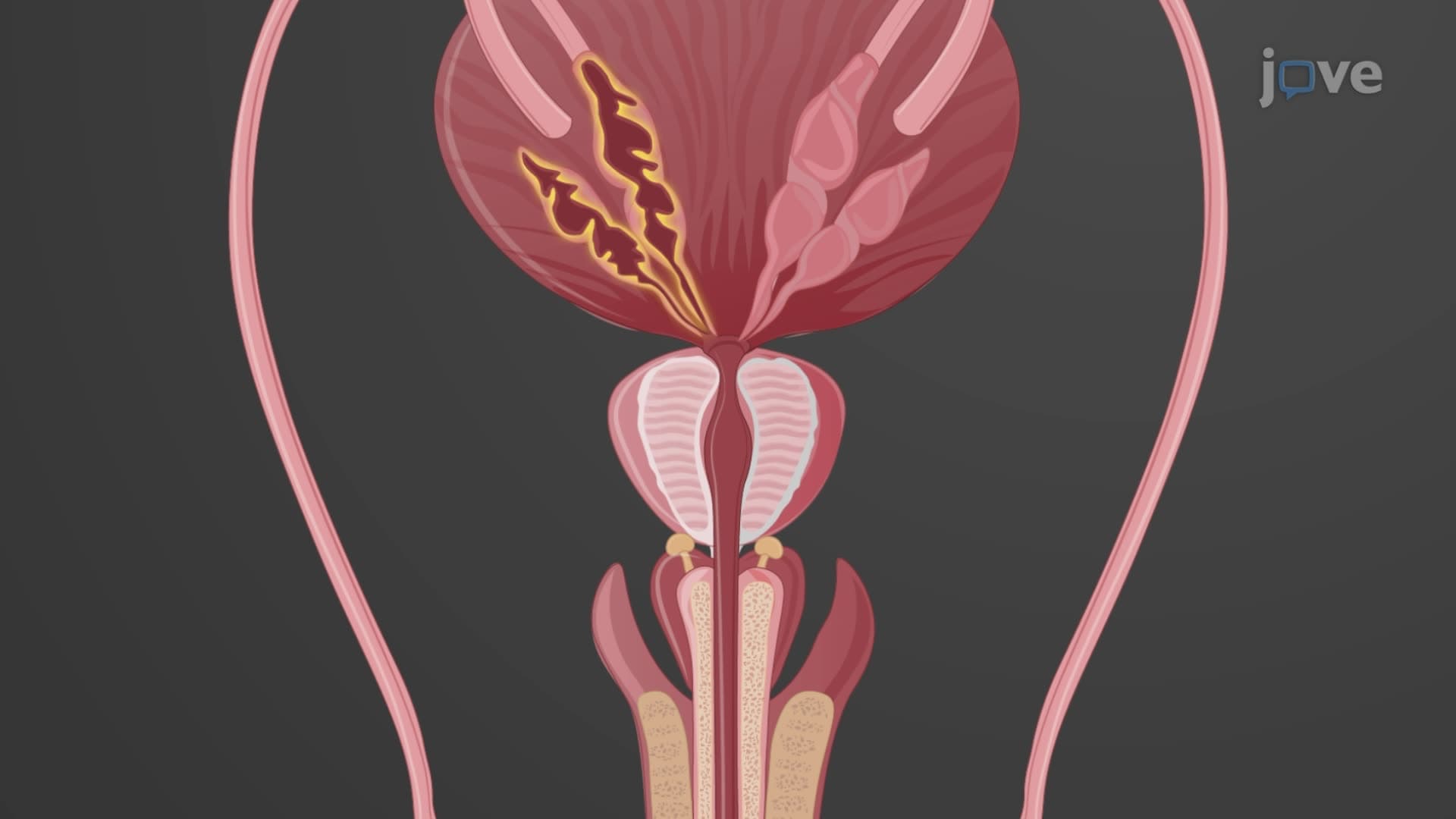
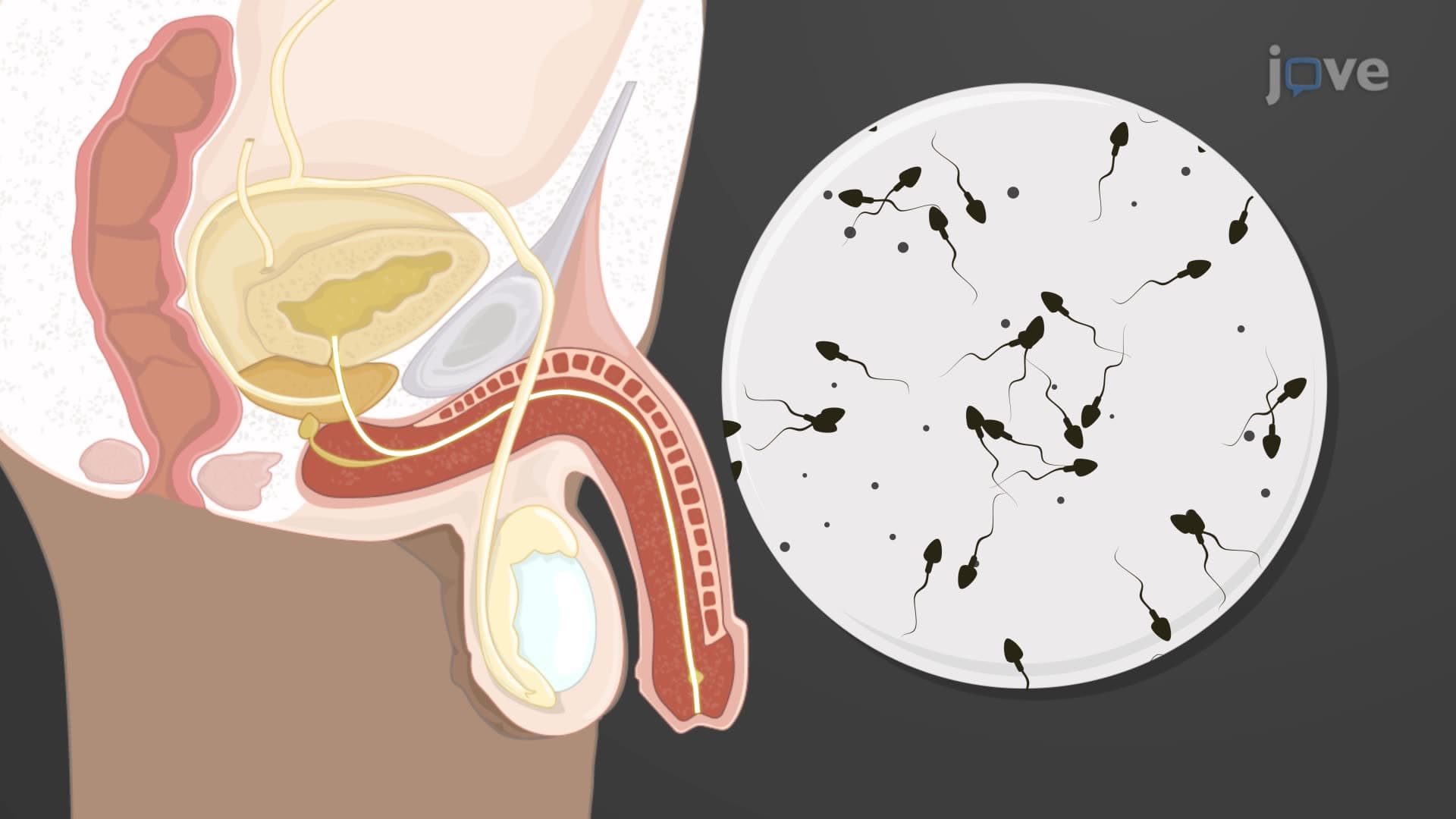
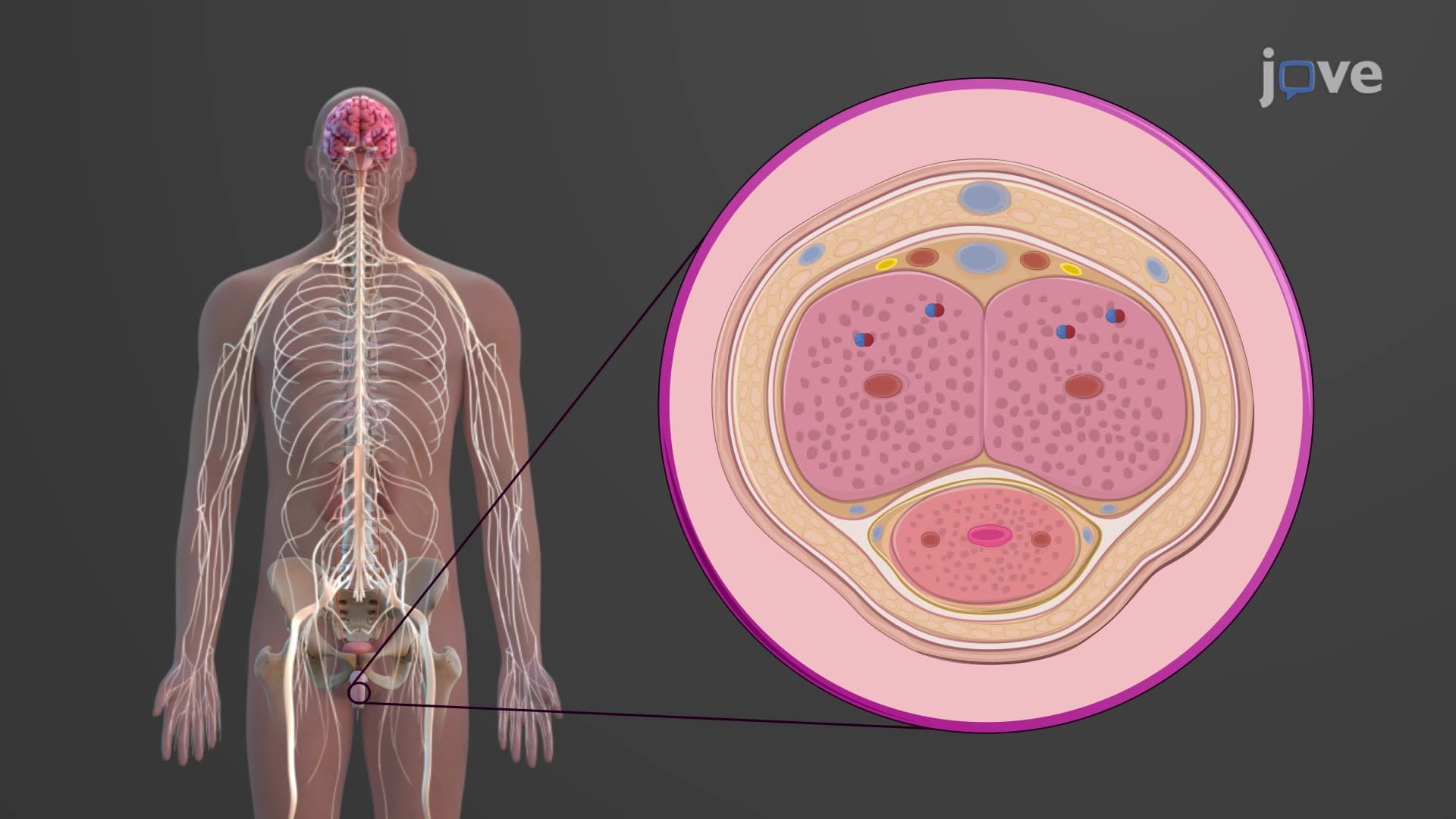
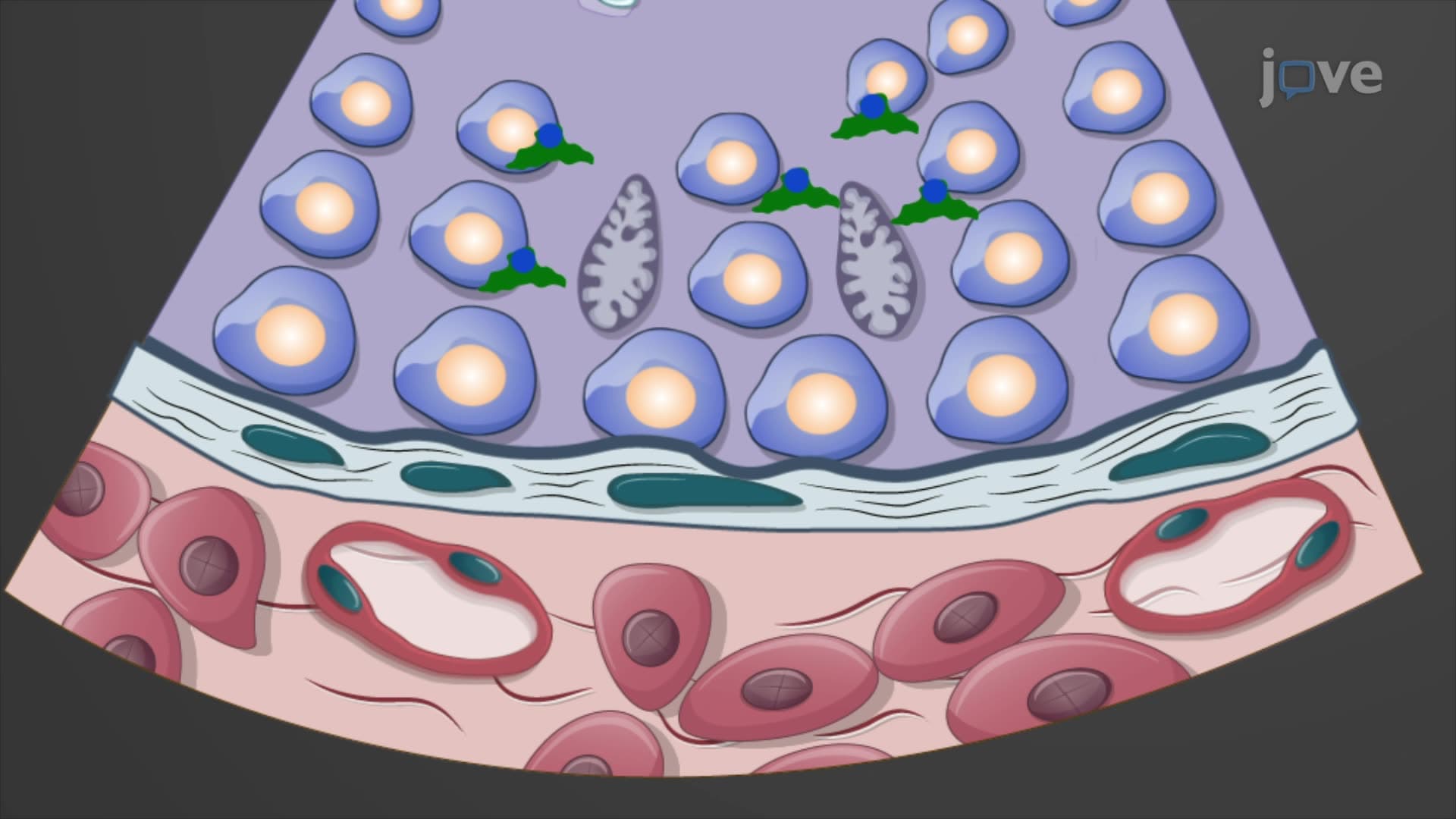
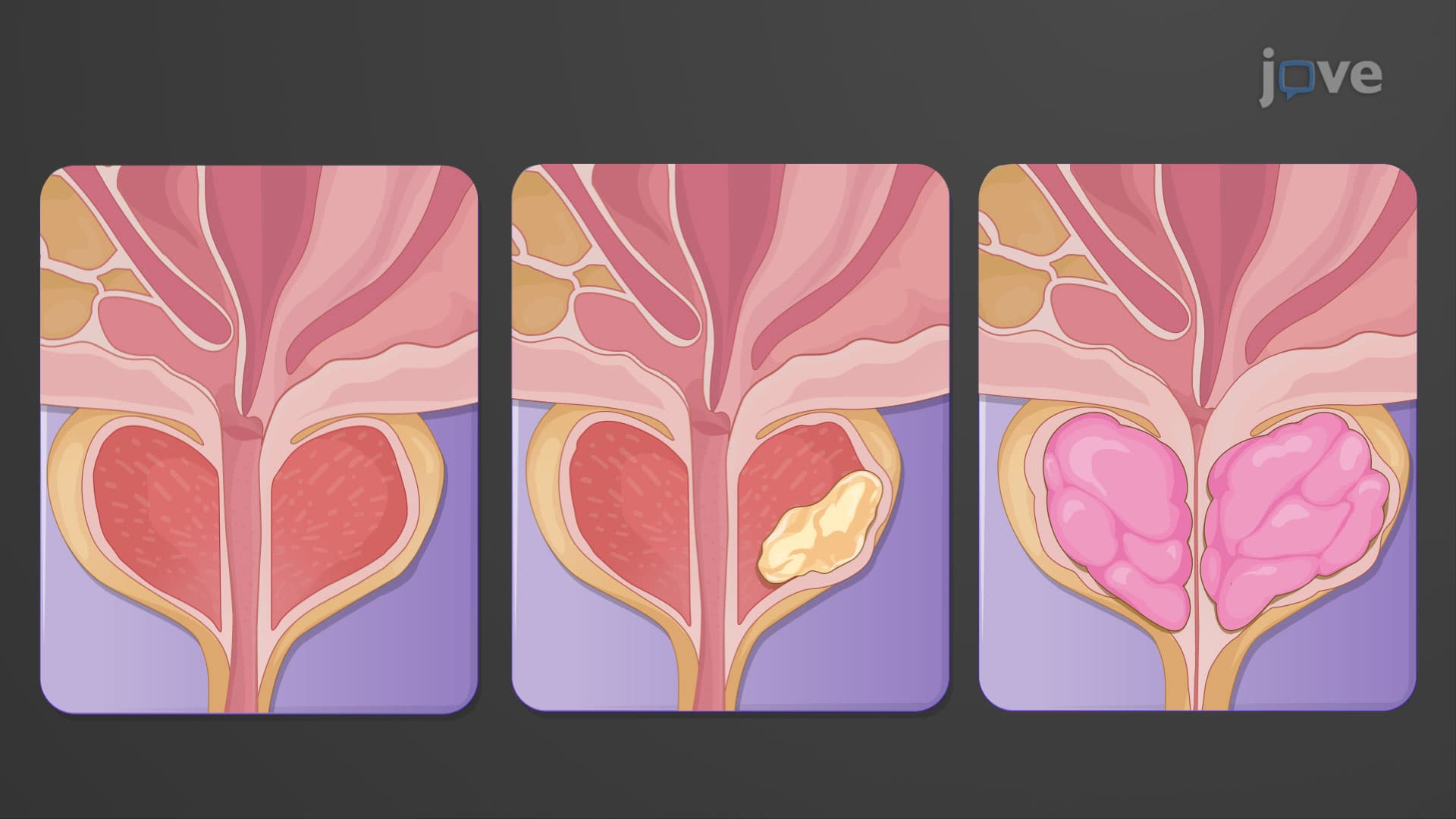
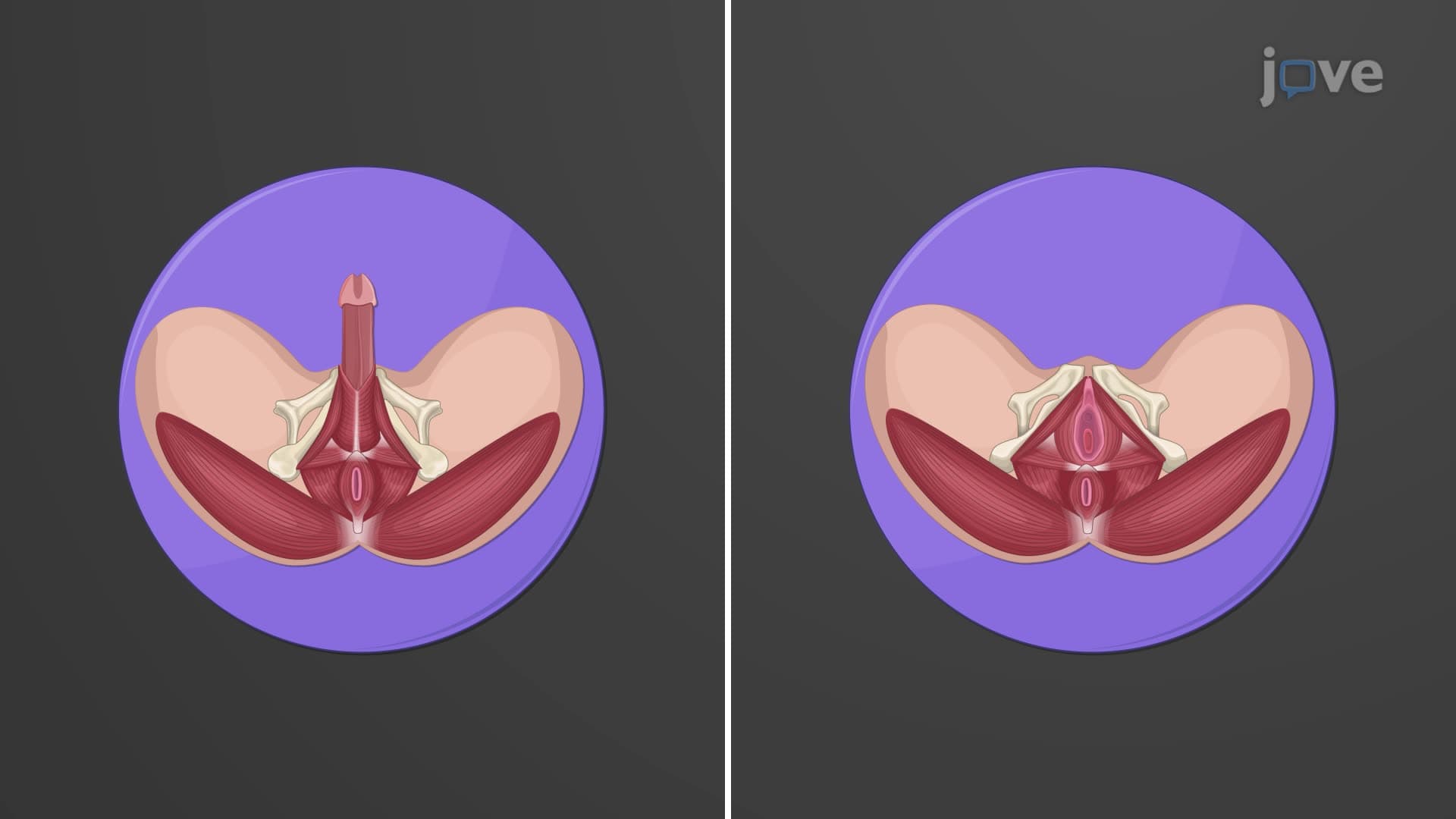
1. Male Reproductive Anatomy and Function: The male reproductive system centers around the paired testes, housed within the temperature-regulating scrotum. Each testis contains seminiferous tubules where spermatogenesis occurs, supported by Sertoli cells and regulated by interstitial Leydig cells that produce testosterone. The accessory ducts including the epididymis, vas deferens, and ejaculatory ducts transport sperm, while accessory glands (prostate, seminal vesicles, bulbourethral glands) contribute to semen composition. The penis serves as the copulatory organ with erectile tissue that fills with blood during arousal. Temperature regulation through the cremaster and dartos muscles maintains optimal conditions for sperm development at 2-3°F below body temperature.
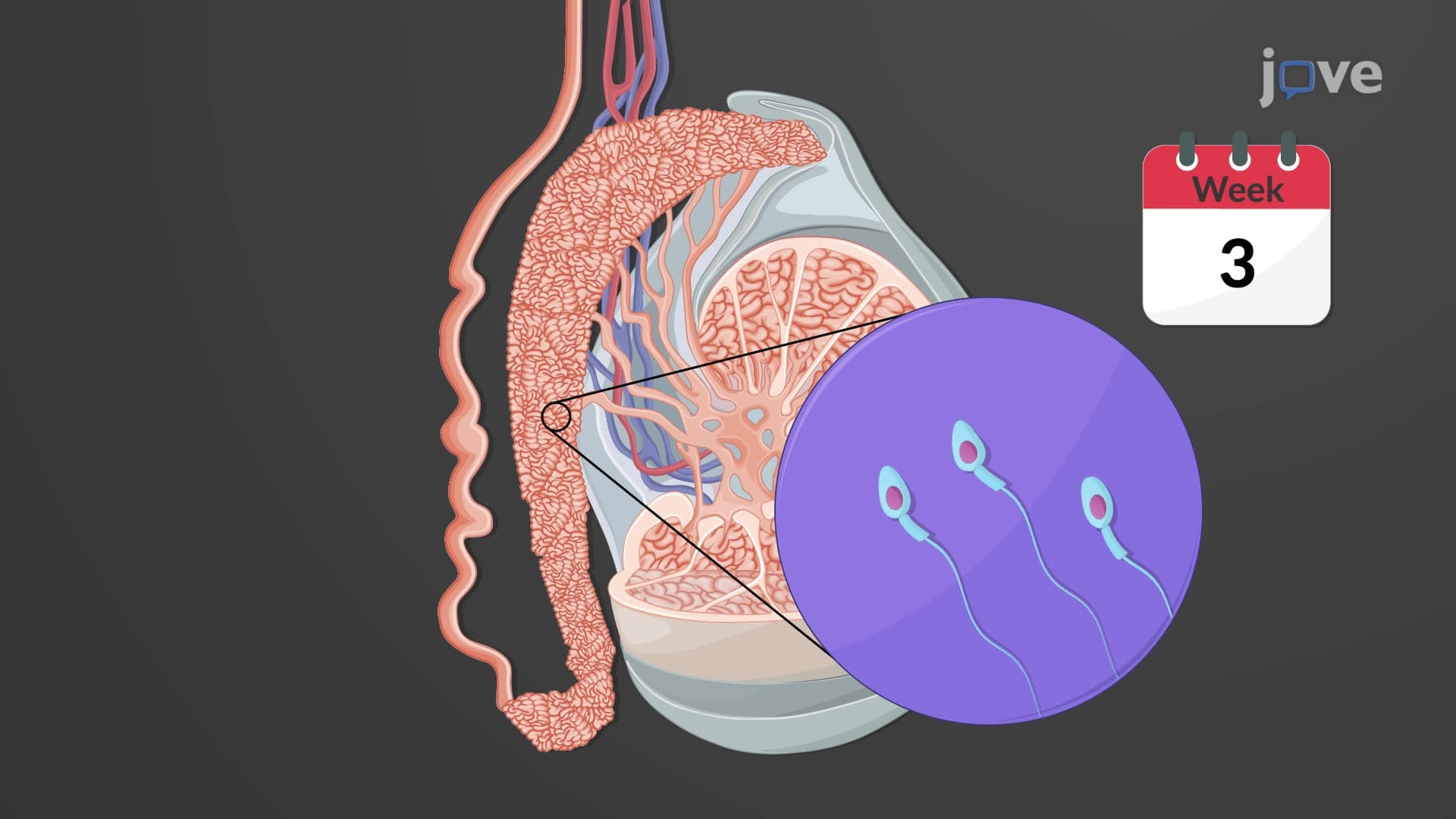
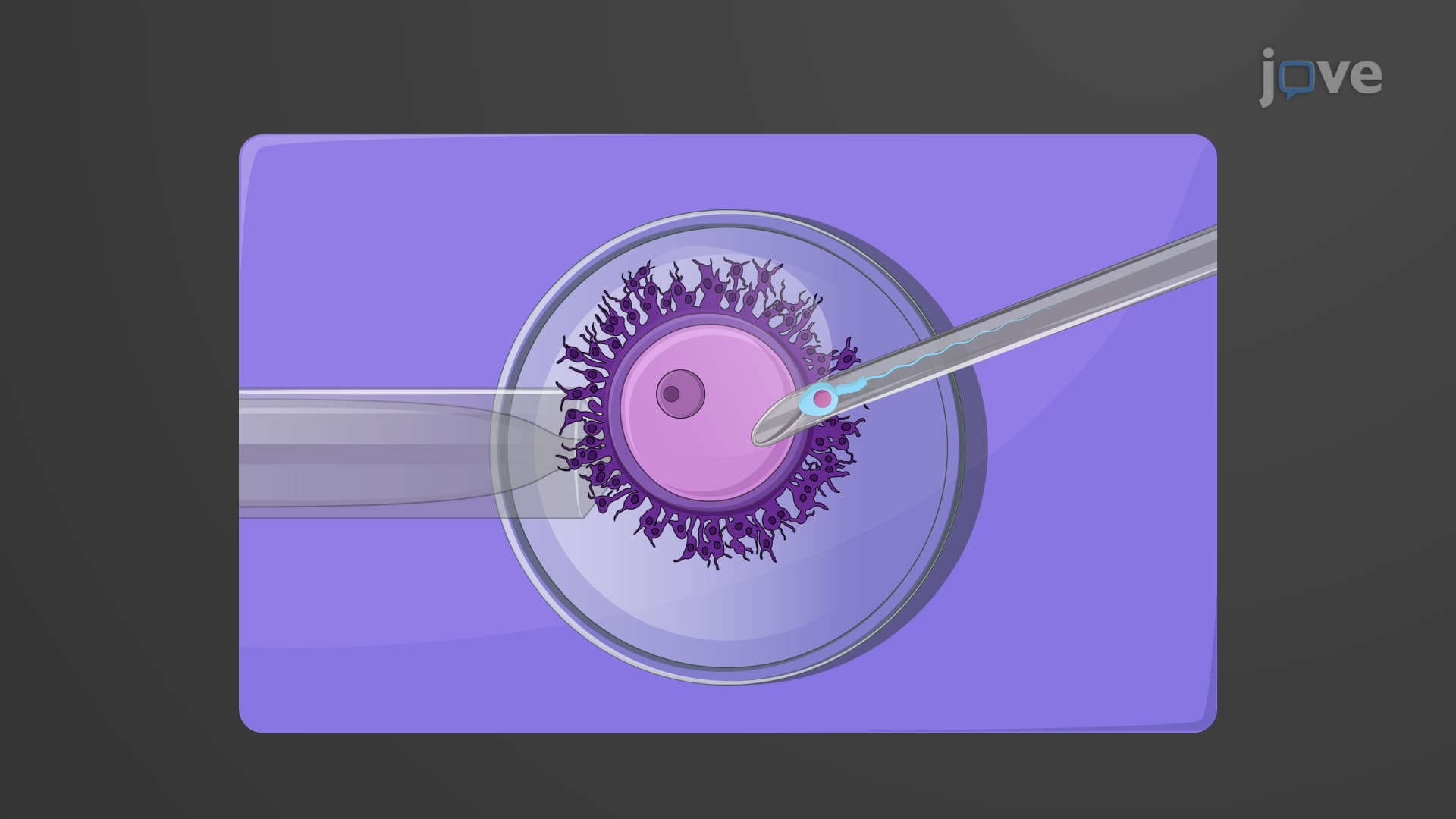
2. Spermatogenesis and Male Gamete Development: Spermatogenesis transforms diploid spermatogonia into haploid spermatozoa through mitotic and meiotic divisions within seminiferous tubules. The process begins with stem cell divisions, progresses through primary and secondary spermatocyte stages, and culminates in spermatid differentiation into mature sperm. Each spermatocyte produces four functional sperm through meiosis, with the entire process taking approximately 74 days. Sertoli cells provide structural support, nutrients, and blood-testis barrier protection. Mature sperm acquire motility during their 2-3 week journey through the epididymis, remaining stored in the vas deferens until ejaculation.
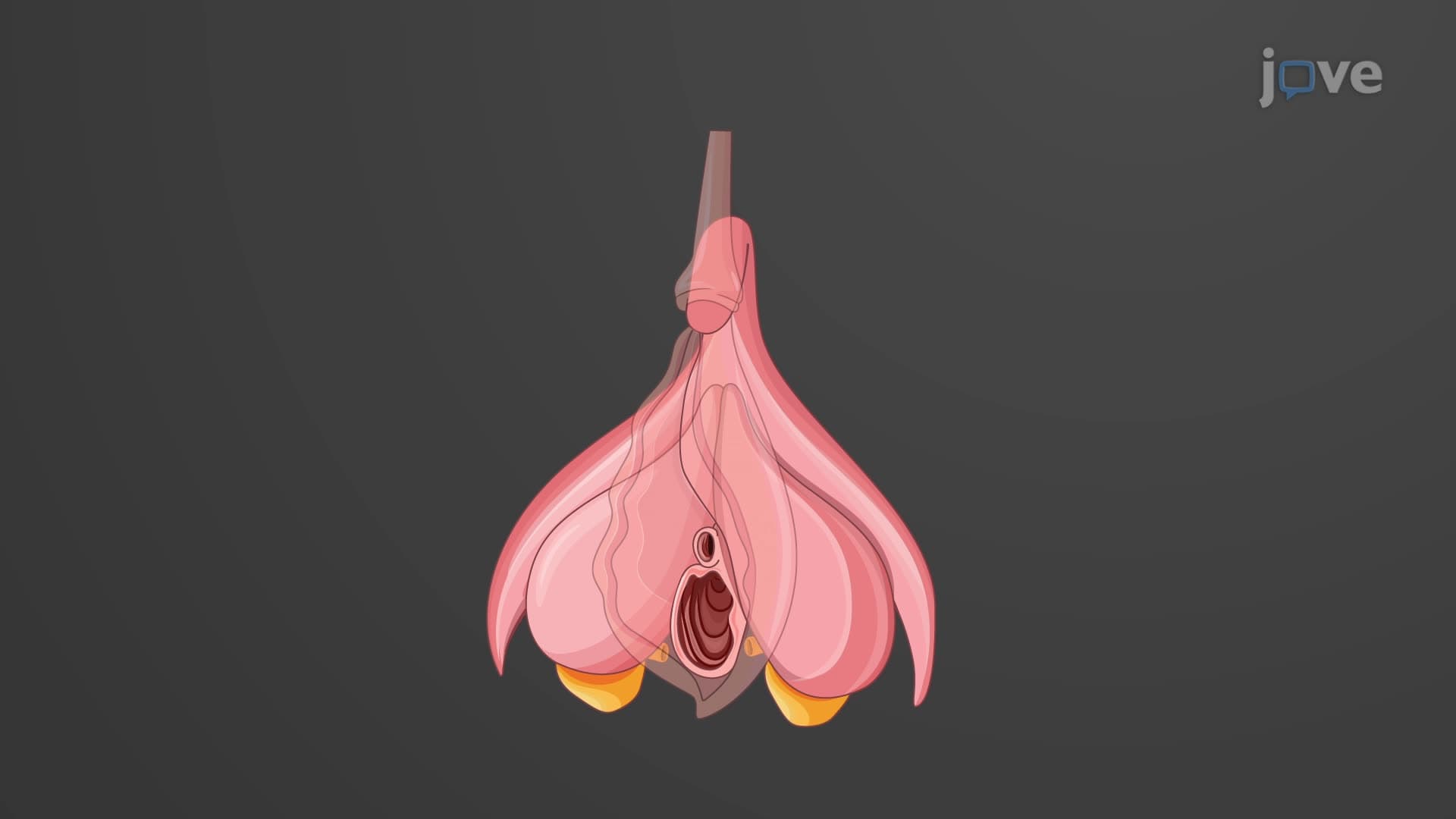
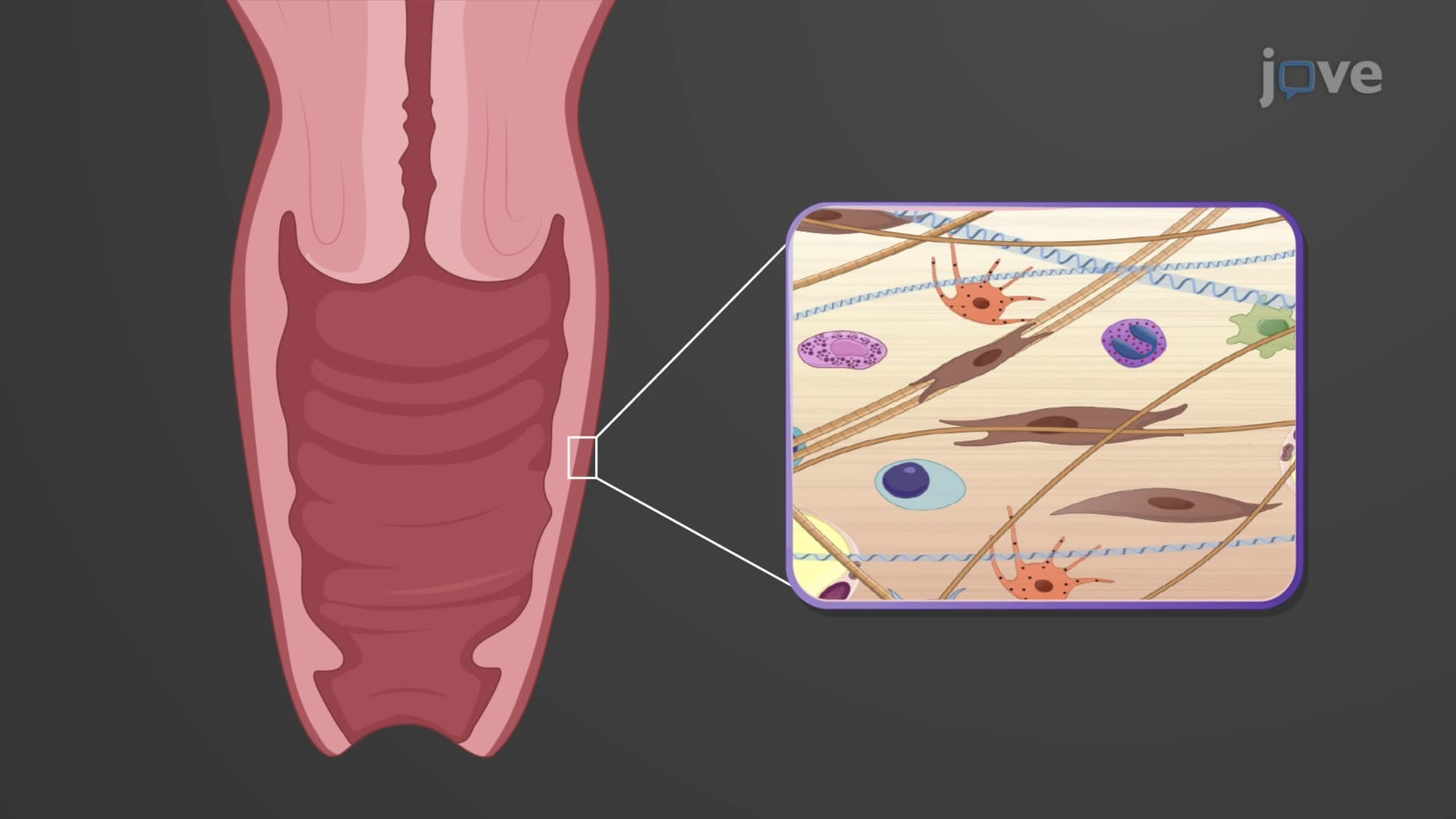
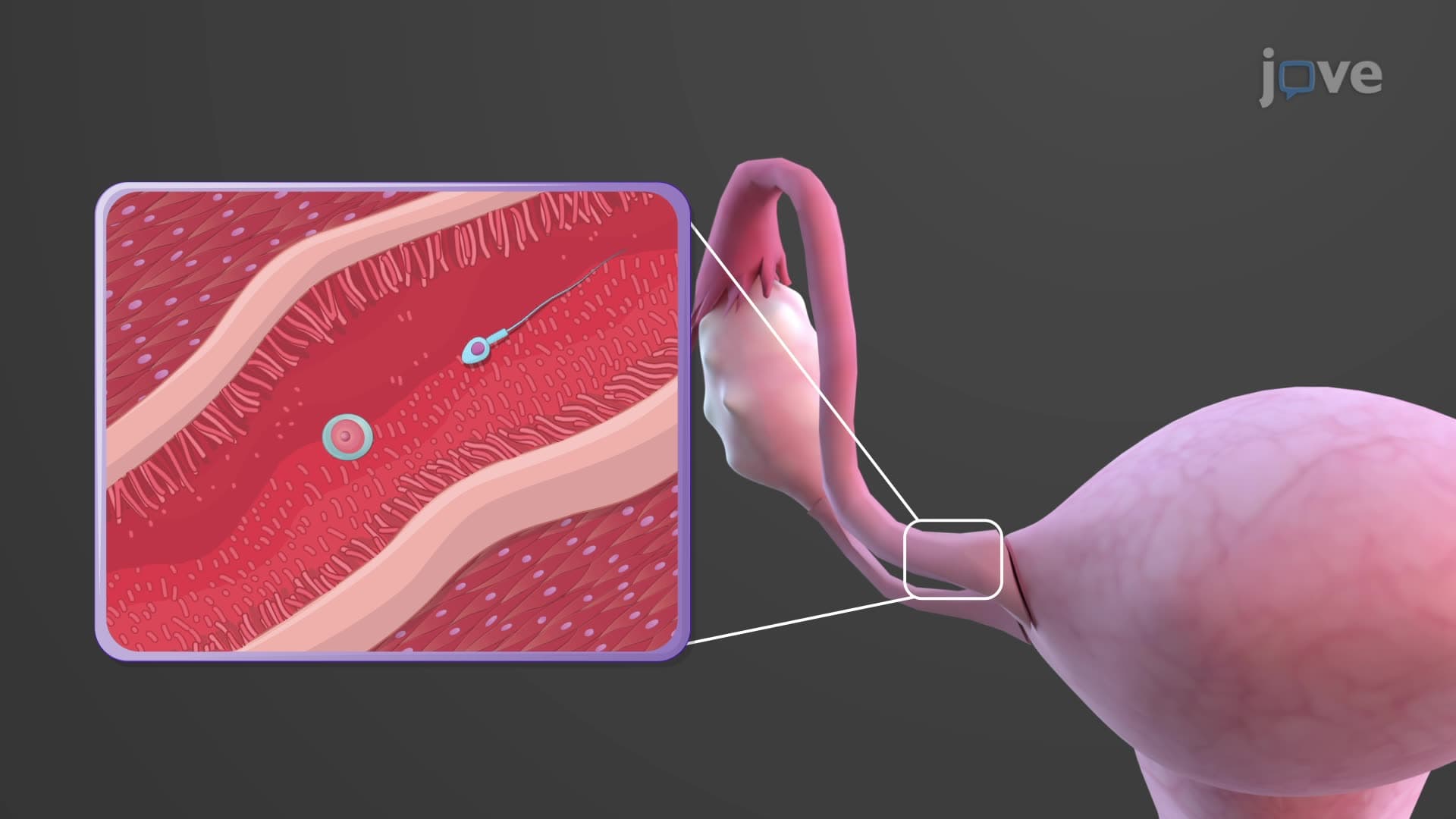
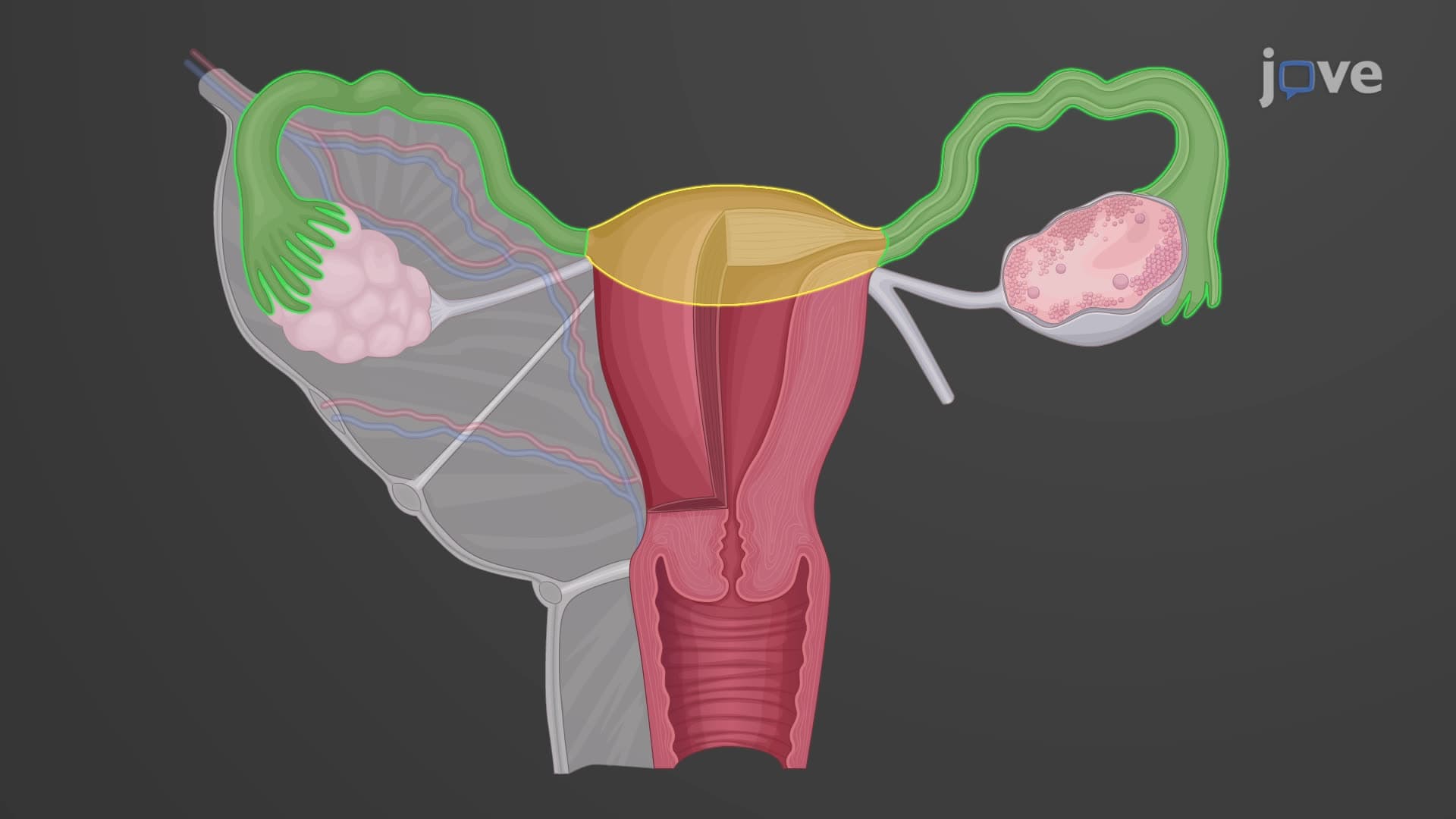
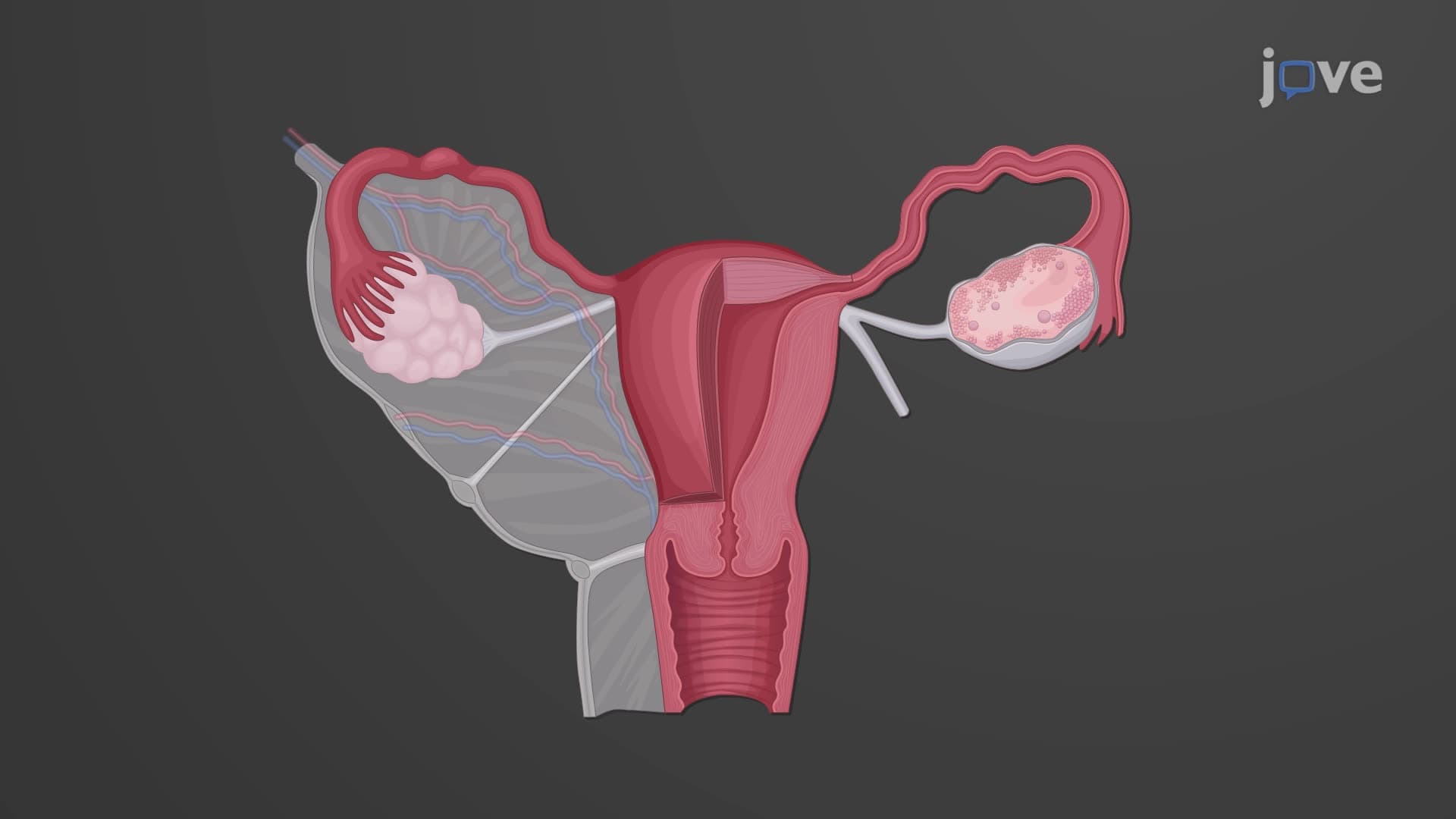
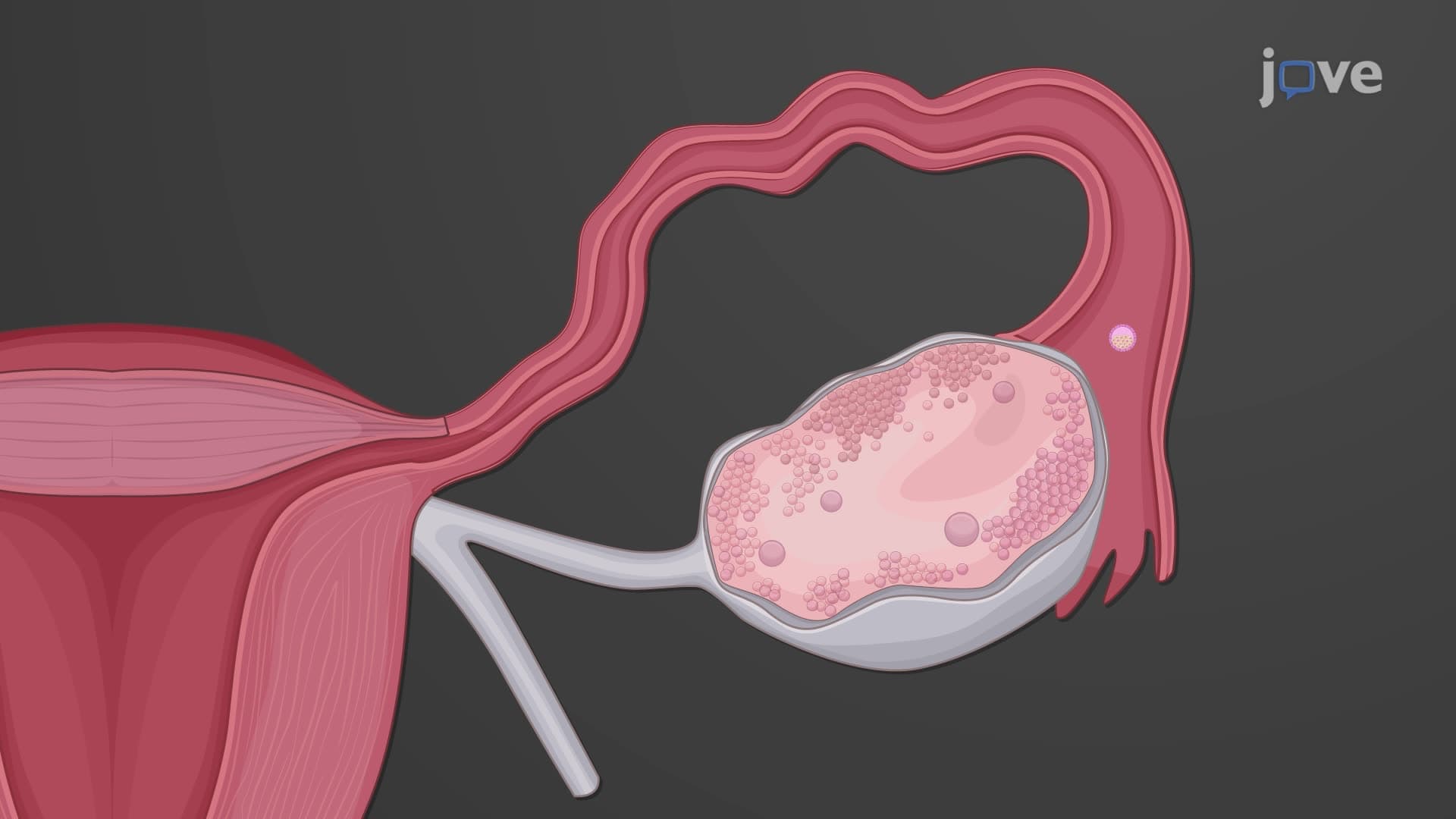
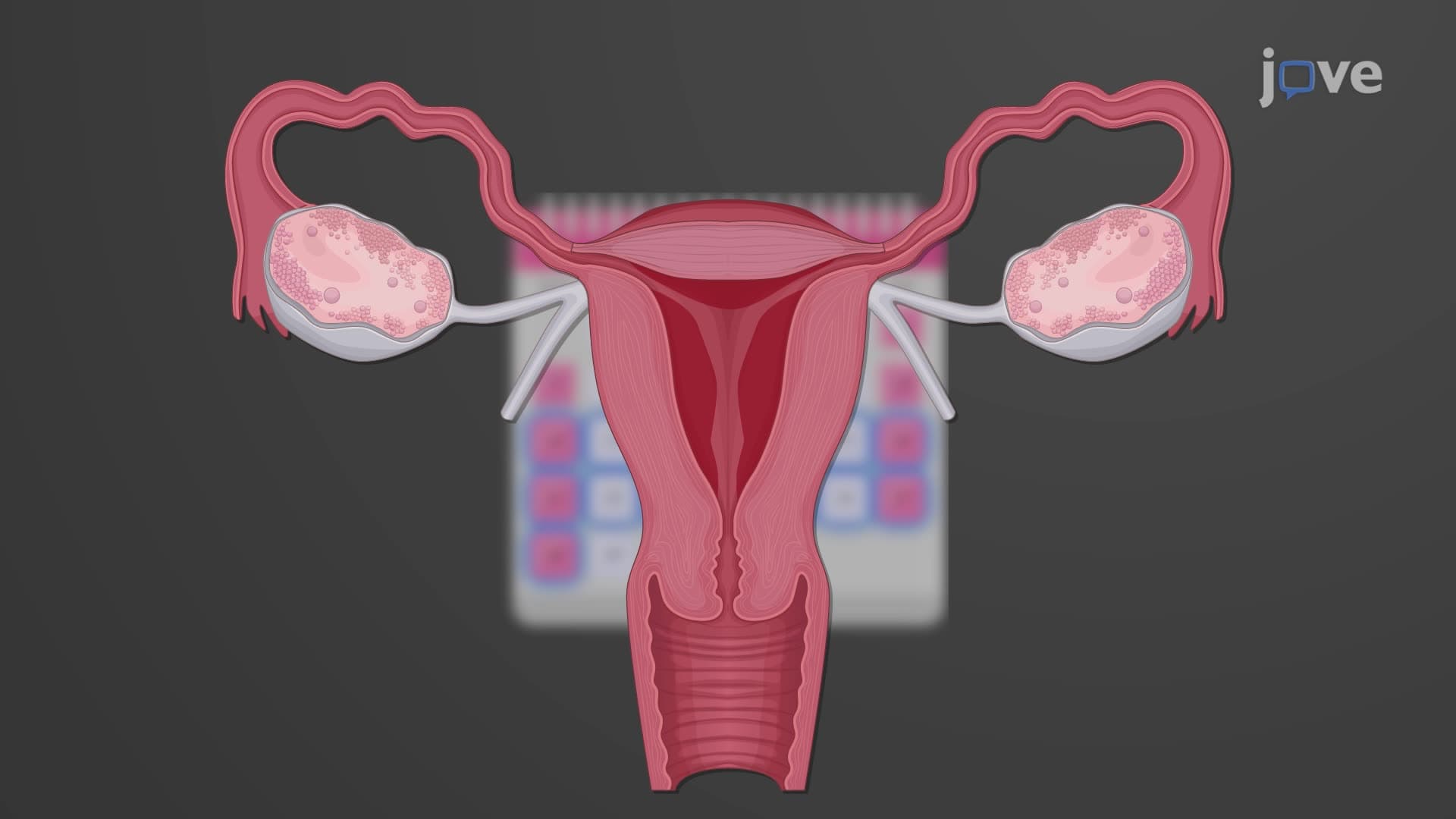
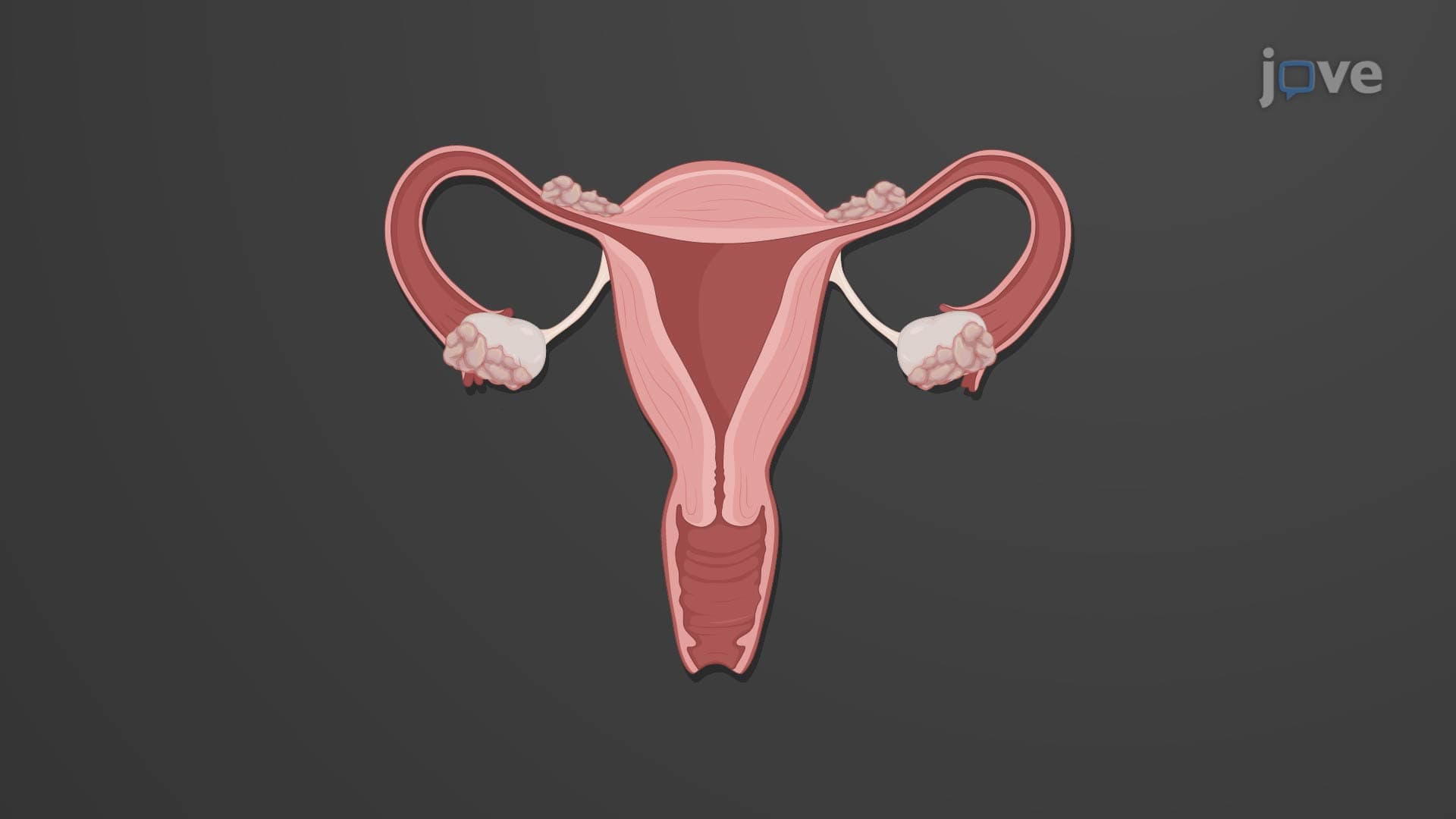
3. Female Reproductive Anatomy and Physiology: The female reproductive system includes internal organs (ovaries, fallopian tubes, uterus, cervix, vagina) and external genitalia (vulva components). Ovaries contain follicles housing oocytes in various developmental stages, from primordial to mature Graafian follicles. The uterus features three layers: perimetrium (outer serous), myometrium (smooth muscle), and endometrium (inner mucosal layer with functional and basal strata). Fallopian tubes facilitate oocyte transport and provide the typical site for fertilization in the ampulla. The cervix produces mucus that changes consistency throughout the menstrual cycle, while the vagina maintains acidic pH through lactobacilli metabolism.
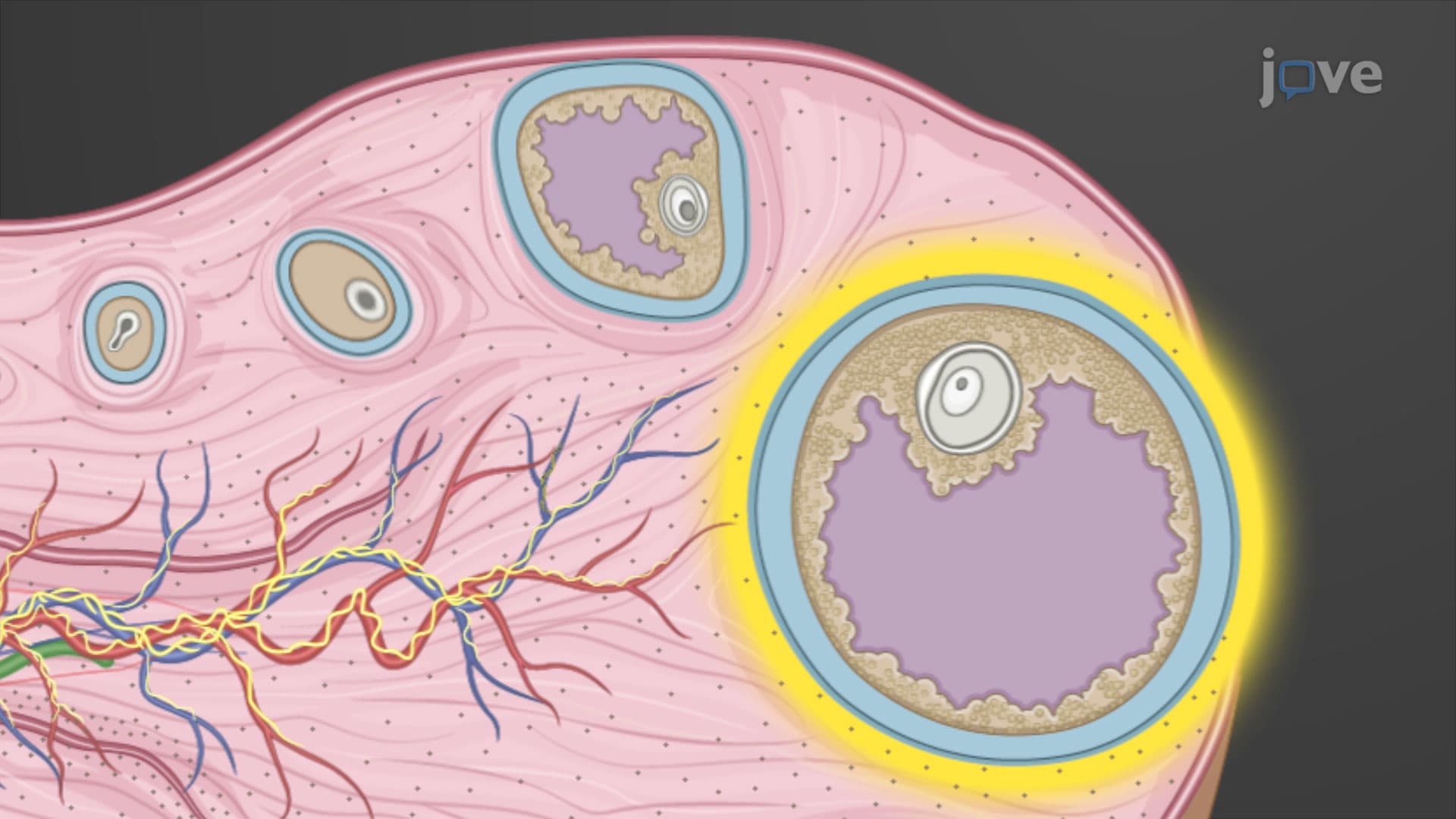
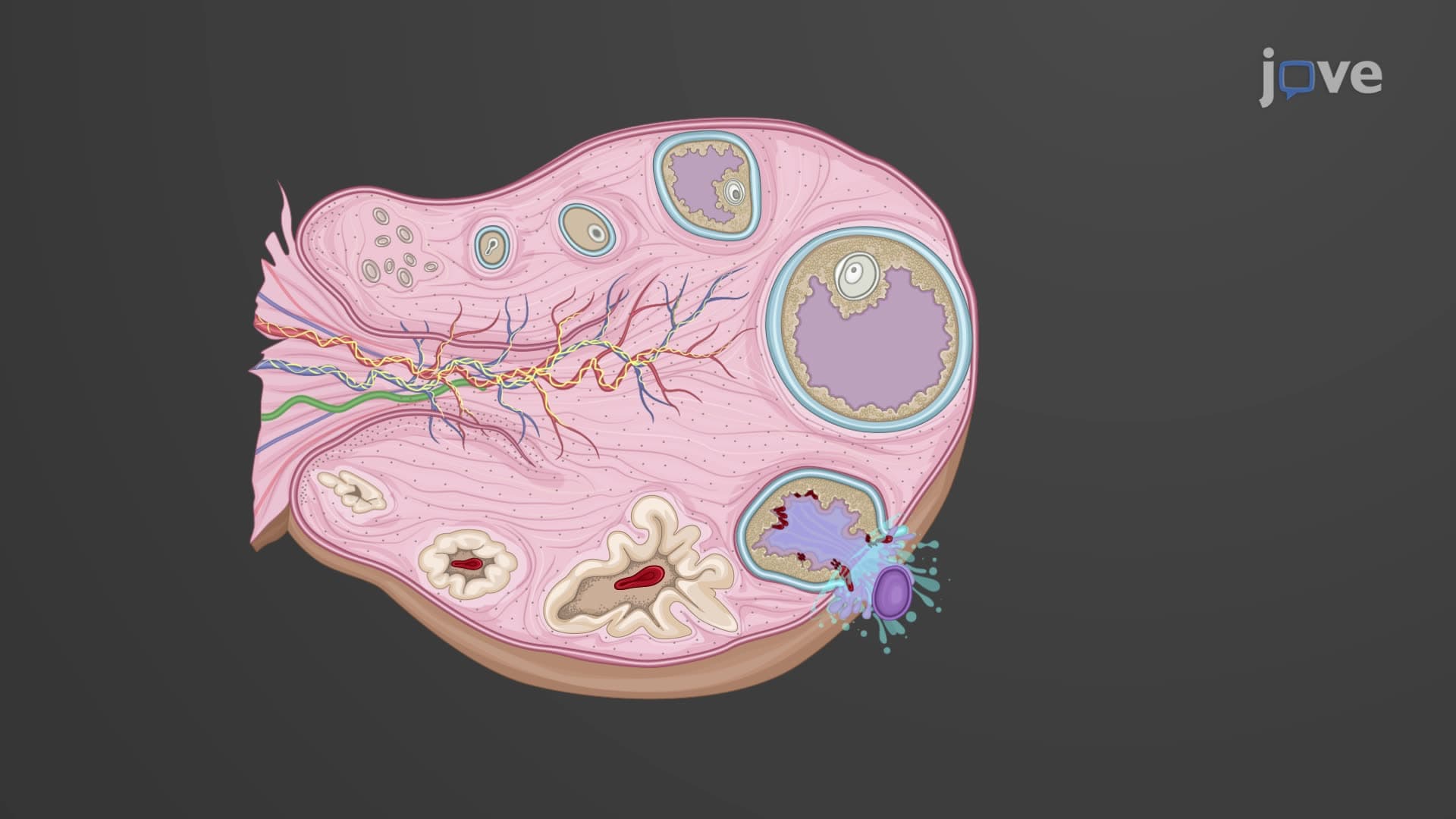
4. Oogenesis and Follicle Development: Female gametogenesis begins during fetal development when oogonia divide mitotically and transform into primary oocytes that arrest in prophase I of meiosis. Folliculogenesis progresses from primordial follicles (single layer of squamous cells) through primary follicles (cuboidal granulosa cells, zona pellucida formation) to secondary follicles (multiple granulosa layers, theca development) and finally mature vesicular follicles with fluid-filled antra. Unlike spermatogenesis, oogenesis produces only one functional gamete per cycle due to unequal cytoplasmic division, with polar bodies degenerating. The secondary oocyte arrests in metaphase II until fertilization triggers completion of meiosis II.
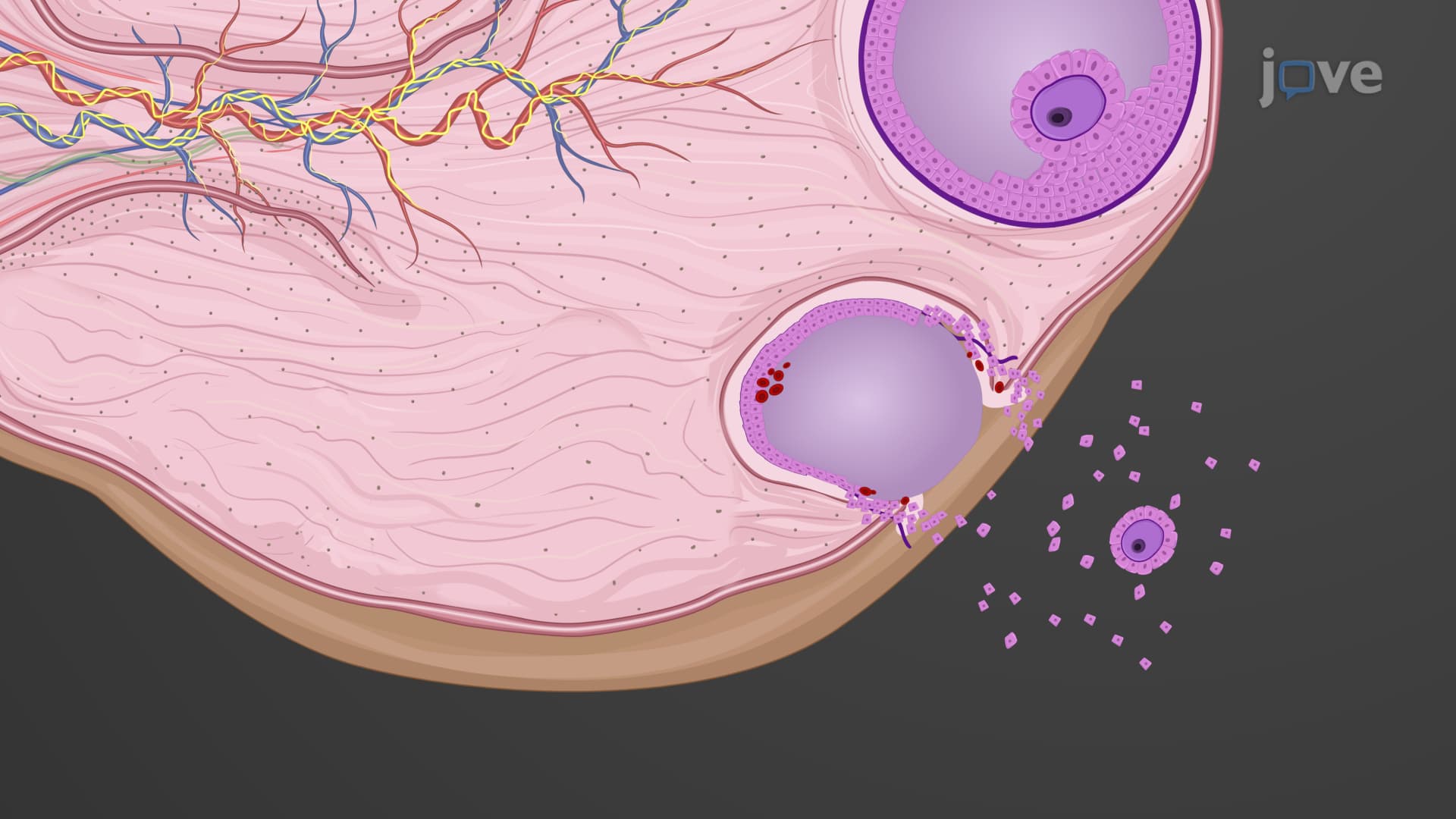
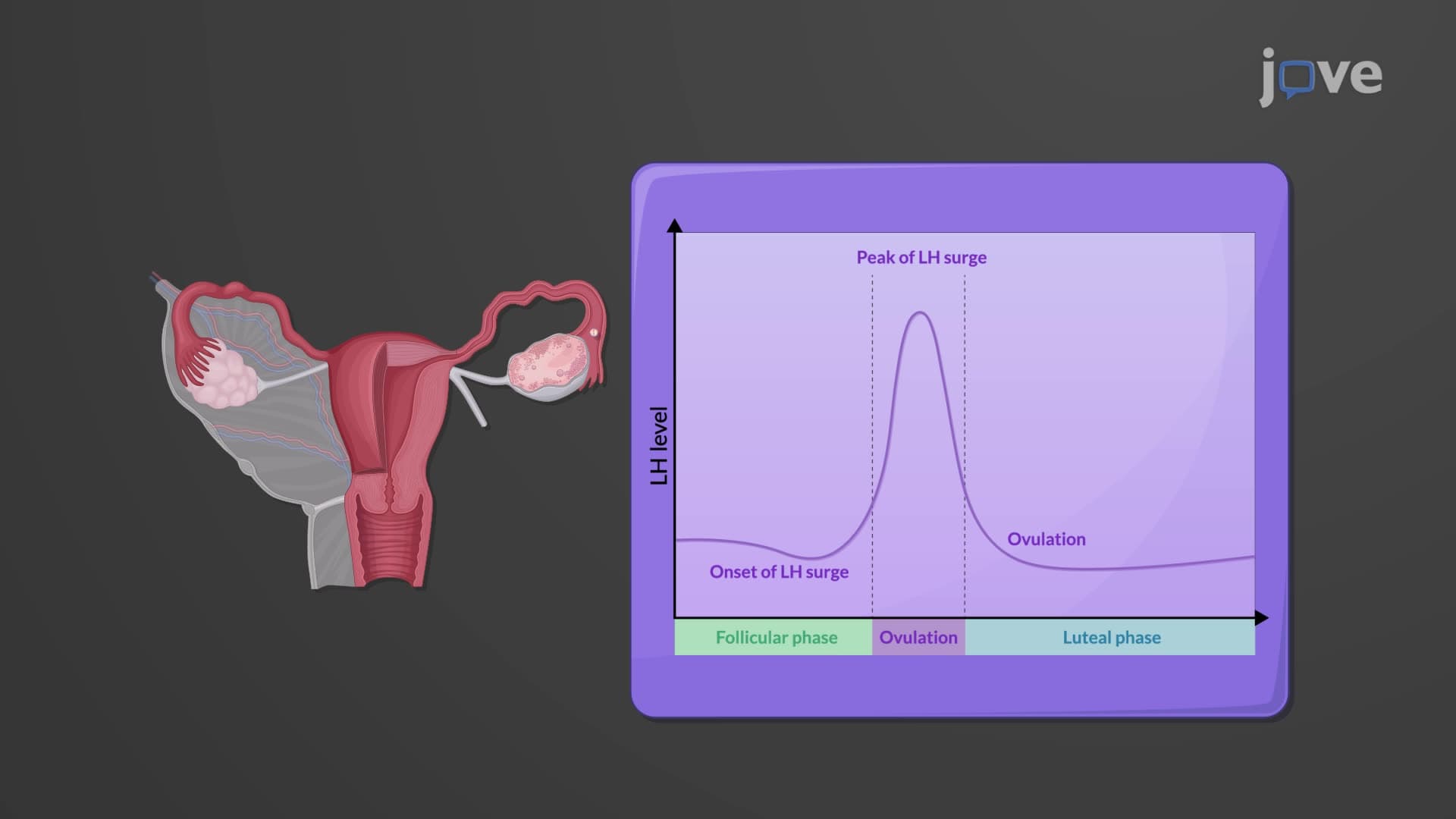
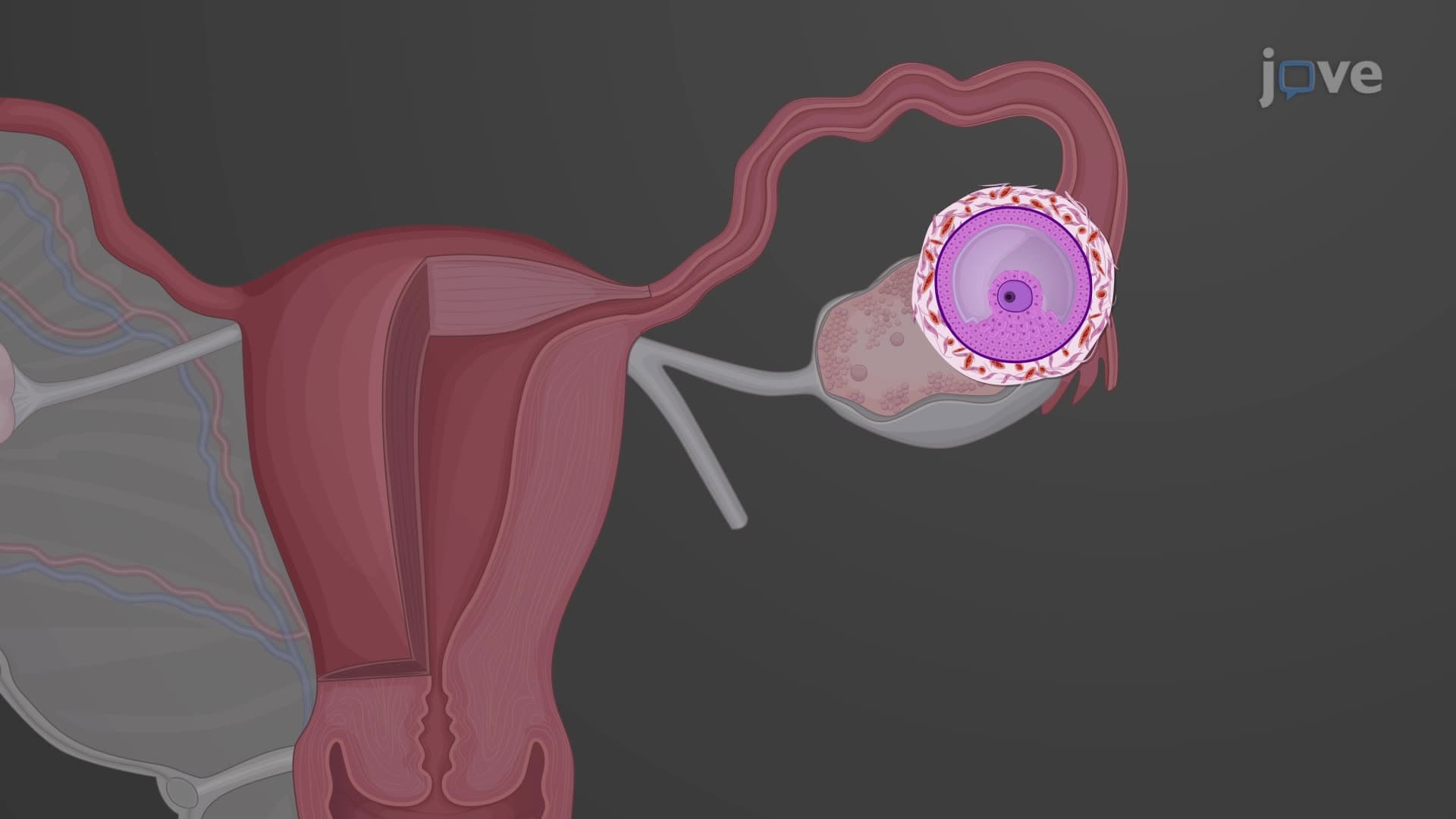
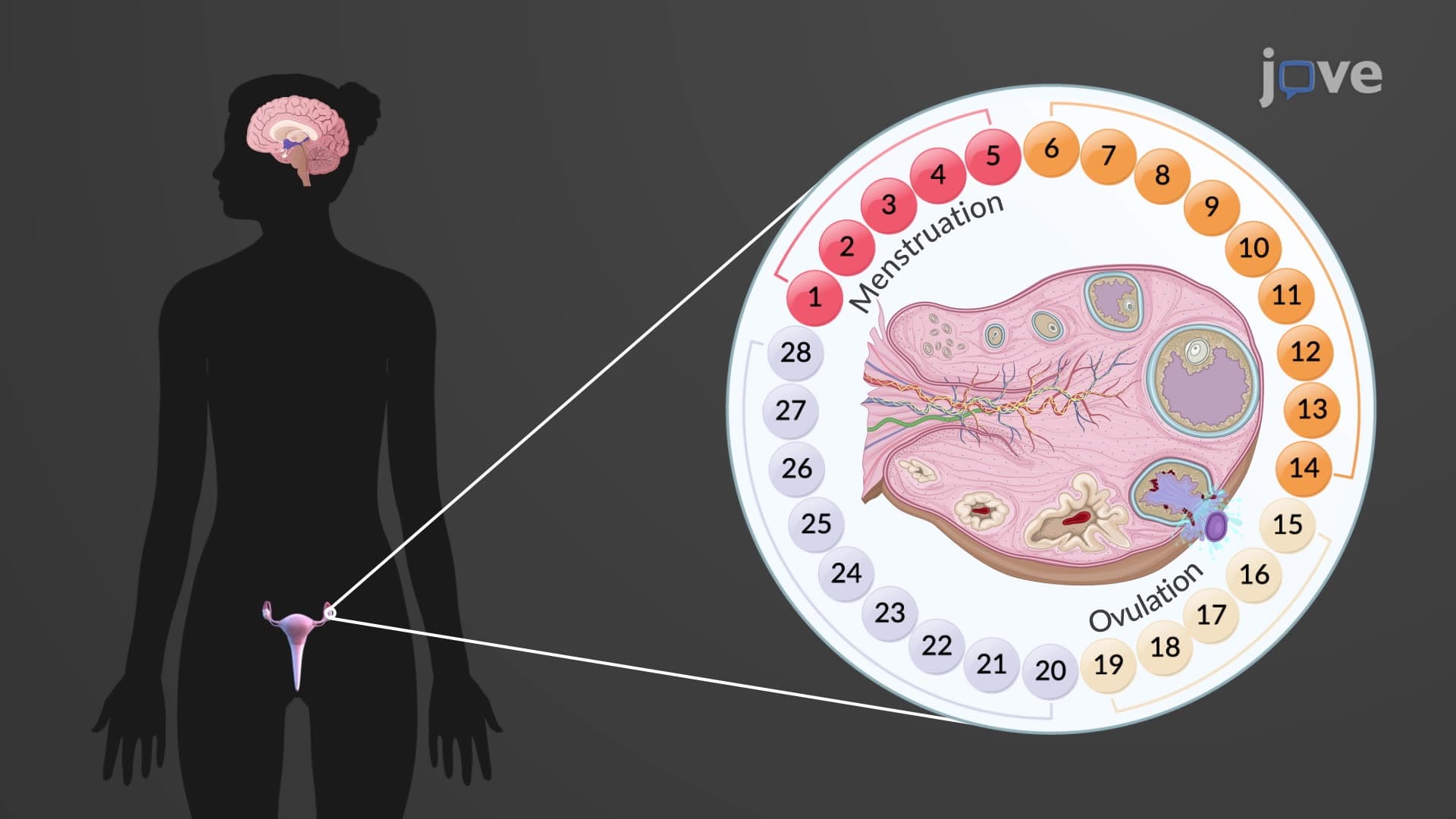
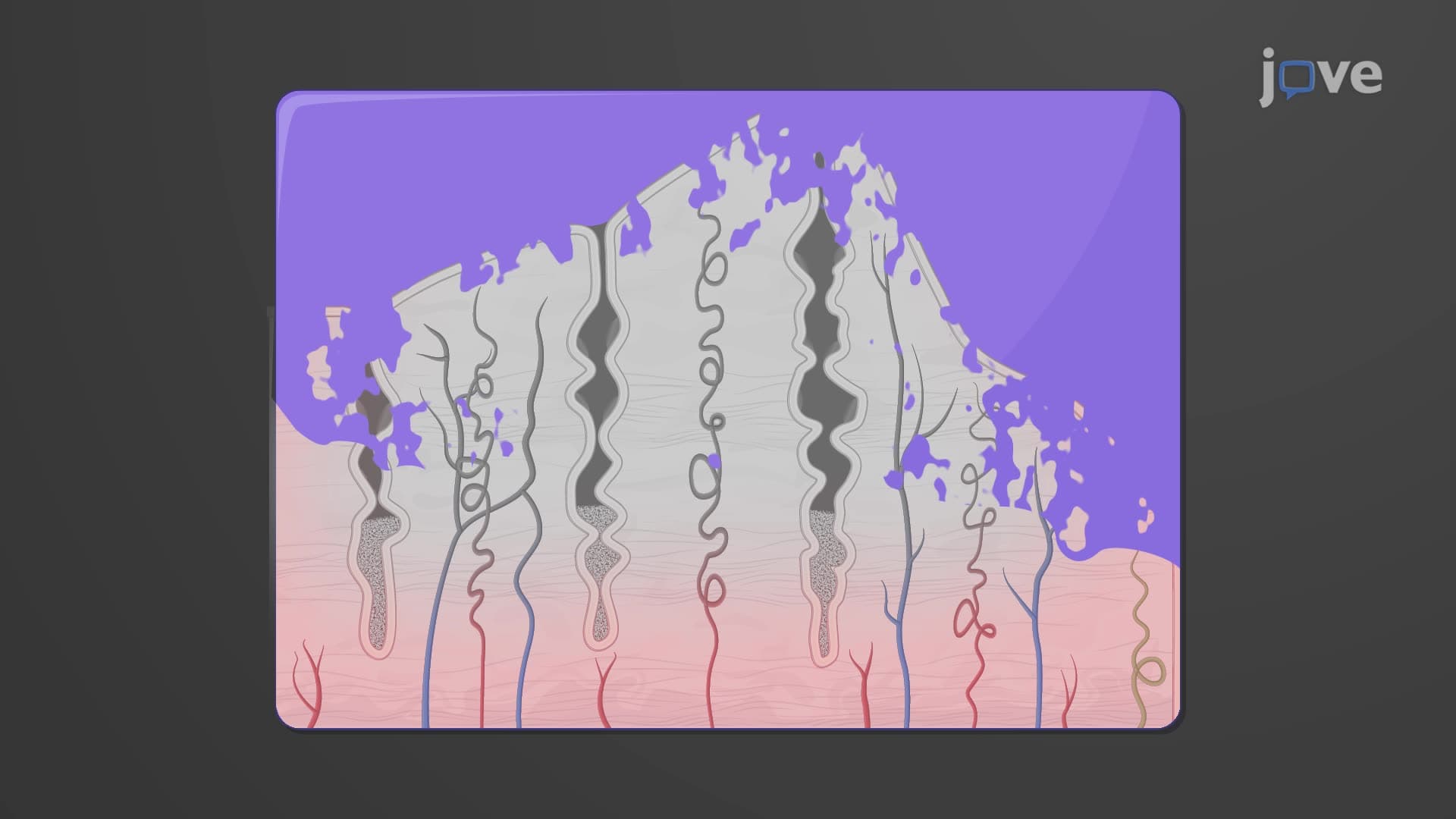
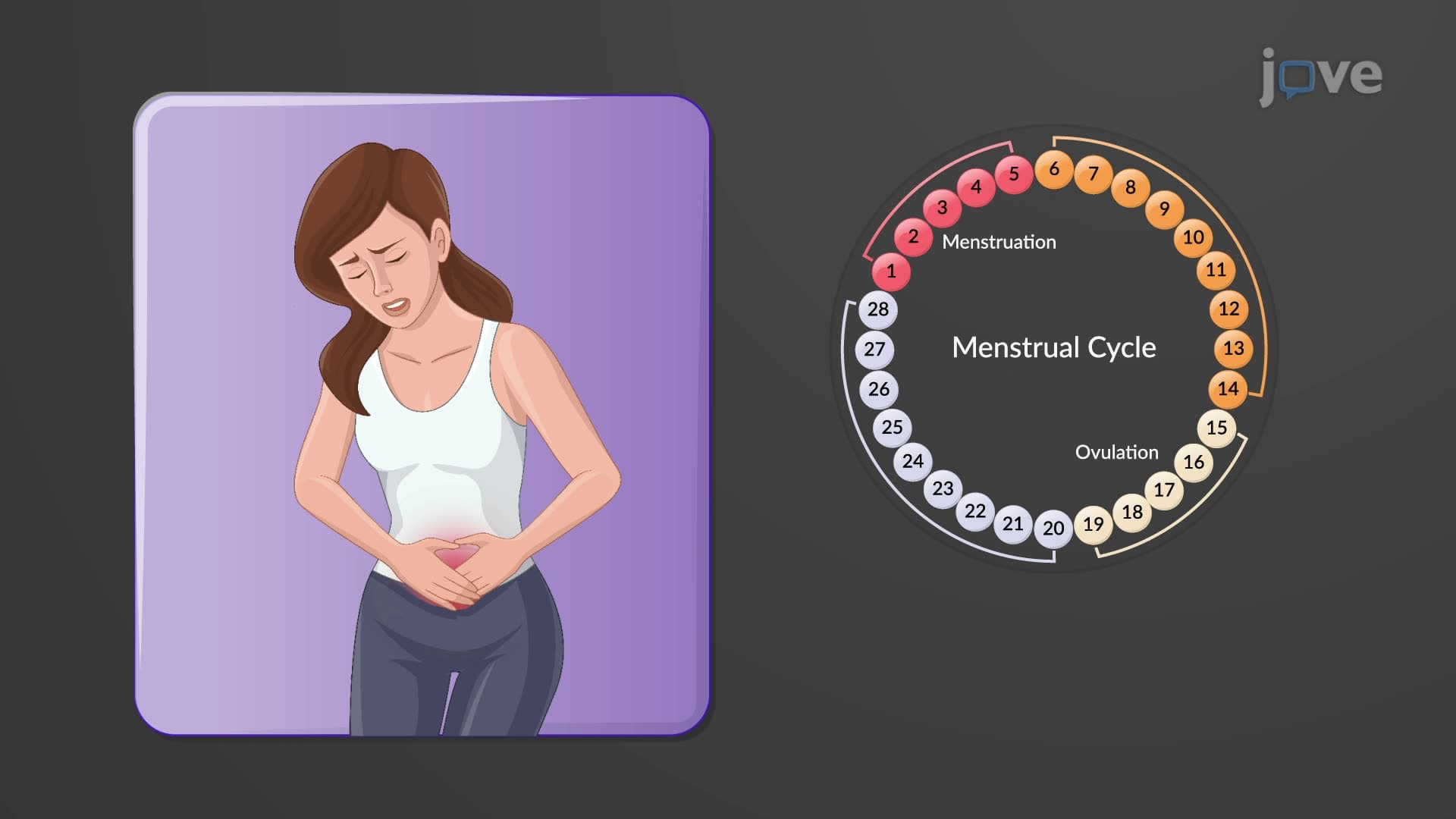
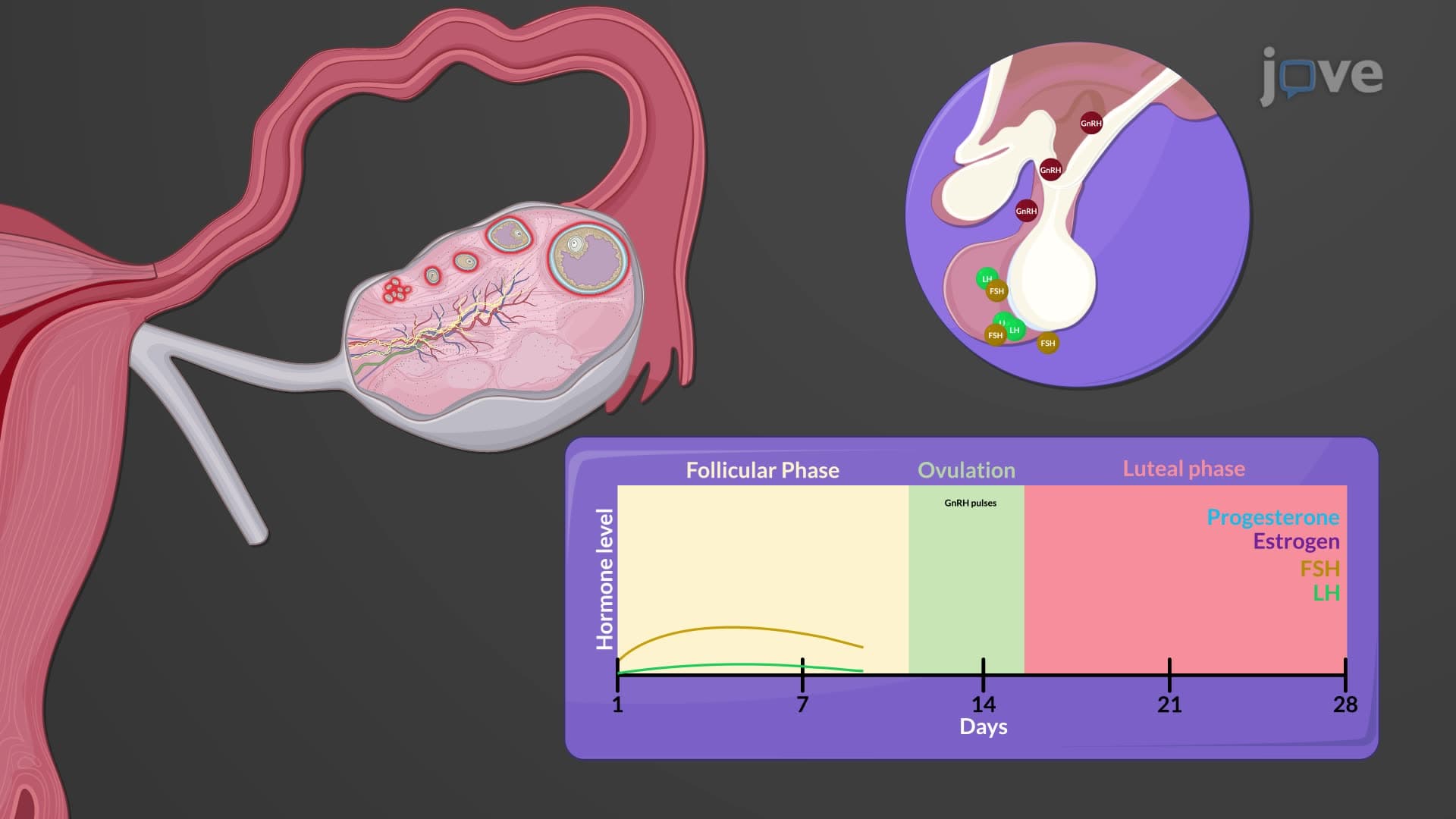
5. Menstrual and Ovarian Cycles: The 21-38 day menstrual cycle coordinates ovarian follicle development with endometrial preparation for potential implantation. The follicular phase features FSH-stimulated follicle growth and estrogen production, culminating in the LH surge that triggers ovulation around day 14. The luteal phase involves corpus luteum formation, progesterone and estrogen secretion, and endometrial secretory changes. If fertilization doesn't occur, corpus luteum degeneration causes hormone withdrawal, leading to menstruation. The endometrial cycle parallels ovarian changes: menstrual phase (days 1-5) sheds functional layer, proliferative phase (days 6-14) rebuilds under estrogen influence, and secretory phase (days 15-28) prepares for implantation under progesterone control.
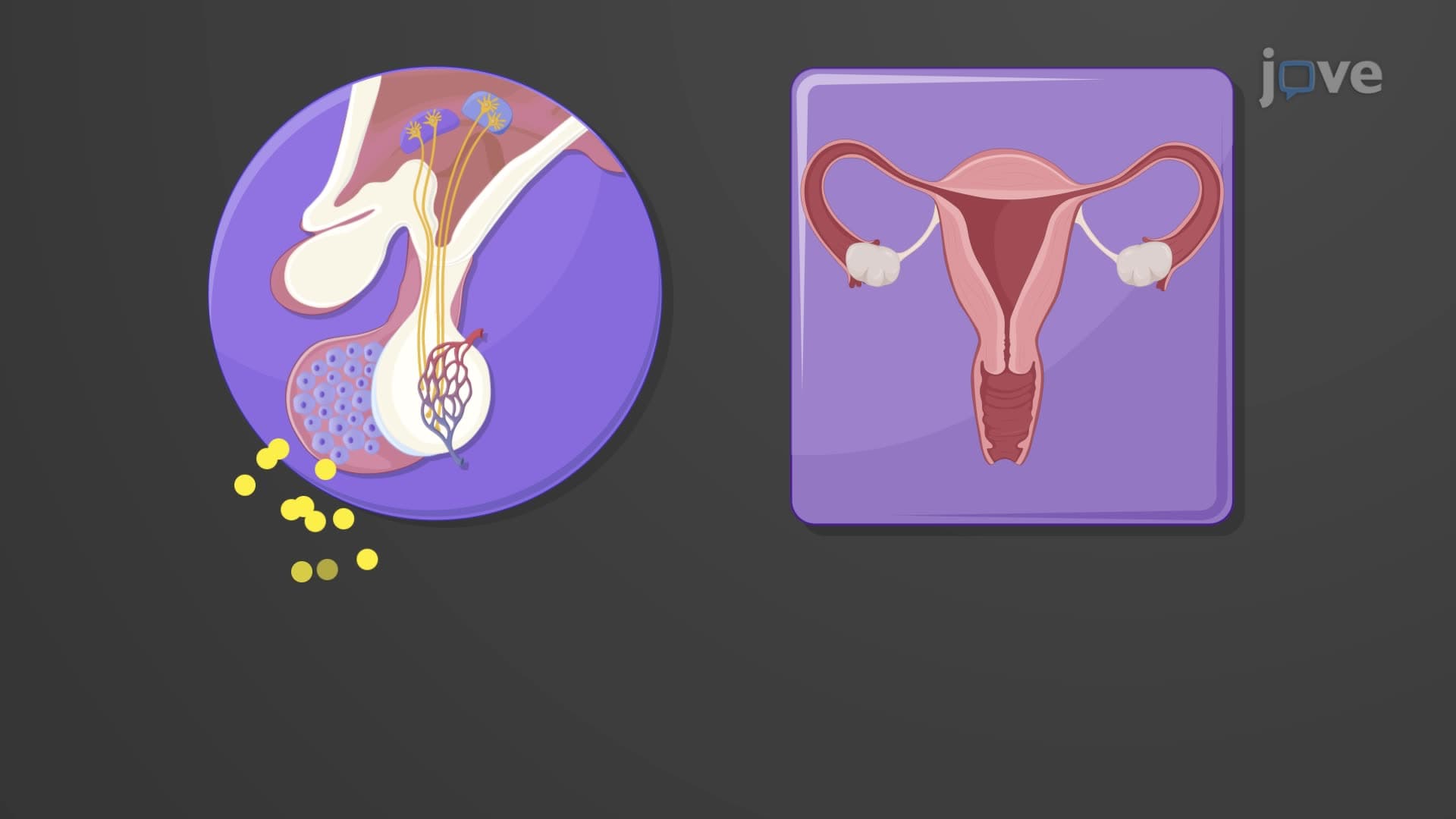
6. Hormonal Regulation and Feedback Systems: Reproductive function depends on complex hormonal interactions involving the hypothalamic-pituitary-gonadal axis. GnRH from the hypothalamus stimulates anterior pituitary FSH and LH release. In males, LH stimulates Leydig cell testosterone production, while FSH promotes Sertoli cell function and spermatogenesis. Negative feedback occurs when testosterone and inhibin suppress GnRH, LH, and FSH. In females, FSH stimulates follicle development and estrogen production, while LH triggers ovulation and corpus luteum formation. Estrogen provides both negative feedback (suppressing FSH) and positive feedback (triggering LH surge). Progesterone from the corpus luteum maintains the secretory endometrium and inhibits further follicle development.