Loading video…


 37 Concepts
 141K views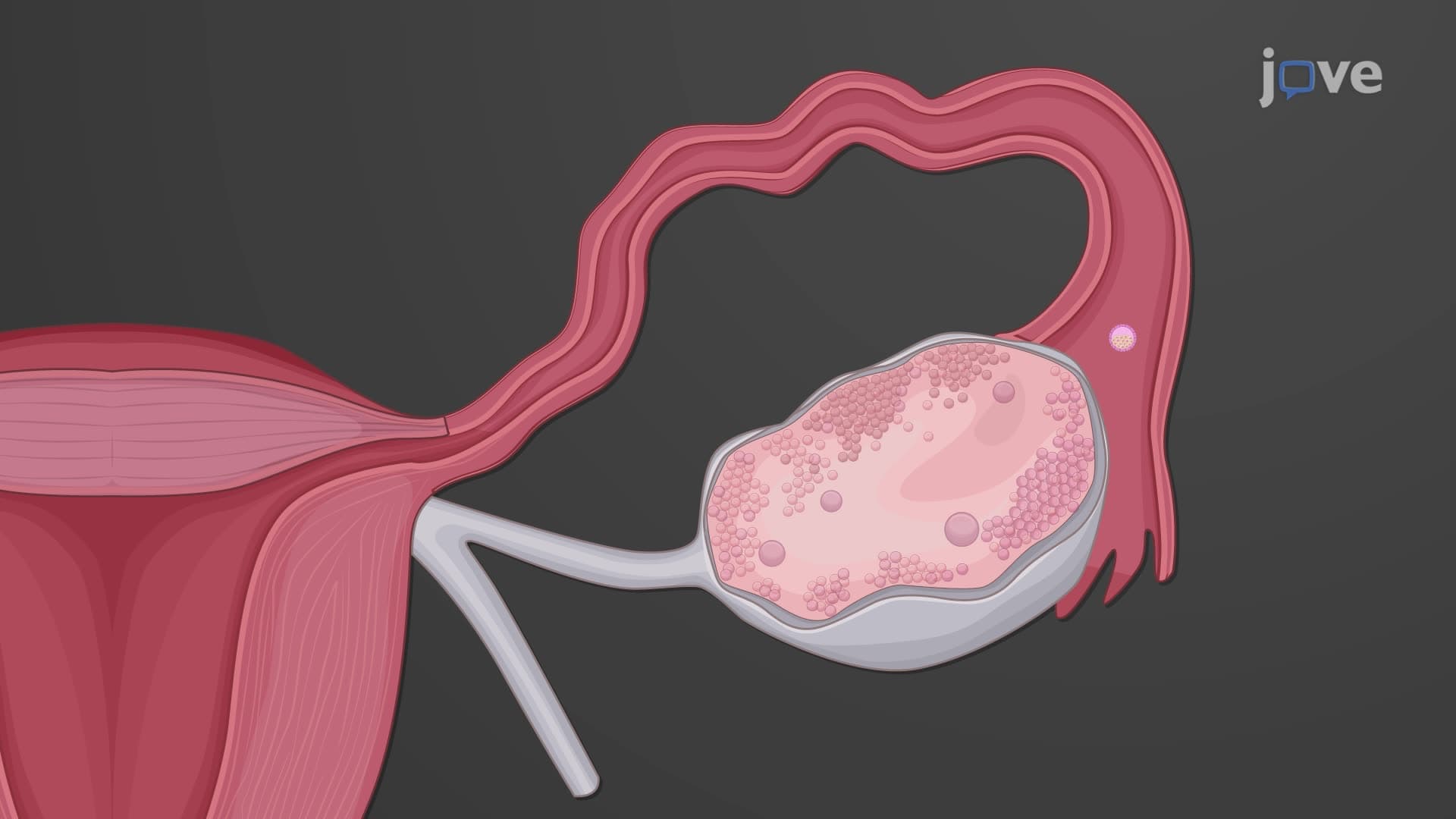

Video Summary: What Is the Menstrual Cycle
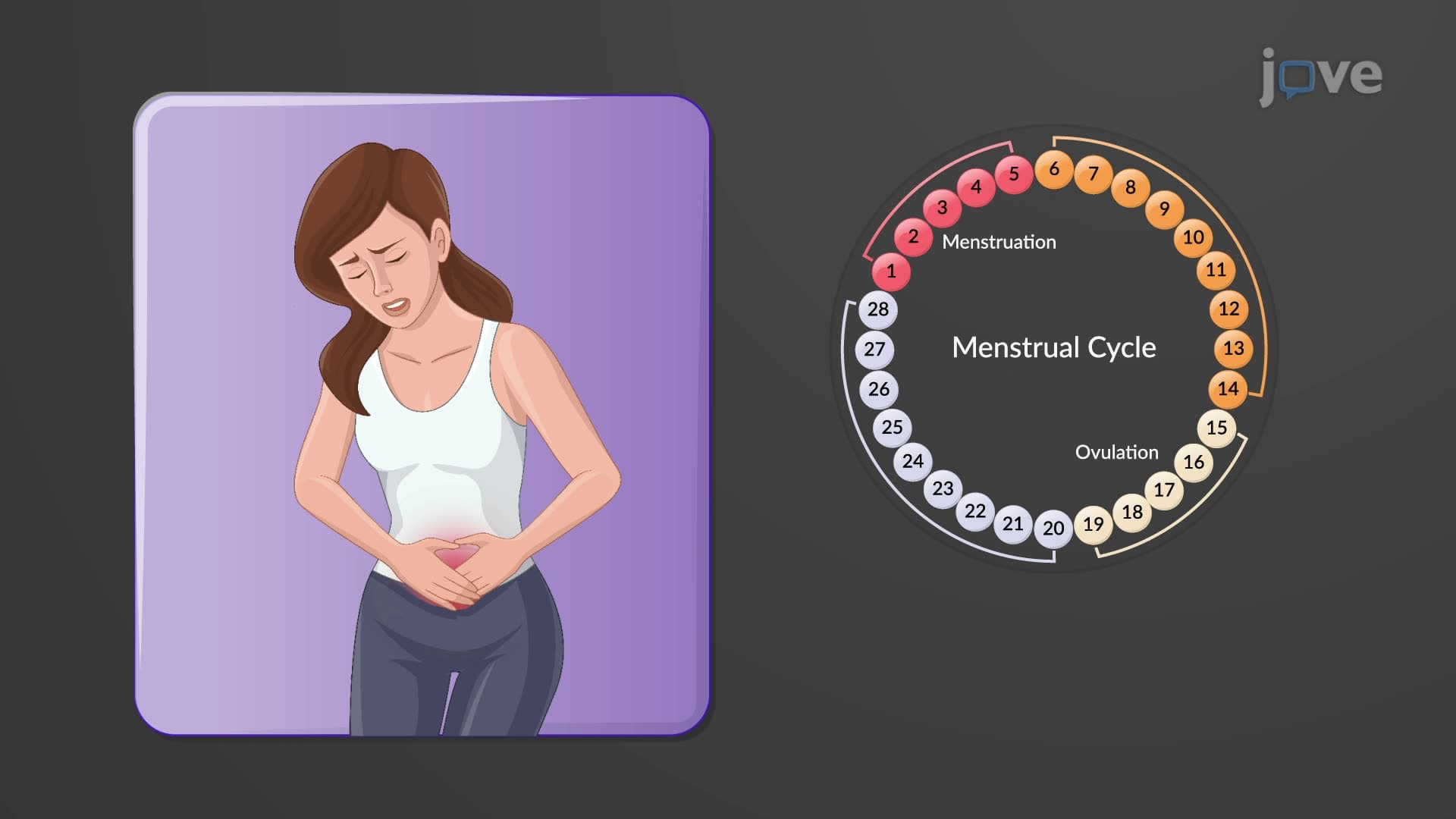
Did you know that the average American woman experiences over 400 menstrual cycles in her lifetime? Understanding menstrual cycle biology explained is crucial for grasping how female reproductive health works at the cellular level. The menstrual cycle involves a precisely orchestrated 21-38 day process where hormones like estrogen and progesterone regulate endometrial changes through distinct phases. Consider how this knowledge helps medical students at schools like Johns Hopkins understand conditions affecting millions of US women annually. Watch the full video on JoVE Coach to master this concept with expert-led visuals and step-by-step explanations.
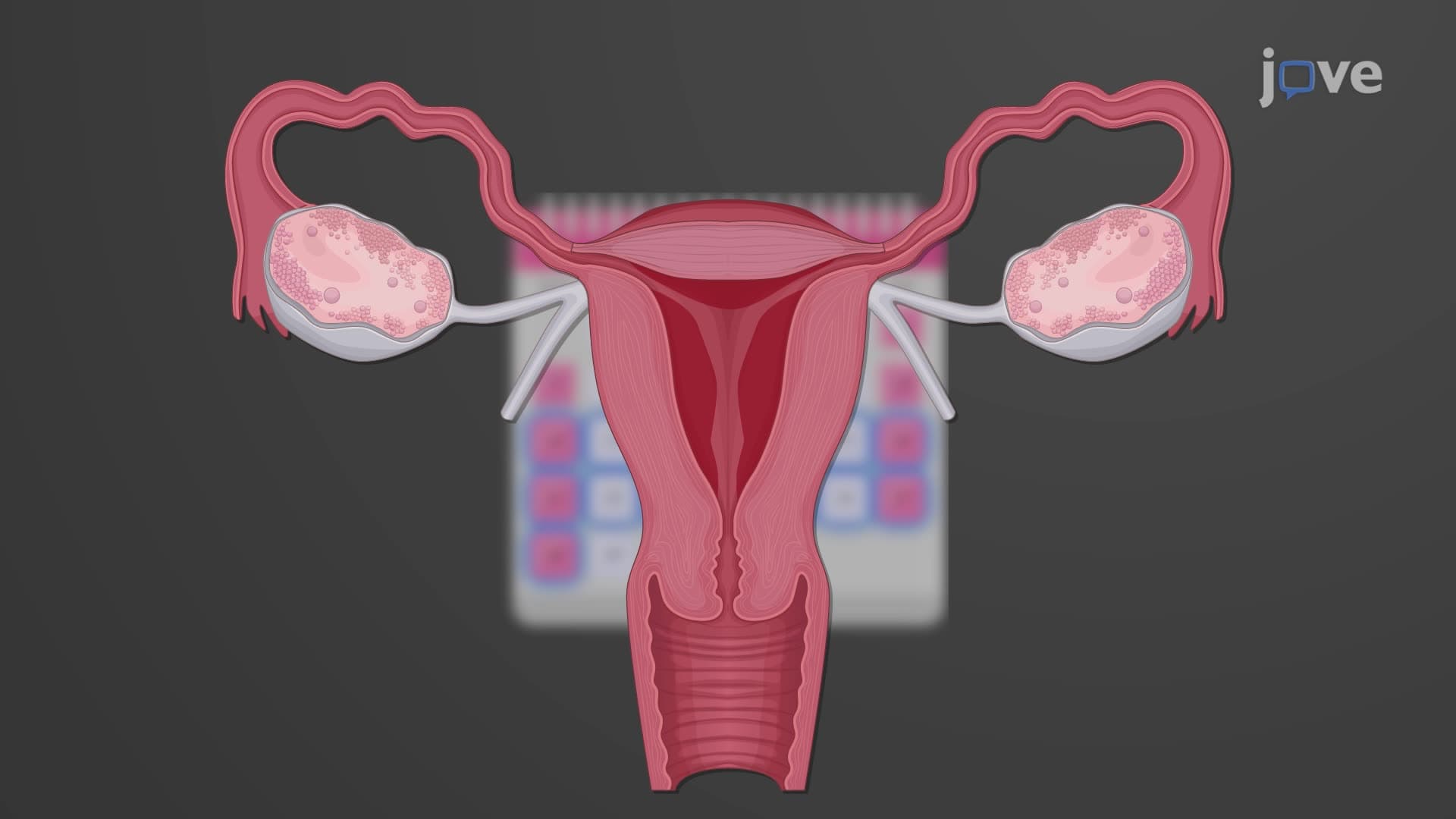
The menstrual cycle biology explained reveals one of nature's most precisely timed biological processes. This monthly sequence affects approximately 26% of the global population and plays a fundamental role in human reproduction. For students preparing for AP Biology or college-level anatomy courses, mastering this concept provides essential foundation knowledge for understanding reproductive endocrinology and women's health.
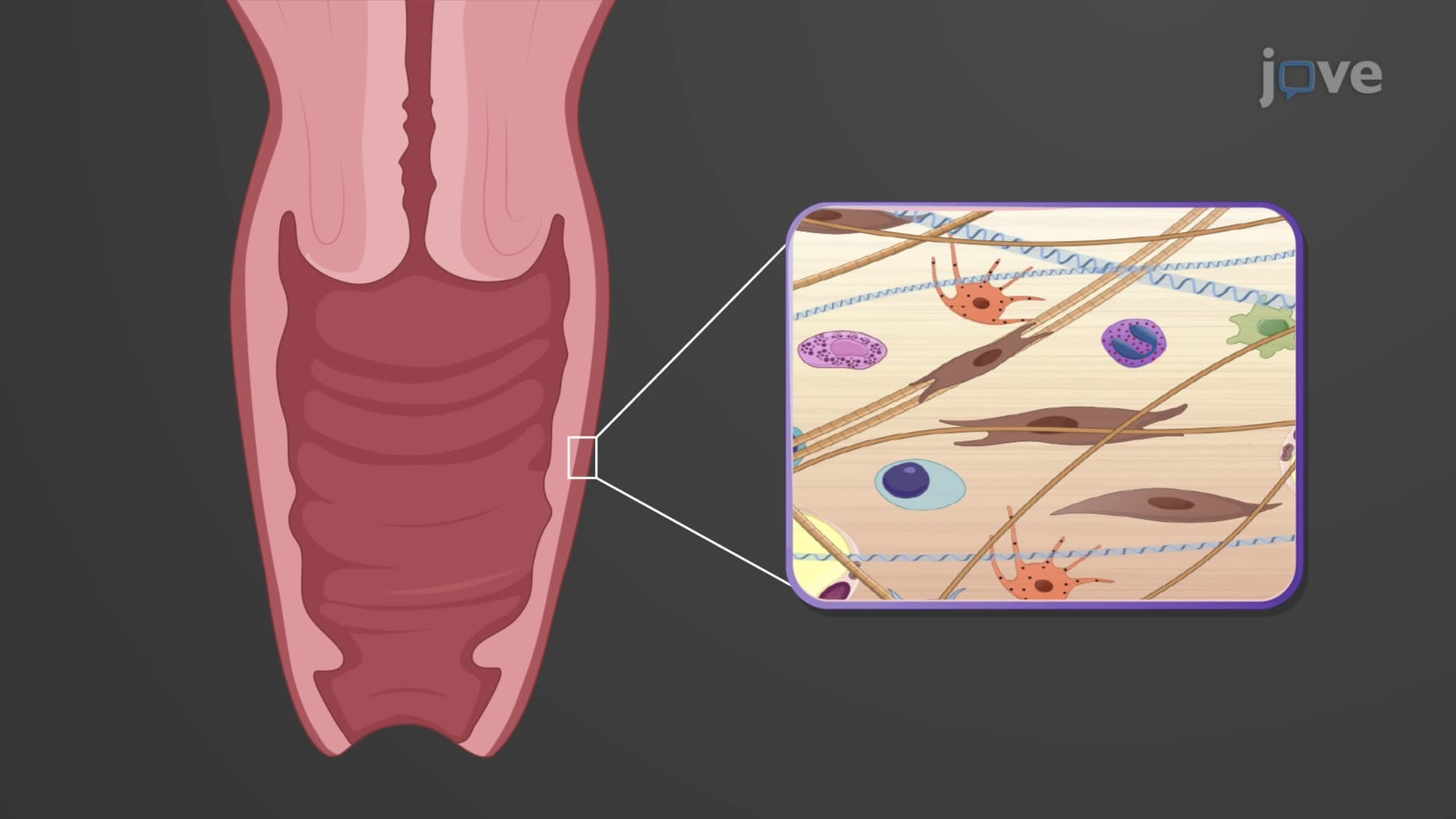
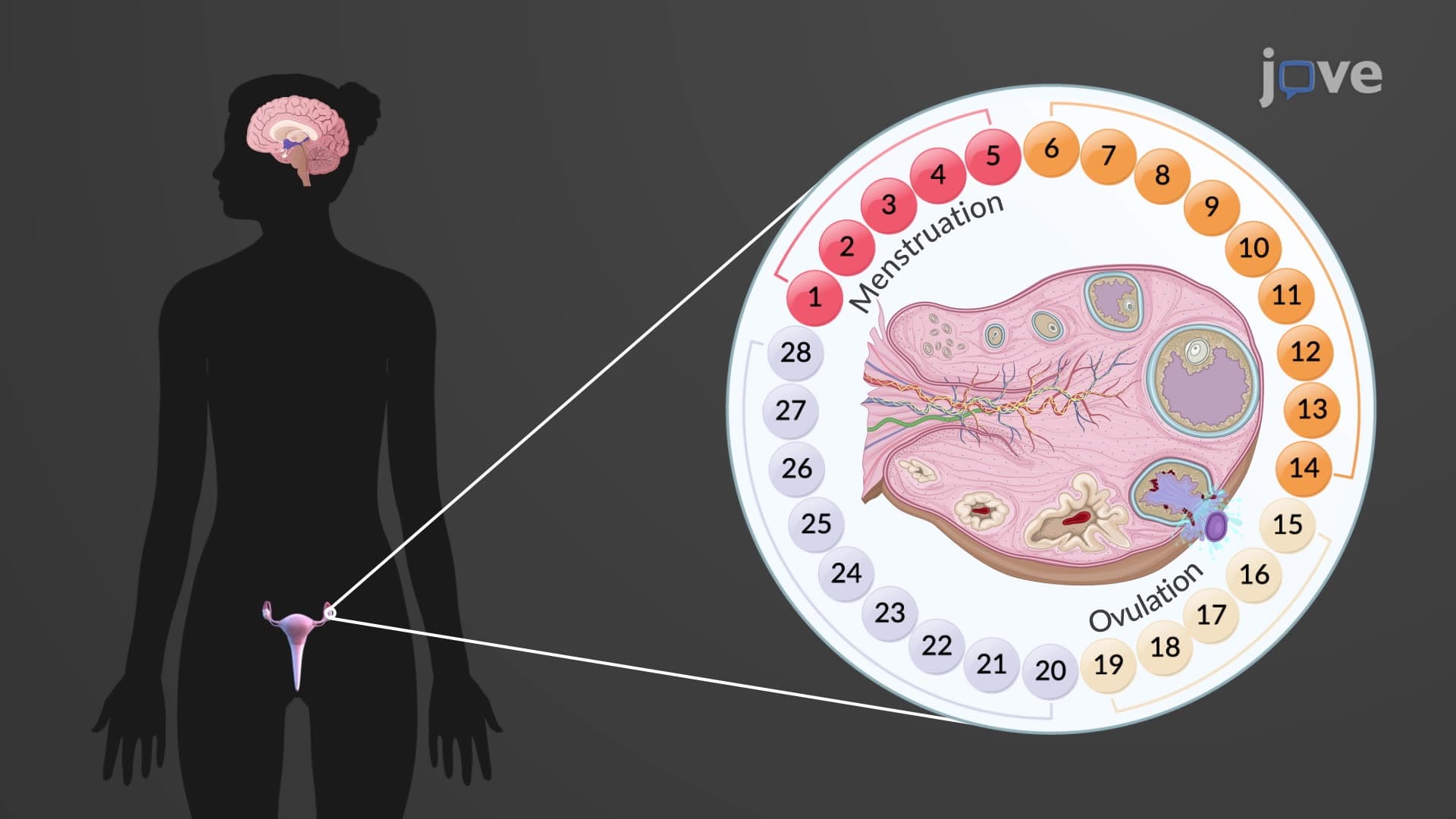
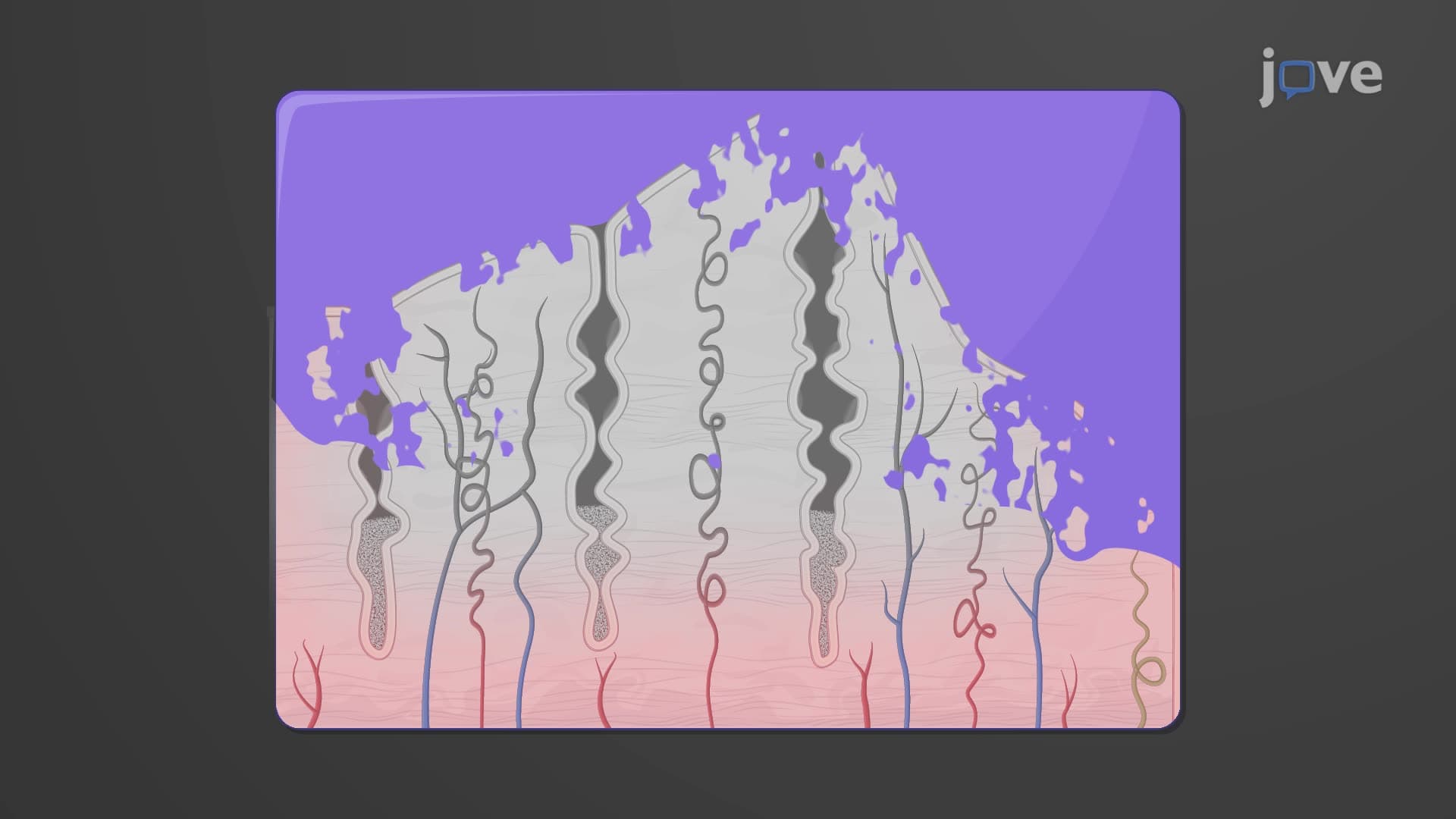
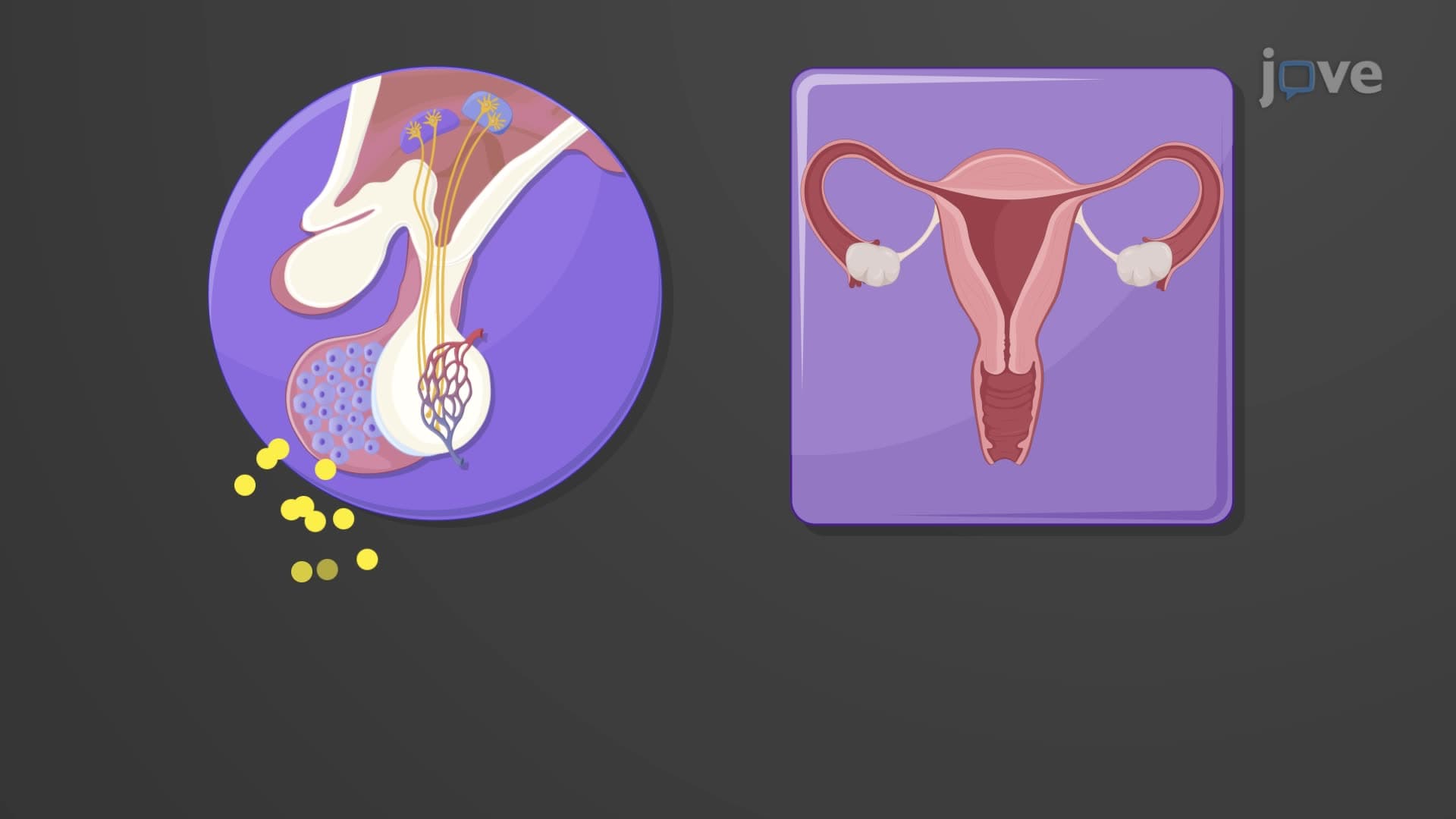
The menstrual phase (days 1-5) represents the cycle's beginning and end simultaneously. When pregnancy doesn't occur, the corpus luteum degenerates, causing dramatic drops in estrogen and progesterone levels. This hormonal withdrawal triggers vasoconstriction in the endometrial arterioles, leading to tissue hypoxia and subsequent shedding of the stratum functionalis layer. The resulting female menstrual cycle overview shows how approximately 30-40ml of menstrual fluid-containing blood, tissue fragments, mucus, and epithelial cells-is expelled. This process, studied extensively at institutions like Harvard Medical School, demonstrates the body's efficient mechanism for preparing a fresh endometrial surface.
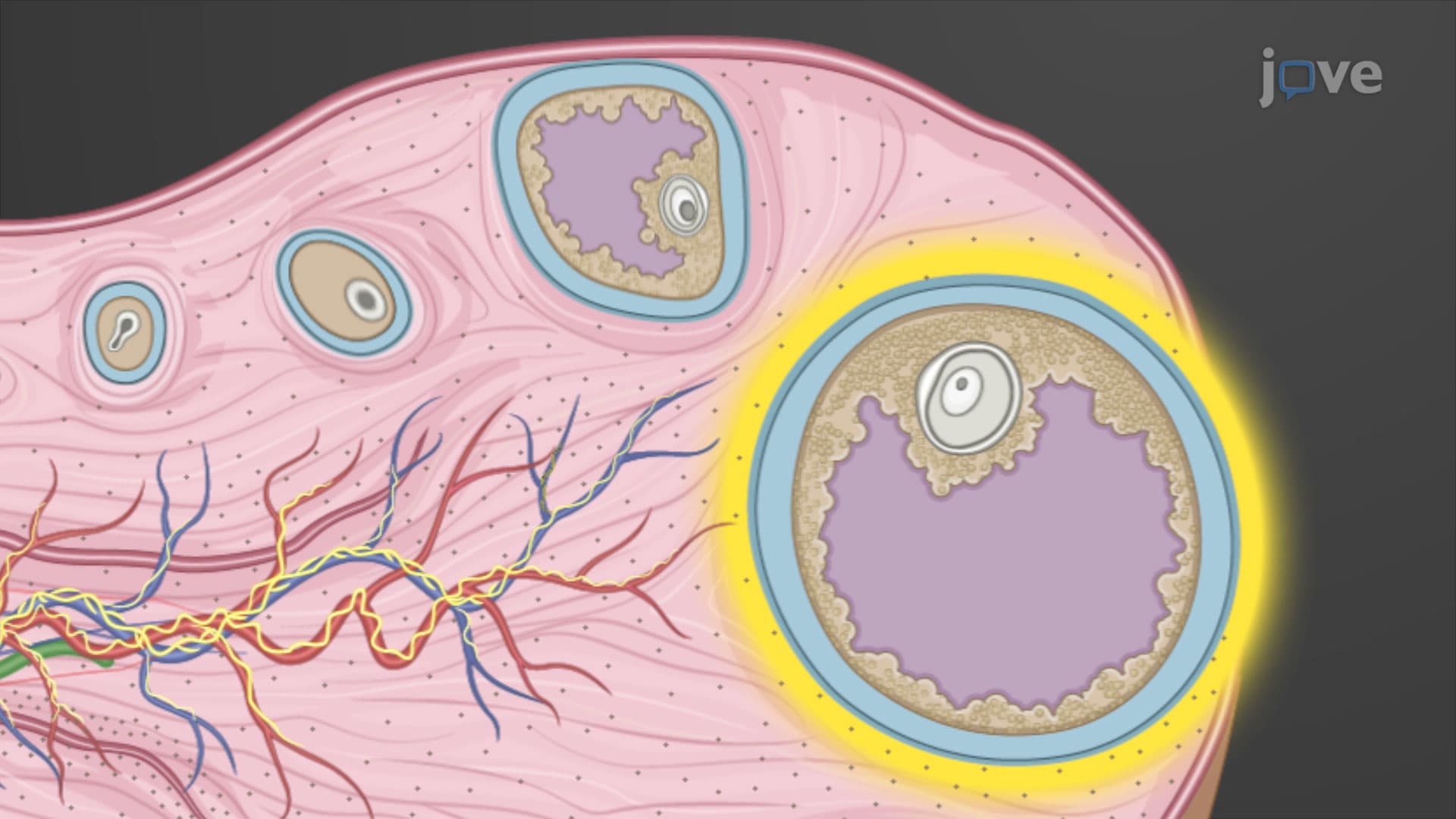
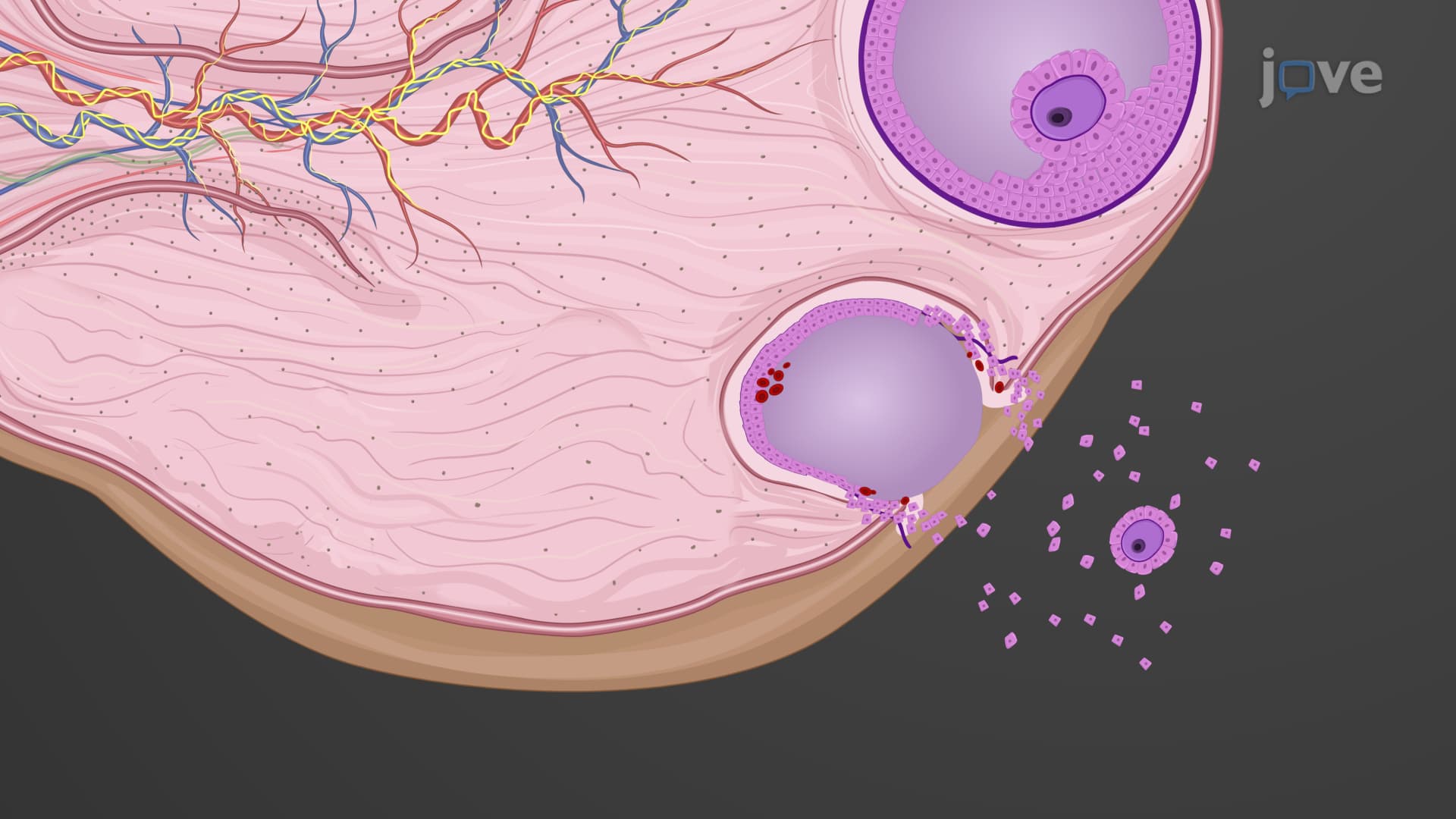
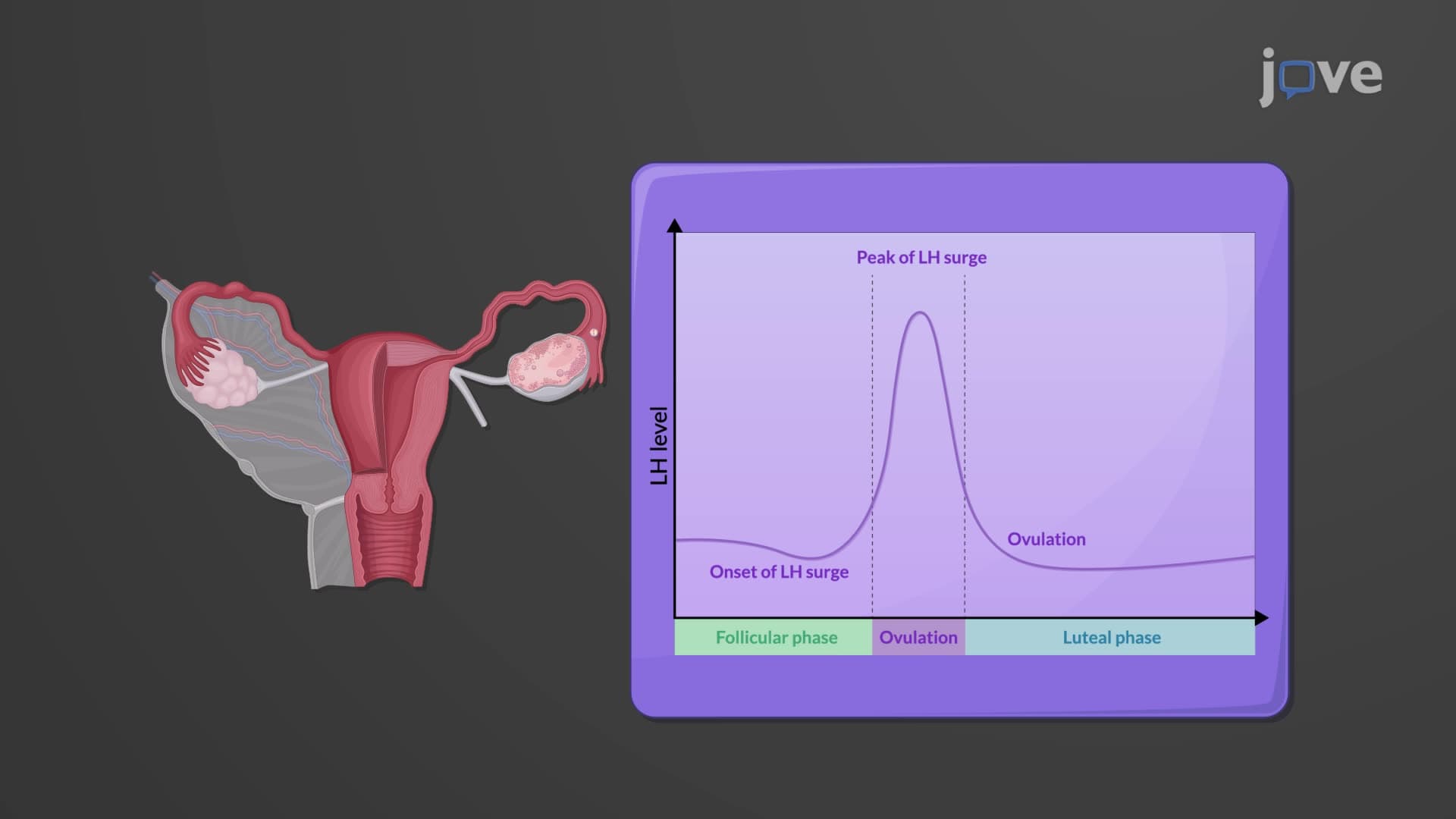
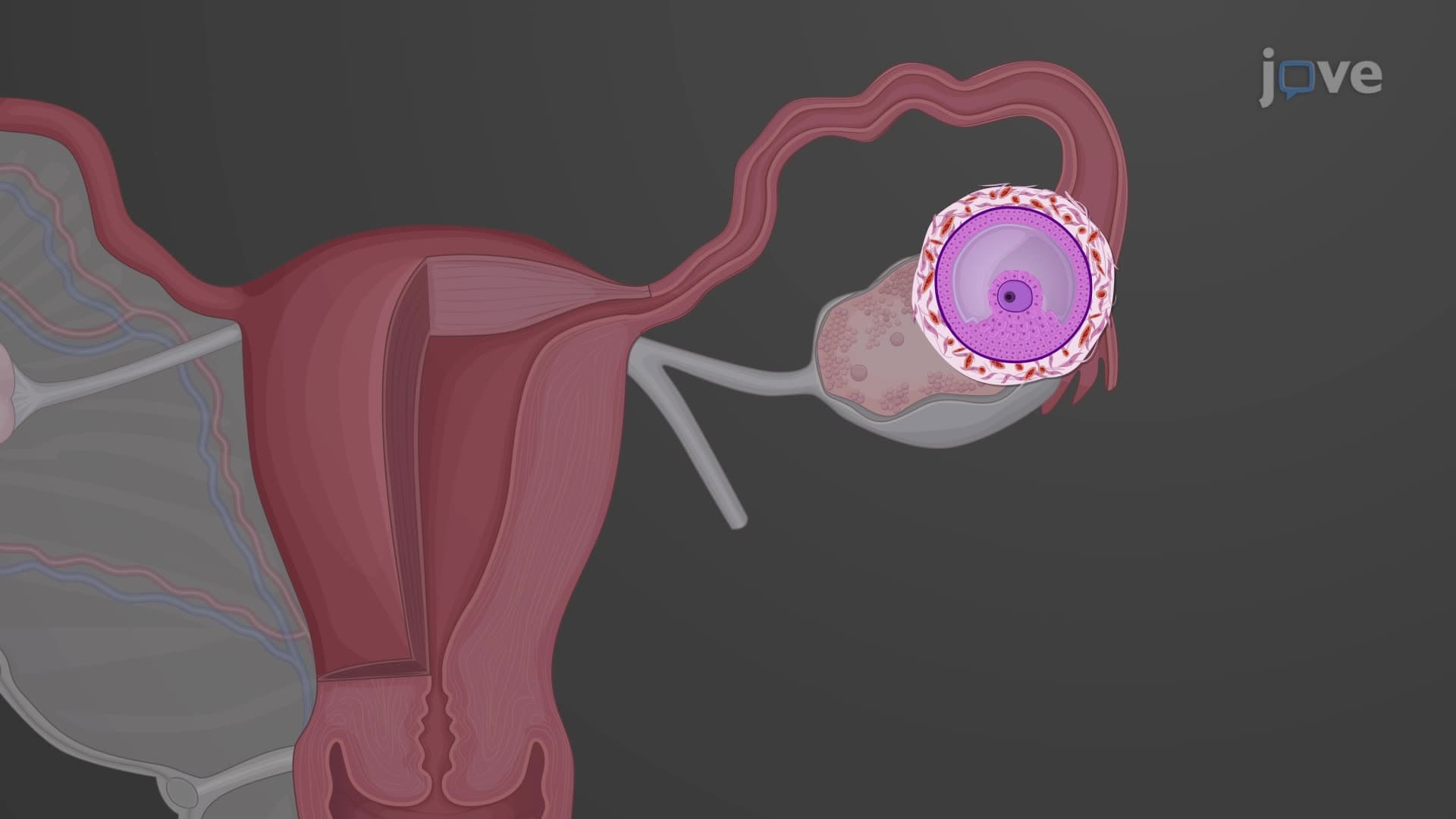
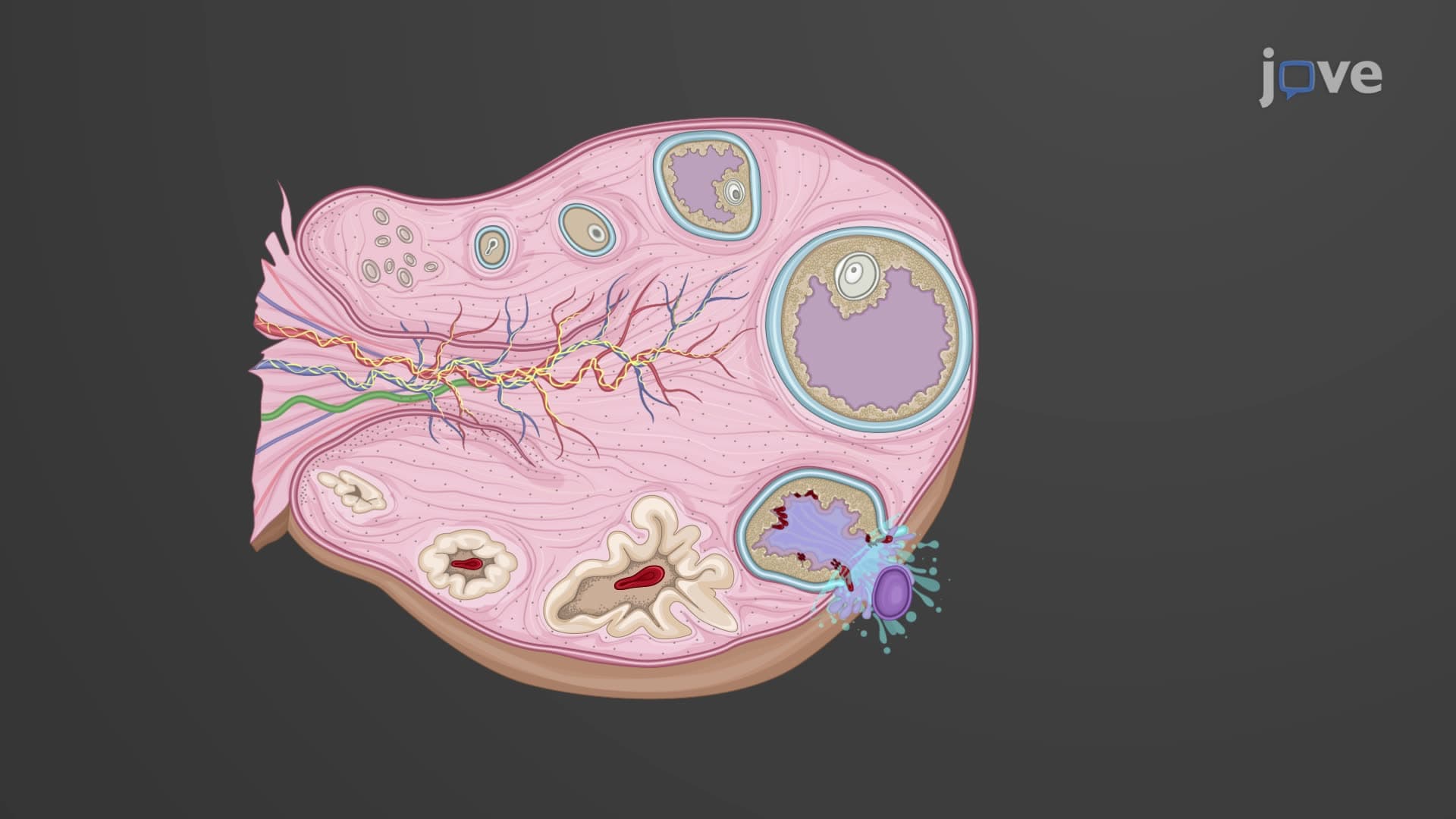
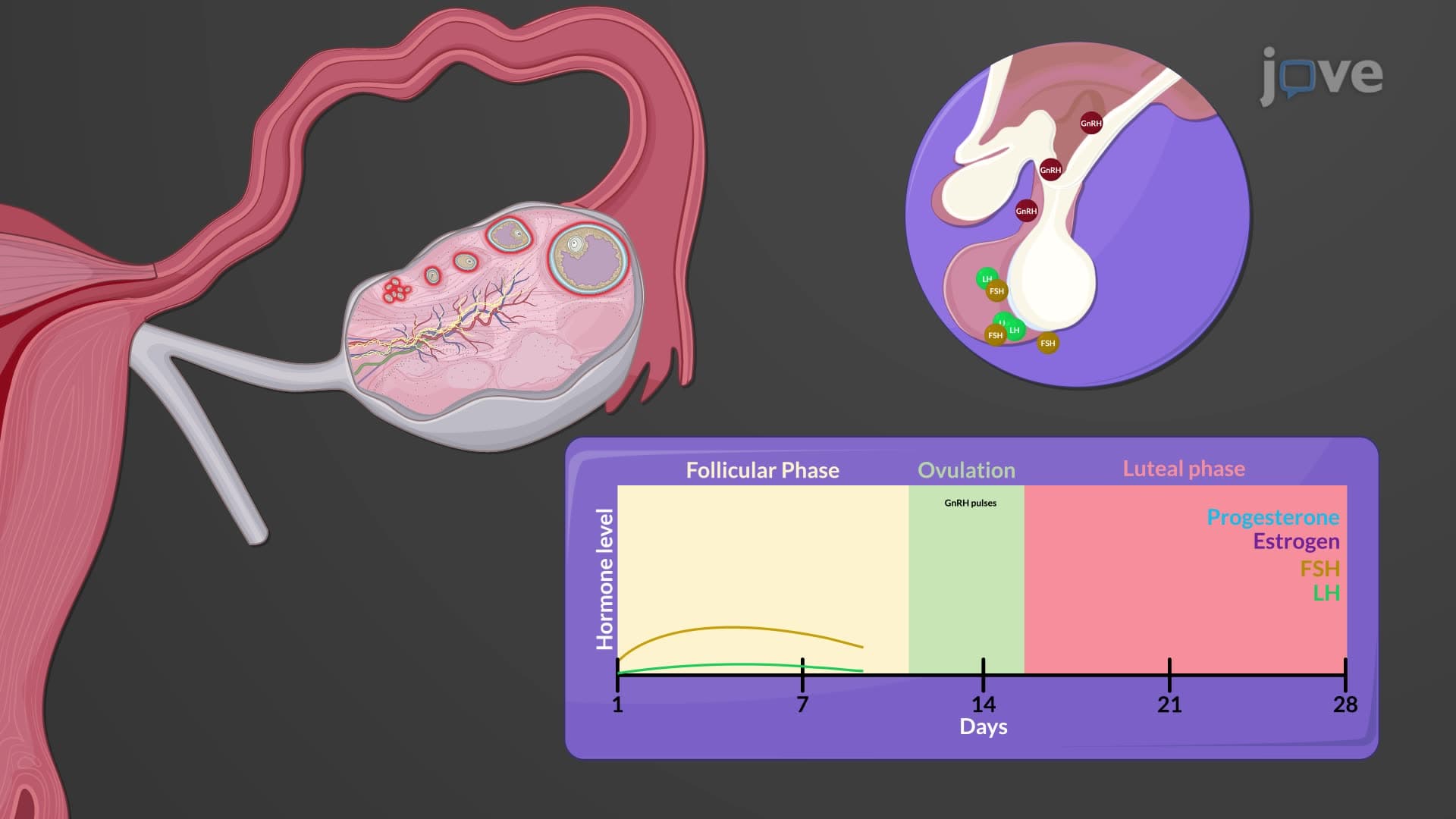
During the proliferative phase (days 6-14), rising estrogen levels from developing ovarian follicles stimulate remarkable endometrial regeneration. The remaining basal layer serves as the foundation for rebuilding the stratum functionalis. Estrogen promotes mitotic activity in endometrial cells, increasing tissue thickness from approximately 1mm to 3-5mm. This phase culminates in ovulation around day 14, when luteinizing hormone (LH) surge triggers follicle rupture. Students studying for the MCAT often focus on how this endometrial uterine cycle demonstrates positive and negative feedback mechanisms in endocrine physiology.
The secretory phase (days 15-28) transforms the proliferated endometrium into a receptive environment for potential embryo implantation. Under progesterone's influence from the newly formed corpus luteum, endometrial glands become increasingly tortuous and secretory. These glands produce glycogen-rich secretions that would nourish an early embryo. The hormonal menstrual control during this phase involves both progesterone and estrogen working synergistically to maintain endometrial thickness and vascularity. If fertilization and implantation don't occur by day 28, the corpus luteum degenerates, hormone levels plummet, and the cycle repeats. This concept frequently appears on USMLE Step 1 examinations, particularly in questions about reproductive physiology and contraceptive mechanisms.
Related Micro-courses