Loading video…


 37 Concepts
 141K views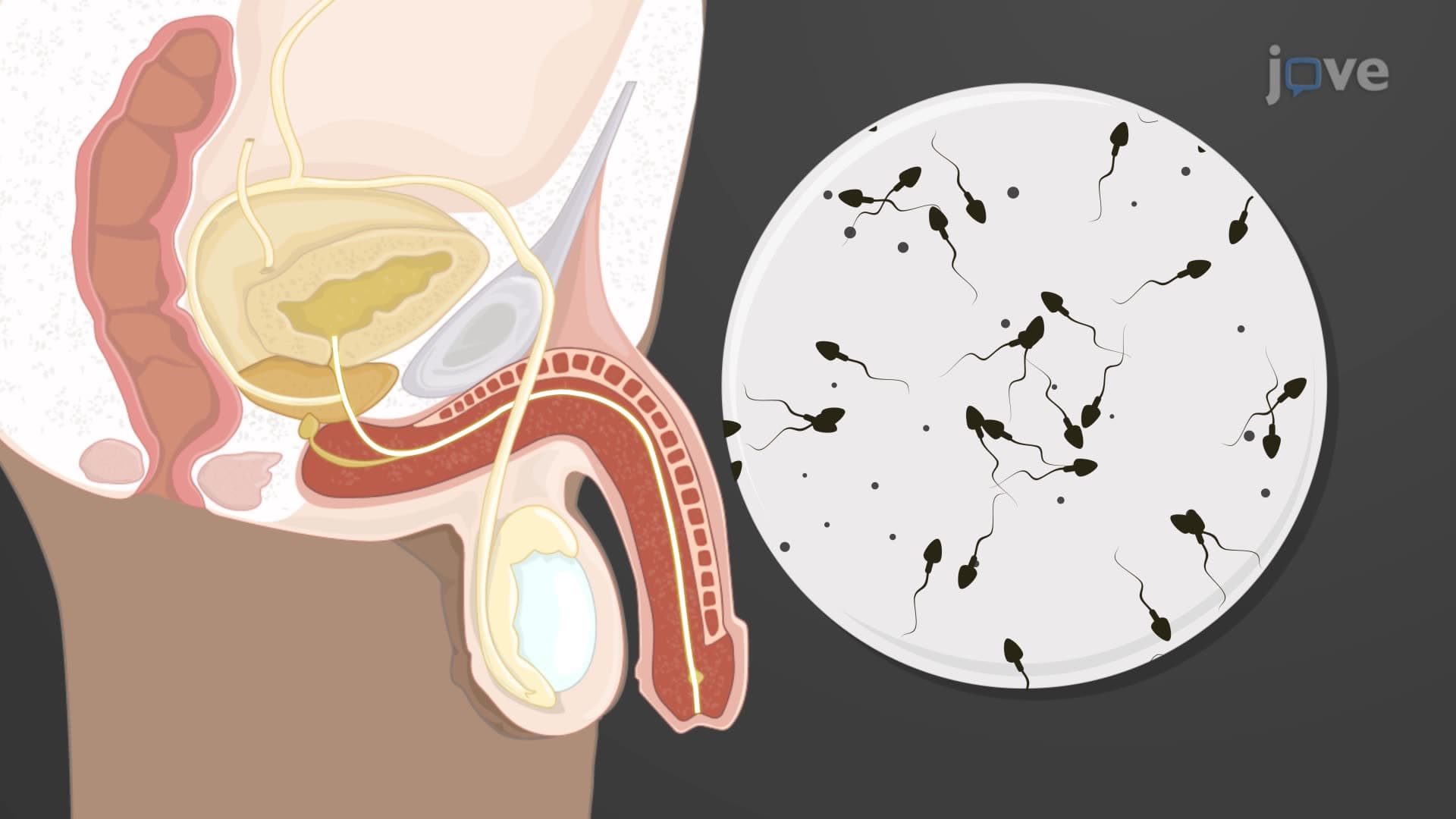

Video Summary: Sperm Structure and Semen Composition Explained
Did you know that a single ejaculation contains between 200-500 million sperm cells, yet only one will fertilize an egg? Understanding sperm structure semen composition reveals the remarkable biological engineering behind human reproduction. Each sperm cell measures just 60 micrometers long but contains specialized components essential for fertilization success. Consider fertility clinics across the US, where specialists analyze these microscopic structures to help couples conceive. Watch the full video on JoVE Coach to master this concept with expert-led visuals and step-by-step explanations.
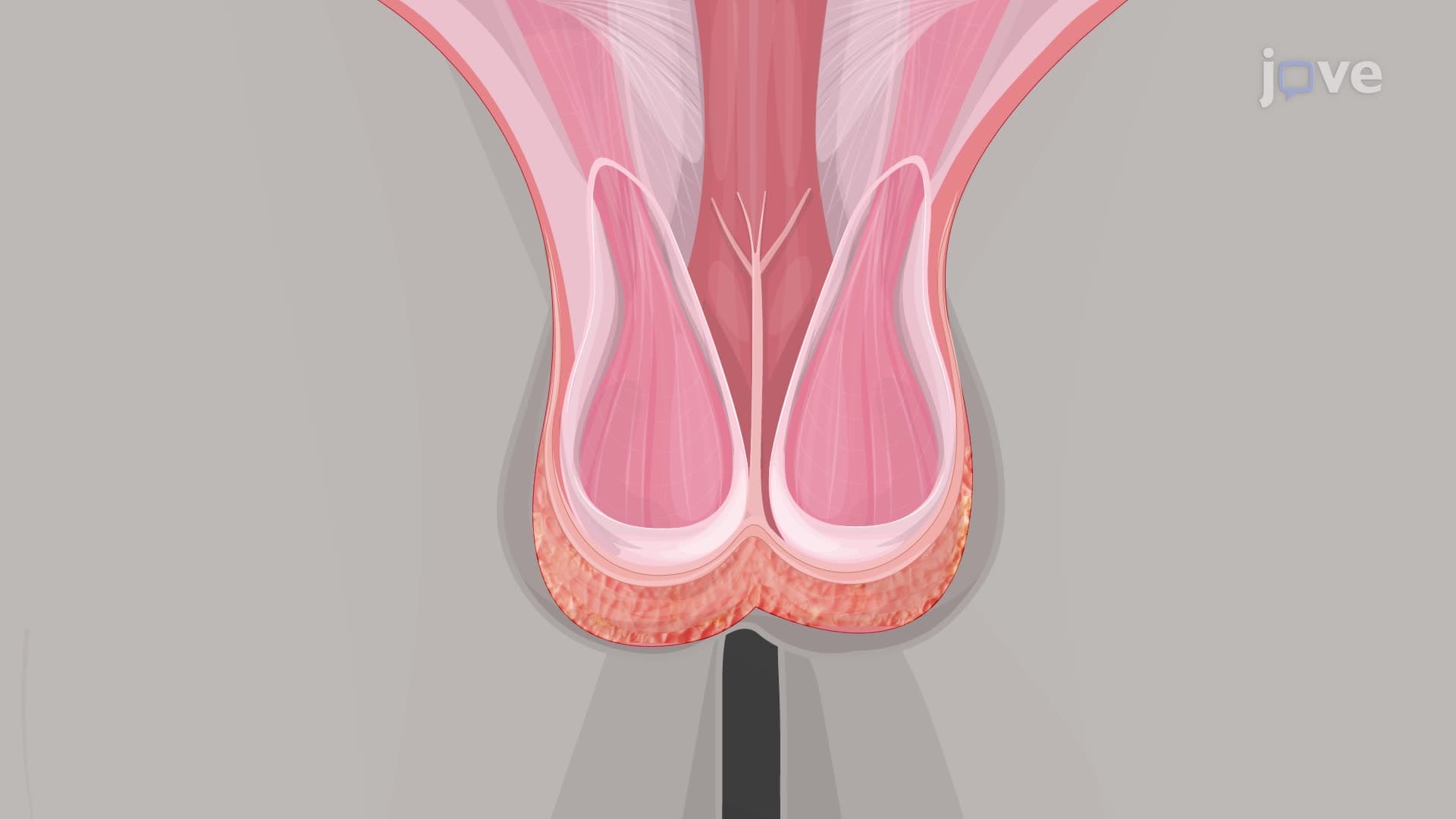
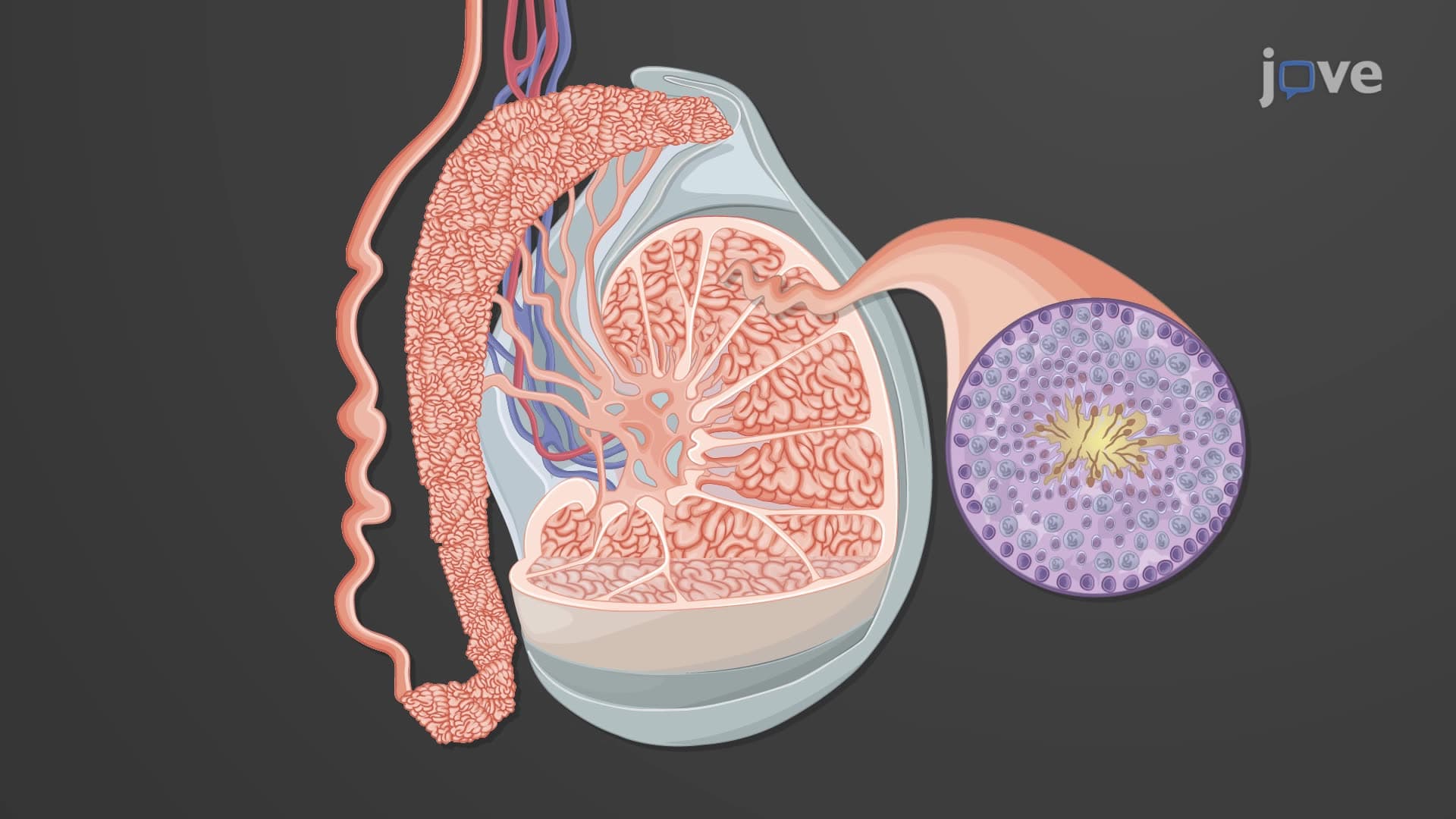
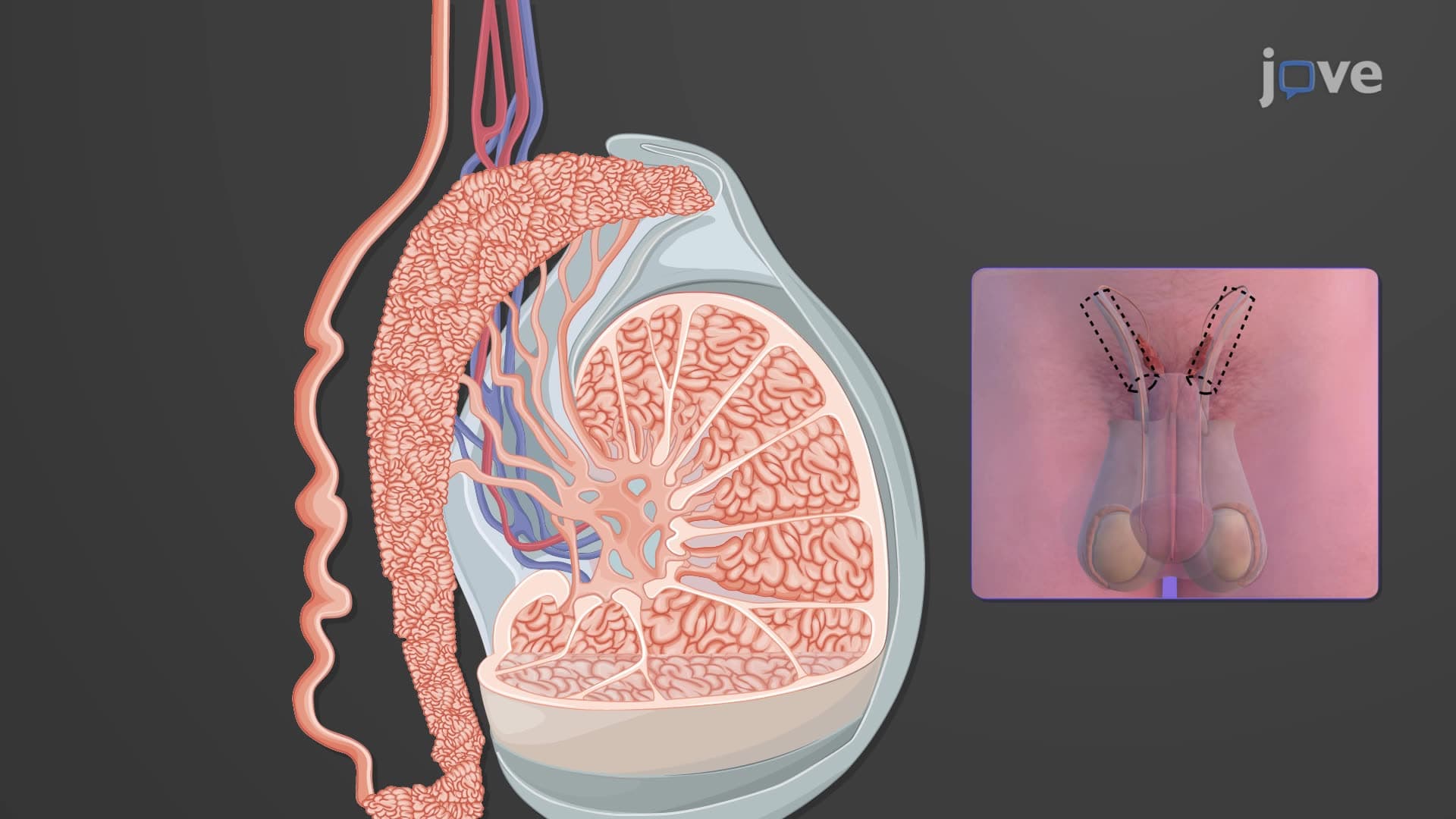
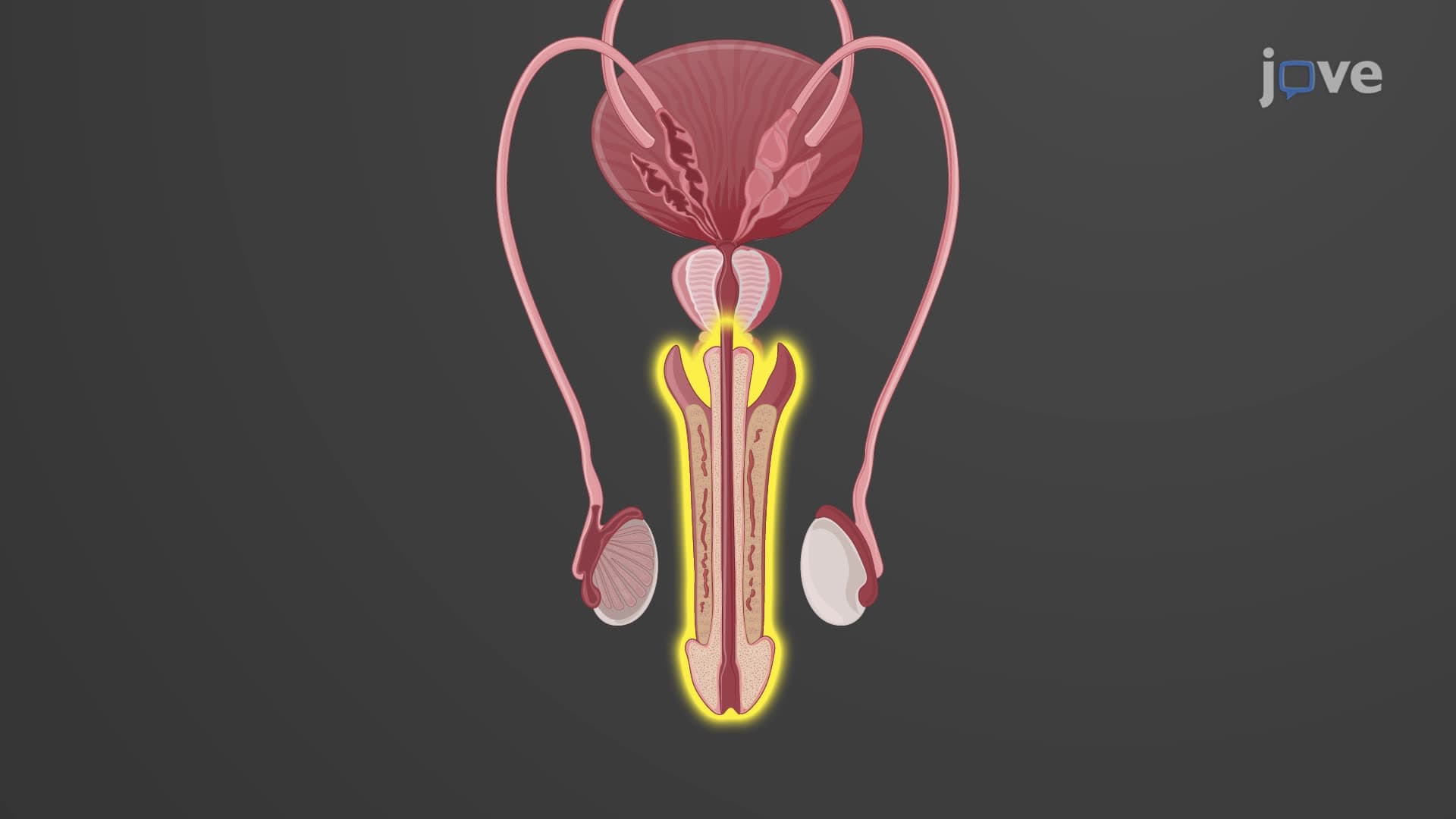
The male reproductive system produces a complex mixture during ejaculation that represents one of biology's most specialized cell types. Sperm structure semen composition involves understanding both the intricate anatomy of individual sperm cells and the supporting fluid matrix that ensures their survival and function.
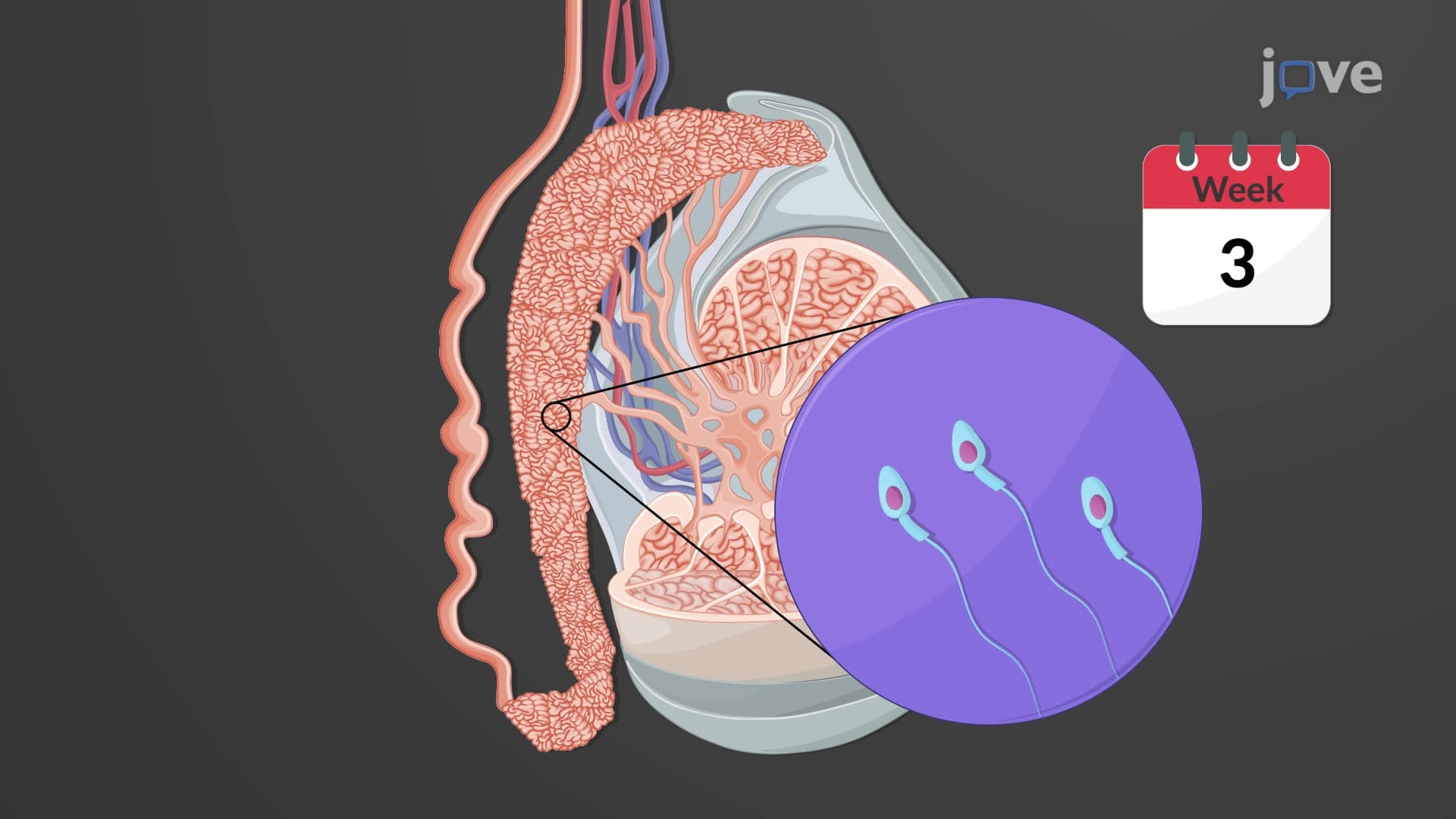
The mature sperm cell exhibits remarkable structural specialization across its 60-micrometer length. The sperm head midpiece tail organization reflects evolutionary optimization for a single purpose: delivering genetic material to the egg.
The sperm head, measuring 4-5 micrometers, contains two critical components. The acrosome nucleus sperm arrangement places the acrosome cap over a highly condensed nucleus containing 23 chromosomes. This acrosome contains hyaluronidase and acrosin enzymes that dissolve the zona pellucida surrounding the egg-a process extensively studied in US fertility research centers like those at Johns Hopkins and Stanford University.
The midpiece houses spirally-arranged mitochondria that generate ATP through cellular respiration. This energy powers the flagellar movement essential for sperm motility. Students studying for the MCAT often encounter questions about this structure-function relationship, particularly how mitochondrial dysfunction affects male fertility.
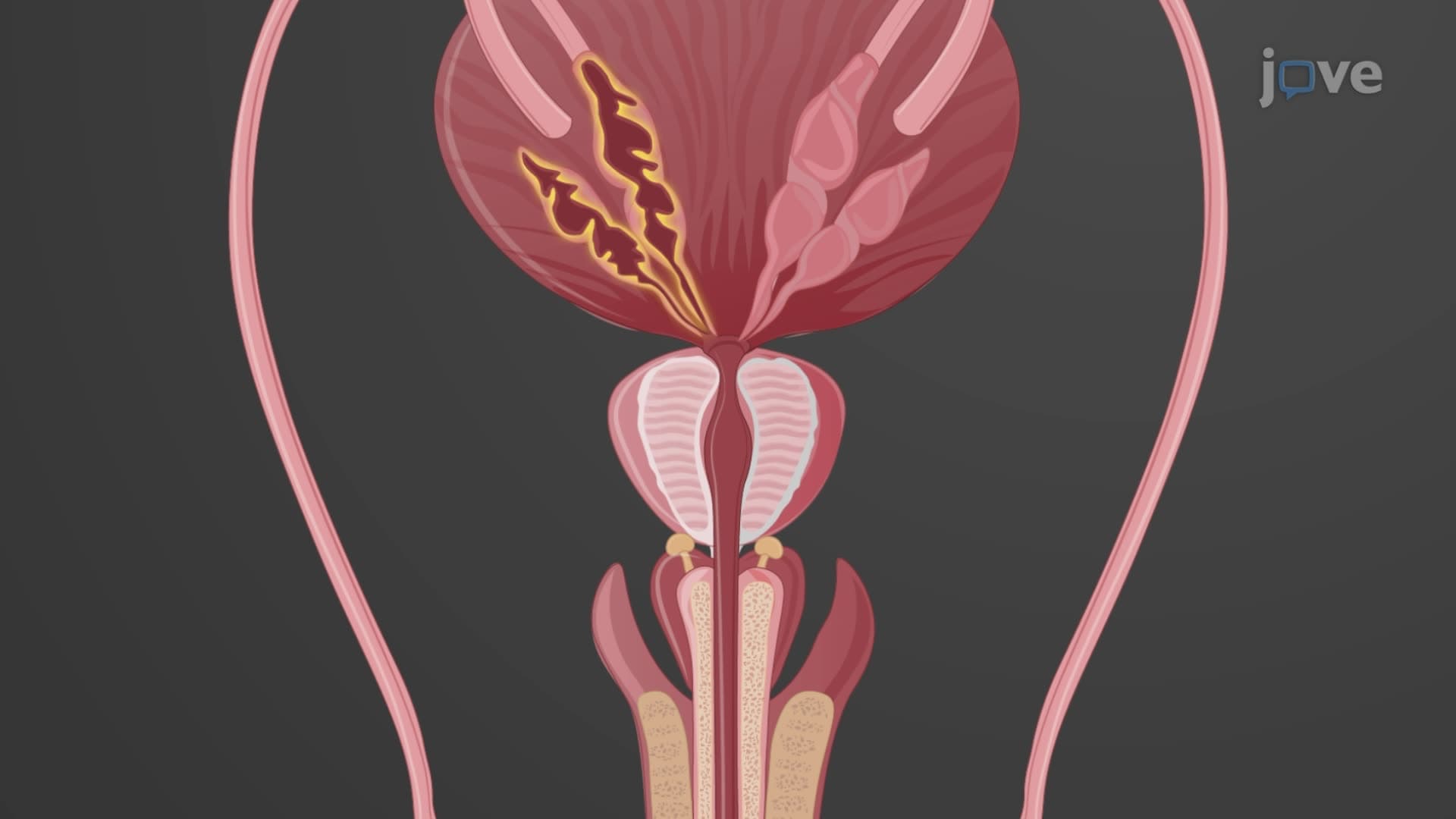
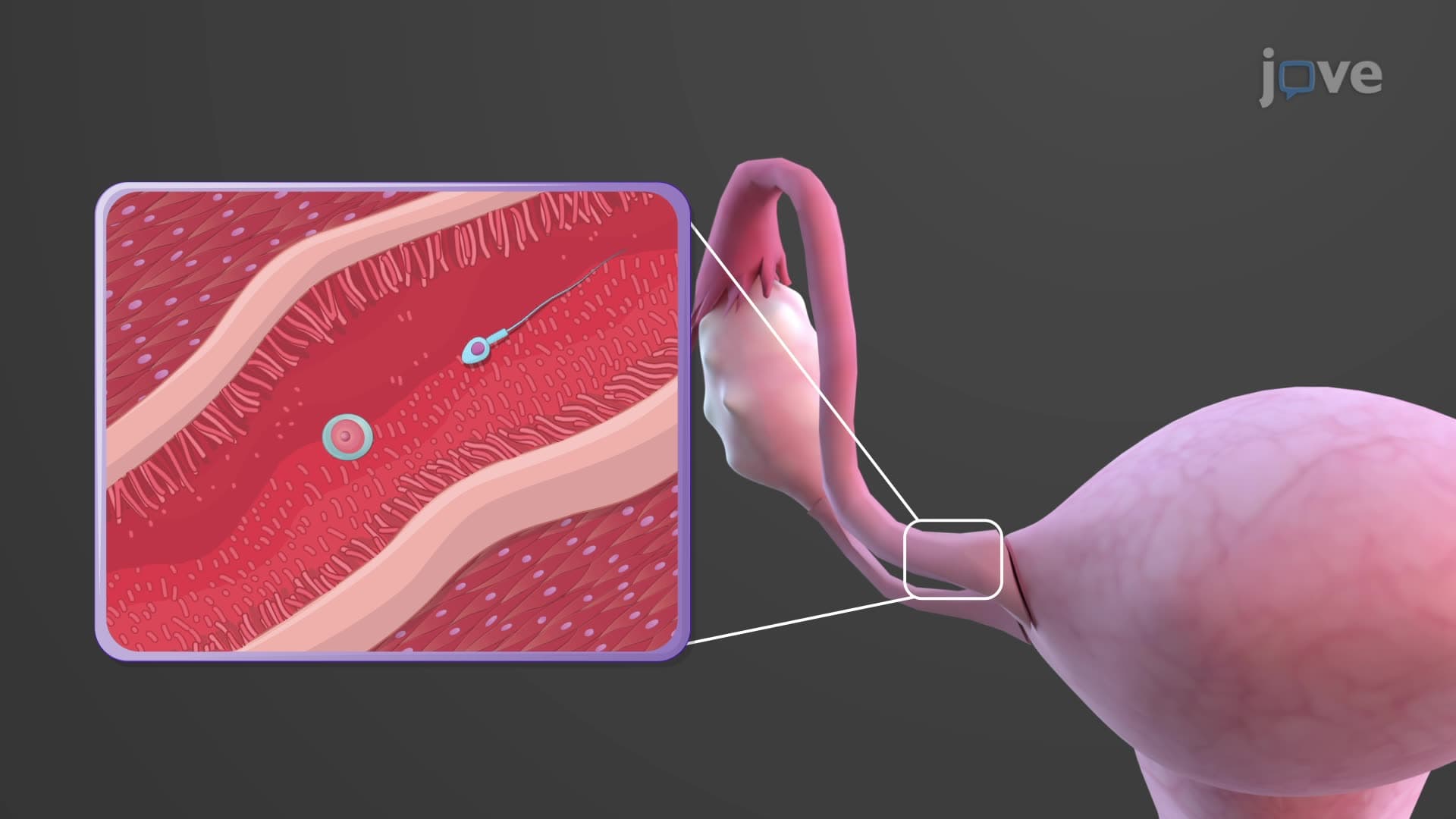
Beyond the sperm cells themselves, semen fructose prostaglandin content and other seminal plasma components comprise 95% of ejaculate volume. The seminal vesicles contribute approximately 60% of seminal fluid, providing fructose as an energy source for sperm metabolism. This sugar serves as fuel during the sperm's journey through the female reproductive tract.
Prostatic secretions add enzymes like prostate-specific antigen (PSA) and citric acid, while bulbourethral glands provide pre-ejaculatory fluid that neutralizes urethral acidity. This seminal plasma sperm composition creates an optimal environment with a pH of 7.2-8.0, counteracting the vagina's acidic conditions (pH 3.8-4.5).
Understanding what is sperm structure and semen composition proves essential for AP Biology students studying reproduction and for pre-med students preparing for the MCAT. Fertility specialists routinely analyze semen samples using these parameters, examining sperm concentration (typically 15-200 million per milliliter), motility percentages, and morphological abnormalities.
US medical schools emphasize this content in reproductive biology coursework, while high school students encounter these concepts in advanced biology classes when studying human reproduction and cellular specialization.
Related Micro-courses