Loading video…


 37 Concepts
 141K views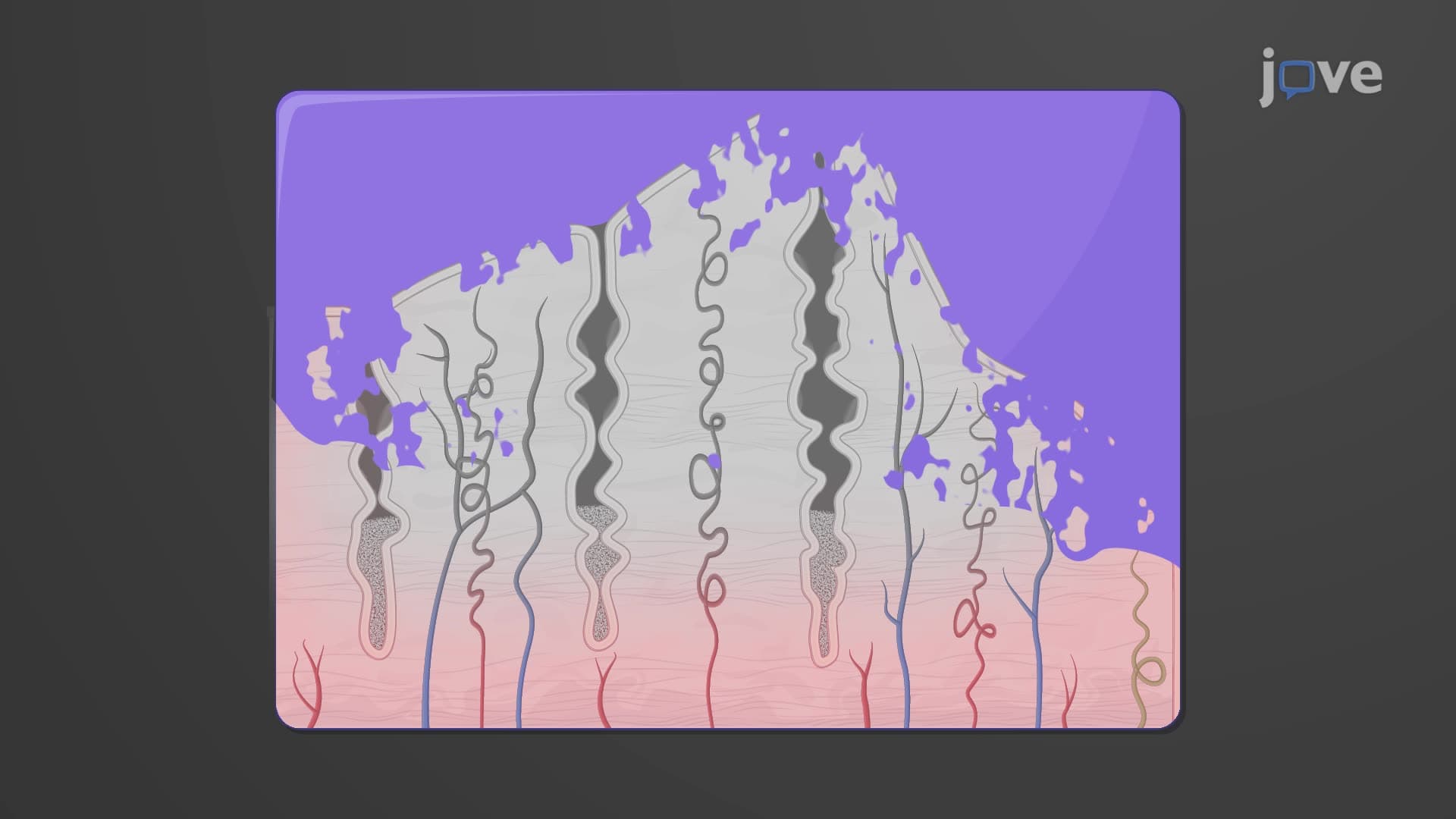

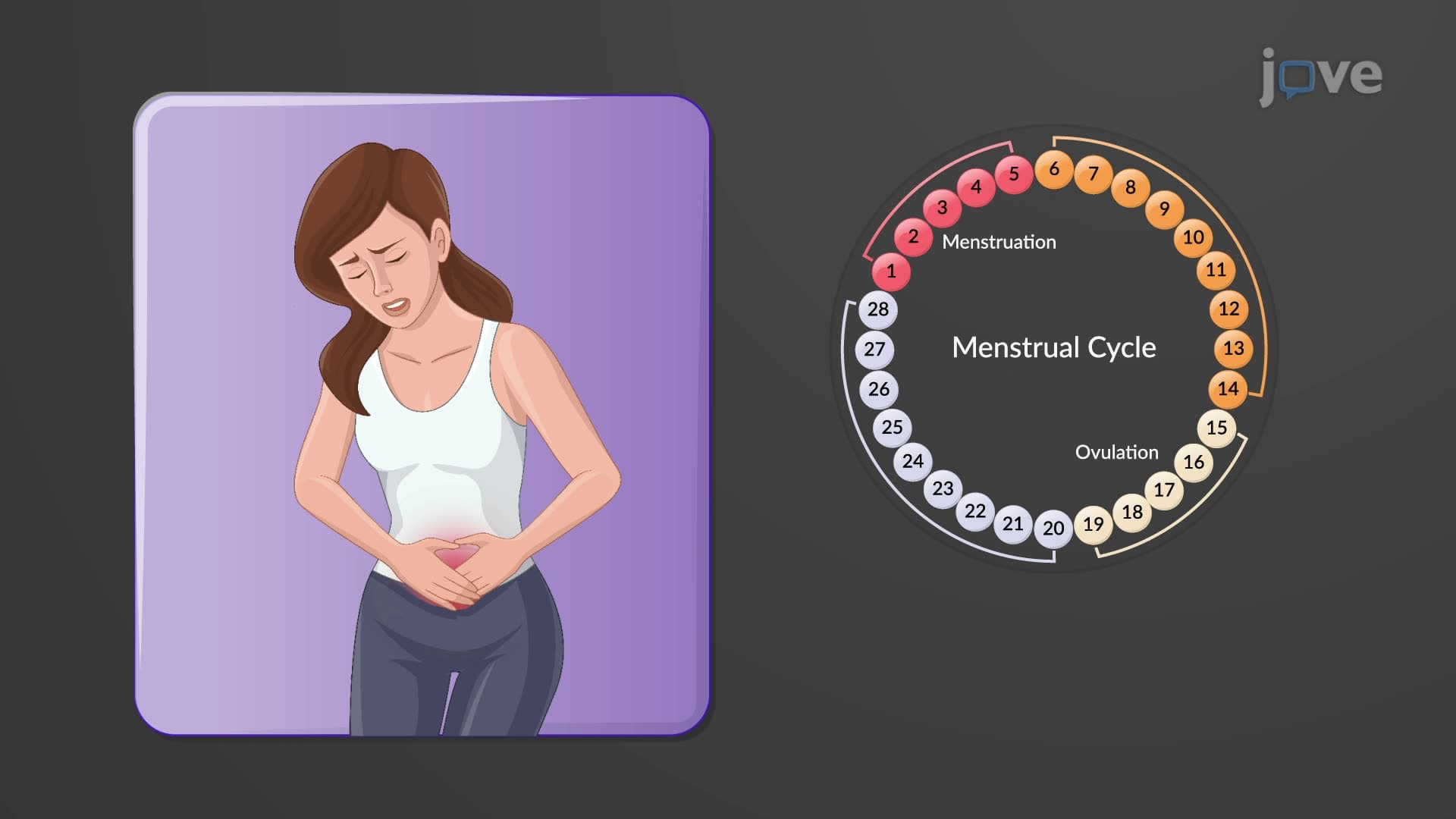
Video Summary: What Is Menses Phase
Did you know that approximately 500 million people worldwide experience the menses phase menstrual cycle every month, yet many students struggle to understand its complex biological mechanisms? The menses phase marks Day 1 of the menstrual cycle when the endometrium sheds its functional layer. In US high schools, this topic appears frequently on AP Biology exams and college entrance assessments. Watch the full video on JoVE Coach to master this concept with expert-led visuals and step-by-step explanations.
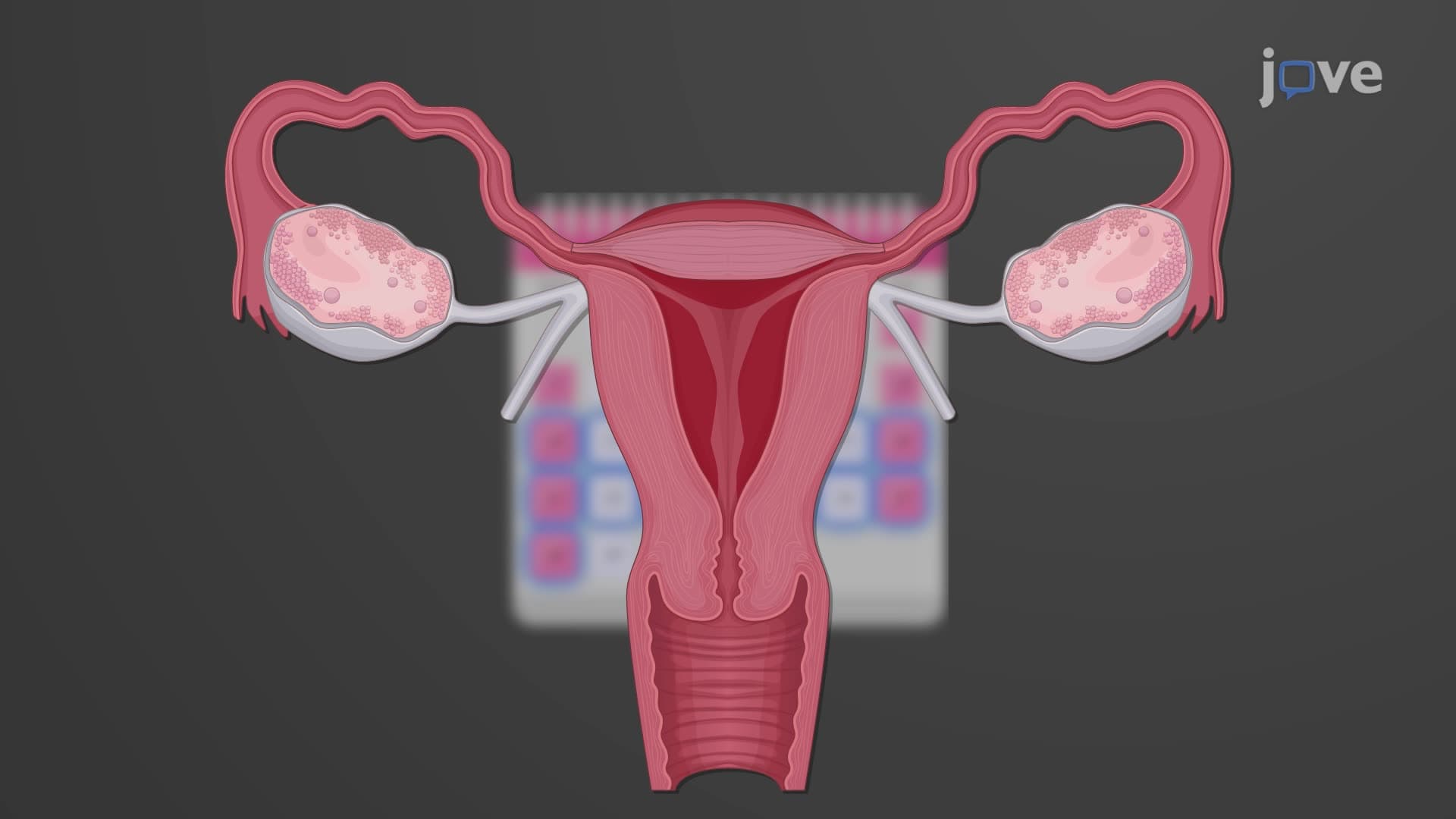
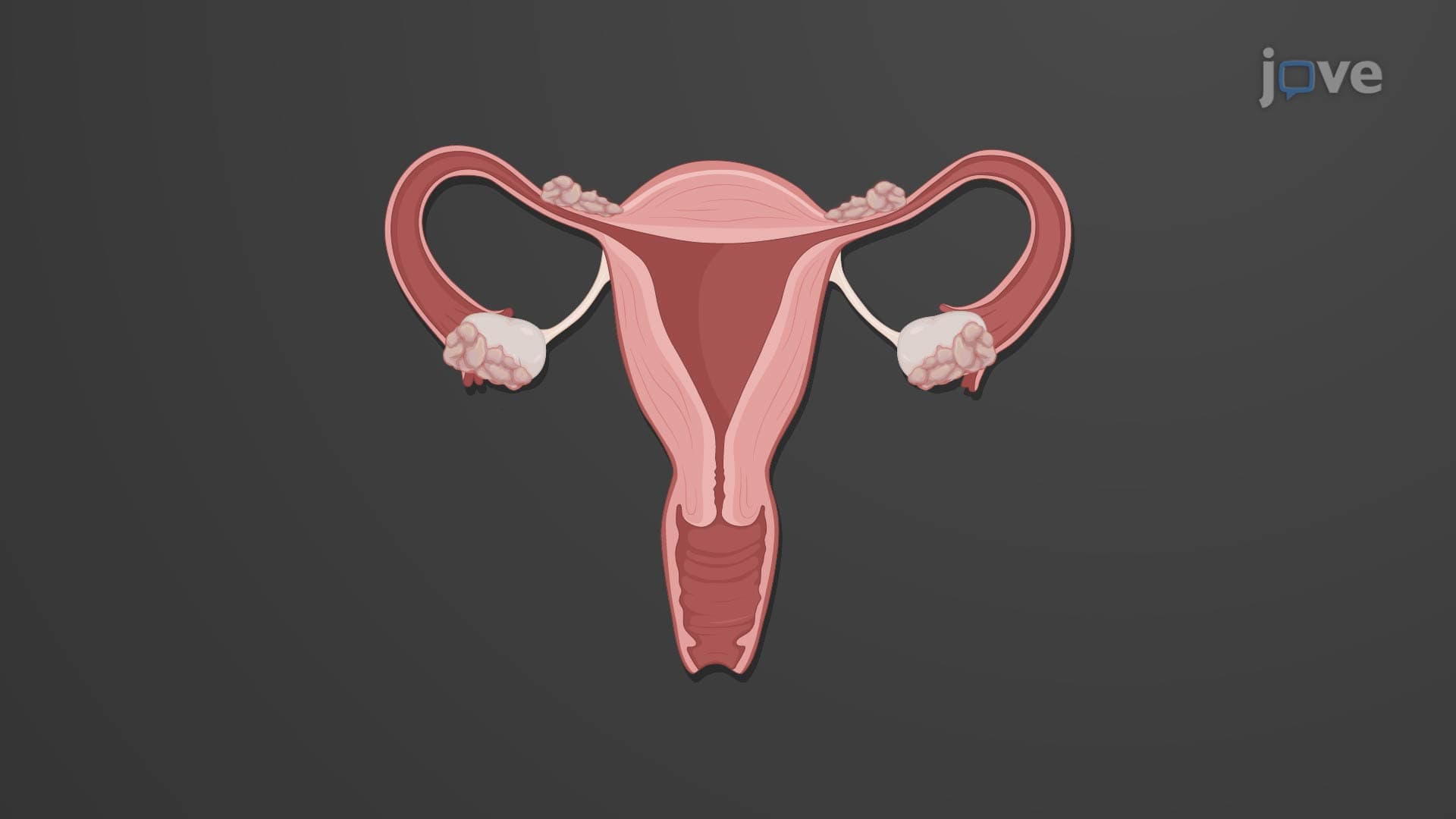
The menses phase menstrual cycle represents a precisely orchestrated biological process that affects nearly half the US population during their reproductive years. This menstruation phase explained biology reveals how the female reproductive system resets itself monthly, preparing for potential pregnancy while eliminating unnecessary tissue when fertilization doesn't occur.
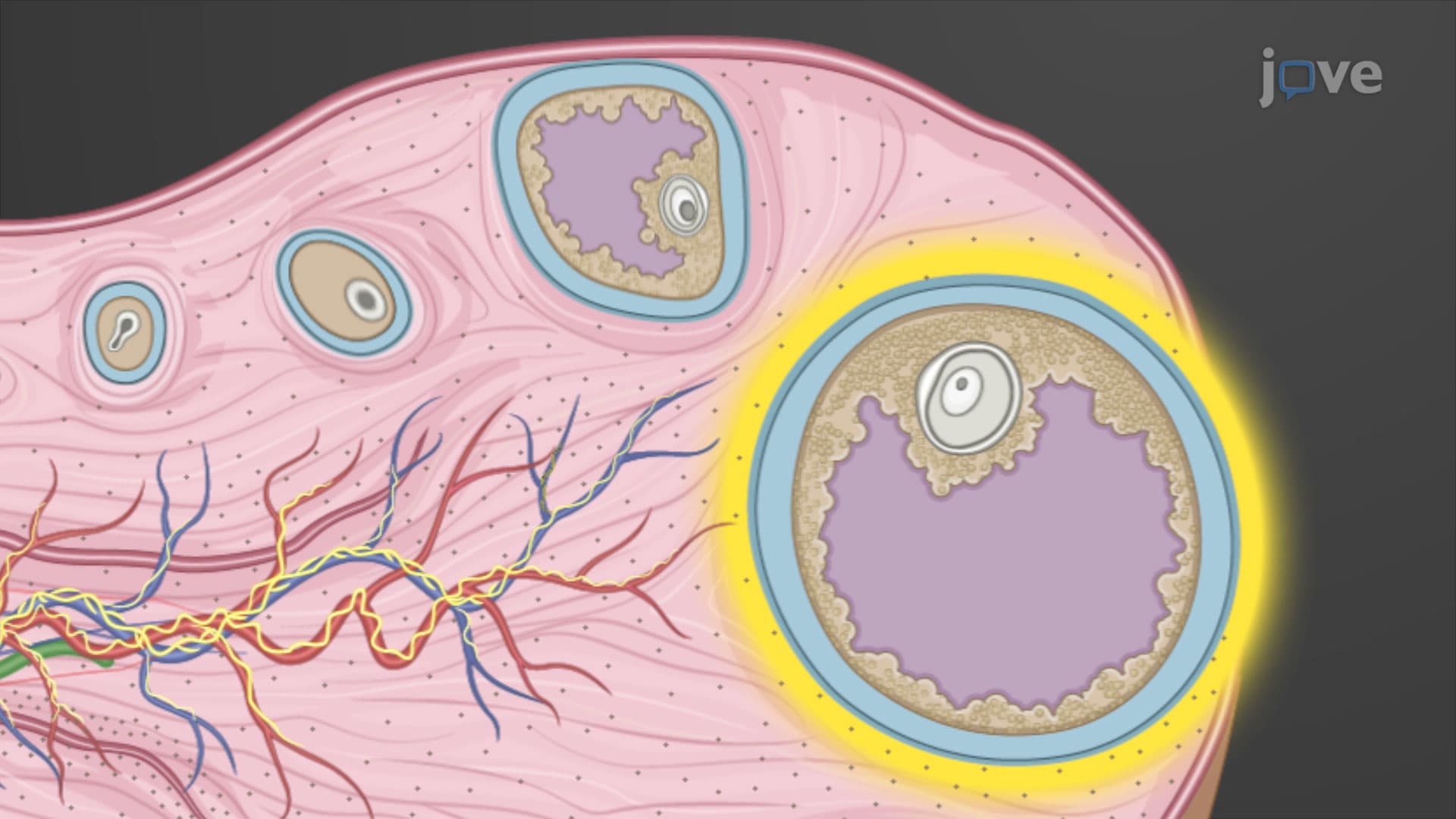
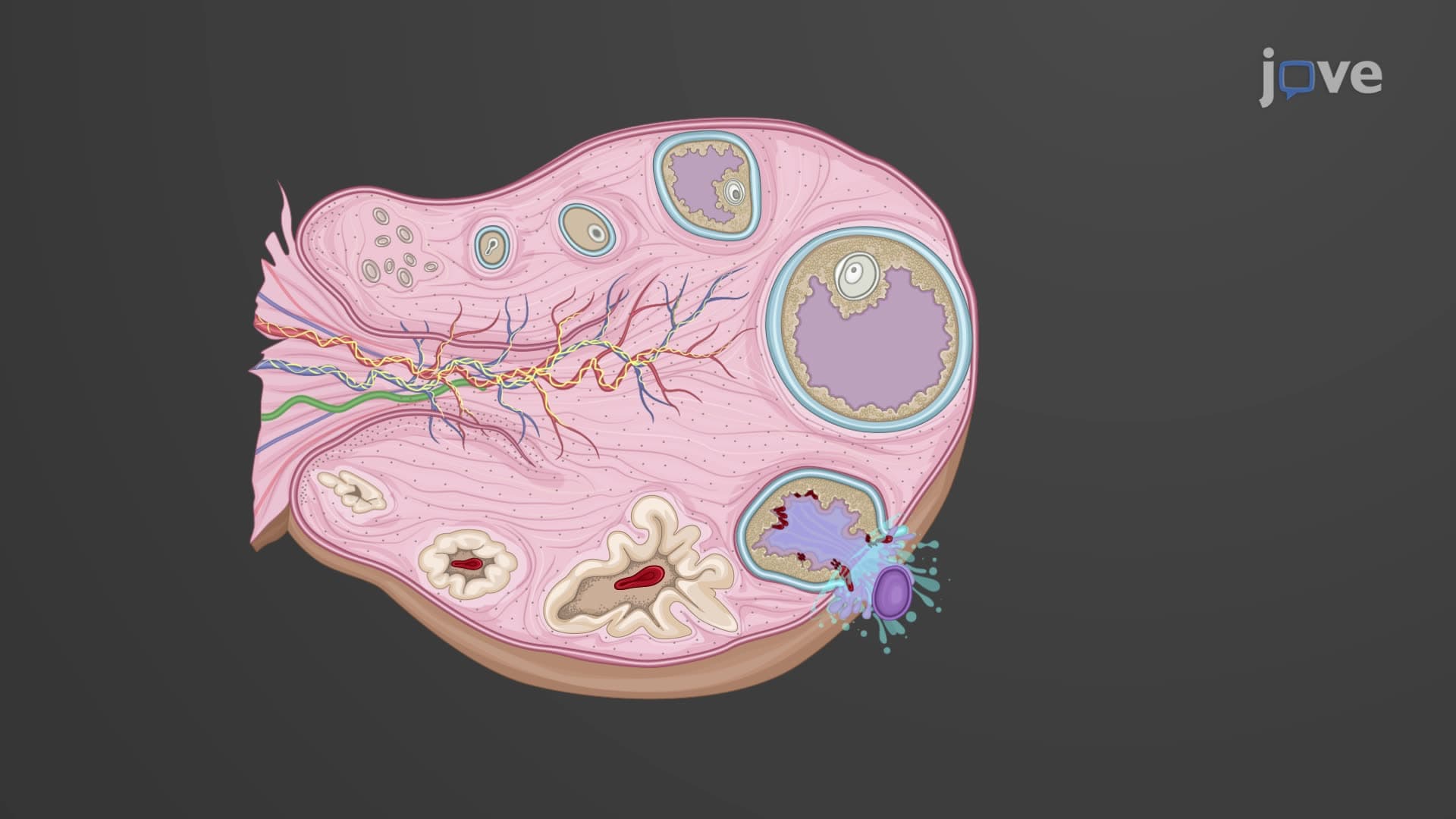
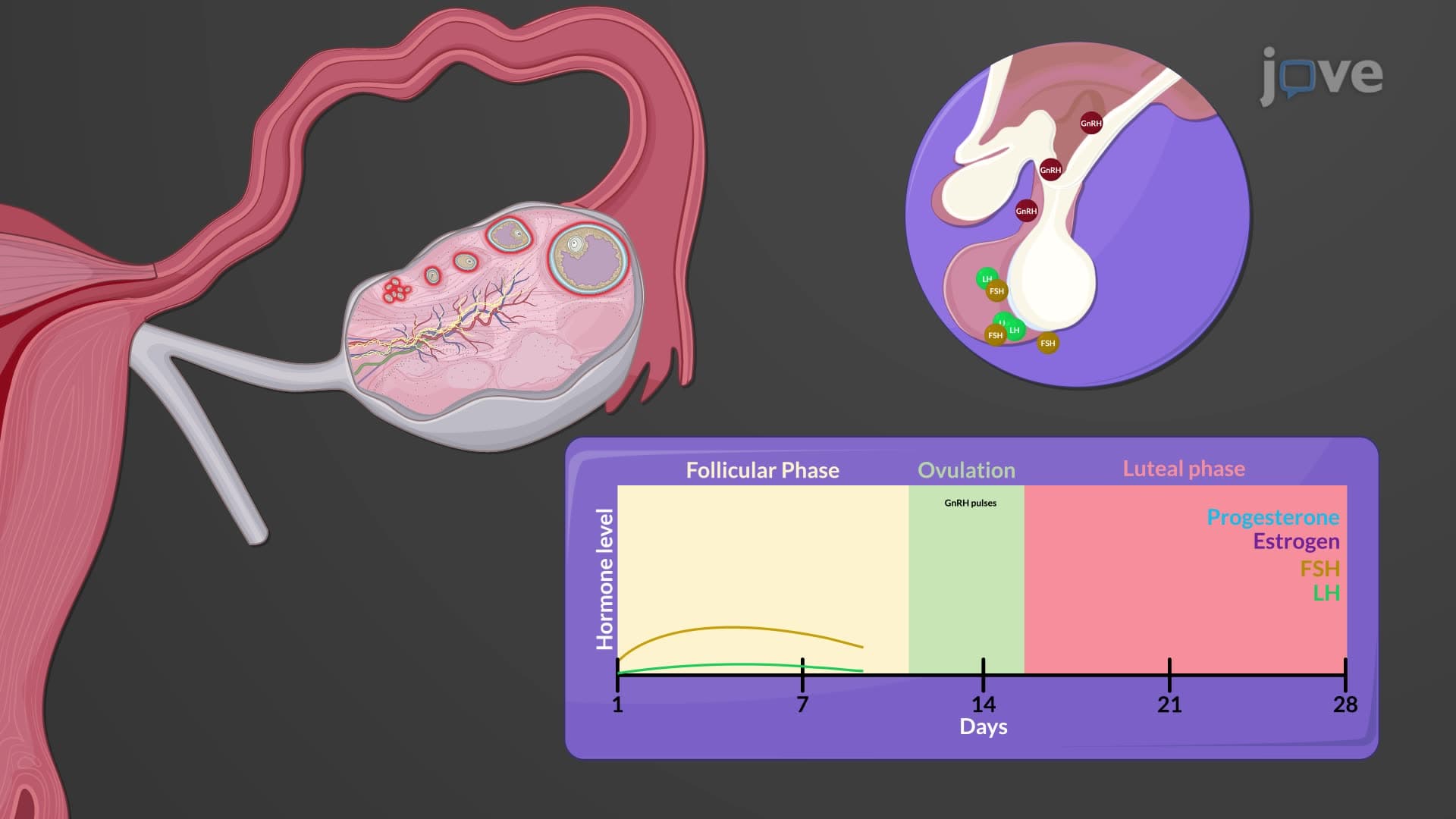
When fertilization fails to occur, the corpus luteum-a temporary endocrine structure formed after ovulation-begins its programmed degeneration. This critical event dramatically reduces circulating levels of estrogen and progesterone, the two hormones responsible for maintaining the endometrial lining. The sudden hormonal withdrawal acts like removing the foundation from a building, triggering a cascade of events that medical students studying for the MCAT must thoroughly understand.
The decreased hormone levels stimulate prostaglandin production, particularly prostaglandin F2α and prostaglandin E2. These inflammatory mediators cause powerful contractions of uterine spiral arterioles, effectively cutting off blood supply to the stratum functionalis. This process, known as ischemic necrosis, mirrors what occurs during a heart attack when coronary arteries become blocked-except this is a normal, healthy process essential for reproductive function.
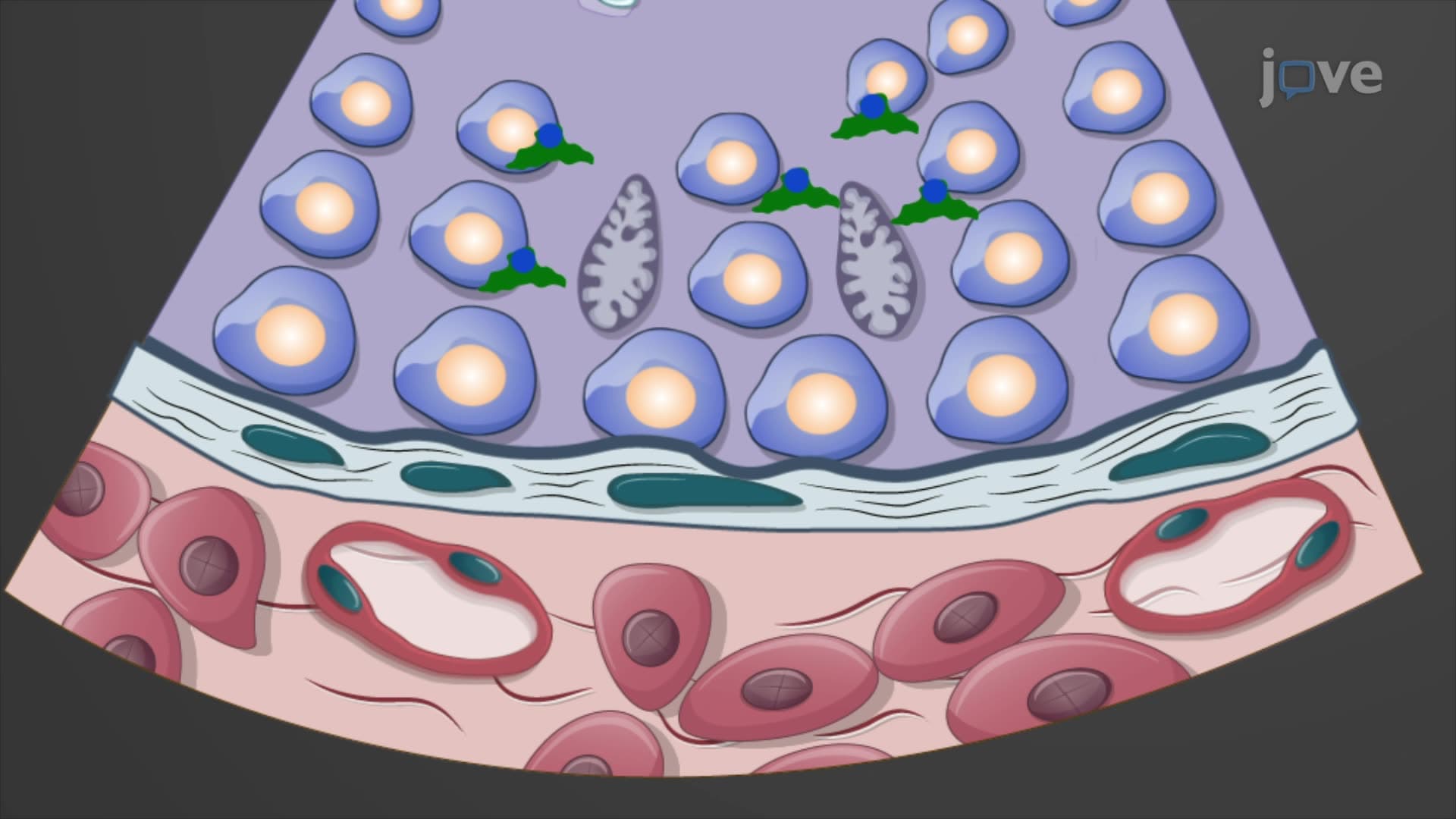
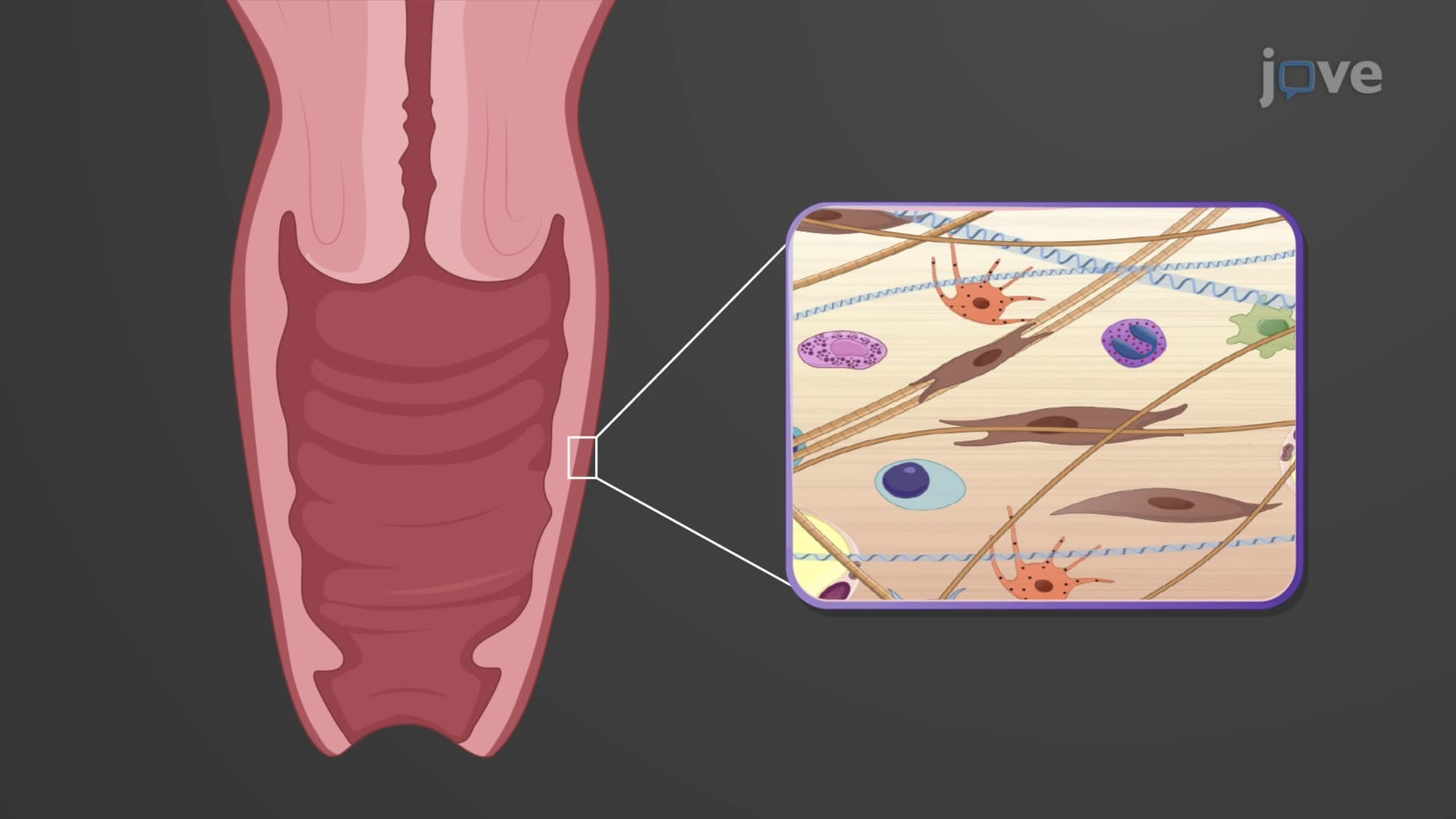
What is the menses phase of the menstrual cycle becomes clear when examining the tissue-level changes. The oxygen-deprived endometrial functional layer begins systematic breakdown, with secretory glands and supporting tissues deteriorating in an organized fashion. Weakened arterial walls eventually rupture, creating the characteristic blood menstrual discharge that defines menstruation.
The resulting menstrual fluid contains approximately 36% blood, along with vaginal secretions, cervical mucus, and endometrial tissue fragments. This composition explains why menstrual blood doesn't clot like regular blood-it's already been partially broken down by enzymes within the uterus. Students preparing for AP Biology exams should note that this enzymatic action prevents dangerous clot formation that could obstruct the cervical canal.
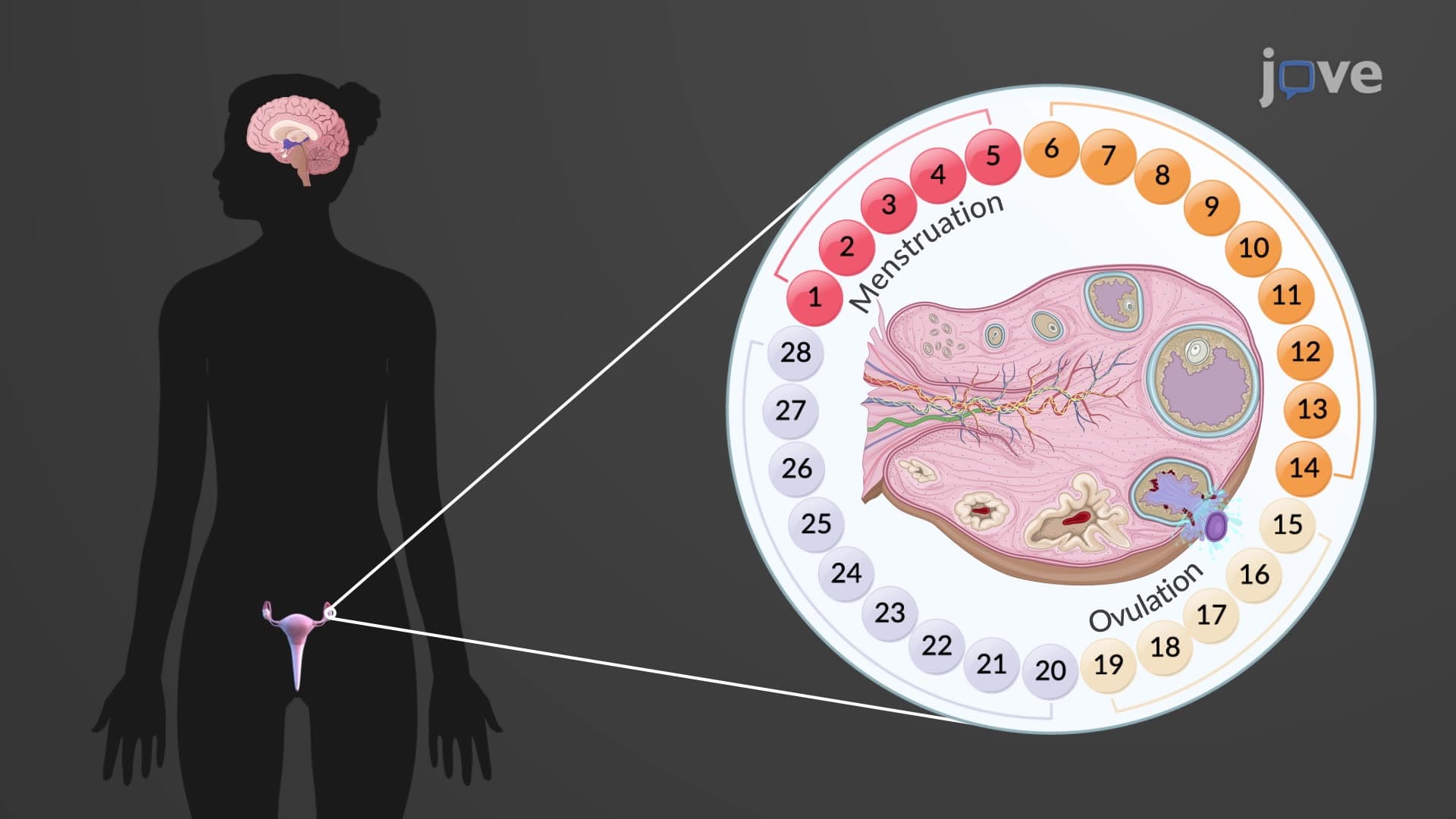
Understanding endometrial shedding menses proves crucial for healthcare professionals. On the NCLEX-RN examination, nurses must recognize normal versus abnormal menstrual patterns. Similarly, pre-med students taking the MCAT encounter questions about prostaglandin mechanisms and their role in prostaglandin menses cramping. The days 1-5 menses phase typically involves flow volumes between 5-40 mL daily, with total cycle blood loss averaging 30-40 mL-knowledge essential for diagnosing menorrhagia or other menstrual disorders in clinical practice.
Related Micro-courses