Loading video…


 37 Concepts
 141K views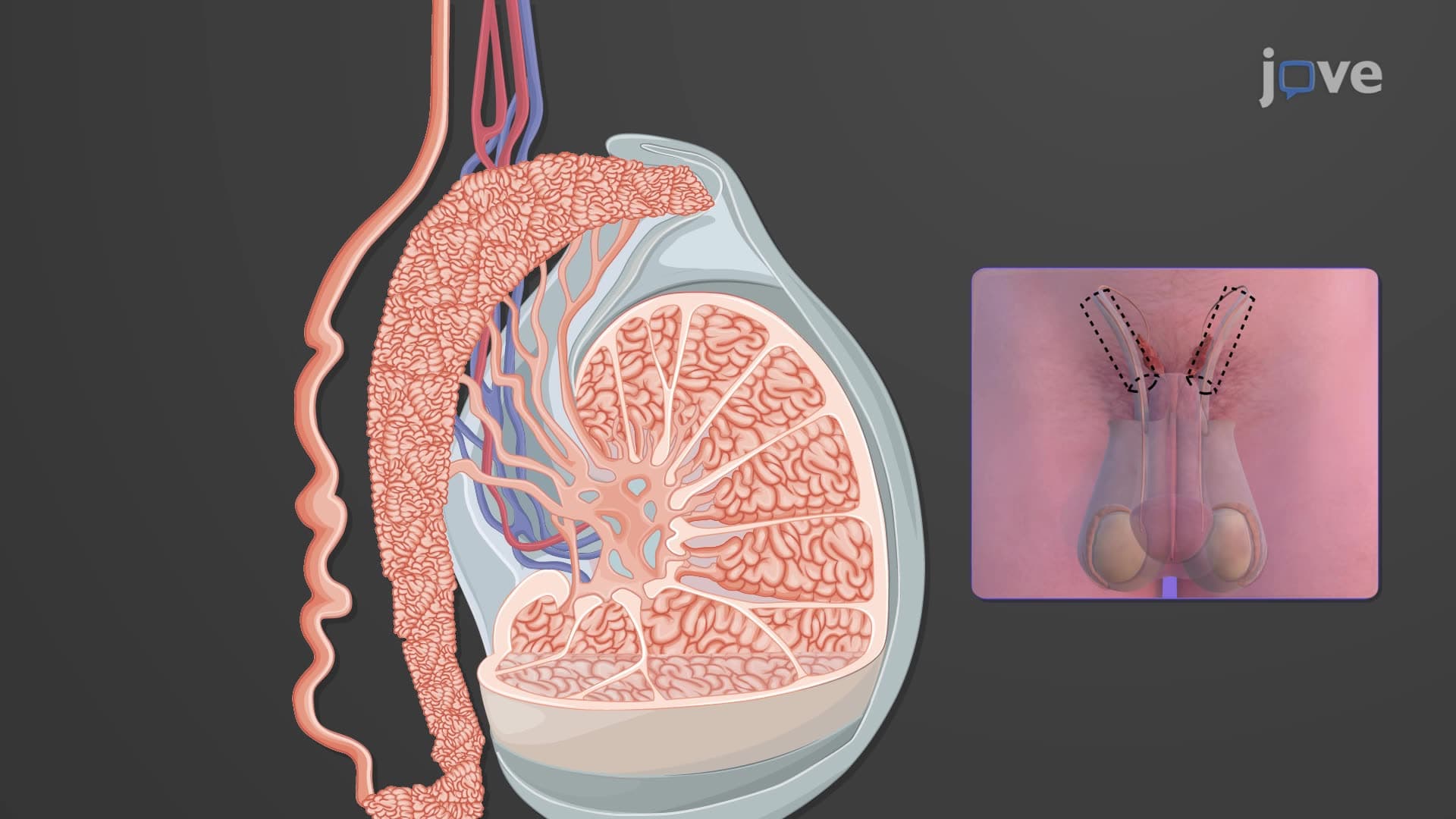

Video Summary: Accessory Ducts Male Reproductive System Explained
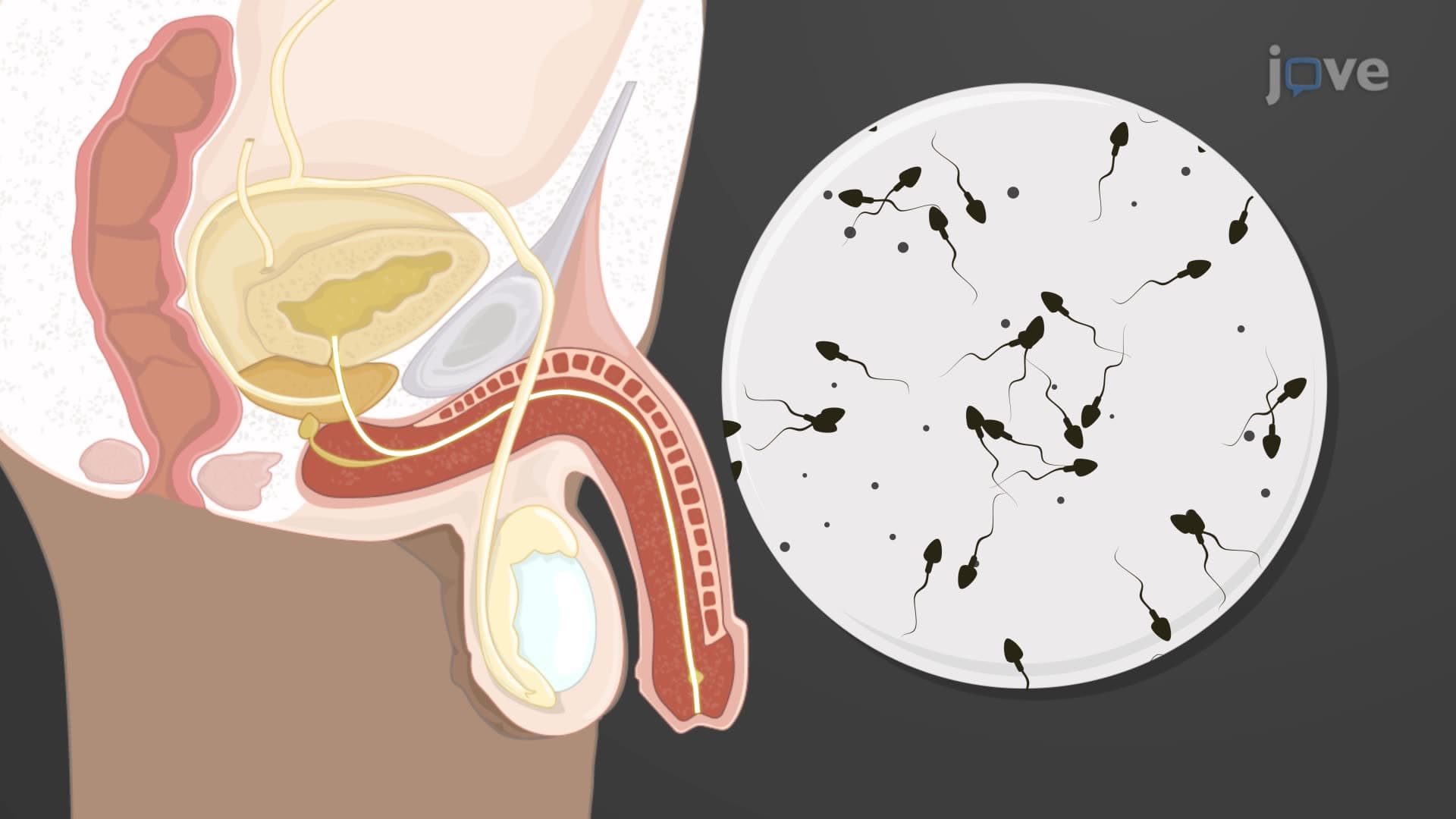
Did you know that sperm travel through nearly 50 meters of tubes before leaving the male body? The male reproductive accessory ducts form an intricate highway system that transforms immature sperm into fully functional cells capable of fertilization. This complex network includes the epididymis, vas deferens, ejaculatory duct, and urethra-each playing a critical role in sperm maturation and transport. Understanding these accessory ducts of the male reproductive system is essential for students studying human anatomy and physiology at institutions like UCLA Medical School. Watch the full video on JoVE Coach to master this concept with expert-led visuals and step-by-step explanations.
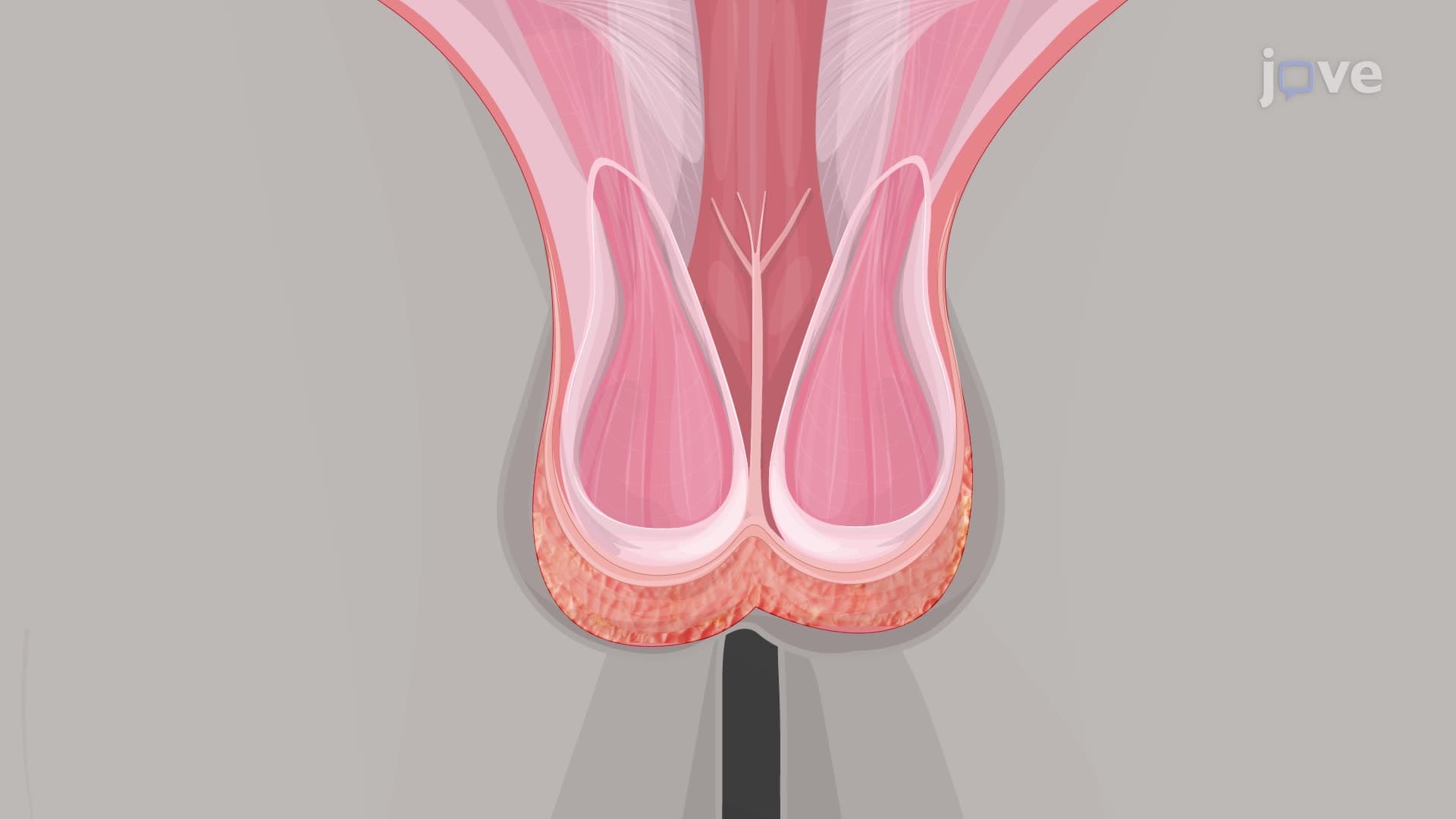
The male reproductive accessory ducts represent one of the most sophisticated transportation systems in human anatomy. These structures work in seamless coordination to ensure sperm undergo proper maturation while being efficiently transported from the testes to the external environment. For students preparing for the MCAT or AP Biology exams, mastering this system is crucial for understanding human reproduction.
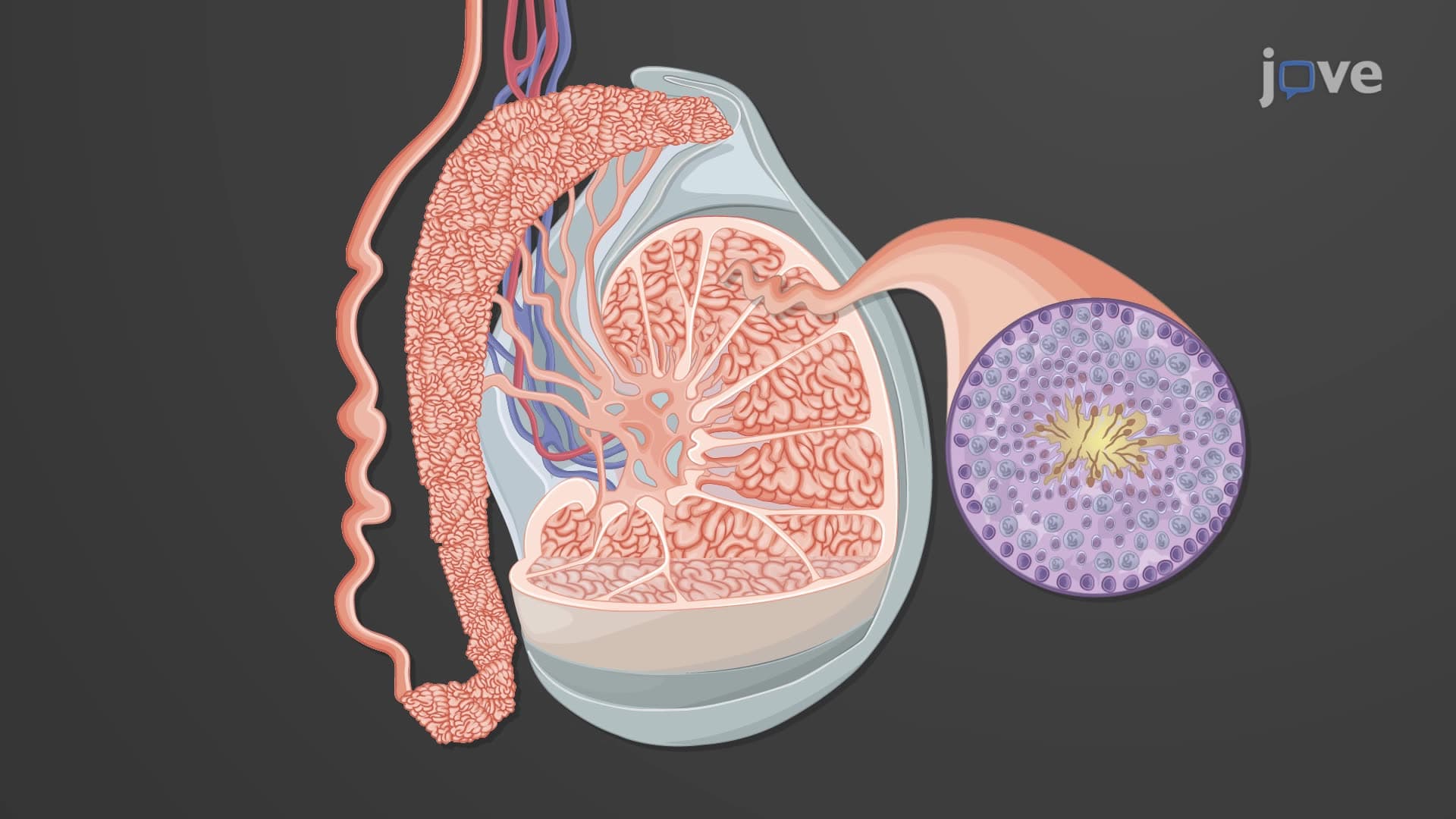
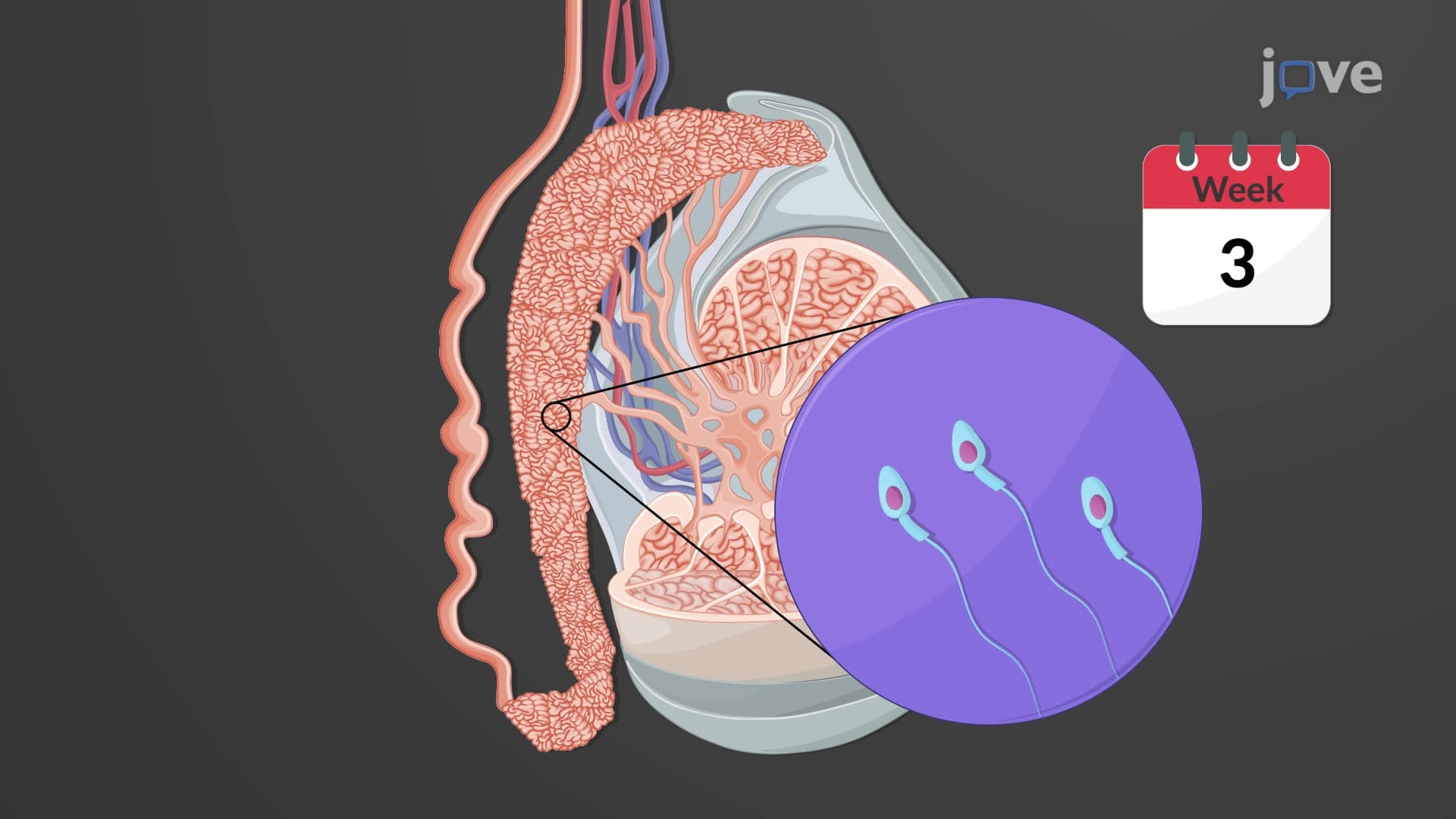
The epididymis serves as the primary maturation center for sperm cells. This C-shaped structure, measuring approximately 4 centimeters in length, contains a coiled ductus epididymis that stretches an impressive 7 meters when straightened. The epididymis anatomy reveals three distinct regions: the head (caput), body (corpus), and tail (cauda). During the 2-3 week journey through this structure, sperm acquire motility and the ability to fertilize an egg. Medical students at Harvard Medical School often study epididymal dysfunction as a cause of male infertility, making this structure clinically relevant.
The vas deferens anatomy male students study reveals a muscular tube approximately 45 centimeters long that serves as the main transport conduit for mature sperm. This structure travels from the epididymis through the inguinal canal-the same pathway hernias can develop, making it relevant for both anatomy and clinical medicine. The vas deferens possesses thick smooth muscle walls that contract during ejaculation, propelling sperm toward the ejaculatory duct. This is the structure targeted during vasectomy procedures, a common form of male contraception performed over 500,000 times annually in the United States.
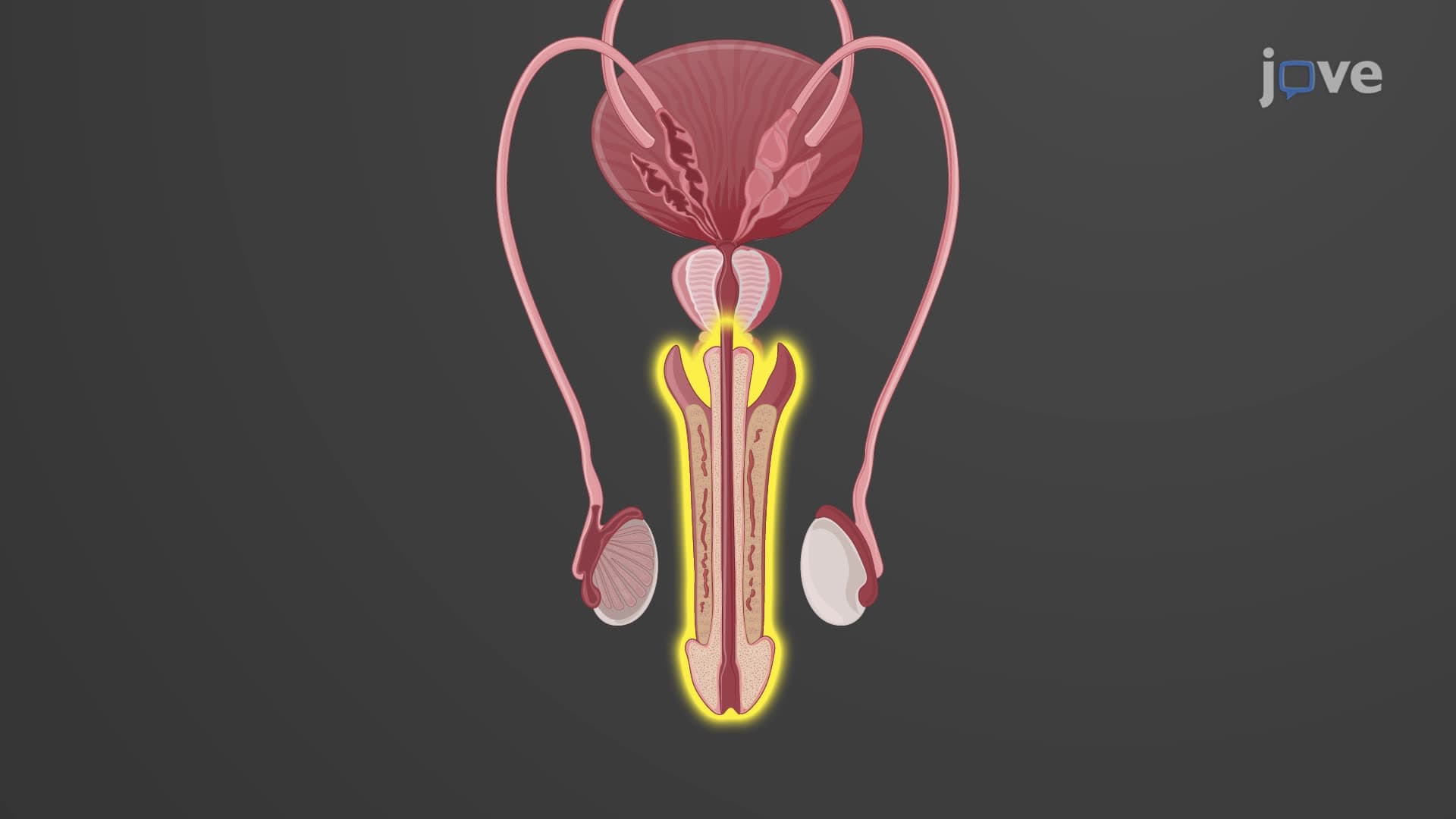
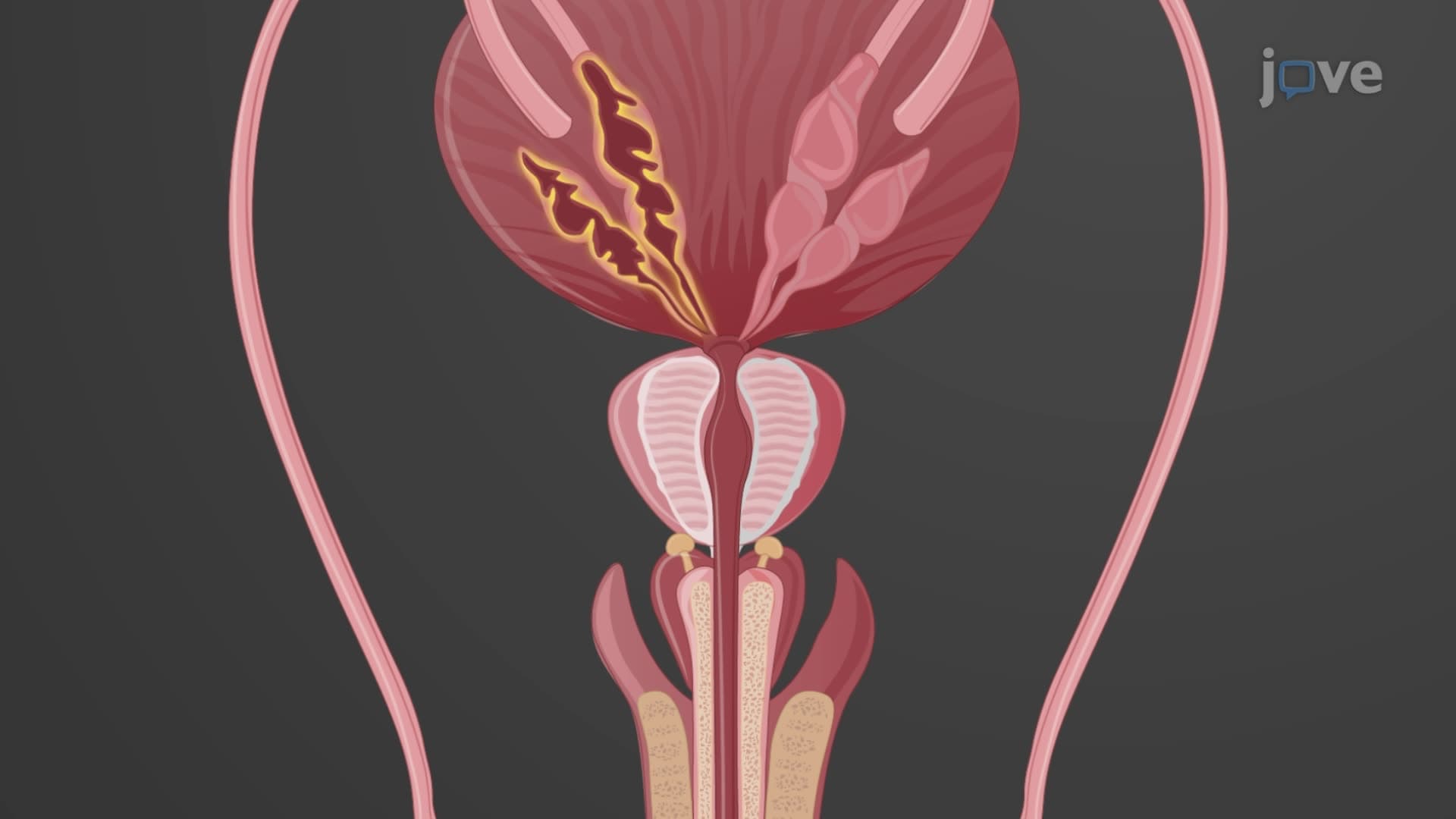
The ejaculatory duct male system represents where the reproductive and accessory gland systems converge. These 2-centimeter structures form when the vas deferens joins with seminal vesicle ducts, creating the final pathway before the urethra. The male duct system anatomy concludes with the urethra, which serves the dual purpose of transporting both urine and semen, though never simultaneously due to physiological mechanisms that prevent mixing.
For college students studying human physiology, understanding these reproductive duct male structures is essential for comprehending fertility, contraception, and various urological conditions that affect millions of American men annually.
Related Micro-courses