Loading video…


 37 Concepts
 141K views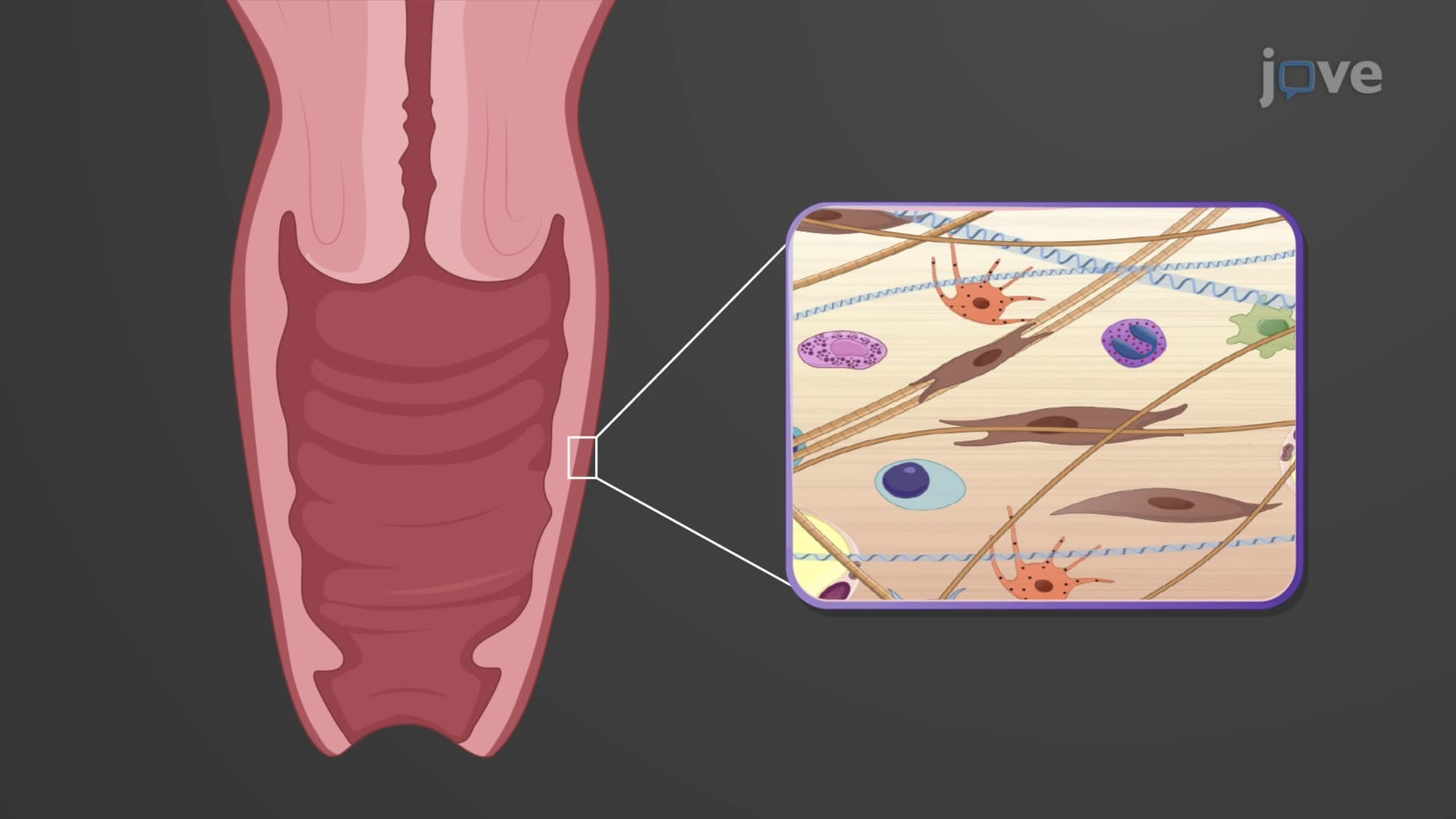

Video Summary: What Is Vagina
Did you know the vagina anatomy biology creates one of the human body's most acidic environments, with a pH similar to tomatoes? Understanding what is the vagina in female anatomy is crucial for students studying reproductive health in AP Biology or preparing for healthcare careers like nursing programs at Johns Hopkins University. The vagina functions as both a reproductive passage and protective barrier through its unique three-layer structure and specialized cellular composition. Watch the full video on JoVE Coach to master this concept with expert-led visuals and step-by-step explanations.
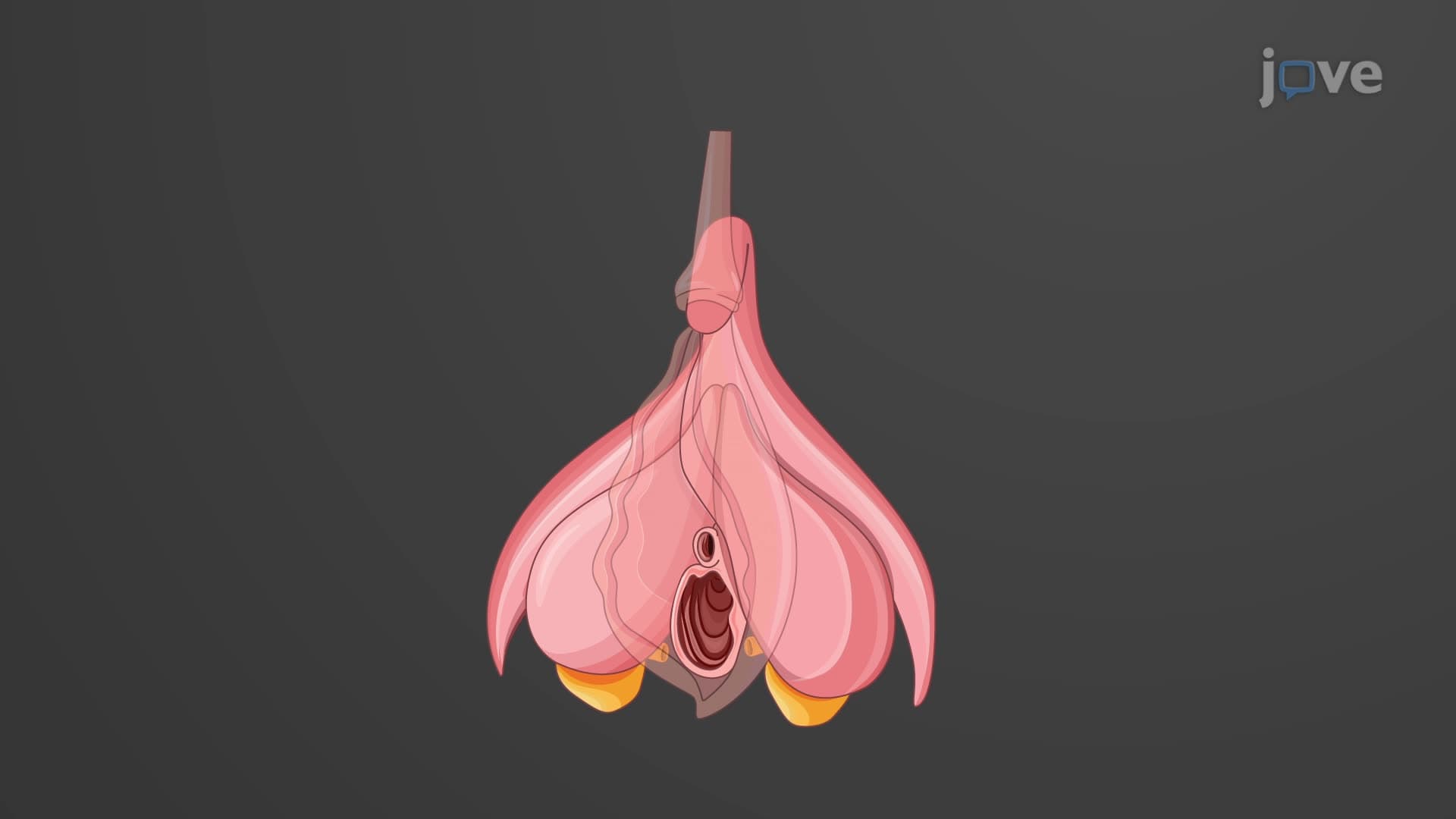
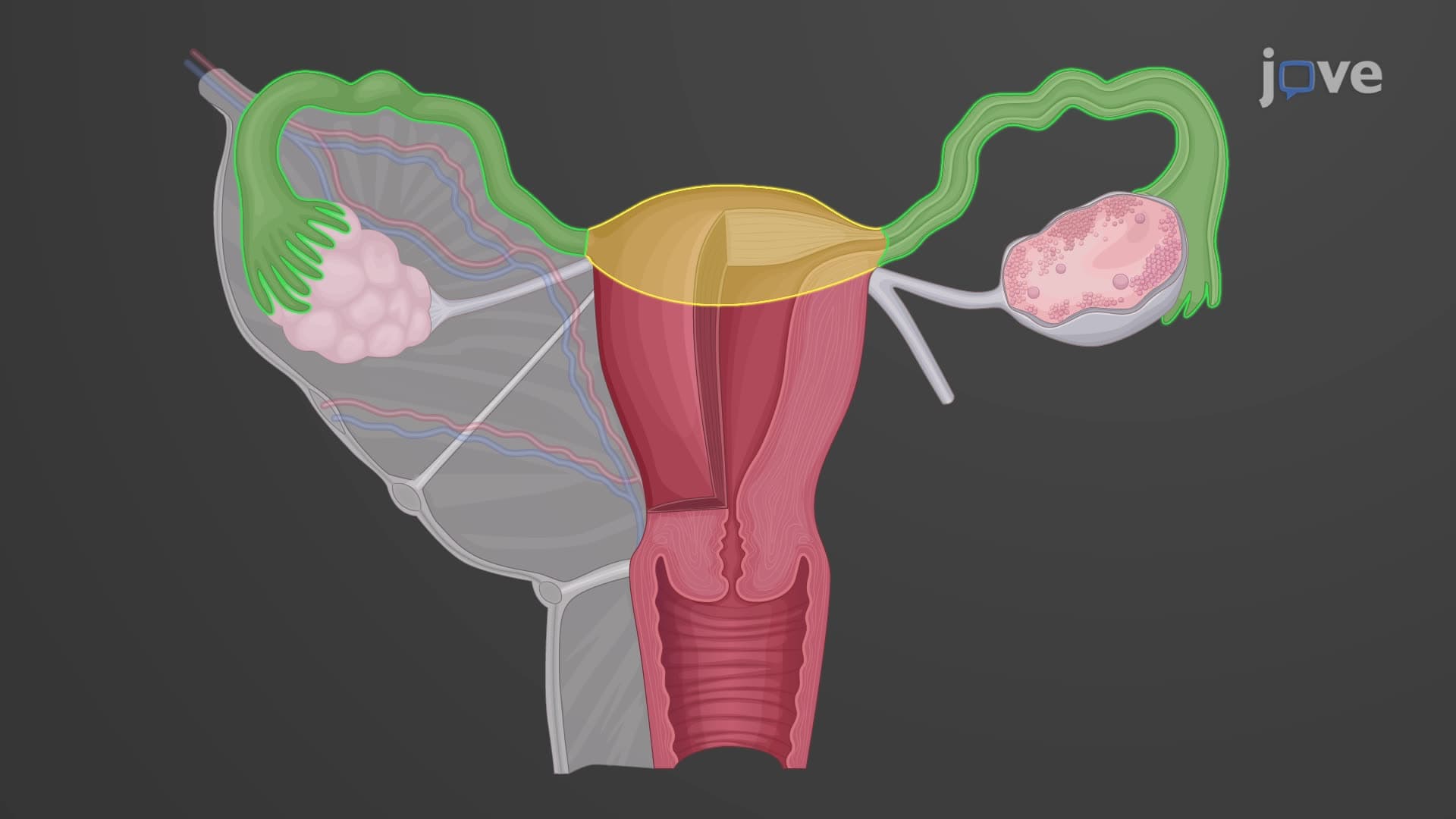
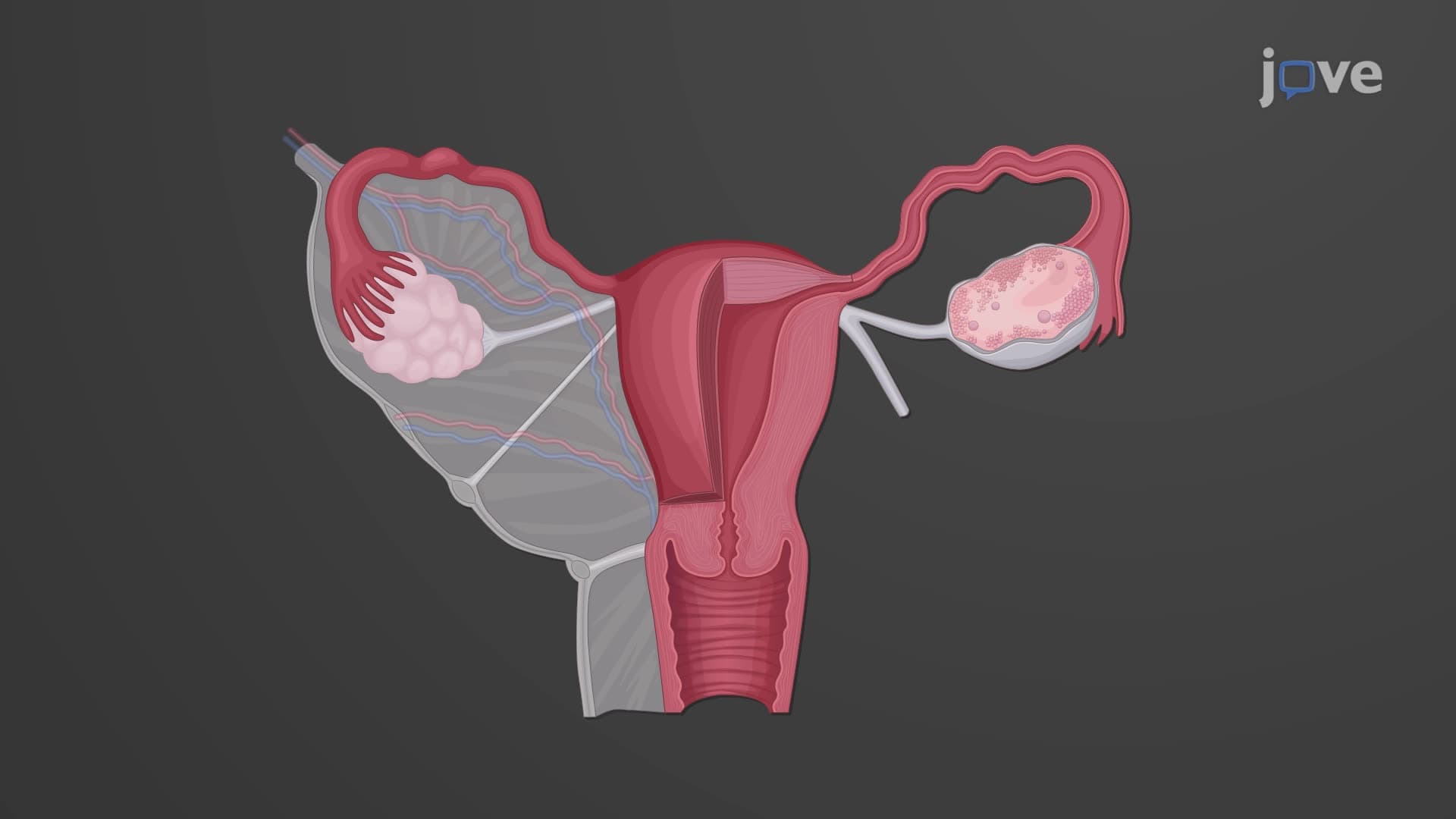
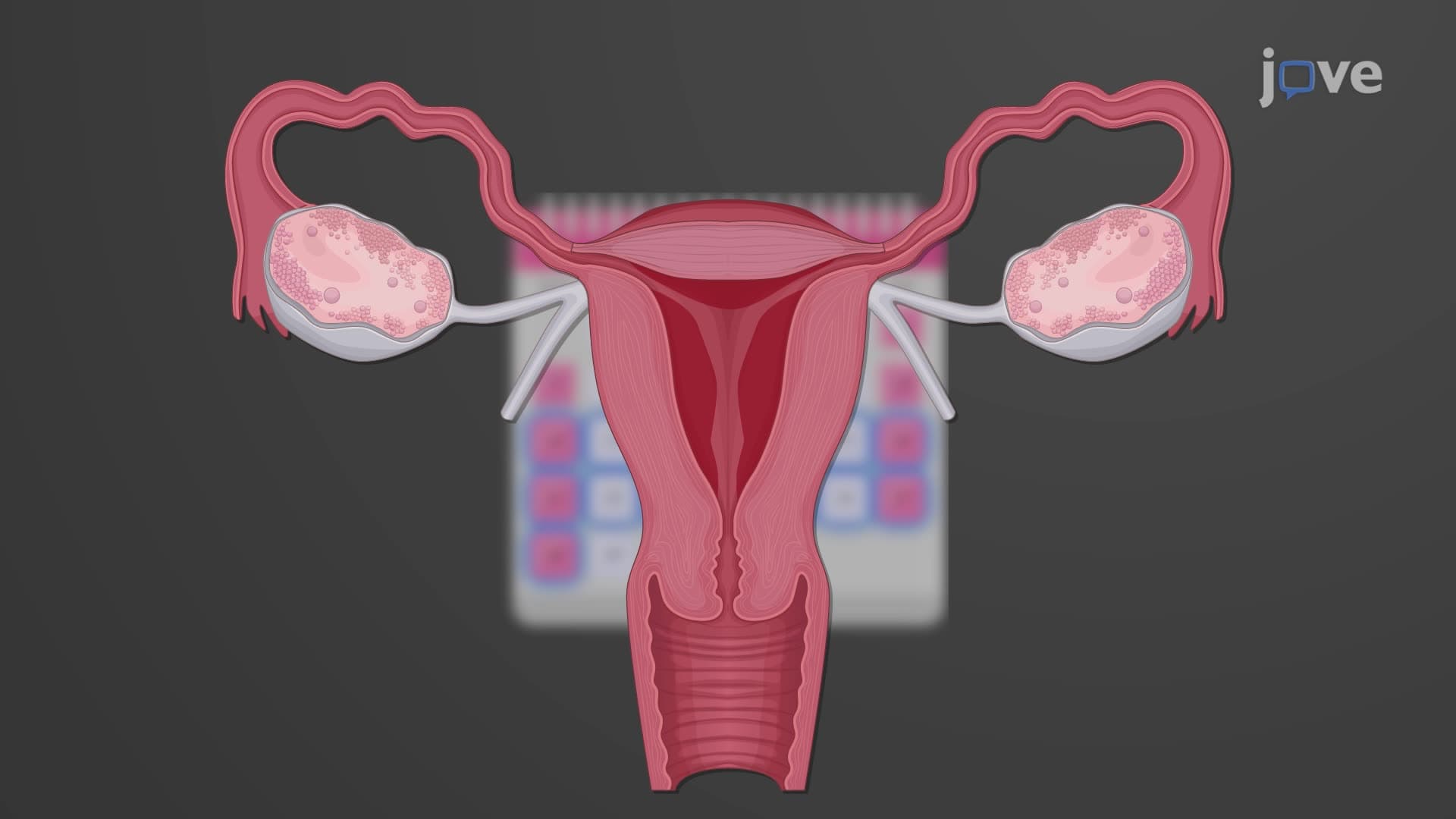
The vagina anatomy biology represents a sophisticated biological structure essential for reproduction and health. This fibromuscular canal, measuring approximately 7-10 centimeters in length, serves multiple critical functions in female reproductive anatomy. Located in the pelvic cavity between the bladder anteriorly and rectum posteriorly, the vagina demonstrates remarkable adaptability and protective mechanisms that medical students encounter in courses like those at Harvard Medical School's anatomy curriculum.
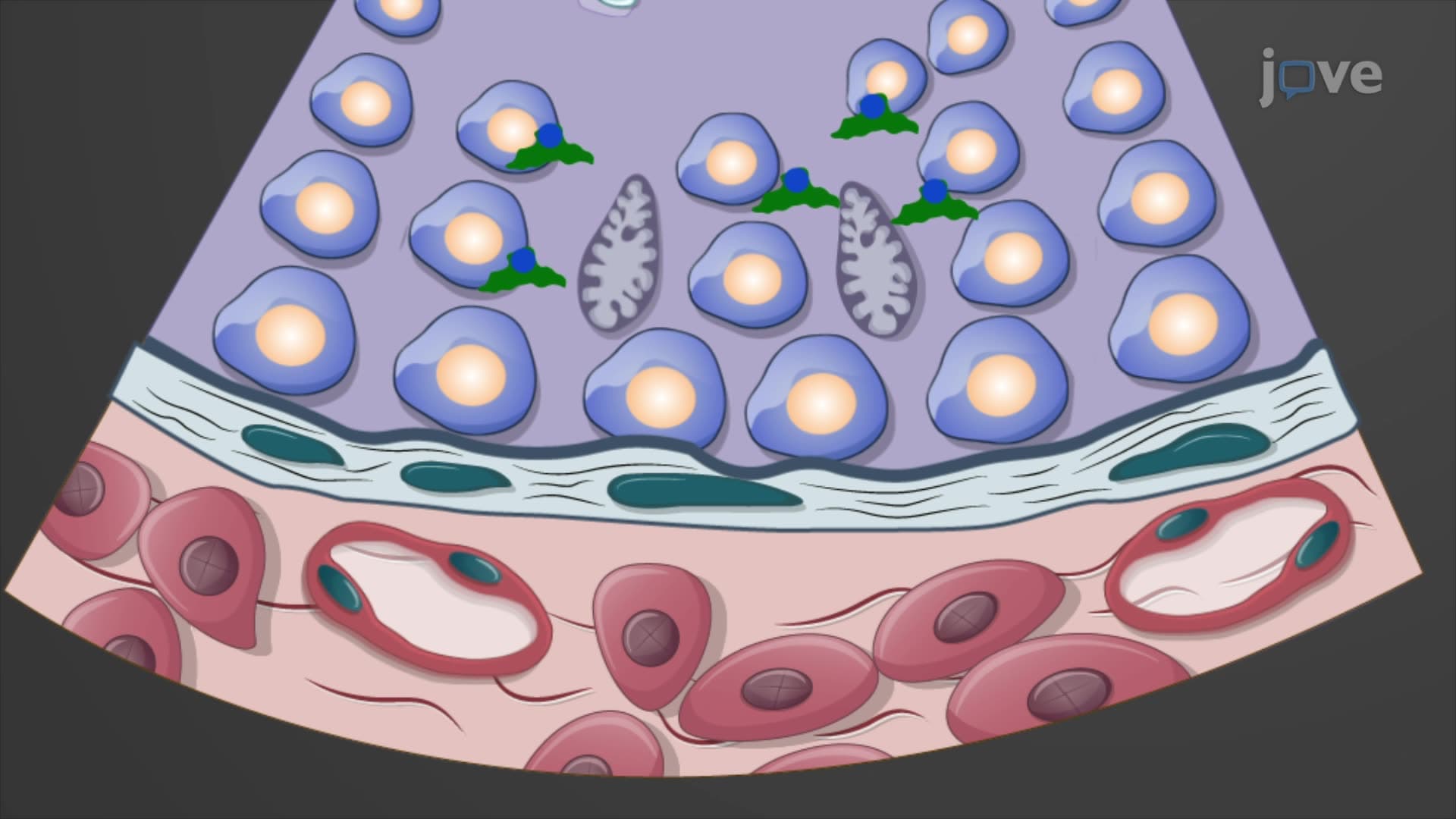
The vaginal structure function explained becomes clear when examining its three distinct layers. The innermost mucosa contains nonkeratinized stratified squamous epithelium, creating a protective barrier that can withstand mechanical stress. This layer features vaginal rugae anatomy-transverse folds that allow significant expansion during childbirth and sexual activity. Beneath lies areolar connective tissue rich in blood vessels and nerve endings, supporting the epithelial layer's metabolic needs.
The muscularis layer consists of smooth muscle arranged in inner circular and outer longitudinal orientations, providing the contractile force necessary for reproductive functions. Students preparing for the MCAT often encounter questions about this muscular arrangement and its clinical significance in obstetrics.
Understanding what is the vagina in female anatomy requires grasping its unique biochemical properties. Vaginal epithelial cells store substantial glycogen reserves, which bacterial flora metabolize into lactic acid, creating an acidic environment with pH 3.8-4.5. This acidity, comparable to coffee or wine, inhibits pathogenic microorganisms but can challenge sperm survival-a concept frequently tested in AP Biology exams.
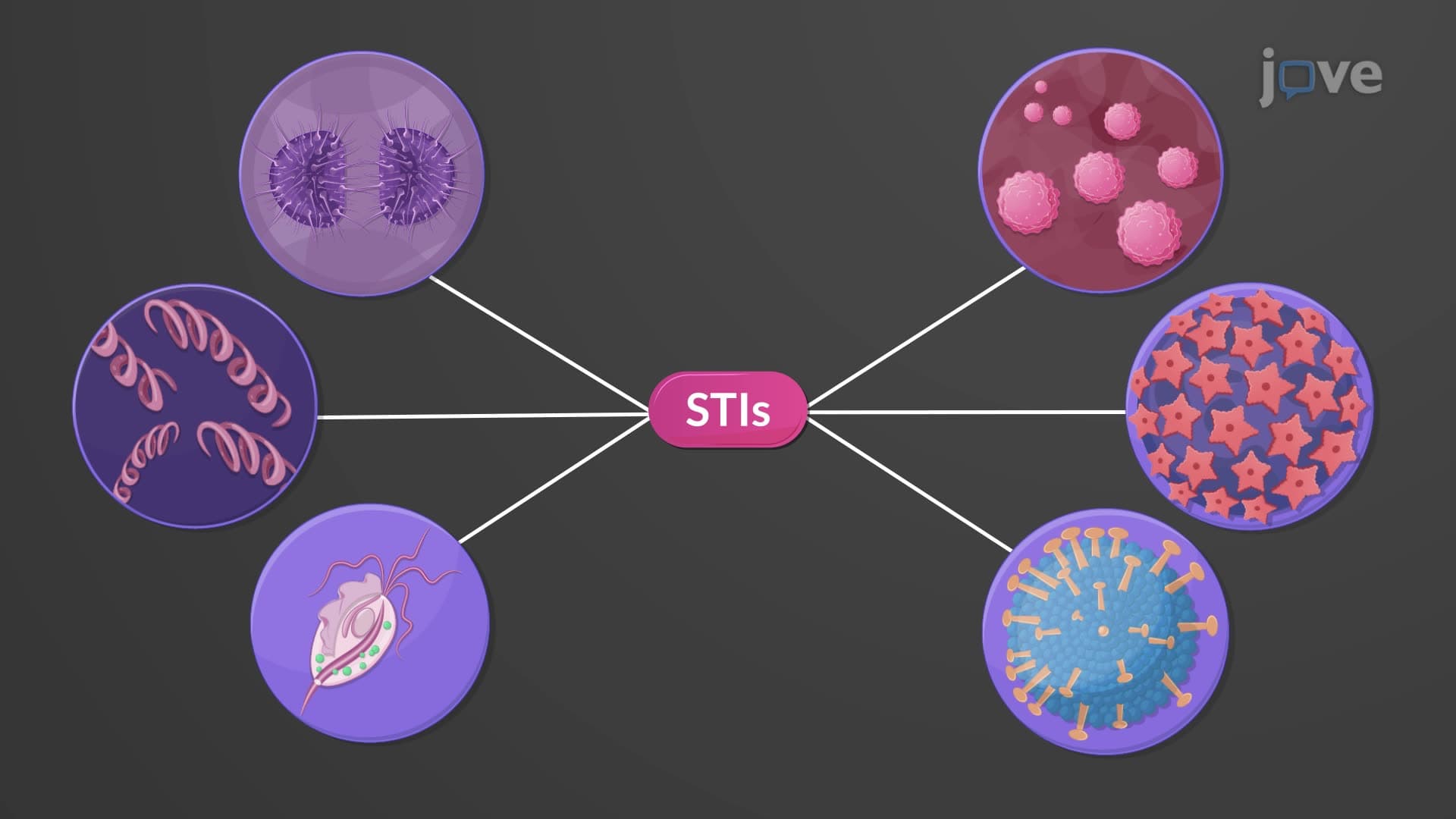
Dendritic cells within the mucosa function as antigen-presenting cells, initiating immune responses against potential pathogens. However, these same cells can facilitate viral transmission, including HIV, making this topic relevant for students entering public health programs at institutions like the CDC or state health departments.
The vaginal fornix anatomy describes the deepest portions surrounding the cervix, creating four recesses (anterior, posterior, and two lateral fornices) where the vaginal wall meets the cervical projection. The posterior fornix, being the deepest, often serves as an access point for clinical procedures, a concept emphasized in nursing programs preparing students for NCLEX examinations.
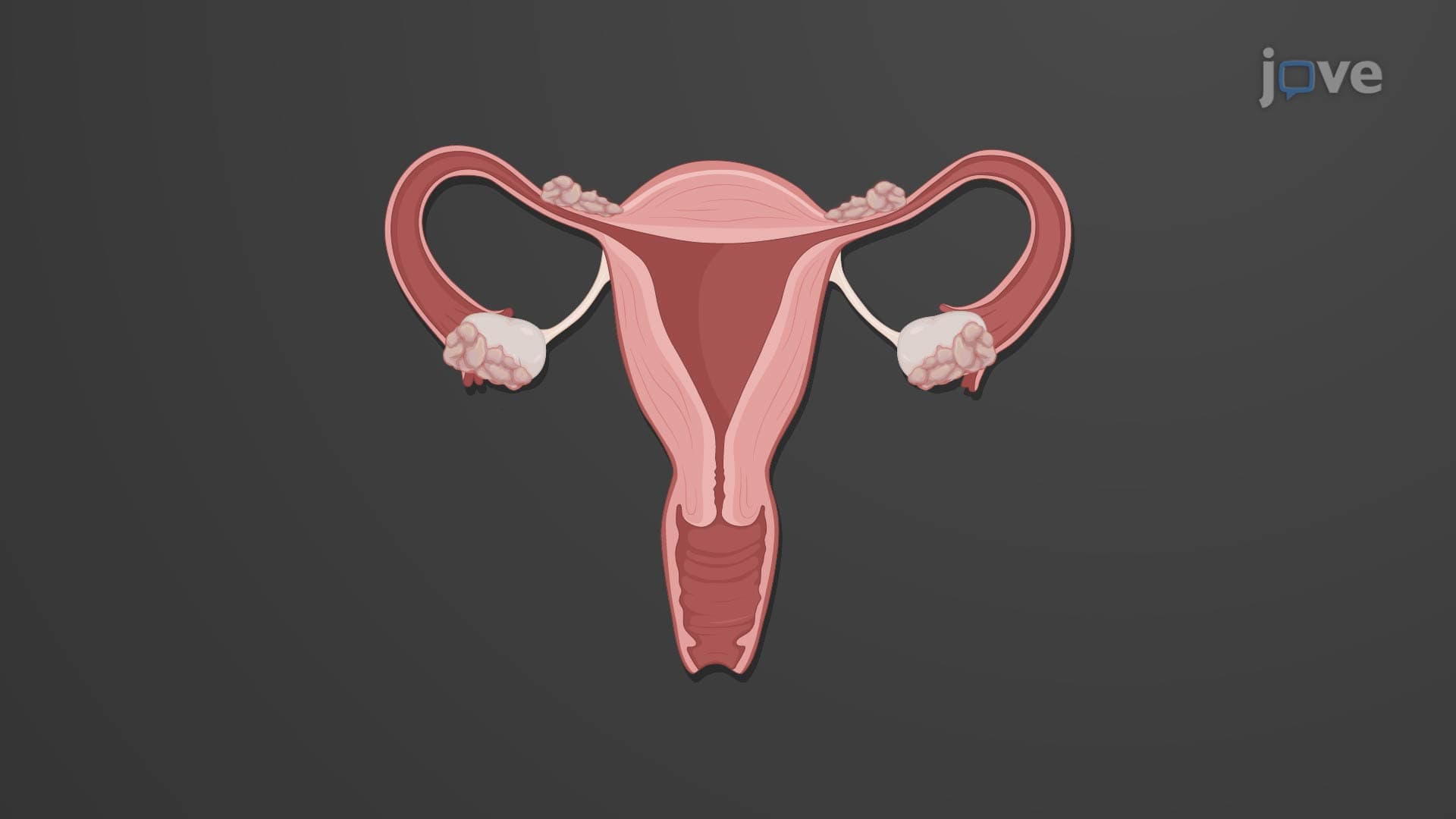
The cervix vaginal junction represents a critical transition zone where columnar epithelium of the cervix meets the stratified squamous epithelium of the vagina. This transformation zone holds particular significance in gynecological health, frequently appearing in USMLE Step 1 questions regarding cervical pathology and screening procedures used in American healthcare systems.
Related Micro-courses