Loading video…


 37 Concepts
 141K views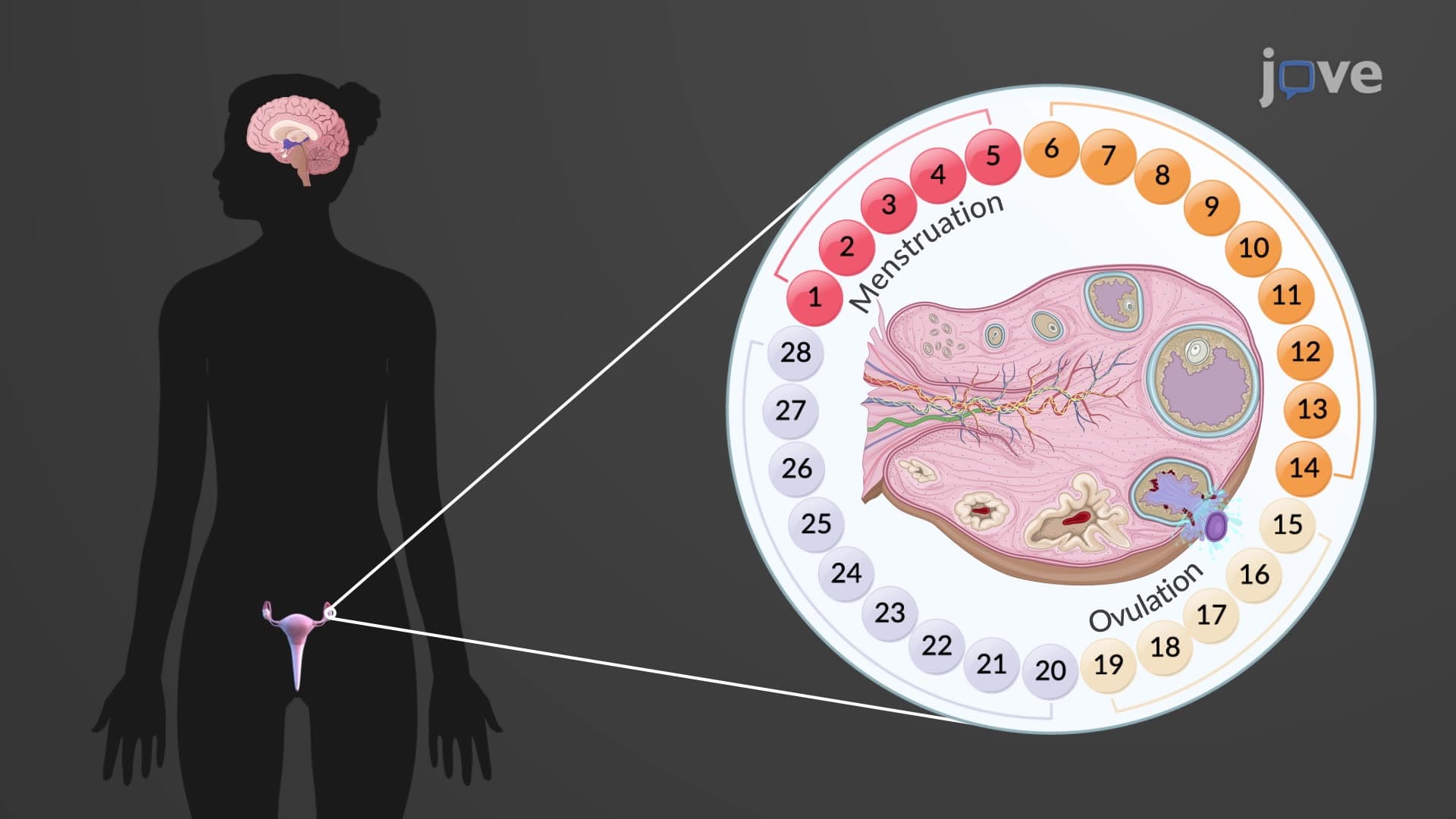

Video Summary: What Is Hormonal Control Ovarian Cycle
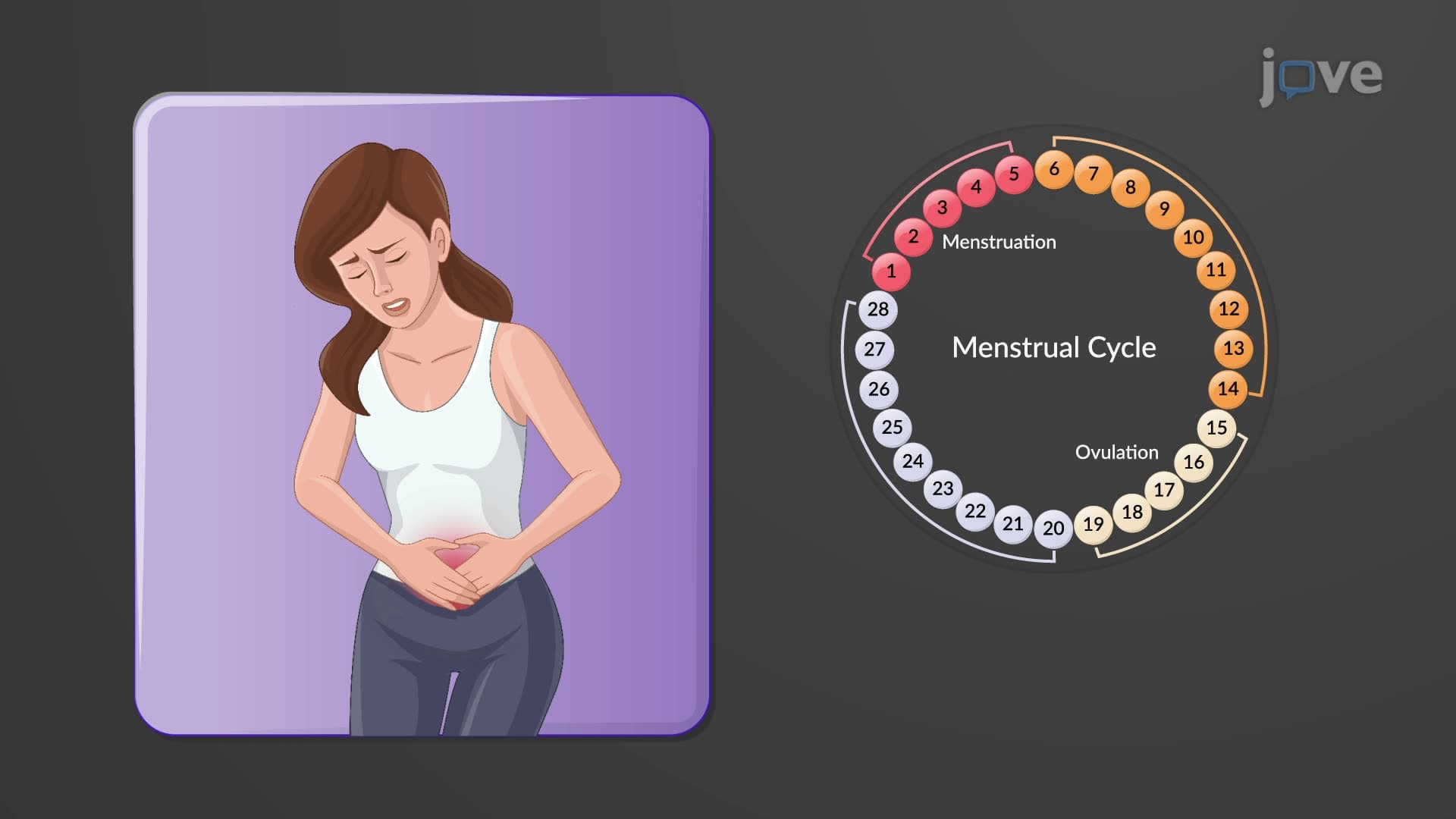
Every 28 days, women of reproductive age experience a precisely orchestrated dance of hormones that makes pregnancy possible-but how does the body coordinate this complex hormonal control ovarian cycle so perfectly? The hypothalamic-pituitary-gonadal axis regulates monthly egg release through intricate feedback loops involving GnRH, FSH, and LH. For instance, female athletes training for the Olympics often experience disrupted cycles due to intense physical stress affecting this delicate hormonal balance. Watch the full video on JoVE Coach to master this concept with expert-led visuals and step-by-step explanations.
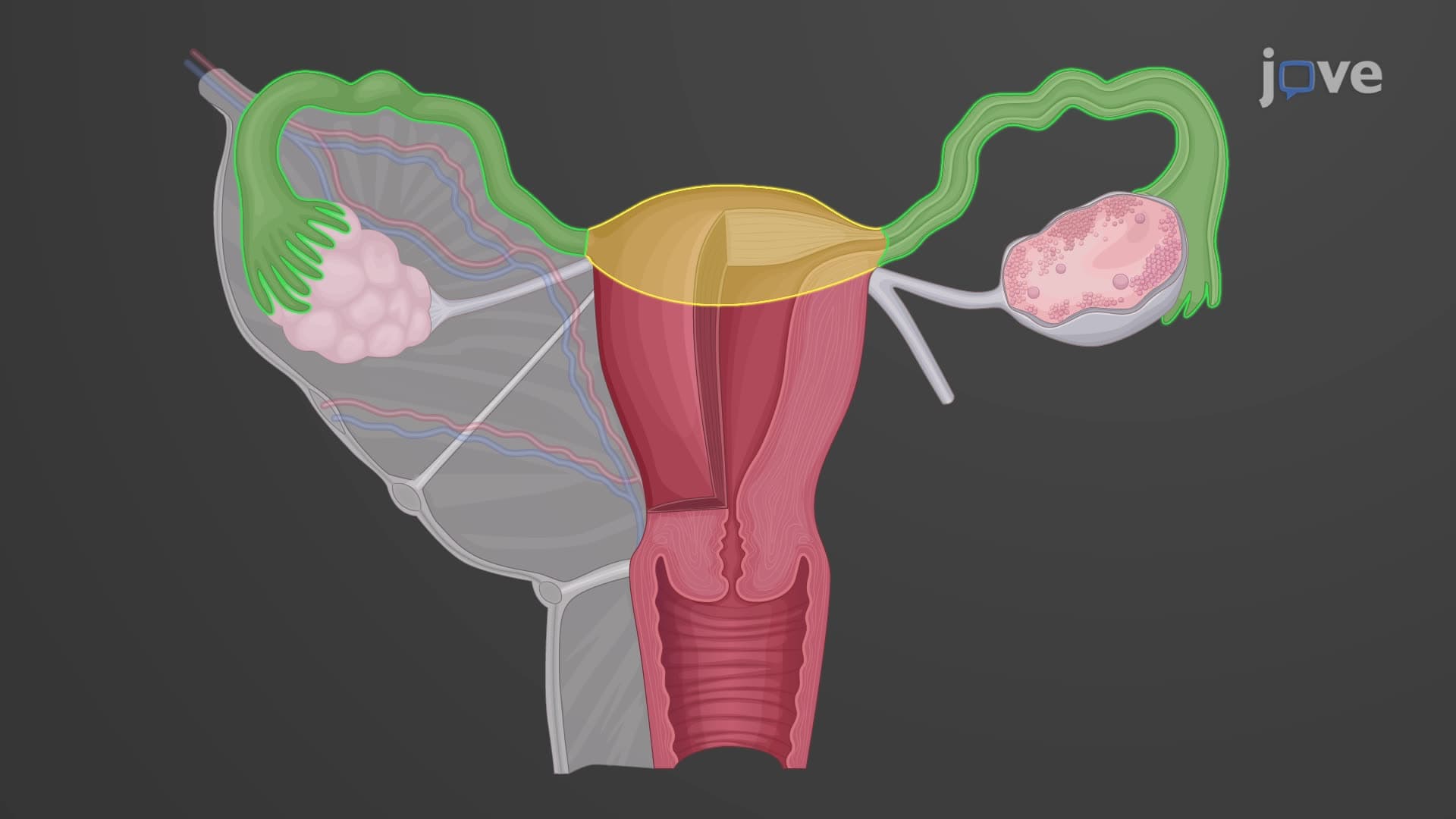
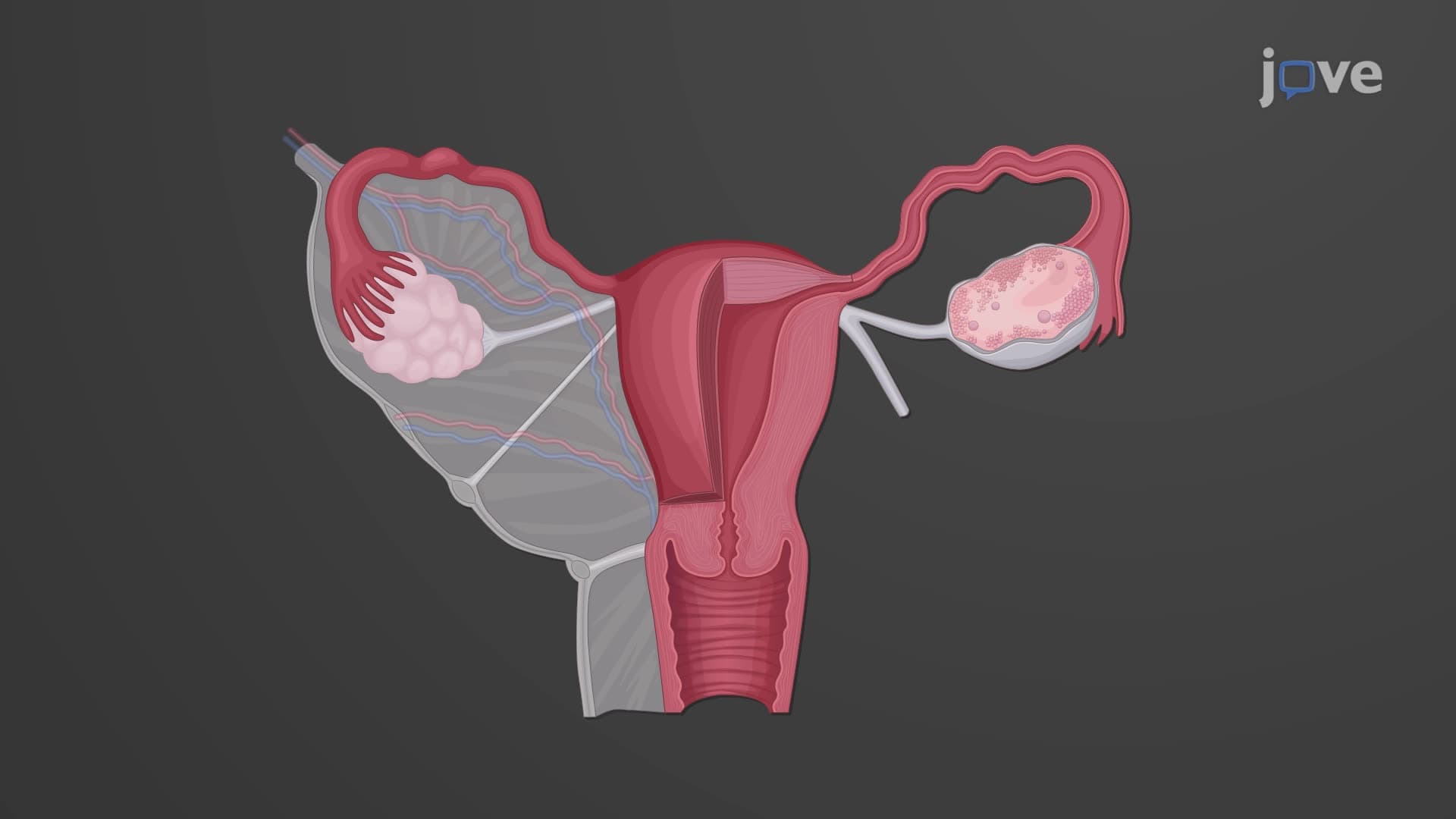
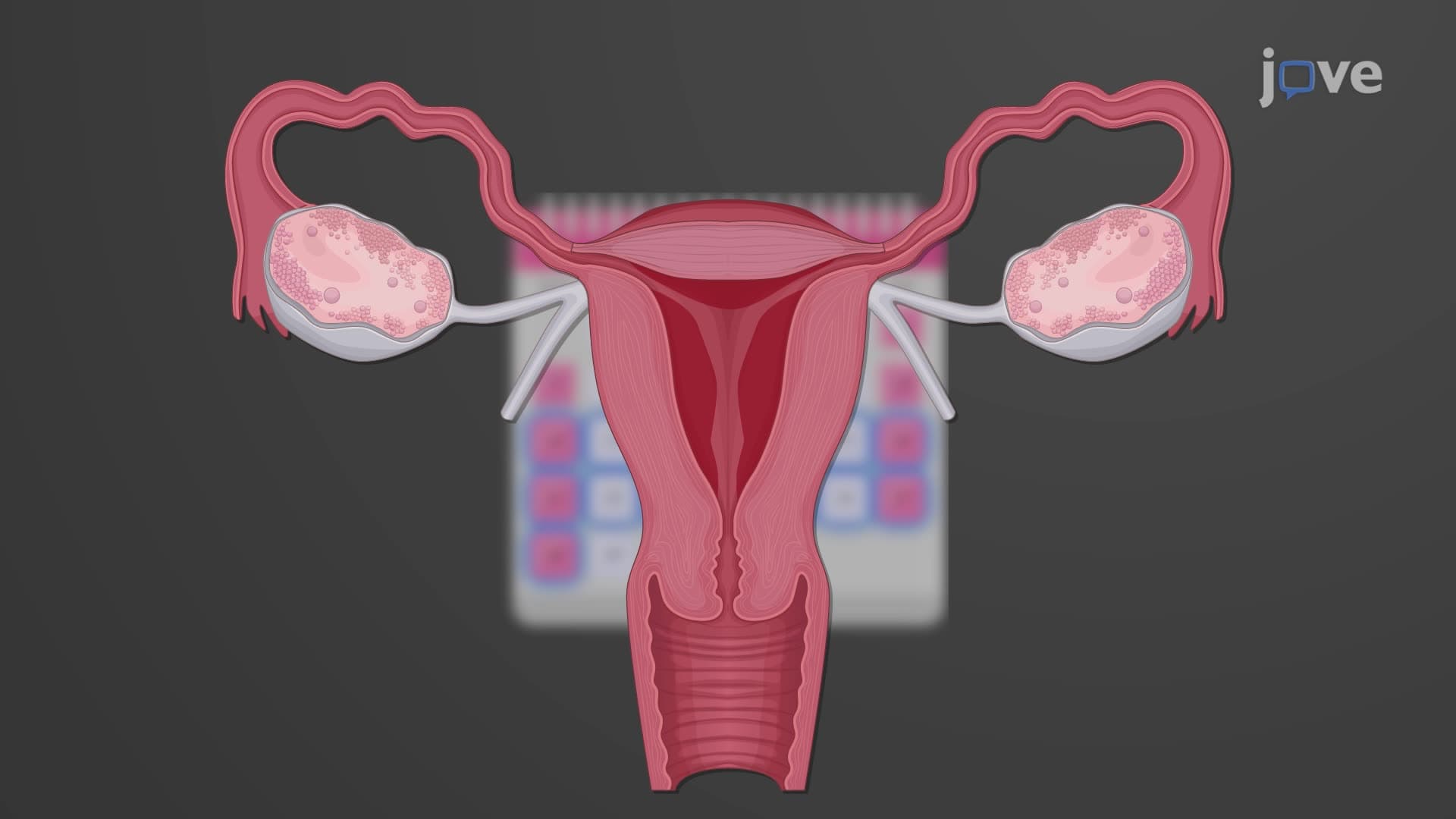
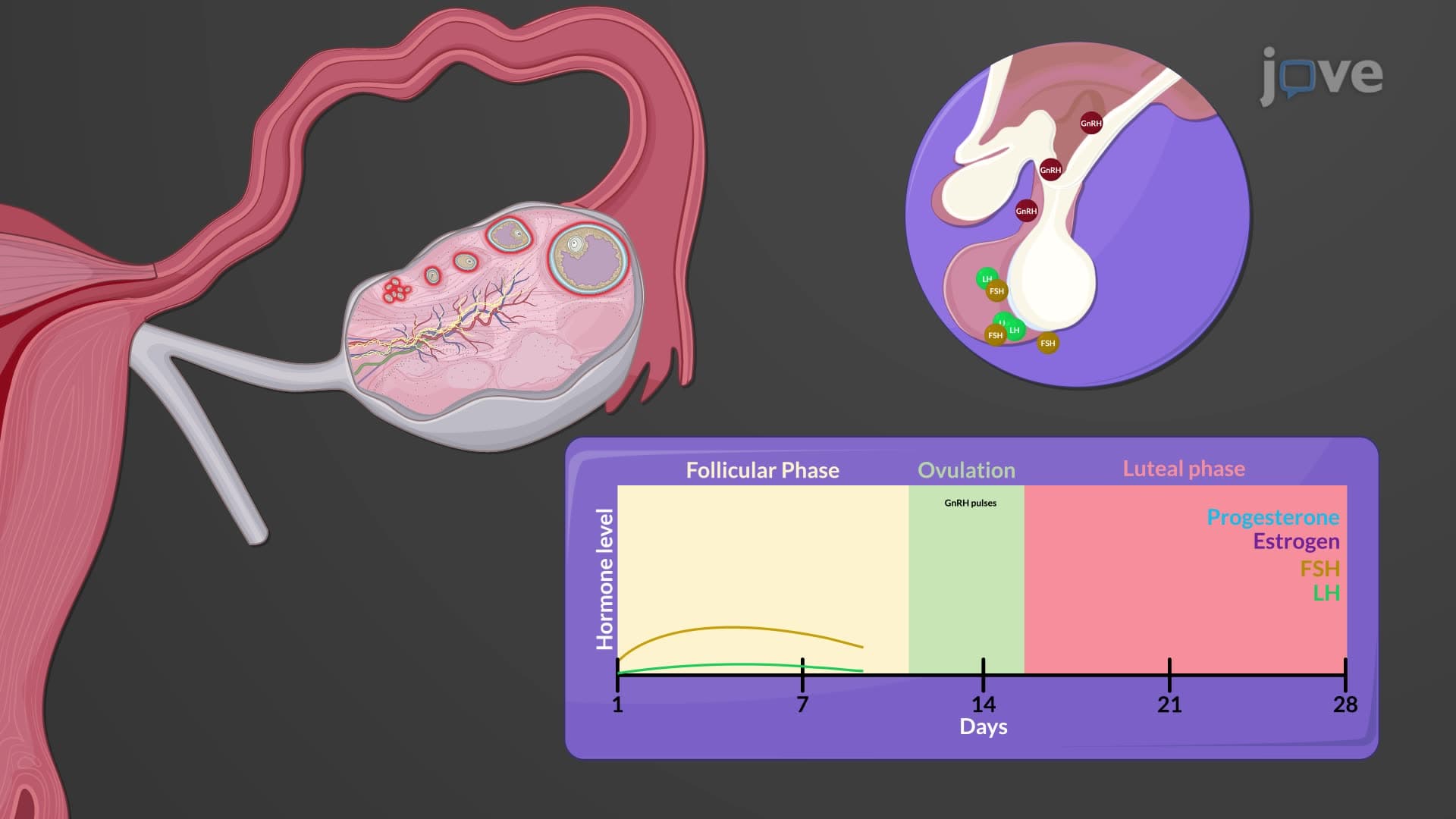
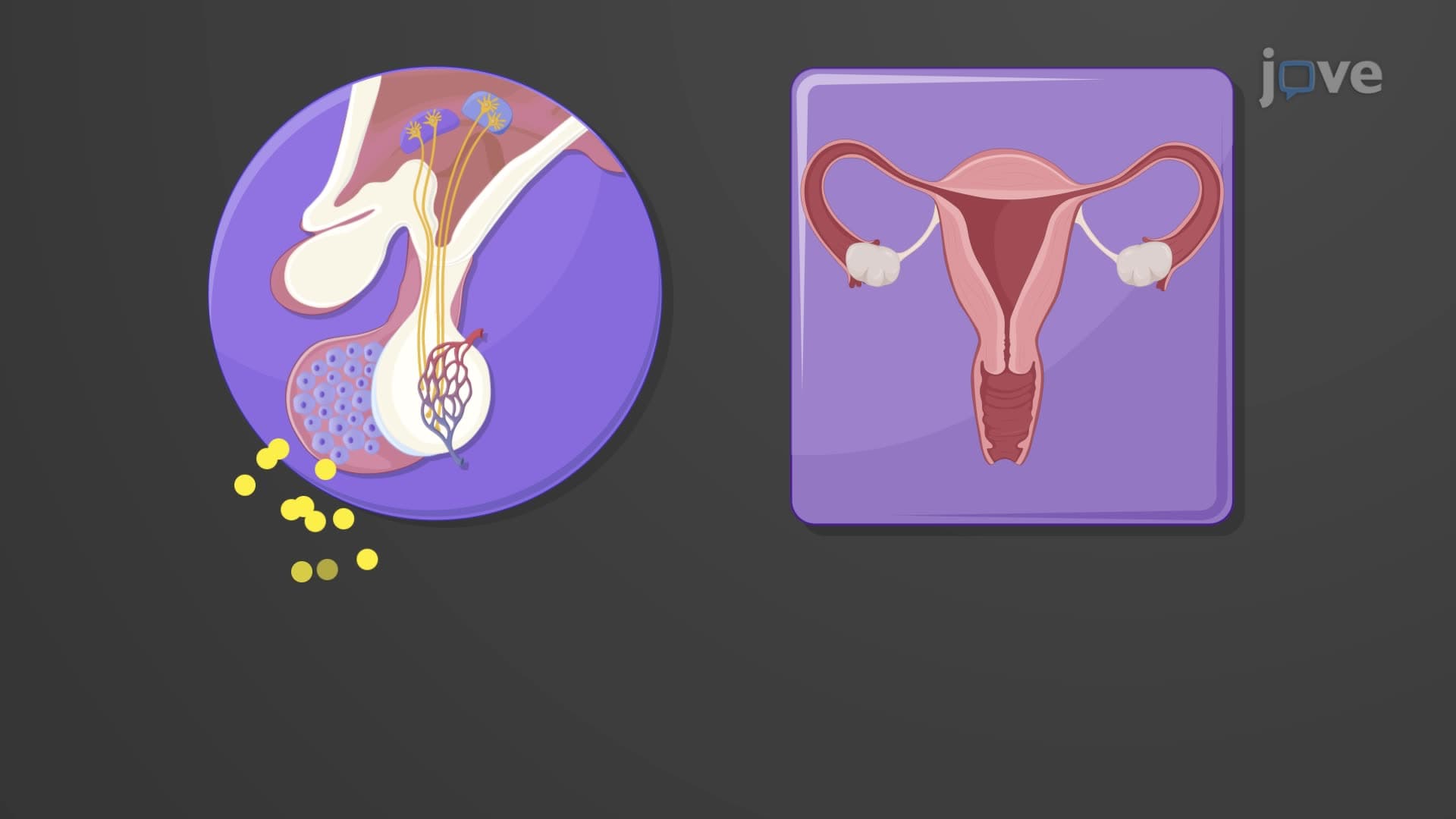
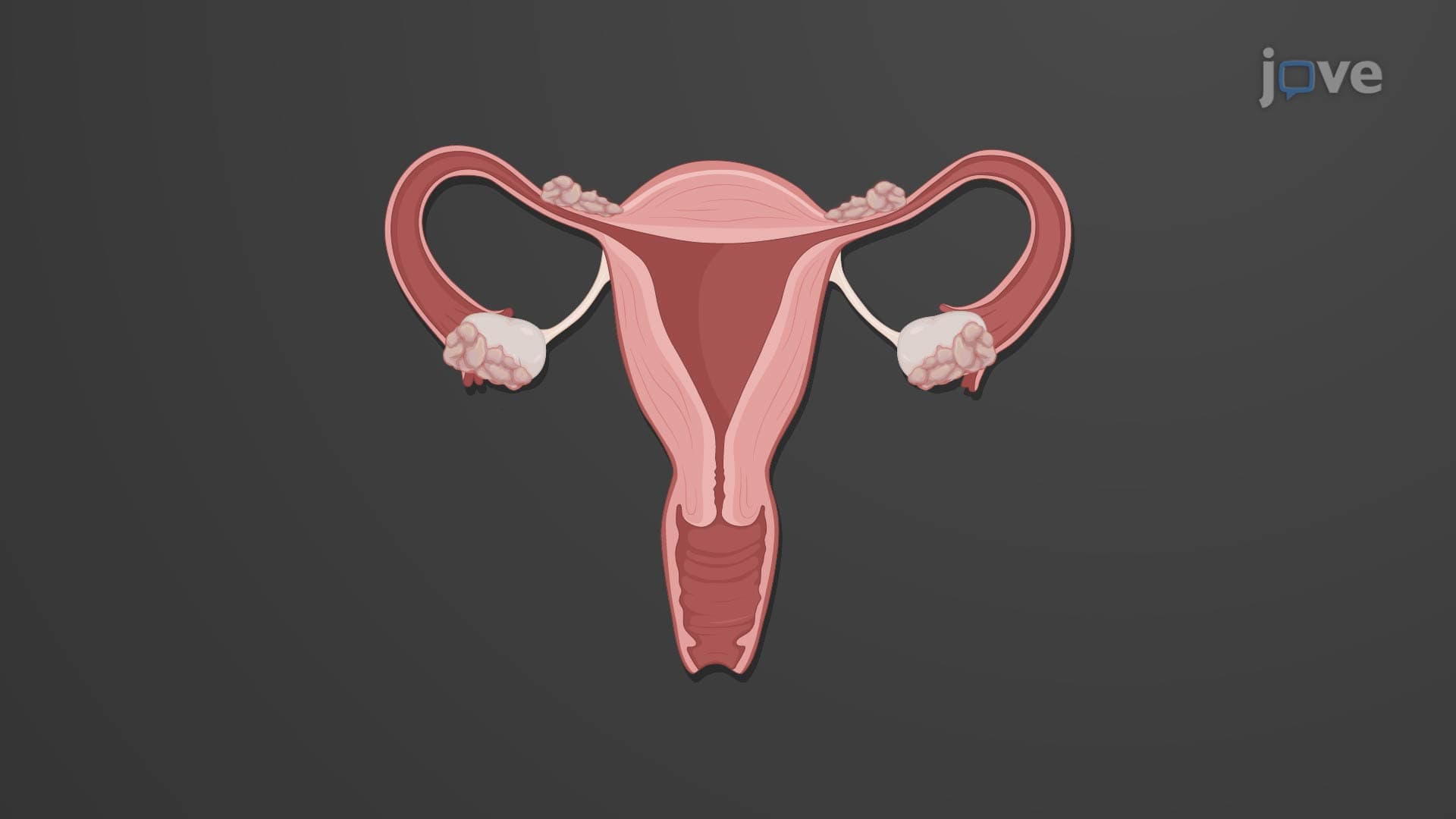
The hormonal control ovarian cycle represents one of biology's most elegant regulatory systems, orchestrating monthly preparation for potential pregnancy through precise hormonal coordination. This 28-day cycle involves three key anatomical structures: the hypothalamus (brain's hormone control center), anterior pituitary gland, and ovaries, working together as the hypothalamic-pituitary-gonadal (HPG) axis.
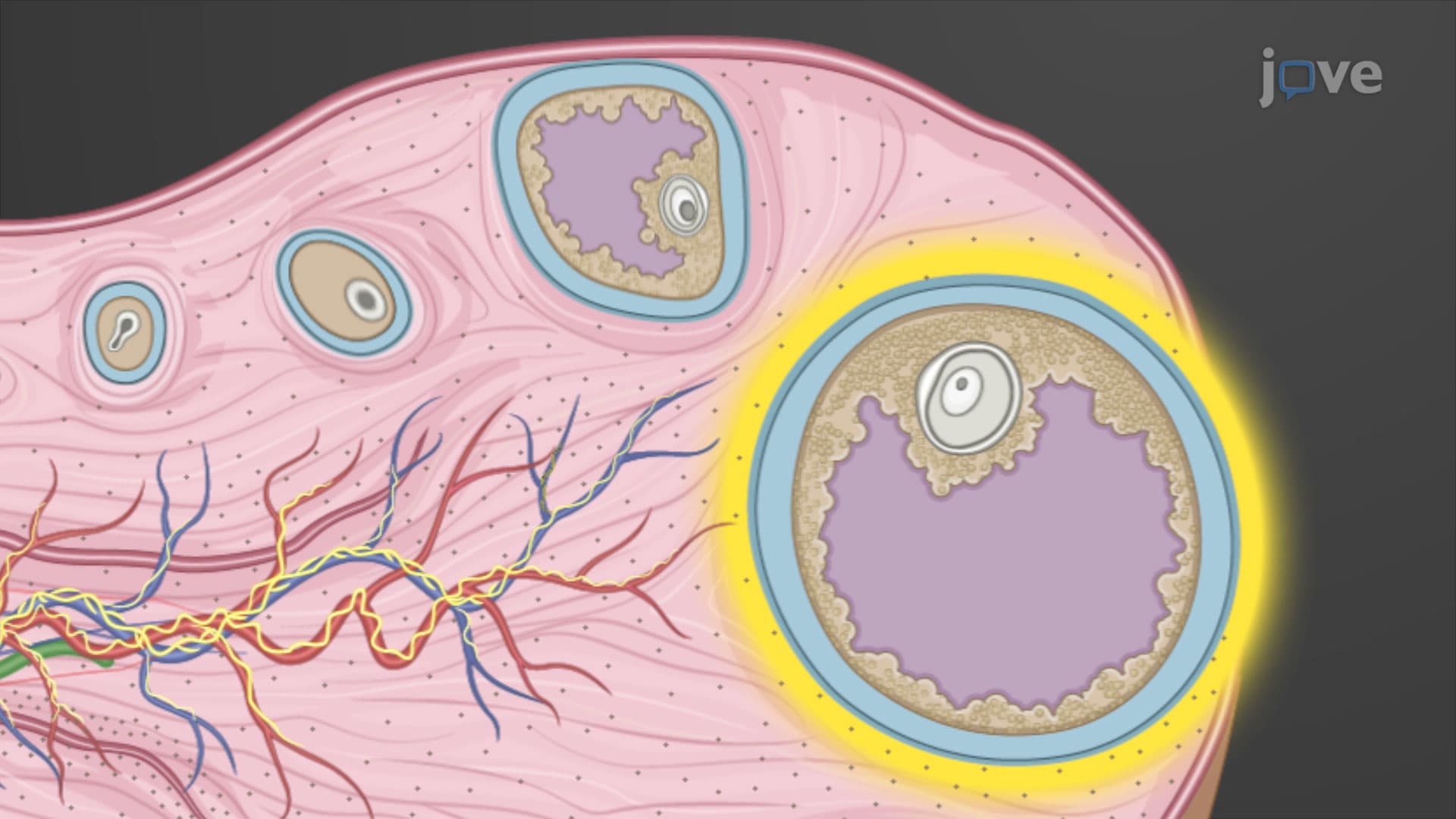
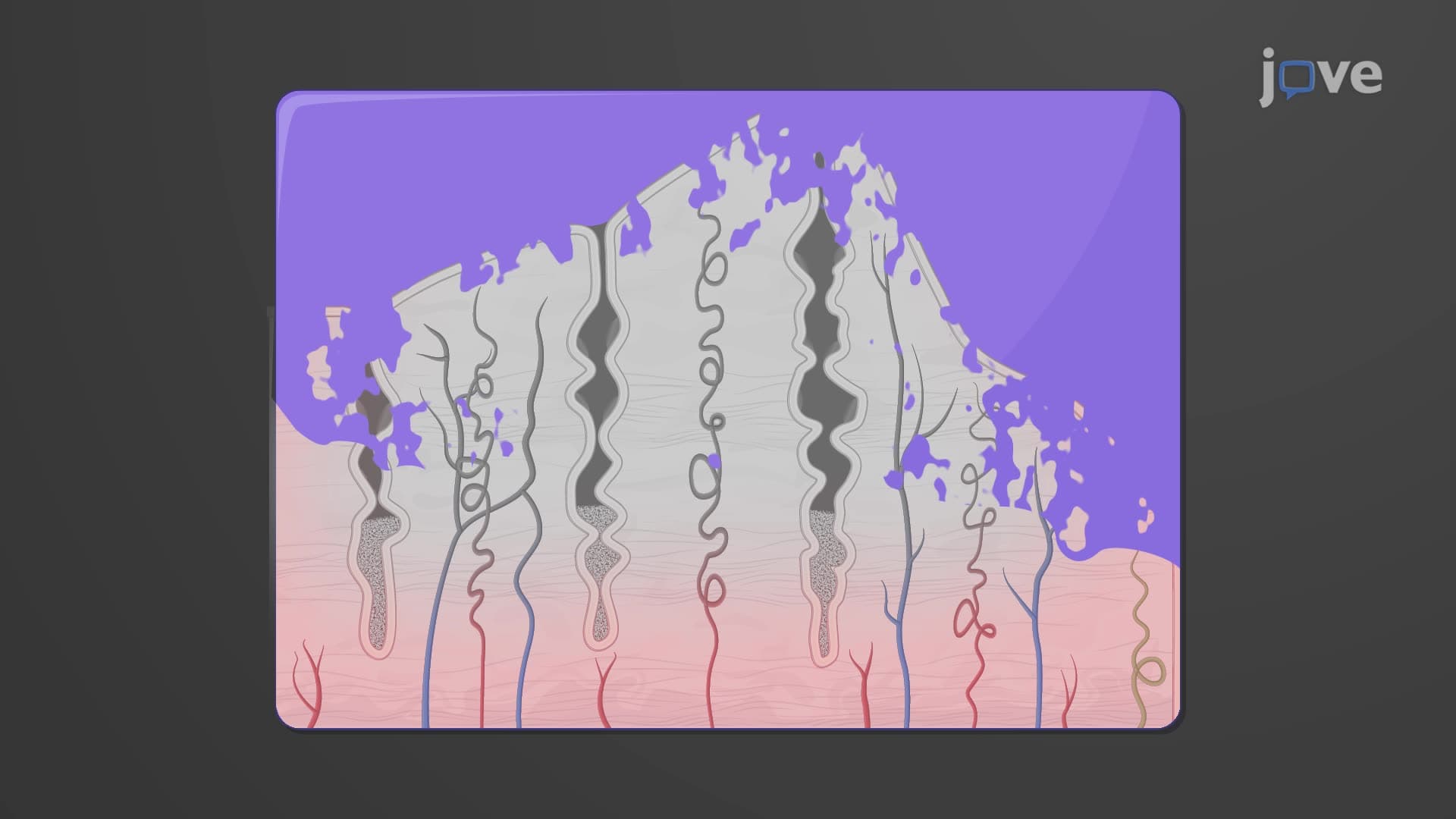
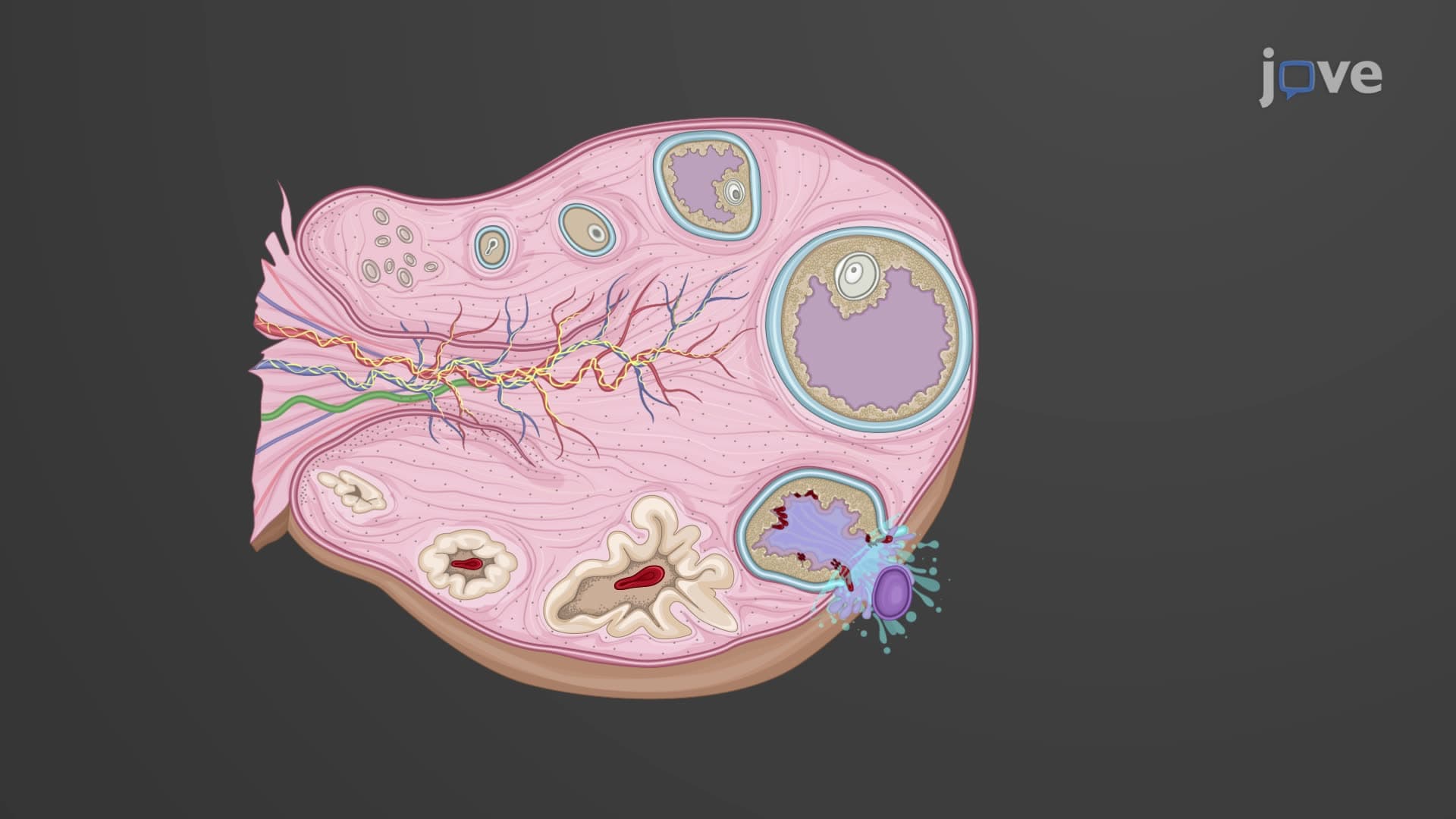
During the follicular phase (days 1-14), the cycle begins with menstruation when estrogen and progesterone levels plummet. The hypothalamus responds by releasing gonadotropin-releasing hormone (GnRH) in pulsatile bursts, stimulating the anterior pituitary to secrete follicle-stimulating hormone (FSH) and luteinizing hormone (LH). High FSH levels promote growth of multiple ovarian follicles, but typically only one becomes the dominant tertiary follicle.
As follicles mature, they produce increasing amounts of estrogen, creating a negative feedback loop that gradually reduces FSH secretion. The dominant follicle also releases inhibin, further suppressing FSH and preventing other follicles from developing-a mechanism ensuring single ovulation prevents dangerous multiple pregnancies.
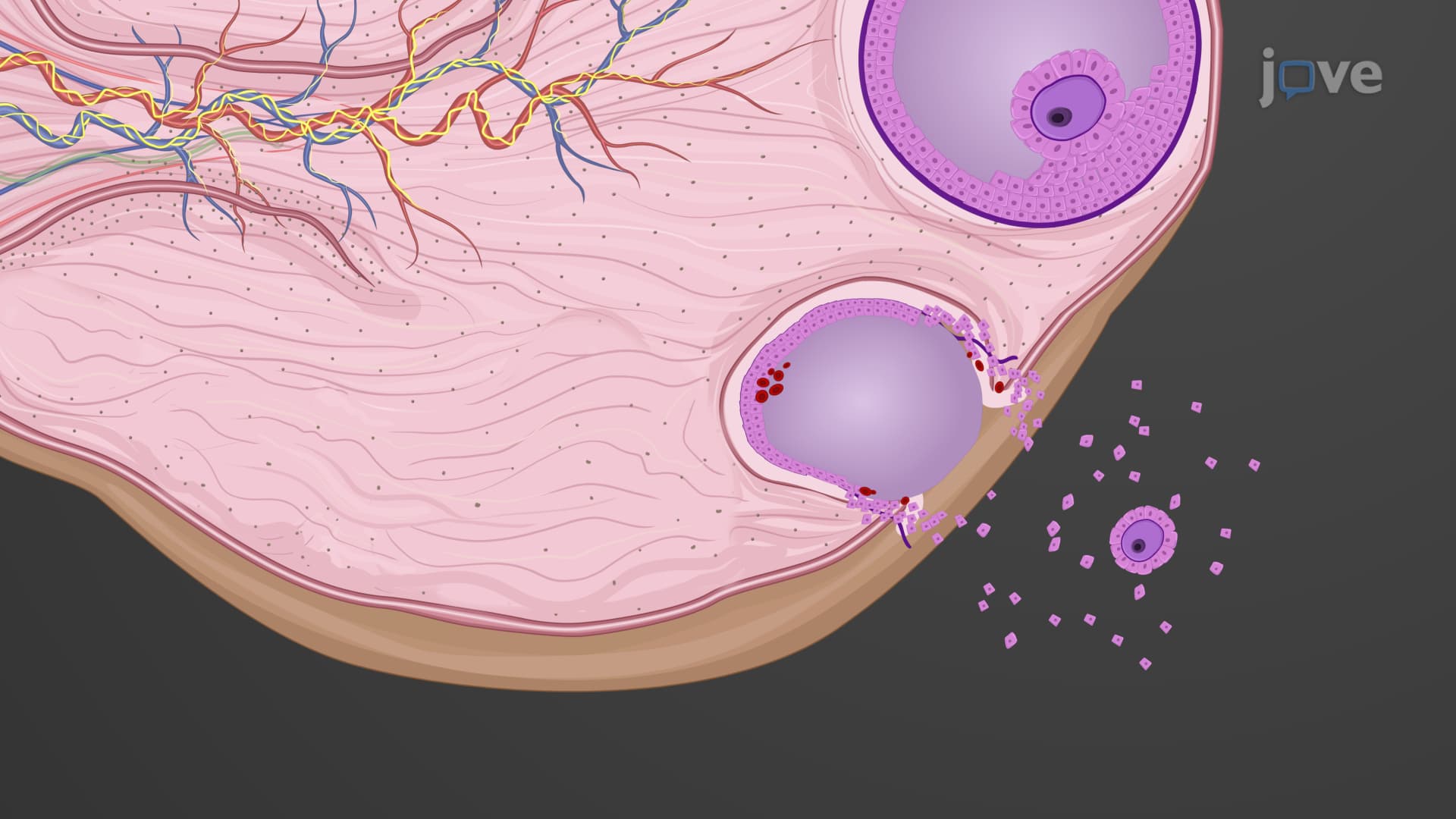
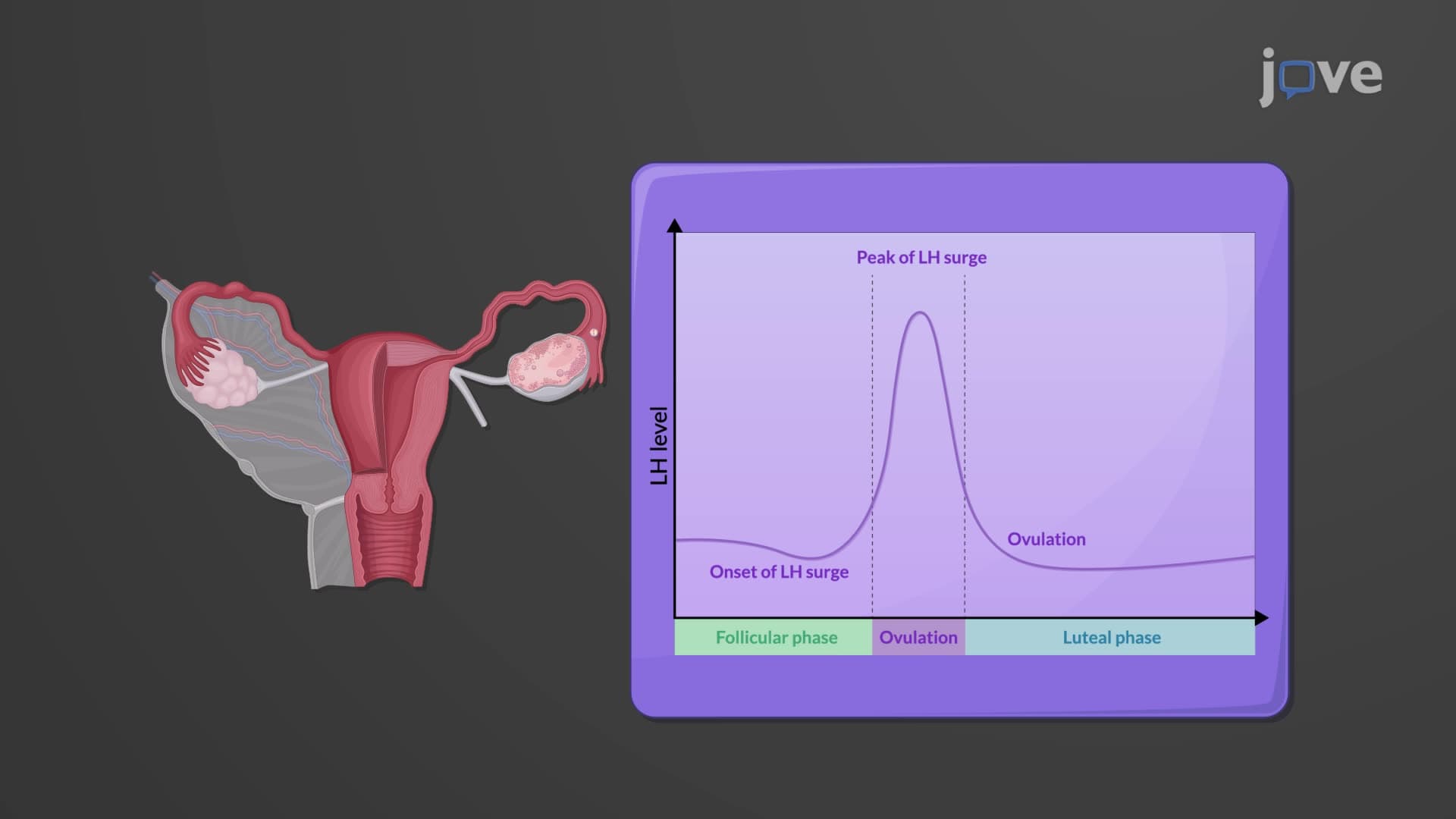
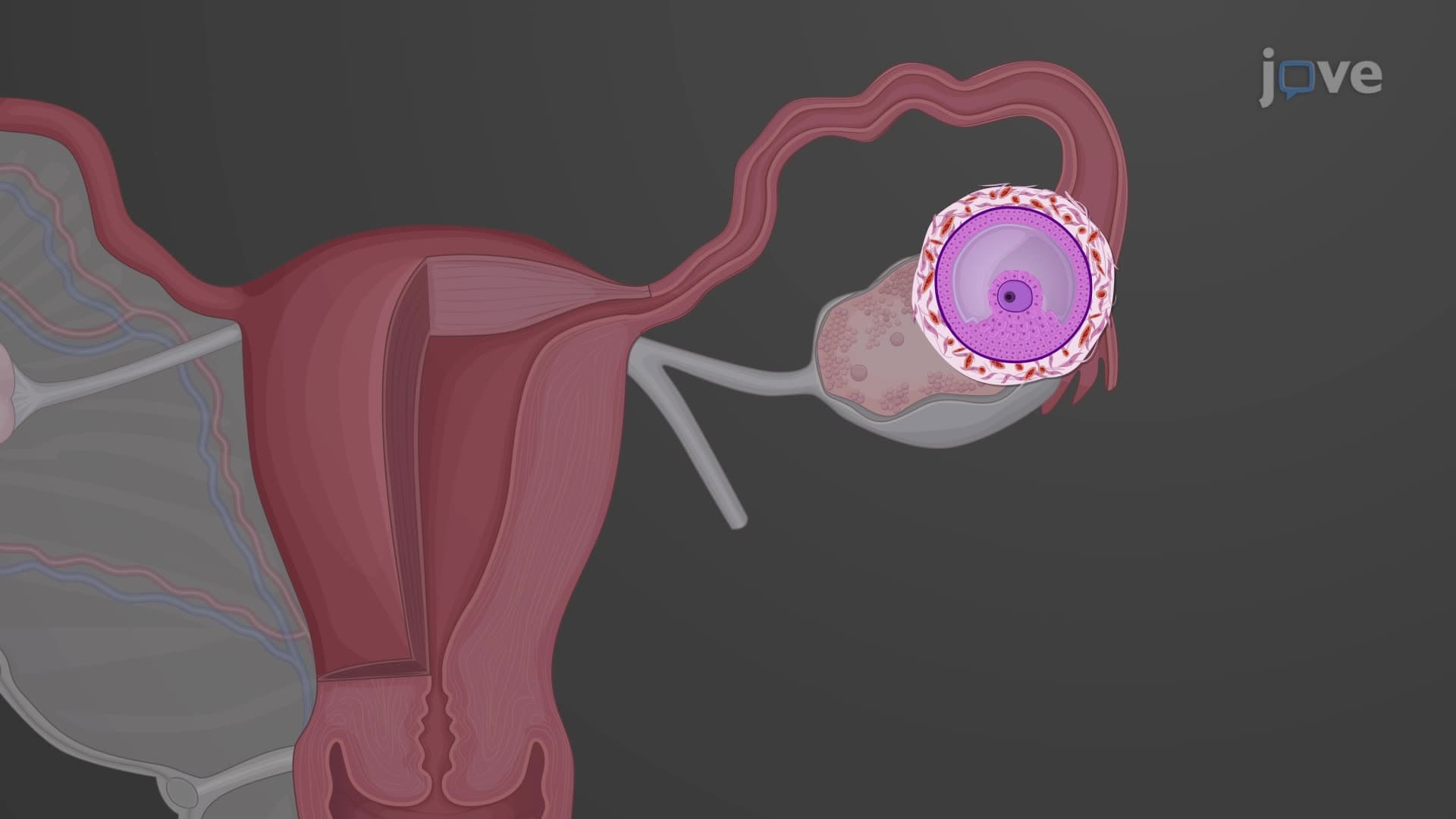
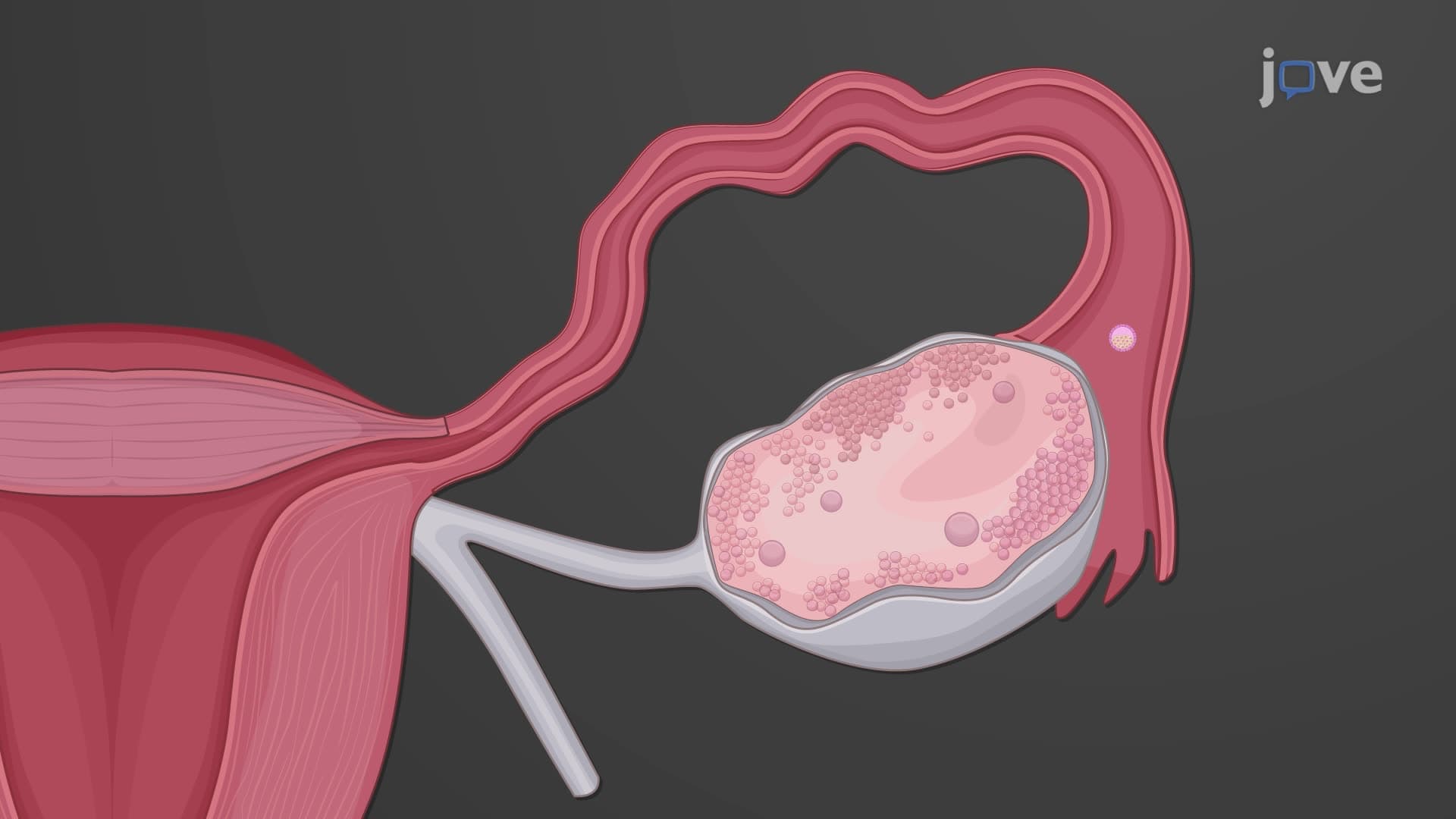
Mid-cycle (around day 14) marks a dramatic shift in ovarian cycle hormone regulation. Rising estrogen levels switch from negative to positive feedback, triggering a massive LH surge. This surge, peaking at nearly 10 times baseline levels, causes the dominant follicle to rupture and release its mature egg-ovulation. Fertility awareness methods used by millions of American women rely on detecting this LH surge through urine tests.
Post-ovulation, the ruptured follicle transforms into the corpus luteum, producing high levels of progesterone and moderate estrogen. These hormones prepare the uterine lining for potential implantation while maintaining negative feedback that prevents new follicle development. If pregnancy doesn't occur, the corpus luteum degenerates after 14 days, hormone levels crash, and the cycle repeats.
Understanding how hormones control the ovarian cycle proves essential for AP Biology students, pre-med coursework, and MCAT preparation, as reproductive endocrinology frequently appears in standardized testing and clinical scenarios.
Related Micro-courses