Loading video…


 37 Concepts
 141K views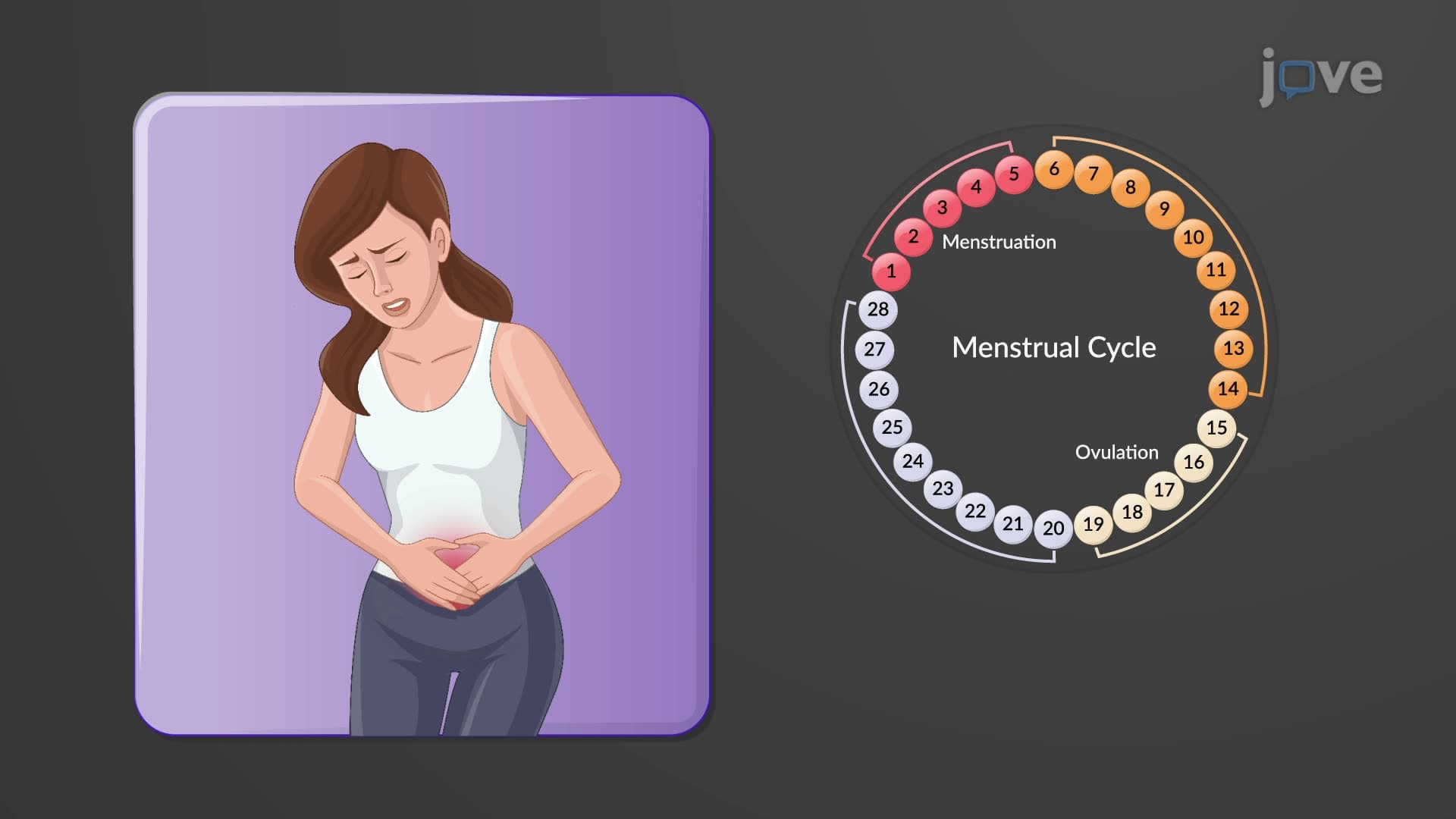

Video Summary: What are Disorders Female Reproductive System
Did you know that 1 in 8 American women will develop breast cancer in their lifetime? Understanding female reproductive disorders biology is crucial for recognizing early warning signs and maintaining reproductive health. These conditions range from common issues like PMS affecting millions monthly to serious cancers requiring immediate medical attention. From the American Cancer Society's data on cervical cancer prevention to endometriosis impacting 10% of reproductive-age women, disorders of the female reproductive system significantly affect public health outcomes. Watch the full video on JoVE Coach to master this concept with expert-led visuals and step-by-step explanations.
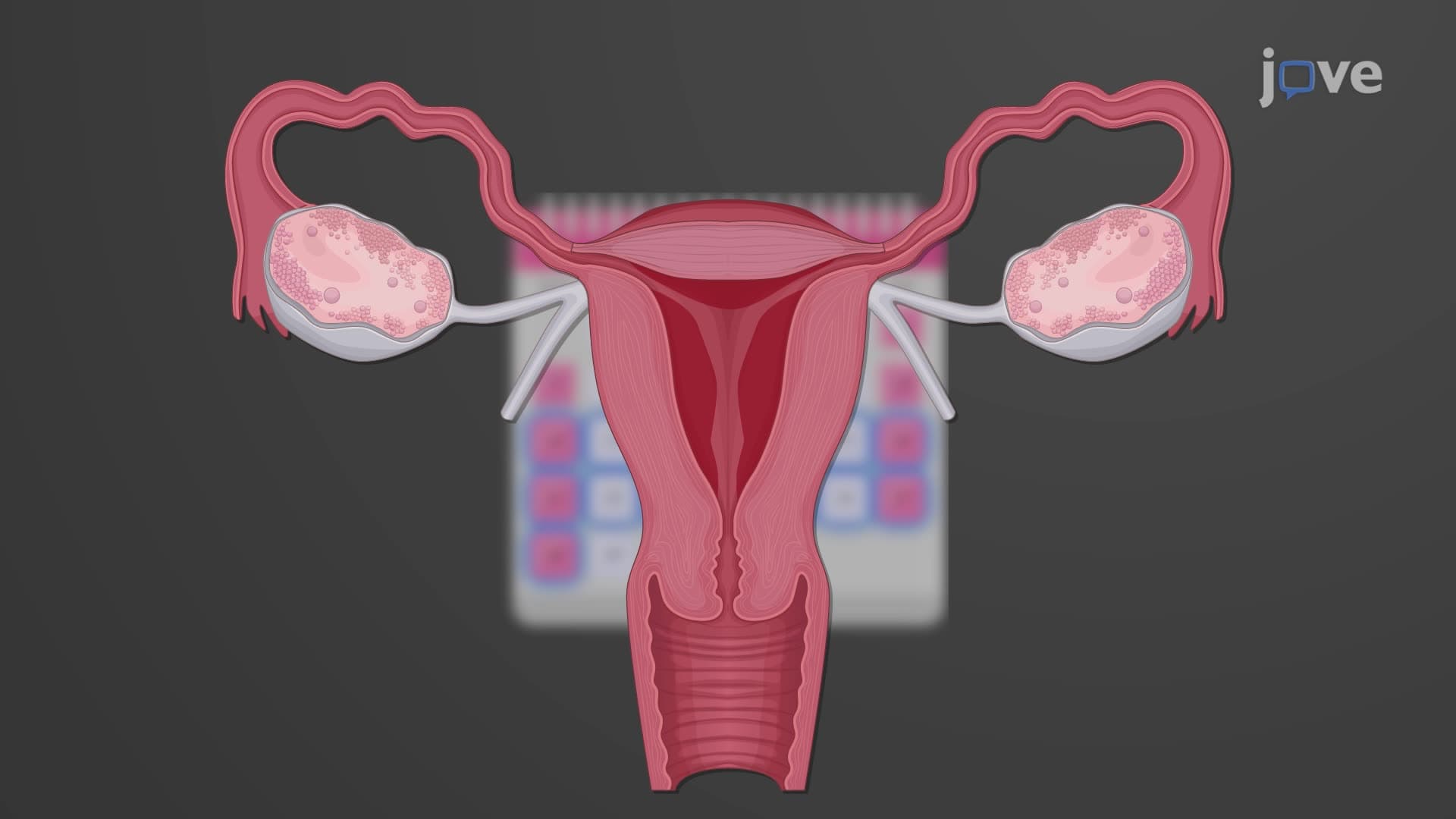
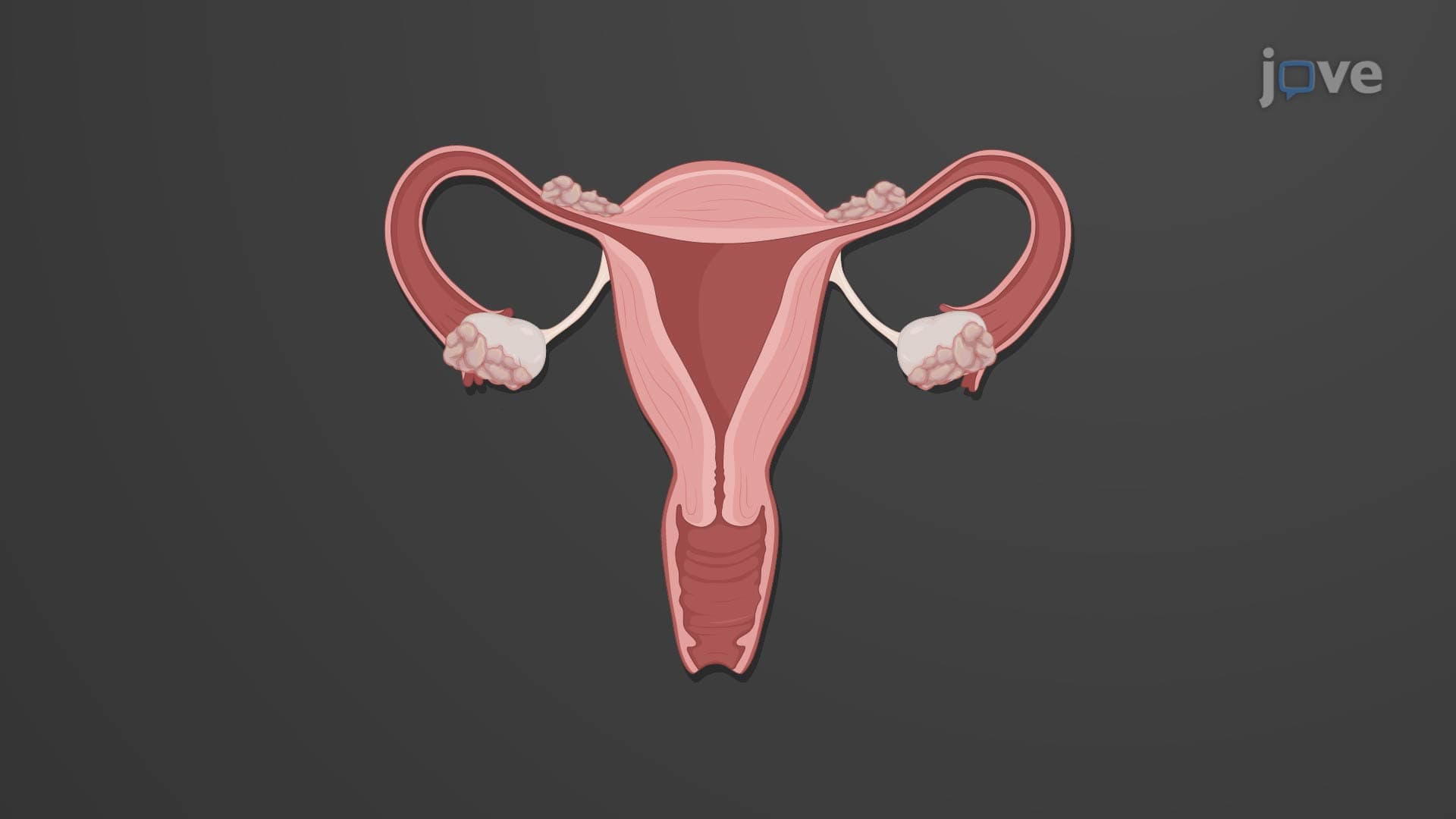
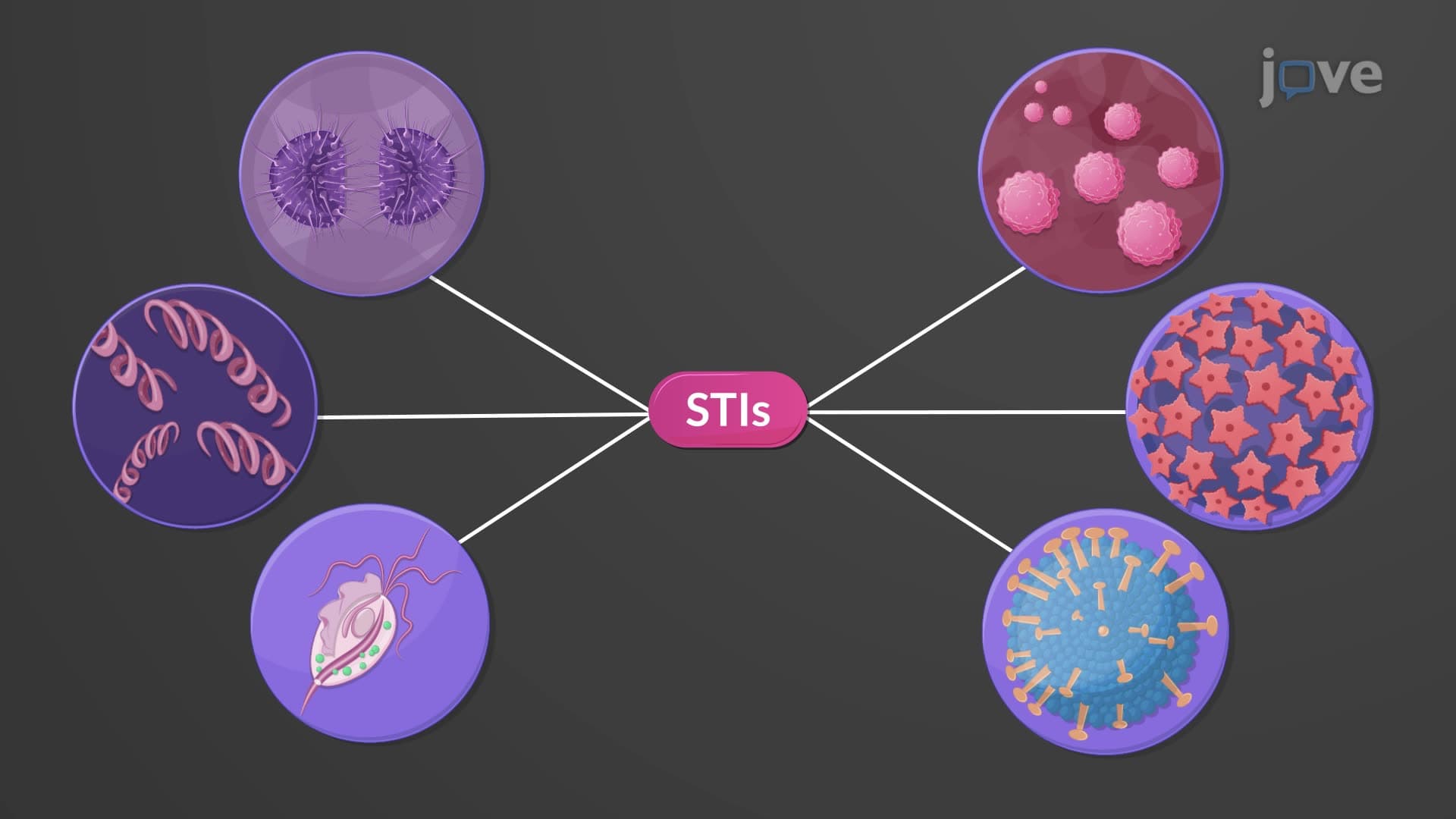
Female reproductive disorders biology encompasses a wide spectrum of conditions affecting the ovaries, fallopian tubes, uterus, cervix, vagina, and breasts. These disorders can be broadly categorized into hormonal imbalances, infectious diseases, structural abnormalities, and malignant growths. Understanding their mechanisms is essential for AP Biology students and pre-med undergraduates preparing for the MCAT.
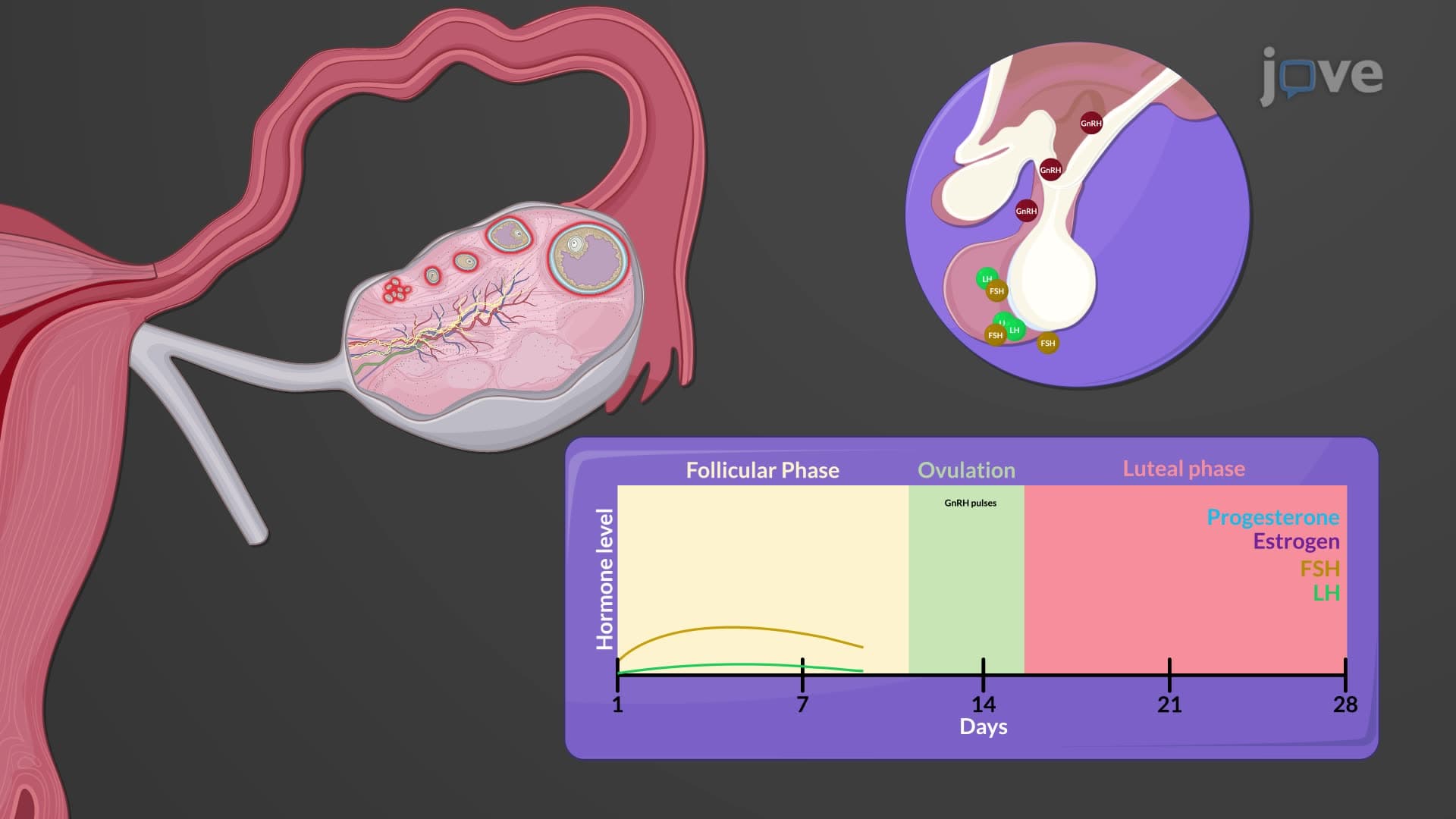
Premenstrual syndrome (PMS) and its severe form, premenstrual dysphoric disorder (PMDD), affect up to 85% of menstruating women in the United States. These conditions result from hormonal fluctuations during the luteal phase, particularly involving estrogen and progesterone imbalances. Polycystic ovary syndrome (PCOS), another common female reproductive disorder type, affects 6-12% of US women of reproductive age and involves insulin resistance, elevated androgens, and irregular ovulation.
Dysmenorrhea, or painful menstruation, represents another significant menstrual disorder that can be primary (without underlying pathology) or secondary (caused by conditions like endometriosis). The prostaglandin pathway plays a crucial role in primary dysmenorrhea, making it a frequent topic in college biochemistry courses and MCAT preparation.
Vulvovaginal candidiasis, caused primarily by *Candida albicans*, affects 75% of women at least once in their lifetime. This condition demonstrates the importance of normal vaginal flora and pH balance in maintaining reproductive health. Students studying microbiology for the NCLEX or HESI A2 exams frequently encounter questions about fungal infections and their treatment protocols.
Endometriosis female disorder involves the growth of endometrial tissue outside the uterus, affecting approximately 10% of reproductive-age women in the US. This condition illustrates complex inflammatory pathways and can lead to chronic pain and infertility, making it a significant focus in women's health curricula at institutions like Johns Hopkins and Mayo Clinic educational programs.
Cervical uterine cancer primarily results from persistent human papillomavirus (HPV) infection, with types 16 and 18 being most oncogenic. The development of HPV vaccines (Gardasil 9) represents a major public health achievement, reducing cervical cancer incidence by up to 90% in vaccinated populations according to CDC data.
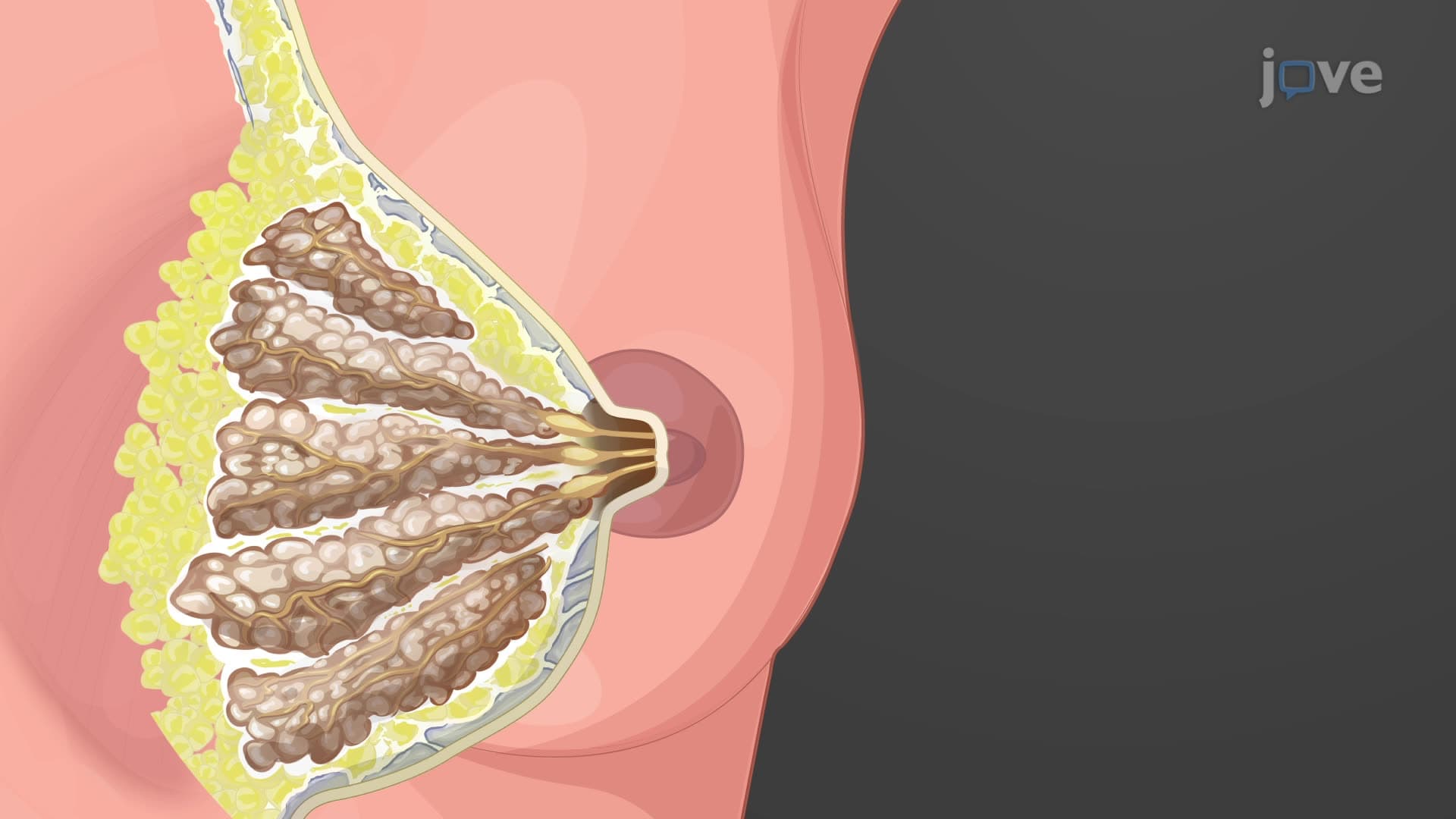
Ovarian cancer, often called the "silent killer," has a poor prognosis due to late diagnosis, with only 20% of cases detected early. Breast cancer biology involves complex genetic factors, including BRCA1 and BRCA2 mutations, which are extensively studied in genetics courses and featured prominently on standardized exams like the AP Biology test and USMLE Step 1.
Related Micro-courses