14 Concepts
6 Concepts
21 Concepts
23 Concepts
21 Concepts
15 Concepts
16 Concepts
26 Concepts
18 Concepts
19 Concepts
11 Concepts
6 Concepts
10 Concepts
22 Concepts
20 Concepts
26 Concepts
26 Concepts
14 Concepts
10 Concepts
12 Concepts
23 Concepts
29 Concepts
19 Concepts
38 Concepts
38 Concepts
25 Concepts
40 Concepts
25 Concepts
25 Concepts
20 Concepts
37 Concepts
The endocrine system controls vital body functions through a network of endocrine glands hormones that regulate metabolism, growth, reproduction, and homeostasis. This comprehensive course explores major glands and hormones of the endocrine system, from the pituitary and thyroid to the pancreas and adrenals, examining how chemical signaling maintains physiological balance in the human body. Perfect for students preparing for AP Biology, MCAT, or nursing prerequisites with JoVE Coach.
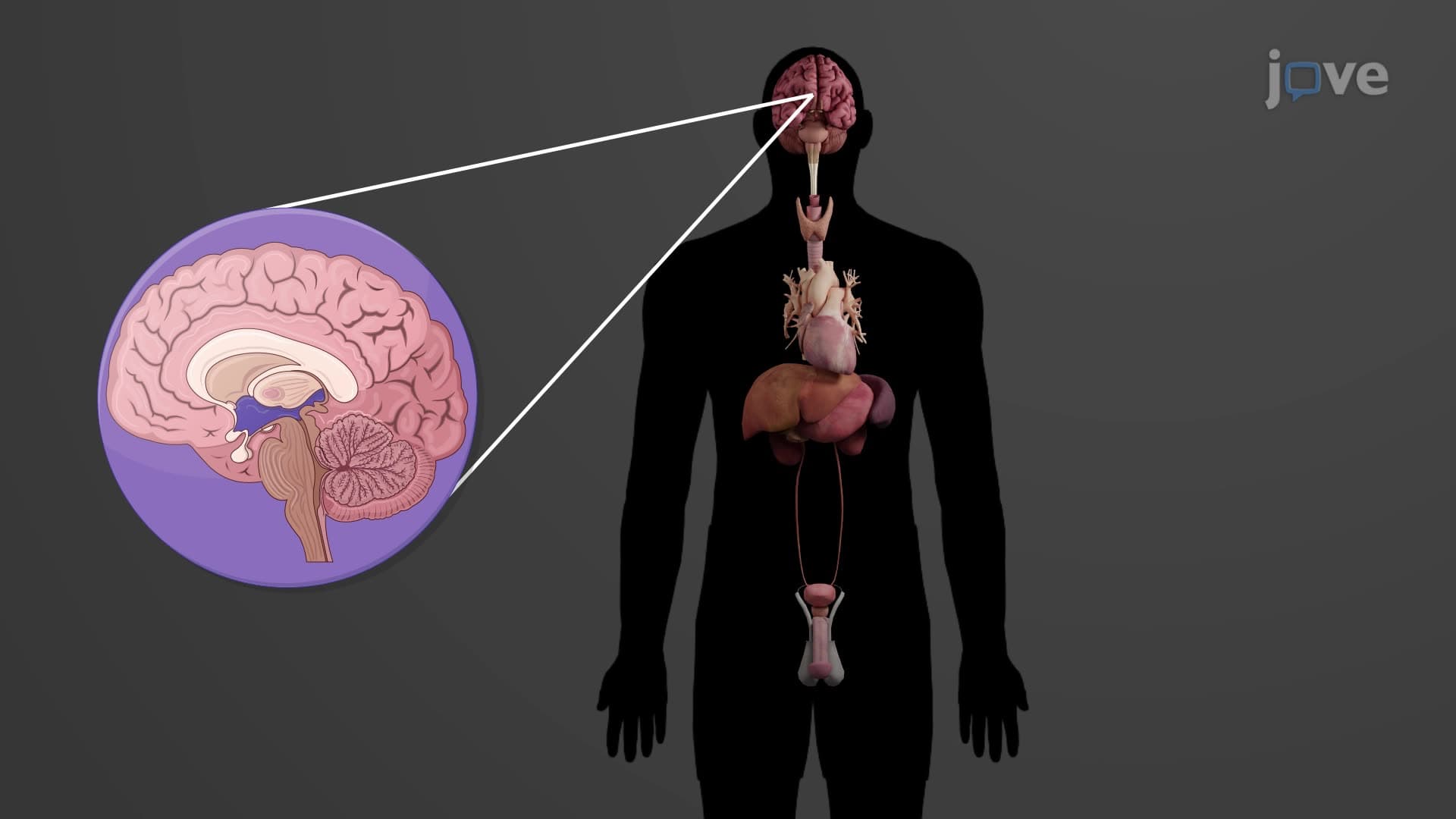
1. Endocrine System Organization and Hormone Classification The endocrine system consists of ductless glands that secrete hormones directly into the bloodstream, including the hypothalamus, pituitary, thyroid, parathyroid, adrenal glands, pancreas, and gonads. Hormones are classified into three chemical categories: steroid hormones derived from cholesterol (like testosterone and estradiol), amine hormones from amino acids (epinephrine and melatonin), and peptide hormones composed of amino acid chains (insulin and growth hormone). Understanding this organization helps students recognize how different glands work together to maintain homeostasis through coordinated hormone release and feedback mechanisms.
2. Hormone Signaling Mechanisms and Target Cell Responses Endocrine signaling involves complex pathways where lipophilic steroid hormones cross cell membranes to bind intracellular receptors, while hydrophilic peptide and amine hormones bind surface receptors to activate secondary messenger systems. Key secondary messengers include cAMP (activated by epinephrine and glucagon) and calcium ions (triggered by oxytocin), which amplify hormone signals through phosphorylation cascades. Target cells regulate hormone sensitivity through receptor up-regulation and down-regulation, while hormone interactions can be permissive, synergistic, or antagonistic, creating diverse physiological responses essential for maintaining body function.
3. Pituitary Gland Function and Hypothalamic Control The pituitary gland, located beneath the hypothalamus, consists of anterior and posterior lobes with distinct functions. The anterior pituitary produces six major hormones including growth hormone (regulating development and metabolism), prolactin (stimulating milk production), and tropic hormones like TSH and ACTH that control other endocrine glands. The posterior pituitary stores and releases ADH (controlling water balance) and oxytocin (stimulating uterine contractions and milk ejection). This master gland exemplifies neuroendocrine integration, where the nervous system directly controls hormone release through hypothalamic regulatory hormones transported via the hypophyseal portal system.
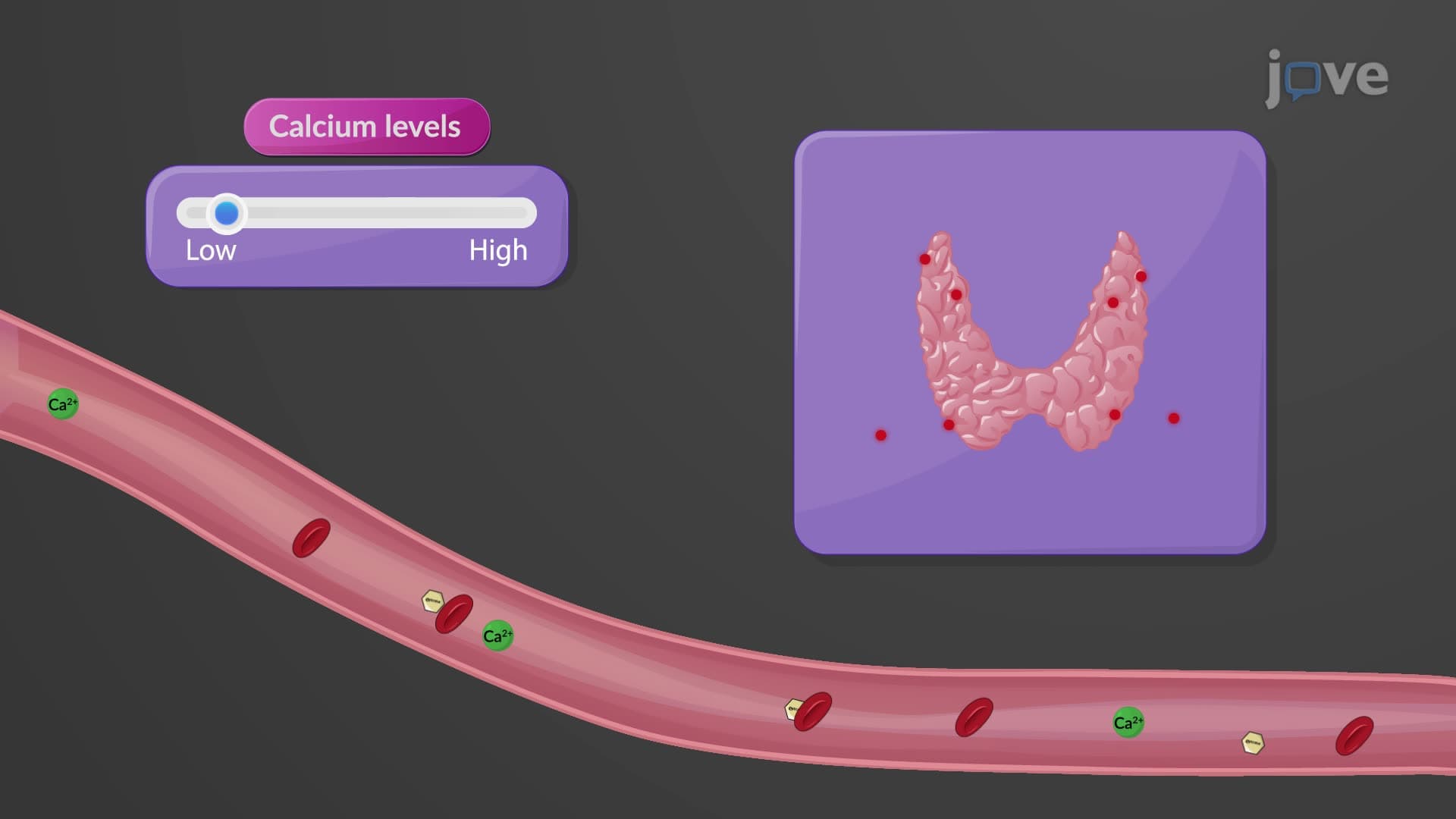
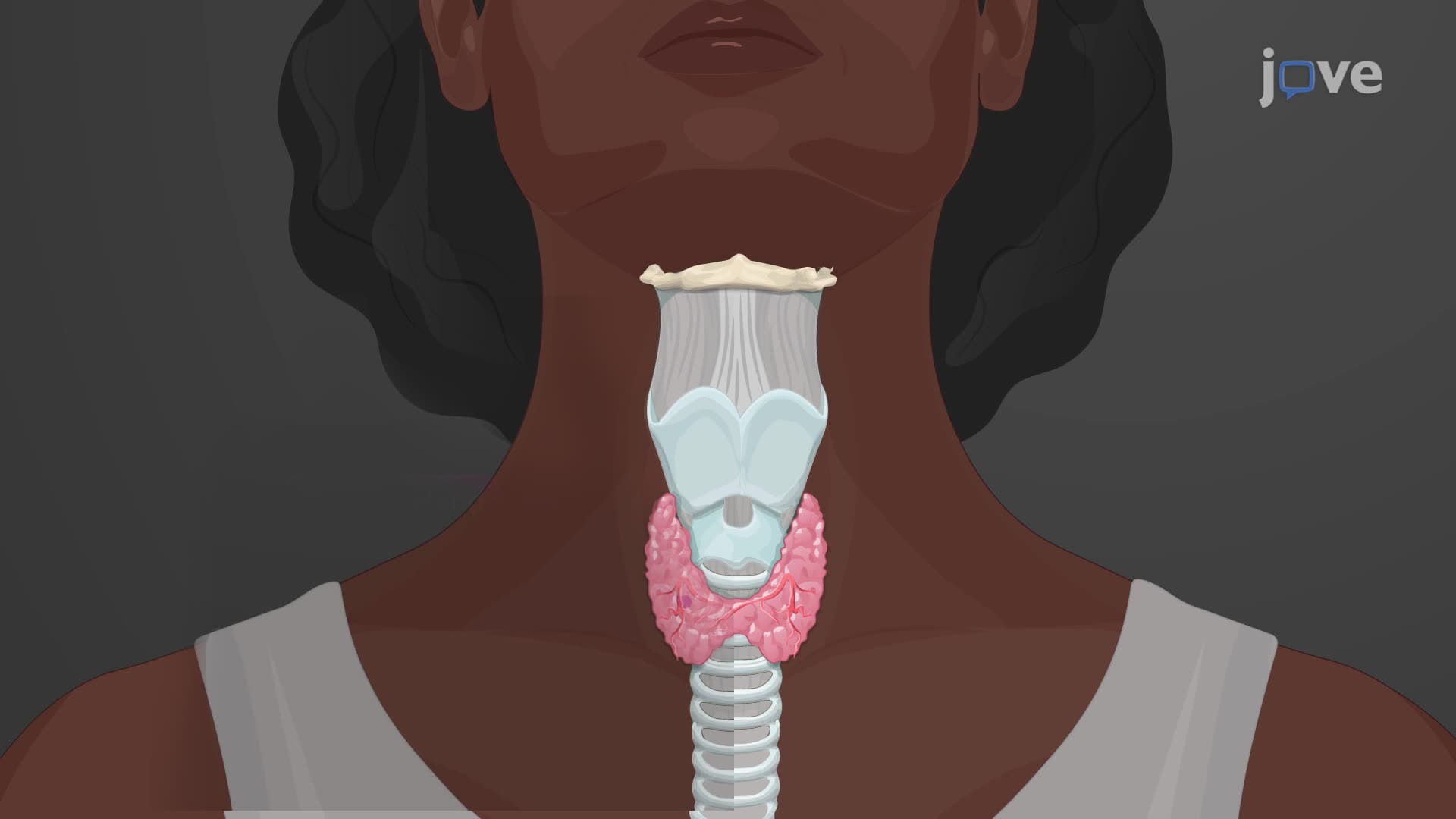
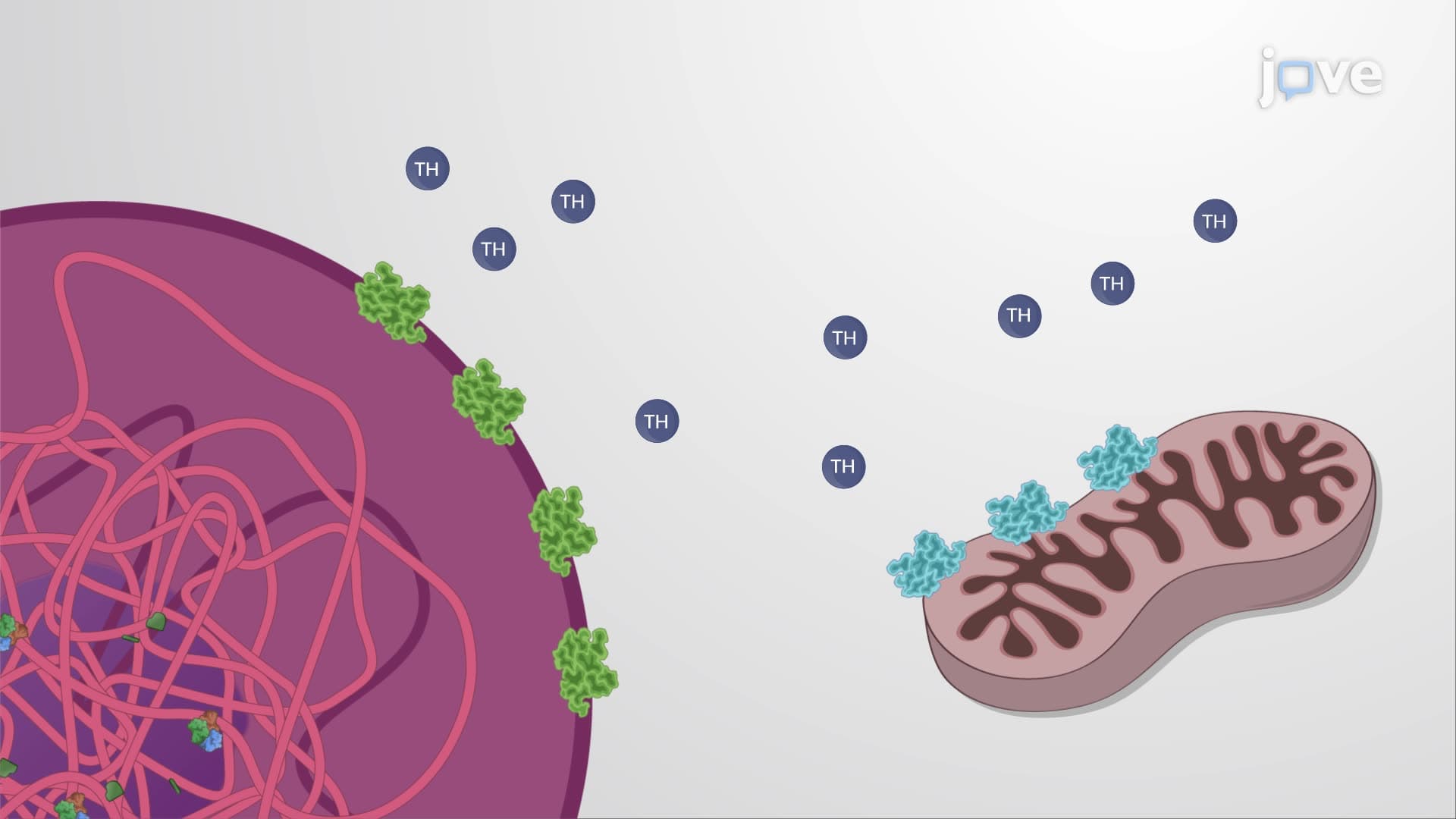
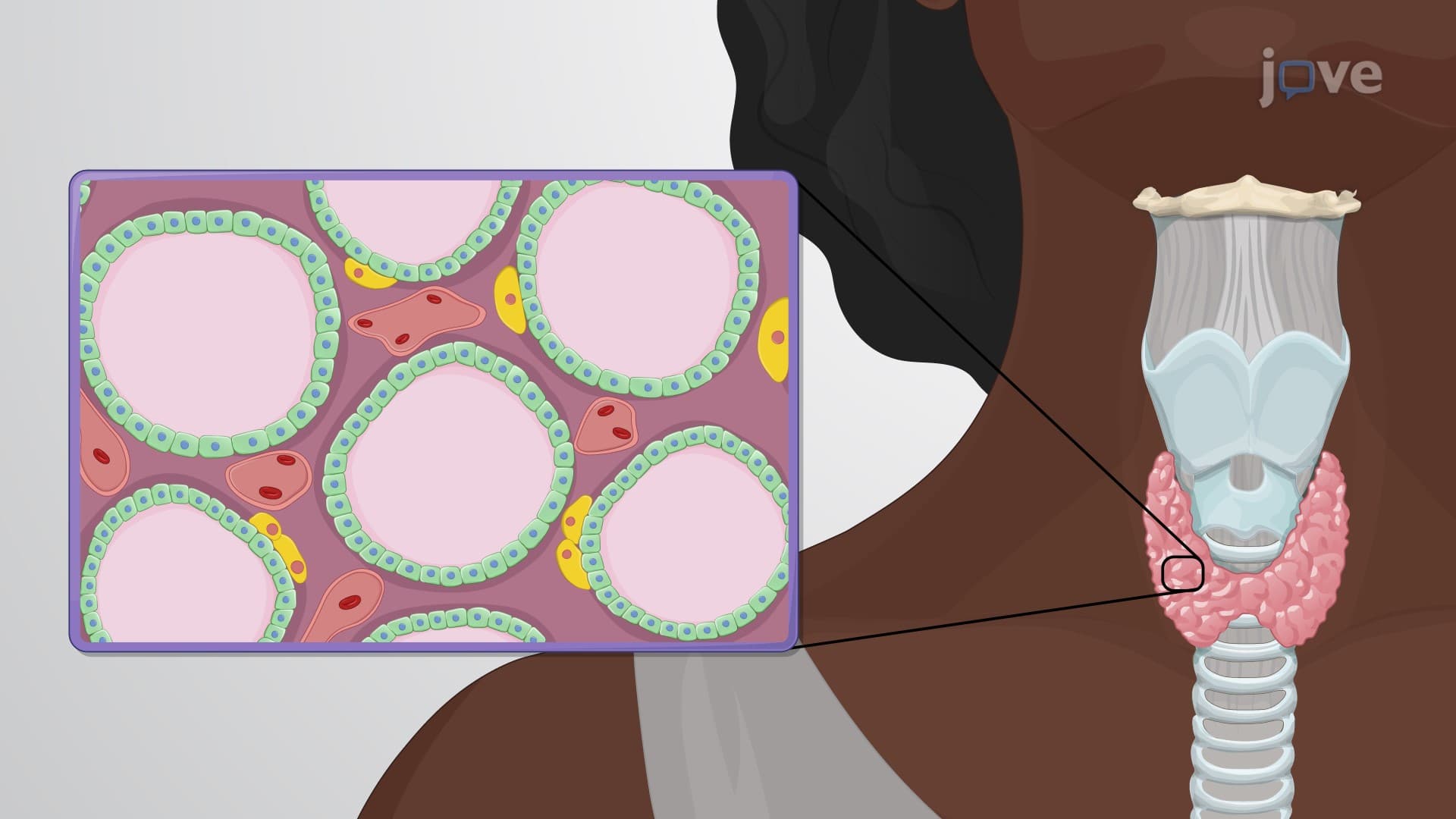
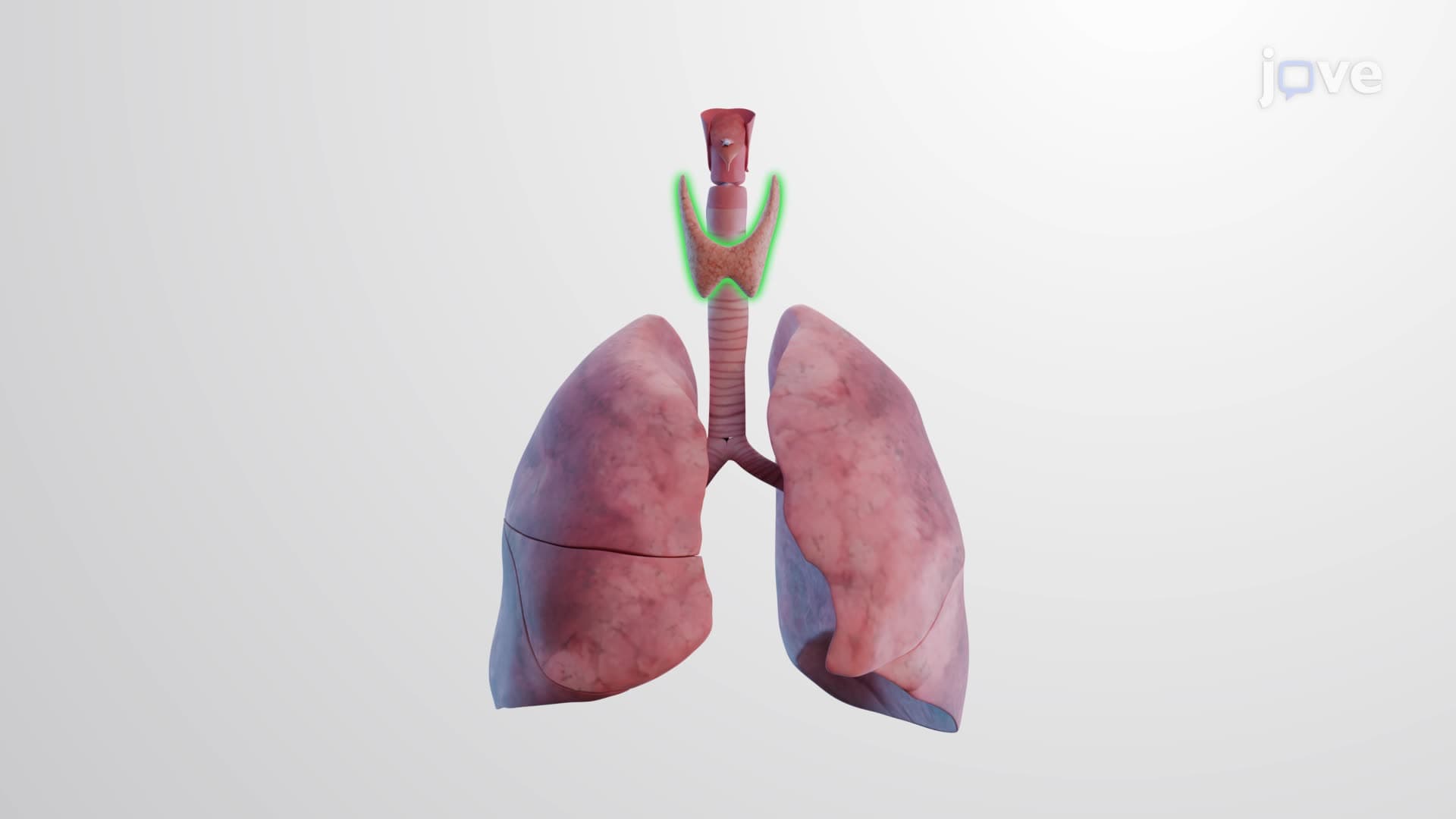
4. Thyroid and Parathyroid Hormone Regulation The butterfly-shaped thyroid gland produces T3 and T4 hormones that regulate cellular metabolism through the calorigenic effect, increasing ATP production and metabolic rate throughout the body. Thyroid hormone synthesis requires iodine uptake and occurs within follicular cells that store thyroglobulin precursor protein. The thyroid also produces calcitonin from parafollicular cells, which helps regulate calcium levels. The four small parathyroid glands embedded in the thyroid's posterior surface secrete parathyroid hormone (PTH), which increases blood calcium by stimulating bone resorption, kidney calcium reabsorption, and vitamin D activation, demonstrating how multiple glands coordinate mineral homeostasis.
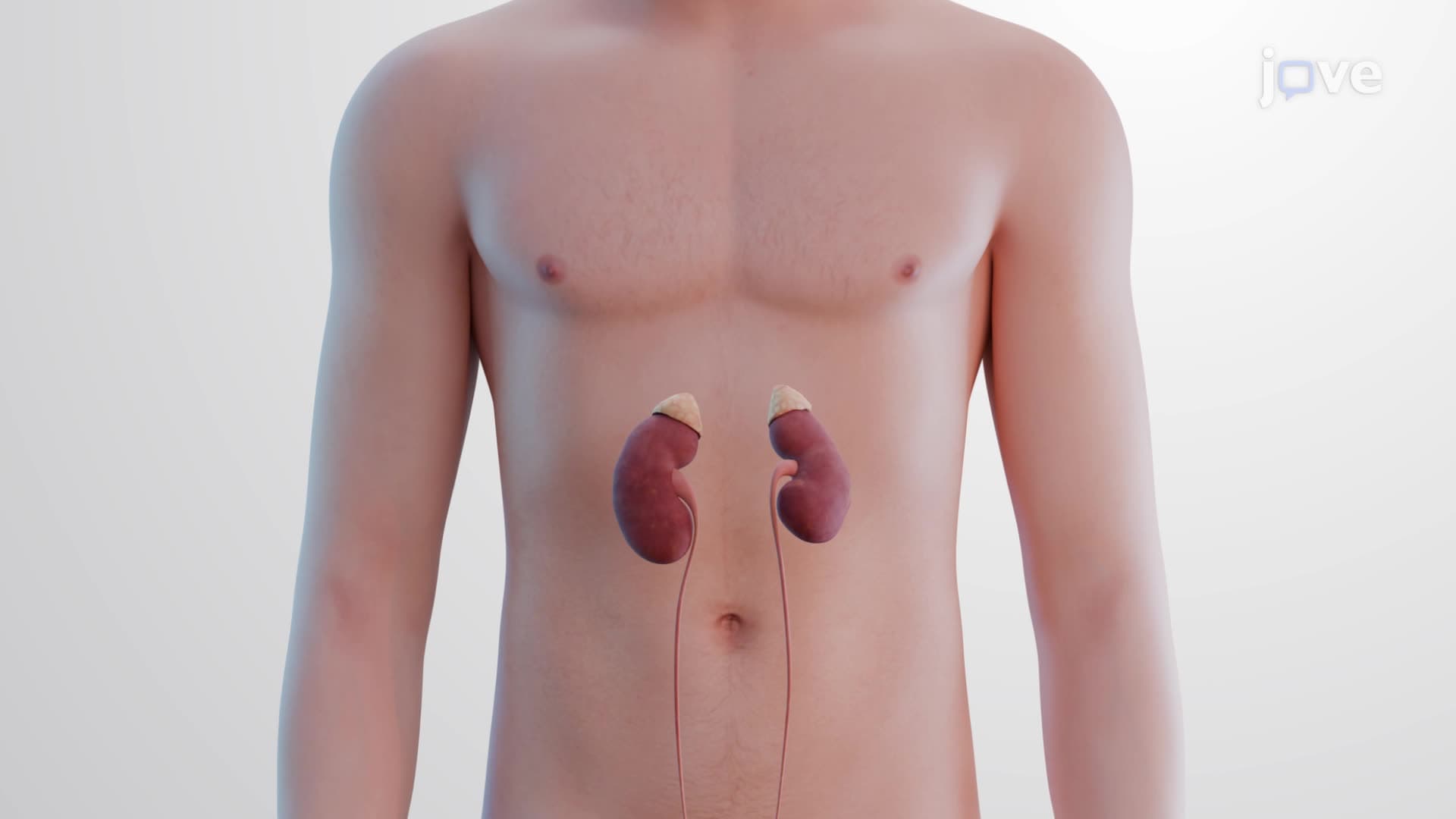
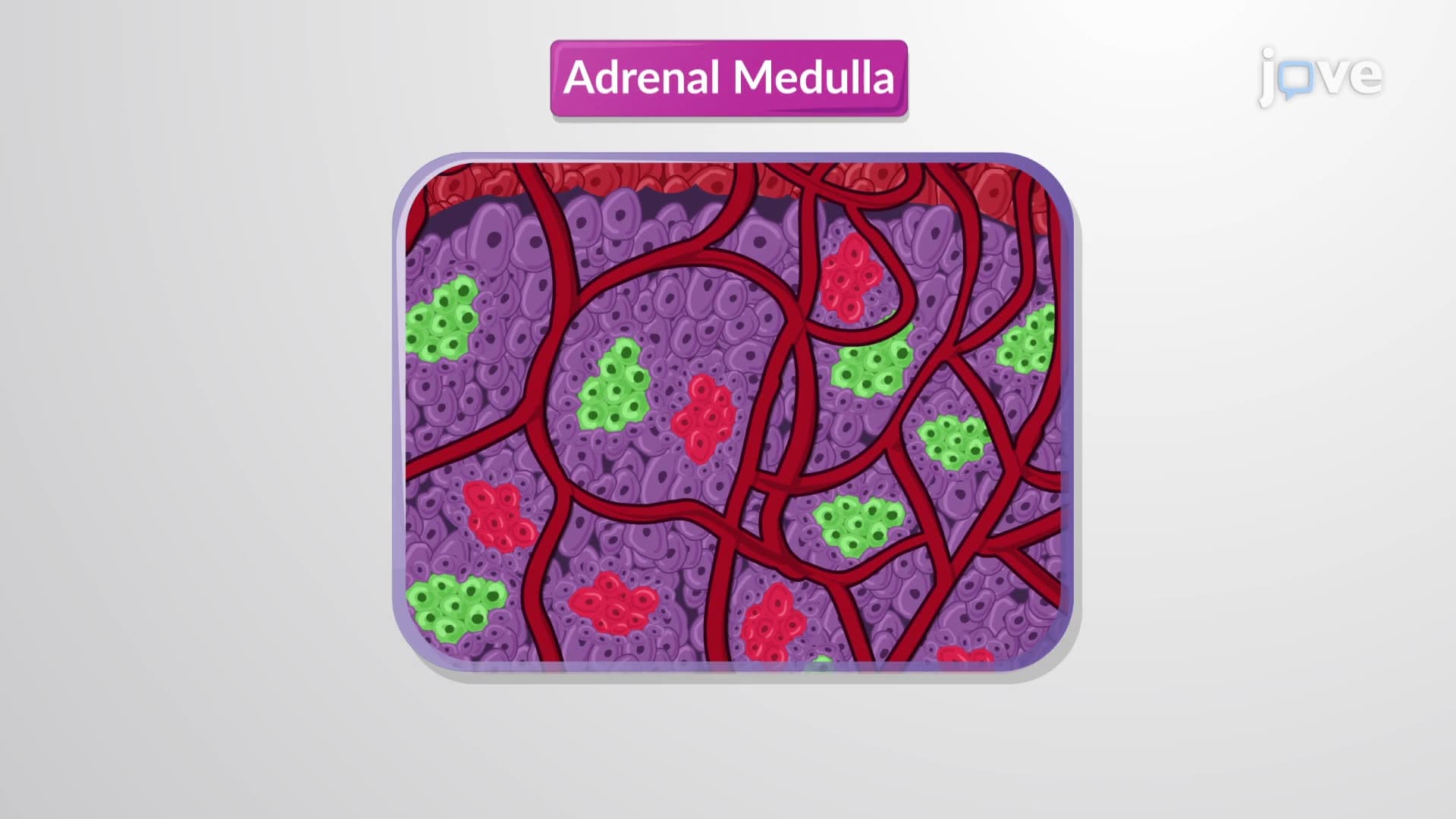
5. Adrenal Gland Stress Response and Steroid Production The pyramid-shaped adrenal glands above each kidney contain two functionally distinct regions responding to stress. The outer adrenal cortex produces over 25 corticosteroid hormones across three zones: mineralocorticoids like aldosterone (regulating electrolyte balance), glucocorticoids like cortisol (managing glucose metabolism and inflammation), and androgens (supporting reproductive development). The inner adrenal medulla contains chromaffin cells that secrete catecholamines-epinephrine and norepinephrine-triggering immediate fight-or-flight responses. Adrenal disorders like Addison's disease (hormone deficiency) and Cushing's syndrome (excess cortisol) demonstrate the critical importance of proper adrenal function for survival.
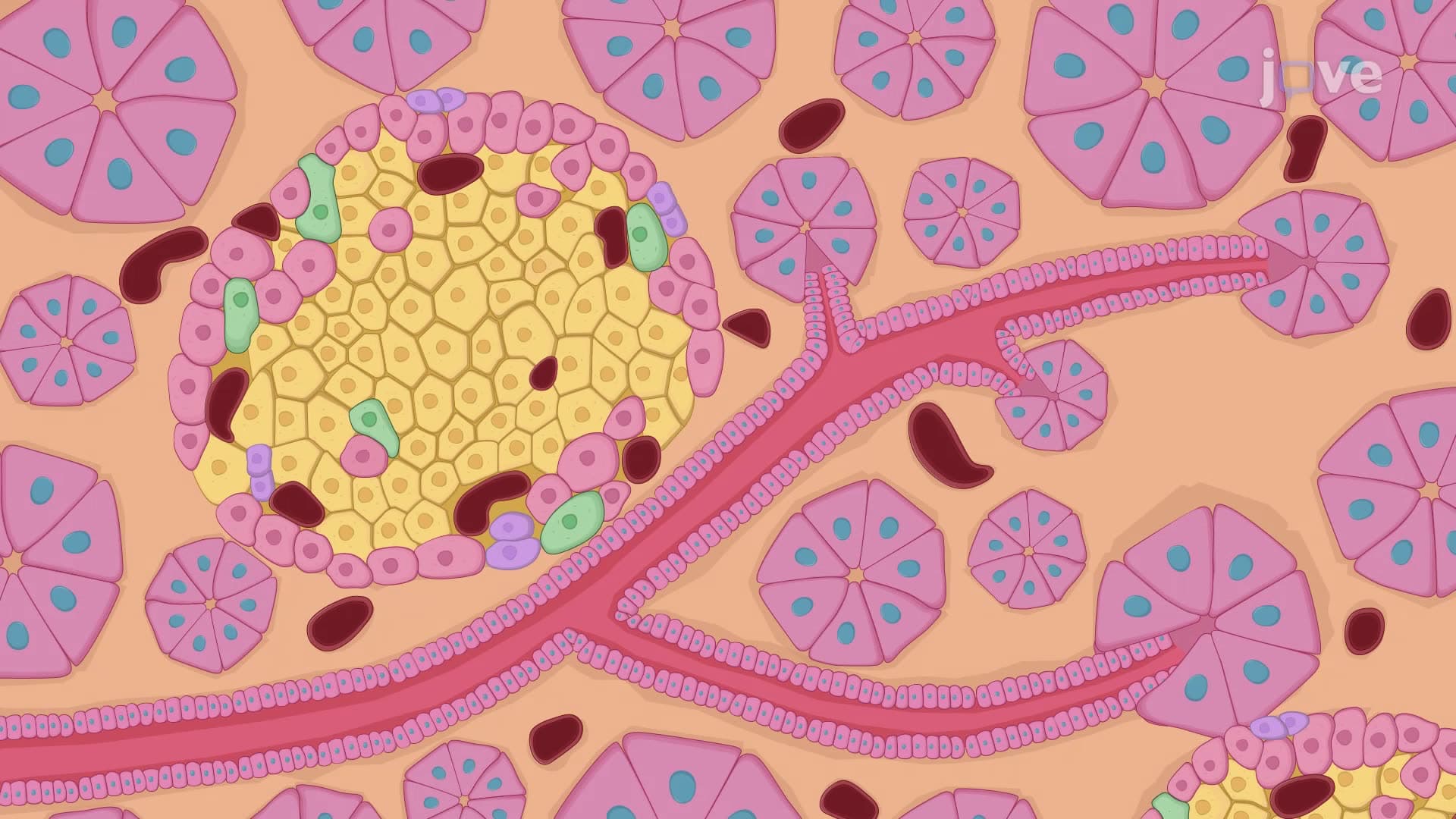
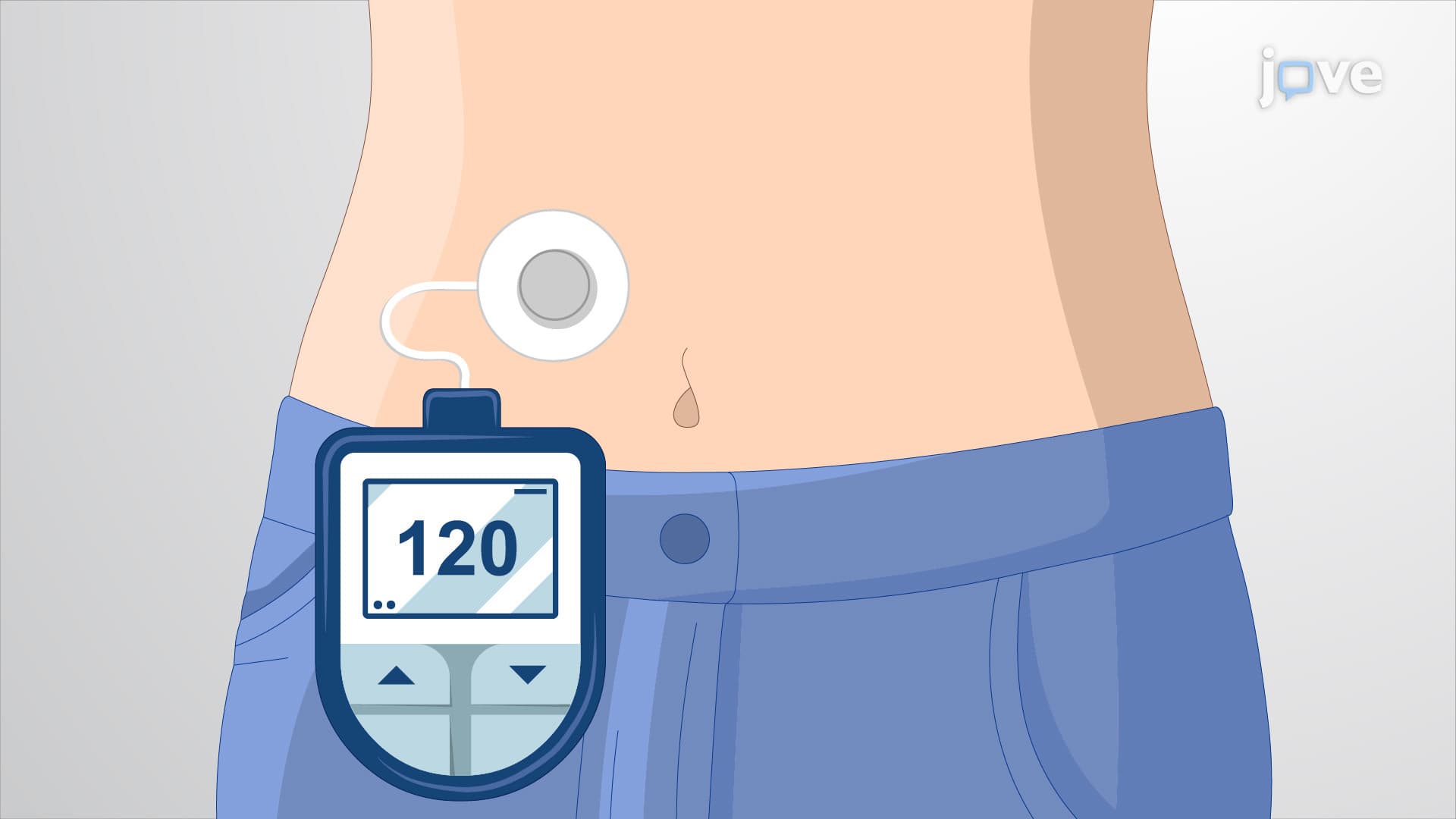
6. Pancreatic Blood Glucose Regulation and Diabetes The pancreas functions as both an endocrine and exocrine organ, with islets of Langerhans containing four hormone-producing cell types that regulate blood glucose. Alpha cells secrete glucagon during fasting to stimulate liver glucose release through glycogenolysis and gluconeogenesis. Beta cells produce insulin after meals to promote cellular glucose uptake and storage as glycogen or fat. Delta cells release somatostatin to inhibit both insulin and glucagon, while PP cells secrete pancreatic polypeptide controlling nutrient absorption. Diabetes mellitus results from either autoimmune beta cell destruction (Type 1) or insulin resistance (Type 2), leading to hyperglycemia and serious complications affecting cardiovascular, renal, and nervous systems without proper management.