Loading video…


 23 Concepts
 112.9K views

Video Summary: What Is Hormones Pituitary Gland
Did you know that a pea-sized gland at the base of your brain controls everything from your height to when you feel thirsty? Pituitary gland hormones orchestrate critical body functions through eight distinct chemical messengers, each with specialized roles in growth, reproduction, and homeostasis. Consider how growth hormone deficiency can result in dwarfism, affecting thousands of American children annually and requiring lifelong hormone replacement therapy. Understanding what is hormones pituitary gland reveals the intricate command center that coordinates your body's most essential processes. Watch the full video on JoVE Coach to master this concept with expert-led visuals and step-by-step explanations.
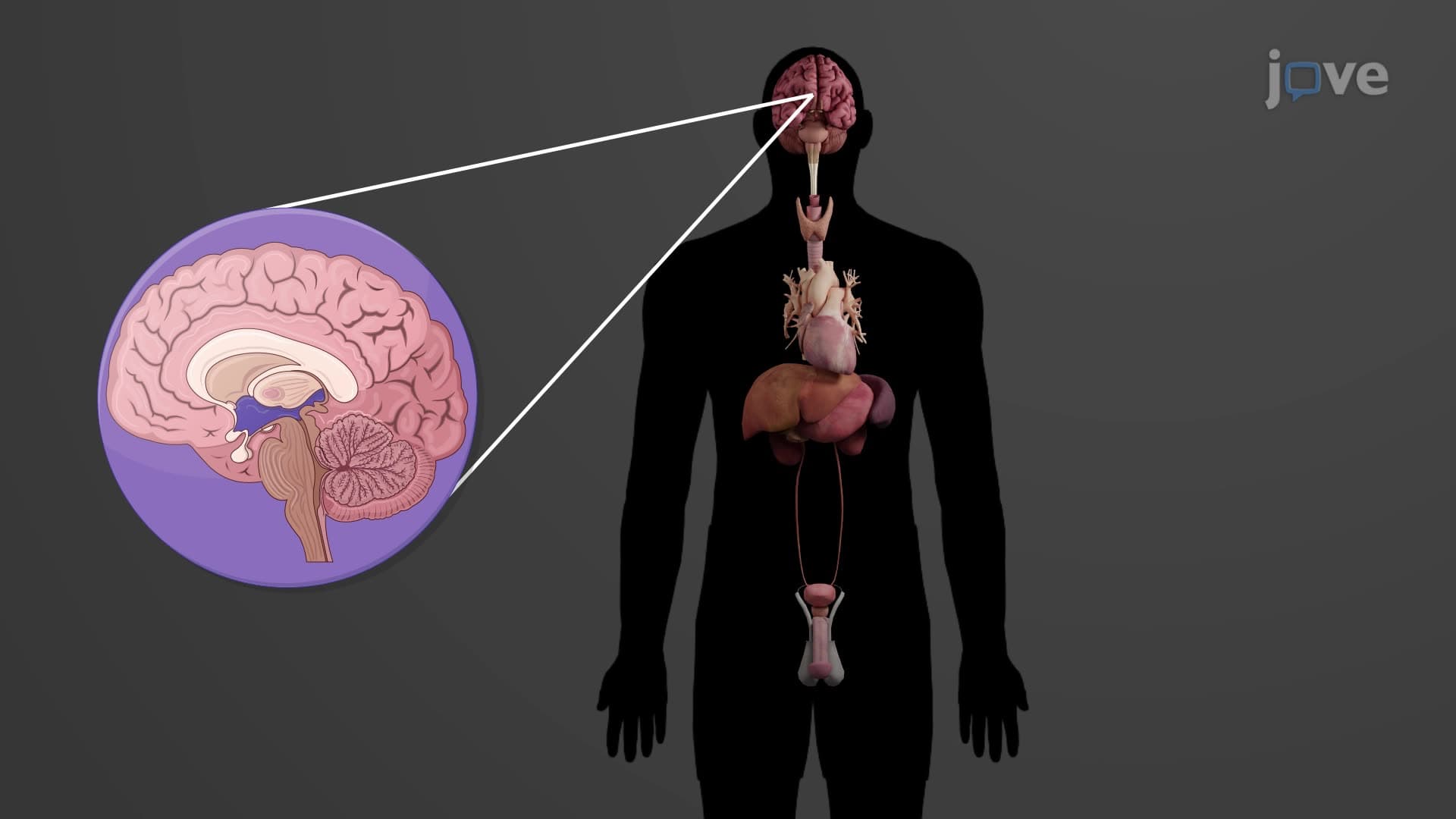
The pituitary gland, often called the "master gland," produces eight essential pituitary gland hormones that regulate virtually every major physiological process. Located in the sella turcica of the sphenoid bone, this grape-sized structure weighs only 0.5 grams yet wields enormous influence over human health and development.
The anterior lobe synthesizes six critical hormones of pituitary gland through specialized secretory cells called somatotrophs, thyrotrophs, corticotrophs, gonadotrophs, and lactotrophs. Growth hormone (GH) stands as perhaps the most recognizable, stimulating hepatic production of insulin-like growth factor-1 (IGF-1) to promote skeletal and muscular development. Students preparing for the MCAT often encounter questions about GH's dual role in growth promotion and metabolic regulation.
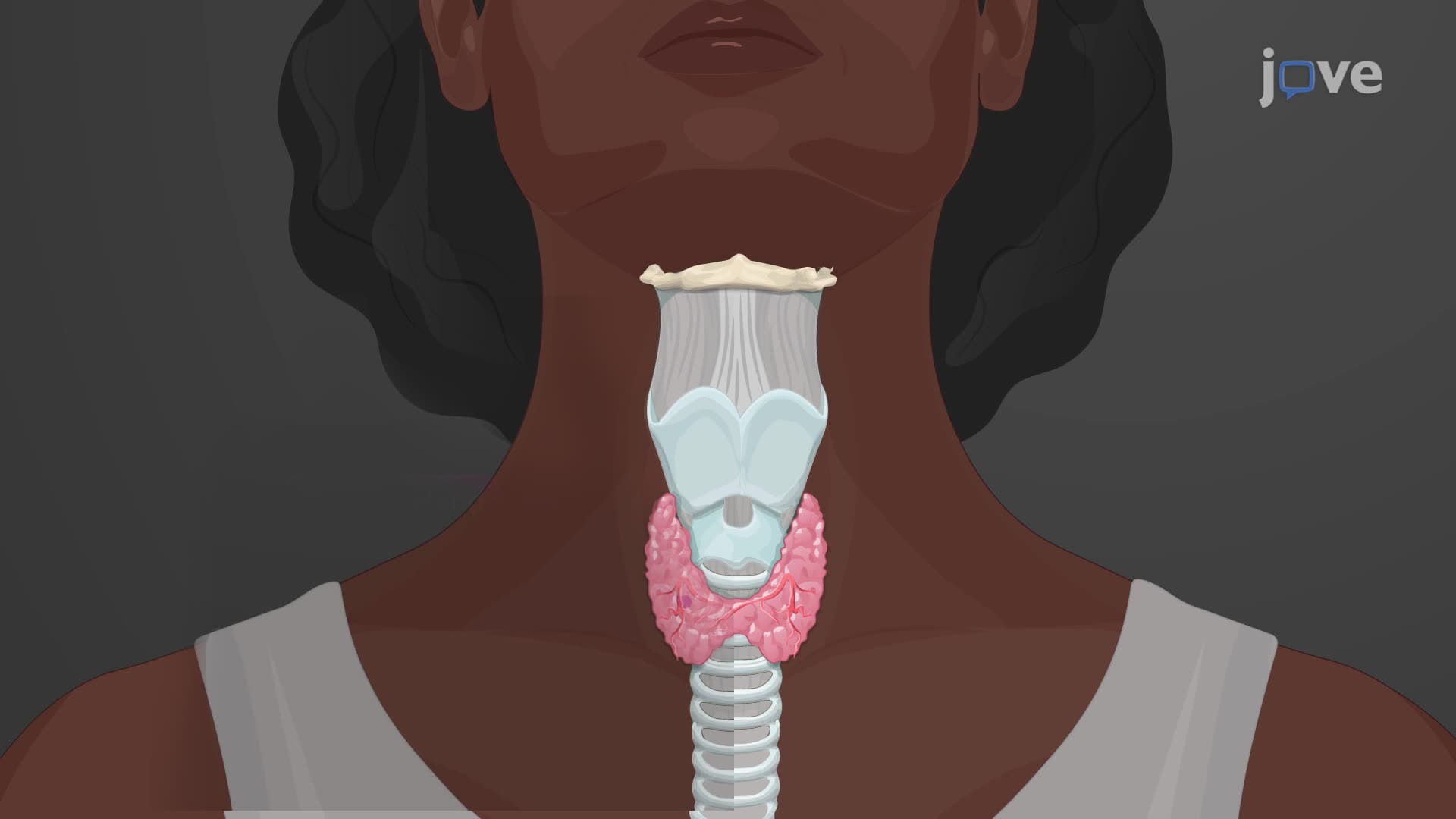
Tropic hormones represent another crucial category, including thyroid-stimulating hormone (TSH), adrenocorticotropic hormone (ACTH), and the gonadotropins luteinizing hormone (LH) and follicle-stimulating hormone (FSH). These anterior pituitary hormones control downstream endocrine organs, creating regulatory cascades essential for metabolism, stress response, and reproduction. For instance, TSH deficiency leads to hypothyroidism, affecting approximately 5% of Americans and causing symptoms from fatigue to weight gain.
Unlike its anterior counterpart, the posterior pituitary doesn't synthesize hormones but stores and releases ADH oxytocin posterior pituitary hormones produced by hypothalamic neurons. Antidiuretic hormone (ADH) maintains fluid homeostasis by increasing water reabsorption in kidney collecting ducts, while oxytocin facilitates uterine contractions during labor and milk ejection during breastfeeding.
Understanding pituitary hormone function proves essential for AP Biology students studying endocrine regulation and college pre-med students tackling complex feedback mechanisms. Common USMLE questions focus on hormone replacement therapy for pituitary adenomas, which affect roughly 15% of the population. These concepts frequently appear in nursing school entrance exams like the HESI A2 and TEAS, particularly regarding hormone imbalances and their physiological consequences.
Related Micro-courses