Loading subject page…


112,918 views


Video Summary: Target Cell Response to Hormones Explained
Ever wonder why diabetics need insulin injections while others don't? Target cell hormone response determines how your body's 37 trillion cells react to chemical messengers like insulin, adrenaline, and growth hormone. When hormone levels fluctuate, cells can actually change their sensitivity through receptor regulation-explaining why some patients develop insulin resistance over time. Target Cell Response To Hormones Explained covers this fascinating cellular communication system. Watch the full video on JoVE Coach to master this concept with expert-led visuals and step-by-step explanations.
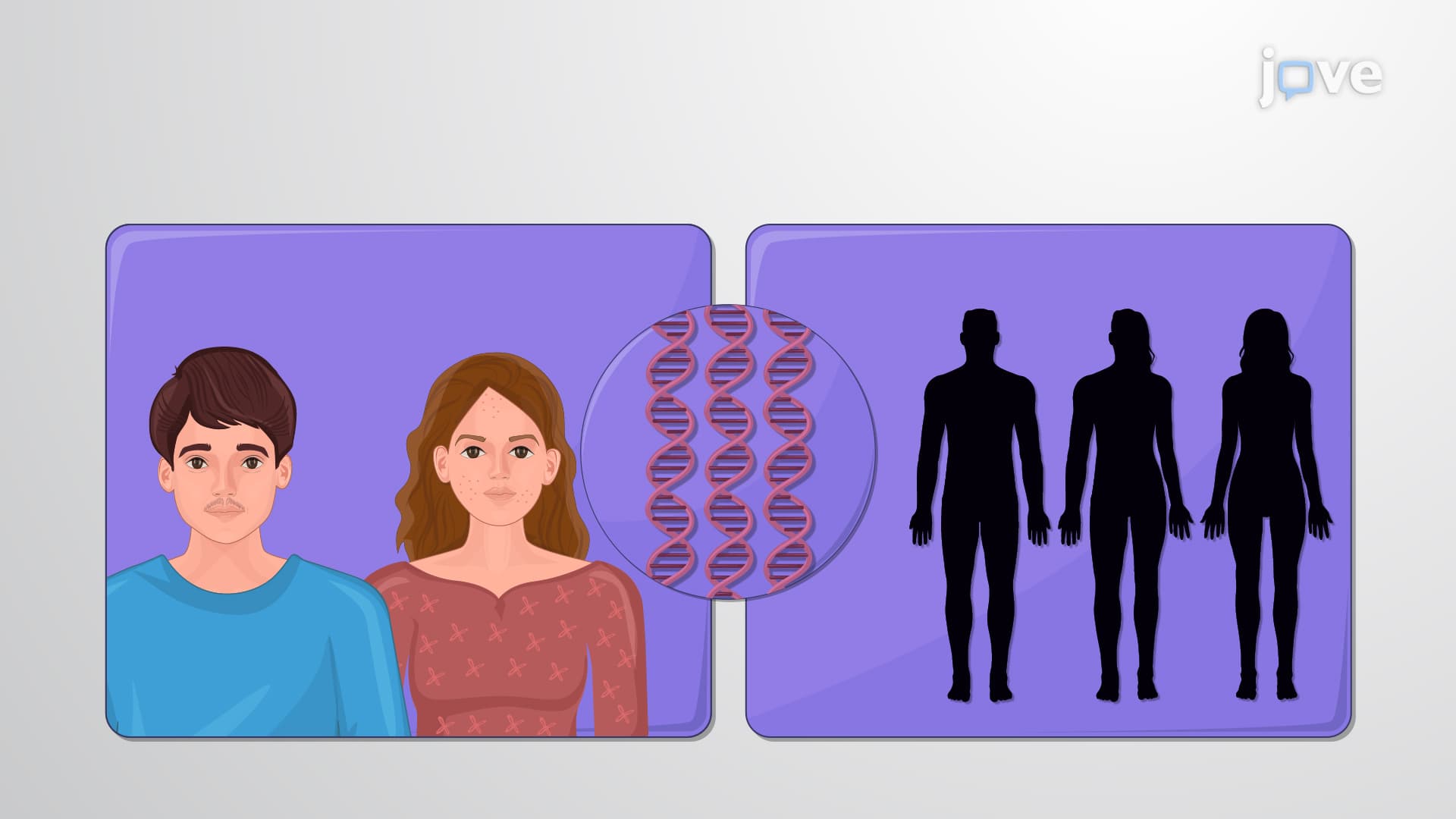
Target cell hormone response represents one of biology's most elegant communication systems. Unlike simple chemical reactions, hormonal signaling involves sophisticated molecular recognition where specific hormones bind only to their designated receptors, much like keys fitting specific locks. This selectivity ensures that insulin affects glucose metabolism in muscle cells while thyroid hormones regulate metabolic rate in virtually every tissue.
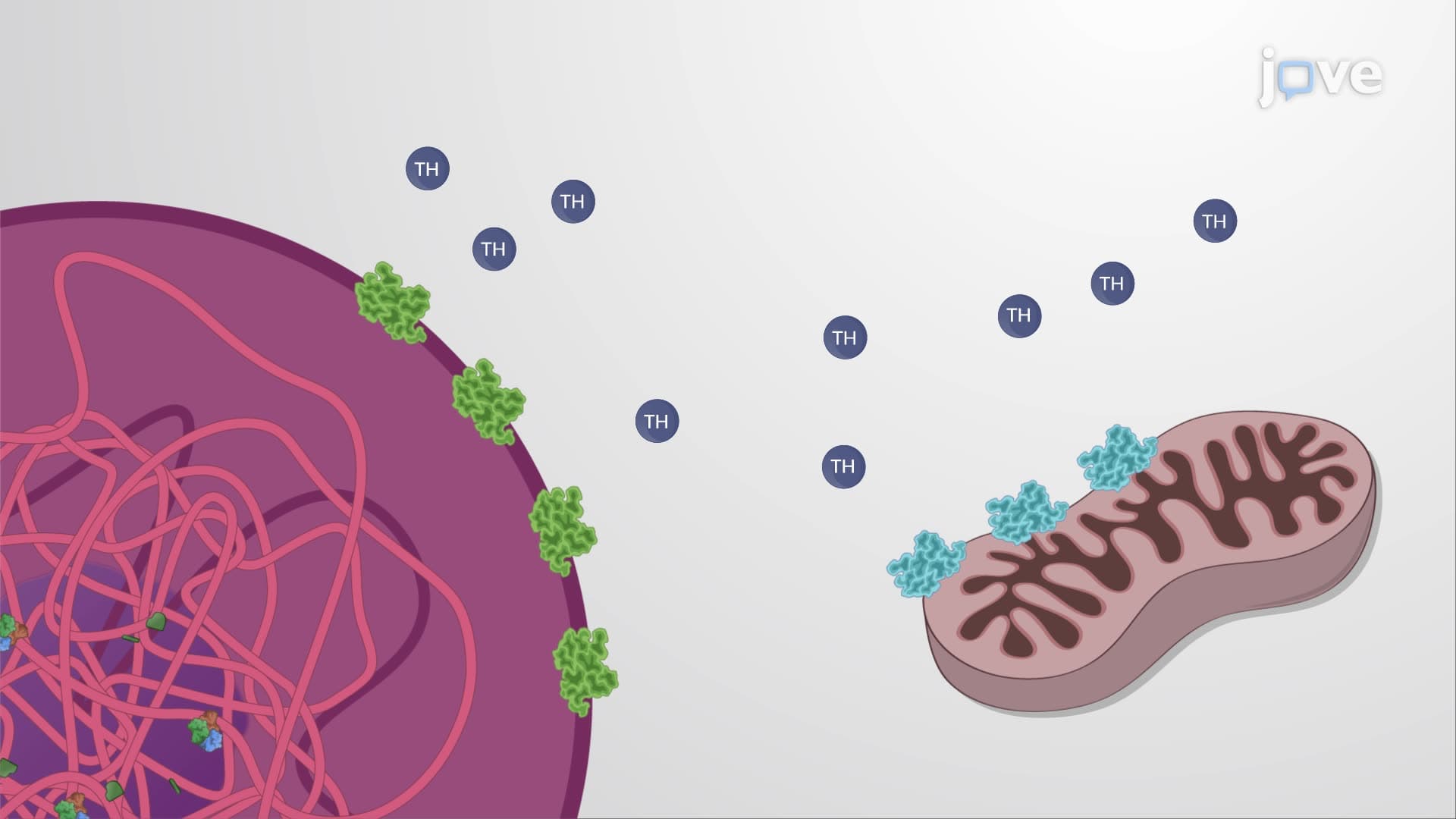
The process begins when hormones-whether protein-based like insulin or steroid-based like cortisol-encounter their target cells. Cell response to hormones biology involves two primary receptor locations: membrane-bound receptors for water-soluble hormones and intracellular nuclear receptors for lipid-soluble hormones. This distinction is crucial for AP Biology students, as it determines both the speed and duration of cellular responses.
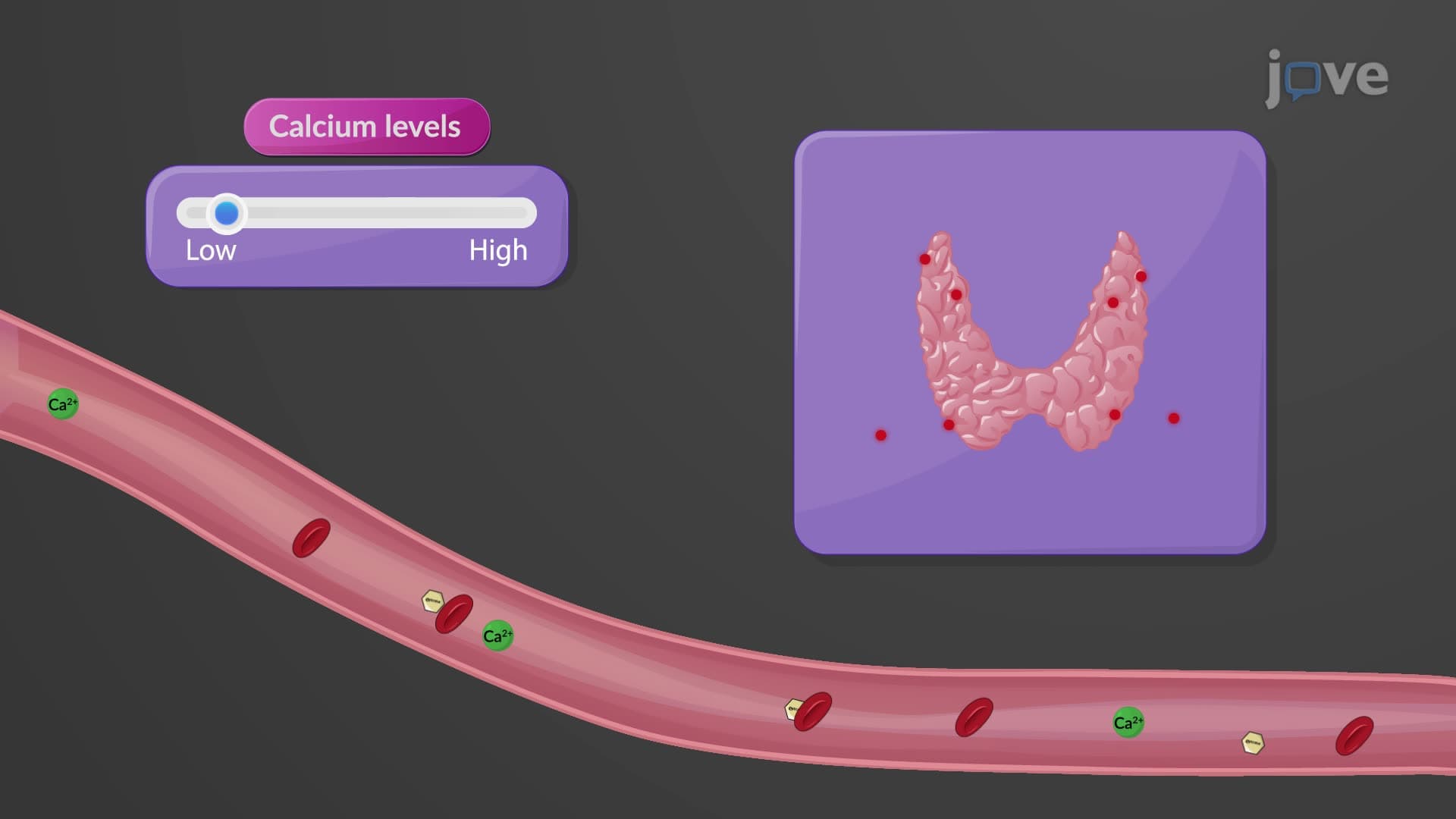
Cells demonstrate remarkable intelligence through receptor regulation. When chronically exposed to high hormone levels, target cells reduce receptor numbers through down-regulation, protecting themselves from overstimulation. Conversely, during hormone deficiency, cells increase receptor production via up-regulation, enhancing their sensitivity to available hormones.
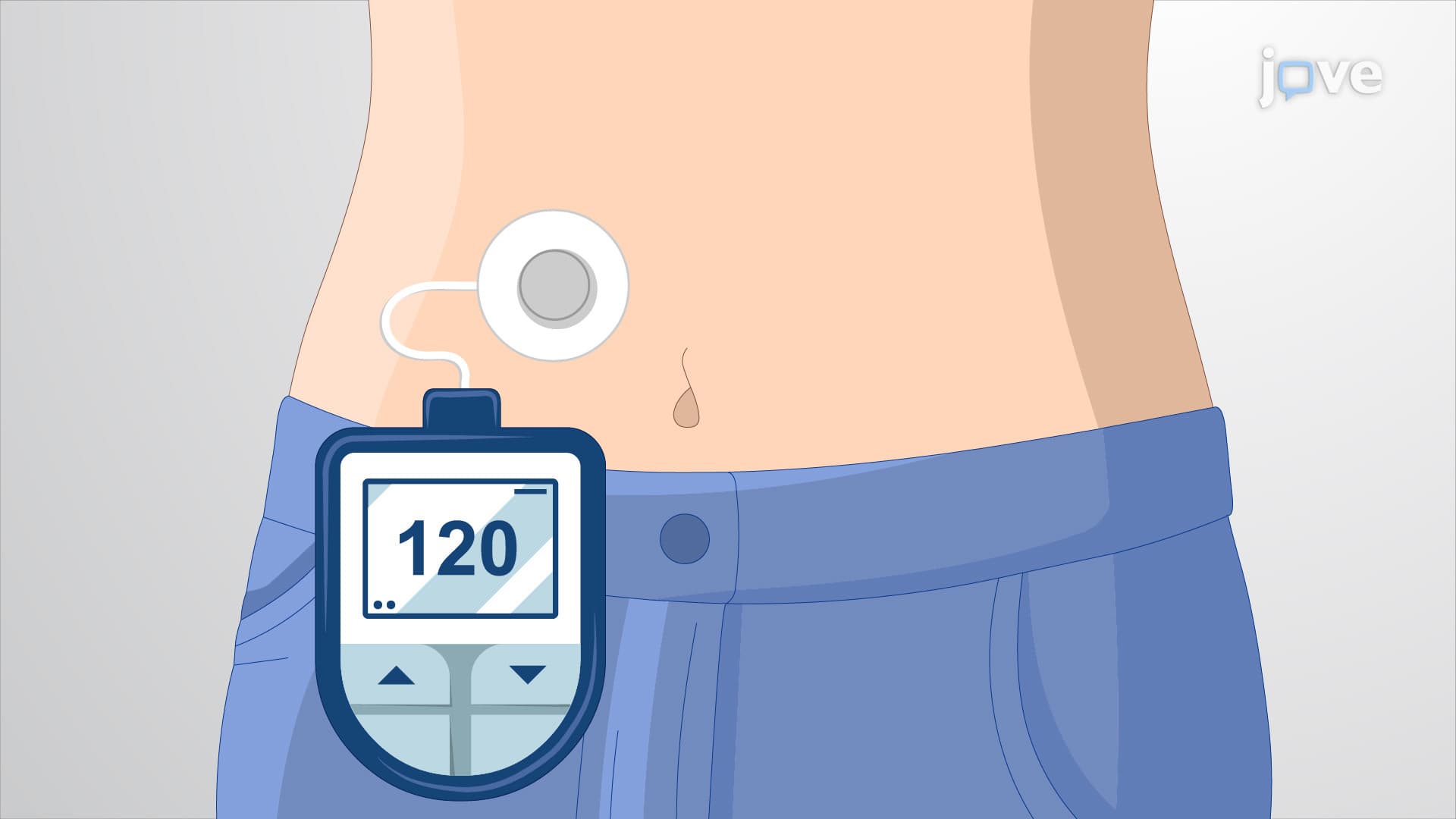
Consider insulin resistance, affecting over 88 million Americans. Prolonged exposure to high glucose levels causes muscle and fat cells to down-regulate insulin receptors, reducing cellular glucose uptake. This adaptive mechanism, while initially protective, eventually contributes to Type 2 diabetes development-a concept frequently tested on the MCAT and college physiology exams.
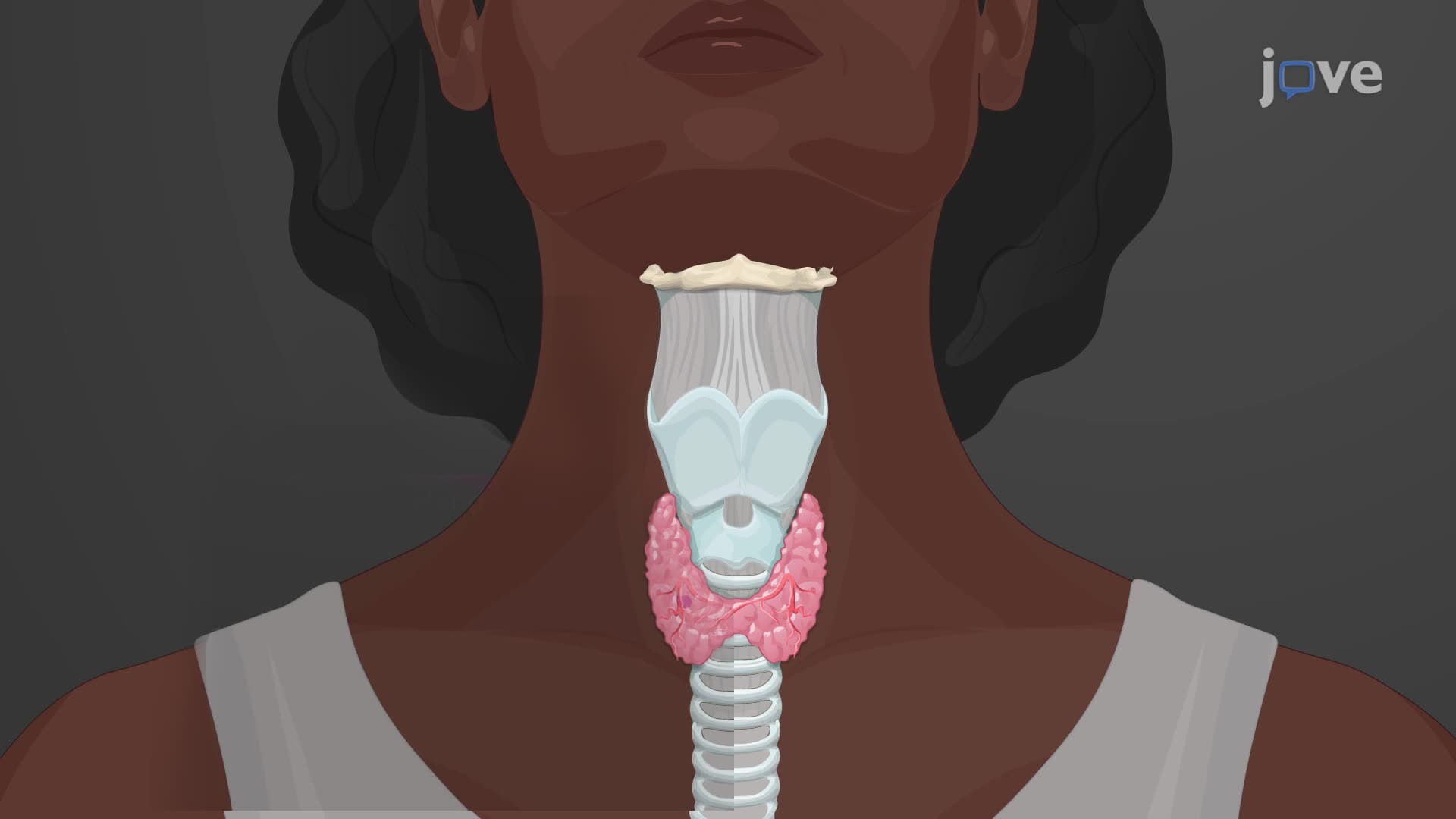
How do target cells respond to hormones becomes more complex when multiple hormones interact. Permissive interactions occur when one hormone enables another's action. For example, thyroid hormones must be present for epinephrine to effectively stimulate fat breakdown during exercise-explaining why hypothyroid patients often struggle with weight management despite adequate adrenaline production.
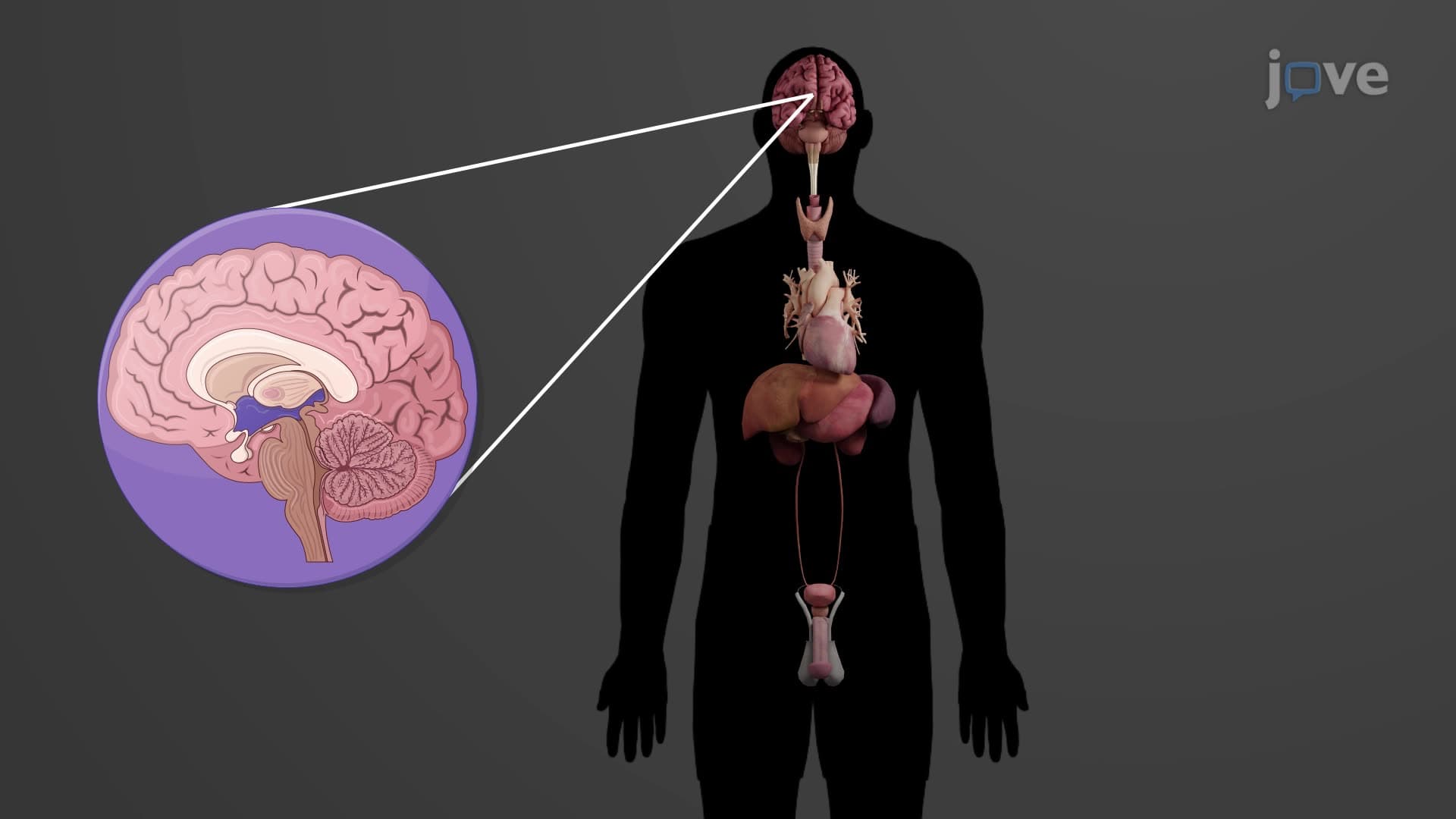
Synergistic interactions amplify responses when hormones work together. The male reproductive system exemplifies this: follicle-stimulating hormone (FSH) and testosterone collaborate to maintain sperm production. Neither hormone alone can sustain normal fertility, which medical students learn when studying male reproductive disorders on the USMLE Step 1.
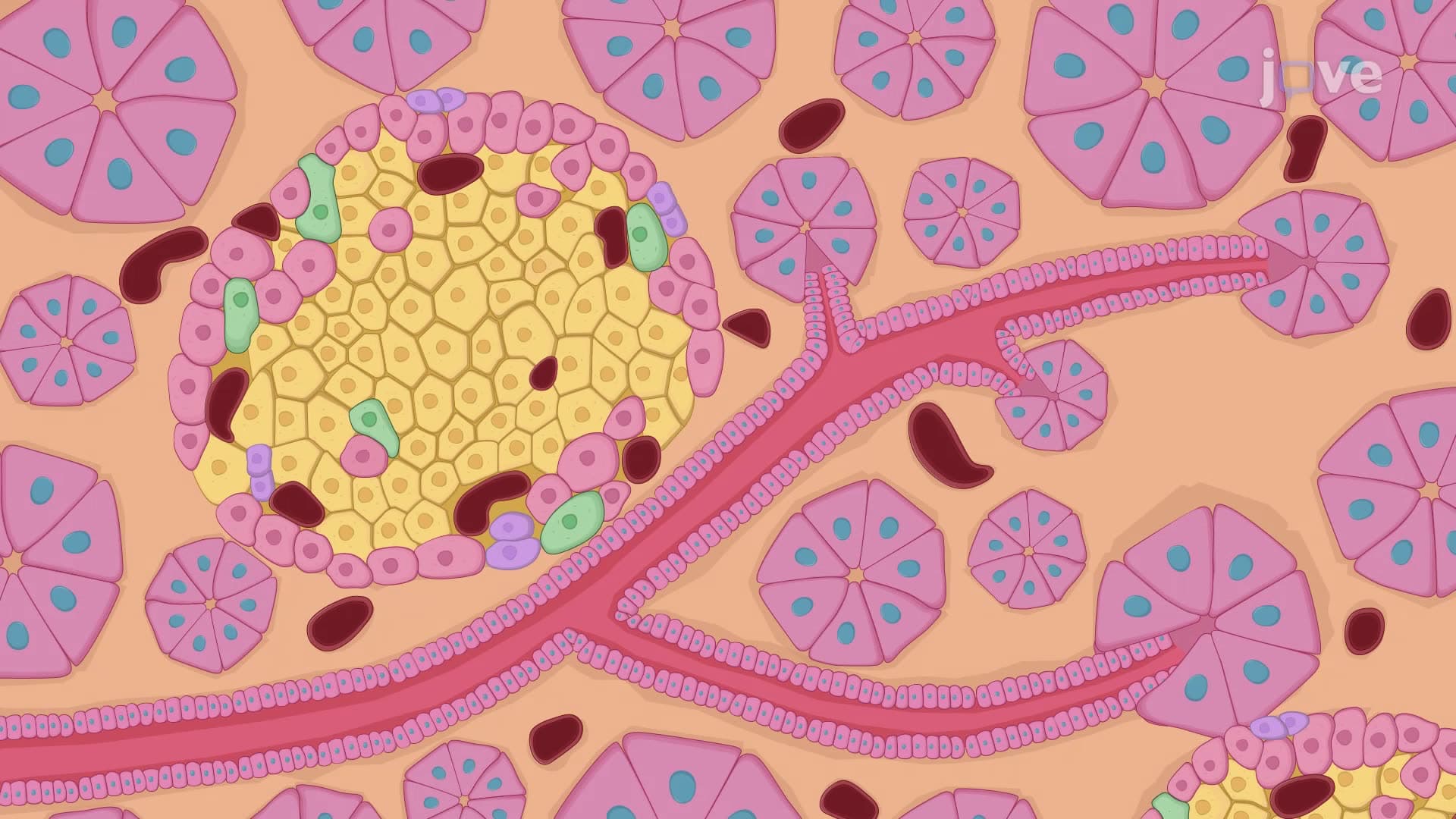
Antagonistic interactions create biological checks and balances. Insulin and glucagon represent the classic example taught in every introductory biology course. While insulin promotes glucose storage and lowers blood sugar, glucagon stimulates glucose release and raises blood sugar. This opposing relationship maintains glucose homeostasis and appears frequently on college midterm examinations.
Understanding these concepts prepares students for advanced topics in endocrinology, pharmacology, and clinical medicine, forming the foundation for careers in healthcare, research, and biotechnology.
Related Micro-courses