Loading video…


 23 Concepts
 112.9K views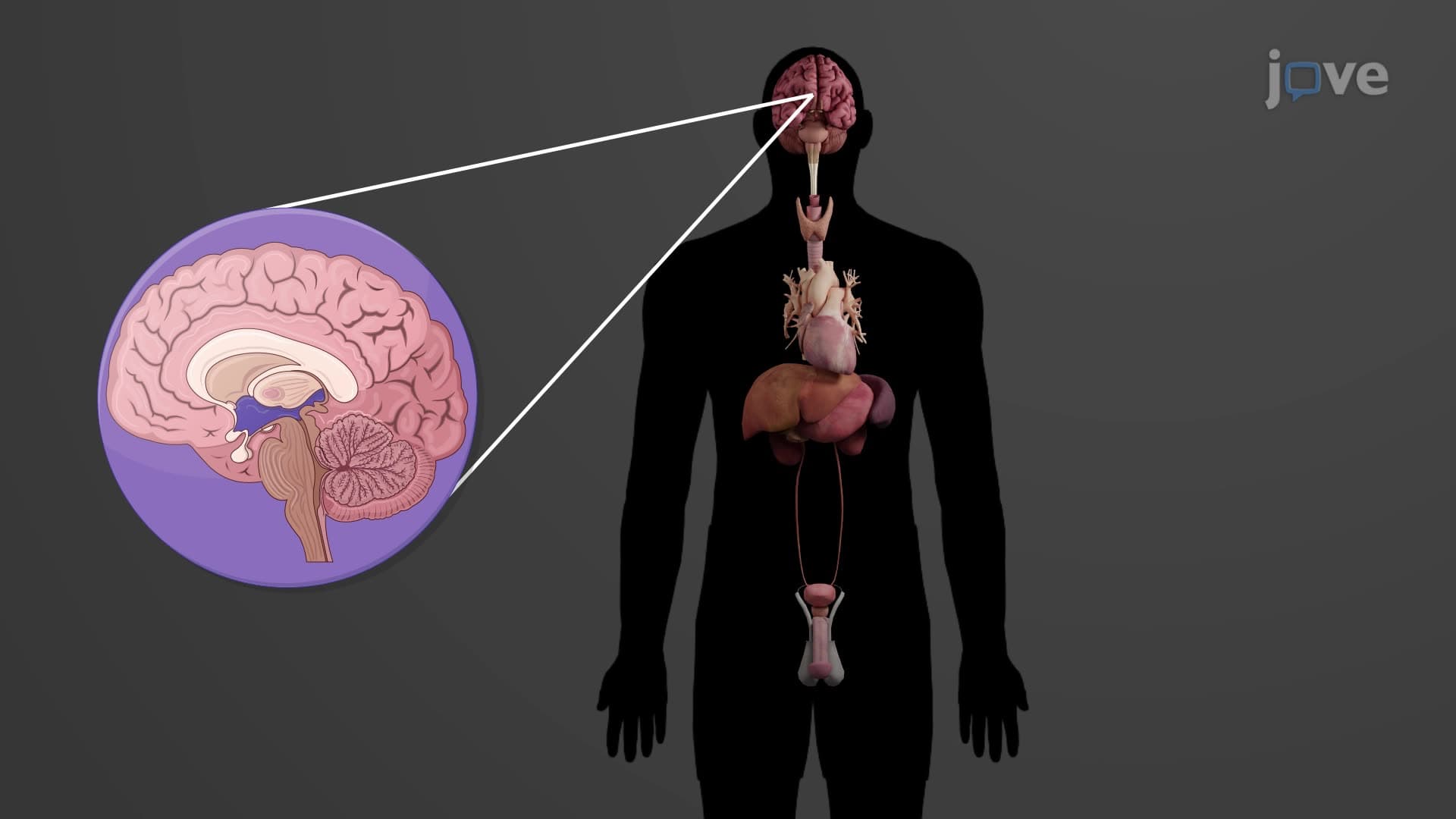

Video Summary: What are Structures Endocrine System
Your body's chemical messaging system operates through endocrine system structures anatomy that includes over a dozen specialized glands working 24/7. From the tiny pituitary gland controlling growth hormones in NBA players to the pancreas regulating blood sugar after meals, what are the structures of the endocrine system reveals an intricate network of ductless glands throughout your body. Watch the full video on JoVE Coach to master this concept with expert-led visuals and step-by-step explanations.
The endocrine system structures anatomy represents one of biology's most elegant communication networks, featuring specialized glands that secrete hormones directly into body fluids. Unlike exocrine glands with ducts (like sweat glands), endocrine glands are ductless, releasing their chemical messengers into interstitial fluid where they enter the bloodstream to reach target organs throughout the body.
The hypothalamus endocrine structure serves as the master regulator, functioning as a neuroendocrine organ that bridges nervous and hormonal control systems. Located in the diencephalon, it produces releasing and inhibiting hormones that control the nearby pituitary gland. The pituitary thyroid adrenal gland axis begins here, with the pituitary often called the "master gland" despite being controlled by the hypothalamus. The pineal parathyroid gland region also houses the pineal gland, which secretes melatonin to regulate circadian rhythms-crucial for students preparing for standardized tests like the AP Biology exam or MCAT.
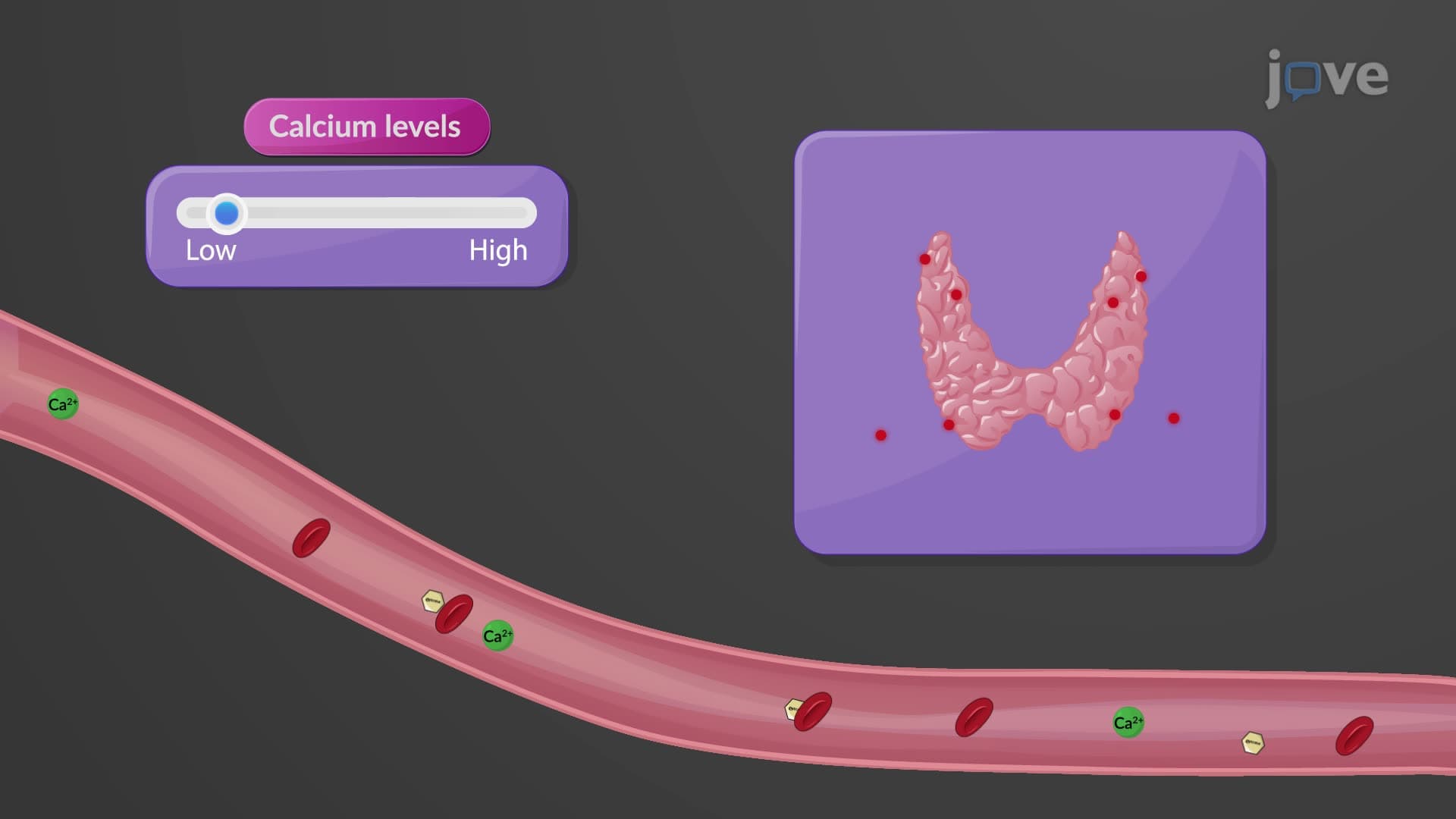
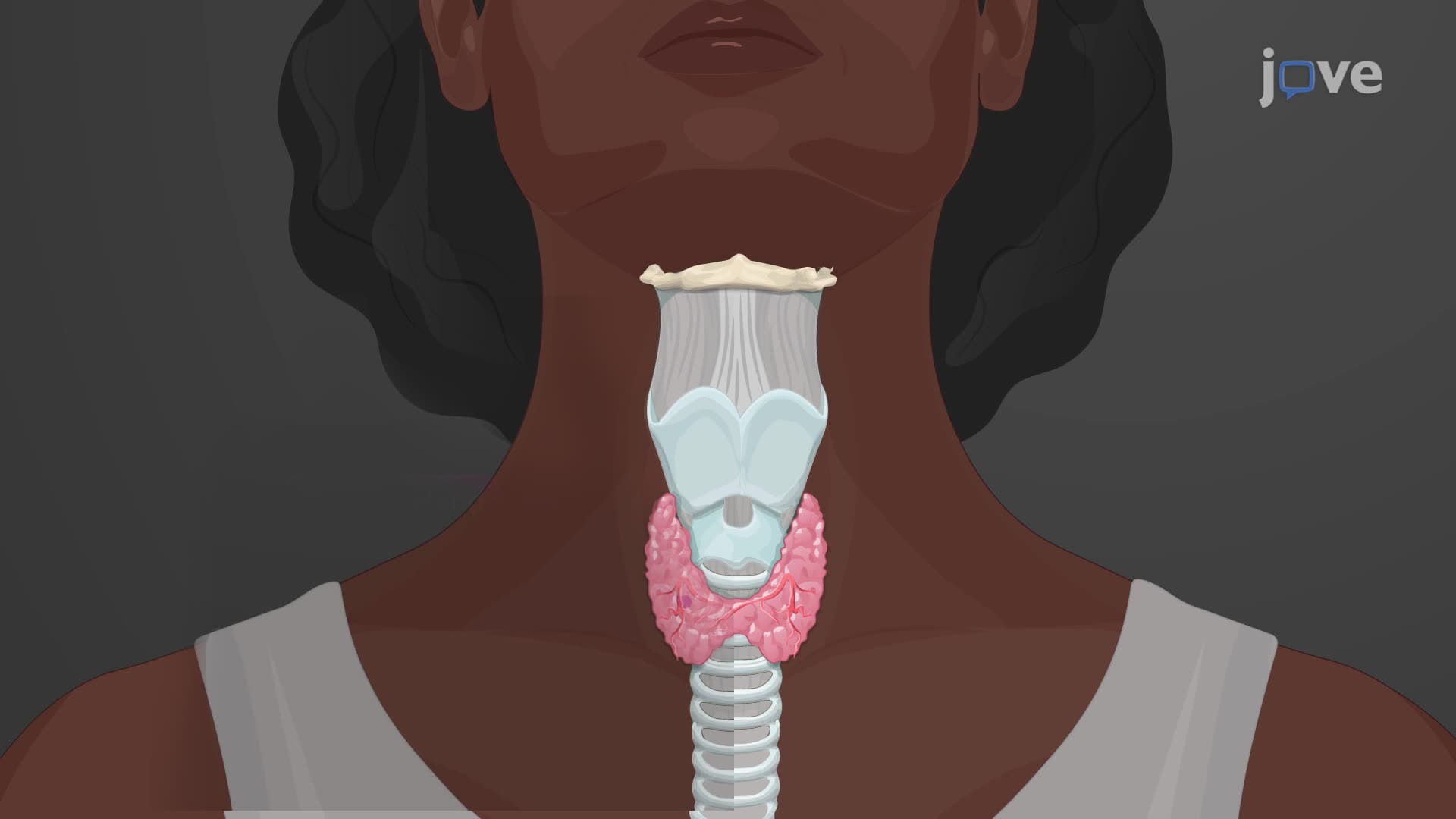
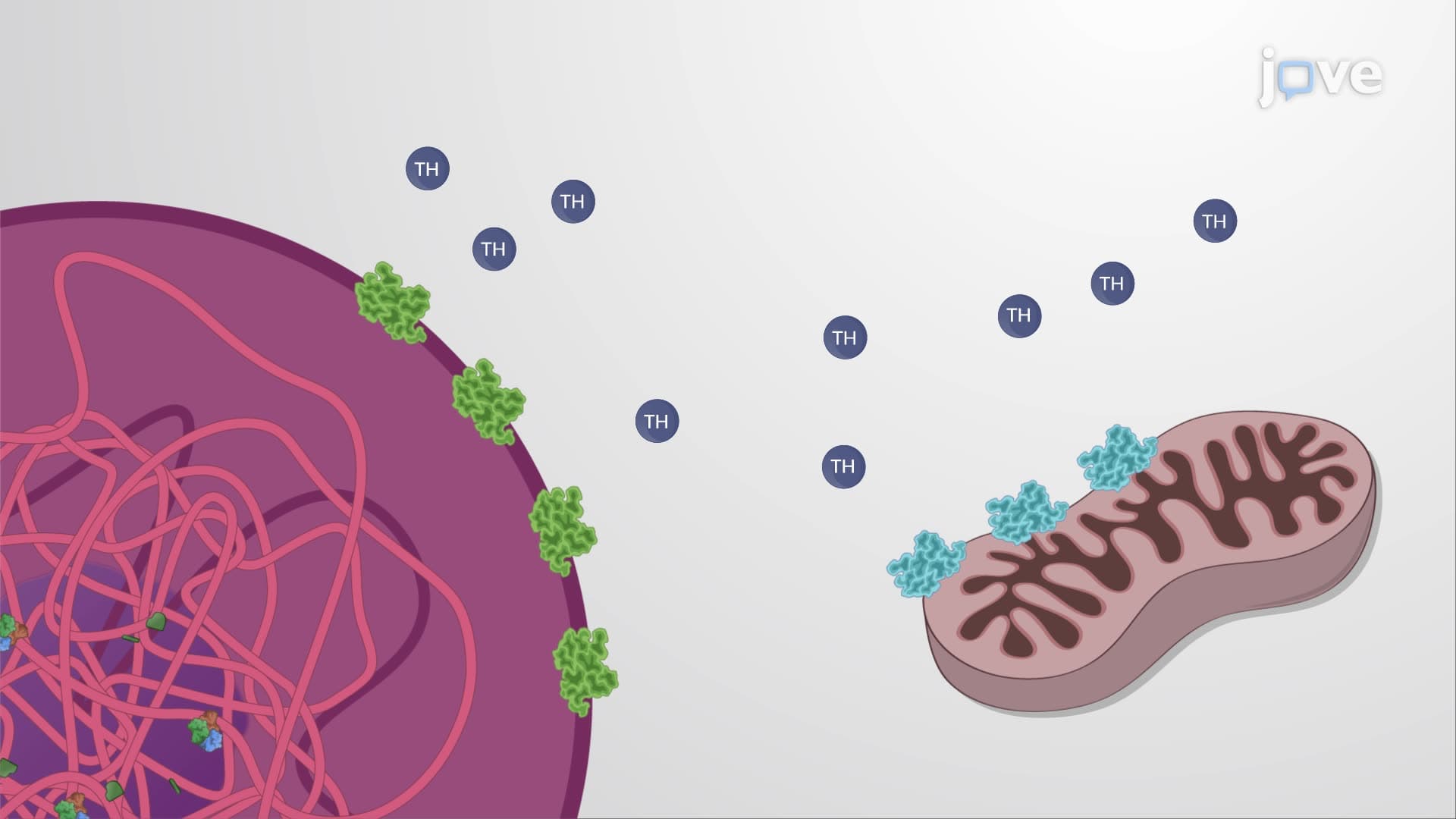
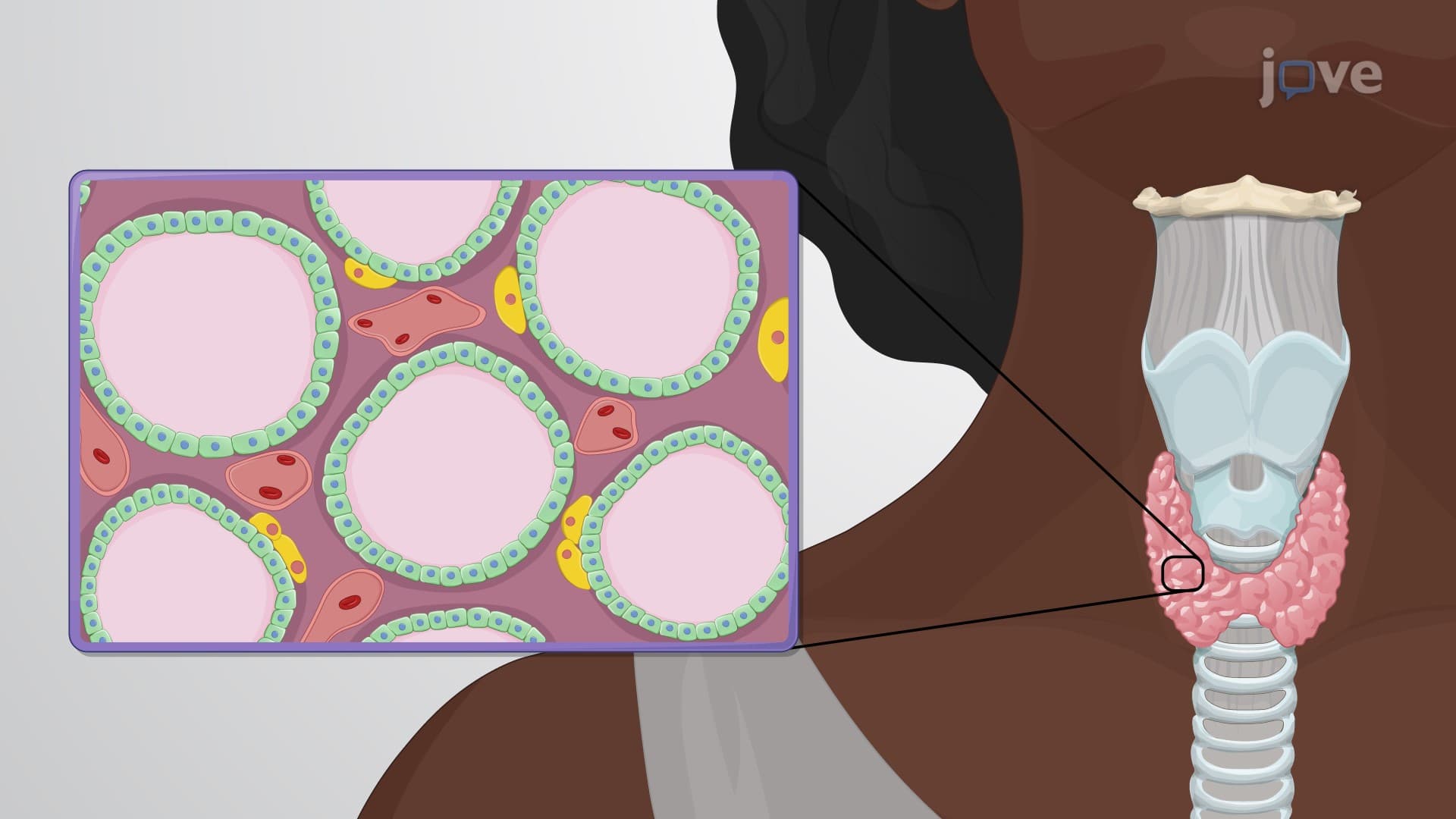
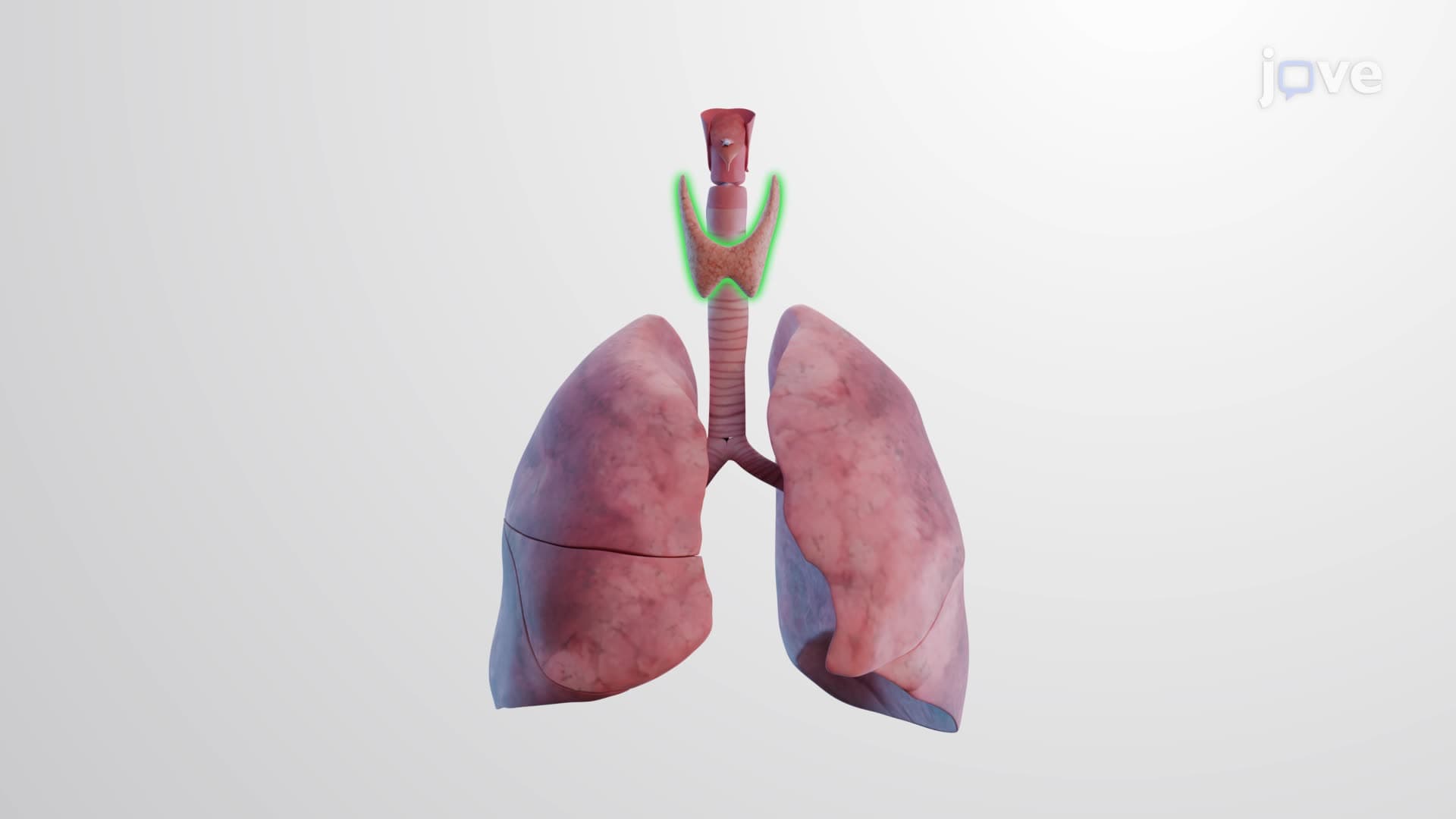
In the neck region, the butterfly-shaped thyroid gland wraps around the trachea, producing thyroid hormones that regulate metabolism. The four tiny parathyroid glands, embedded in the thyroid's posterior surface, control calcium homeostasis. Moving into the chest, the thymus gland is most active during childhood and adolescence, producing hormones essential for T-cell development and immune system maturation.
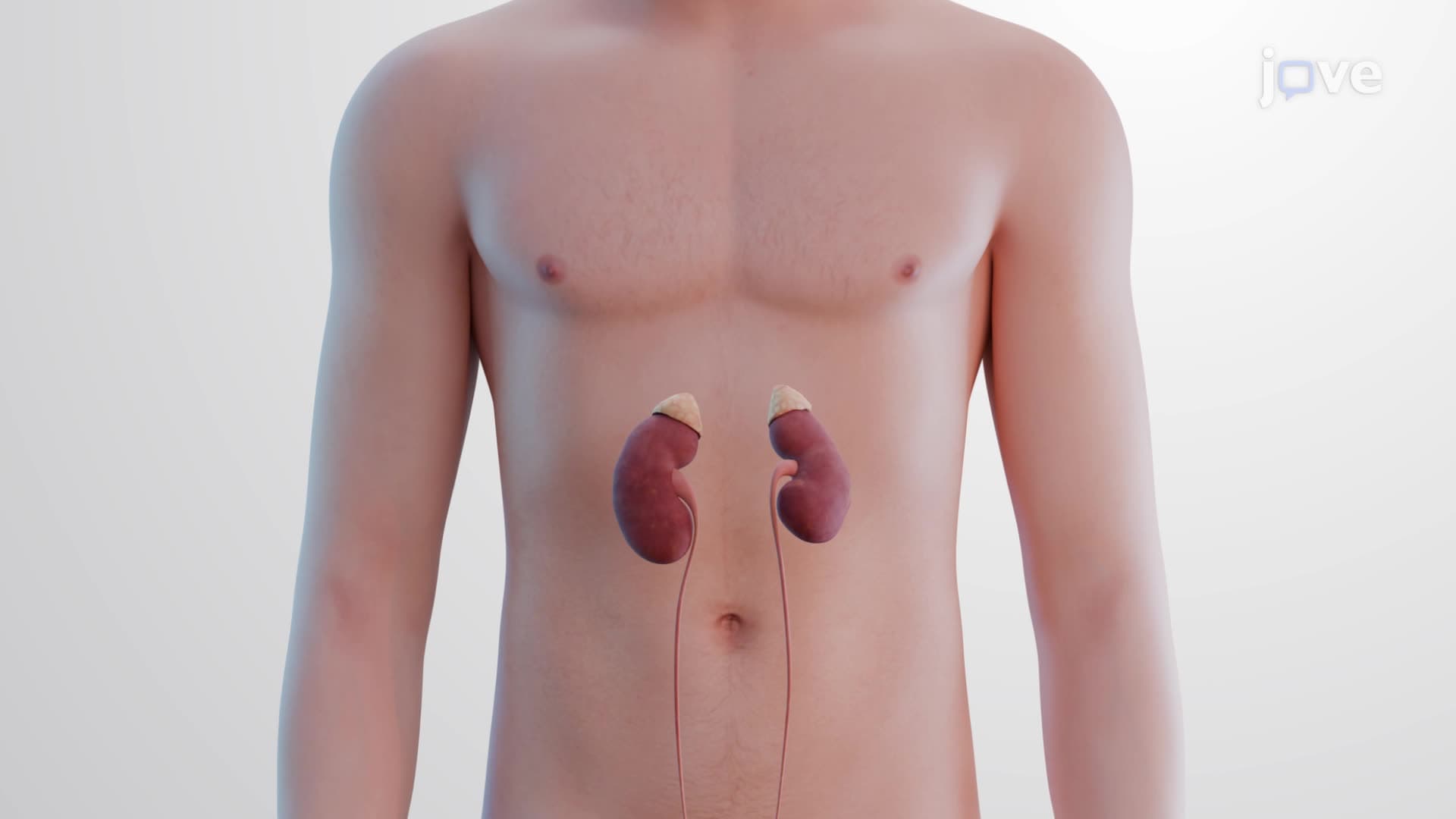
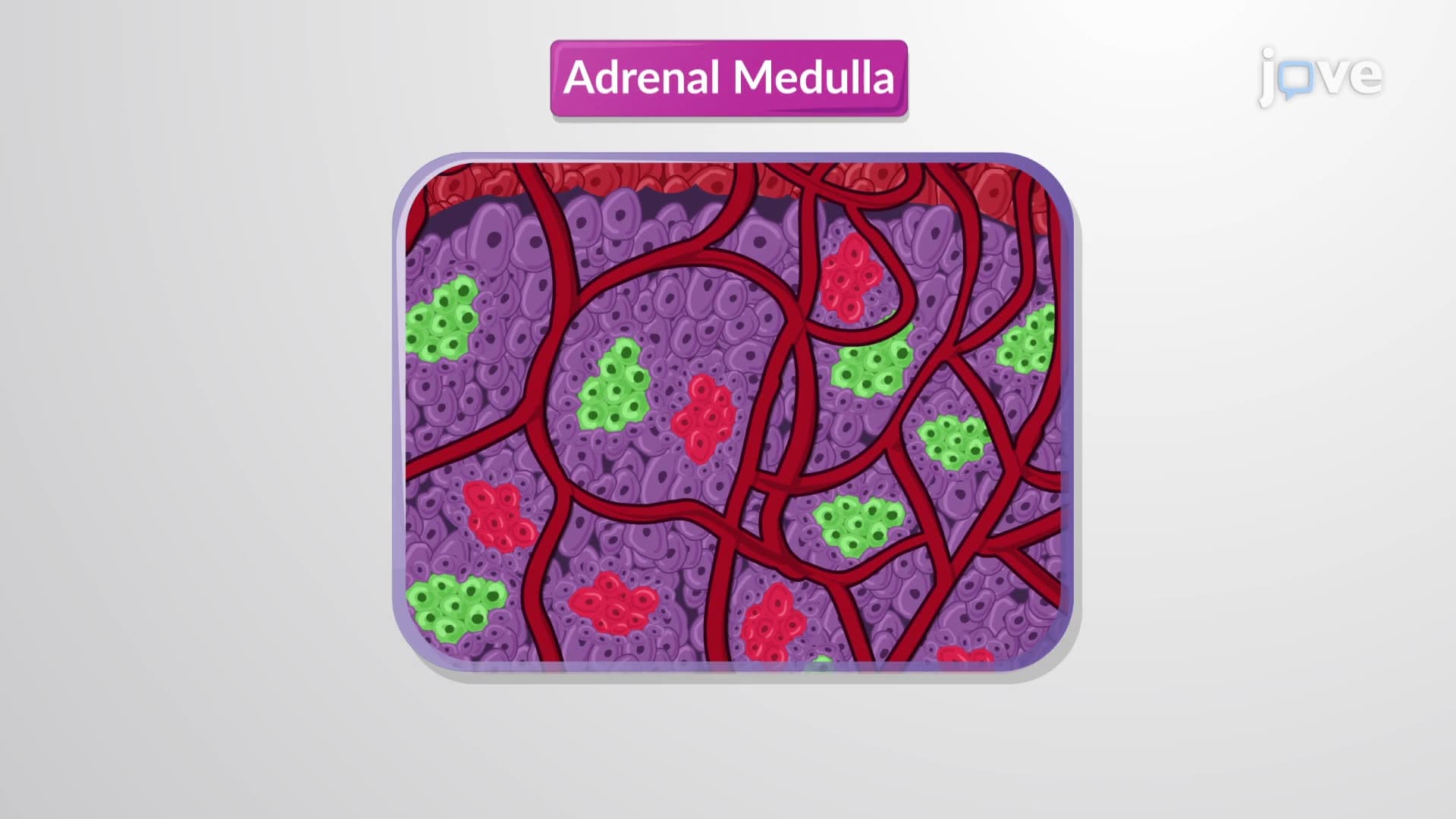
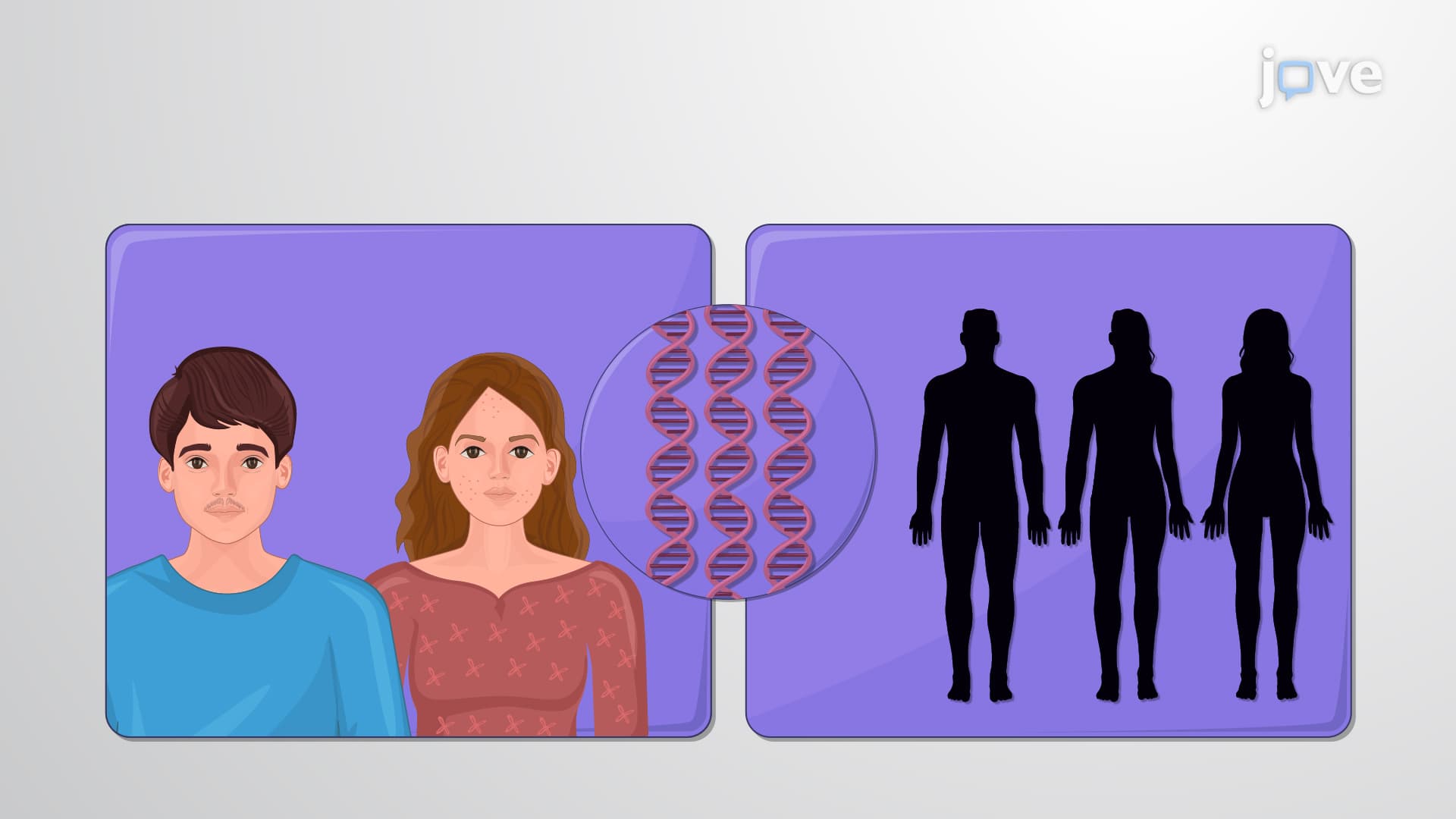
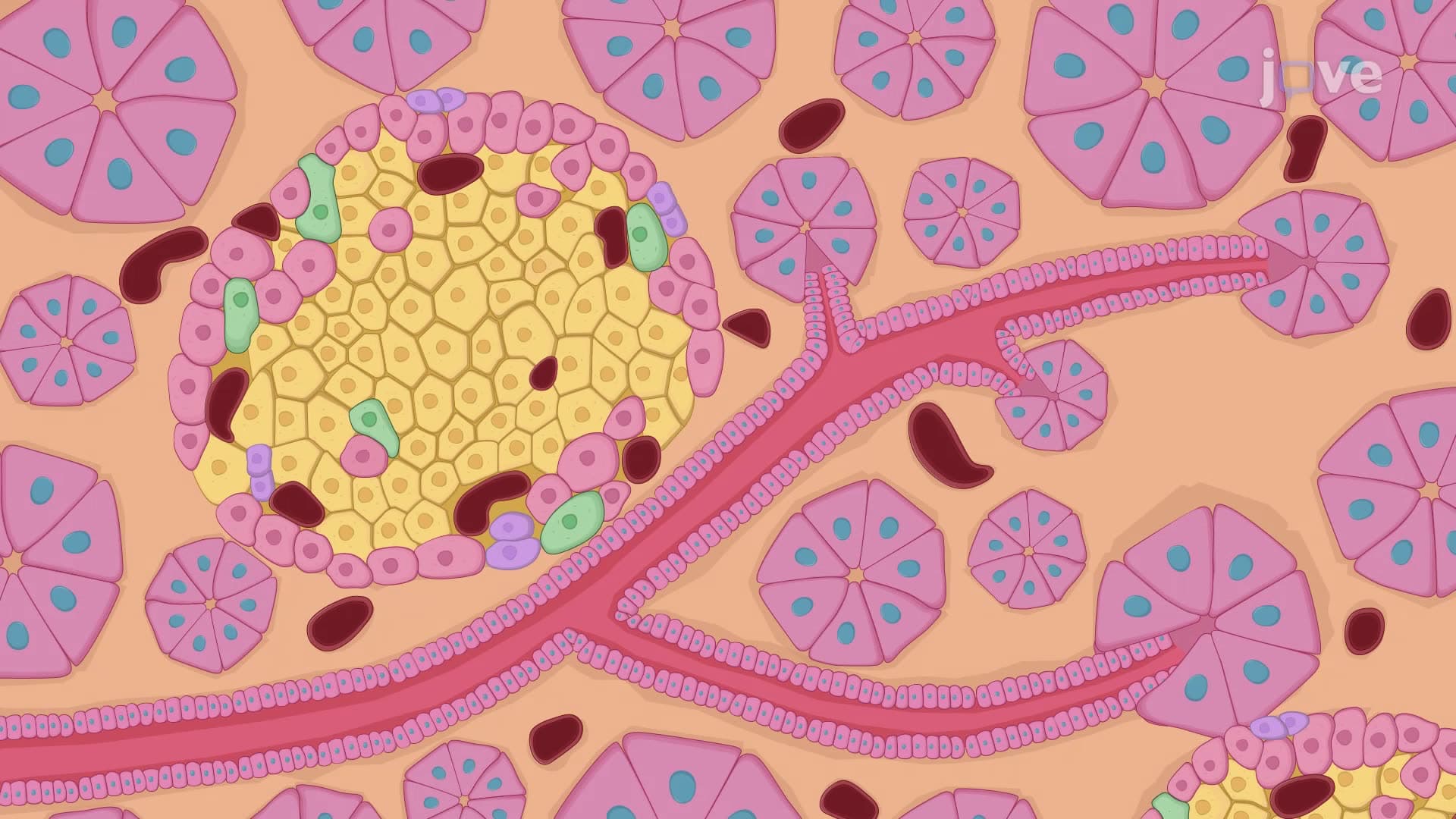
The pancreas gonad endocrine system includes the pancreas as a dual-function organ. Its islets of Langerhans contain alpha cells (producing glucagon) and beta cells (producing insulin) that maintain blood glucose levels-a concept frequently tested on nursing entrance exams like HESI A2 and TEAS. The adrenal glands, perched atop each kidney, have two distinct regions: the outer cortex produces steroid hormones like cortisol, while the inner medulla secretes epinephrine during stress responses. The gonads-testes in males and ovaries in females-produce sex hormones essential for reproductive development and function, topics covered extensively in college-level anatomy and physiology courses.
Understanding endocrine gland structures explained helps students excel in healthcare programs and biological sciences, as these concepts appear prominently in USMLE Step 1 and NCLEX examinations.
Related Micro-courses