14 Concepts
6 Concepts
21 Concepts
23 Concepts
21 Concepts
15 Concepts
16 Concepts
26 Concepts
18 Concepts
19 Concepts
11 Concepts
6 Concepts
10 Concepts
22 Concepts
20 Concepts
26 Concepts
26 Concepts
14 Concepts
10 Concepts
12 Concepts
23 Concepts
29 Concepts
19 Concepts
38 Concepts
38 Concepts
25 Concepts
40 Concepts
25 Concepts
25 Concepts
20 Concepts
37 Concepts
The special senses encompass vision, hearing, smell, taste, and equilibrium - five critical sensory systems that allow humans to perceive and interact with their environment. Through specialized receptors in the eyes, ears, nose, and tongue, these systems convert external stimuli into neural signals for brain interpretation. This comprehensive course examines the anatomy and physiology of special sensory organs, from photoreceptors in the retina to hair cells in the cochlea, providing essential knowledge for students pursuing healthcare careers in the United States. JoVE Coach makes complex sensory mechanisms accessible through detailed visual explanations.
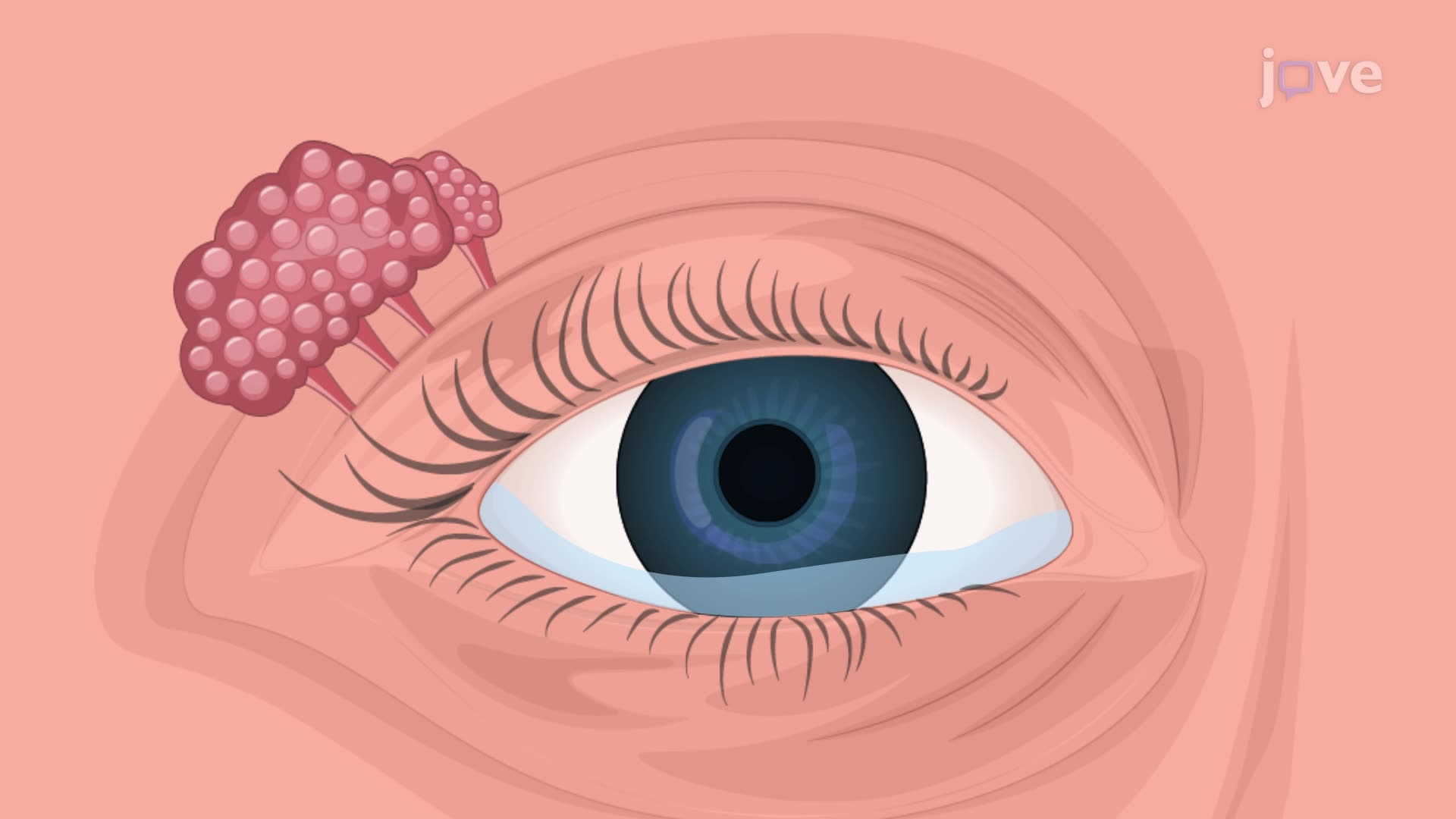
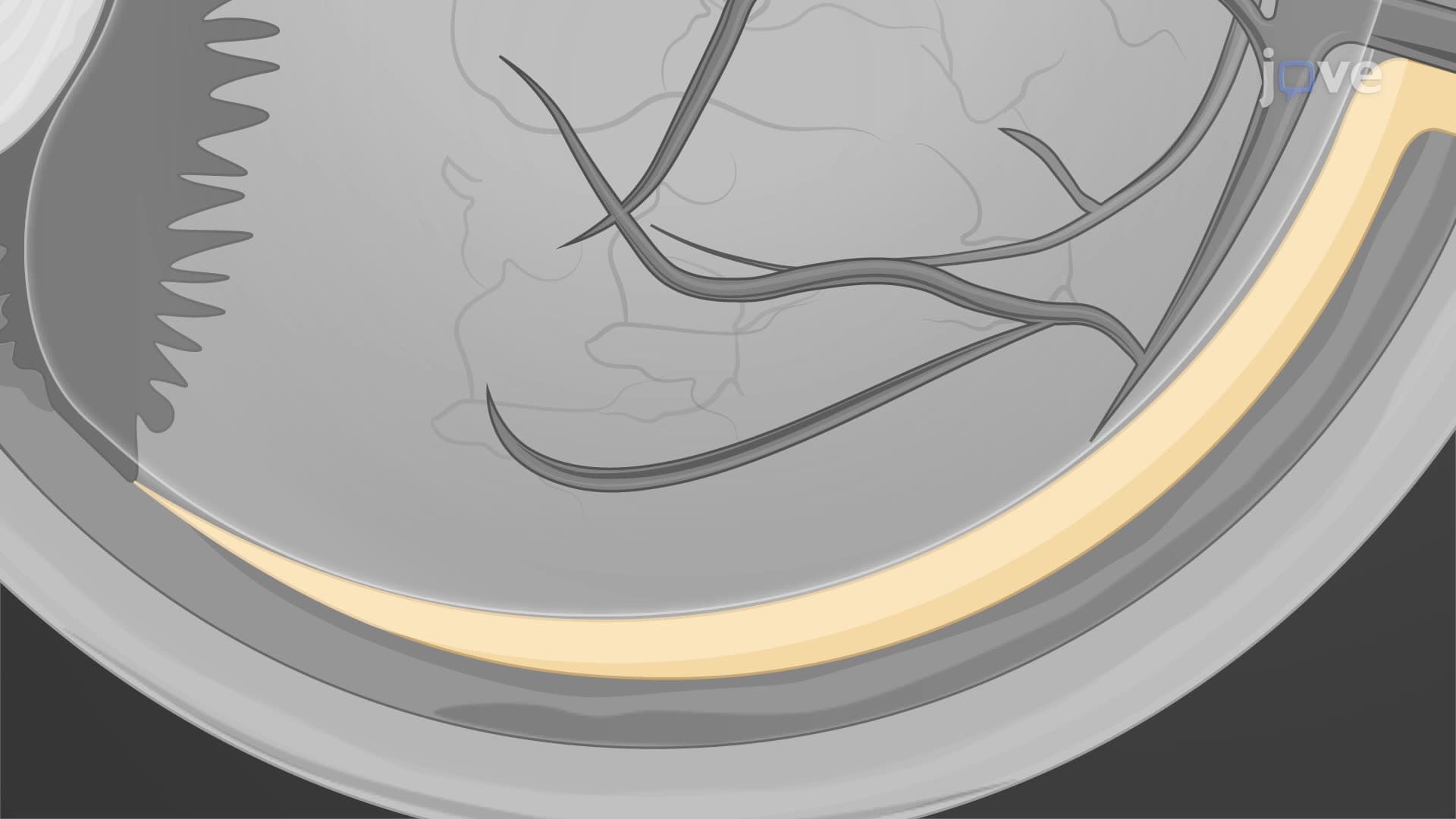
1. Vision and Eye Anatomy - The visual system represents the most complex special sense, involving multiple anatomical structures working in coordination. The eye's three layers - fibrous (sclera and cornea), vascular (choroid, ciliary body, and iris), and neural (retina) - each serve specific functions in vision. Light enters through the cornea, passes through the pupil regulated by the iris, and is focused by the lens onto the retina. Common vision problems like myopia (nearsightedness) and hyperopia (farsightedness) result from refractive errors, correctable with concave and convex lenses respectively. Understanding these concepts is crucial for students studying optometry, ophthalmology, or general healthcare in American medical programs.
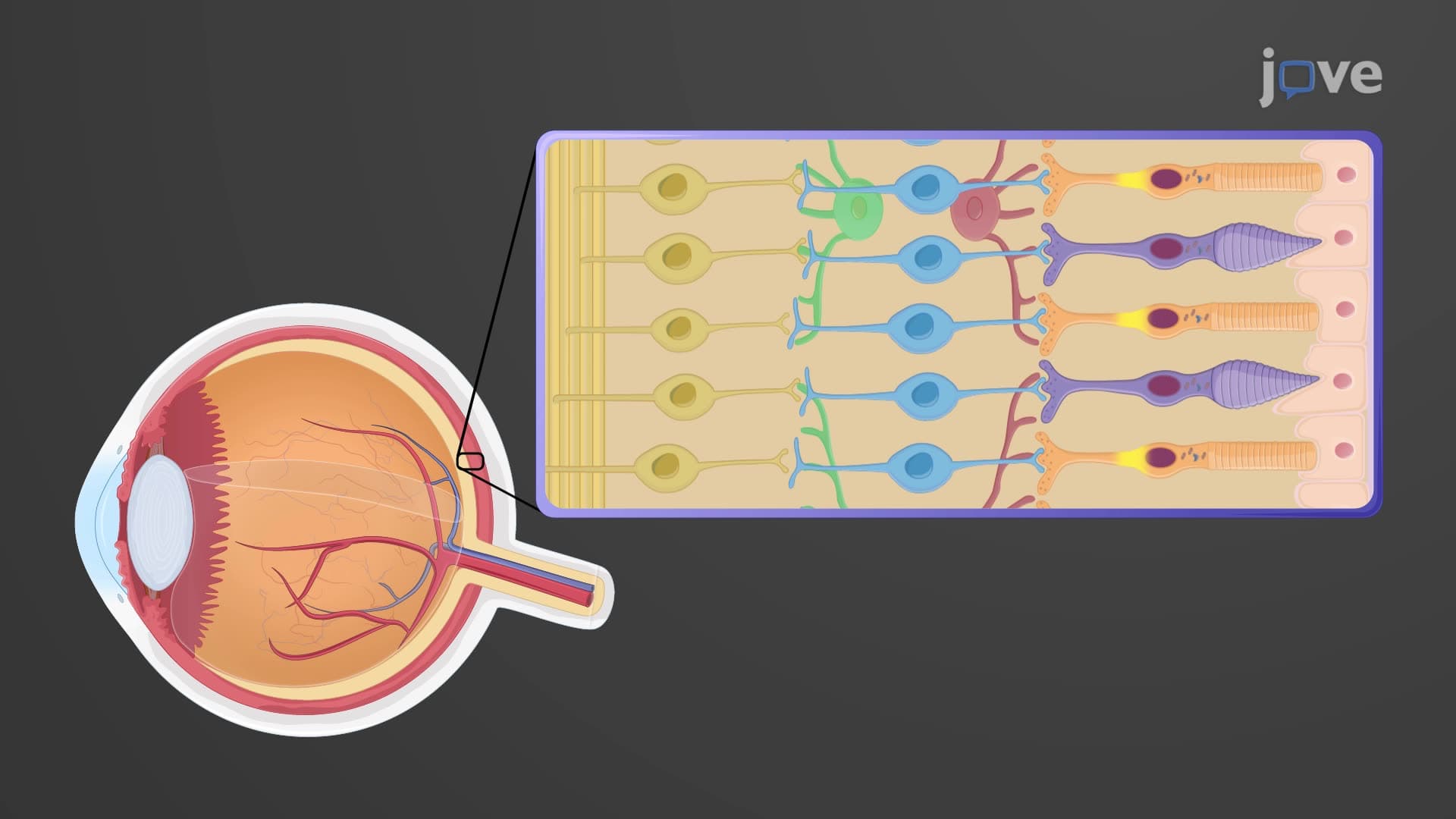
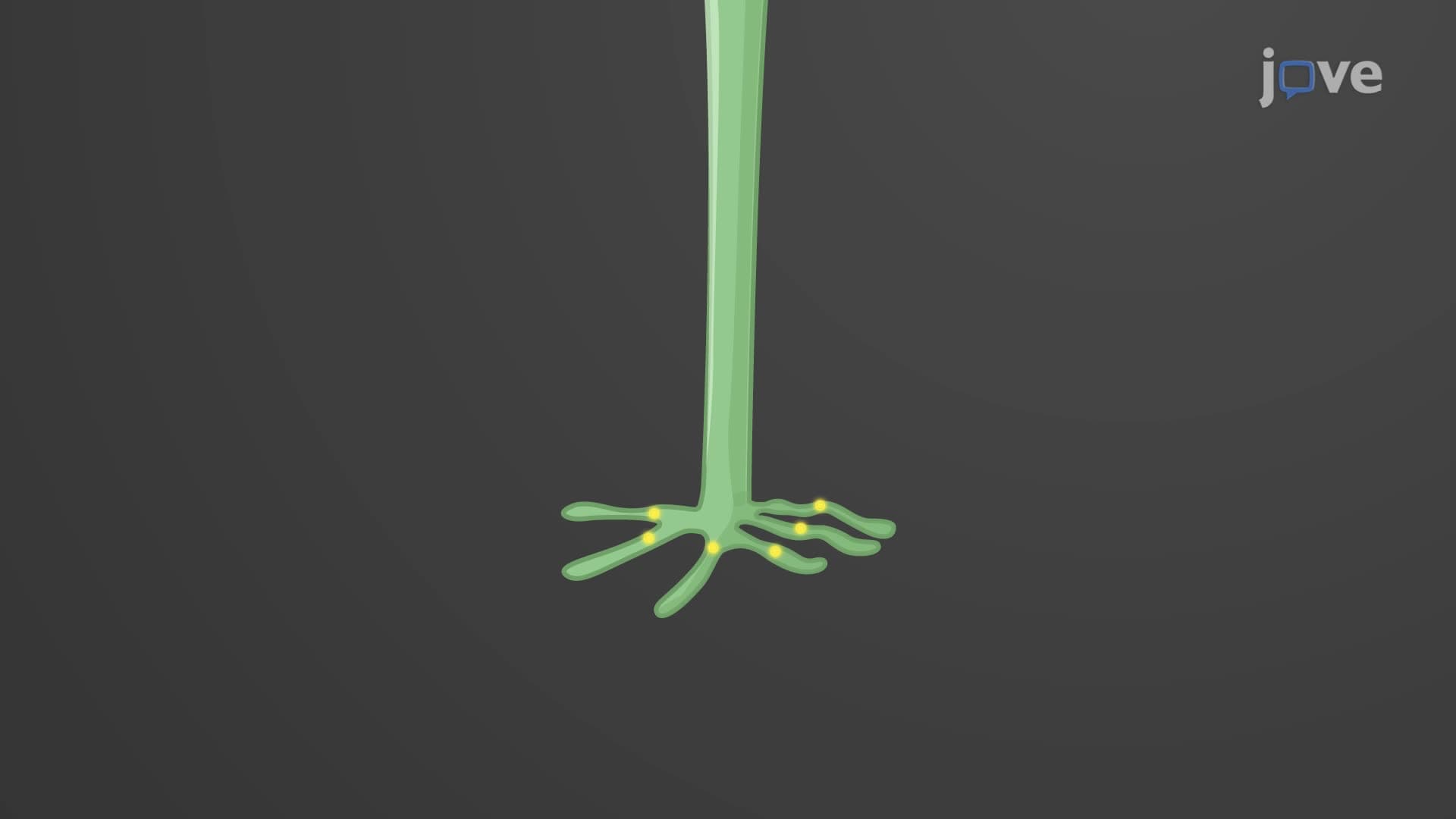
2. Photoreceptors and Visual Processing - The retina contains two primary photoreceptor types: rods for low-light vision and cones for color vision. Rods contain rhodopsin (retinal plus opsin) and provide high sensitivity for night vision, while three types of cones detect red, green, and blue wavelengths for color perception. Light activation triggers a cascade involving bipolar cells and ganglion cells, whose axons form the optic nerve. Visual information crosses at the optic chiasm before reaching the primary visual cortex for processing. Disorders like night blindness (nyctalopia) result from photopigment deficiencies, while color blindness stems from cone defects - conditions frequently tested in American medical examinations.
3. Olfaction and Chemical Detection - The sense of smell operates through olfactory receptors located in the superior nasal cavity, covering approximately five square centimeters of specialized epithelium. Bipolar olfactory neurons extend dendrites with non-motile cilia containing G-protein coupled receptors. When odorant molecules bind these receptors, they trigger cAMP production, opening sodium channels and causing depolarization. Signals travel through olfactory bulbs to the frontal lobe for conscious odor recognition and to the limbic system for emotional responses. This direct connection to emotional centers explains why certain smells can trigger powerful memories or reflexes, a phenomenon relevant to understanding human behavior in American psychology and neuroscience curricula.
4. Taste and Gustatory Function - Taste buds, located primarily on lingual papillae, detect five primary tastes: sweet, sour, salty, bitter, and umami. Four types of papillae exist: fungiform (mushroom-shaped, scattered across the tongue), circumvallate (largest, forming a V-shape posteriorly), foliate (lateral folds that degenerate in childhood), and filiform (lacking taste buds but providing texture sensation). Gustatory receptor cells respond to specific tastants through different mechanisms - sodium influx for salty, hydrogen ion influx for sour, and G-protein activation for sweet, bitter, and umami. Three cranial nerves (facial, glossopharyngeal, and vagus) carry taste signals to the gustatory nucleus and primary gustatory cortex, information essential for American nursing and medical students.
5. Hearing and Auditory Processing - The ear's three regions - external, middle, and internal - work together to convert sound waves into neural signals. Sound waves travel through the auditory canal to vibrate the tympanic membrane, which transfers vibrations through the three ossicles (malleus, incus, stapes) to the cochlea. Within the cochlea, the organ of Corti contains inner hair cells with stereocilia connected by tip links to mechanically-gated ion channels. Basilar membrane vibrations create tension on tip links, opening channels and depolarizing hair cells to release neurotransmitters. Auditory signals travel via the cochlear nerve through brainstem nuclei to reach the primary auditory cortex in the temporal lobe, a pathway crucial for understanding hearing disorders in American healthcare settings.
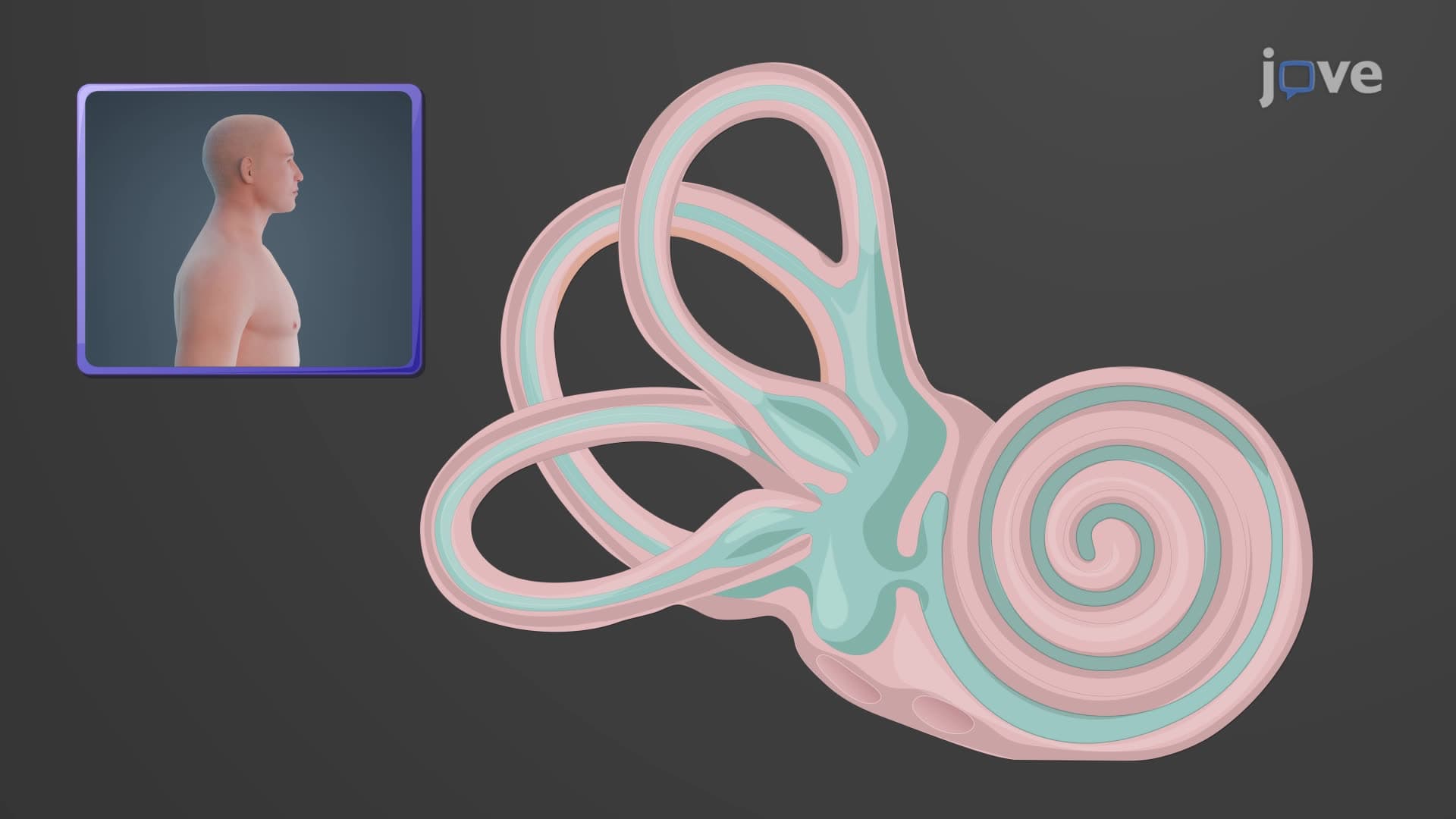
6. Equilibrium and Balance Systems - The vestibular system maintains body balance through two mechanisms: linear acceleration detection via utricle and saccule maculae, and rotational movement detection via semicircular canal cristae. Maculae contain hair cells embedded in otolithic membranes that slide with head tilts, bending hair bundles to increase or decrease neural firing rates. Cristae house hair cells covered by gelatinous cupulae that bend during rotational head movements as endolymph fluid shifts. These systems work continuously to maintain spatial orientation and balance, sending constant neural updates to the brain. Understanding vestibular function is essential for American students studying physical therapy, occupational therapy, and medicine, particularly when addressing balance disorders and motion sickness.