14 Concepts
6 Concepts
21 Concepts
23 Concepts
21 Concepts
15 Concepts
16 Concepts
26 Concepts
18 Concepts
19 Concepts
11 Concepts
6 Concepts
10 Concepts
22 Concepts
20 Concepts
26 Concepts
26 Concepts
14 Concepts
10 Concepts
12 Concepts
23 Concepts
29 Concepts
19 Concepts
38 Concepts
38 Concepts
25 Concepts
40 Concepts
25 Concepts
25 Concepts
20 Concepts
37 Concepts
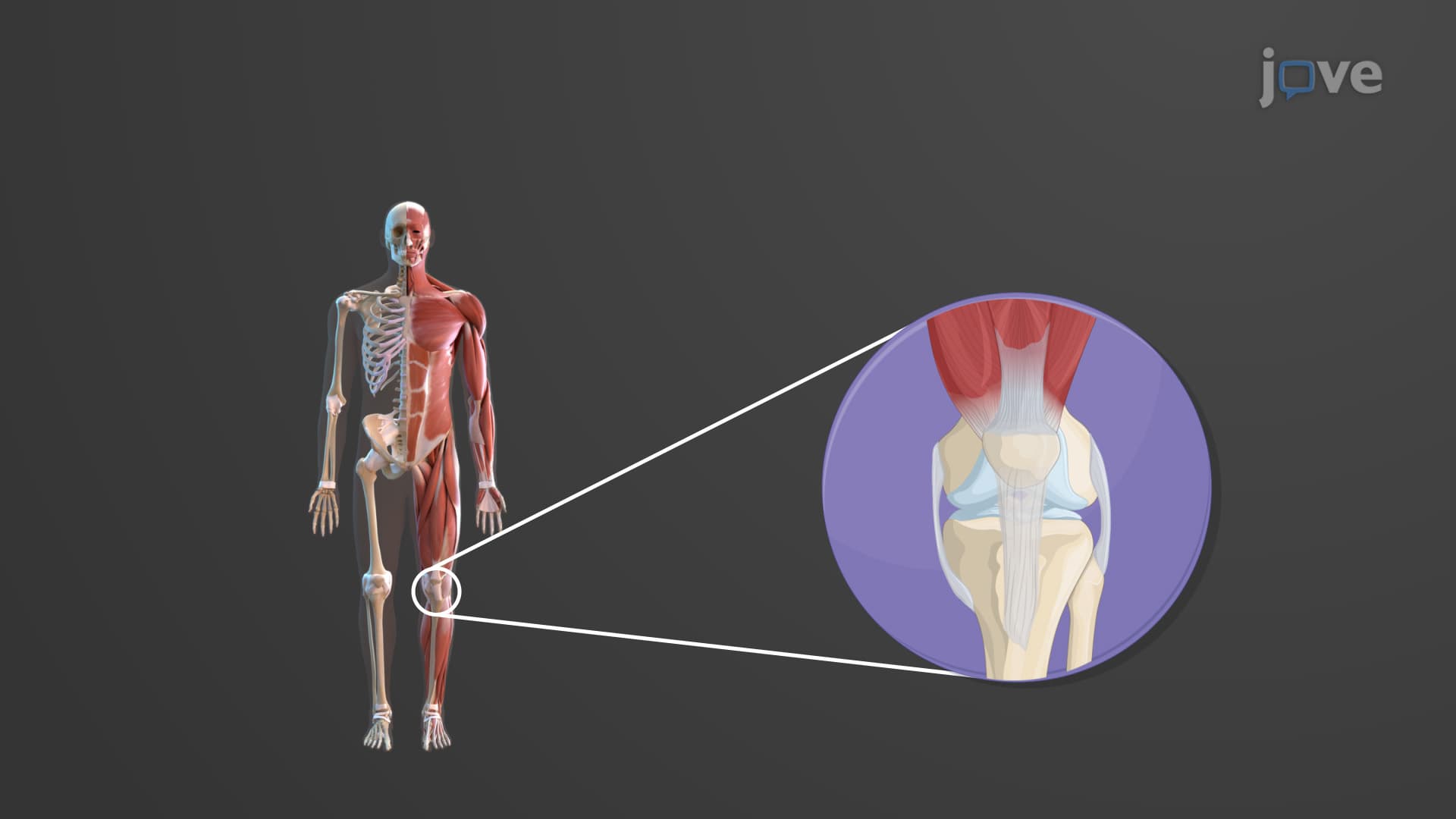
The muscular system forms the foundation of human movement and body function, comprising skeletal, smooth, and cardiac muscles that work together to enable everything from voluntary motion to involuntary processes like digestion and circulation. This comprehensive course explores human muscle anatomy through detailed examination of muscle structure, fascicle arrangements, coordination mechanisms, and the major muscles and their functions in the body across axial and appendicular regions. Using JoVE Coach's systematic approach, students will master essential concepts for success in AP Biology, anatomy courses, and pre-health programs.
1. Muscle Tissue Classification and Structure: The three primary muscle types-skeletal, smooth, and cardiac-each serve distinct physiological roles. Skeletal muscles form the musculoskeletal system with bones and connective tissues, enabling voluntary movement through contractions that move articulating bones. Each skeletal muscle contains origins (proximal attachments to stationary bones), insertions (distal attachments to movable bones), and bellies (fleshy central regions). Understanding this basic architecture explains how muscles like the biceps brachii generate force to flex the elbow, with origins on the scapula serving as stable anchor points while the insertion on the radius creates movement. This structural organization underlies all voluntary motor function in the human body.
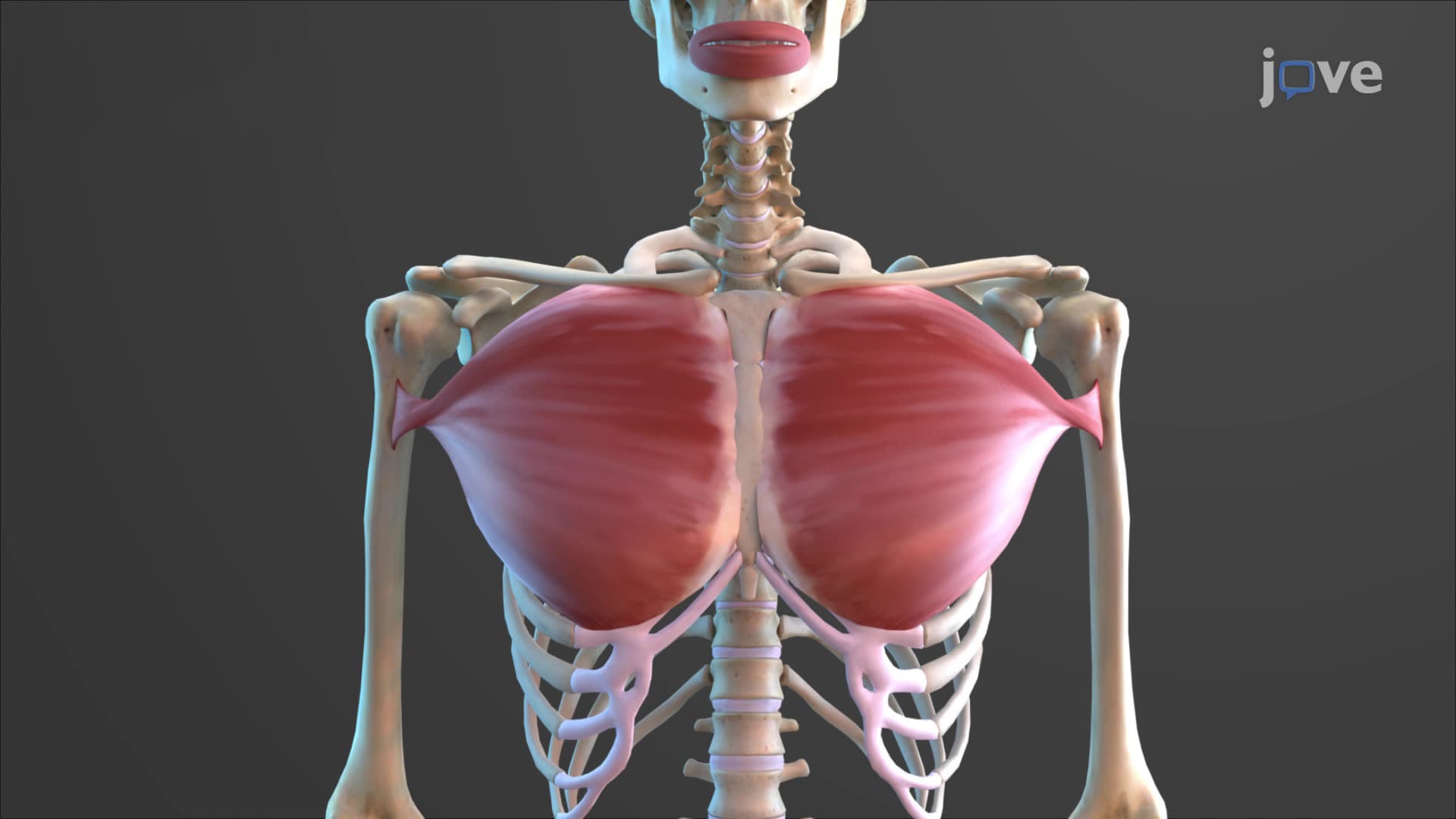
2. Fascicle Arrangements and Muscle Architecture: Skeletal muscles are organized into fascicles-bundles of muscle fibers surrounded by perimysium connective tissue-arranged in four distinct patterns that determine functional capacity. Parallel muscles like the sartorius have fascicles aligned with the muscle's long axis, maximizing range of motion. Convergent muscles such as the pectoralis major converge widespread fascicles to a single attachment point, combining power with versatility. Pennate muscles (unipennate, bipennate, multipennate) attach fascicles obliquely to tendons, maximizing force production at the expense of range. Circular muscles like the orbicularis oris form sphincters around body openings. These architectural patterns directly correlate with functional demands, explaining why pennate muscles excel at generating force while parallel muscles provide greater movement range.
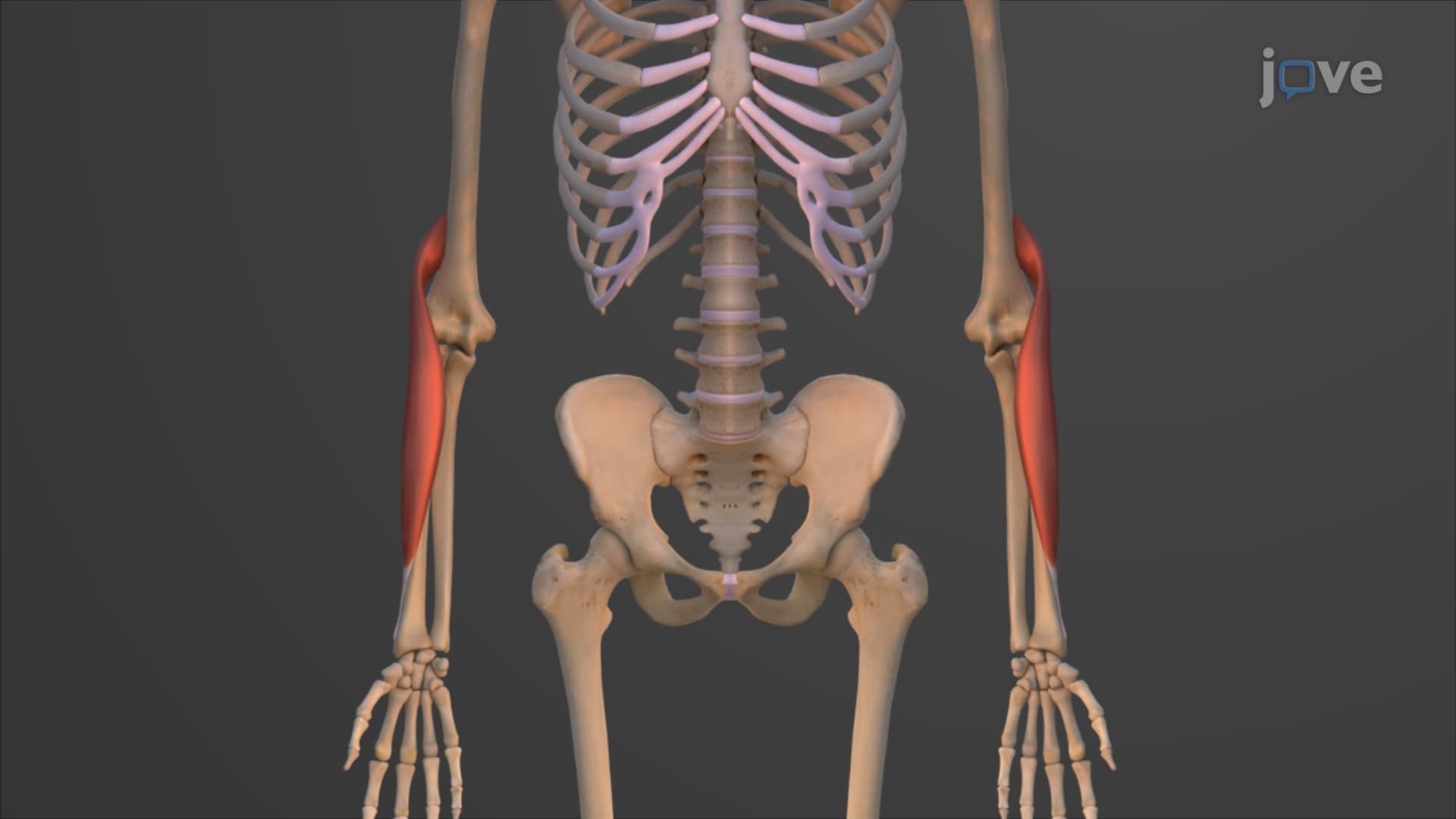
3. Muscle Coordination and Movement Mechanics: Coordinated movement requires precise interaction between muscle groups functioning as agonists, antagonists, synergists, and fixators. Agonist muscles like the biceps brachii during elbow flexion produce primary movement, while antagonists such as the triceps brachii provide opposing force for control and reversal. Synergist muscles assist agonists by stabilizing joints and adding force, exemplified by the brachialis supporting biceps function. Fixator muscles, including the rotator cuff group, stabilize proximal joints to enable distal movement efficiency. This coordination system operates through complex neuromuscular junction interactions where motor units recruit muscle fibers based on force requirements, creating smooth, controlled movements essential for activities from writing to weightlifting.
4. Systematic Muscle Nomenclature: Anatomical muscle names follow logical patterns based on location, physical characteristics, attachments, and function, creating a systematic approach to learning hundreds of individual muscles. Location-based names like "brachii" (of the arm) immediately indicate anatomical position, while descriptive terms such as "deltoid" (triangular) describe shape characteristics. Attachment-based names list origin before insertion, as seen in the stylohyoid muscle connecting the temporal bone's styloid process to the hyoid bone. Functional names incorporate action words like "adductor" or "extensor," while size indicators such as "longus," "brevis," "major," and "minor" distinguish between related muscles. This nomenclature system transforms muscle memorization from rote learning into logical pattern recognition.
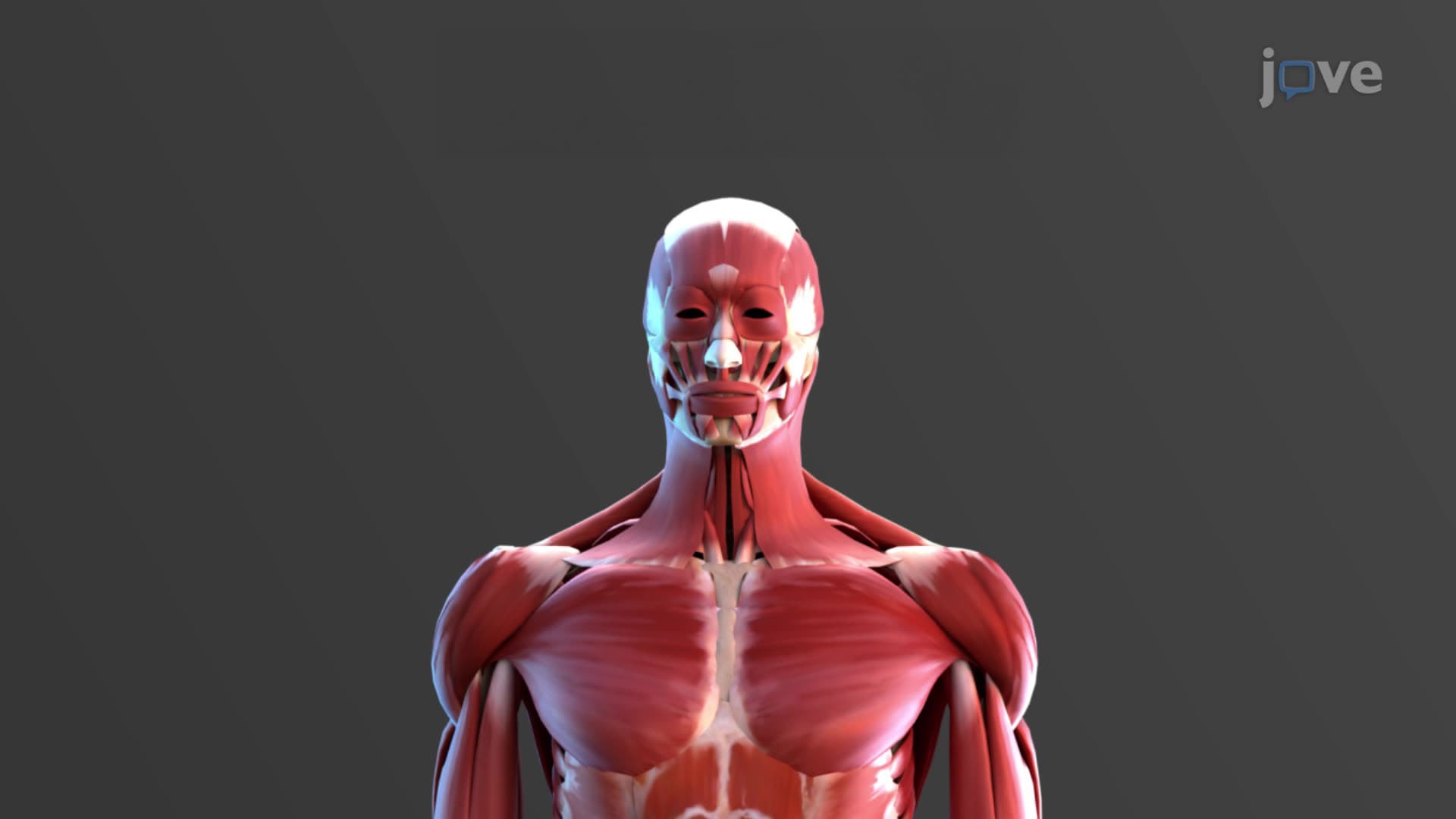
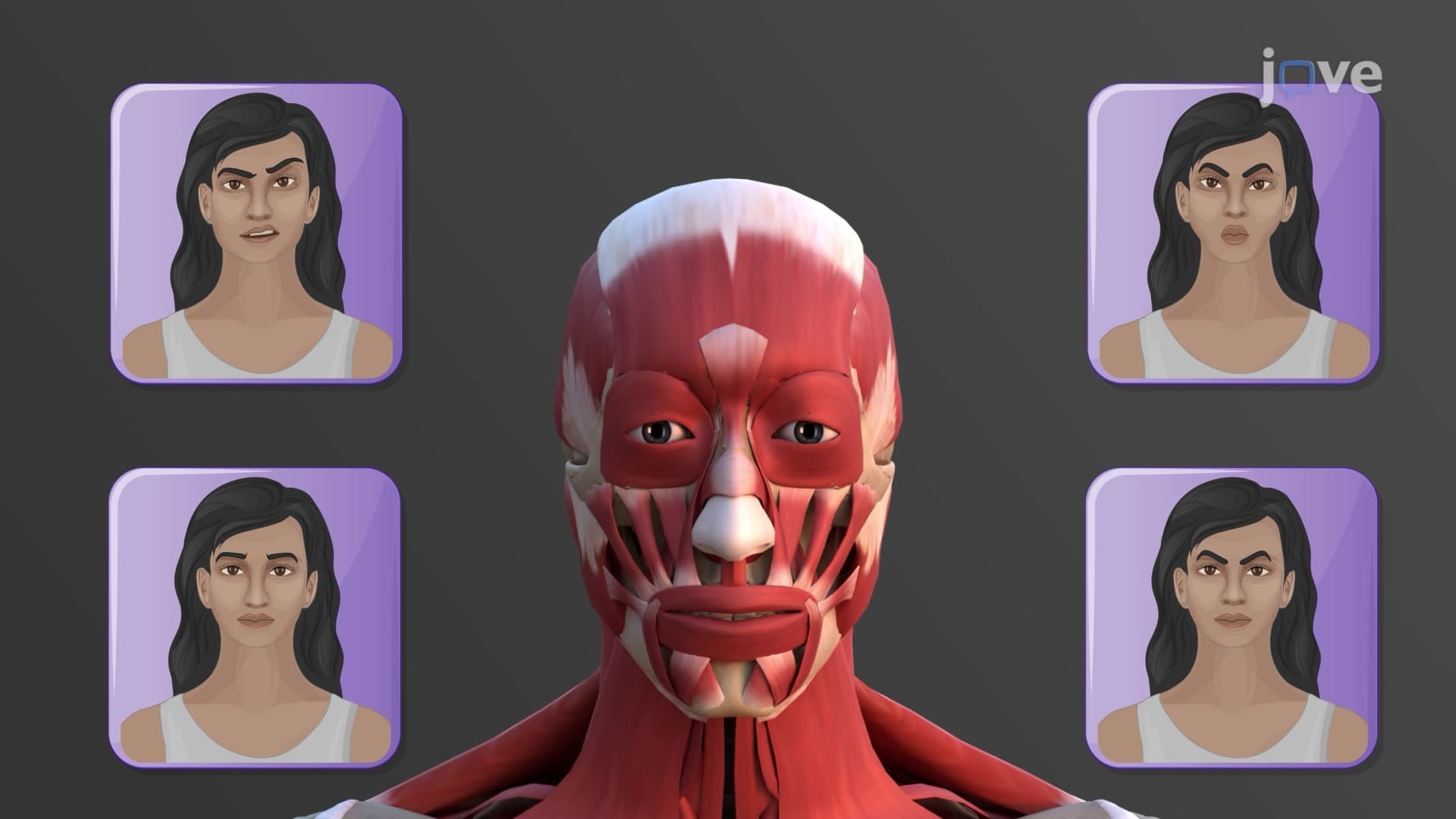
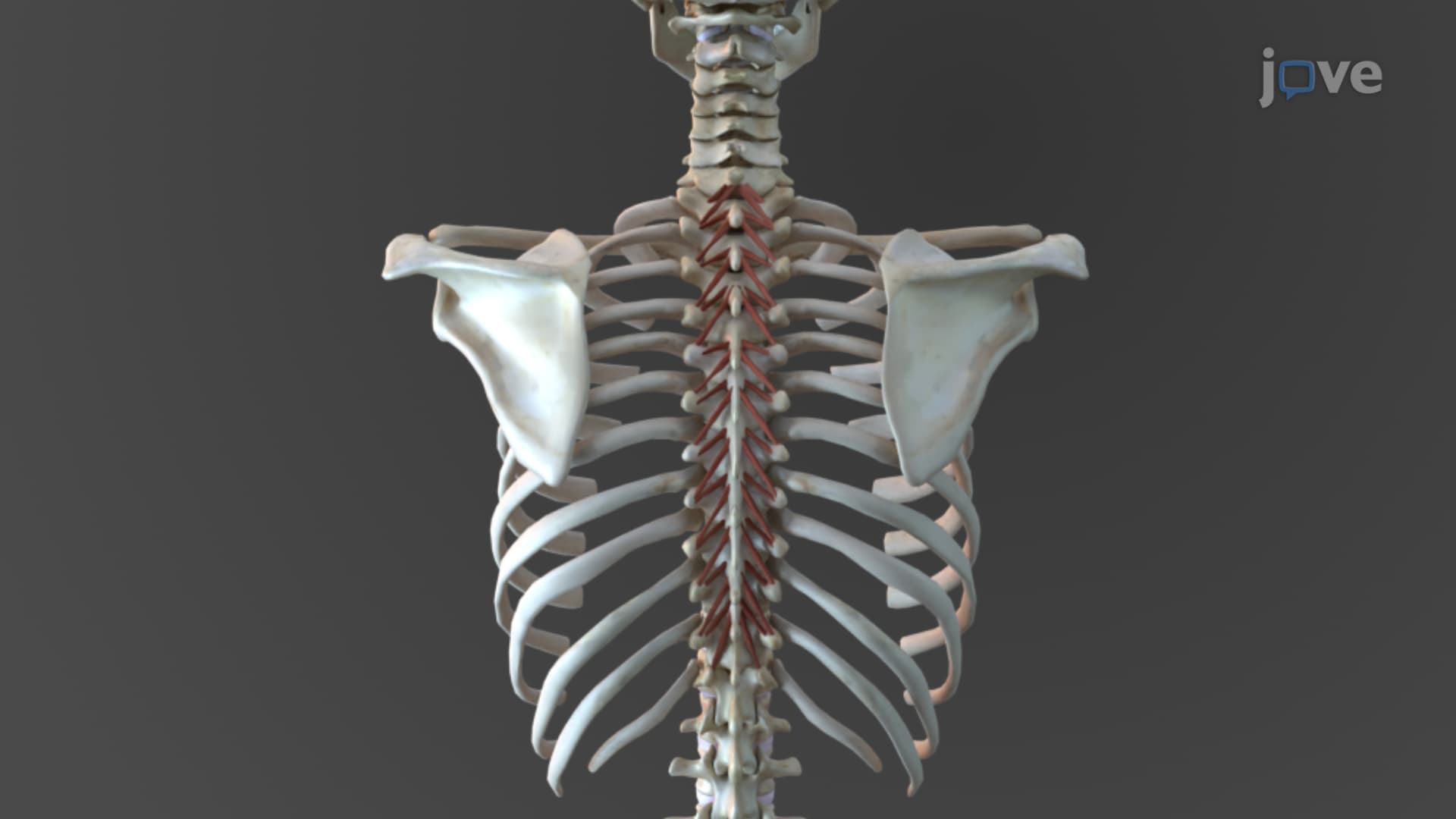
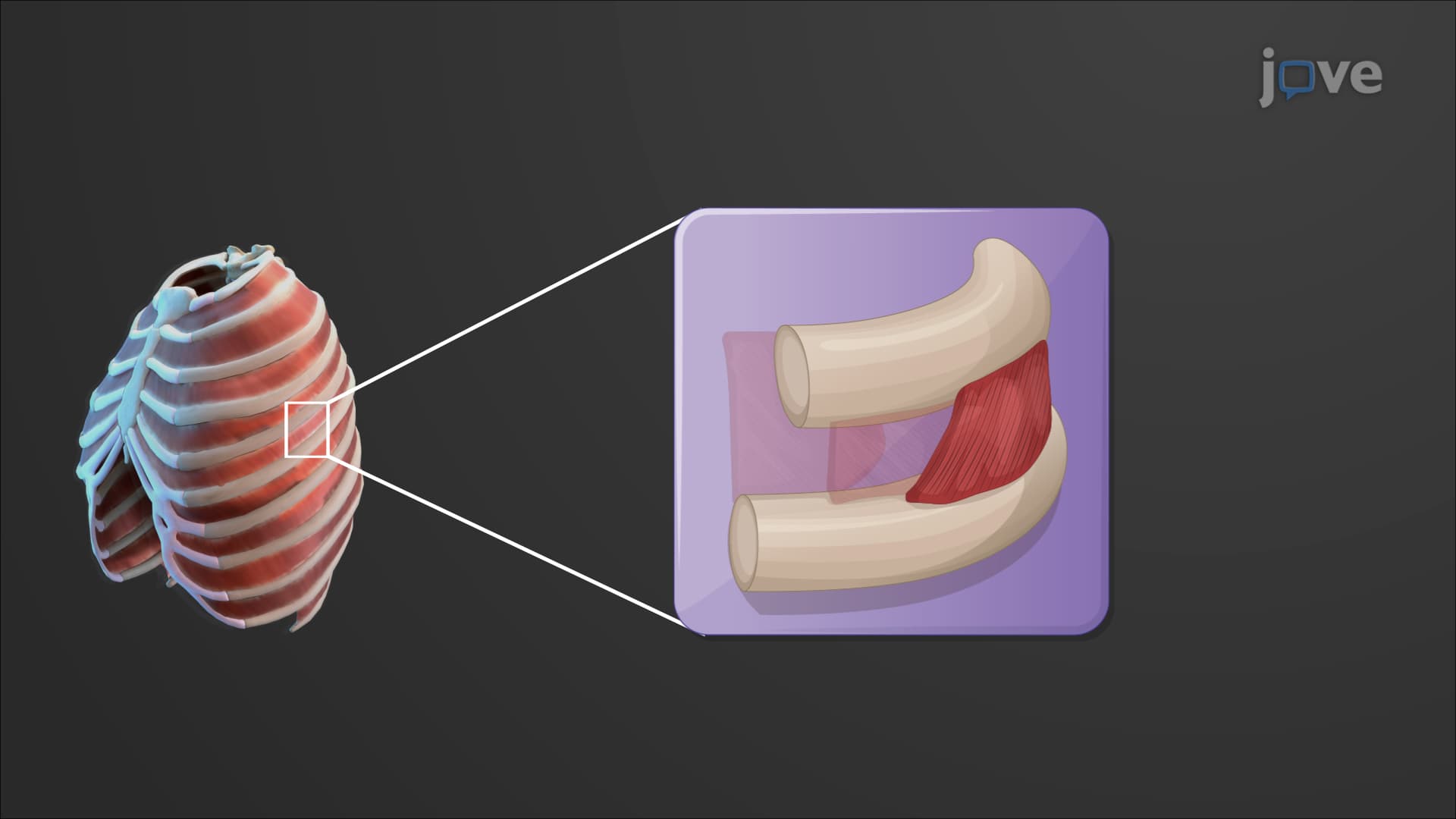
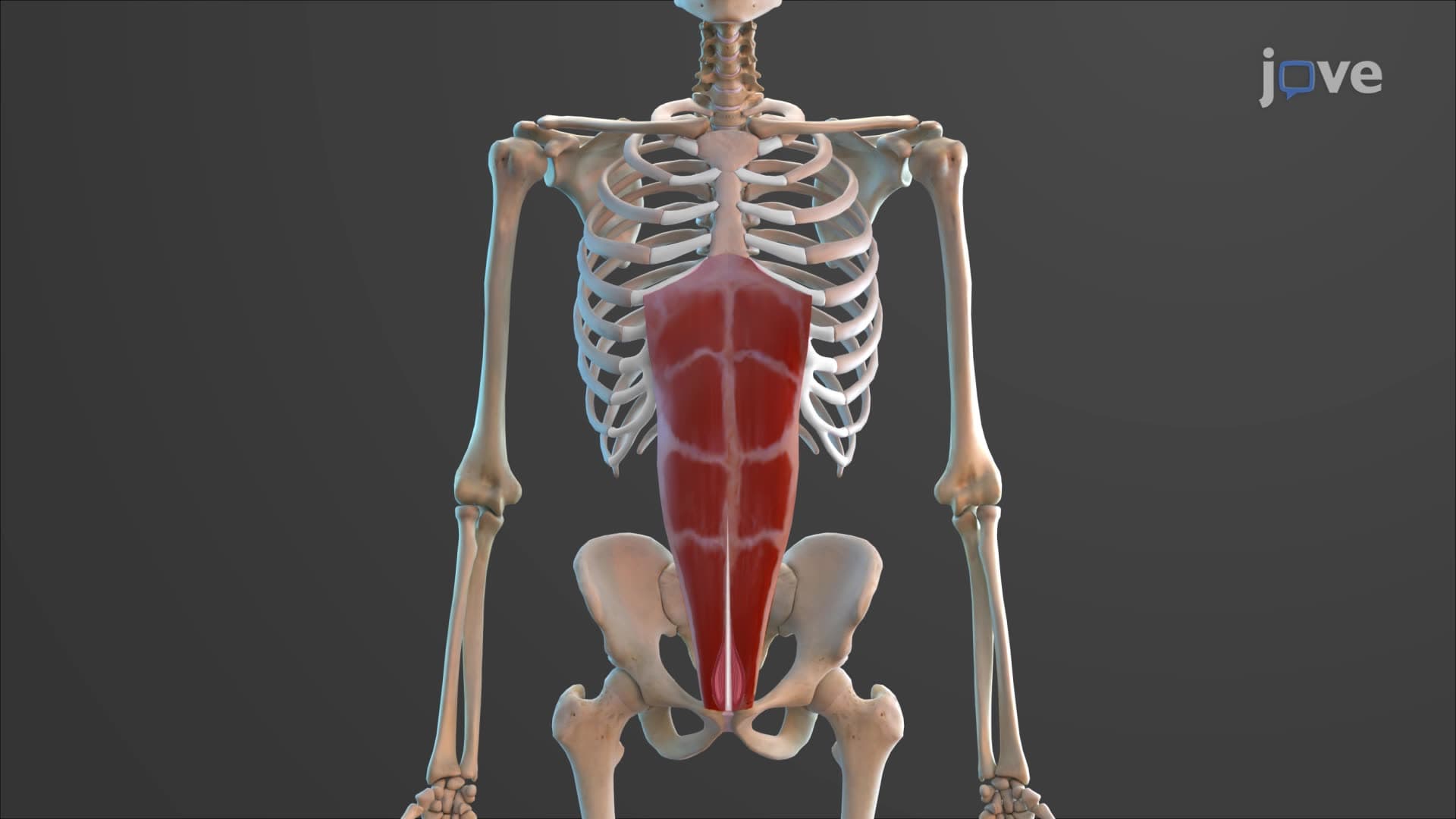
5. Axial Muscle Organization and Function: Axial muscles along the body's midline control essential functions including facial expression, respiration, spinal movement, and core stability. Facial expression muscles like the occipitofrontalis and orbicularis oris originate from facial bones and insert into skin, creating diverse expressions through coordinated contractions. Respiratory muscles including the diaphragm and intercostals generate breathing movements through coordinated thoracic cavity volume changes. Vertebral column muscles organized in superficial, intermediate, and deep layers provide spinal stability and movement, with erector spinae muscles enabling extension and lateral flexion. Abdominal muscles form the anterolateral trunk wall, creating the linea alba through interwoven aponeuroses while providing core stability essential for all movement patterns and protecting internal organs.
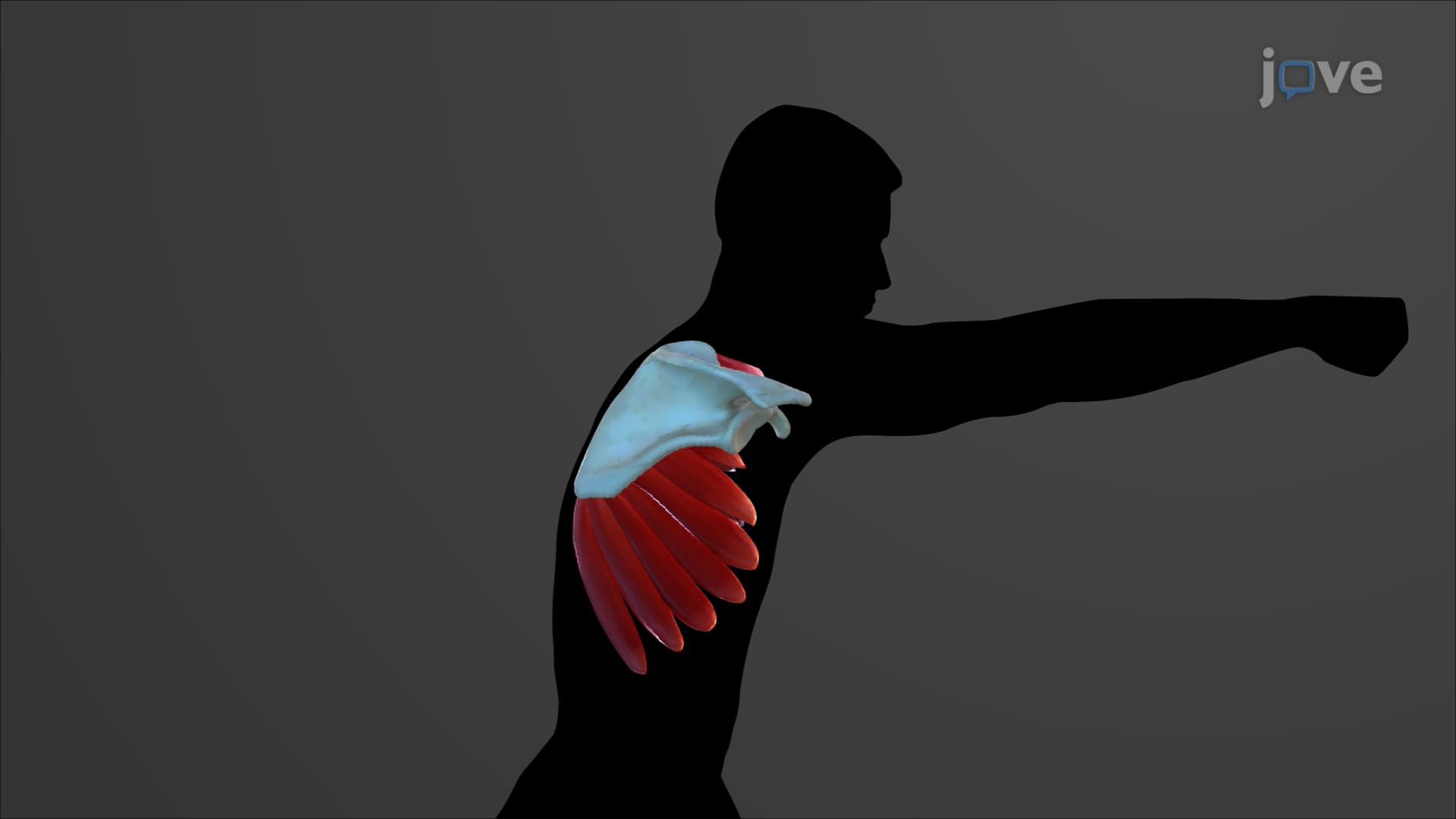
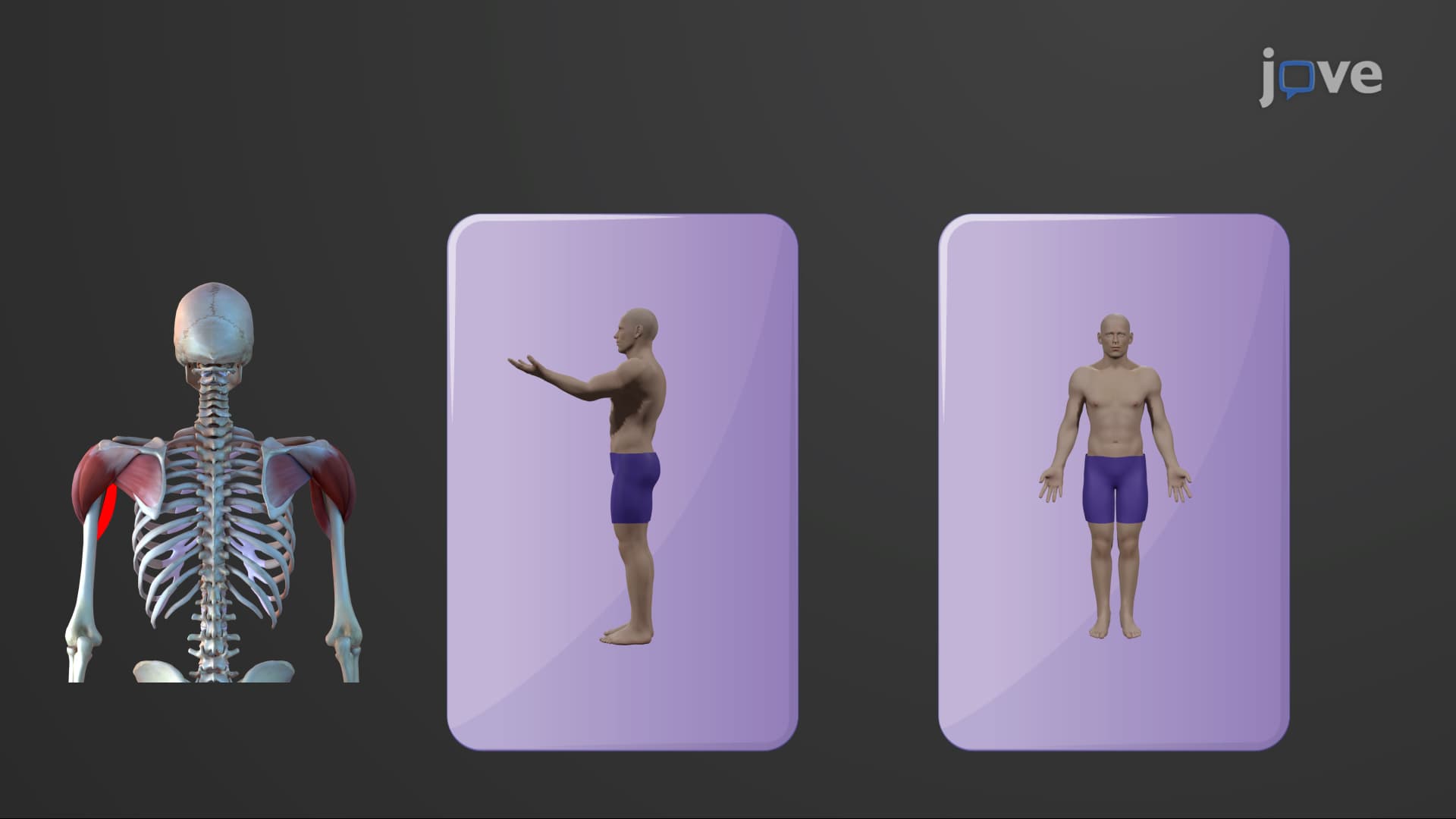
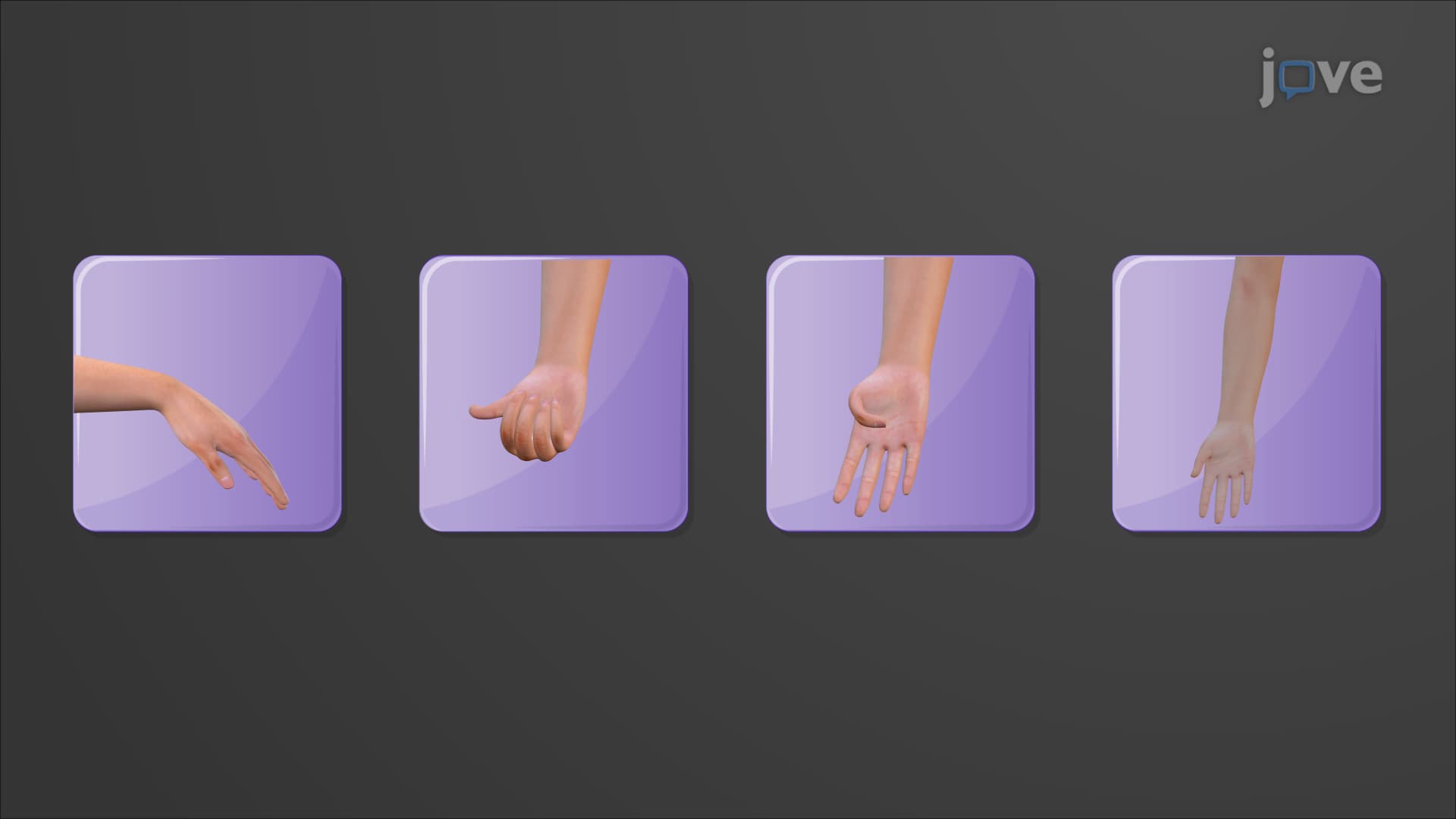
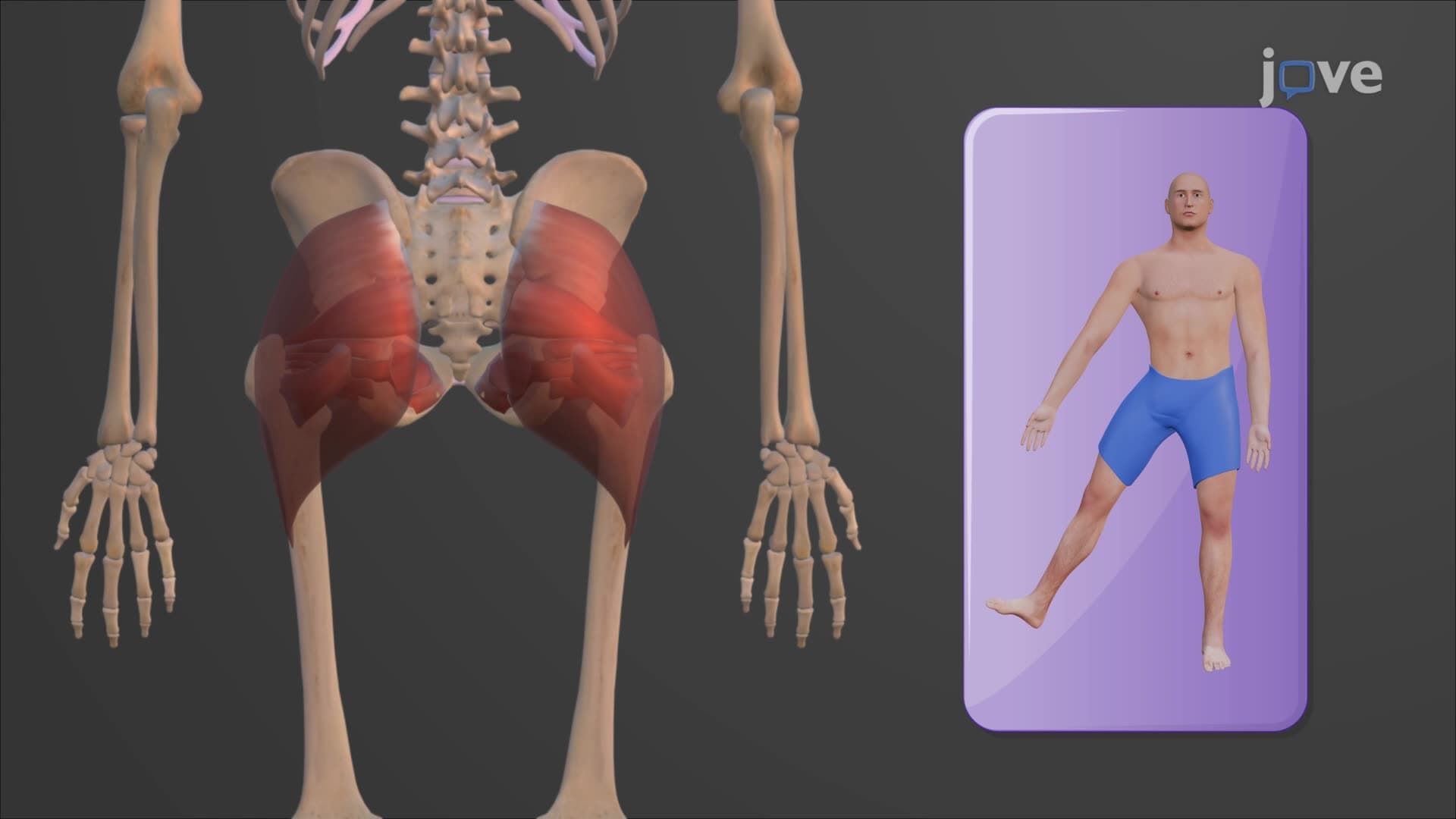
6. Appendicular Muscle Systems: Appendicular muscles associated with limb girdles and extremities enable complex movements from fine motor control to powerful locomotion. Upper limb muscles progress from shoulder stabilizers like the rotator cuff through arm movers including the deltoid and pectoralis major, to forearm controllers such as the biceps and triceps, finally reaching intricate hand and finger muscles enabling precision grip. Lower limb muscles follow similar organization with hip stabilizers like the gluteal complex, thigh movers including the quadriceps and hamstrings, and foot controllers in the lower leg compartments. This hierarchical organization allows for both gross motor movements like running and fine motor control like surgical procedures, with each muscle group contributing specific actions within coordinated movement patterns essential for human locomotion and manipulation.