Loading video…


 20 Concepts
 68.3K views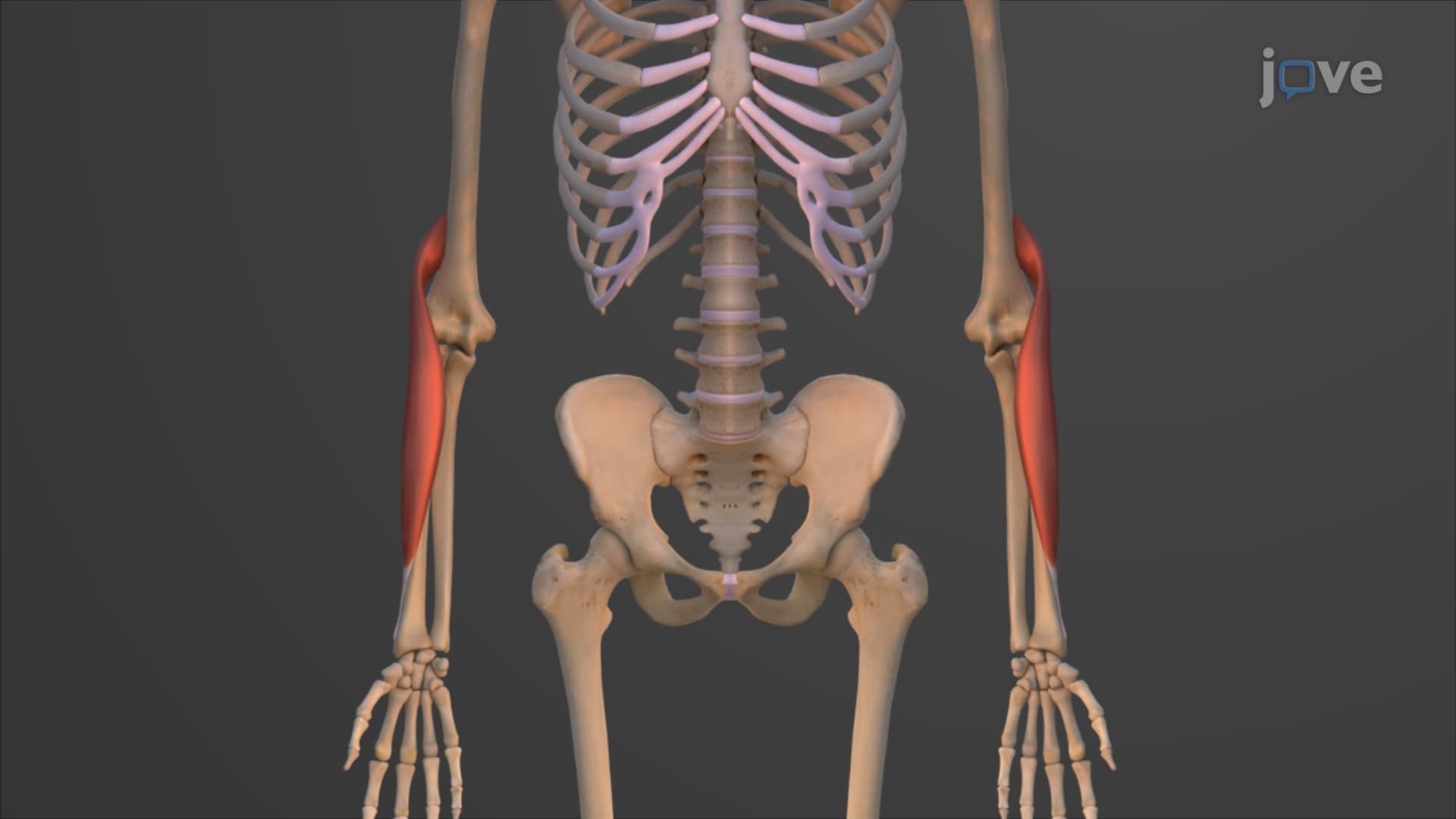

Video Summary: Muscles That Move the Forearm Explained
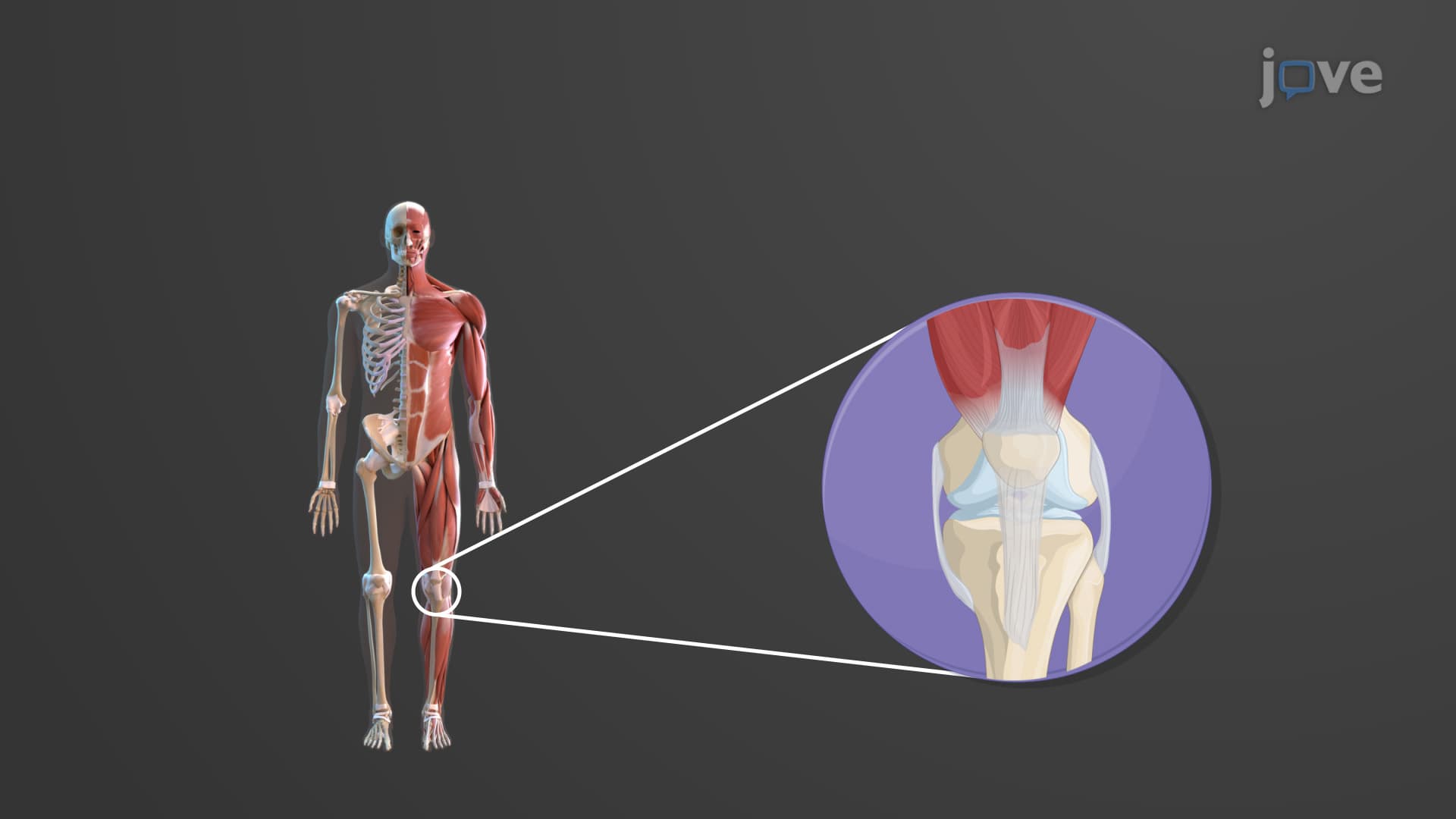
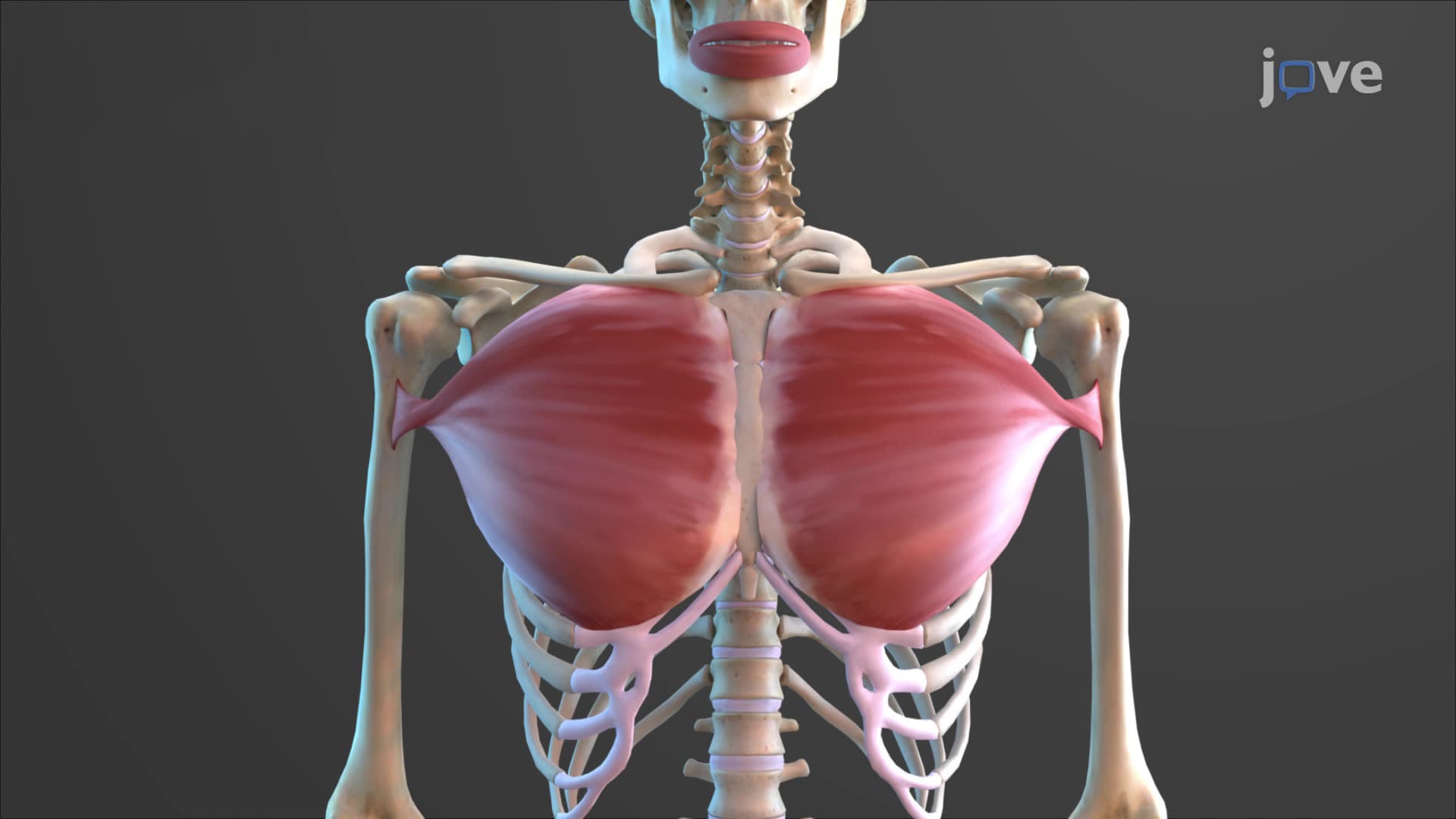
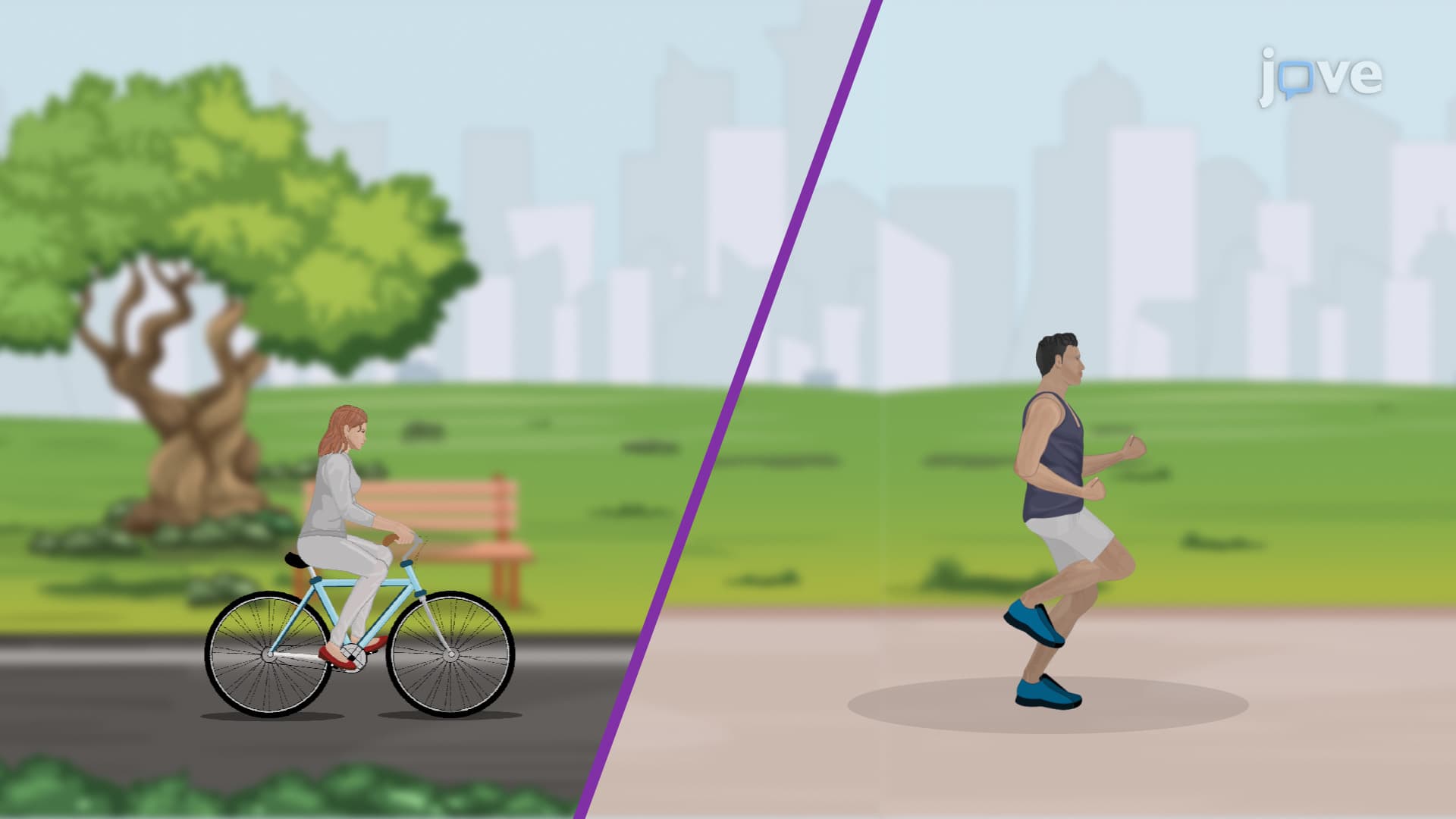
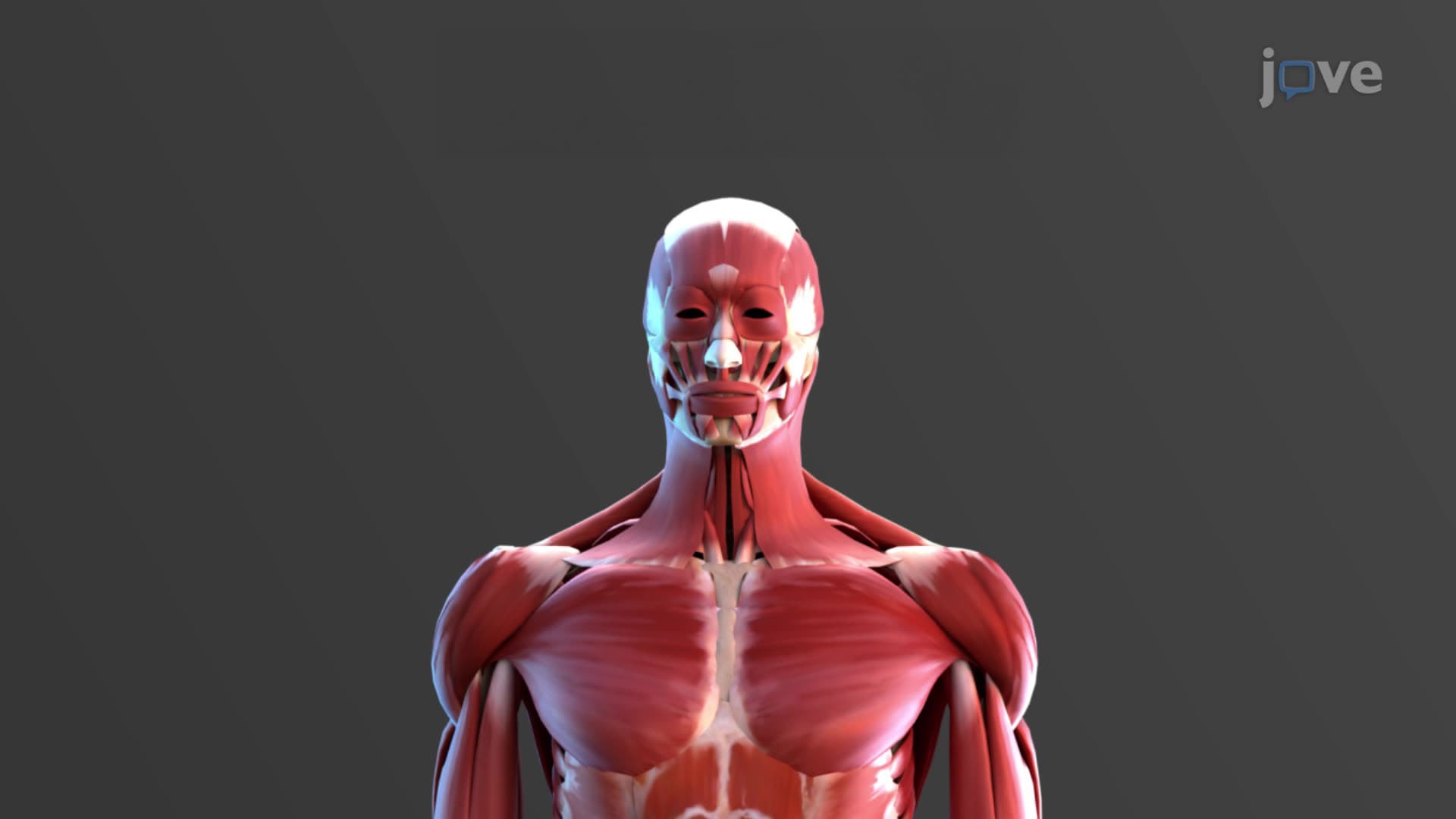
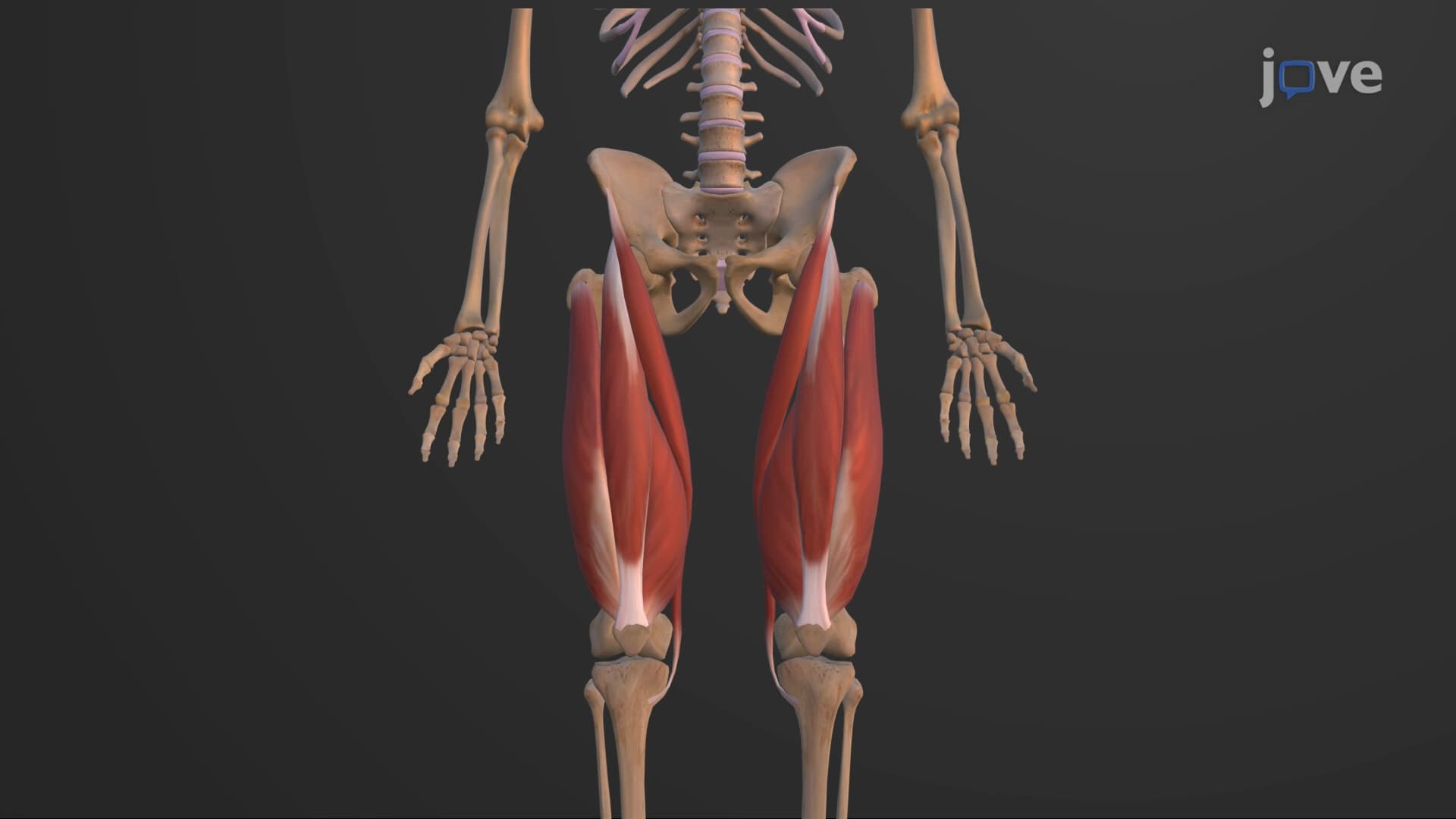
When you throw a baseball or perform a bicep curl at your local gym, you're witnessing the forearm movement muscles anatomy in coordinated action. Eight distinct muscles work together to create the complex movements your forearm performs daily, from flexing and extending at the elbow to rotating through pronation and supination. Understanding how muscles that move the forearm explained through their specific anatomical roles helps decode everything from MLB pitcher mechanics to rehabilitation exercises used by physical therapists across the US. Watch the full video on JoVE Coach to master this concept with expert-led visuals and step-by-step explanations.
The muscles controlling forearm movement operate through a sophisticated system of three functional categories: flexors that decrease the elbow angle, extensors that increase it, and rotators that turn the forearm around its longitudinal axis. This organization reflects the evolutionary development of our upper limb, optimized for the precision grip and throwing motions that distinguish human anatomy.
The brachioradialis forearm flexion mechanism works alongside two other critical flexors to create elbow movement. The biceps brachii, despite its fame as the "show muscle" of bodybuilders, serves dual roles-it's the strongest forearm supinator when the elbow is flexed at 90 degrees, explaining why opening a stubborn jar requires this specific arm position. The brachialis, often called the "workhorse of elbow flexion," generates the most force for this movement regardless of forearm position. Meanwhile, the brachioradialis acts as the "speed muscle," most active during rapid elbow flexion movements like those seen in tennis serves.
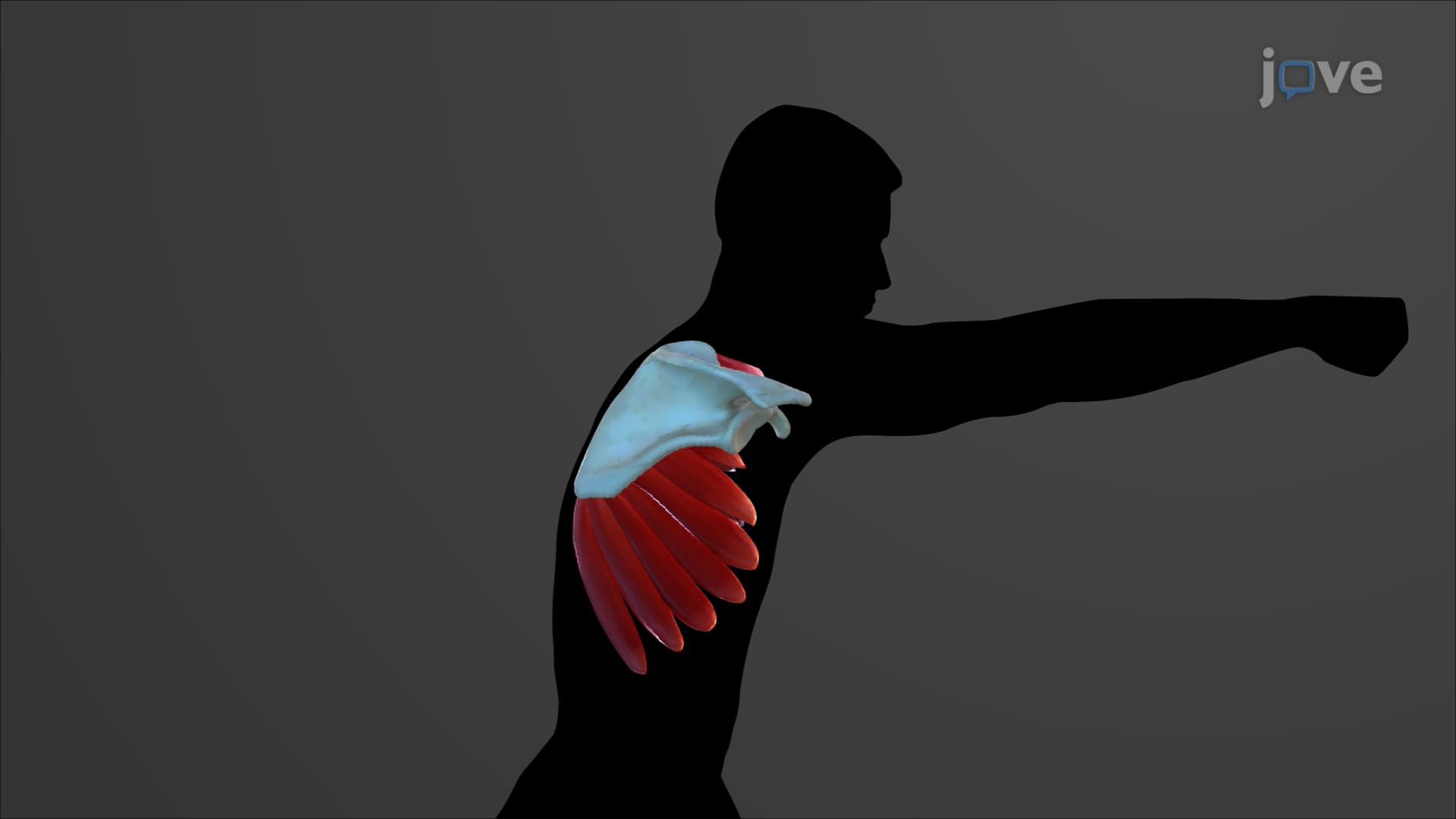
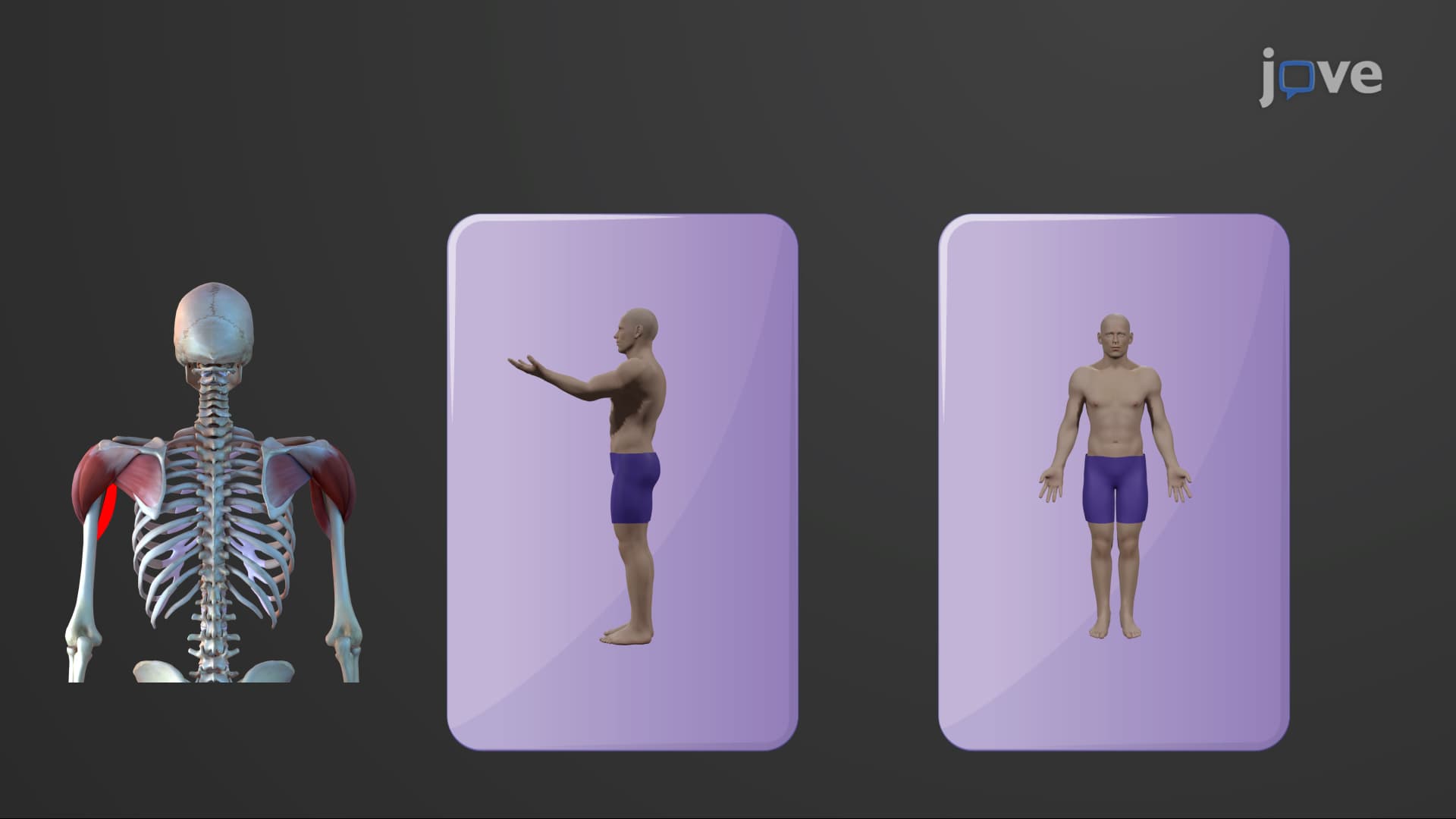
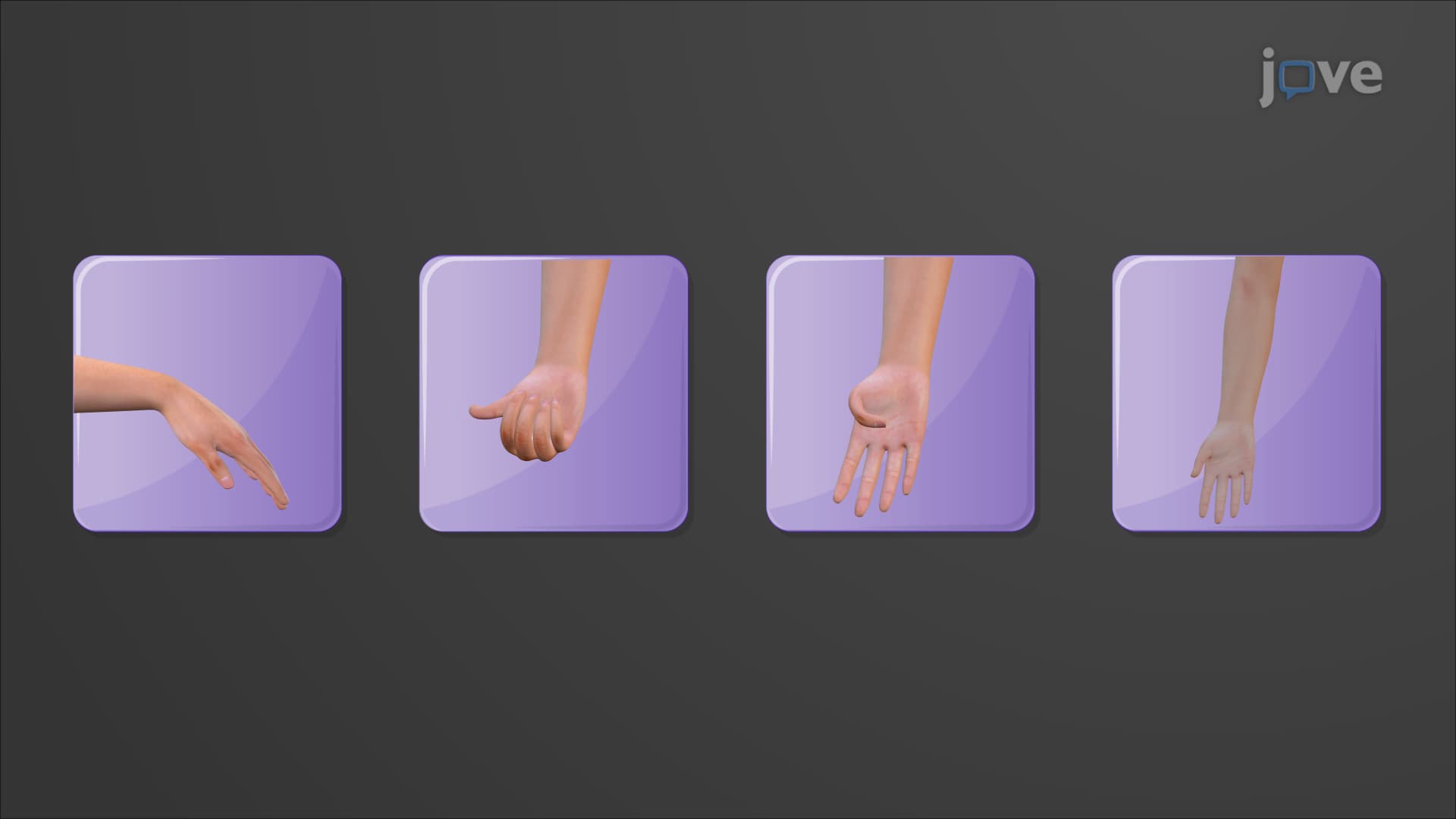
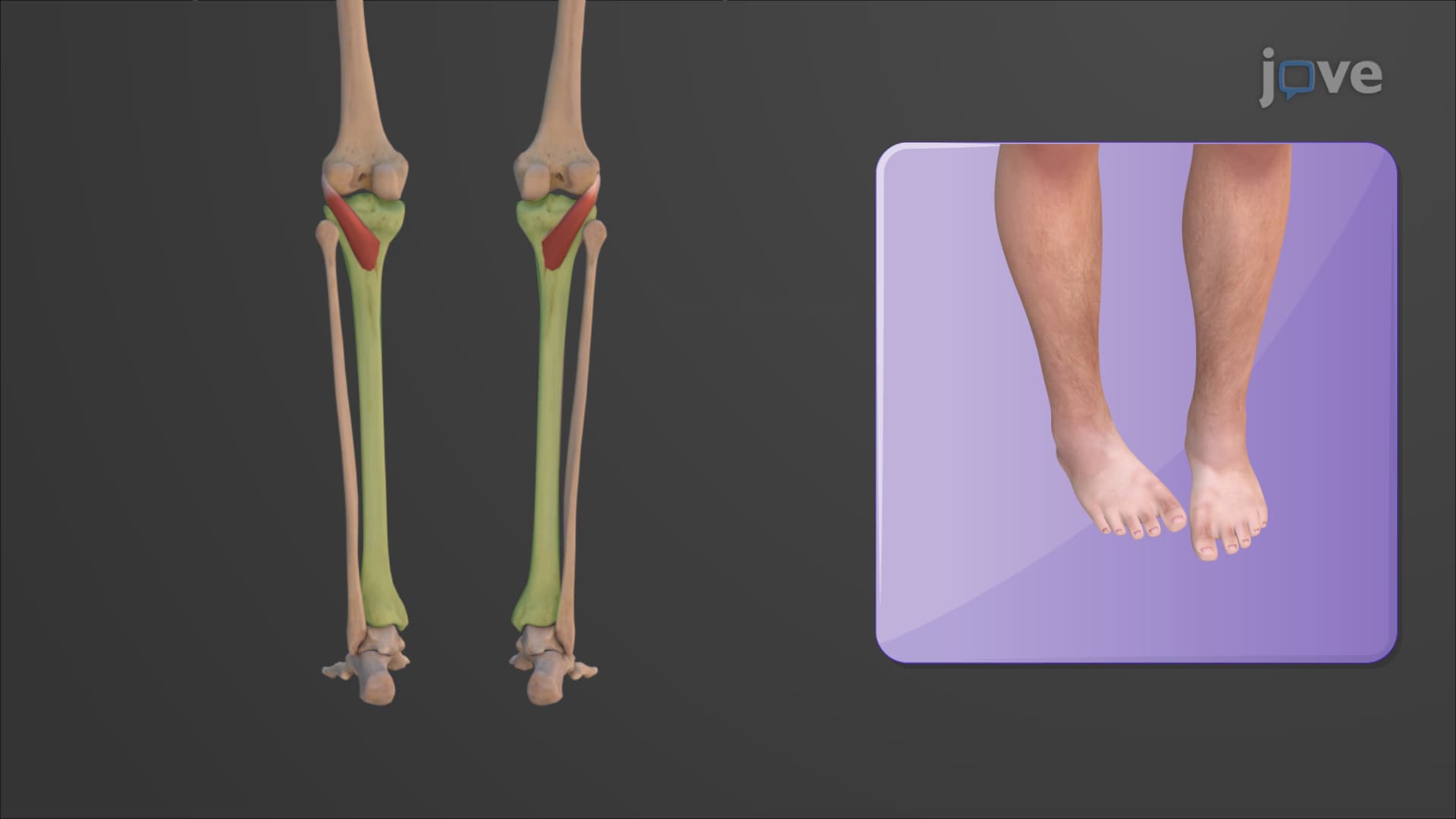
The triceps brachii dominates forearm extension through its three heads-long, lateral, and medial-each contributing differently based on arm position. This explains why push-up variations target different aspects of triceps development in strength training programs. The pronator teres forearm rotation works with pronator quadratus to turn your palm downward, essential for activities like typing or playing piano. Conversely, the supinator forearm rotation muscle enables the palm-up position crucial for carrying objects or receiving change from a cashier.
Understanding what muscles are responsible for moving the forearm proves essential for MCAT preparation, particularly in the musculoskeletal system section. Physical therapy programs at institutions like USC and Boston University emphasize these concepts for treating conditions like tennis elbow (lateral epicondylitis) and golfer's elbow (medial epicondylitis). AP Biology students encounter this material when studying human body systems, while anatomy and physiology courses at community colleges nationwide use forearm muscles as classic examples of antagonistic muscle pairs and lever systems in biomechanics.
Related Micro-courses