Loading video…


 20 Concepts
 68.3K views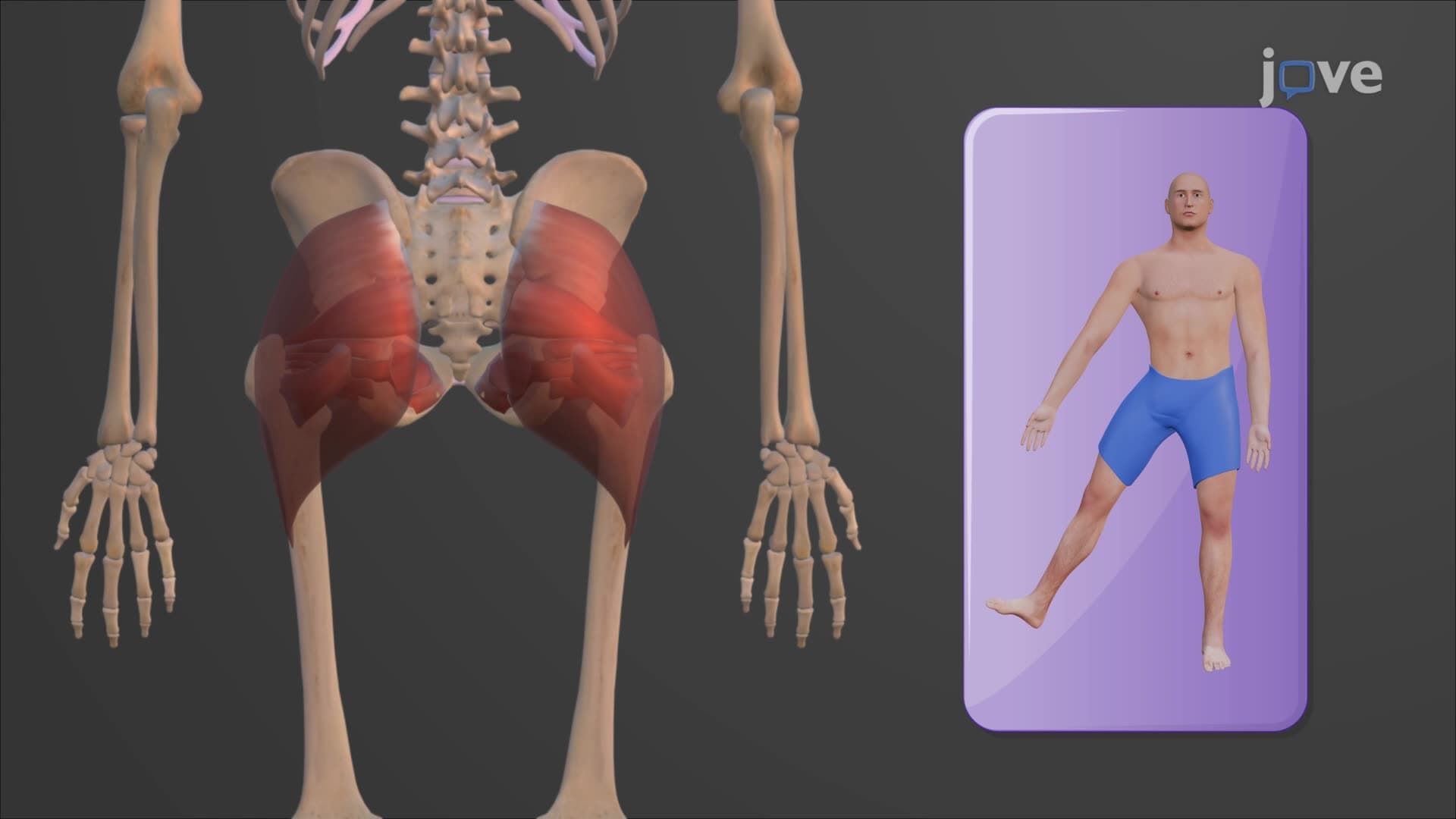

Video Summary: Muscles That Move the Thigh Explained
Ever wonder why some NFL players can sprint 40 yards in under 4.5 seconds while others struggle with basic hip mobility? The secret lies in understanding thigh movement muscles anatomy and how different muscle groups work together. When University of Alabama football players train for explosive starts, they're targeting specific muscles responsible for thigh movement including the powerful gluteus maximus and precise iliopsoas hip flexors. These muscles coordinate complex movements from the pelvic girdle to create the athletic prowess we see on American football fields. Watch the full video on JoVE Coach to master this concept with expert-led visuals and step-by-step explanations.
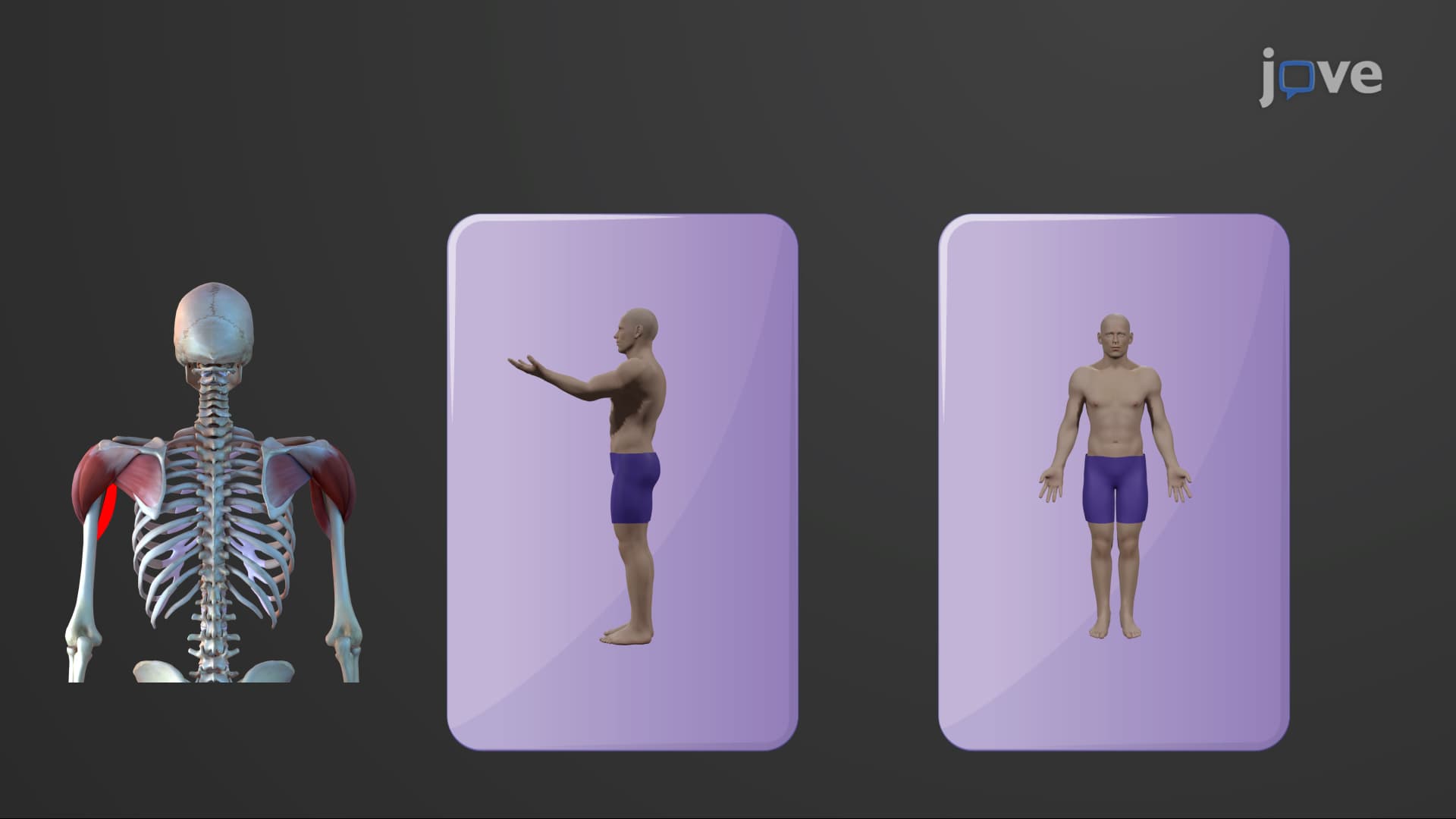
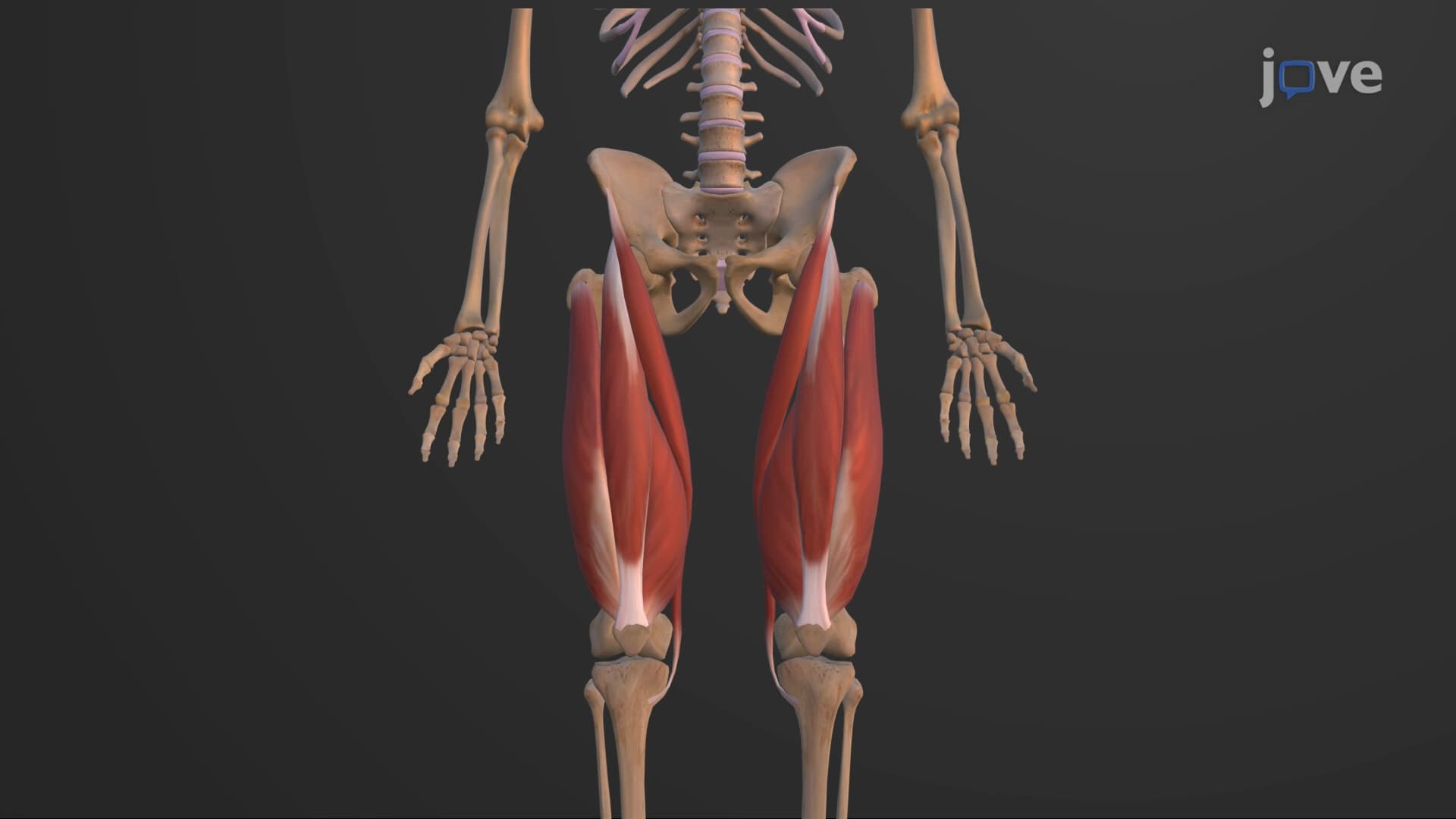
The intricate system of muscles responsible for thigh movement represents one of the most complex and functionally important regions in human anatomy. Unlike simpler joint systems, the hip requires coordination between multiple muscle layers originating from the pelvic girdle, lumbar spine, and inserting into the femur and tibia. This anatomical arrangement allows for the six primary movements of the hip: flexion, extension, abduction, adduction, internal rotation, and external rotation.
The gluteus maximus stands as the largest muscle in the human body, serving as the primary hip extensor essential for activities like climbing stairs, rising from chairs, and powerful athletic movements. College track and field athletes training at universities like UCLA specifically target this muscle for explosive sprint starts. Beneath this powerhouse lie the gluteus medius and gluteus minimus, which function as critical hip stabilizers. Physical therapy students studying for the NPTE (National Physical Therapy Examination) must understand how weakness in these deeper gluteal muscles leads to Trendelenburg gait patterns commonly seen in clinical practice.
The iliopsoas muscle complex, combining the psoas major and iliacus, serves as the body's most powerful hip flexor. This muscle group becomes particularly relevant for pre-med students preparing for the MCAT, as questions often focus on its dual innervation and clinical significance in conditions like psoas syndrome. The six deep lateral rotators-including the clinically significant piriformis-provide fine motor control and stability. Medical students studying for USMLE Step 1 frequently encounter questions about piriformis syndrome, where this small muscle can compress the sciatic nerve, causing referred pain down the leg.
Located on the medial thigh, the adductor group (longus, brevis, magnus, and pectineus) primarily brings the thigh toward the midline while contributing to rotational movements. These muscles gain particular importance in sports medicine, as "pulled groin" injuries commonly affect soccer and hockey players in American high schools and colleges. The adductor magnus, being the largest of this group, also assists with hip extension, demonstrating the complex multi-planar functions these muscles perform during activities like skating or rapid directional changes in basketball.
Related Micro-courses