Loading subject page…


68,319 views

Video Summary: What Is Fascicle Arrangement
Did you know that the reason Olympic sprinter muscles look completely different from marathon runner muscles comes down to fascicle arrangement muscle anatomy? The way muscle fibers bundle together-called fascicle arrangement-determines whether muscles are built for power, endurance, or precision. For example, the biceps brachii in your arm has a specific fascicle pattern that maximizes lifting strength. Watch the full video on JoVE Coach to master this concept with expert-led visuals and step-by-step explanations.
Fascicle arrangement represents one of the most fundamental concepts in muscle anatomy, directly influencing how muscles generate force and produce movement. Think of fascicles as bundles of muscle fibers wrapped in connective tissue called perimysium-like cables inside an electrical wire. The way these "cables" are arranged determines whether a muscle is designed for speed, power, or endurance.
This concept frequently appears on AP Biology exams, MCAT questions, and college anatomy courses because it bridges structure and function-a core principle in biological sciences. Understanding fascicle patterns helps explain why a powerlifter's quadriceps look different from a ballet dancer's calf muscles.
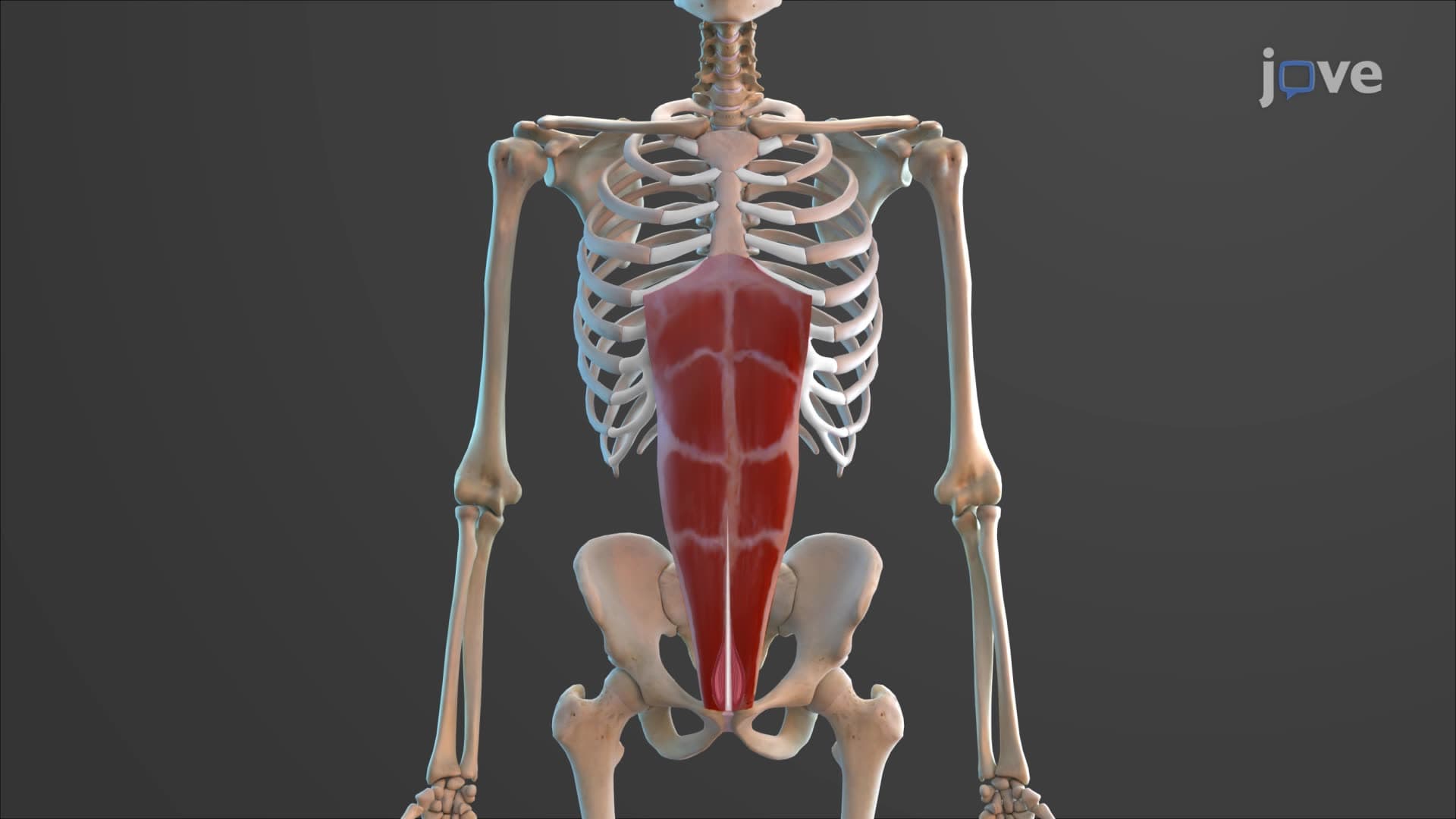
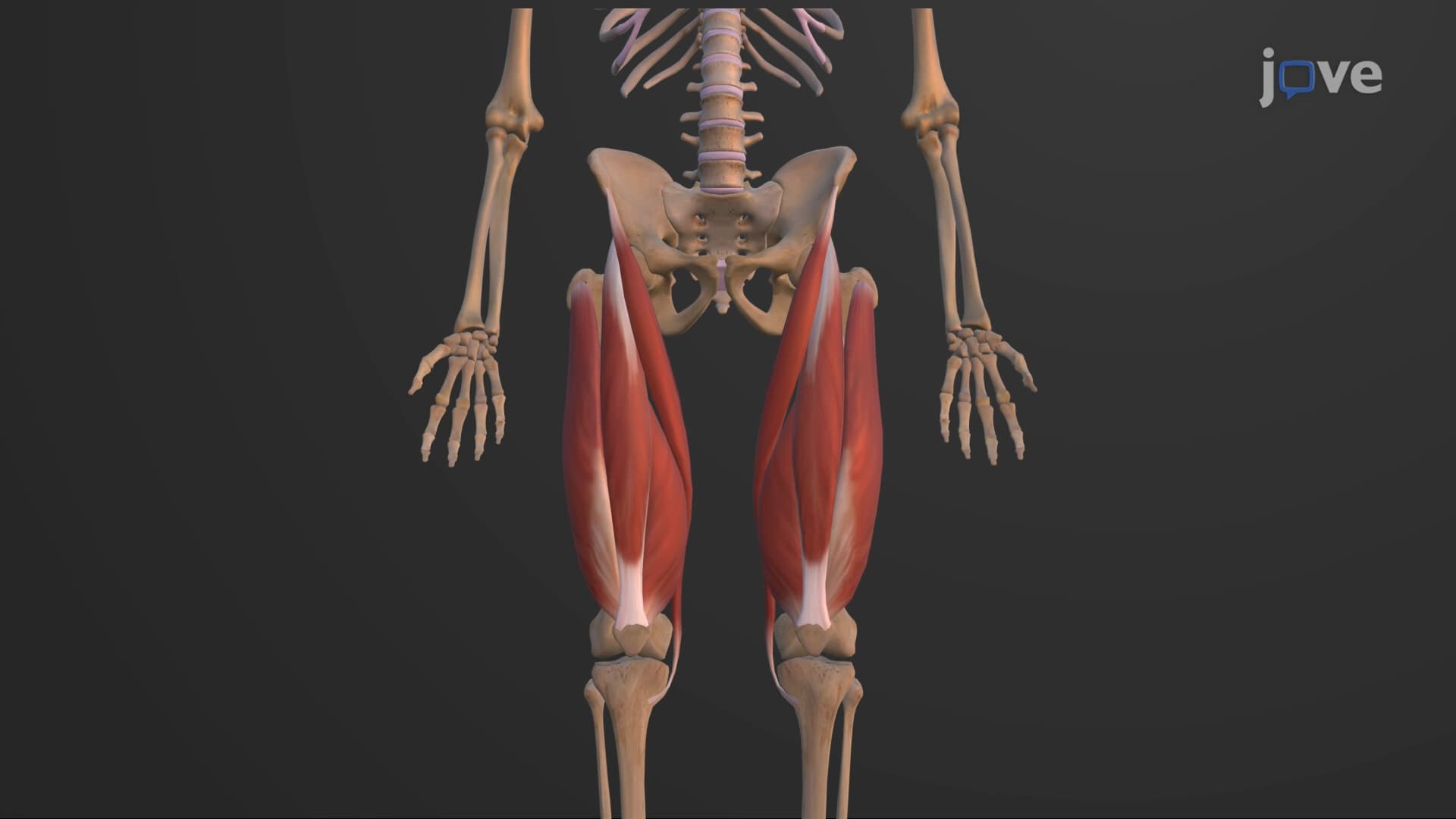
Parallel fascicle arrangement features muscle fibers running alongside the muscle's long axis, like railroad tracks. This design maximizes contraction speed and range of motion. The sartorius muscle in your thigh-the longest muscle in the human body-exemplifies this pattern with its strap-like shape.
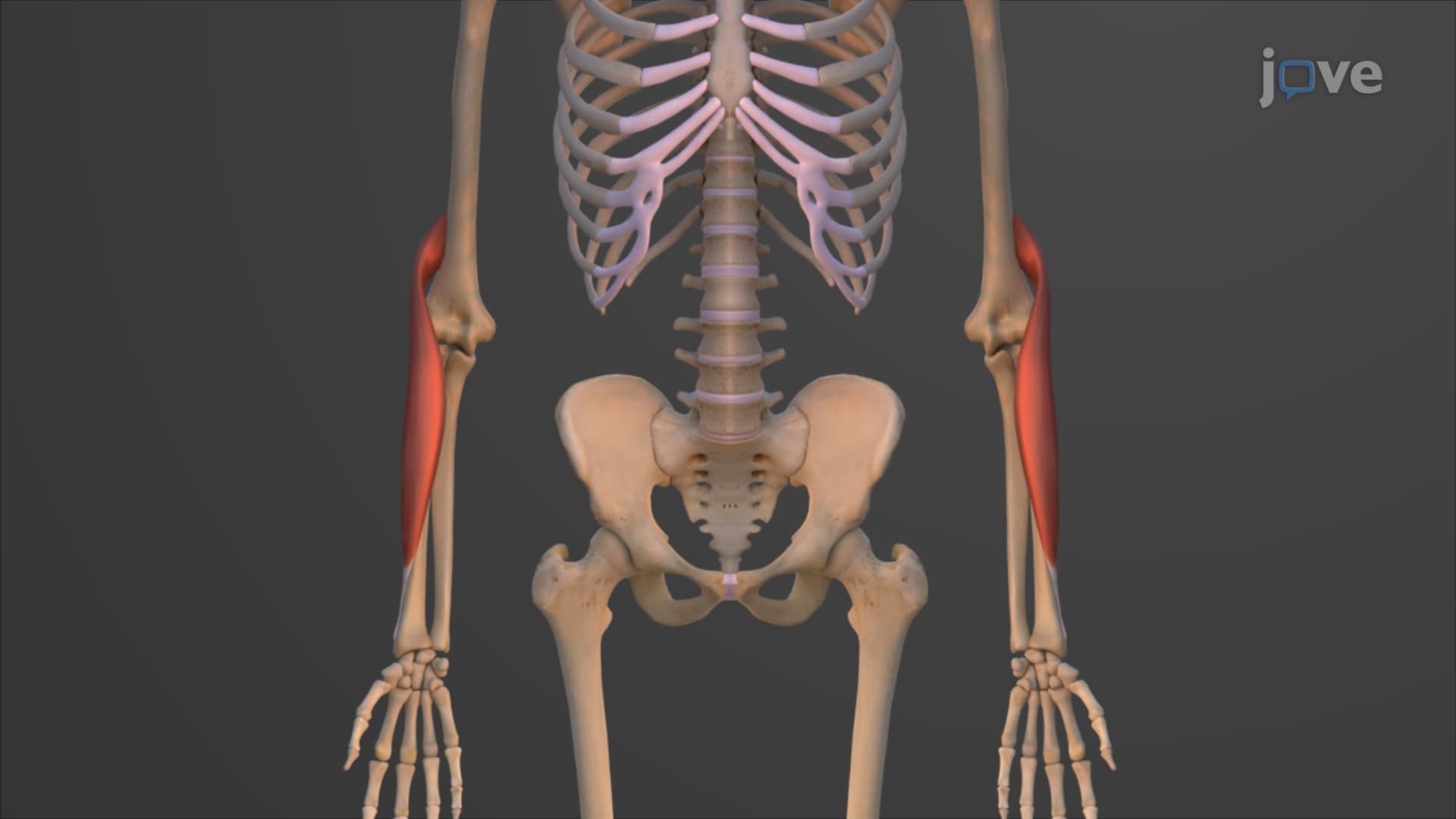
Fusiform muscles, a subset of parallel arrangement, combine the best of both worlds. The biceps brachii demonstrates this perfectly: wider in the middle (the "belly") and narrower at the tendons. This shape allows for both speed and moderate force production, explaining why your biceps can both curl heavy weights and perform quick movements.
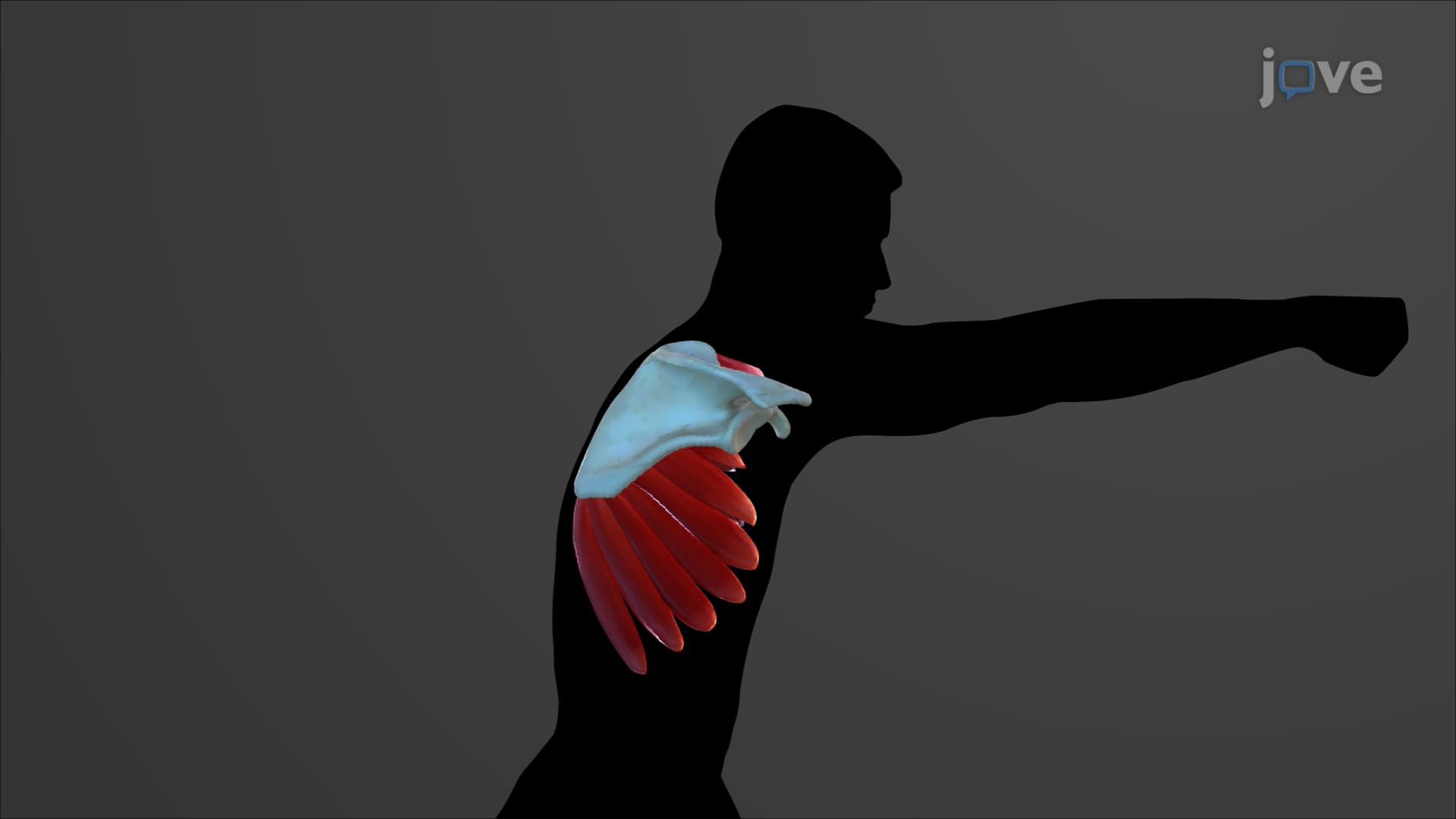
Pennate arrangements sacrifice speed for raw power by angling fascicles relative to the tendon, like feathers on a bird's wing. This design packs more muscle fibers into a smaller space, dramatically increasing force production capacity.
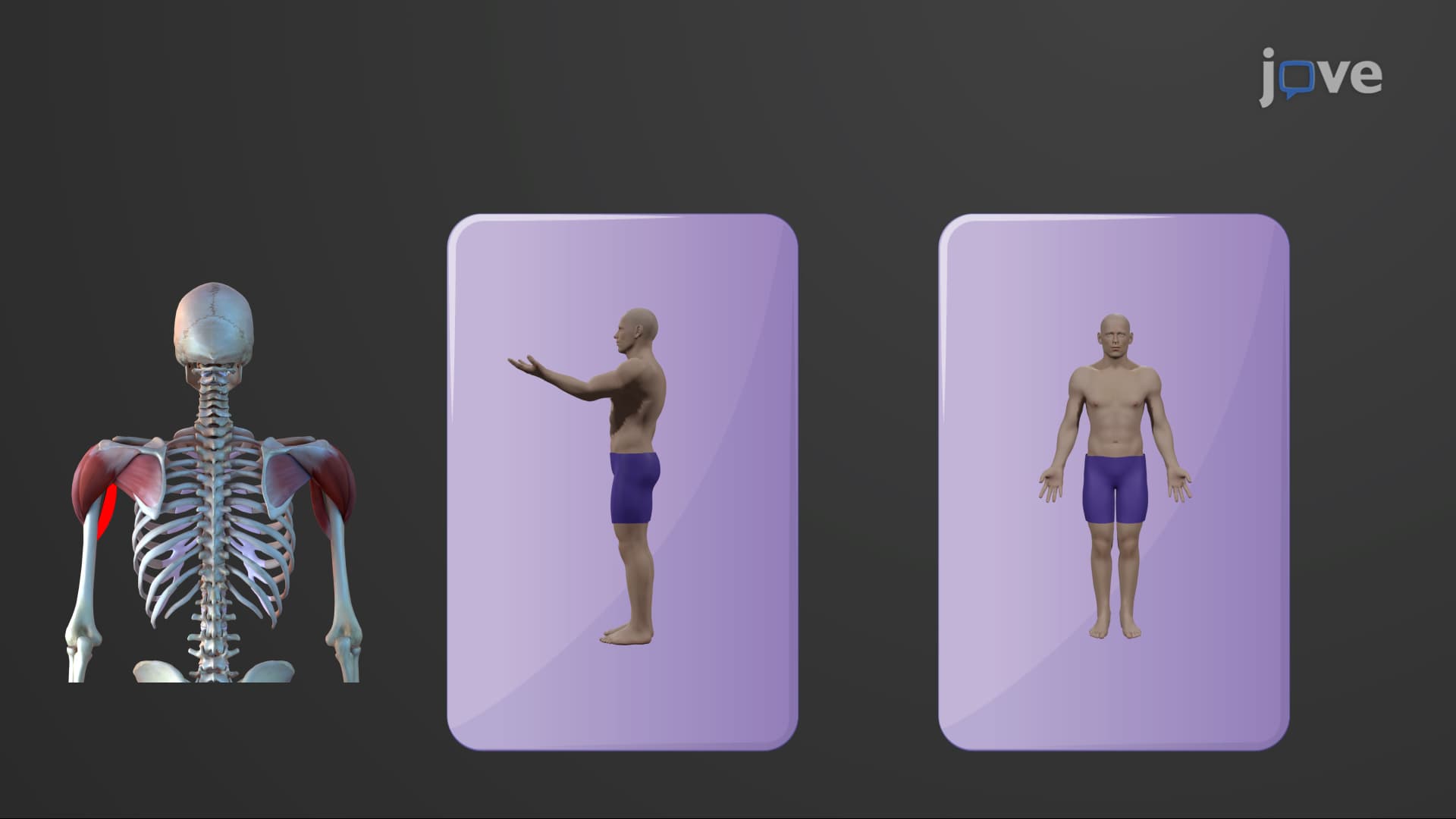
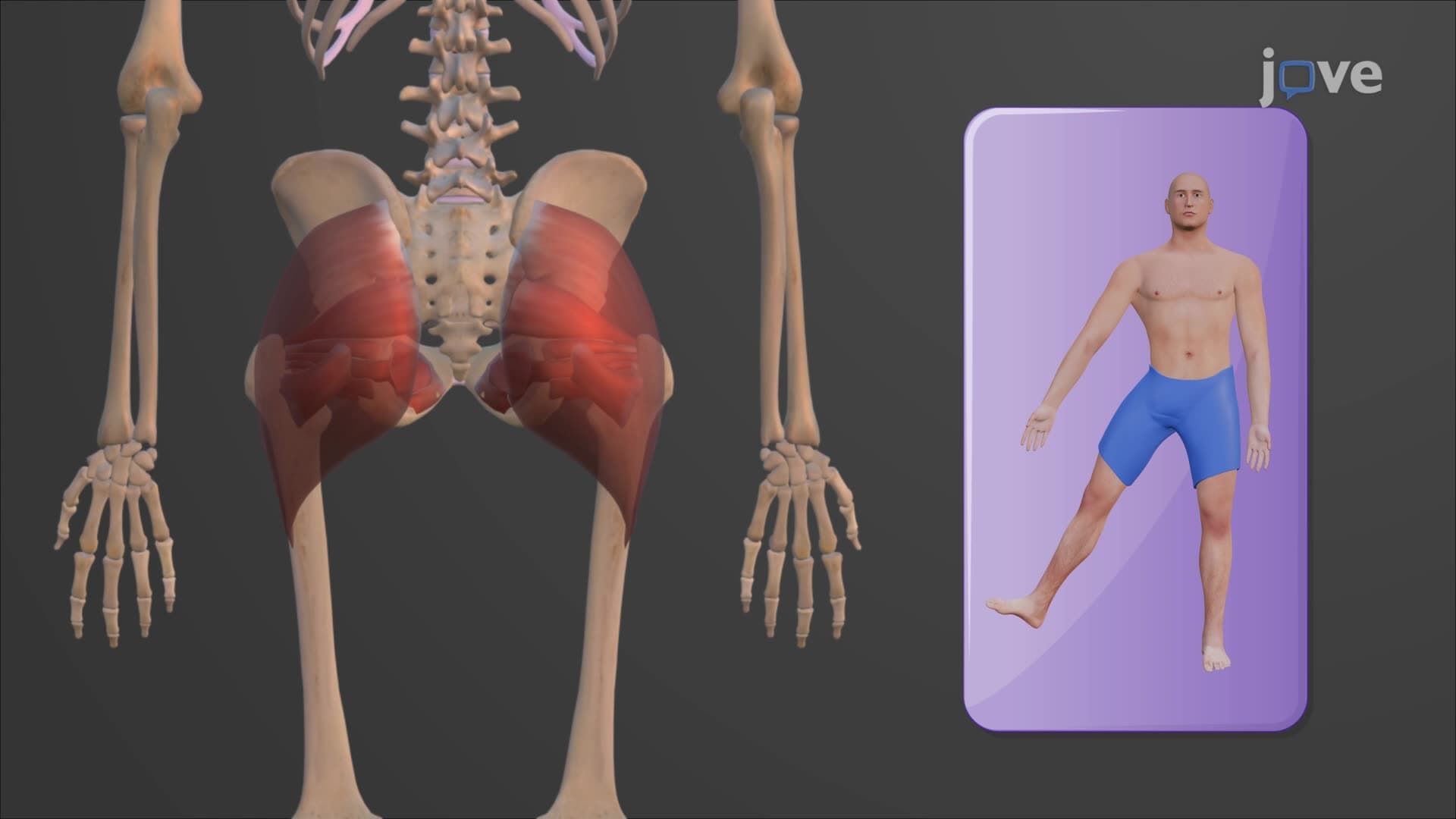
Unipennate muscles, like the extensor digitorum longus in your forearm, have fascicles on one side of the central tendon. Bipennate muscles, such as the rectus femoris (part of your quadriceps), feature fascicles on both sides. Multipennate muscles, like the deltoid in your shoulder, contain multiple branching tendons with fascicles at various angles-creating the ultimate force-generating machine.
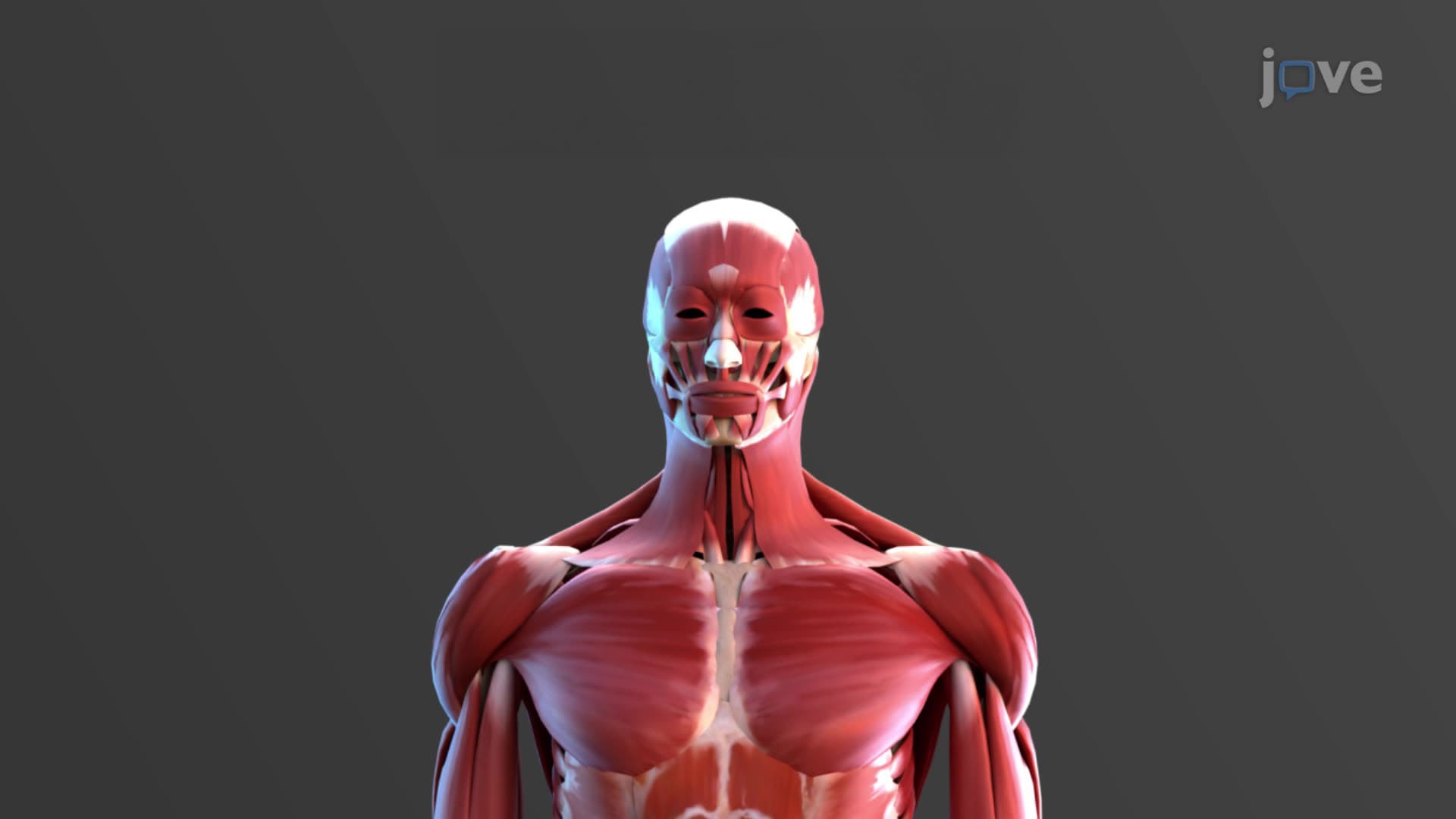
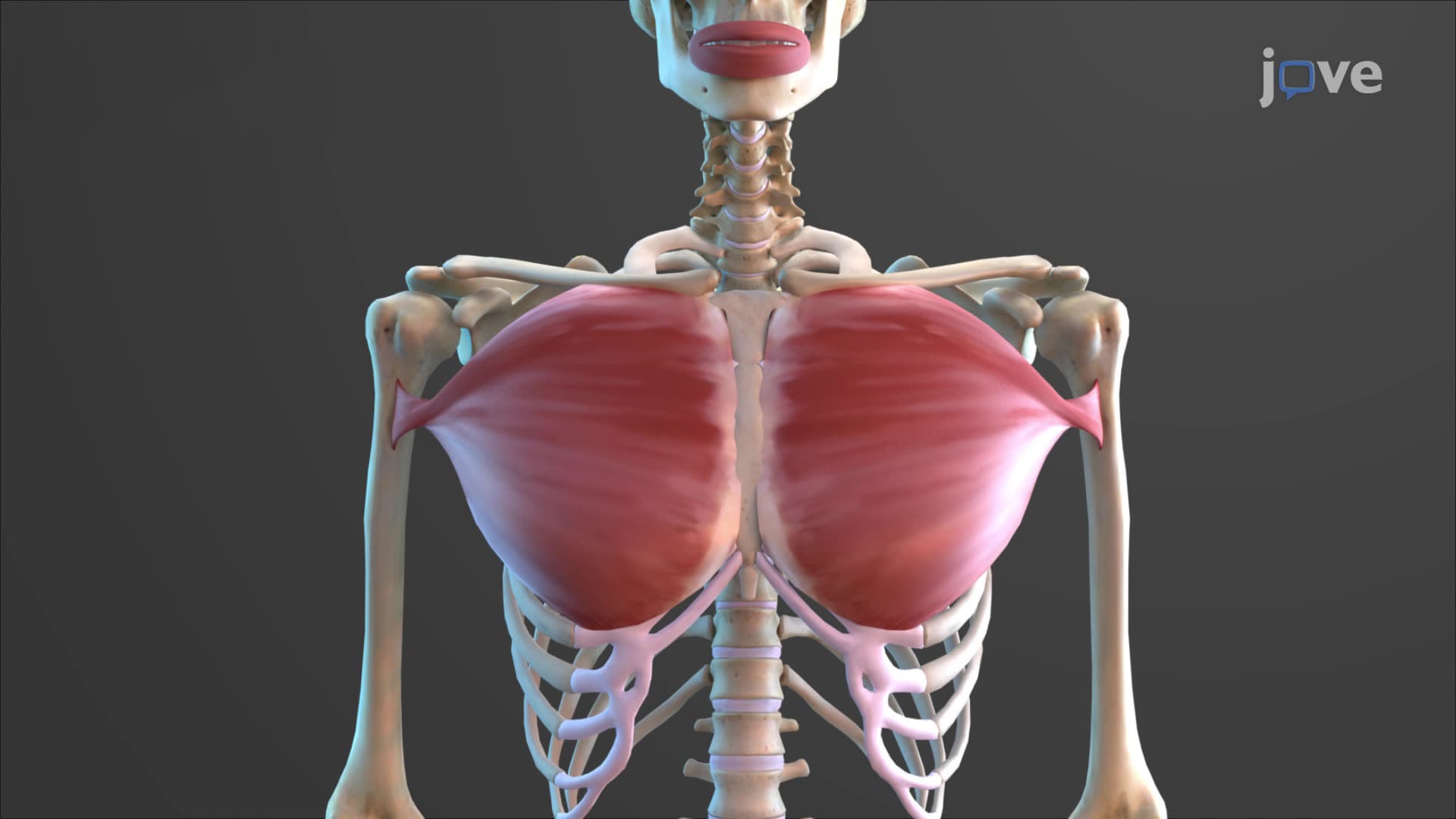
Convergent muscles, exemplified by the pectoralis major, spread fascicles over a wide area before converging at a single point. This arrangement allows muscles to generate force from multiple angles-crucial for complex movements like throwing a baseball or swimming.
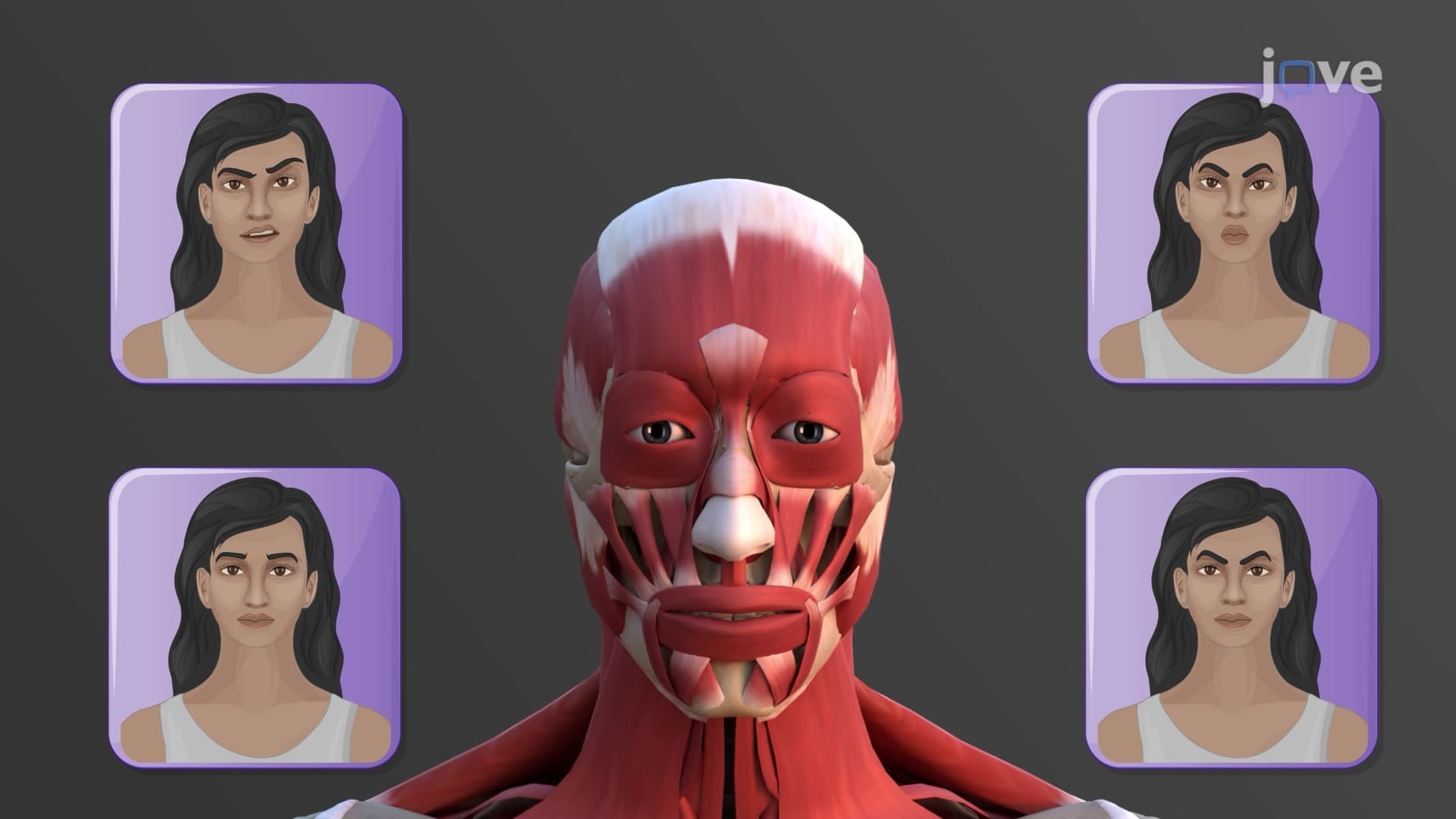
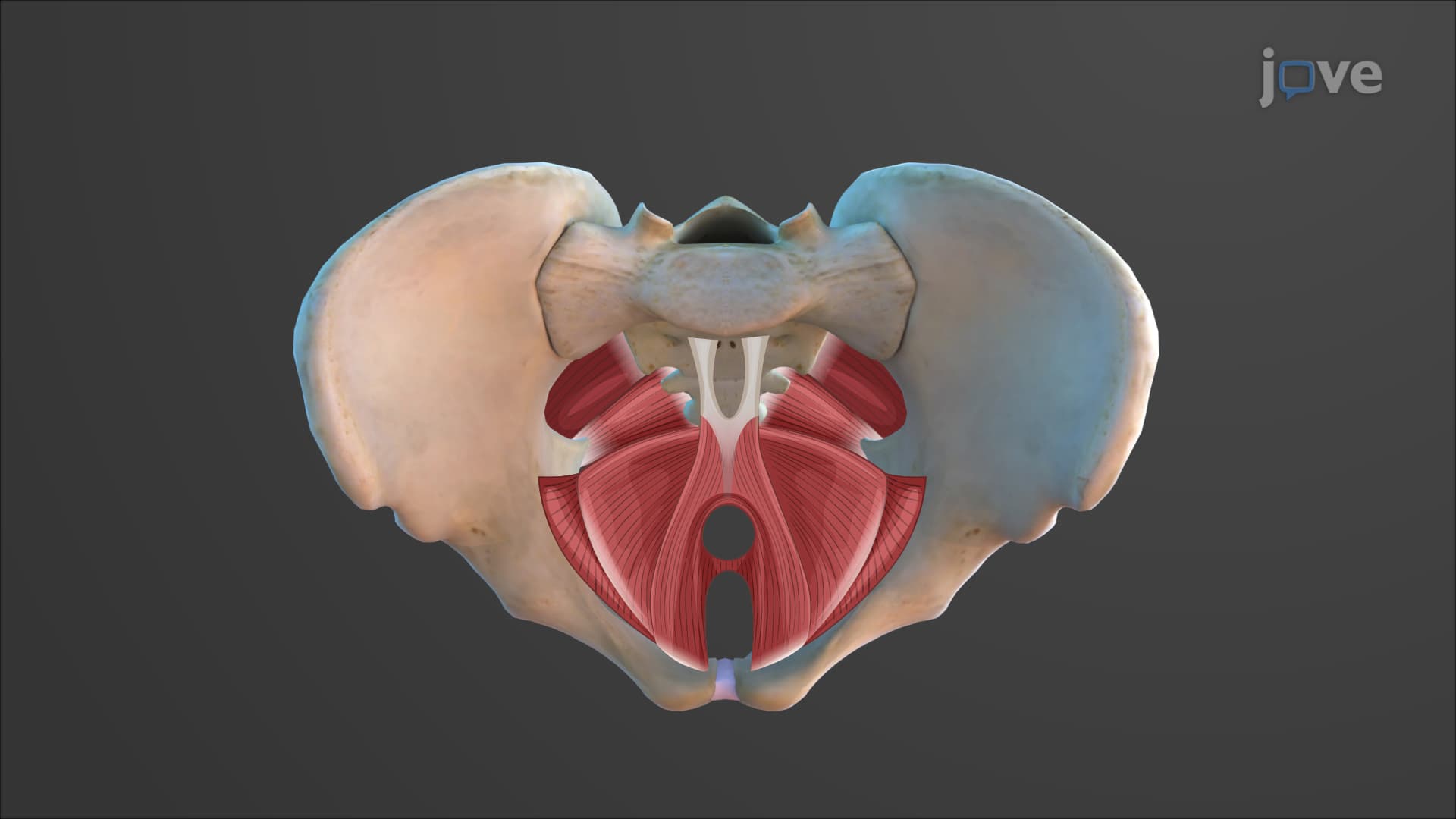
Circular fascicle arrangement creates sphincter muscles that control openings in the body. The orbicularis oris around your mouth enables precise lip movements for speaking, eating, and facial expressions. These muscles appear regularly in NCLEX and anatomy practical exams because they demonstrate how structure directly serves specialized function.
Related Micro-courses