Loading video…


 20 Concepts
 68.3K views

Video Summary: What are Axial and Appendicular Muscles
Ever wonder why a gymnast's core strength differs from a sprinter's leg power? The secret lies in understanding axial appendicular muscle groups and their distinct functions throughout the human body. Axial muscles control your torso and facial expressions, while appendicular muscles power limb movements-think of how a basketball player at Duke University uses both systems when shooting free throws. What are axial and appendicular muscles becomes clearer when you see how each group serves specific movement patterns. Watch the full video on JoVE Coach to master this concept with expert-led visuals and step-by-step explanations.
The human muscular system's organization into axial appendicular muscle groups represents one of anatomy's most logical divisions. This classification system helps students, healthcare professionals, and fitness experts understand how our 600+ skeletal muscles work together to create coordinated movement patterns essential for daily activities and athletic performance.
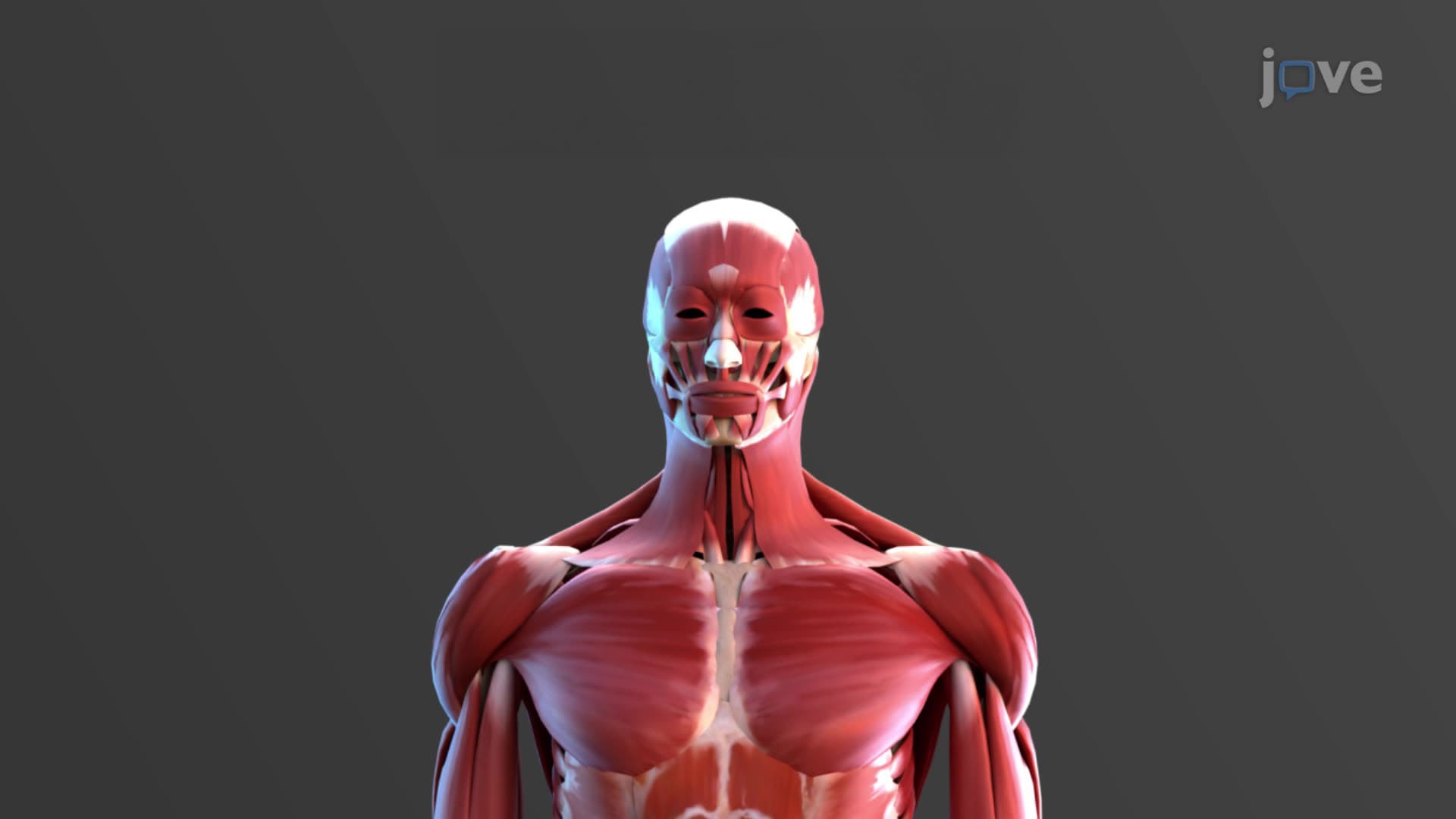
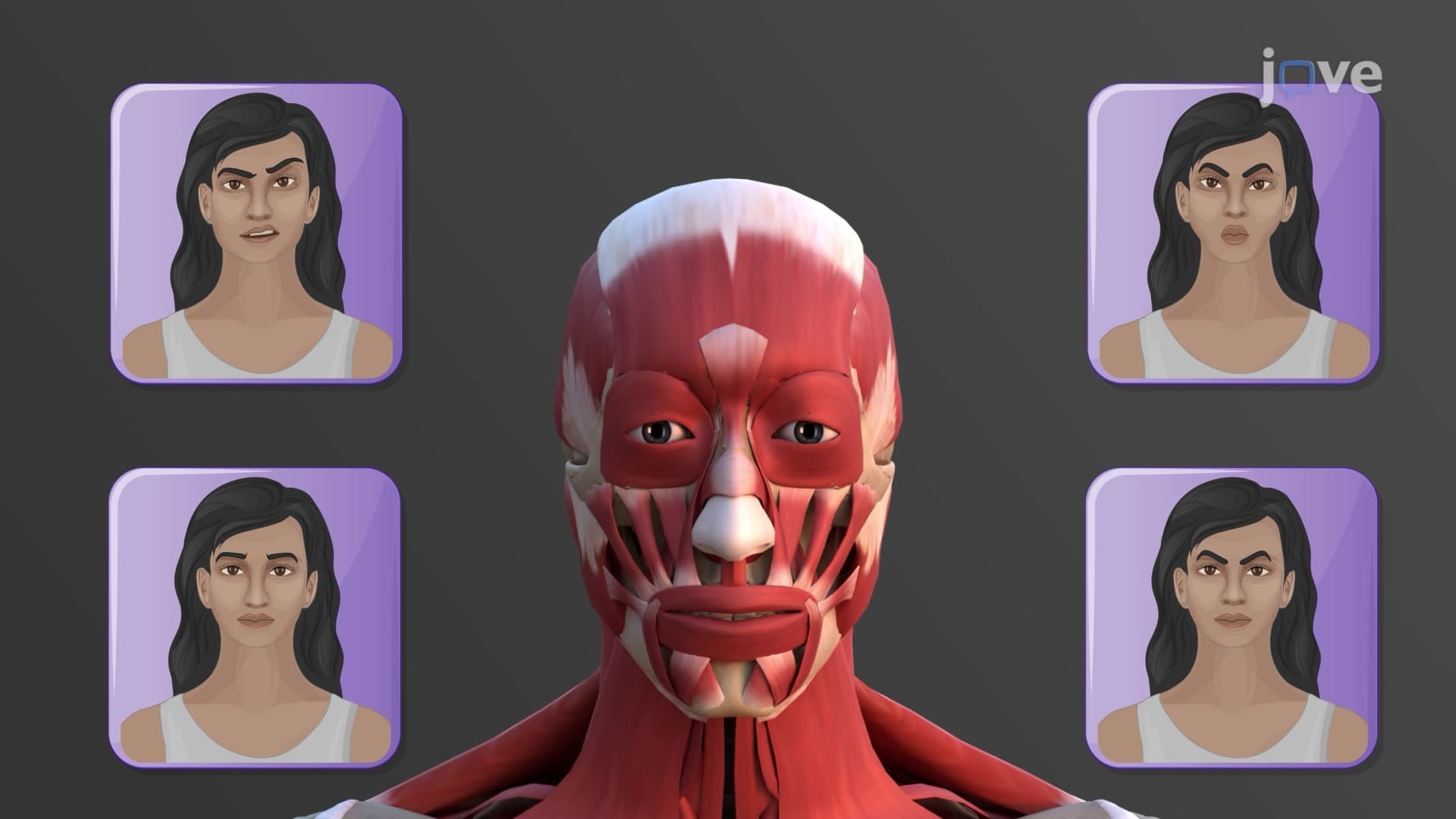
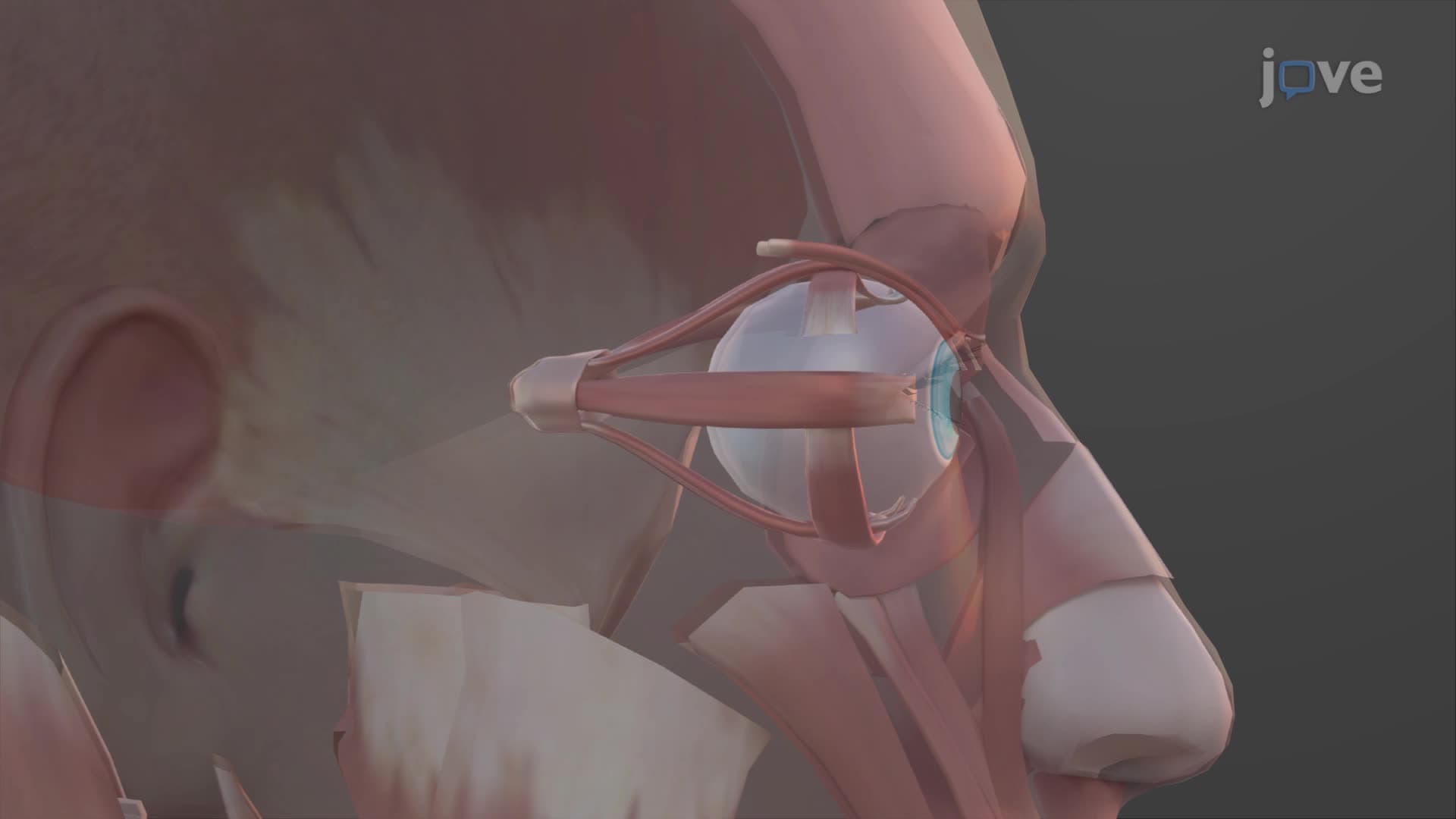
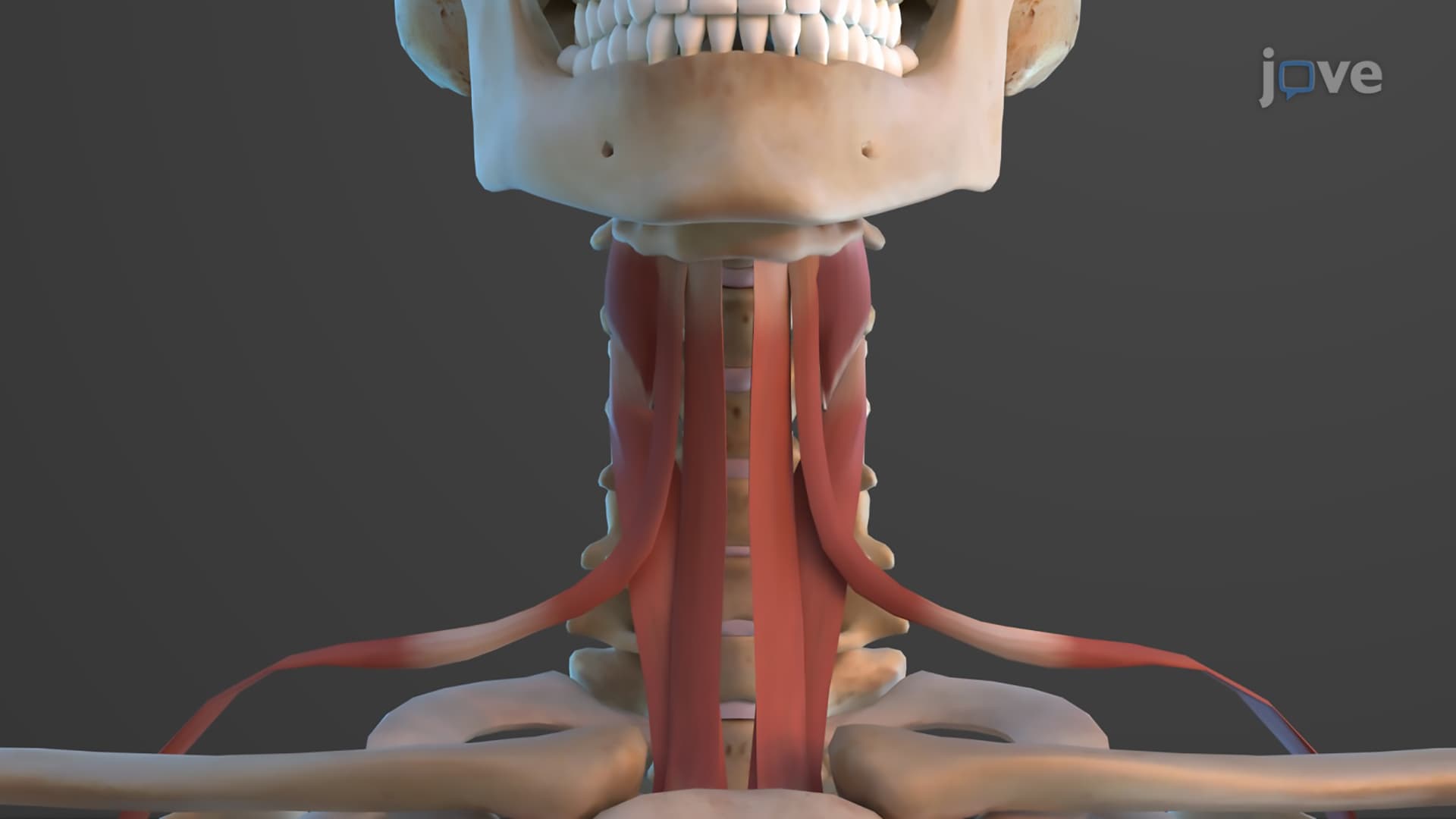
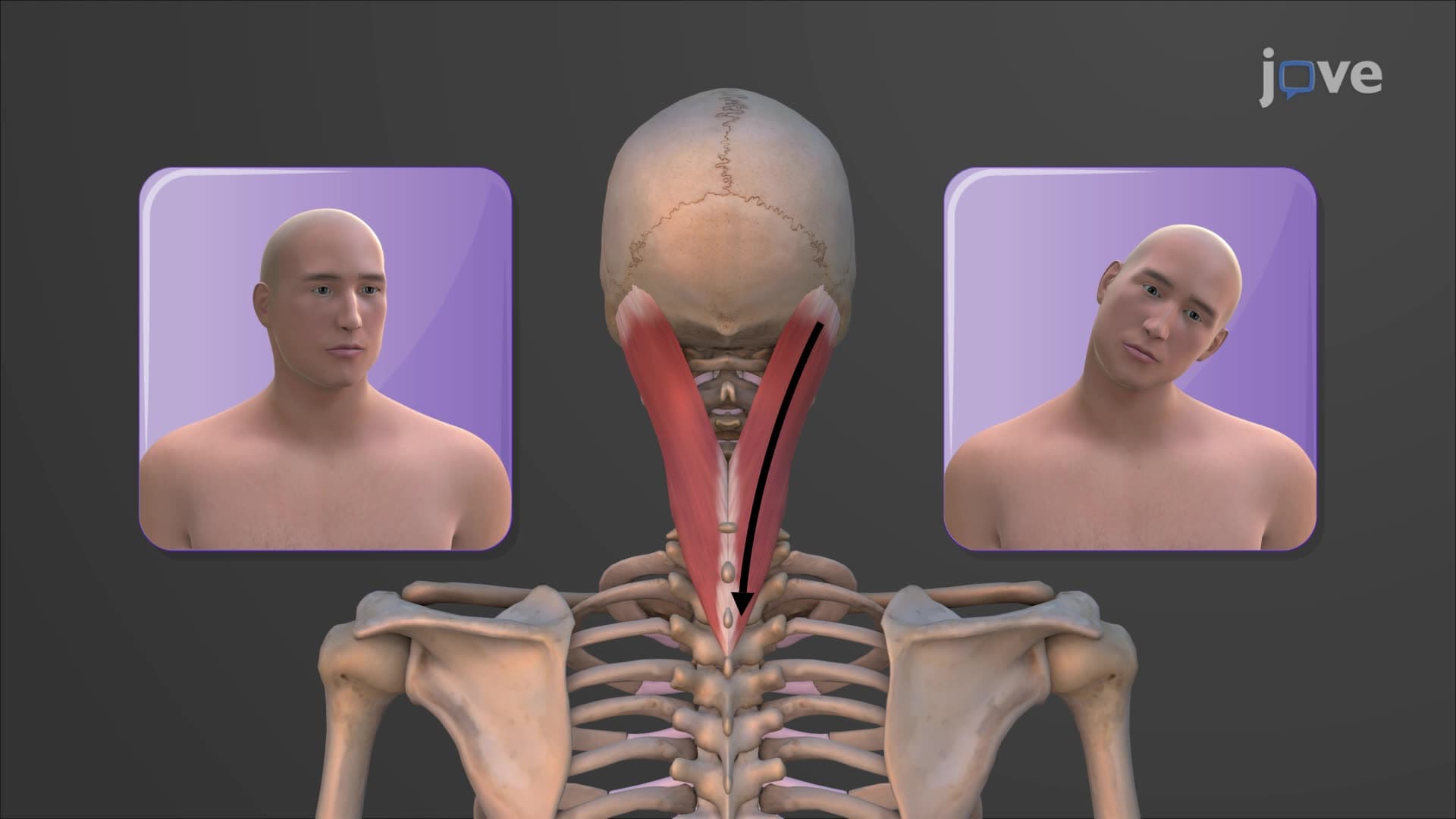
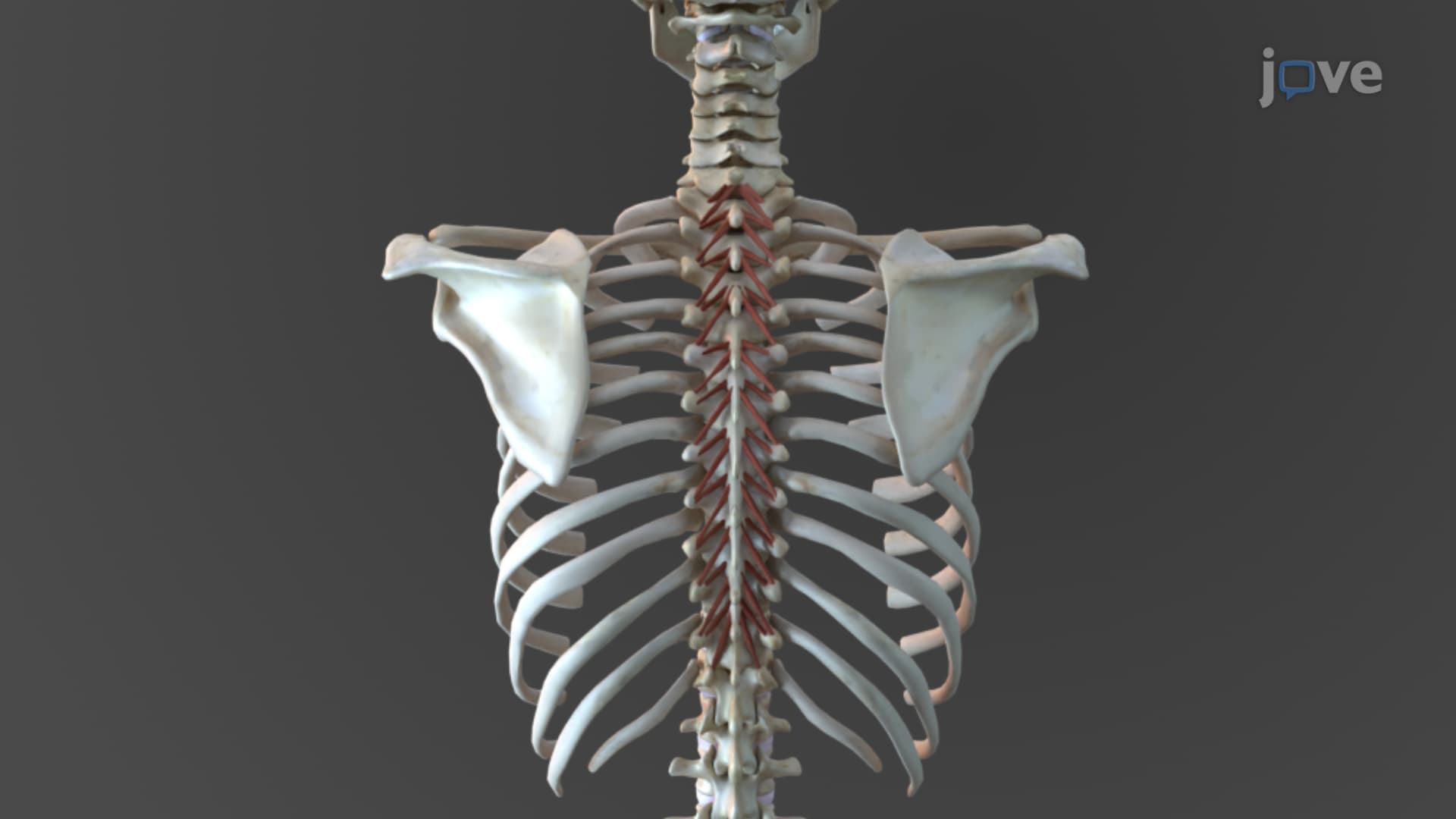
Trunk head axial muscle groups form the central support system of human movement. These muscles attach directly to the axial skeleton-your skull, vertebral column, and rib cage. In the head and neck region, axial muscles control facial expressions (think of a news anchor's precise lip movements), speech articulation, and chewing motions. The suboccipital muscles enable fine head positioning, crucial for activities like reading or using a microscope in biology lab.
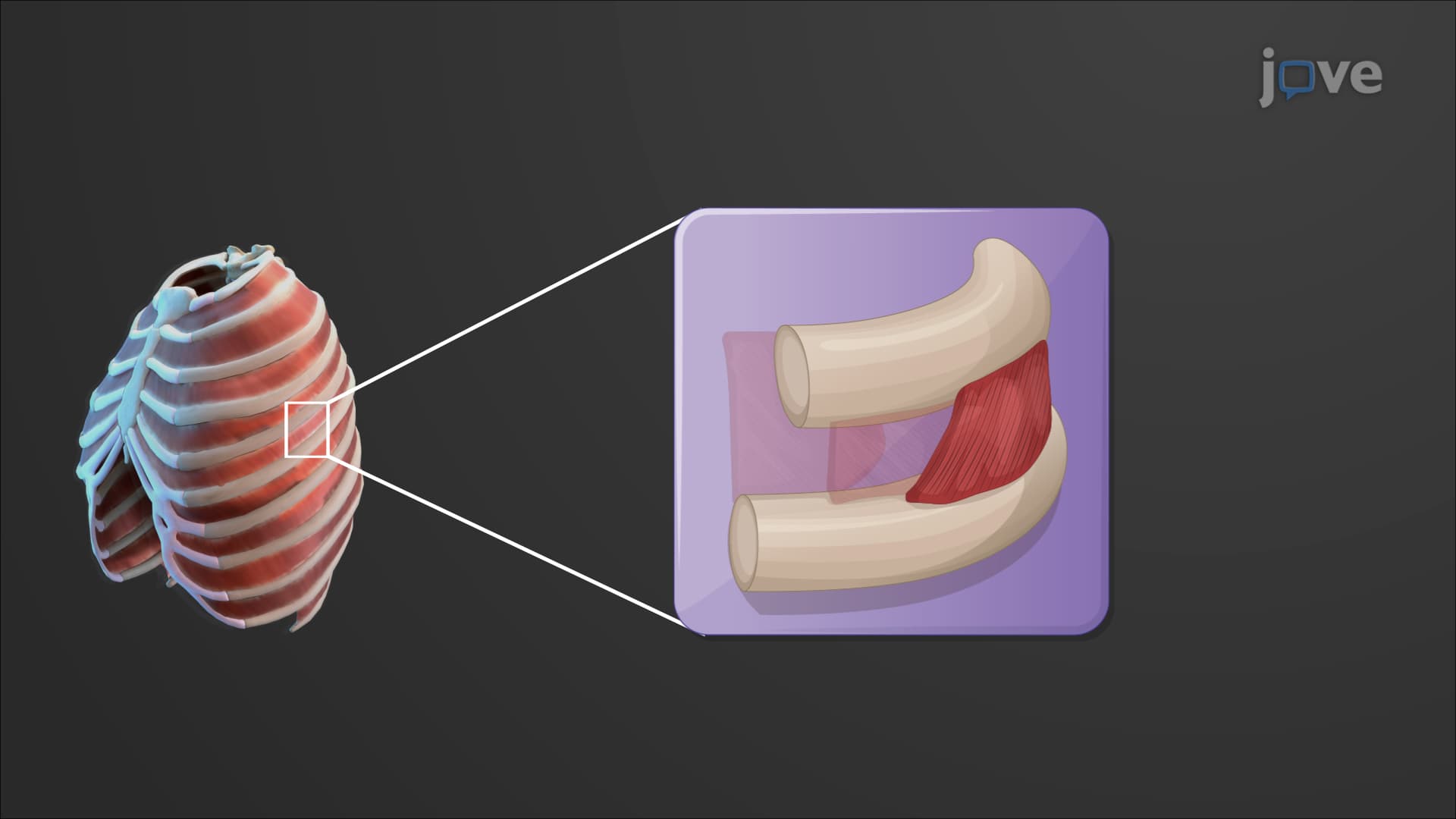
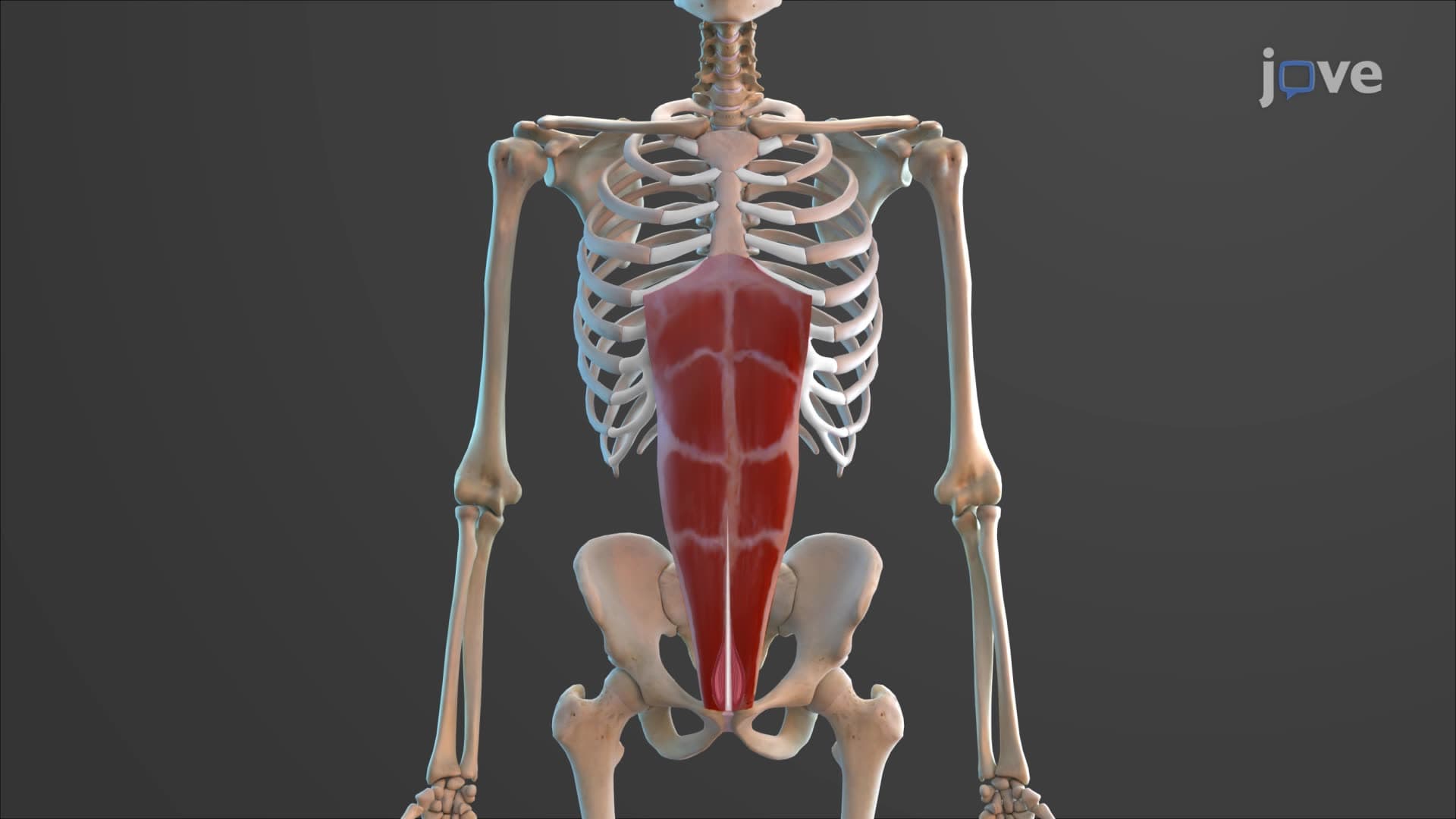
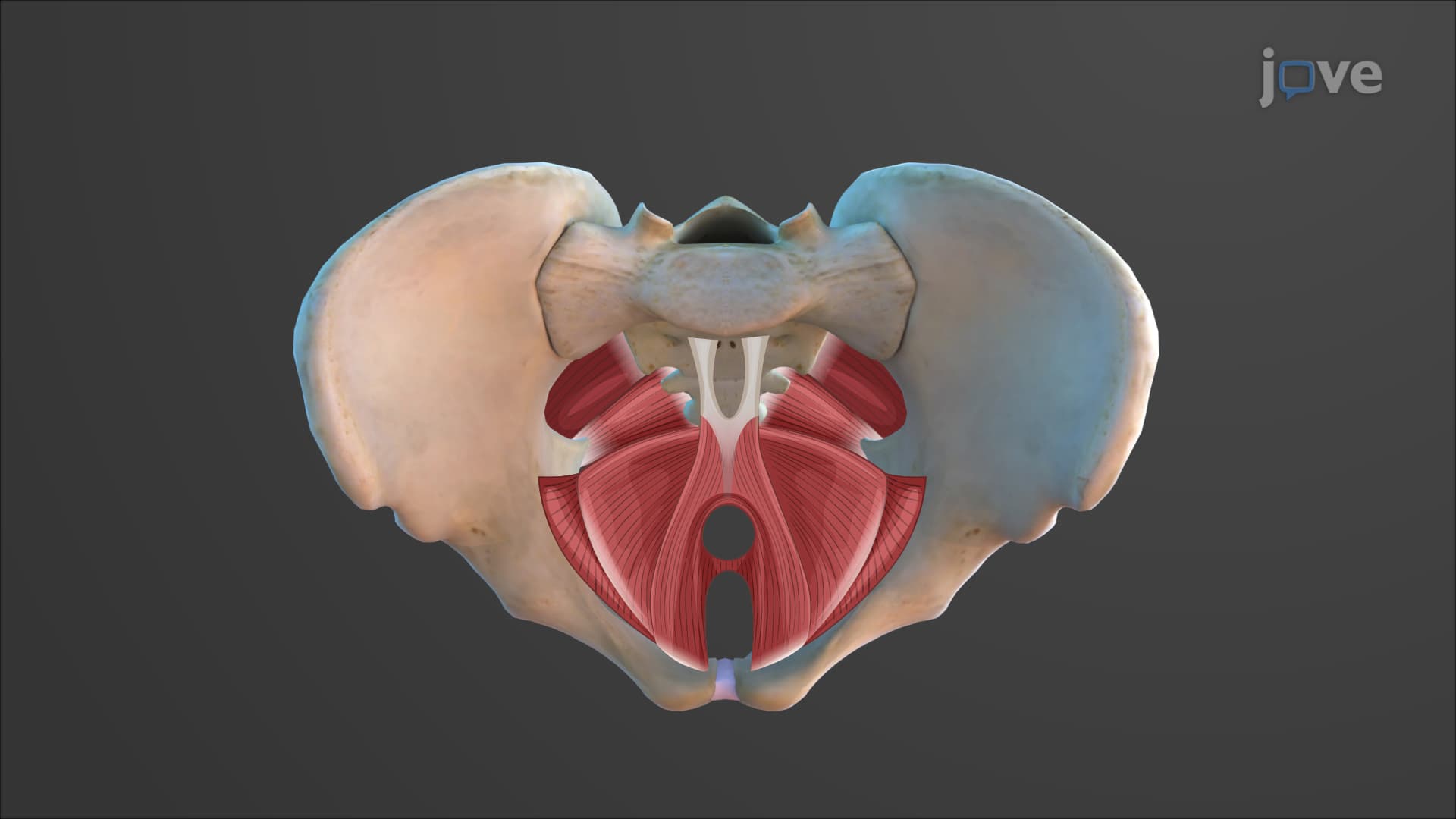
Moving down the body, thoracic and abdominal axial muscles create the trunk's muscular walls. The rectus abdominis ("six-pack" muscles), internal and external obliques, and transverse abdominis work together to stabilize the spine during lifting movements. Physical therapists at major US hospitals like Cleveland Clinic emphasize these muscles when treating lower back pain, as weak core muscles often contribute to spinal instability.
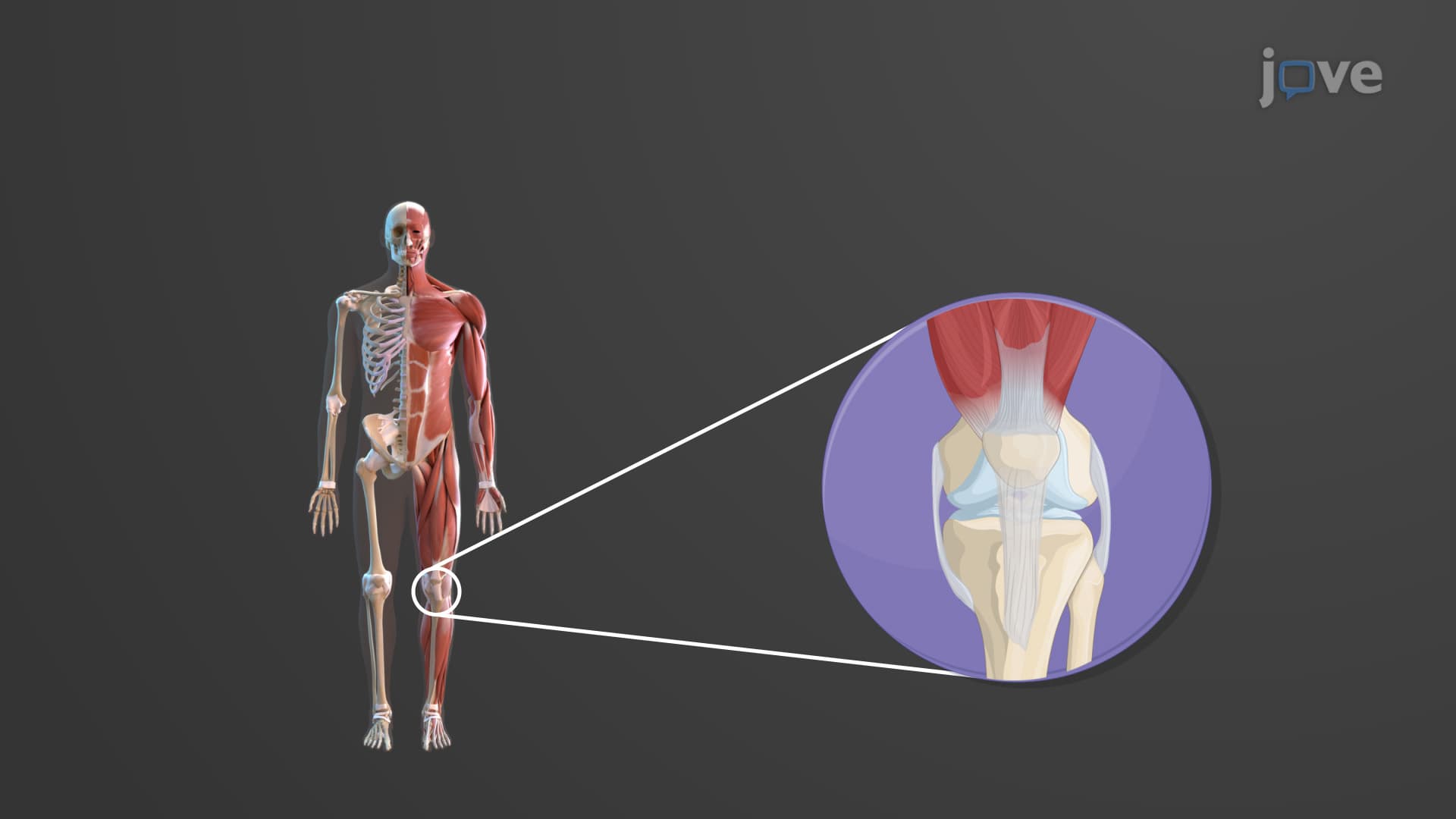
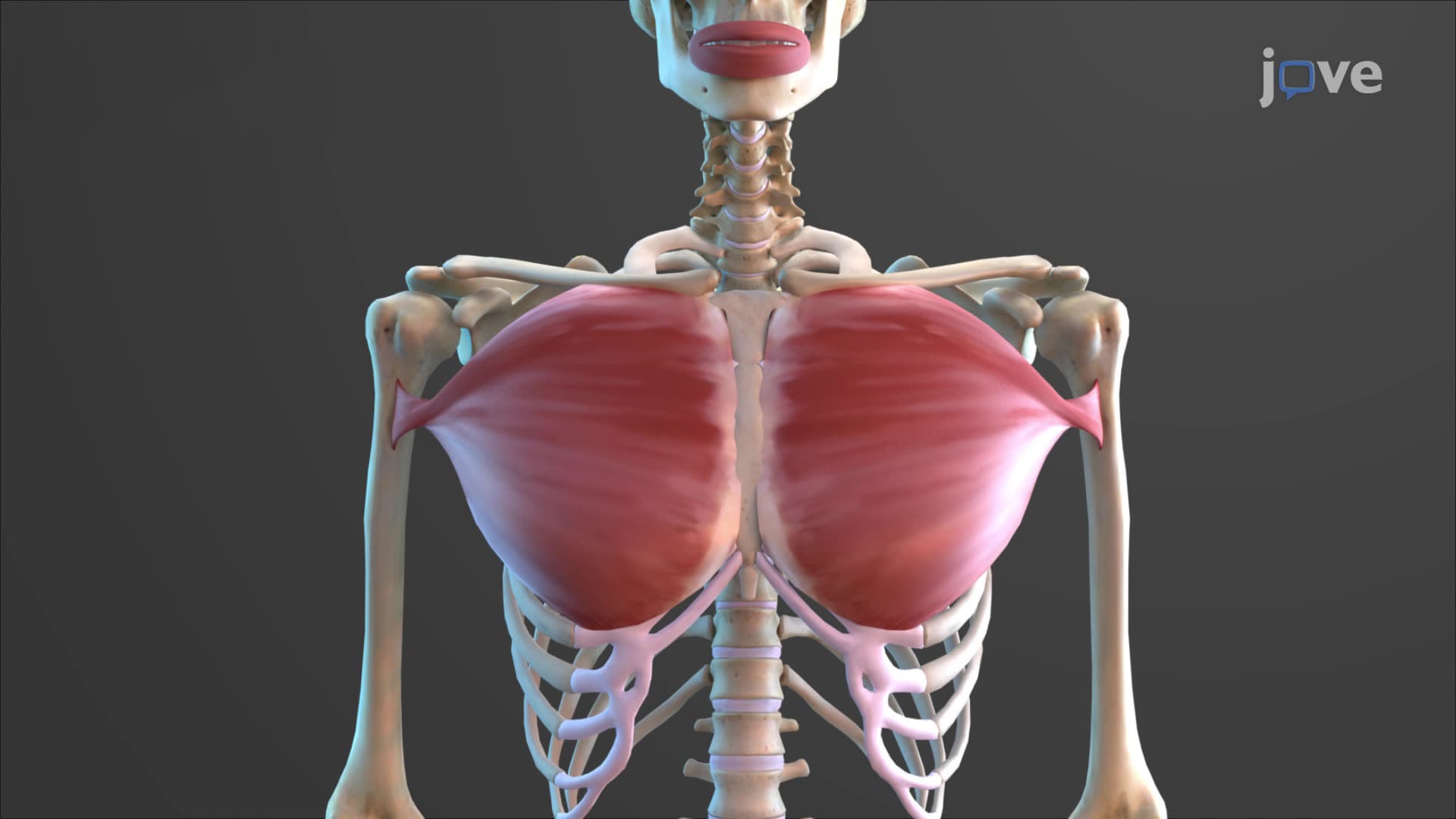
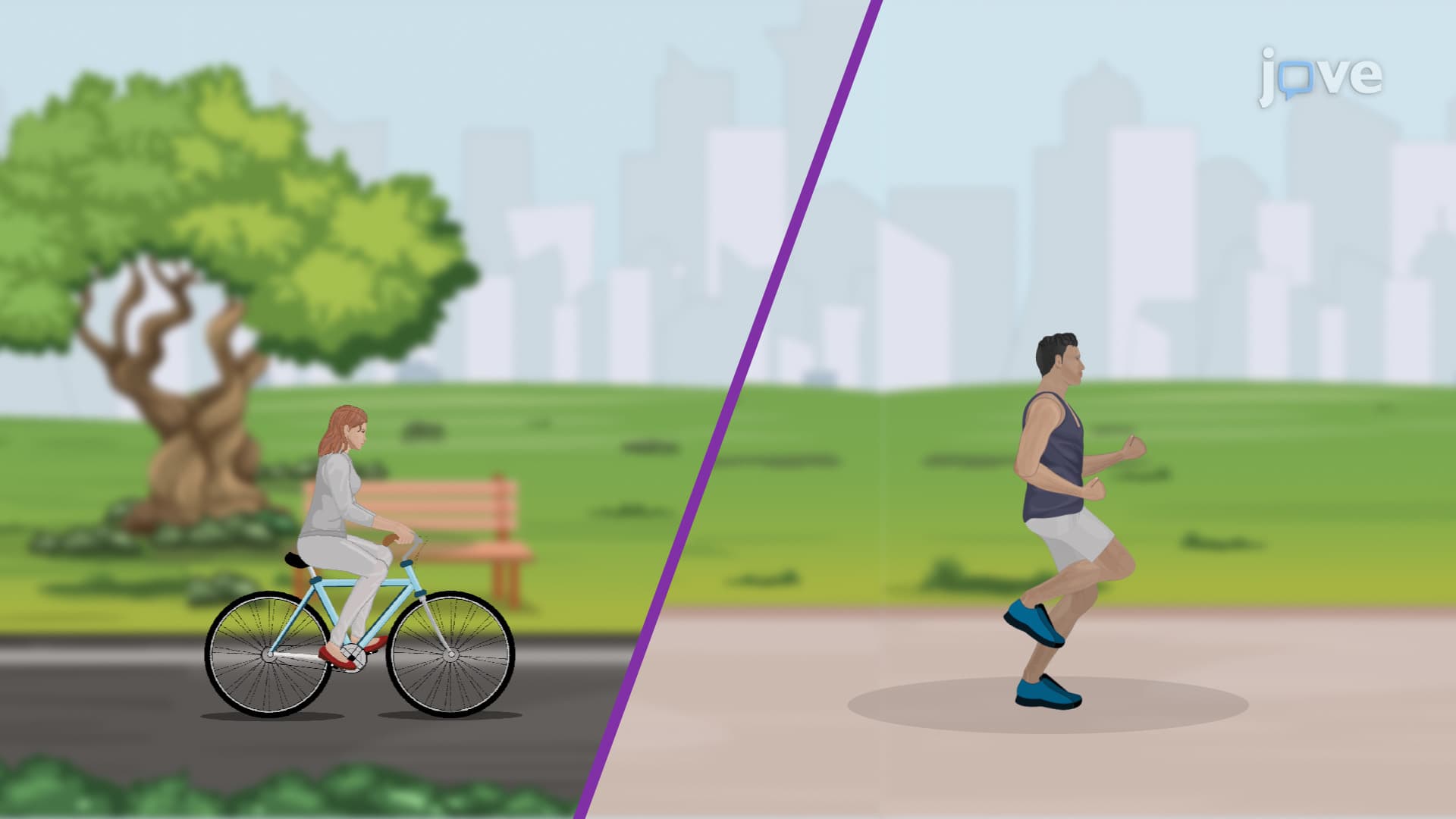
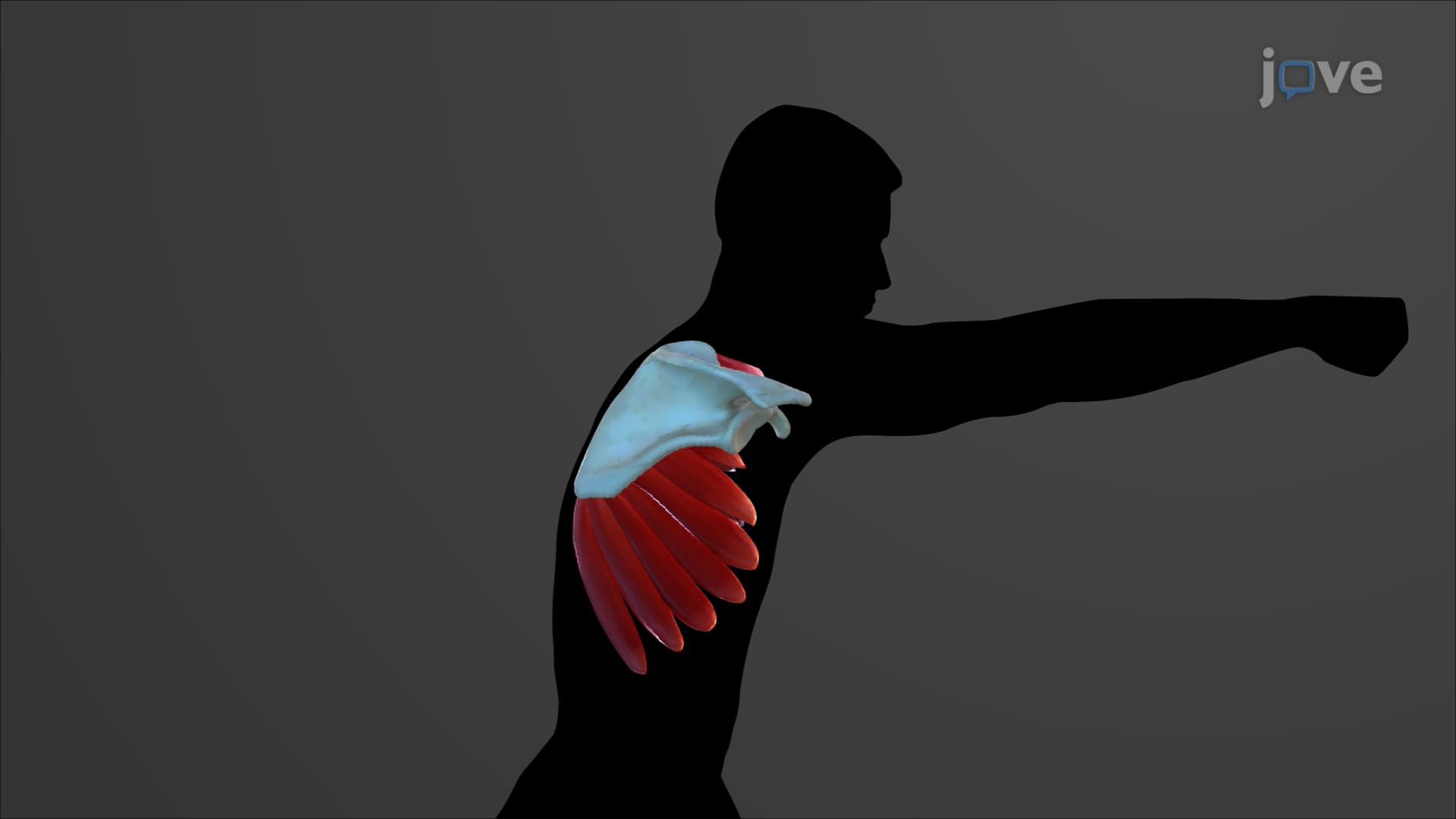
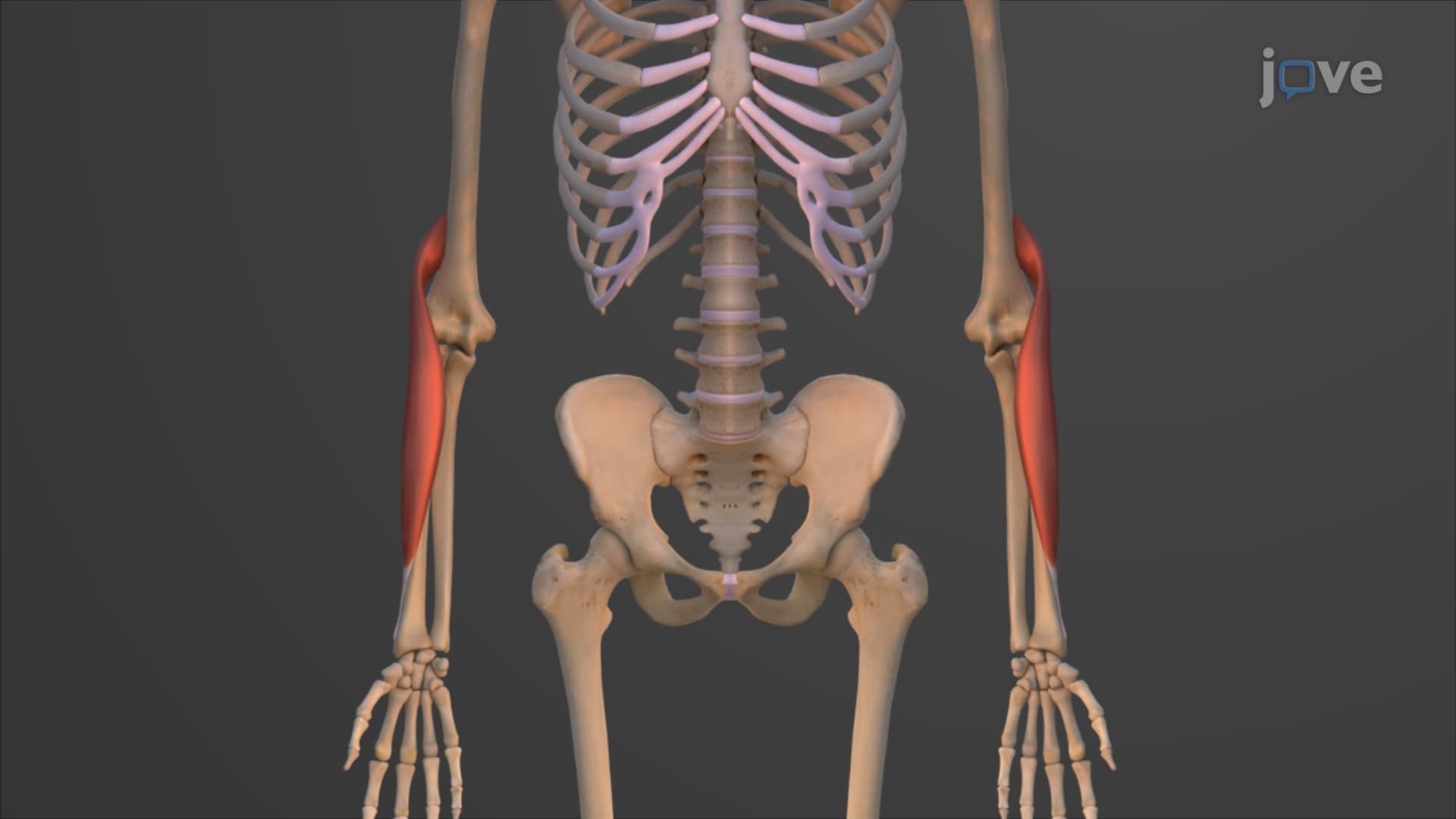
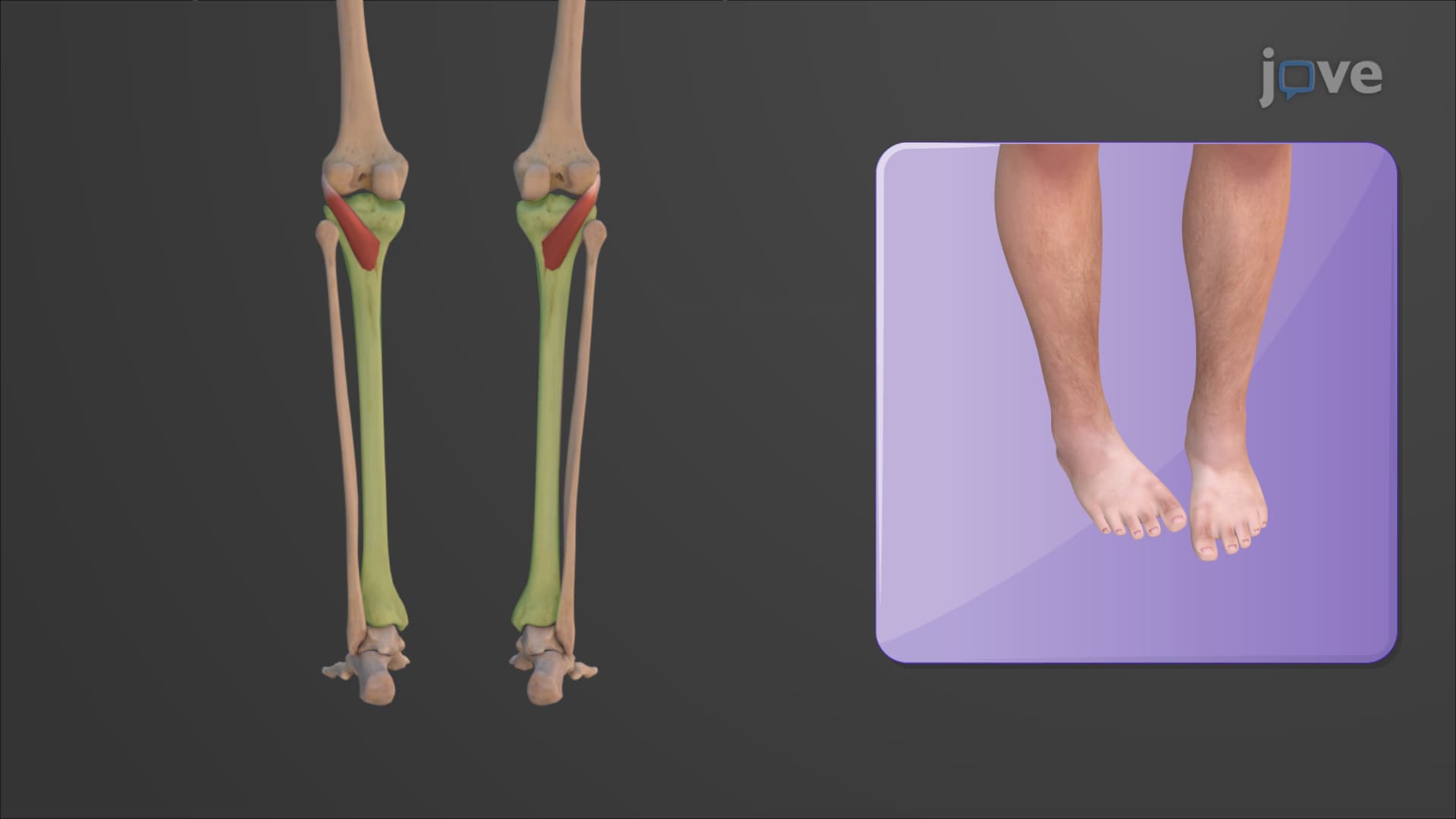
Appendicular limb muscles control everything from throwing a baseball to walking across campus. These muscles connect to the appendicular skeleton-your arms, legs, and their associated girdles. The pectoral girdle muscles, including the trapezius and serratus anterior, position your shoulder blades for optimal arm function. Without proper scapular stabilization, overhead athletes like volleyball players at Stanford University would struggle with powerful spikes.
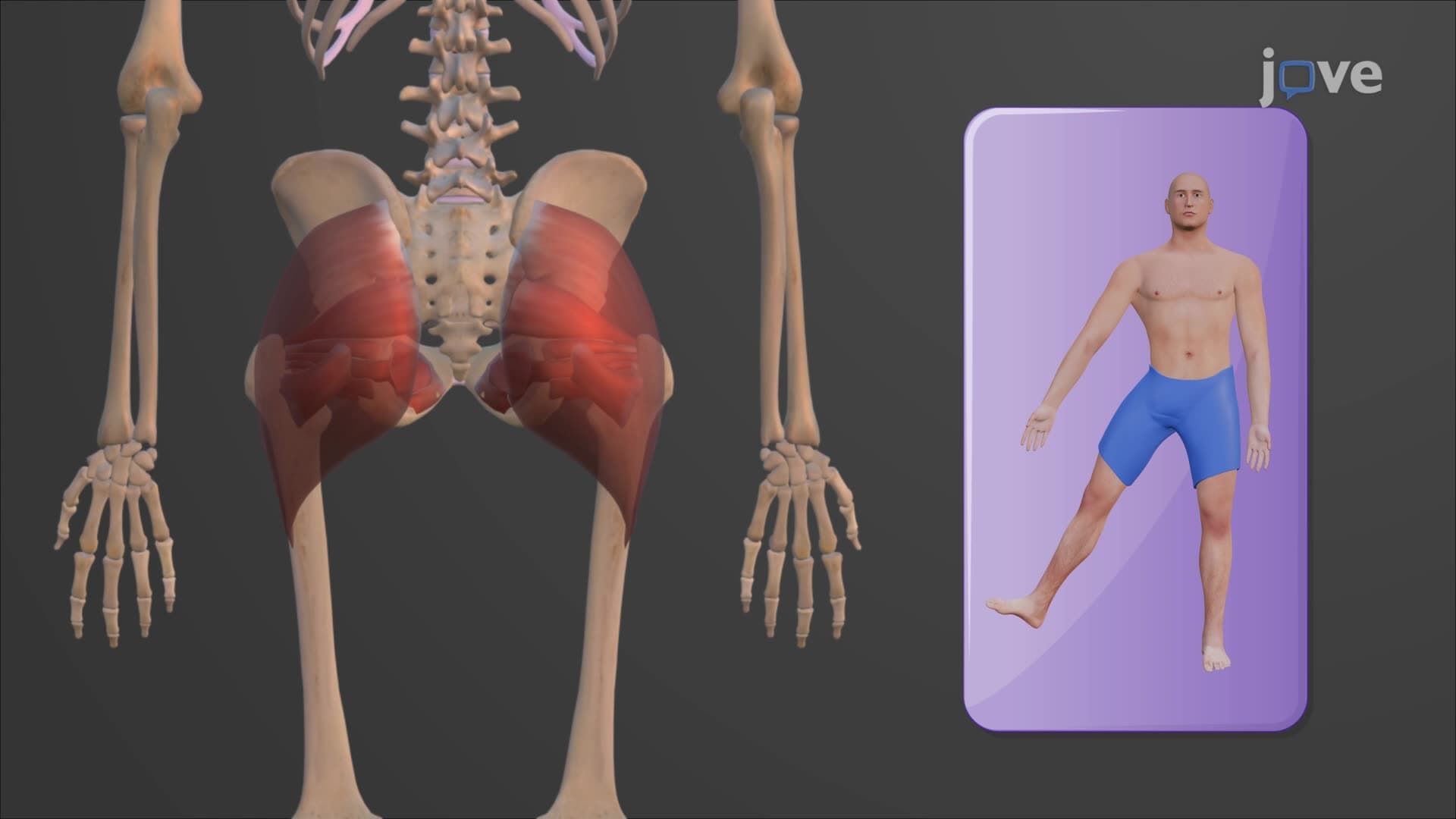
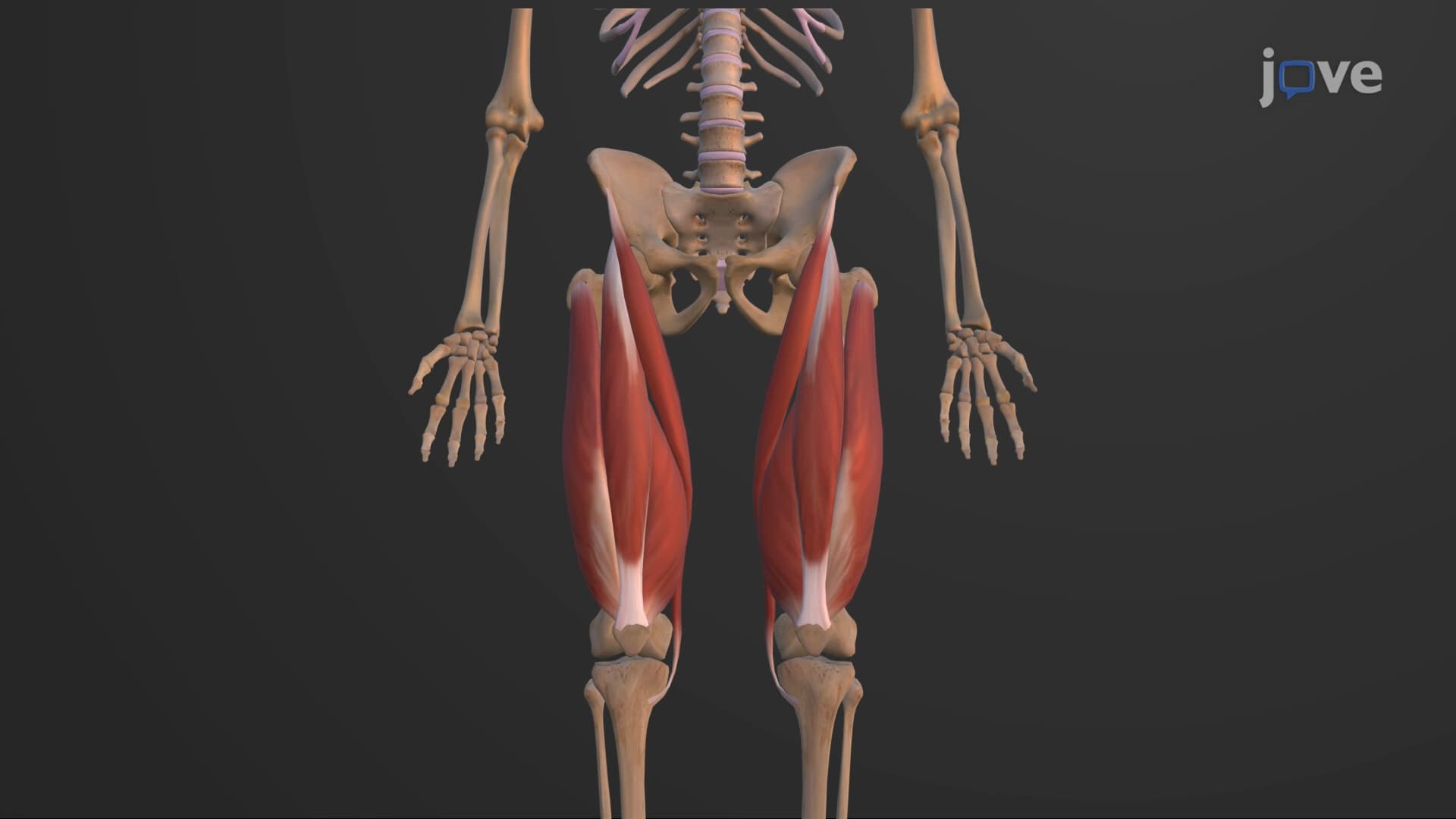
Lower limb appendicular muscles generate the forces needed for locomotion. The gluteus maximus, your body's largest muscle, provides hip extension power for climbing stairs or sprinting. Limb girdle appendicular muscle coordination becomes especially important during complex movements like those performed by dancers at Juilliard School, where precise limb control creates artistic expression.
Understanding body muscle group divisions proves essential for success on standardized exams like the MCAT, where students must analyze movement patterns and muscle dysfunction scenarios. AP Biology students encounter these concepts when studying human body systems, while exercise science majors apply this knowledge in biomechanics courses at universities nationwide.
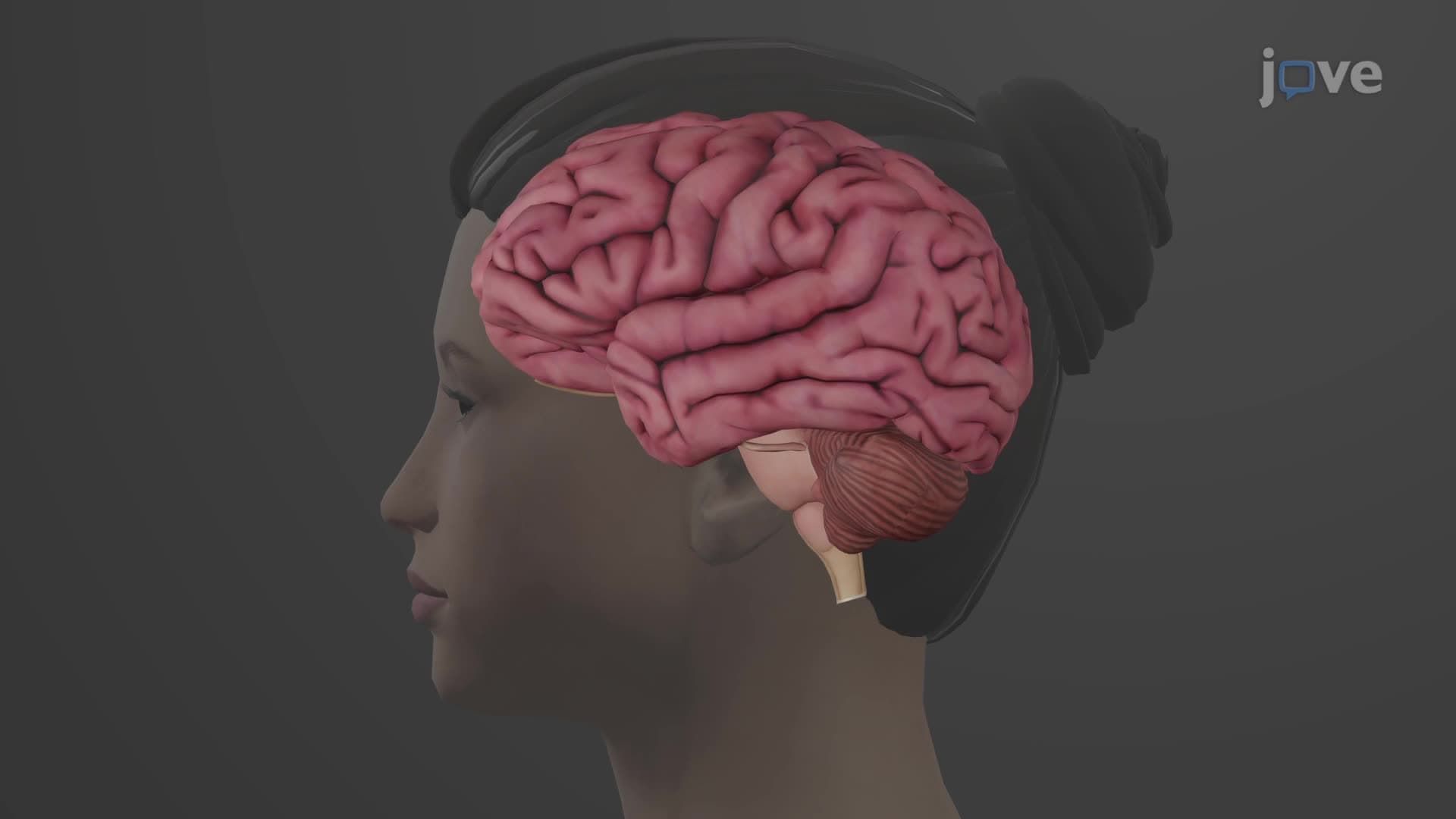
Healthcare professionals use this classification system diagnostically. Axial muscle weakness might suggest spinal cord injuries, while appendicular muscle problems often indicate peripheral nerve damage or muscular dystrophy conditions treated at specialized centers like the NIH Clinical Center.
Related Micro-courses