Loading video…


 20 Concepts
 68.3K views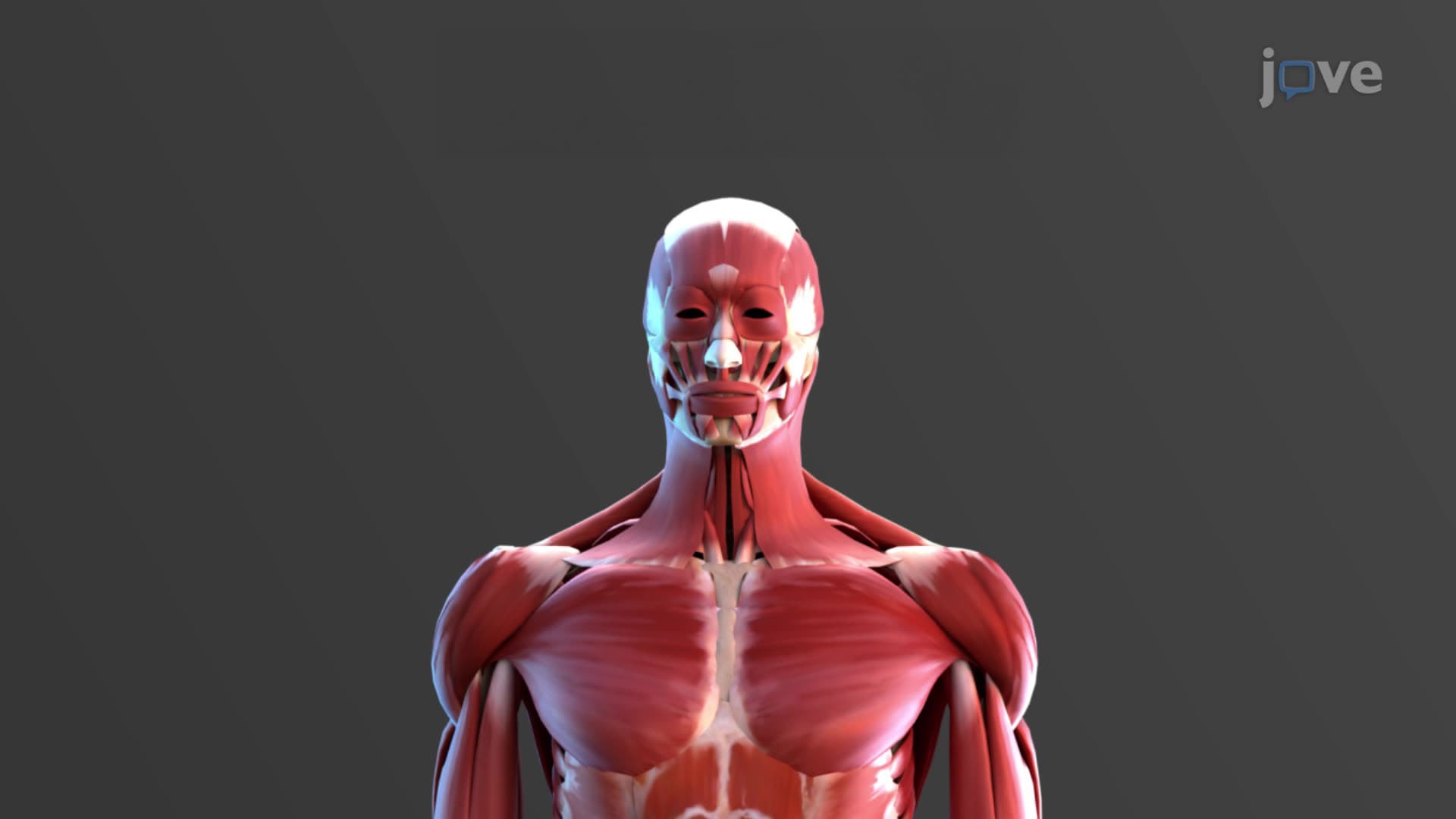

Video Summary: What are Naming Skeletal Muscles
Ever wonder why your biceps muscle has "biceps" in its name? Skeletal muscle naming conventions follow systematic patterns based on location, shape, size, and function that make anatomical learning logical rather than random memorization. For instance, the deltoid muscle covering your shoulder gets its name from resembling the Greek letter delta (Δ). Understanding what are naming skeletal muscles reveals the fascinating logic behind every muscle's identity. Watch the full video on JoVE Coach to master this concept with expert-led visuals and step-by-step explanations.
Skeletal muscle naming conventions transform what could be overwhelming memorization into logical pattern recognition. Rather than arbitrary labels, muscle names follow systematic rules that reveal crucial information about structure, location, and function. This methodical approach helps students in AP Biology, college anatomy courses, and pre-health programs build lasting comprehension rather than temporary recall.
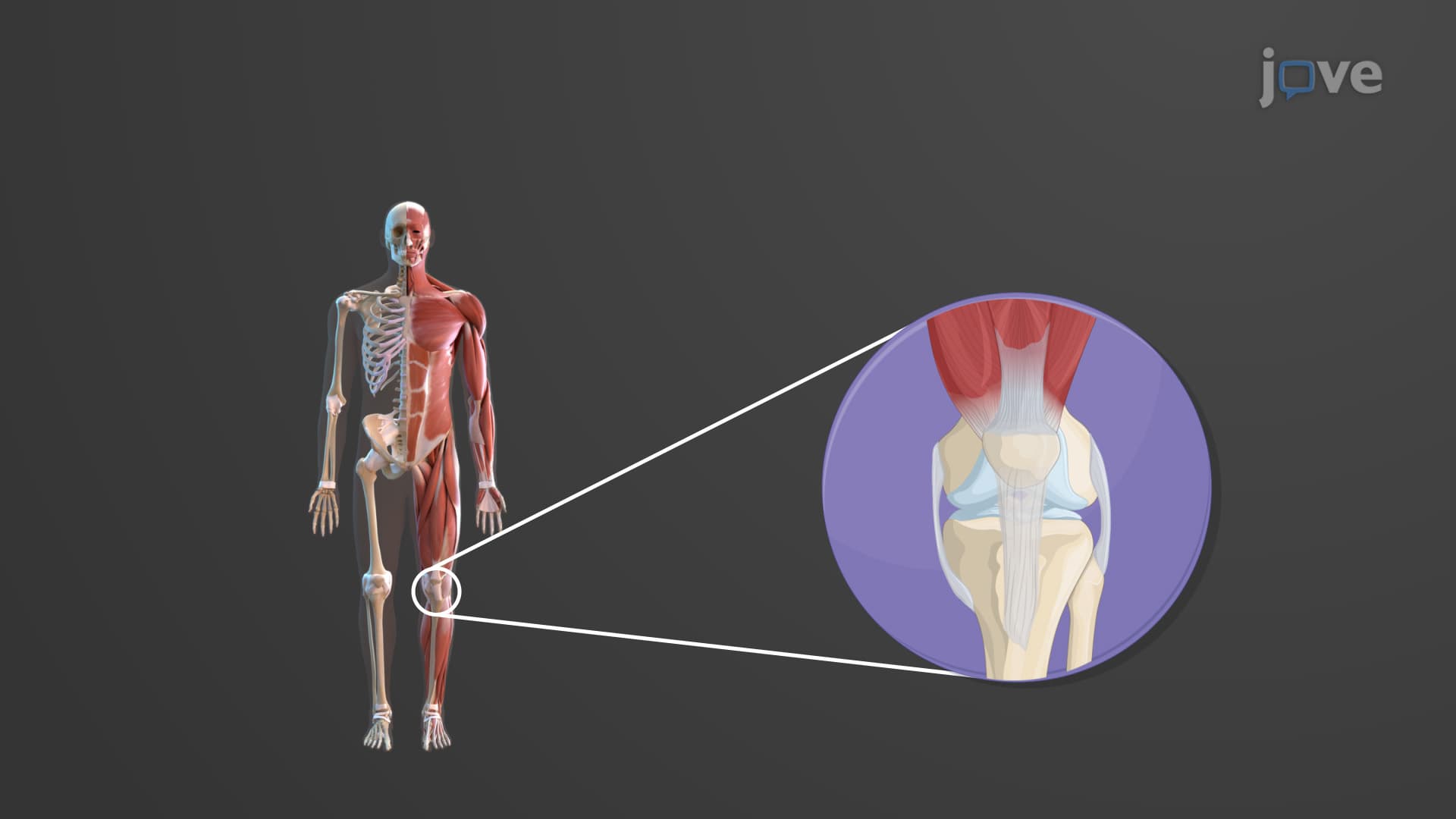
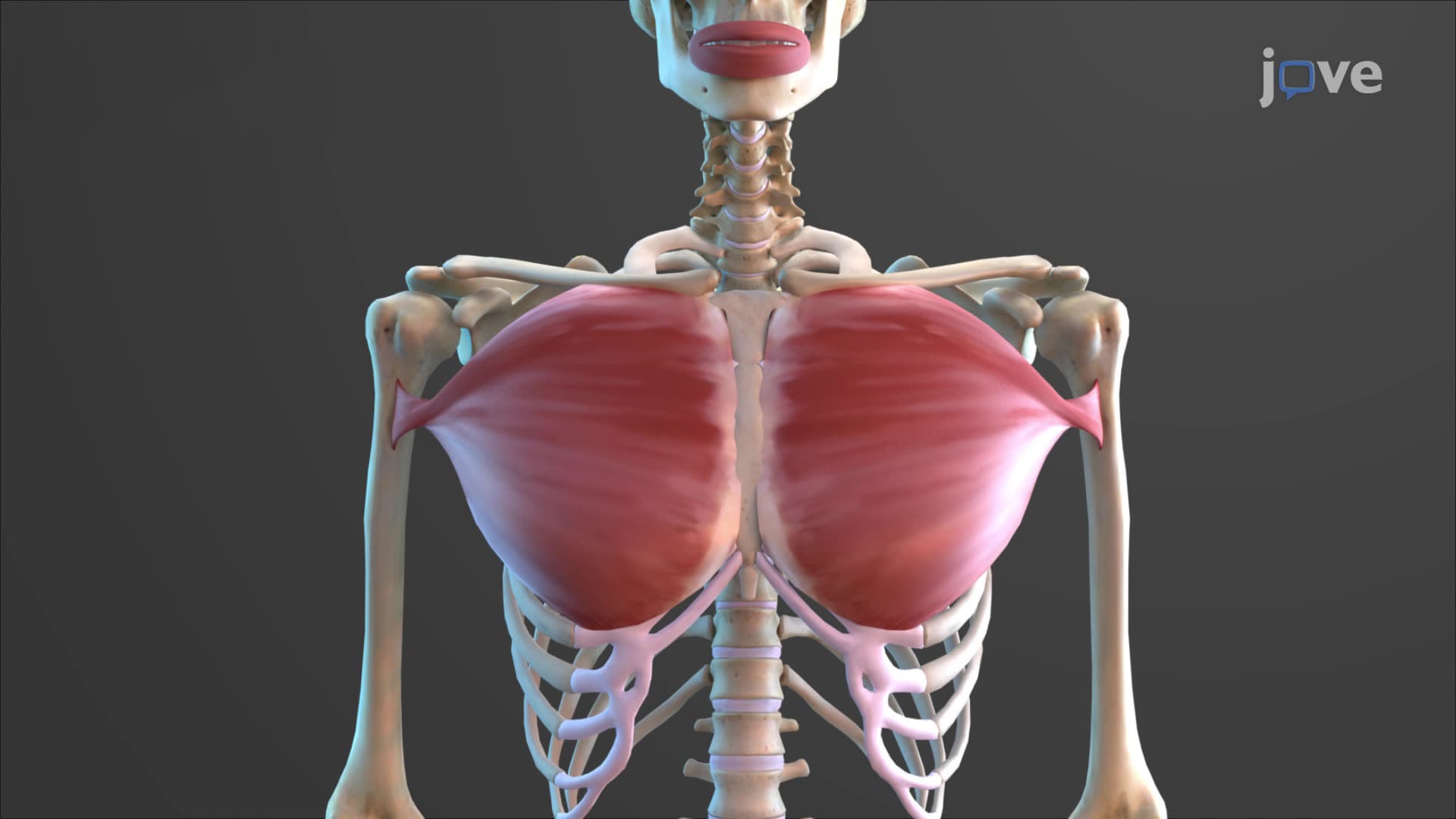
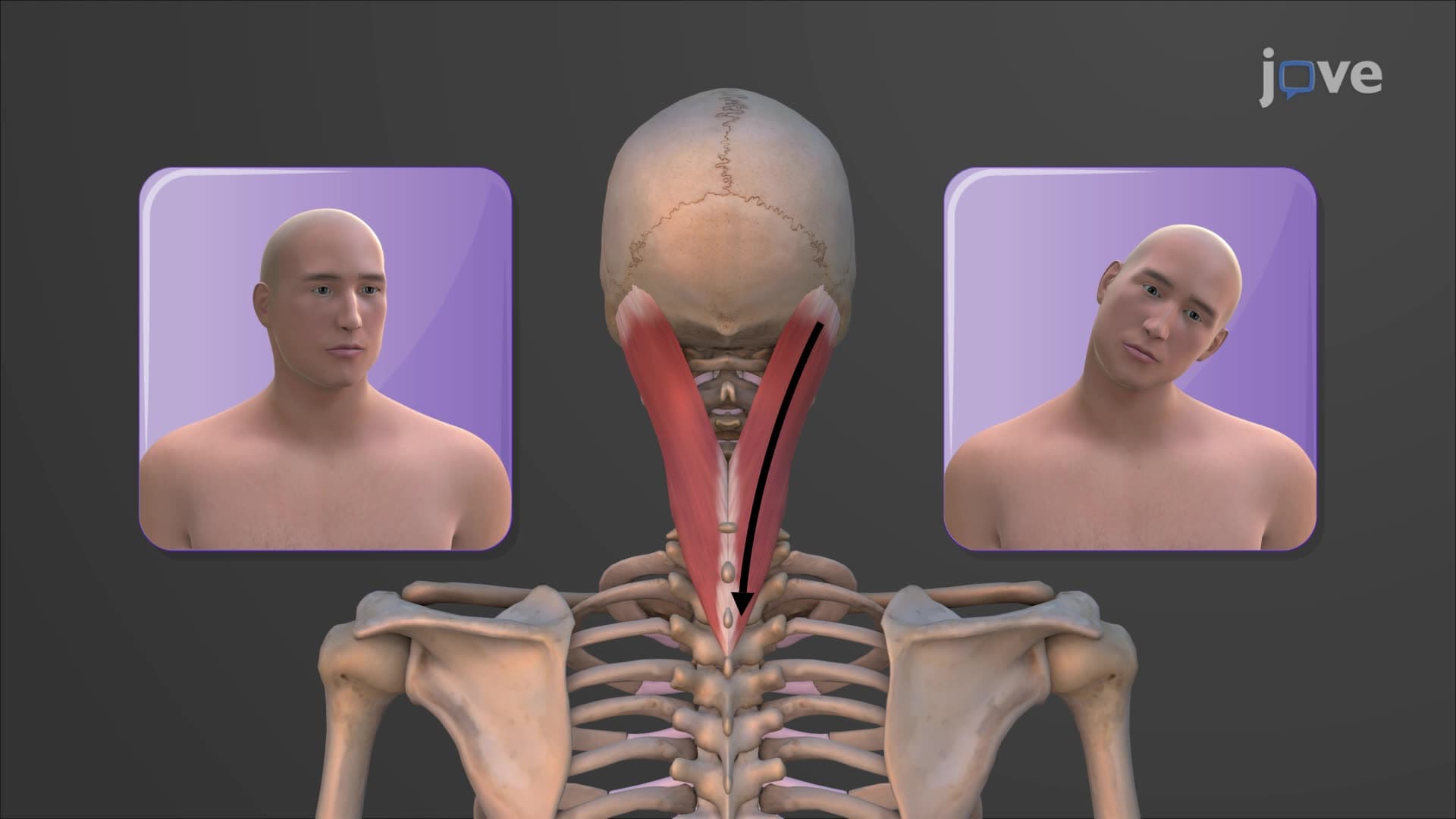
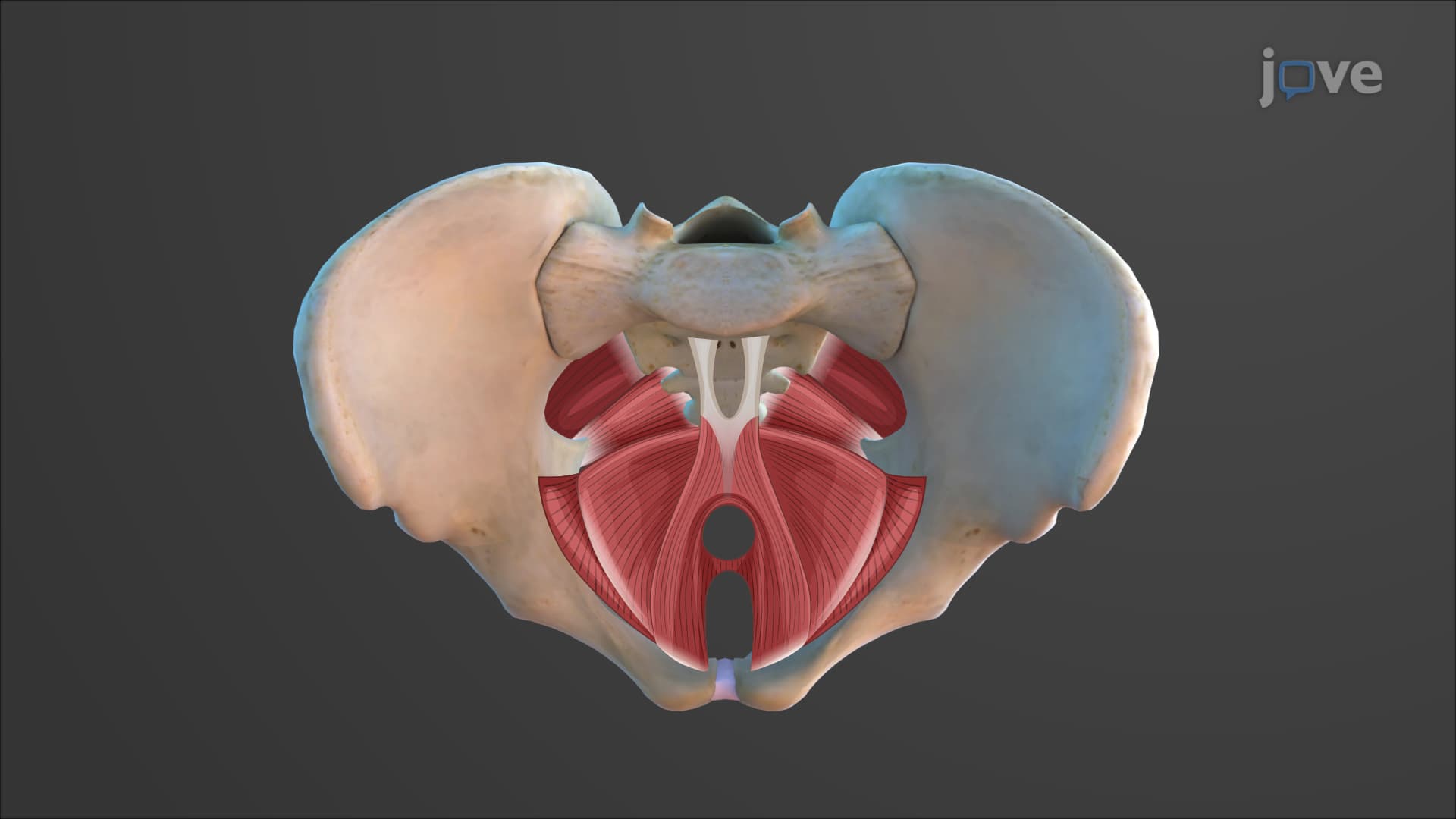
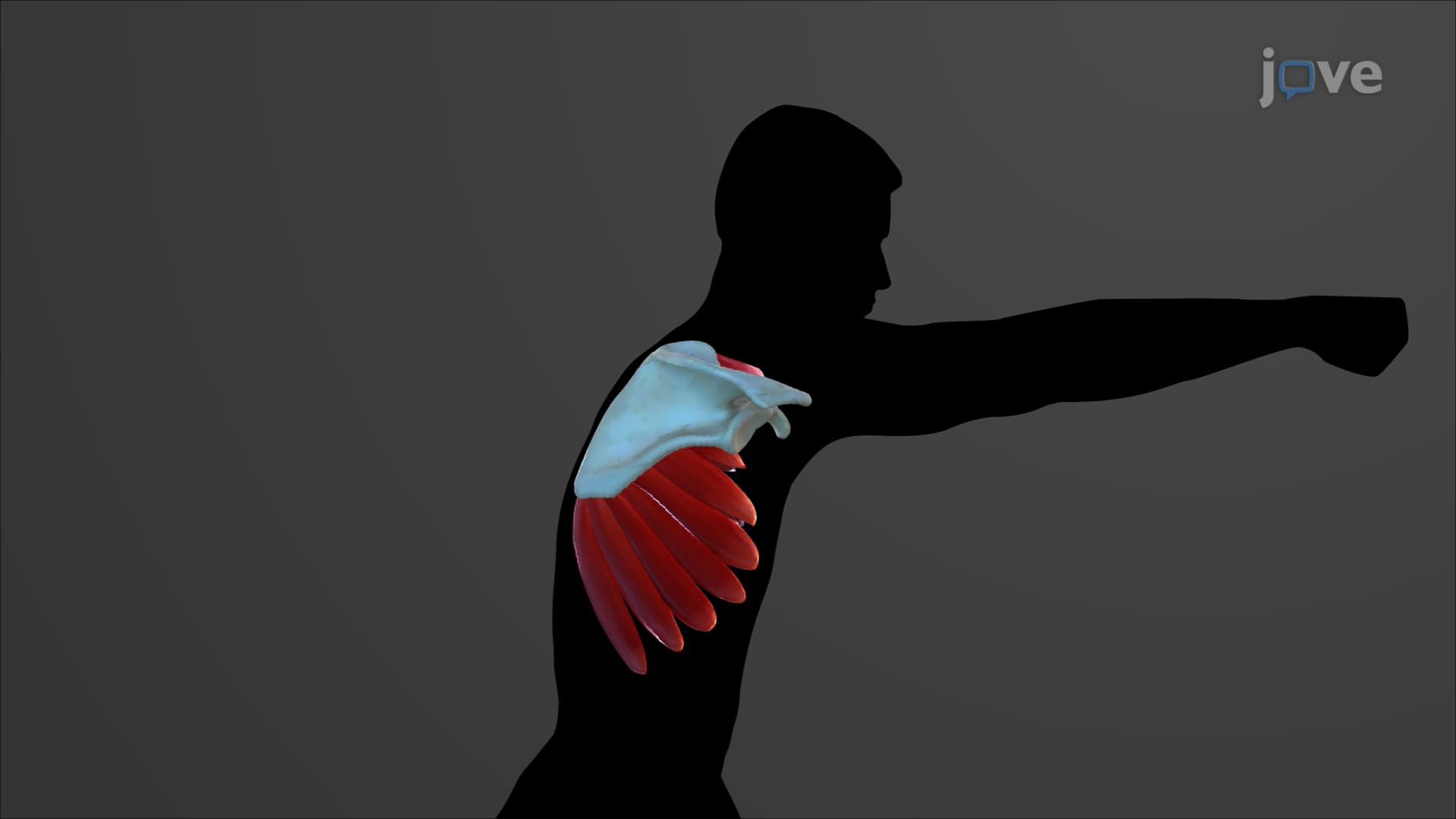
Muscle name by location represents the most common naming strategy, using anatomical regions as identifiers. The biceps brachii exemplifies this approach-"brachii" refers to the arm (brachium), immediately indicating the muscle's location. Similarly, the rectus femoris contains "femoris," signaling its association with the femur bone in the thigh region. This geographic approach extends throughout the body: pectoralis major (chest), gluteus maximus (buttocks), and frontalis (forehead). Students preparing for the MCAT or nursing entrance exams like the HESI A2 benefit enormously from recognizing these location clues, as they provide immediate anatomical context during high-pressure testing situations.
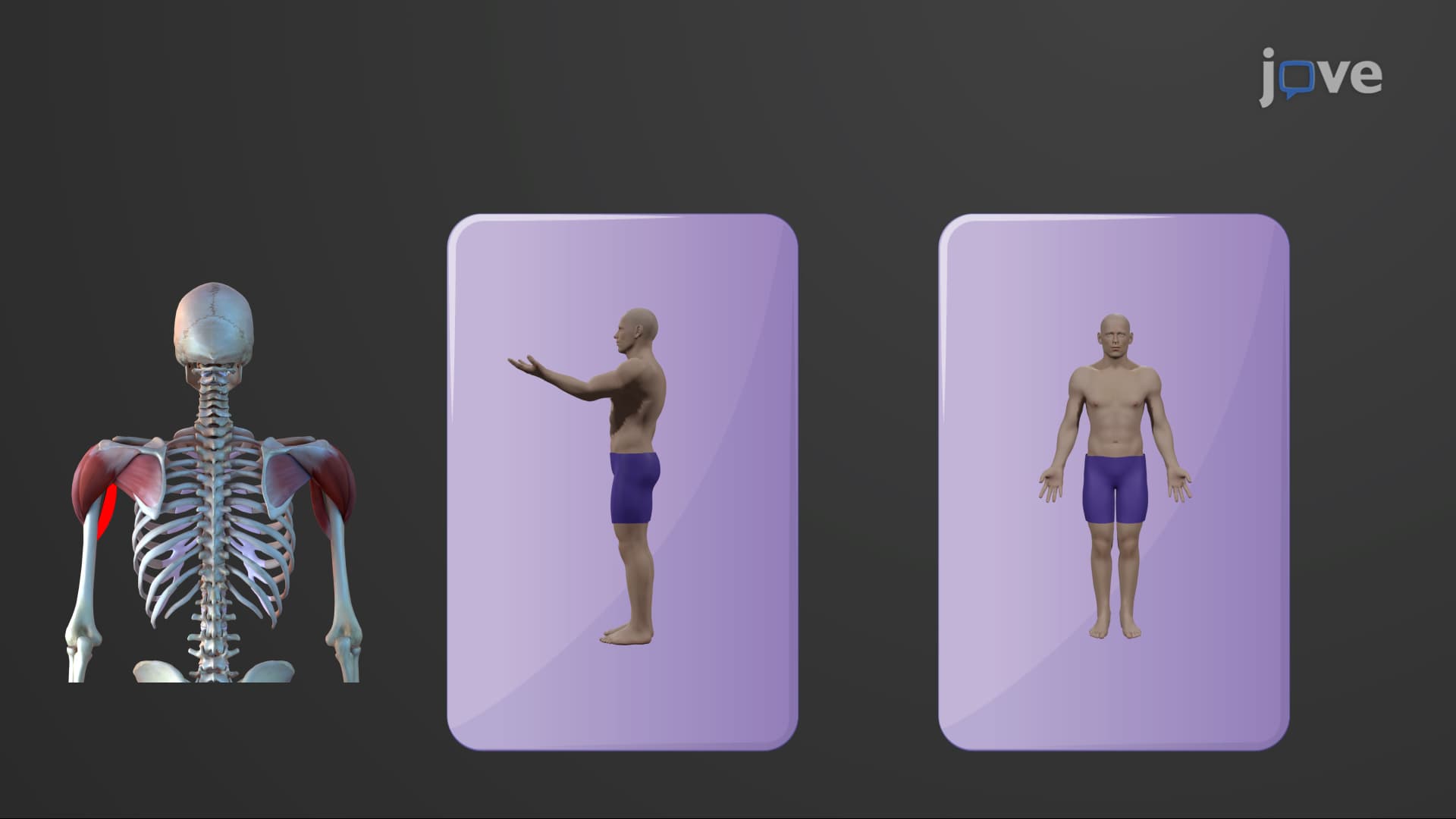
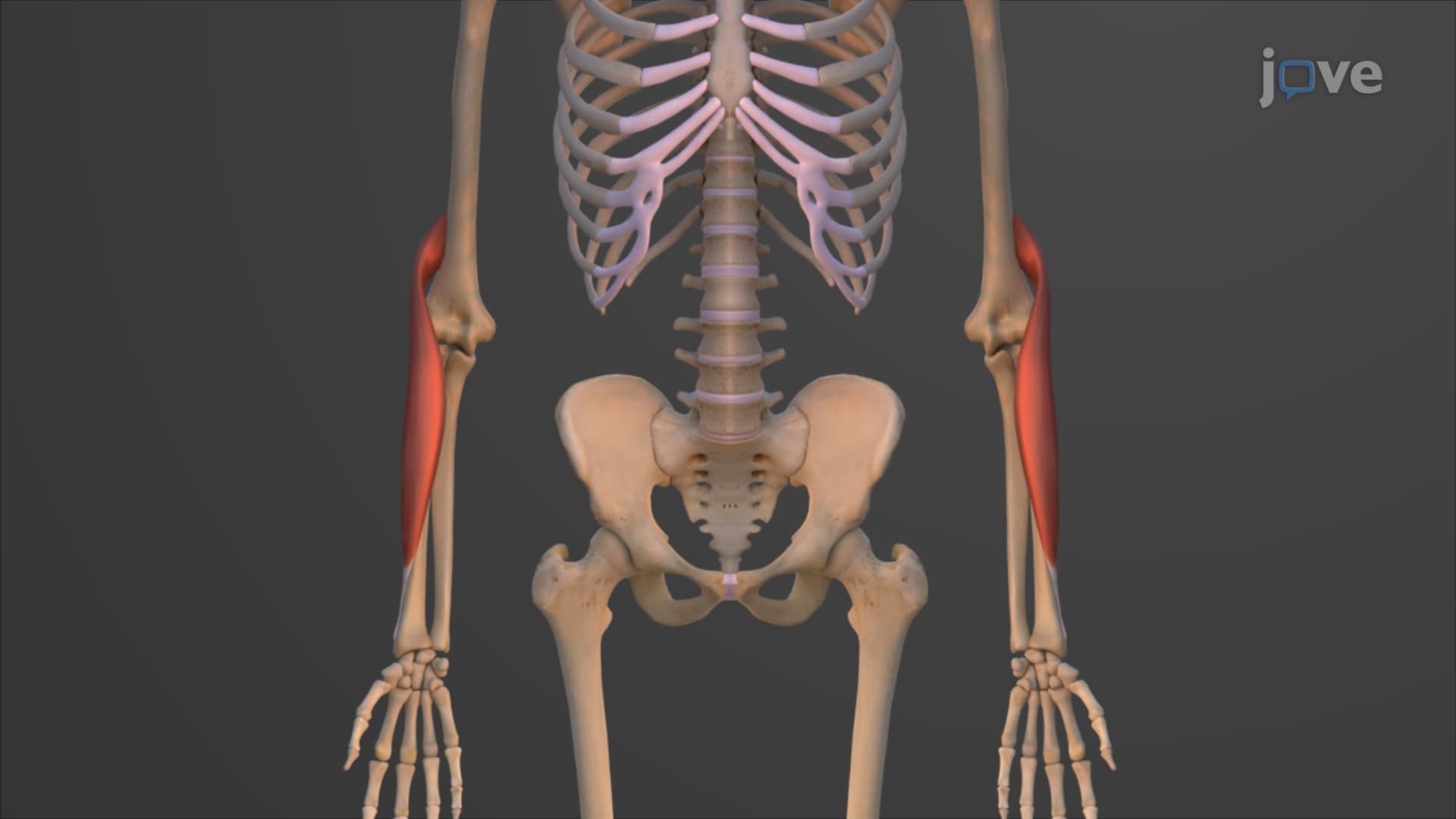
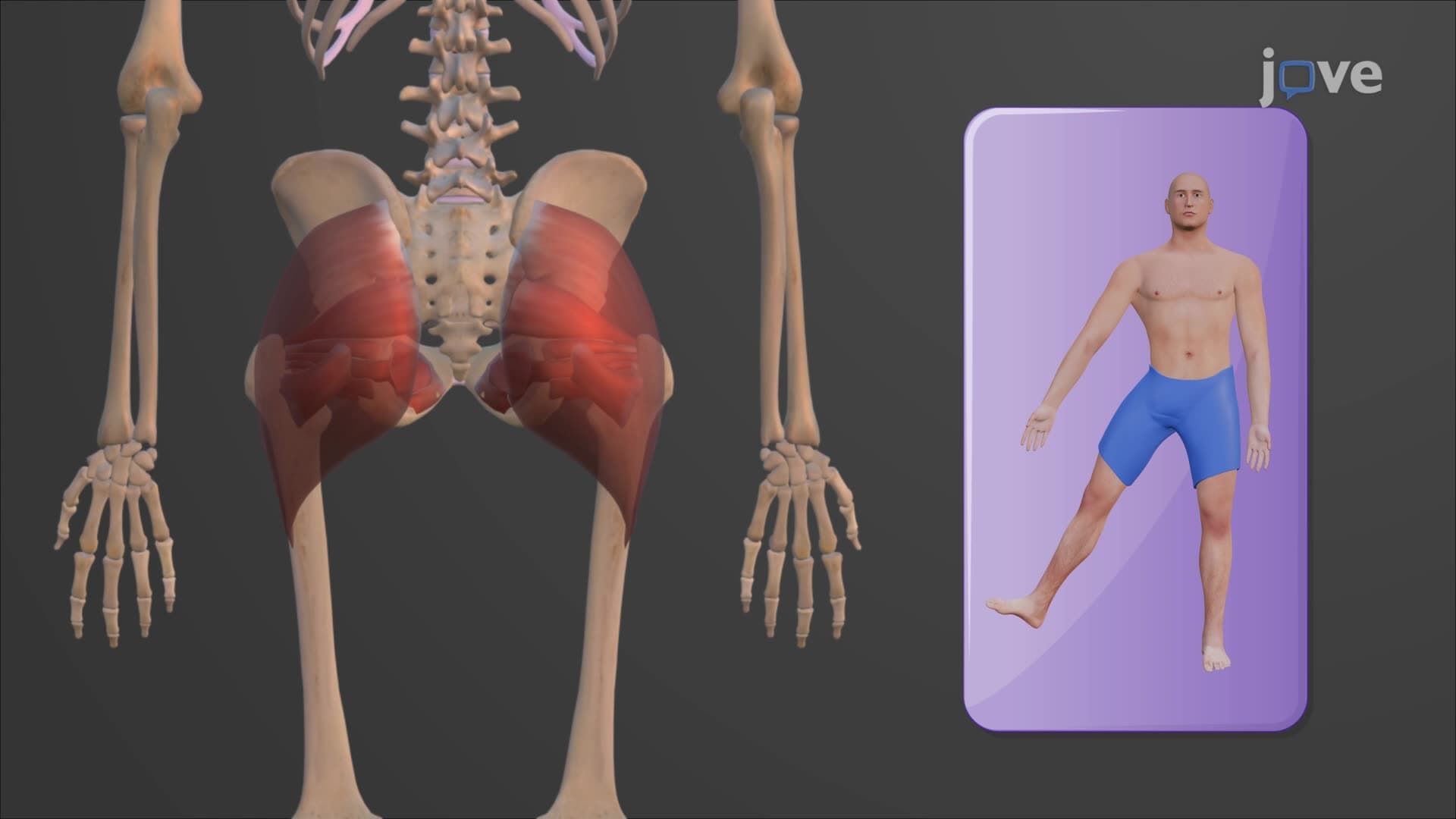
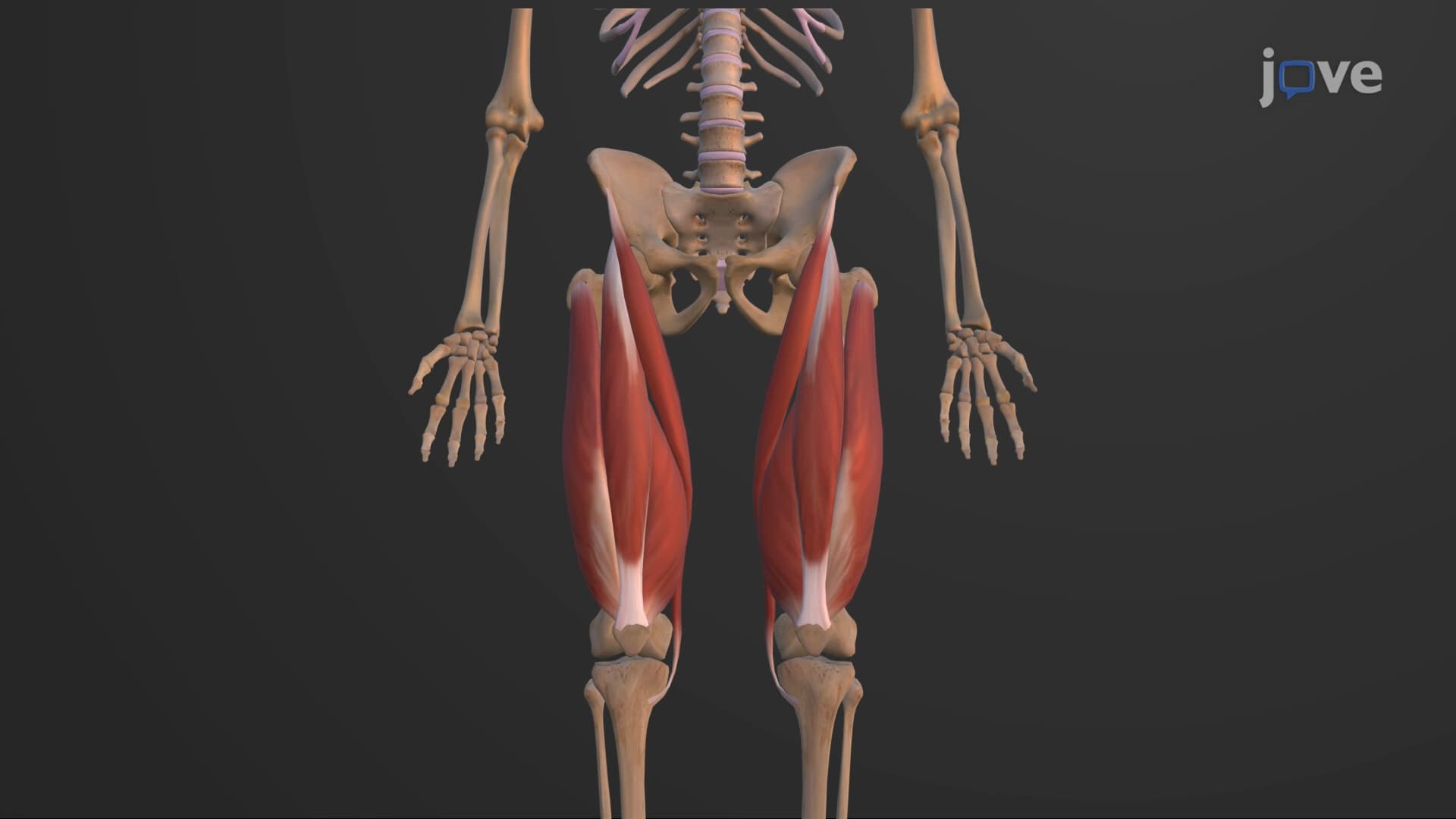
Size direction muscle name patterns incorporate descriptive terms that reveal physical characteristics. The deltoid muscle demonstrates shape-based naming, deriving from the Greek letter delta (Δ) due to its triangular form covering the shoulder. Size indicators include "major" (large), "minor" (small), "longus" (long), and "brevis" (short). The adductor longus mentioned in clinical examples showcases combined naming-"adductor" describes function while "longus" indicates length relative to other hip adductors.
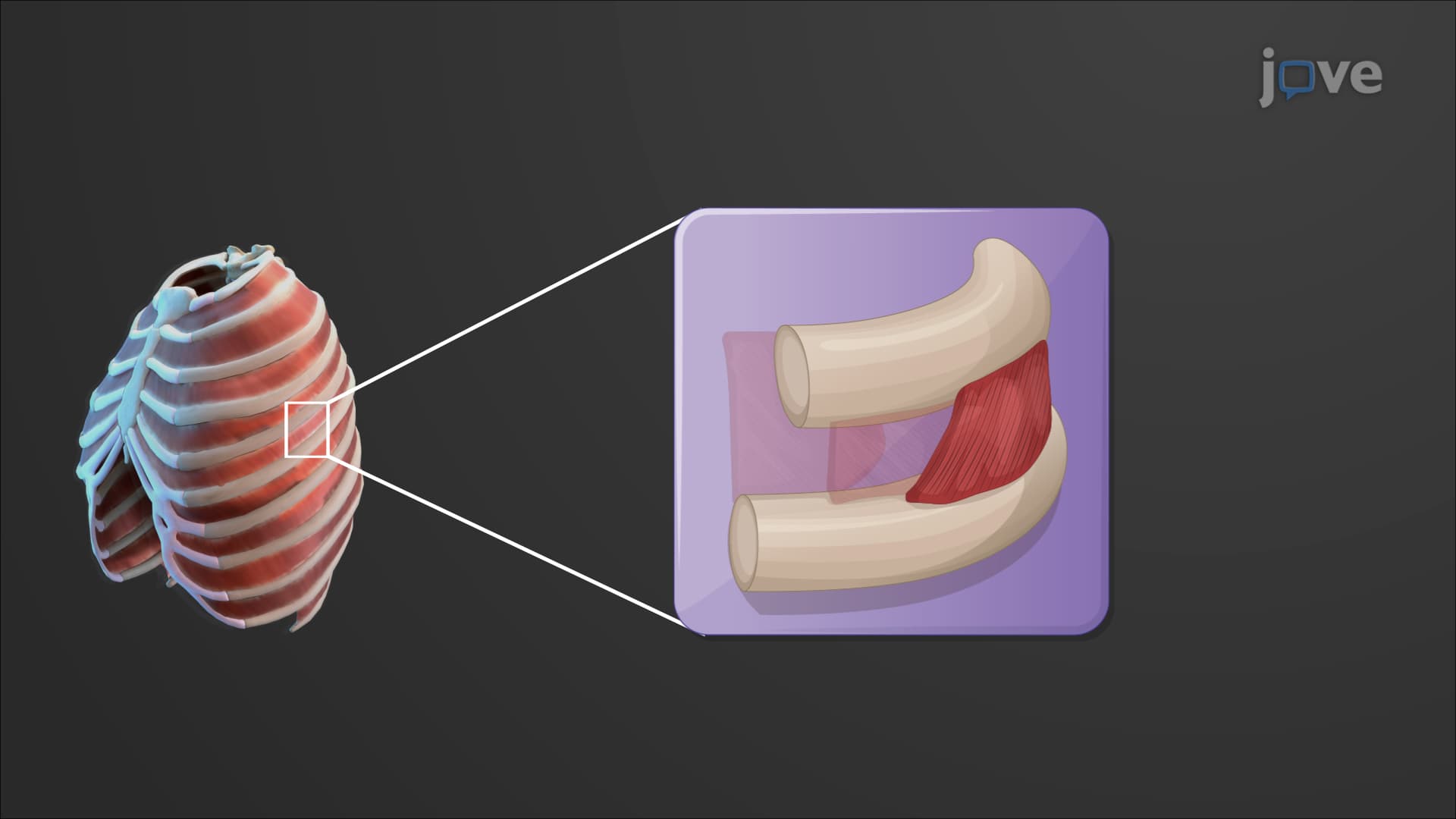
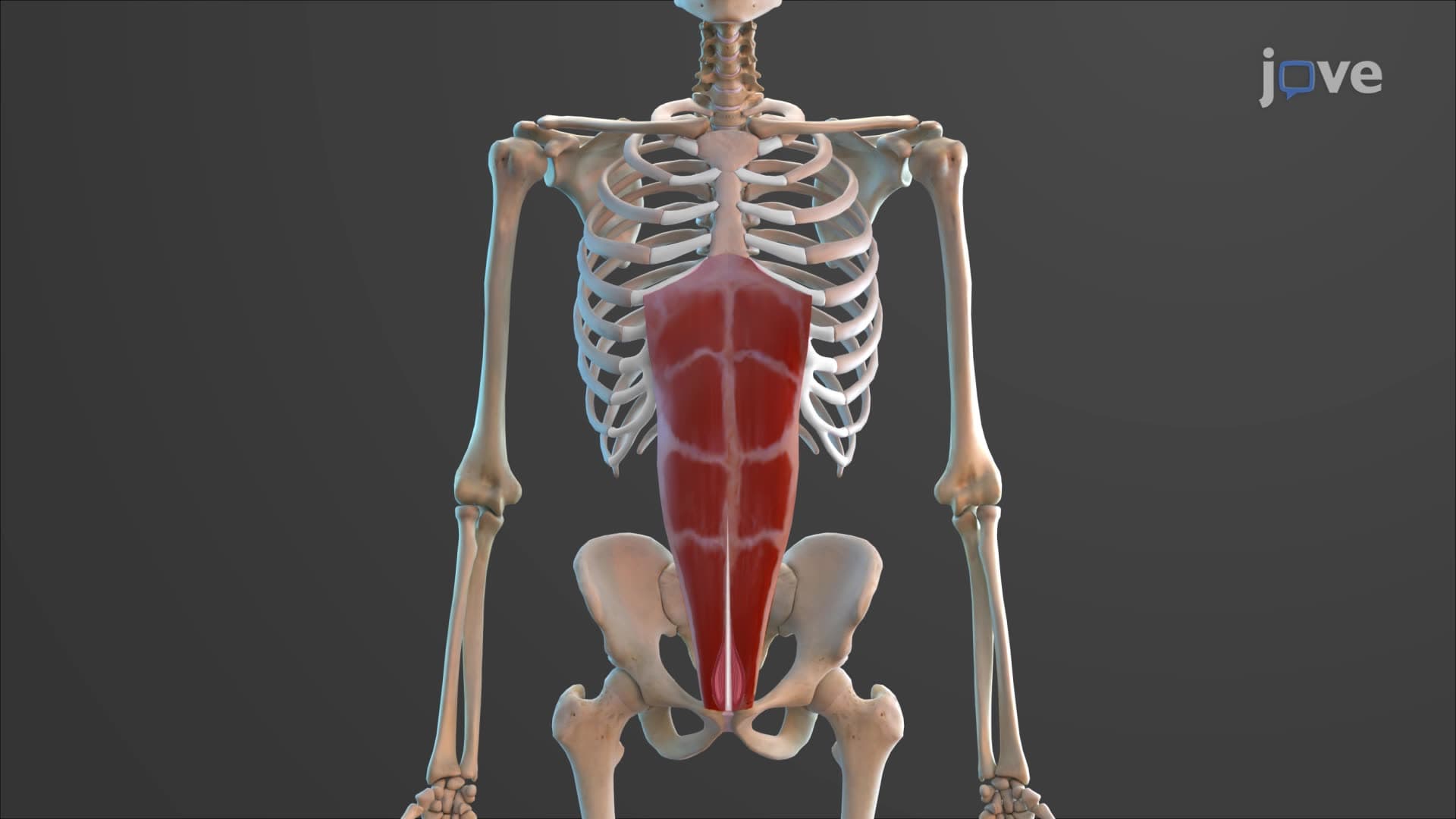
Fiber direction adds another layer of specificity. "Rectus" muscles have fibers running straight and parallel, like the rectus abdominis creating the "six-pack" appearance. "Oblique" muscles feature angled fibers, as seen in internal and external obliques flanking the rectus abdominis. Understanding these patterns proves invaluable for students taking anatomy practical exams, where muscle identification often depends on recognizing structural relationships.
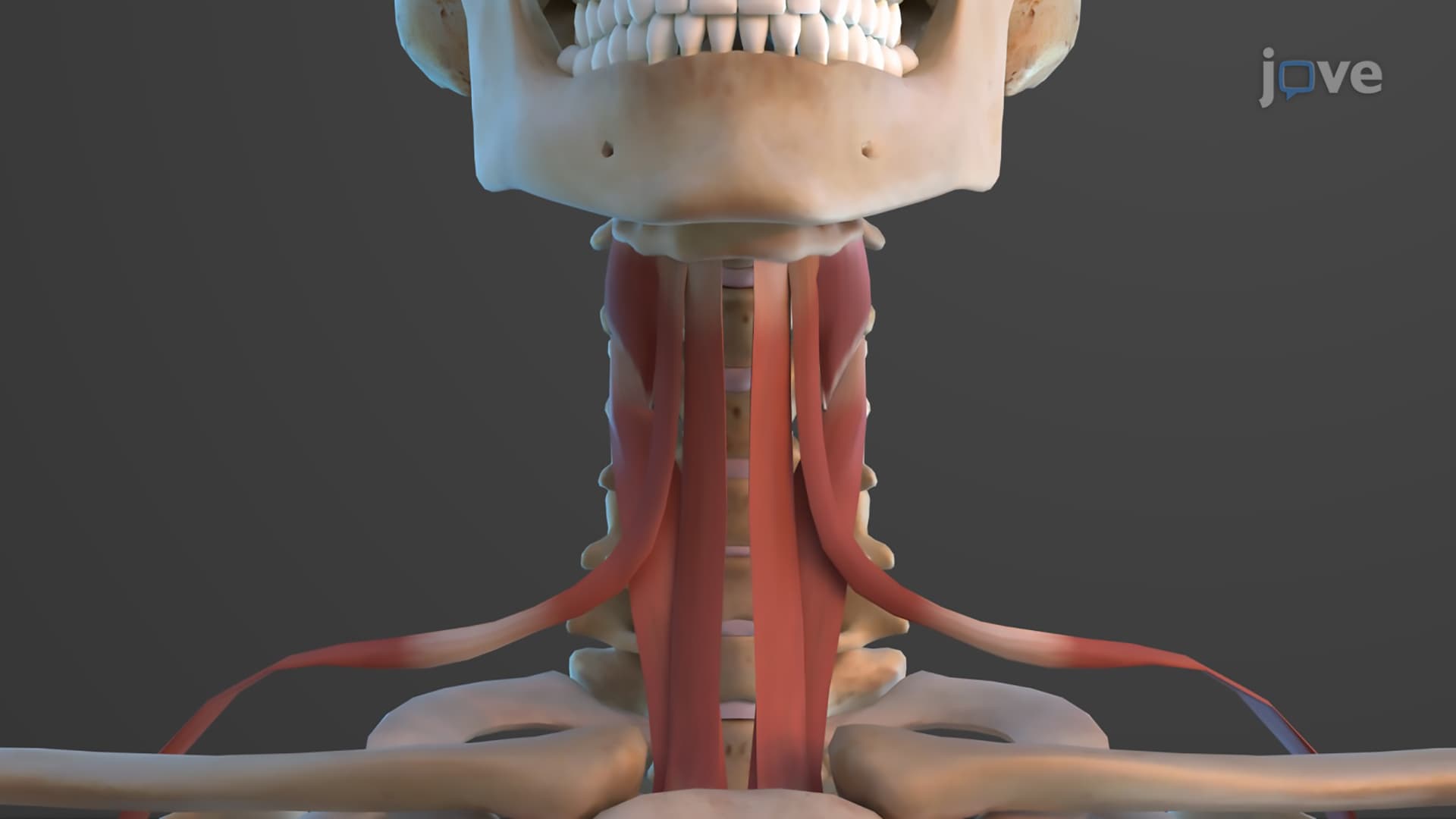
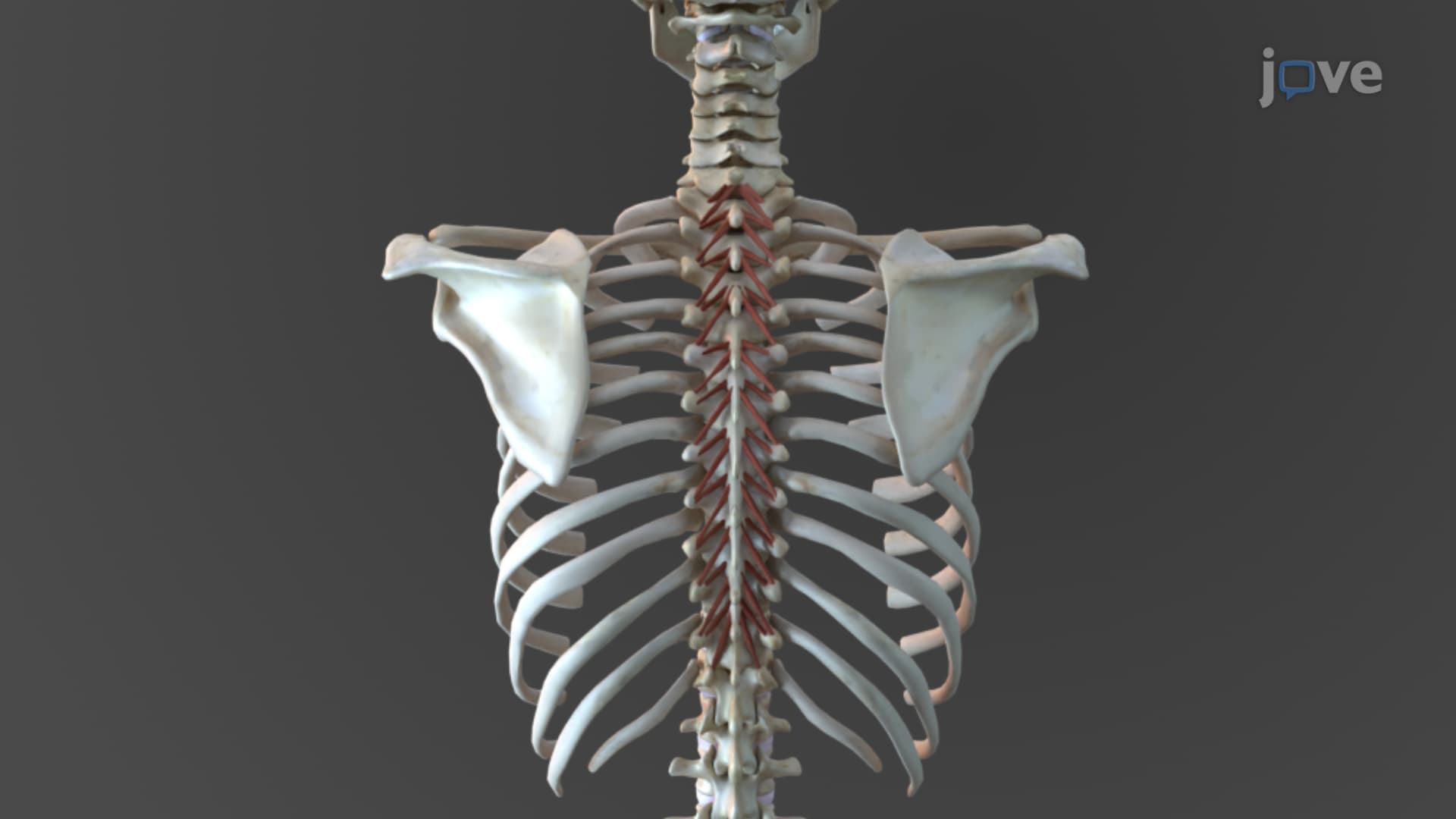
The origin insertion muscle name system follows a specific sequence: origin (stationary attachment) precedes insertion (moving attachment) in the muscle's title. The stylohyoid muscle exemplifies this pattern-originating from the styloid process of the temporal bone and inserting into the hyoid bone. This naming convention appears frequently in deeper anatomical studies and proves essential for understanding muscle actions during movement analysis required in exercise science and physical therapy programs.
Related Micro-courses