Loading video…


 23 Concepts
 218.7K views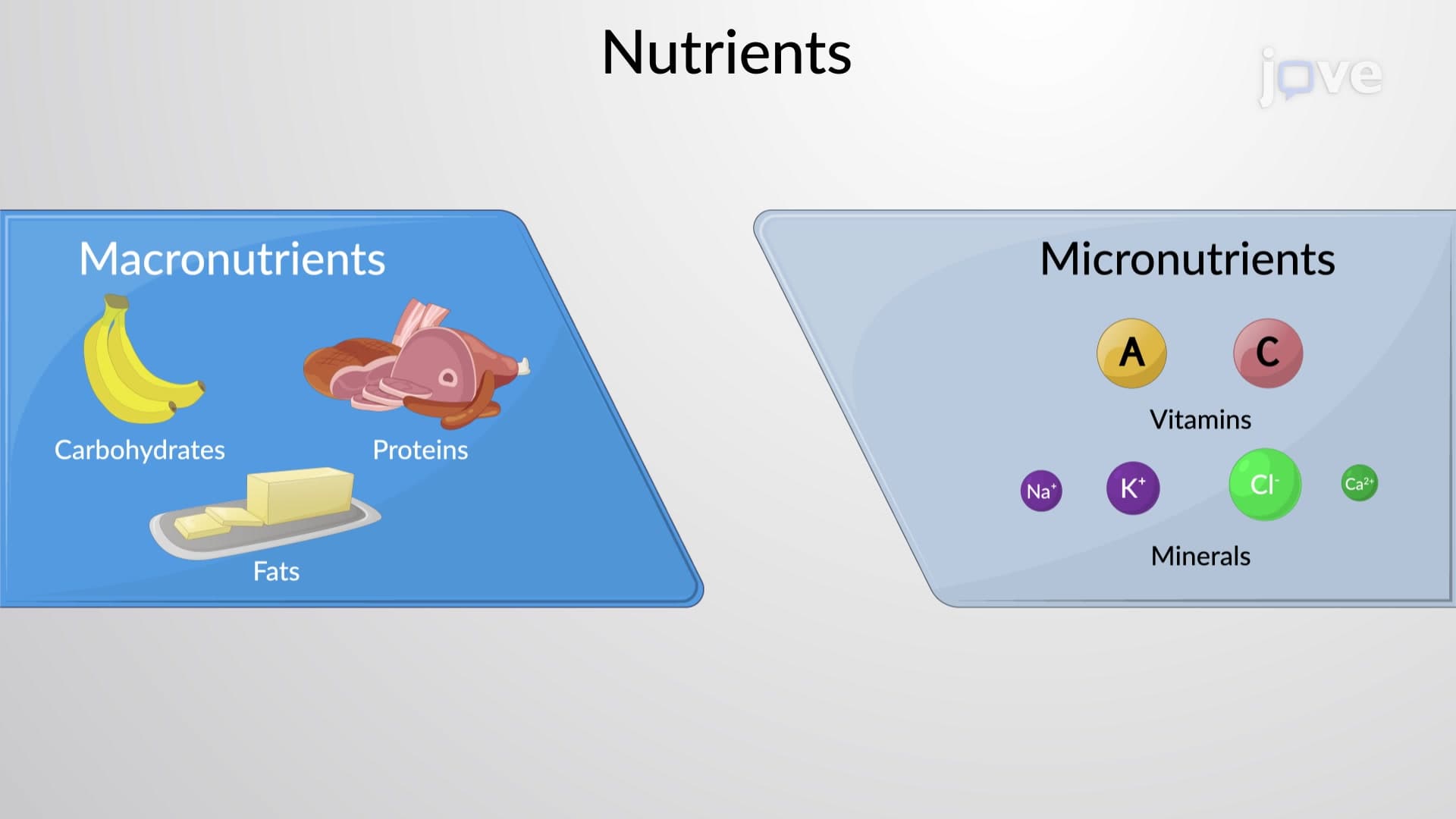

Video Summary: Compounds Essential to Human Function Explained
Did you know that your body processes over 37 trillion chemical reactions every single second? The compounds essential human function work together like a perfectly orchestrated symphony, from the glucose powering a marathon runner's muscles to the calcium strengthening bones in growing teenagers. These vital molecules-including macronutrients, micronutrients, oxygen, water, and metabolites-maintain everything from cellular energy production to immune system responses that help students recover from seasonal flu outbreaks across US campuses. Watch the full video on JoVE Coach to master this concept with expert-led visuals and step-by-step explanations.
The human body operates as a complex biochemical factory, relying on essential compounds human body systems to maintain life. These compounds fall into two primary categories that work synergistically: nutrients obtained from dietary sources and metabolites produced through internal cellular processes. This intricate molecular network ensures that every physiological function-from a high school athlete's muscle contractions during track practice to a college student's brain function during final exams-operates at peak efficiency.
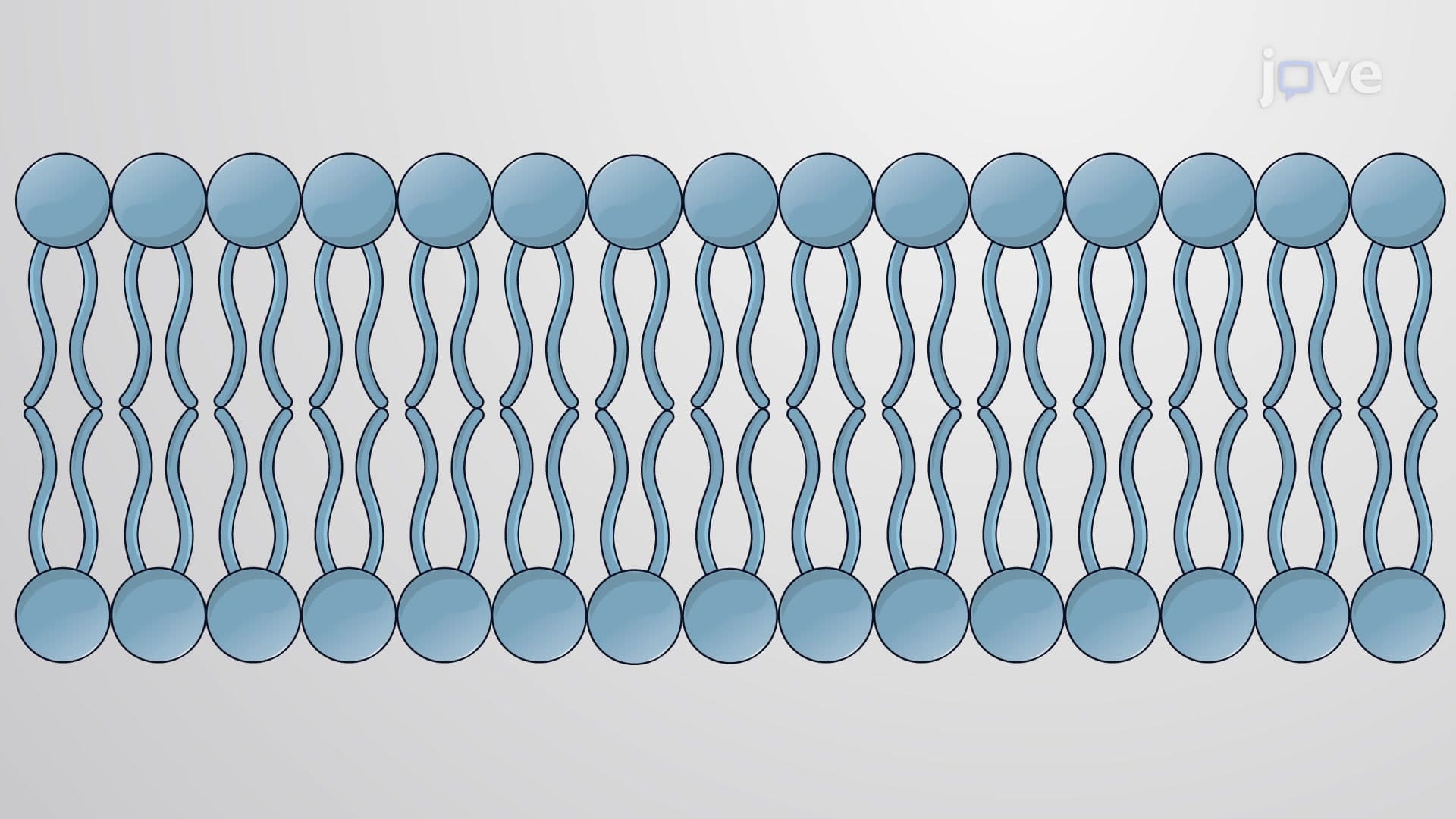
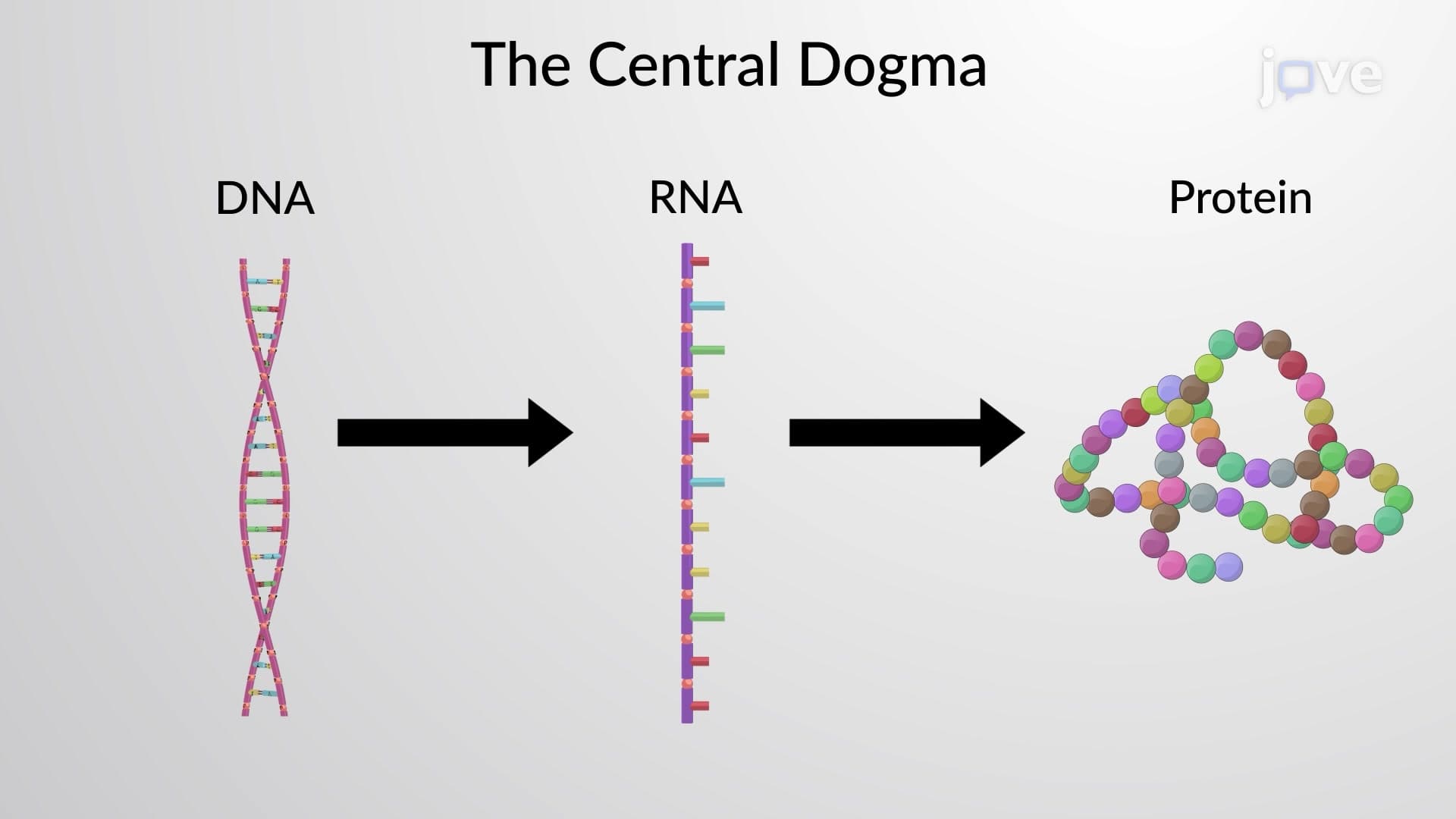
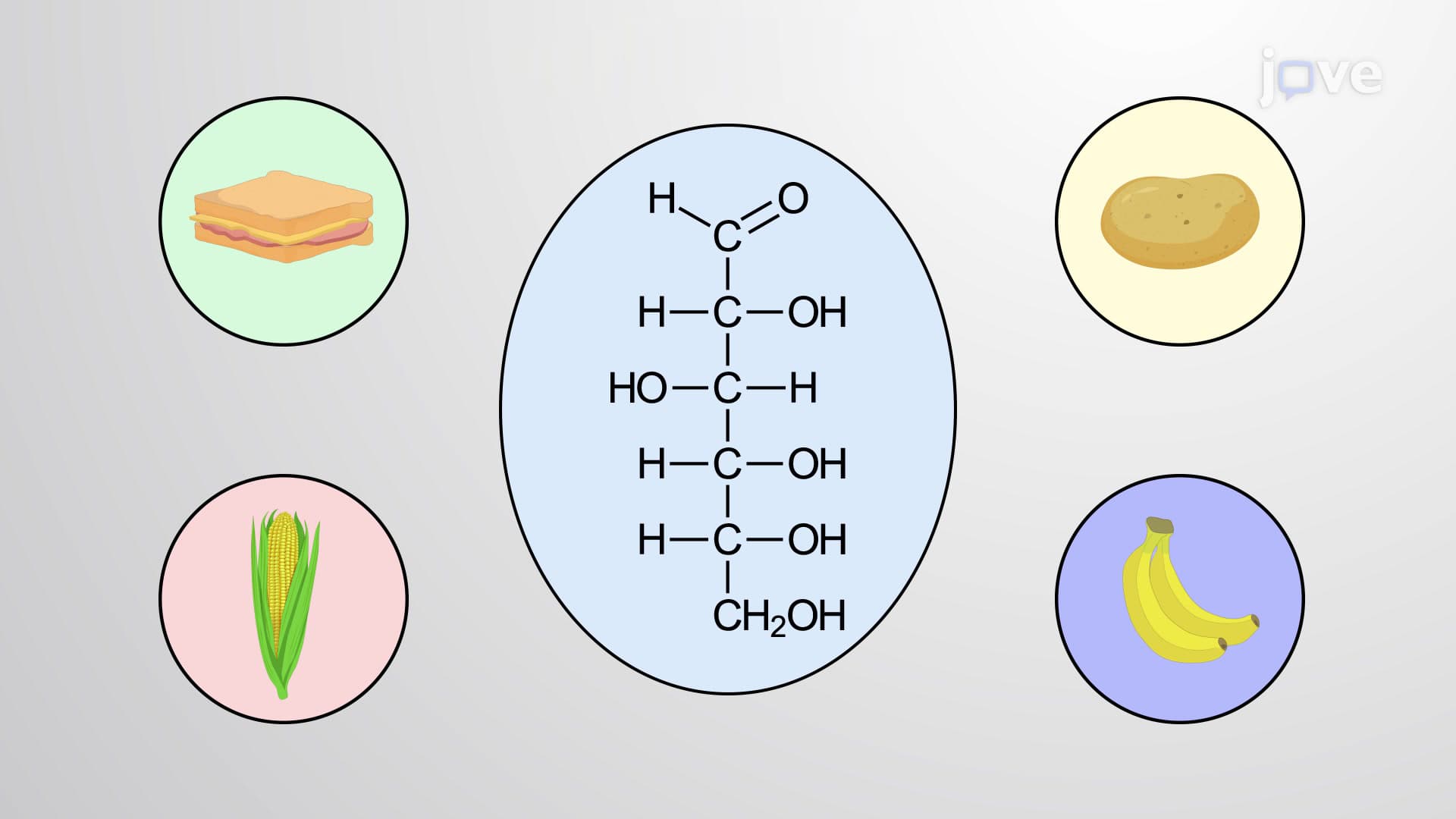
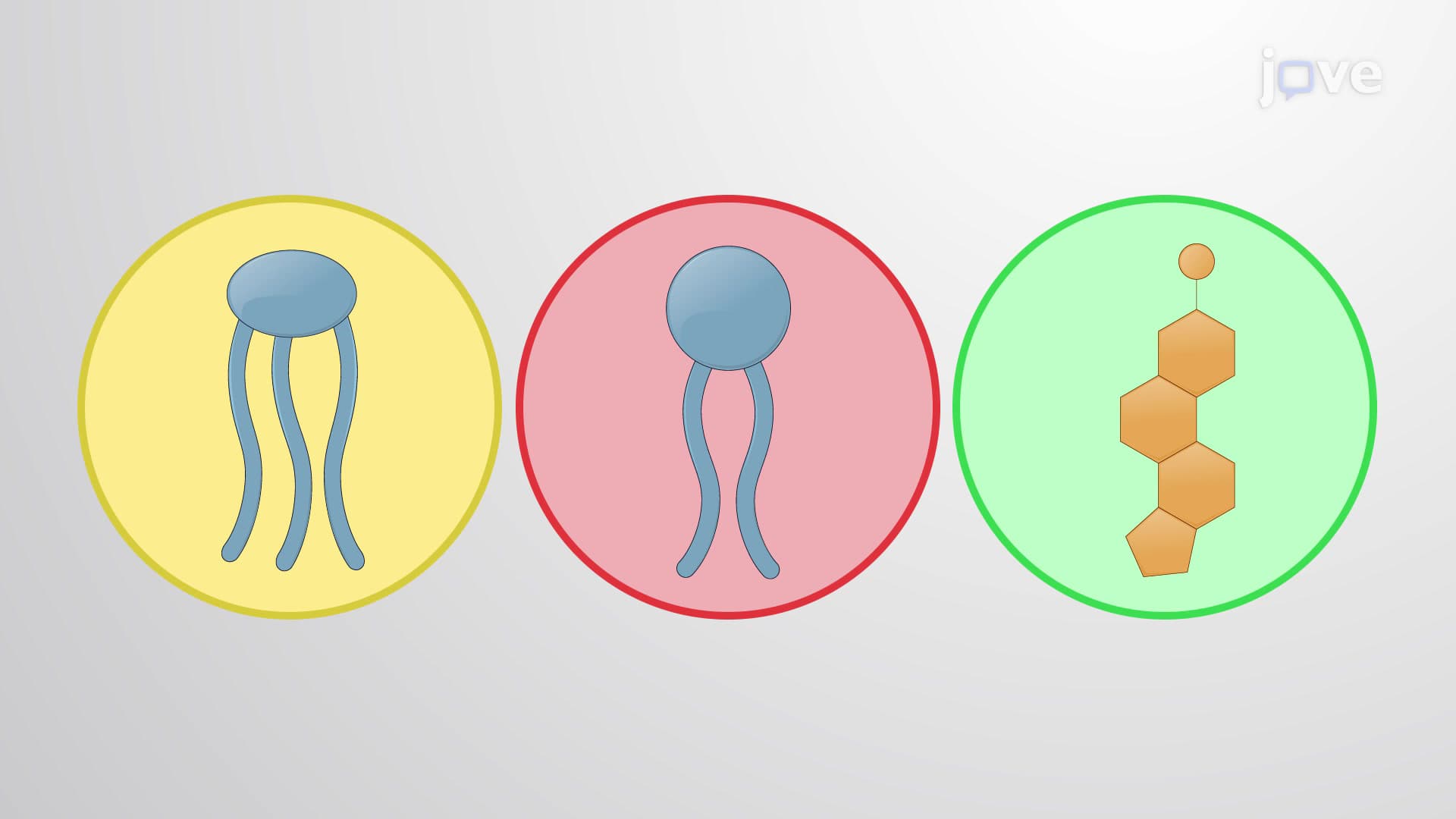
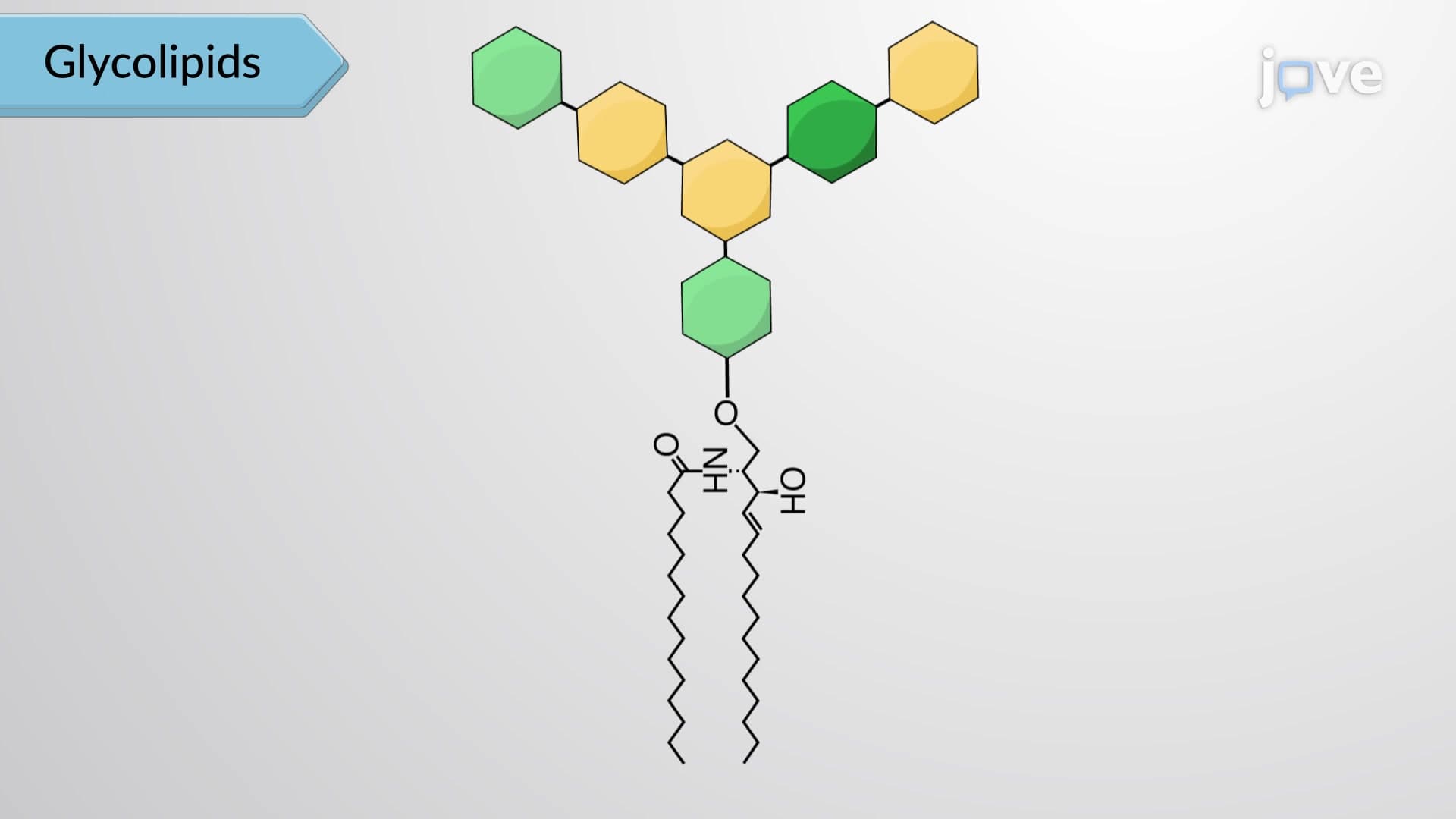
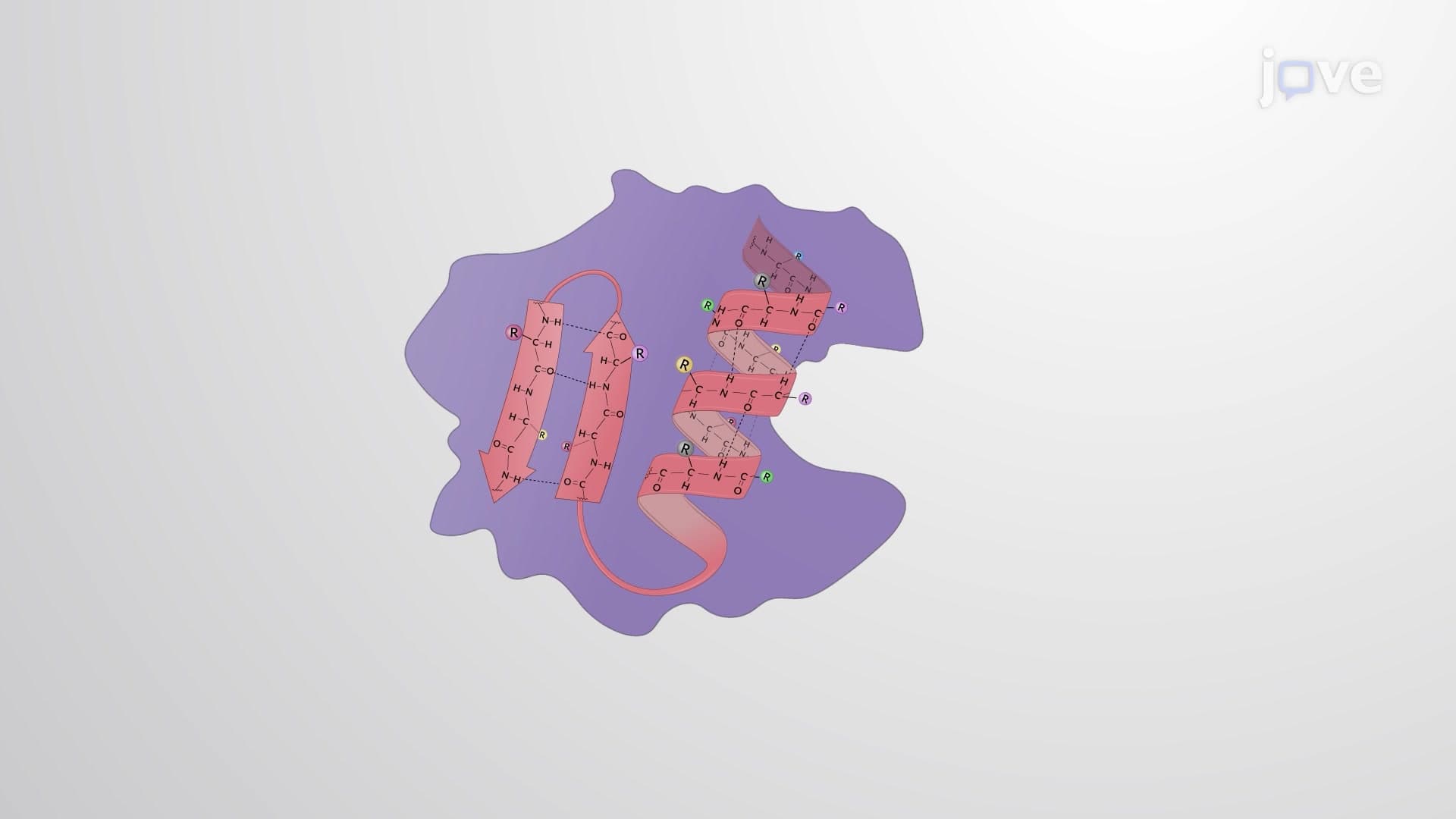
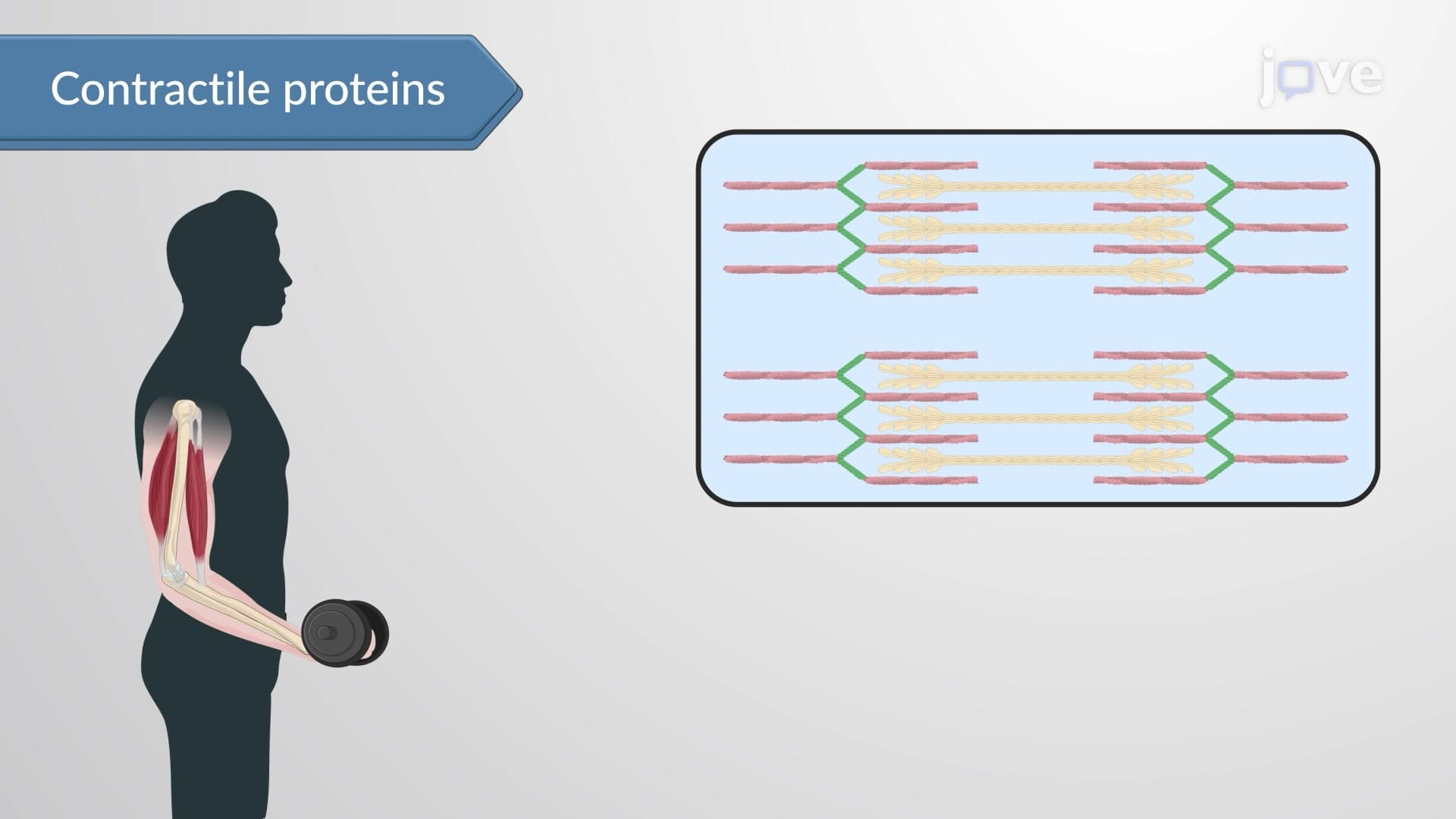
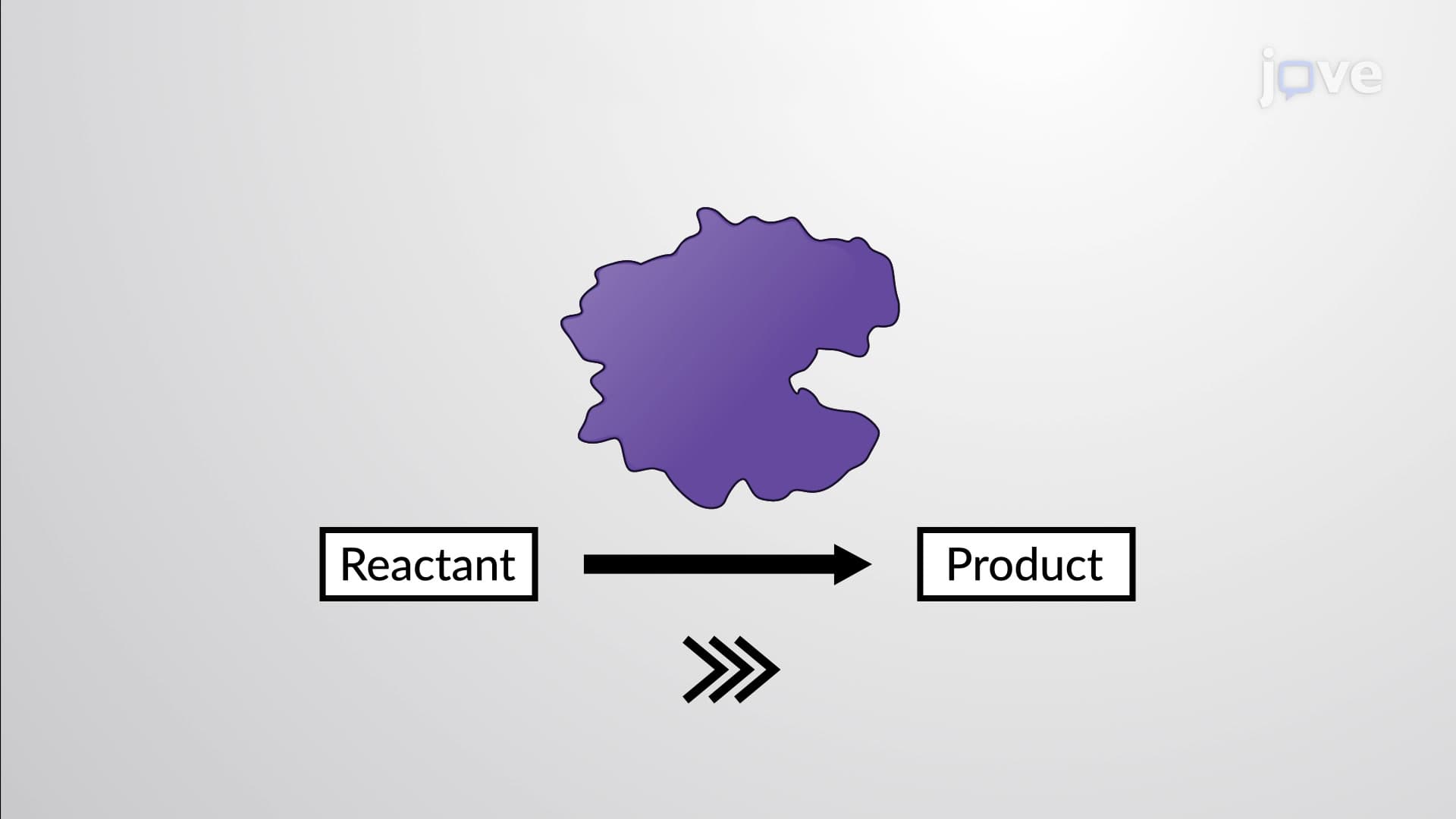
Macronutrients represent the organic compounds human body requires in substantial quantities daily. Carbohydrates serve as the body's preferred energy source, with glucose providing immediate fuel for cellular respiration. When a student consumes a pre-exam breakfast of oatmeal, those complex carbohydrates break down into glucose molecules that directly power brain neurons during testing. Lipids function as both concentrated energy reserves and essential membrane components, while proteins perform dual roles as enzymatic catalysts and structural building blocks. Consider how whey protein supplements help college athletes rebuild muscle tissue after intense training sessions-this demonstrates protein's structural repair function in real time.
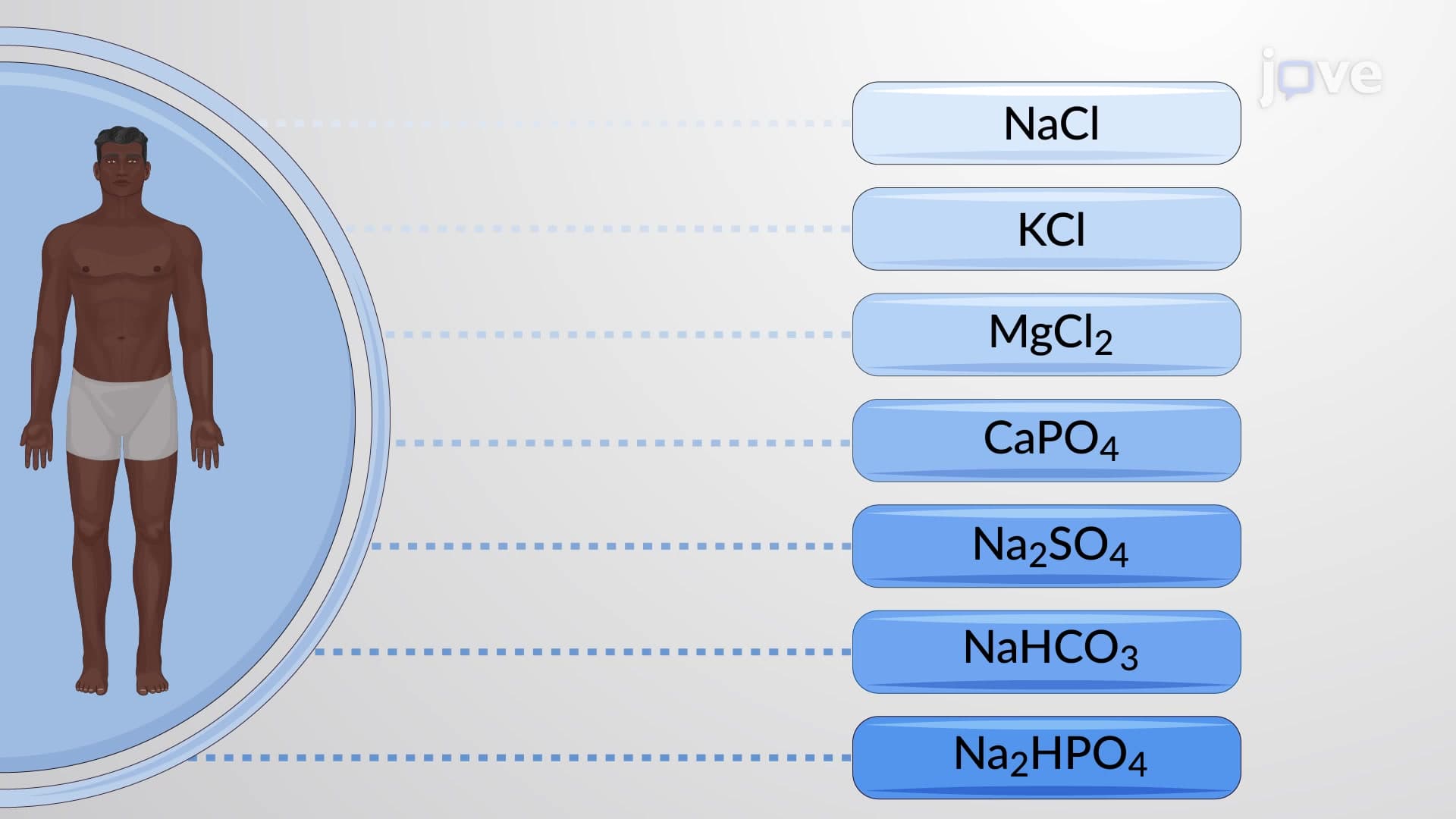
Despite being needed in minimal amounts, vitamins and minerals constitute critical essential biochemical molecules that regulate countless physiological processes. Vitamin C deficiency, historically causing scurvy in early American settlers, illustrates how micronutrient absence can devastate immune function and tissue repair. Modern examples include iron deficiency anemia affecting concentration in students, or calcium deficiency impacting bone density in growing teenagers. These scenarios frequently appear in AP Biology exam questions and MCAT biochemistry sections, emphasizing their clinical significance.
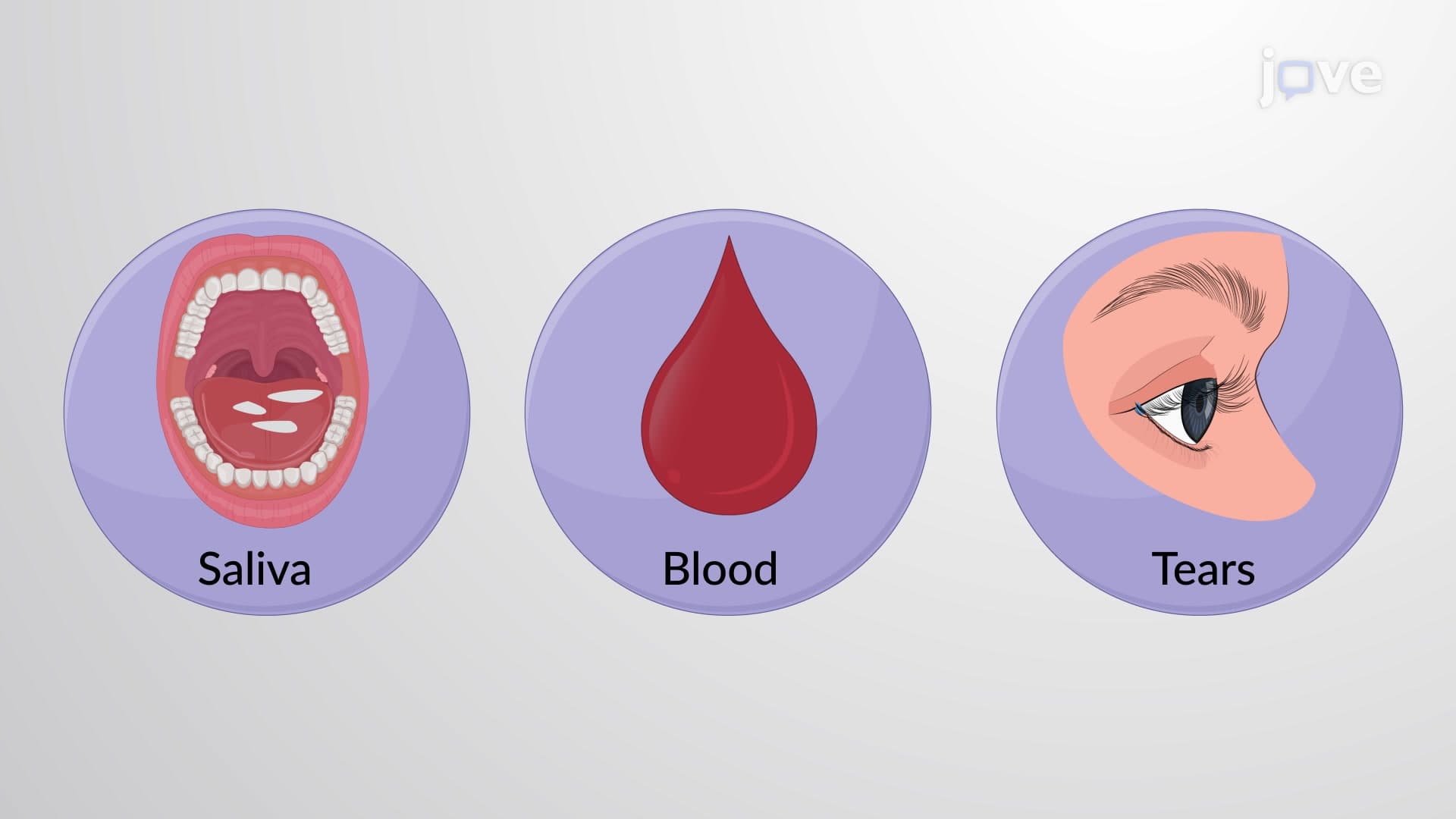
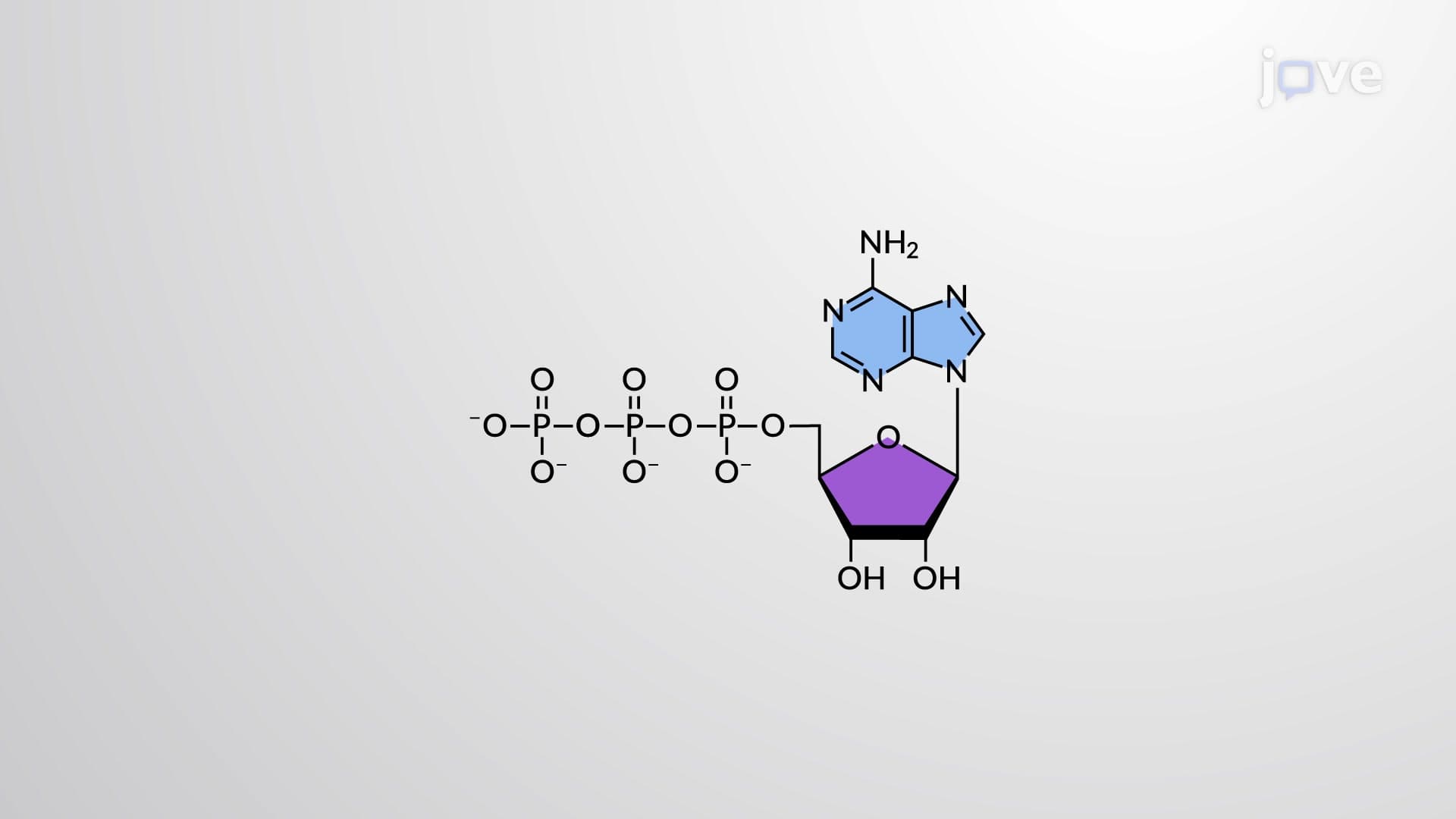
Beyond traditional nutrients, biochemical compounds function depends heavily on water and oxygen availability. Water comprises approximately 60% of adult body weight, forming the foundation for blood plasma, saliva, and cellular fluid environments. Oxygen enables aerobic respiration, the process that generates ATP energy currency from food molecules. Metabolites like amino acids serve as protein building blocks, while carbon dioxide represents cellular waste requiring elimination through respiratory processes. Understanding these relationships proves essential for success in college-level physiology courses and medical school entrance exams like the MCAT.
Related Micro-courses