Loading video…


 23 Concepts
 218.7K views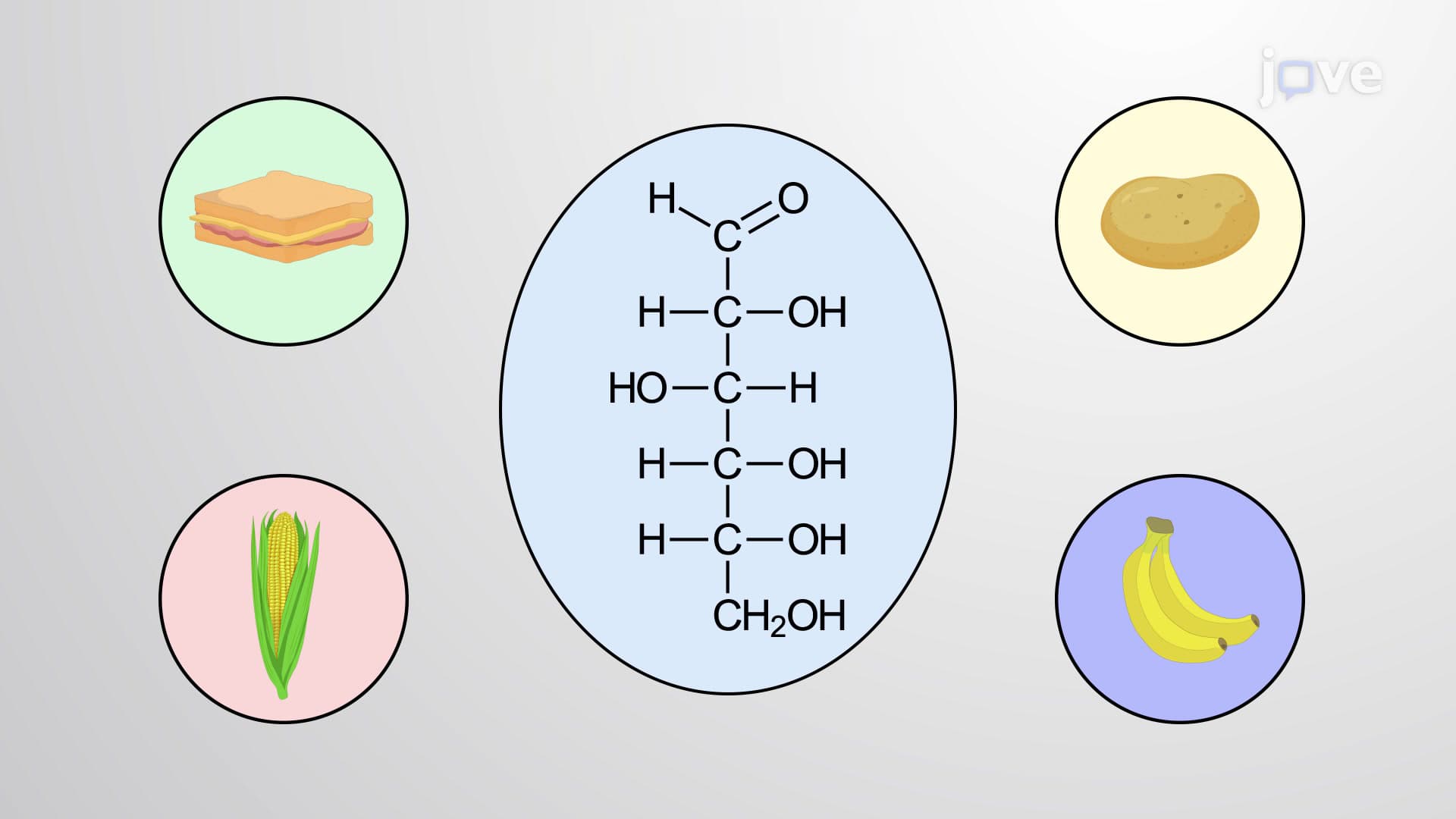

Video Summary: What are Carbohydrates
Did you know that a single banana contains three different types of sugar molecules that fuel your brain during an exam? Carbohydrates explained biology reveals how these essential organic compounds-from simple glucose to complex starch-power cellular processes in every living organism. Take the glucose in a sports drink: this monosaccharide provides immediate energy to muscles during intense exercise, demonstrating what are carbohydrates at the molecular level. Watch the full video on JoVE Coach to master this concept with expert-led visuals and step-by-step explanations.
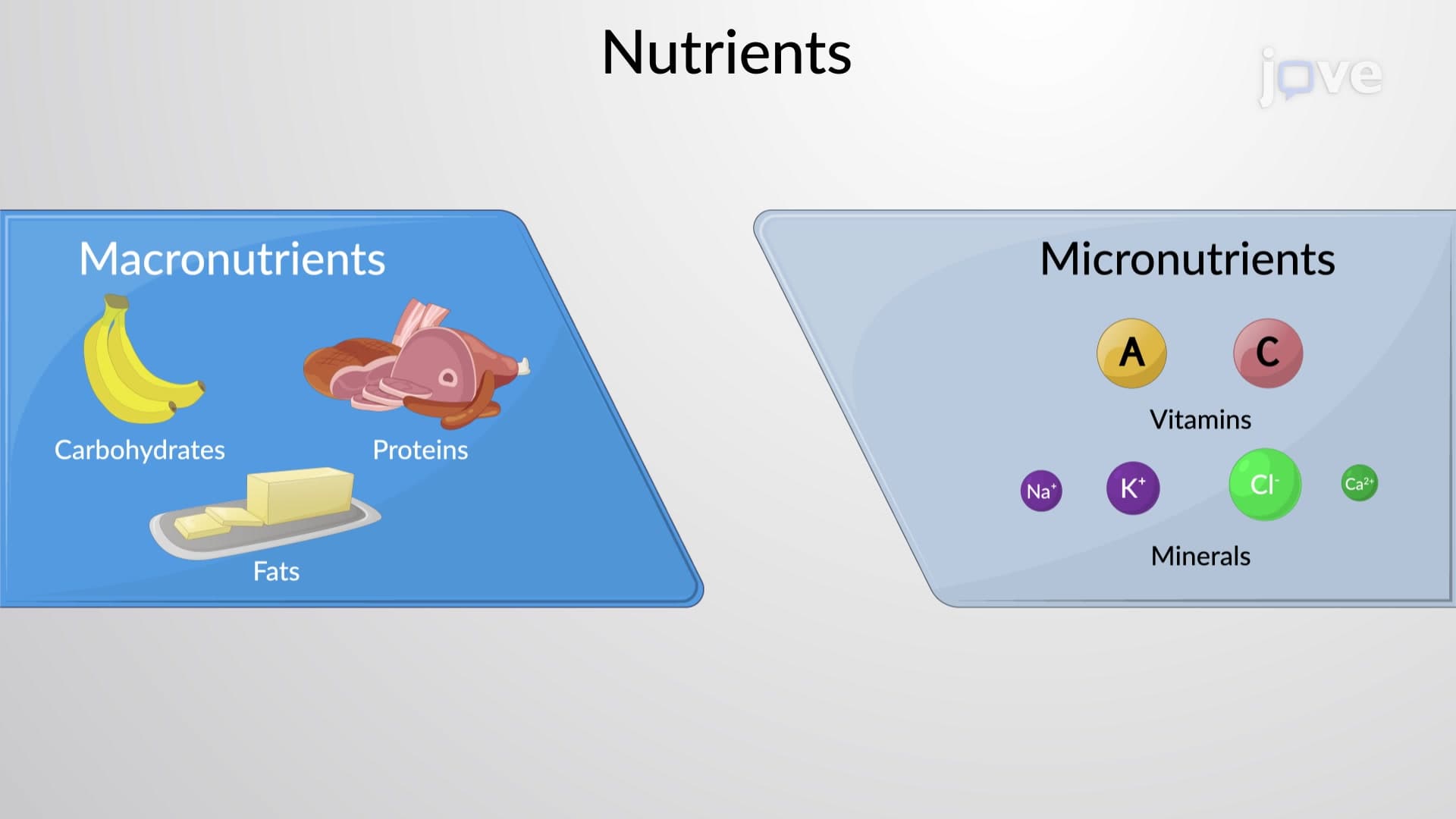
What are carbohydrates fundamentally describes a class of biomolecules essential to life on Earth. These organic compounds follow a general formula of (CH₂O)n, where carbon atoms are combined with hydrogen and oxygen in a 1:2:1 ratio. This precise arrangement creates molecules that serve as the body's preferred energy source, providing 4 calories per gram. In the United States healthcare system, understanding carbohydrates definition and function is crucial for managing diabetes, athletic performance, and metabolic disorders.
The molecular structure of carbohydrates determines their biological behavior. Carbon atoms form the backbone, with hydroxyl groups (-OH) and hydrogen atoms attached at specific positions. This arrangement creates stereoisomers-molecules with identical formulas but different spatial arrangements that dramatically affect their function. For instance, glucose and fructose both have the formula C₆H₁₂O₆, yet glucose raises blood sugar rapidly while fructose is primarily metabolized in the liver.
Monosaccharide polysaccharide carbohydrate relationships begin with these simple sugars that cannot be hydrolyzed into smaller carbohydrate units. Glucose, the most abundant monosaccharide, serves as the primary fuel for brain cells and red blood cells. During the SAT or AP Biology exam, students' brains consume approximately 120 grams of glucose daily-demonstrating why proper nutrition affects academic performance.
Fructose, found abundantly in American corn syrup and fruits, enters glycolysis through a different pathway than glucose, bypassing key regulatory steps. This biochemical difference explains why high-fructose corn syrup, prevalent in US soft drinks, may contribute to metabolic syndrome differently than other sugars. Galactose, the third major monosaccharide, combines with glucose to form lactose in mammalian milk-a critical consideration in lactose intolerance affecting 36% of Americans.
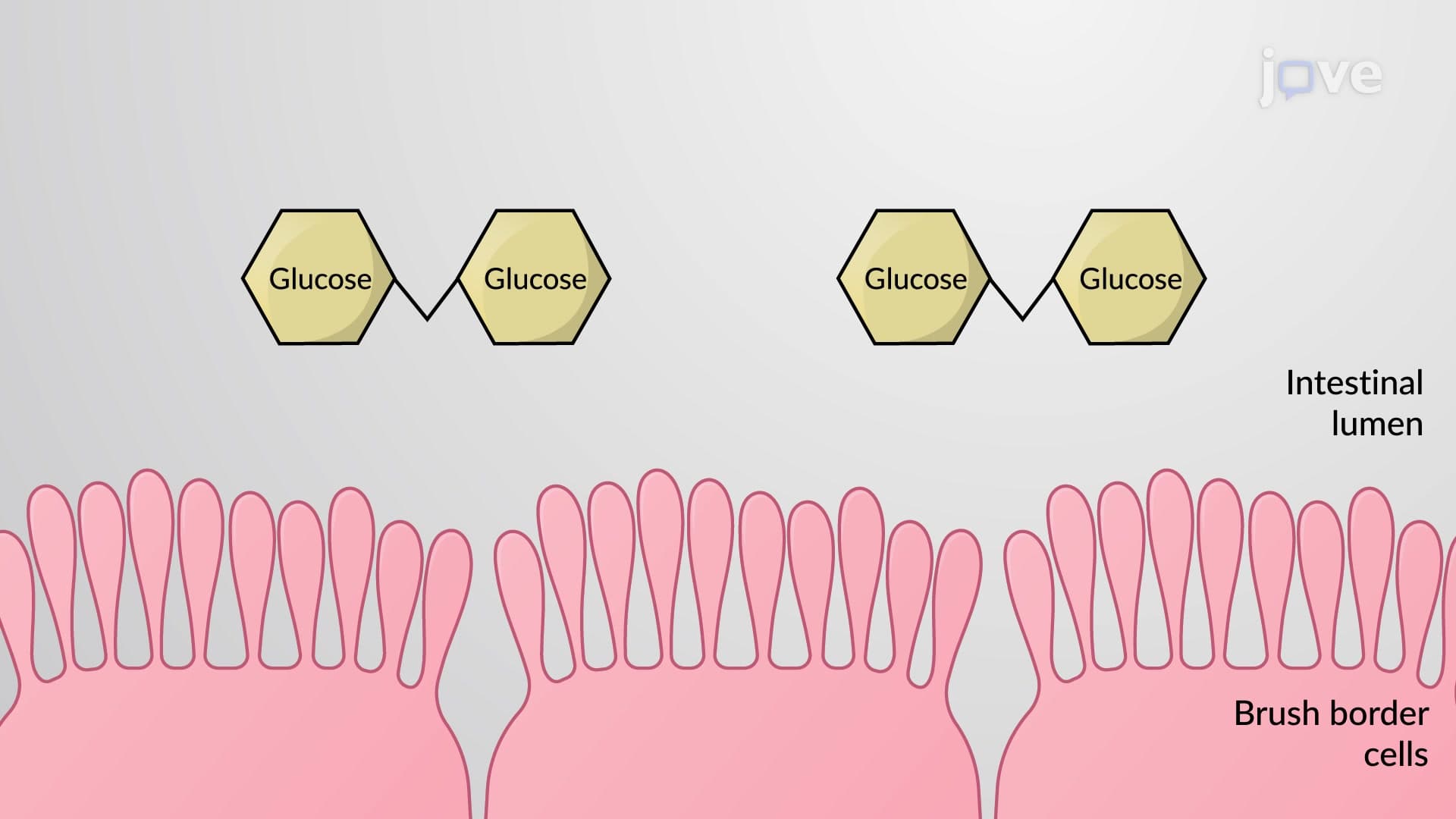
Glucose sucrose carbohydrate connections illustrate how glycosidic bonds create larger molecules with distinct properties. Sucrose (table sugar) forms when glucose and fructose bond through an α(1→2) linkage, creating a non-reducing sugar resistant to certain enzymatic reactions. This chemical stability explains why sucrose serves as an excellent preservative in American food manufacturing.
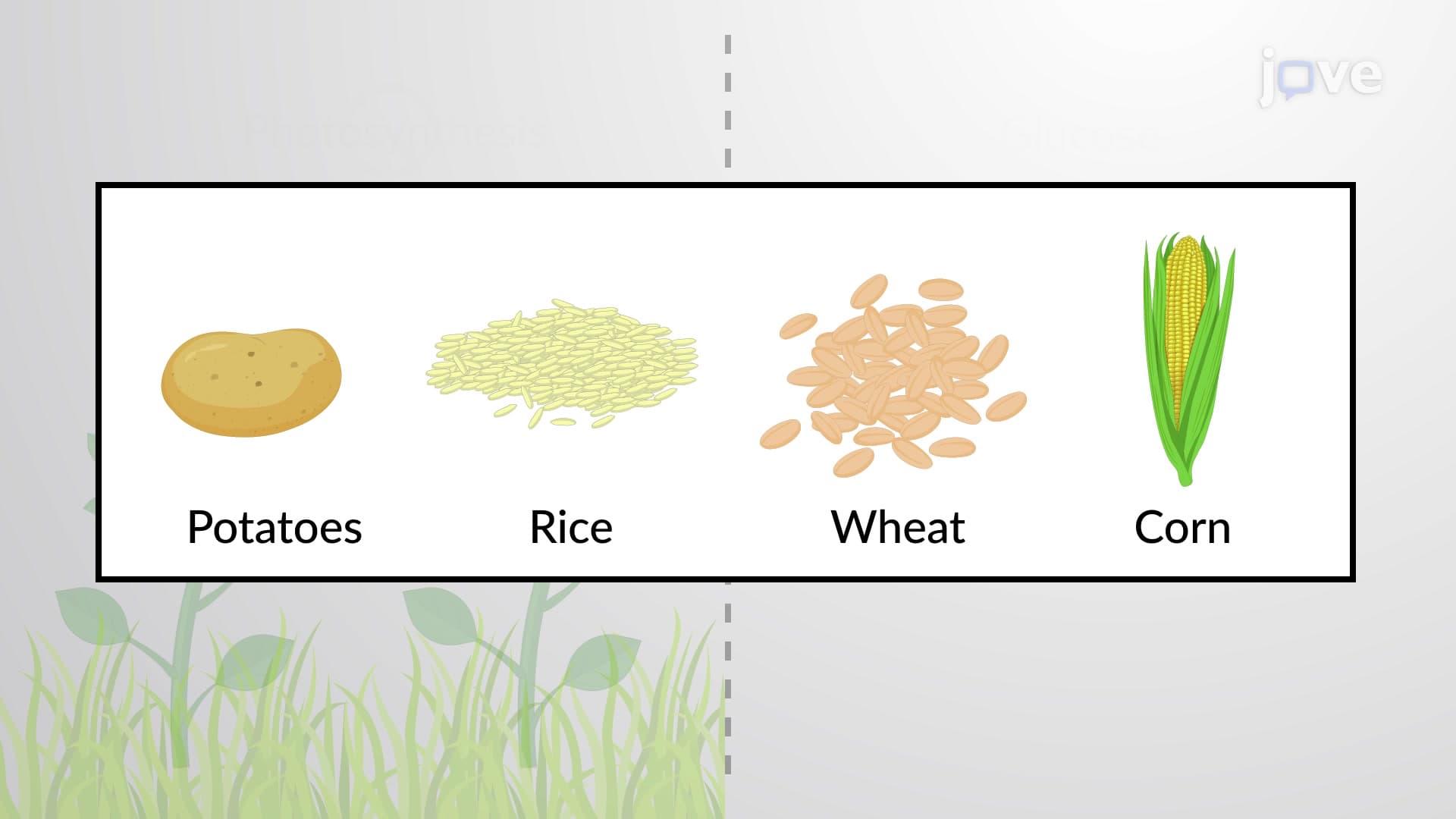
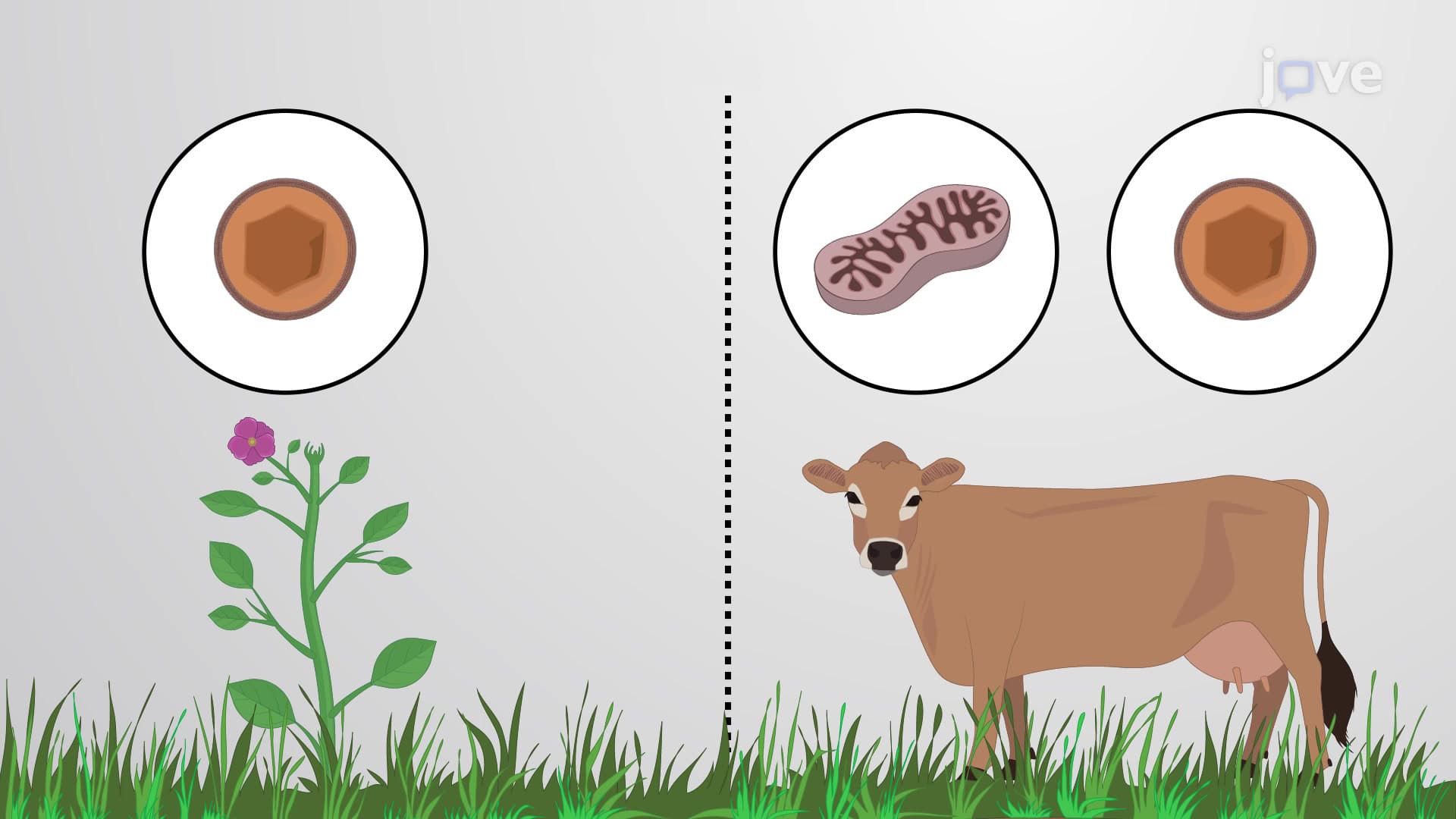
Carbohydrate structure function relationships become evident in polysaccharides like starch and glycogen. Starch, the storage form of glucose in plants, exists as amylose (linear chains) and amylopectin (branched chains). Human digestive enzymes cleave these bonds efficiently, making foods like potatoes and rice excellent carbohydrate energy source options. Glycogen, with more frequent branching than starch, allows rapid glucose mobilization during fight-or-flight responses-critical for emergency medical situations taught in USMLE preparation.
In medical school curricula and MCAT preparation, what are carbohydrates in biology and chemistry encompasses their role in disease pathology. Type 1 diabetics must understand how different carbohydrate types affect blood glucose curves to calculate insulin dosing. The glycemic index, developed through clinical research at American universities, ranks carbohydrates by their blood sugar impact-essential knowledge for registered dietitians and healthcare providers.
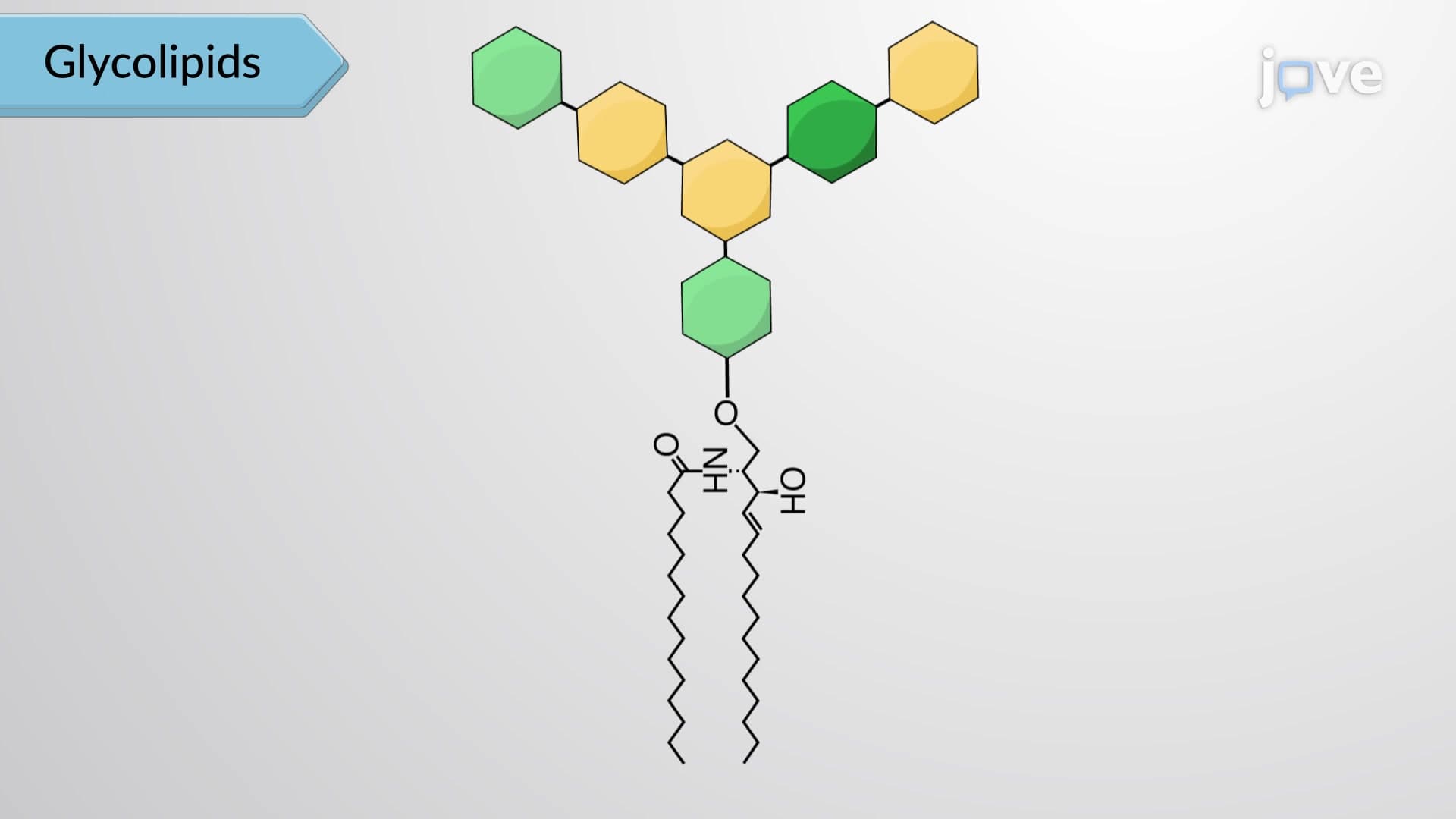
Sugar carbohydrate chemistry principles appear frequently on standardized tests. AP Biology students encounter carbohydrate metabolism in cellular respiration pathways, while pre-med students studying for the MCAT must understand enzyme kinetics involving carbohydrate substrates. College biochemistry courses emphasize how carbohydrate modifications, such as phosphorylation and glycosylation, regulate cellular processes and protein function.
Related Micro-courses