Loading video…


 23 Concepts
 218.7K views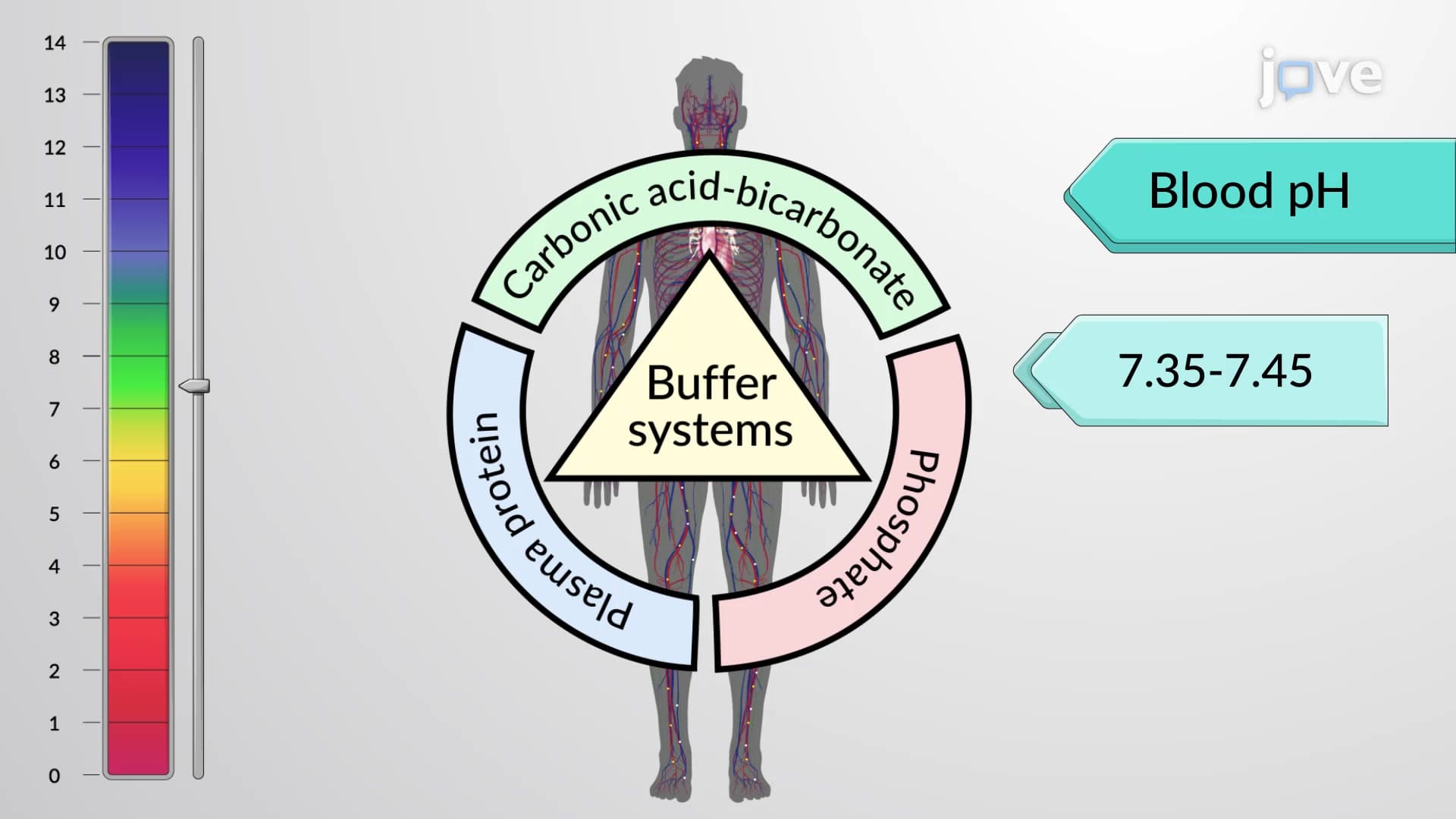

Video Summary: What Is Ph Homeostasis
Ever wonder why a drop of lemon juice in your blood would be fatal, yet your stomach handles pure acid daily? pH homeostasis explained reveals how your body maintains precise chemical balance across different organs. While your stomach operates at a corrosive pH of 1.5, your blood must stay within the narrow range of 7.35-7.45, deviation by just 0.3 units can trigger life-threatening acidosis or alkalosis. What is Ph Homeostasis demonstrates the sophisticated buffer systems that keep you alive every second. Watch the full video on JoVE Coach to master this concept with expert-led visuals and step-by-step explanations.
pH regulation homeostasis body systems represent one of the most tightly controlled physiological processes in human biology. The term "homeostasis" refers to the body's ability to maintain stable internal conditions despite external changes, and pH homeostasis is particularly critical because even minor deviations can disrupt protein structure, enzyme function, and cellular metabolism. The human body maintains different pH environments across organs, your stomach needs extreme acidity for digestion, while your blood requires near-neutral conditions for oxygen transport and cellular function.
Blood pH regulation relies on three interconnected buffer systems working in concert. The carbonic acid-bicarbonate buffer system handles about 75% of pH regulation, utilizing the equilibrium between CO2, H2CO3, and HCO3- to neutralize excess acids or bases. The phosphate buffer system primarily functions within cells and kidneys, while plasma protein buffers use amino acid side chains to absorb hydrogen ions. These systems work so efficiently that your blood pH typically varies less than 0.05 units throughout the day, despite constant metabolic acid production.
When pH balance physiology fails, the consequences are immediate and severe. Acidosis (pH below 7.35) can result from conditions like diabetic ketoacidosis, commonly seen in emergency departments across the US. Patients may present with rapid breathing as the lungs attempt to eliminate CO2 and raise pH. Conversely, alkalosis (pH above 7.45) often occurs from excessive vomiting or hyperventilation, leading to muscle spasms and neurological symptoms. Medical students studying for the MCAT or USMLE must understand these clinical presentations and underlying mechanisms.
Acid base homeostasis frequently appears on standardized tests, from AP Biology to medical school entrance exams. The College Board's AP Biology curriculum specifically addresses pH regulation in Unit 2 (Cell Structure and Function), while the MCAT includes detailed questions about buffer systems in its Chemical and Physical Foundations section. Students should focus on understanding the Henderson-Hasselbalch equation and practicing blood gas interpretation problems commonly found on nursing entrance exams like the HESI A2 and TEAS.
Related Micro-courses