Loading subject page…


317,344 views

Video Summary: What Is Anatomical Positions
Ever wonder why every medical diagram shows the human body in the exact same pose? The anatomical position explained becomes crucial when a paramedic in Chicago describes an injury location to an emergency room doctor-both must visualize the body using identical reference points. What is Anatomical Positions establishes this universal "GPS system" for the human body, ensuring medical professionals worldwide speak the same language when describing body structures and locations. Watch the full video on JoVE Coach to master this concept with expert-led visuals and step-by-step explanations.
The standard anatomical position anatomy serves as medicine's universal language, eliminating confusion when describing body locations across different healthcare settings. Just as GPS coordinates provide exact locations on Earth, anatomical positions give medical professionals precise reference points for every structure in the human body. This standardization proves essential when a radiologist in Boston interprets an MRI for a surgeon in Denver-both must visualize the patient's body using identical spatial references.
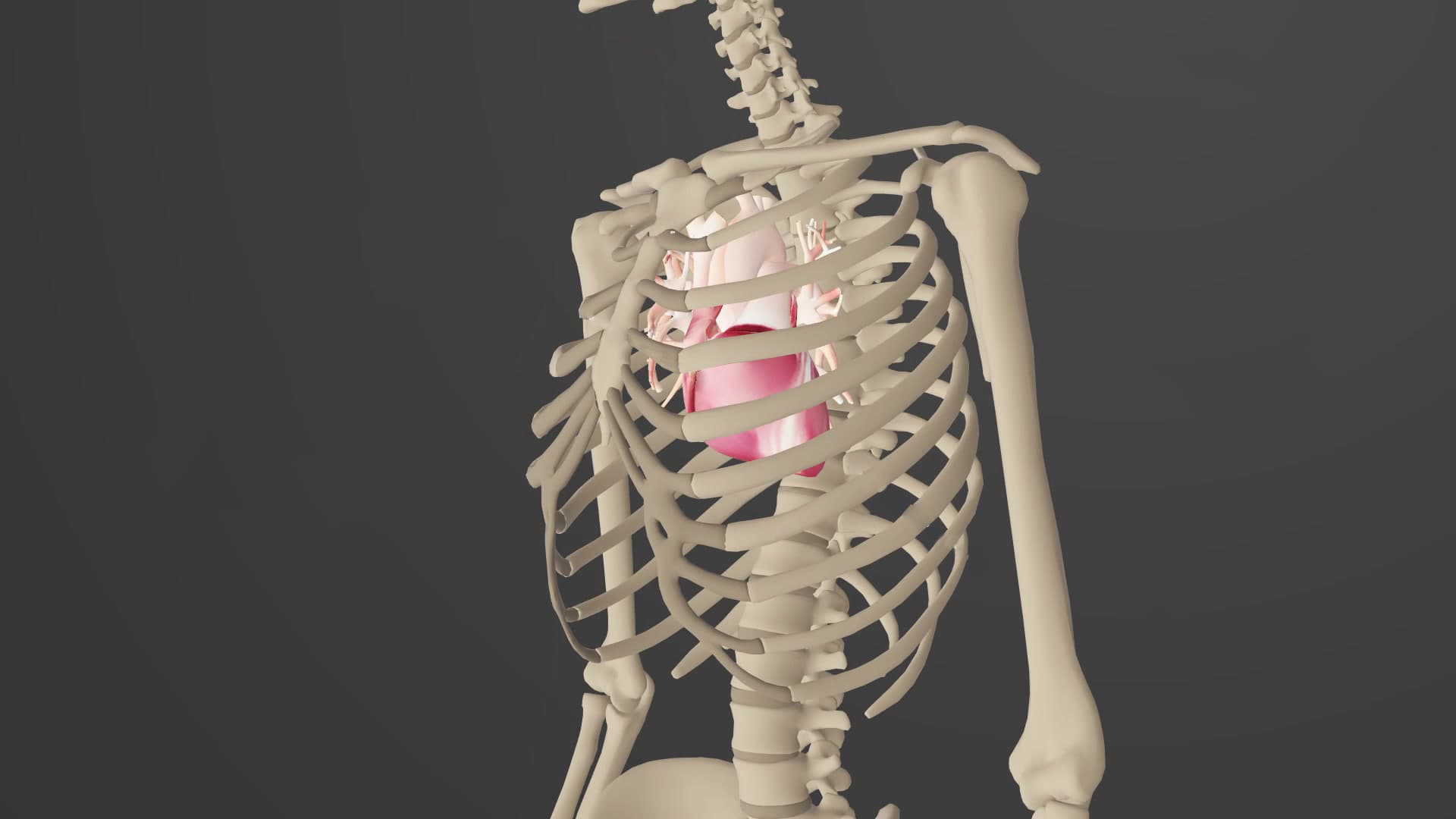
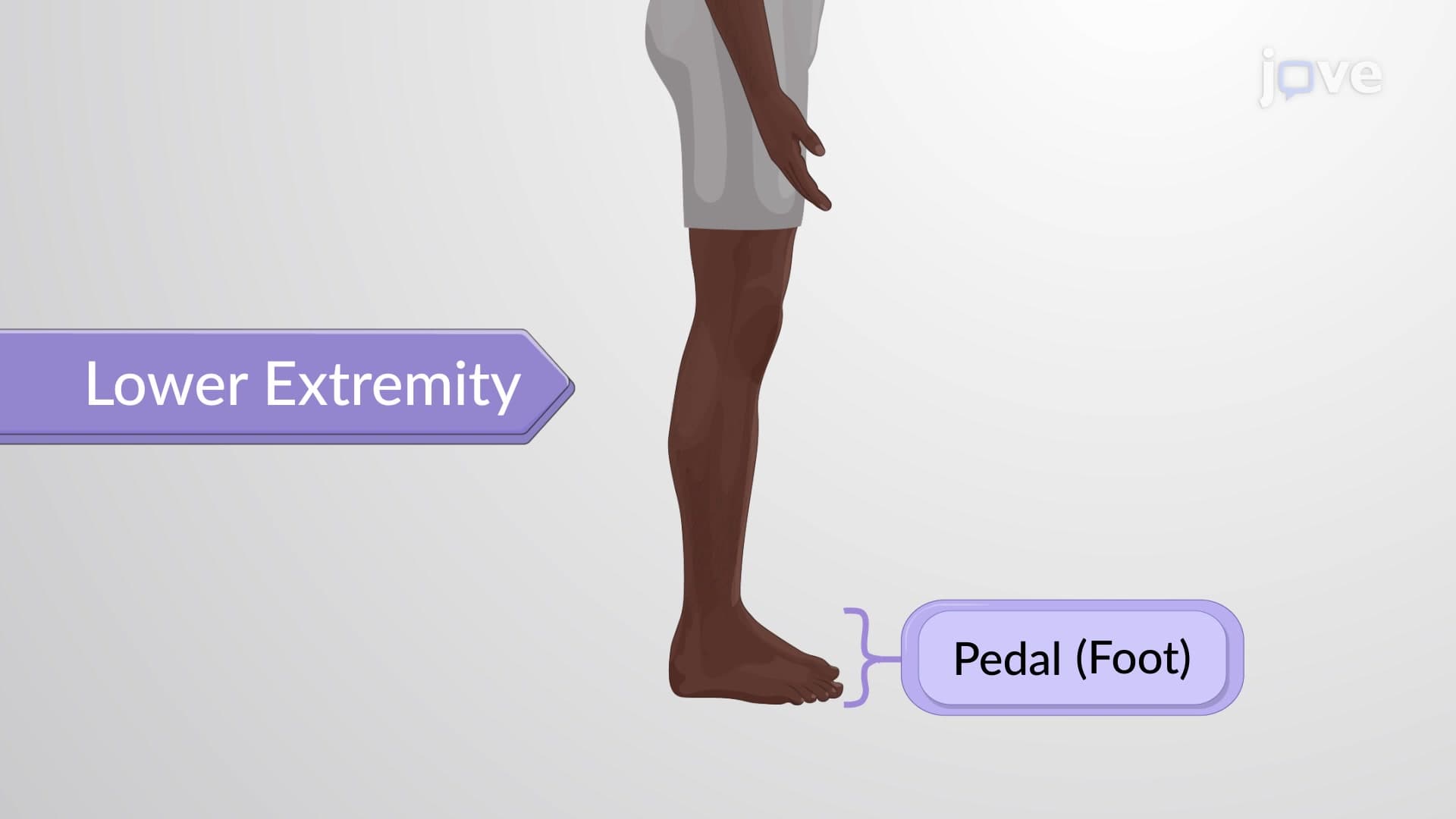
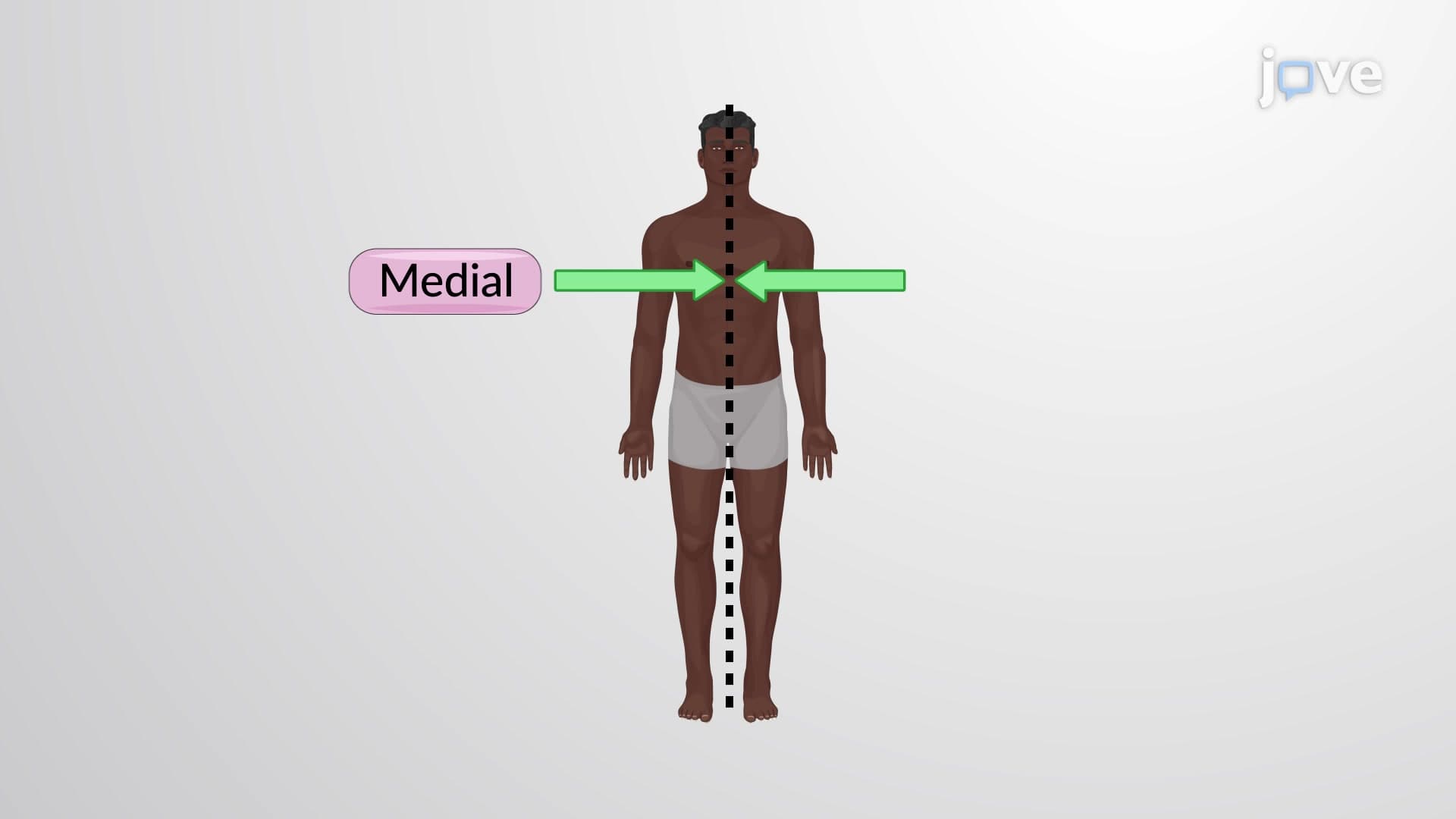
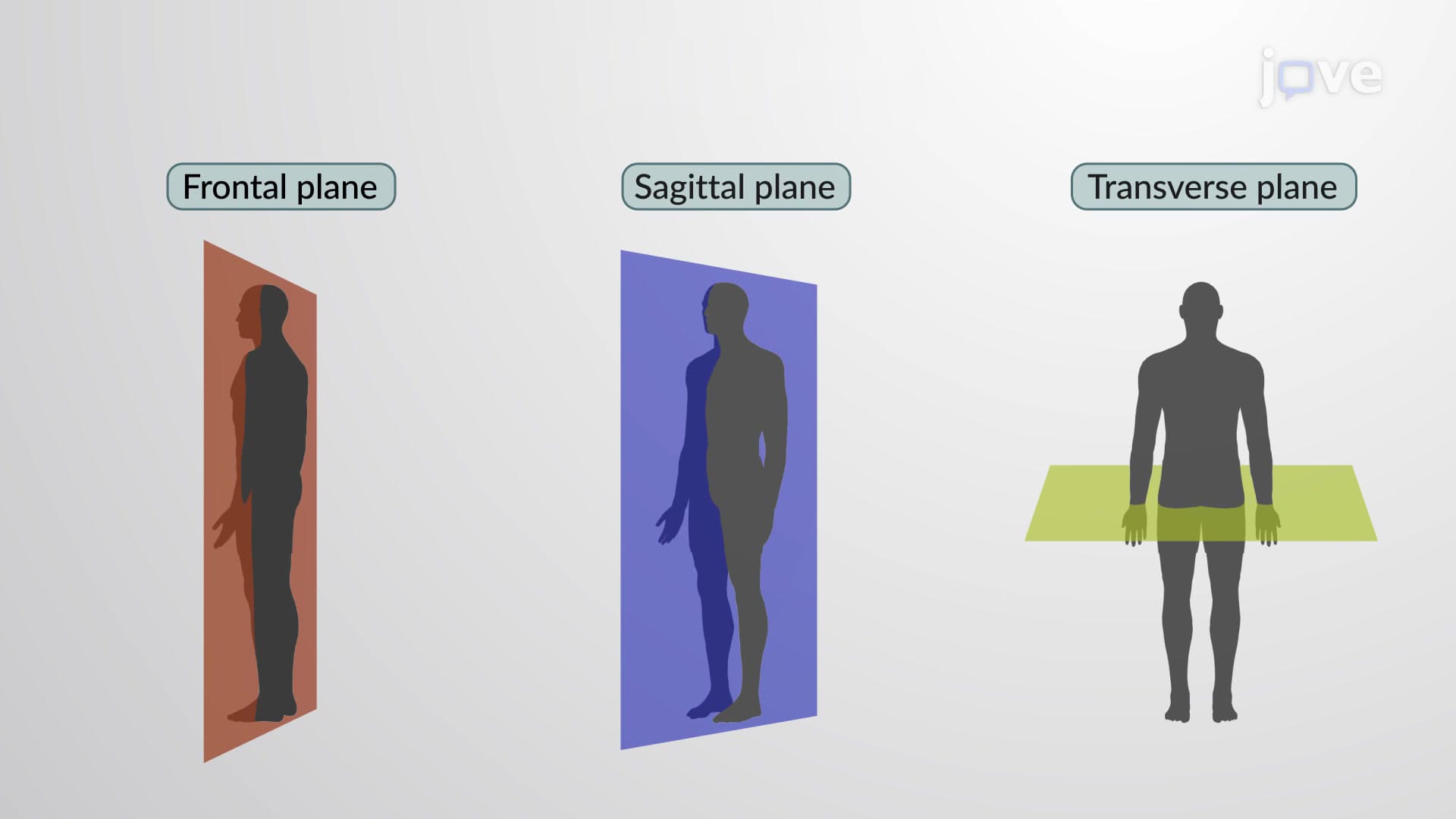
The anatomical reference position requires specific body alignment: standing upright with feet parallel and flat on the ground, arms at the sides with palms facing forward, and eyes looking straight ahead. This standard anatomical position body orientation might seem unnatural-after all, who walks around with their palms facing forward?-but this positioning ensures consistent directional references. When anatomy textbooks describe the heart as "anterior to the spine" or the thumb as being on the "lateral side" of the hand, these descriptions only make sense when referencing this standardized pose.
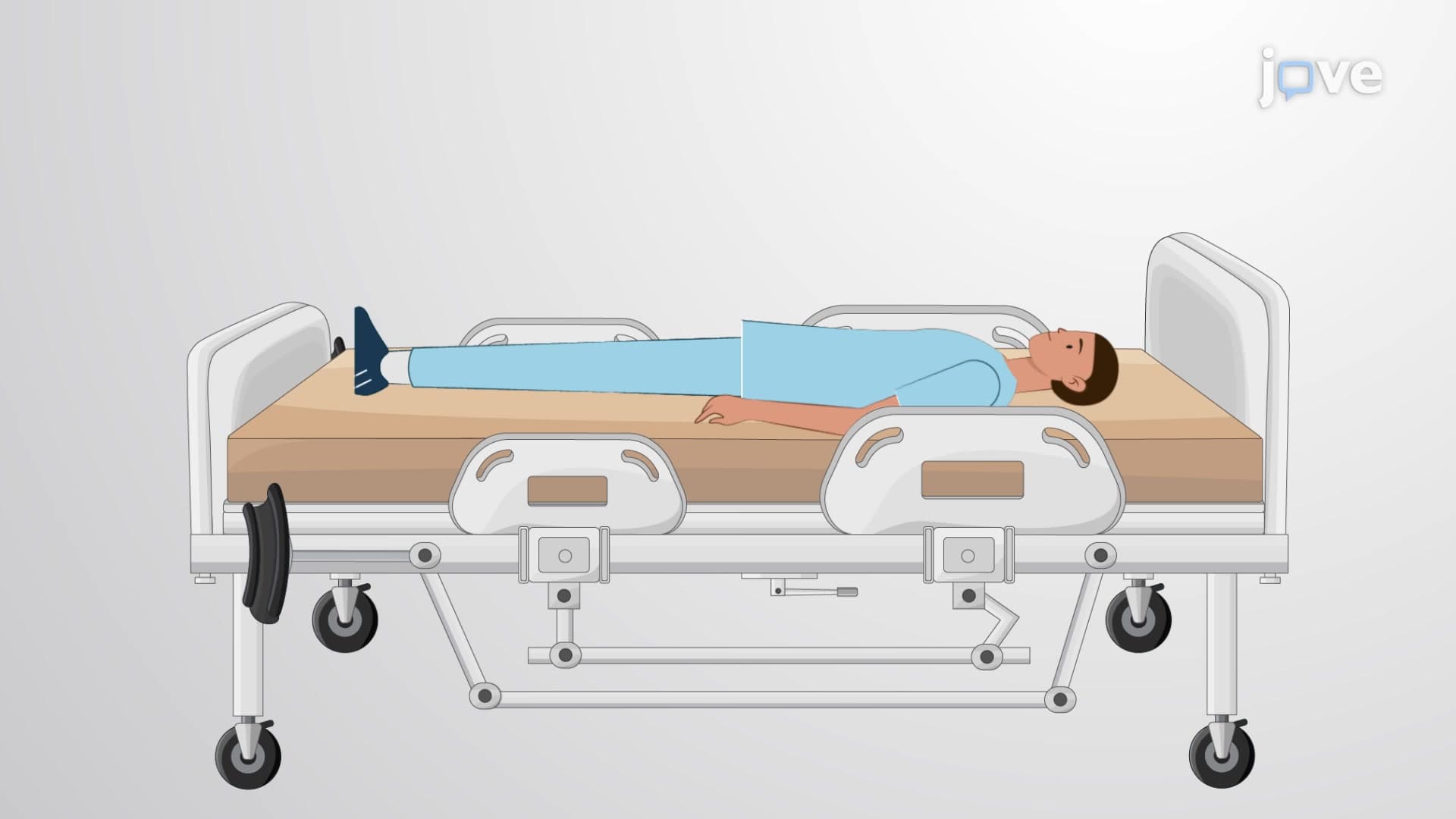
Healthcare professionals modify the basic anatomical position based on examination needs. The supine prone anatomical distinction becomes critical in clinical settings: supine (face-up) positioning allows access to the anterior body surface for procedures like EKGs or abdominal examinations, while prone (face-down) positioning exposes the posterior regions for spinal assessments or certain surgical procedures. Mayo Clinic and Johns Hopkins frequently utilize specialized positions like the Trendelenburg (head lower than feet) for certain cardiovascular procedures, or the lithotomy position for gynecological examinations.
Understanding body orientation anatomy proves essential for students preparing for the MCAT, which frequently tests anatomical terminology and spatial relationships. AP Biology courses emphasize these concepts when studying human body systems, while nursing students preparing for the NCLEX must demonstrate competency in patient positioning for various procedures. At Harvard Medical School and other US medical institutions, first-year students spend considerable time mastering these fundamentals because accurate anatomical communication can literally be a matter of life and death in emergency medicine.
The anatomical standing position concept extends beyond memorization-it develops spatial reasoning skills essential for interpreting medical imaging, understanding surgical approaches, and communicating effectively with healthcare teams throughout one's medical career.
Related Micro-courses