Loading subject page…


87,705 views
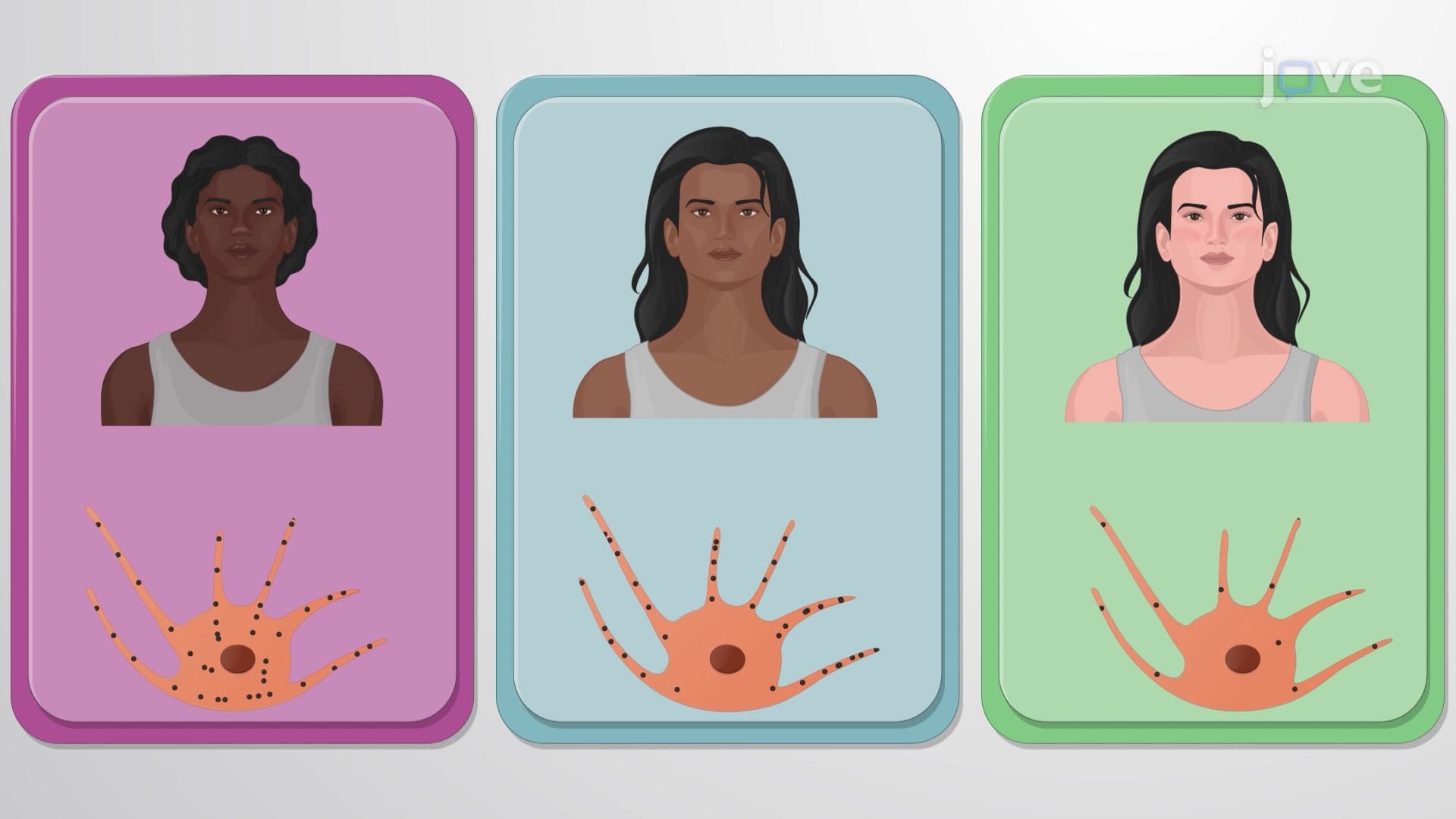

Video Summary: What Is Pigmentation
Did you know that the difference between a freckled redhead and someone with deep brown skin comes down to just two types of melanin? Skin pigmentation biology reveals how specialized cells called melanocytes produce eumelanin and pheomelanin in different ratios to create the spectrum of human skin tones. From the fair complexions common in Scandinavian-American communities to the rich melanin protection found in African-American skin, what is pigmentation becomes a fascinating study of cellular adaptation and UV defense. Watch the full video on JoVE Coach to master this concept with expert-led visuals and step-by-step explanations.
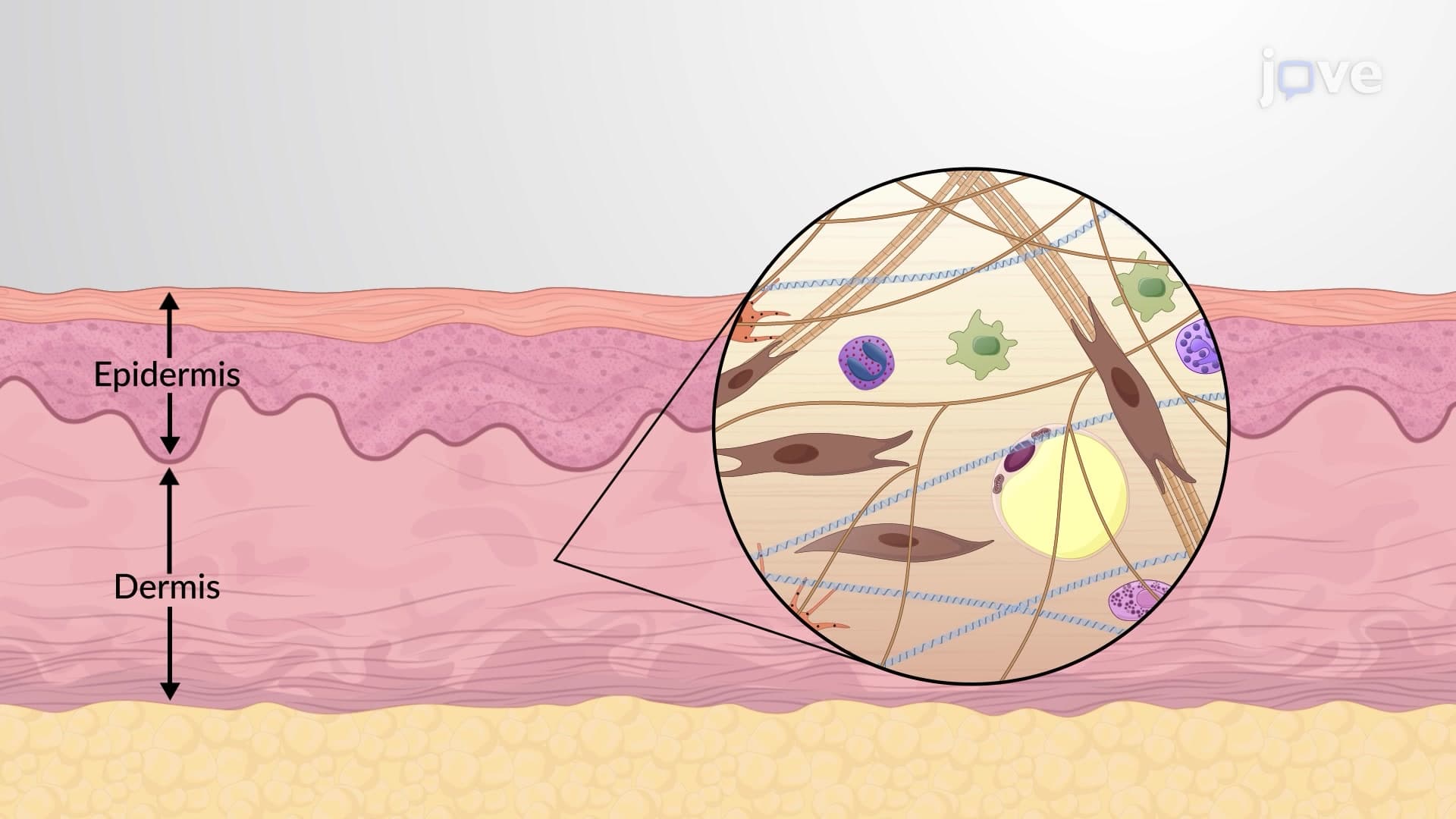
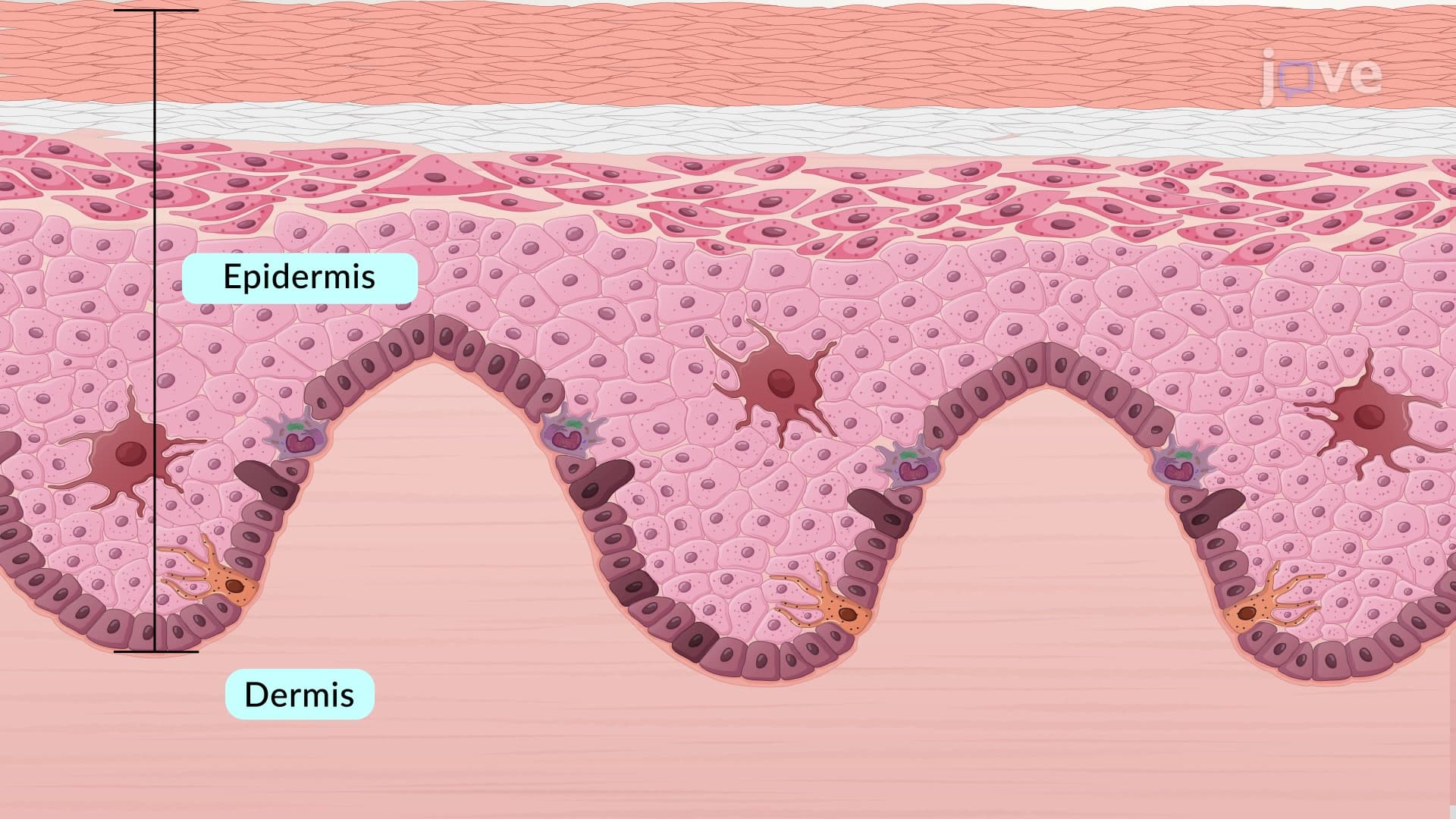
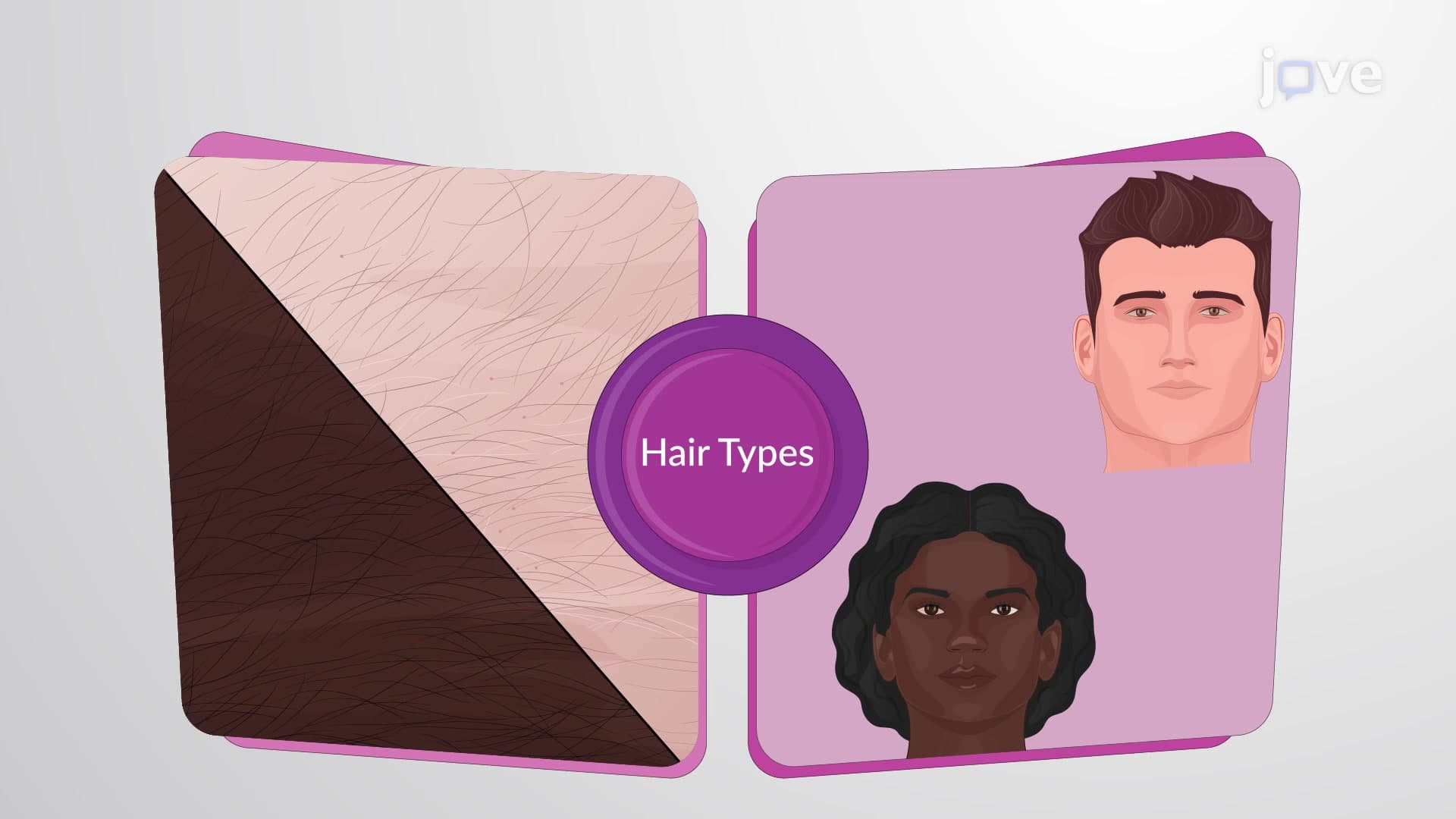
Skin pigmentation biology represents one of the most visible examples of genetic diversity in human populations. At its core, pigmentation results from the complex interplay between specialized cells, chemical compounds, and environmental factors that collectively determine an individual's skin, hair, and eye color. This biological process occurs primarily in the epidermis, where melanocytes-highly specialized pigment-producing cells-synthesize and distribute melanin throughout surrounding skin cells.
The foundation of skin color pigmentation explained lies in understanding two chemically distinct melanin types. Eumelanin, the brown-black pigment, provides the deep coloration seen in individuals of African, Native American, and many Asian backgrounds. This pigment offers superior UV protection, explaining why populations with ancestral ties to high-sunlight regions typically produce more eumelanin. Conversely, pheomelanin creates the red-yellow hues characteristic of Celtic and Northern European populations, particularly visible in individuals with auburn hair and freckled complexions.
Students preparing for the MCAT or AP Biology exams should note that melanocyte pigment synthesis involves complex enzymatic pathways. The enzyme tyrosinase catalyzes the initial conversion of tyrosine to melanin precursors, while genetic variations in genes like MC1R determine whether cells primarily produce eumelanin or pheomelanin. These molecular details frequently appear in college-level biochemistry coursework and standardized testing.
UV radiation pigmentation demonstrates the dynamic nature of melanin production. When exposed to ultraviolet light-particularly UV-B radiation-melanocytes increase melanin synthesis and transfer to surrounding keratinocytes. This process, commonly called tanning, provides enhanced protection against DNA damage that could lead to skin cancer. However, individuals with predominantly pheomelanin-producing melanocytes (typically those with fair skin and red hair) show limited tanning ability and increased susceptibility to UV damage.
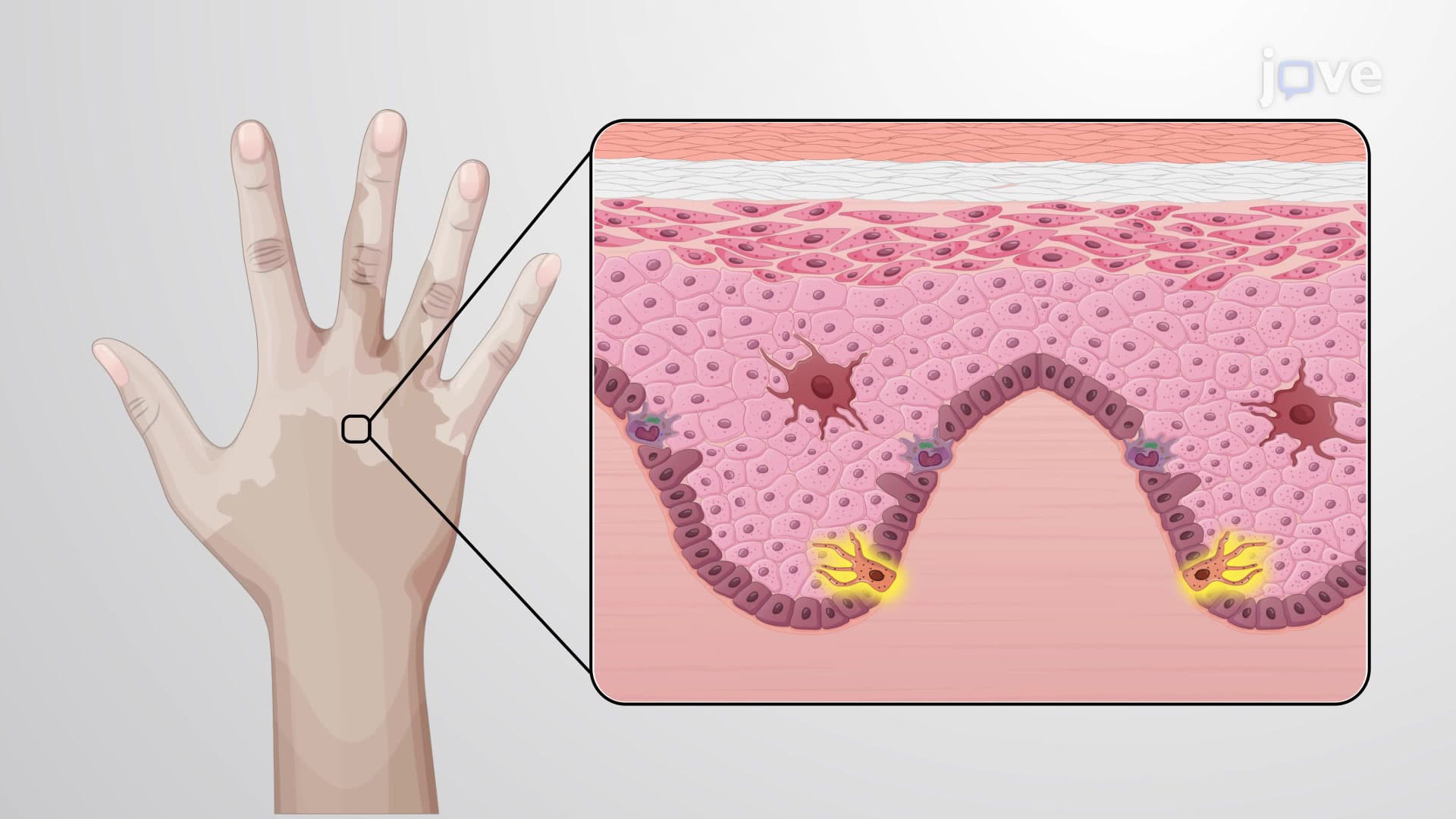
Clinical applications of pigmentation biology appear throughout dermatology and cosmetic science. Understanding melanin production pigmentation helps explain conditions like vitiligo, where melanocyte destruction creates depigmented patches, or melasma, where hormonal changes trigger localized hyperpigmentation. These concepts regularly appear in pre-medical coursework and USMLE Step 1 examinations.
The study of what is skin pigmentation in biology extends beyond cosmetic considerations to encompass evolutionary biology, population genetics, and public health. Research conducted at institutions like Harvard Medical School and the University of Pennsylvania has revealed how pigmentation genes underwent selection pressure as human populations migrated to different latitudes. Fair skin evolved in northern climates to maximize vitamin D synthesis during limited sunlight exposure, while darker pigmentation remained advantageous in tropical regions for UV protection.
Related Micro-courses