Loading video…


 18 Concepts
 87.7K views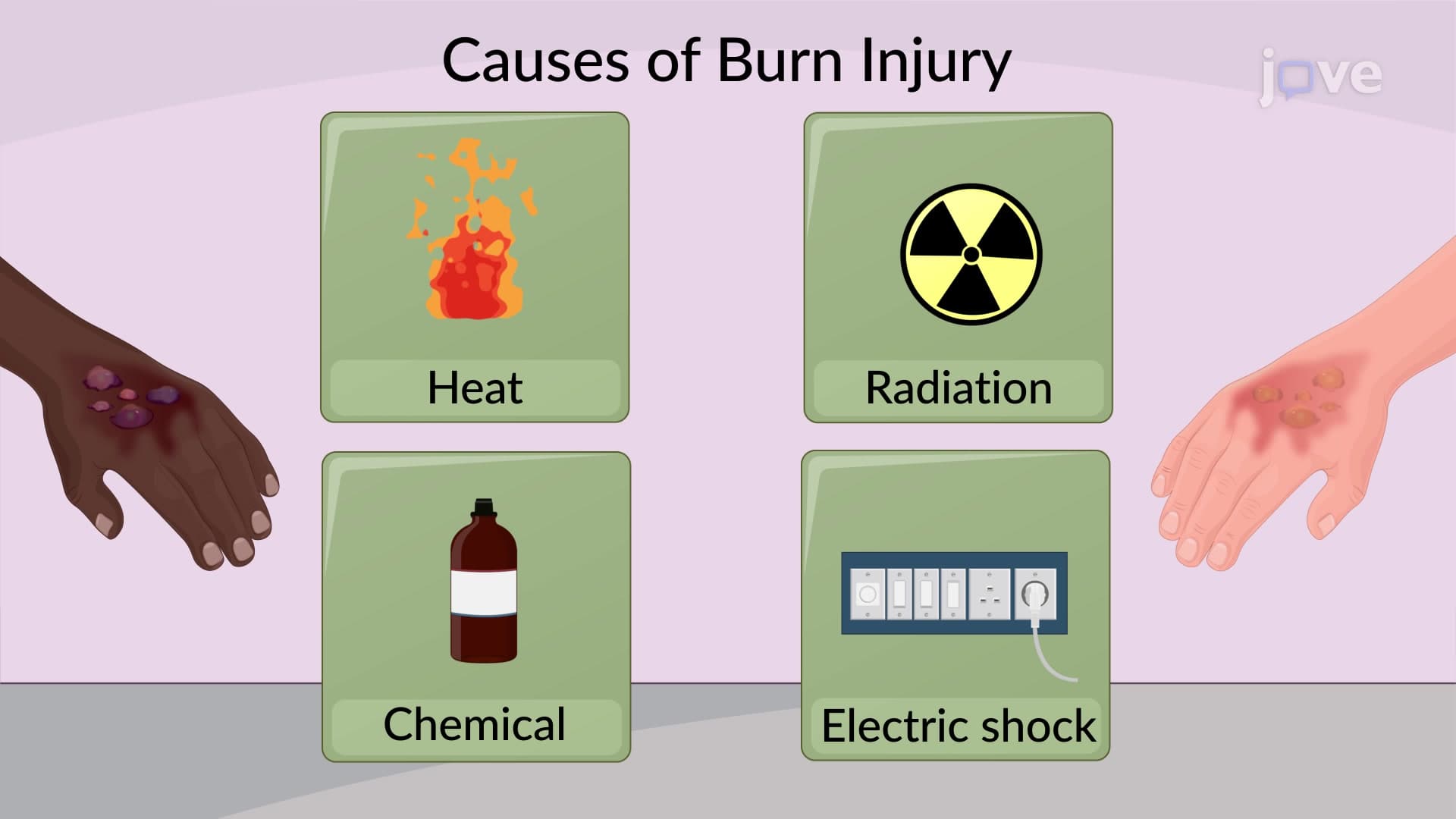

Video Summary: What Is Burn Injuries
Did you know that over 486,000 Americans receive medical treatment for burns annually, with kitchen accidents being a leading cause? Burn injury classification helps medical professionals determine the severity of tissue damage caused by heat, chemicals, electricity, or radiation. From mild sunburns affecting only the skin's surface to severe burns requiring skin grafts at trauma centers like Johns Hopkins, understanding what are burn injuries and their classifications can be life-saving knowledge. Watch the full video on JoVE Coach to master this concept with expert-led visuals and step-by-step explanations.
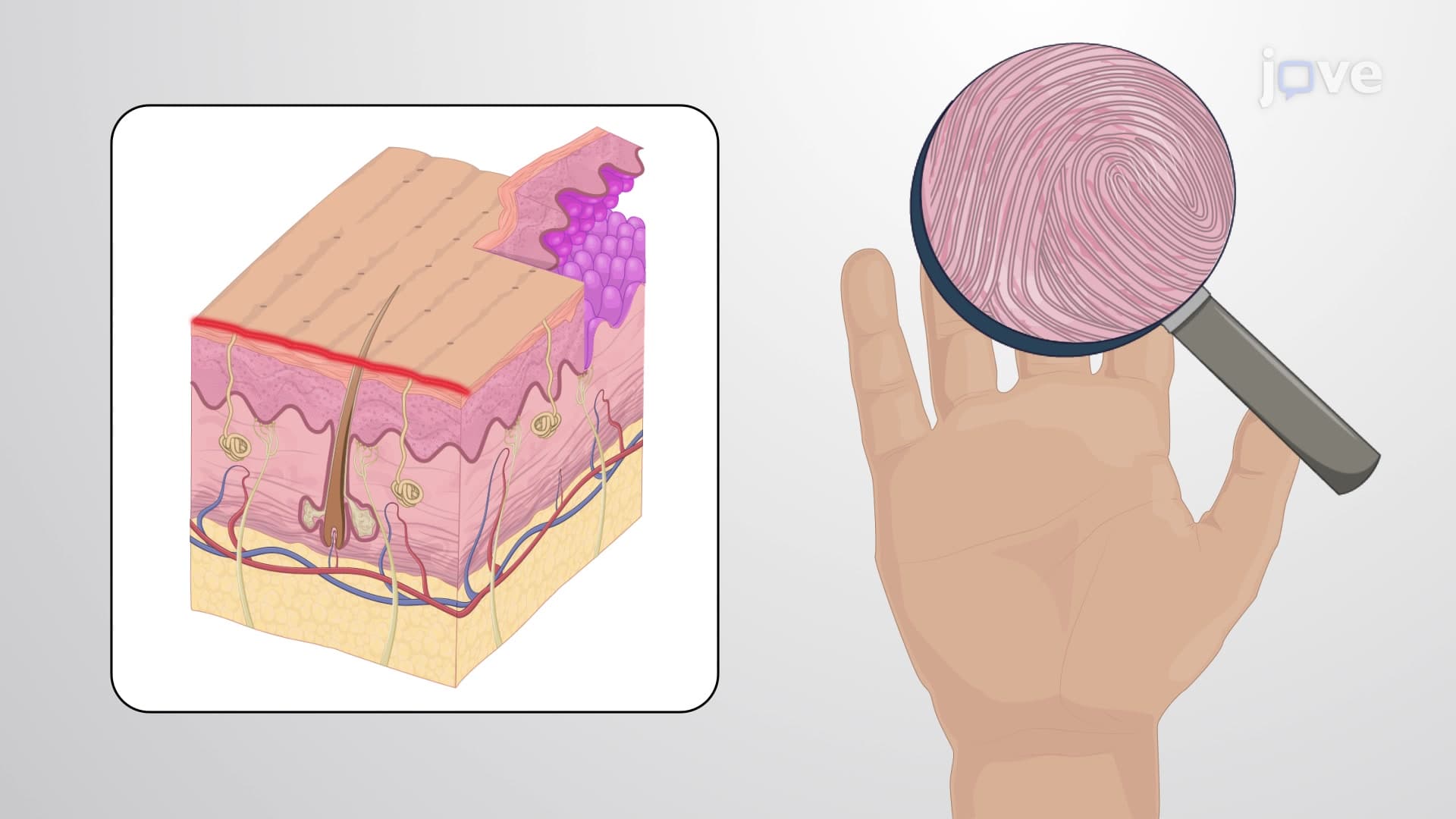
What is burn injuries represents a critical topic in emergency medicine and human physiology. Burns constitute a major form of trauma affecting millions of Americans annually, from minor household accidents to industrial disasters. Medical professionals classify burns based on the depth of tissue damage, which directly correlates with treatment protocols and patient outcomes. This classification system, standardized across US healthcare facilities from community hospitals to specialized burn centers like those at the University of Washington, guides everything from initial emergency response to long-term rehabilitation planning.
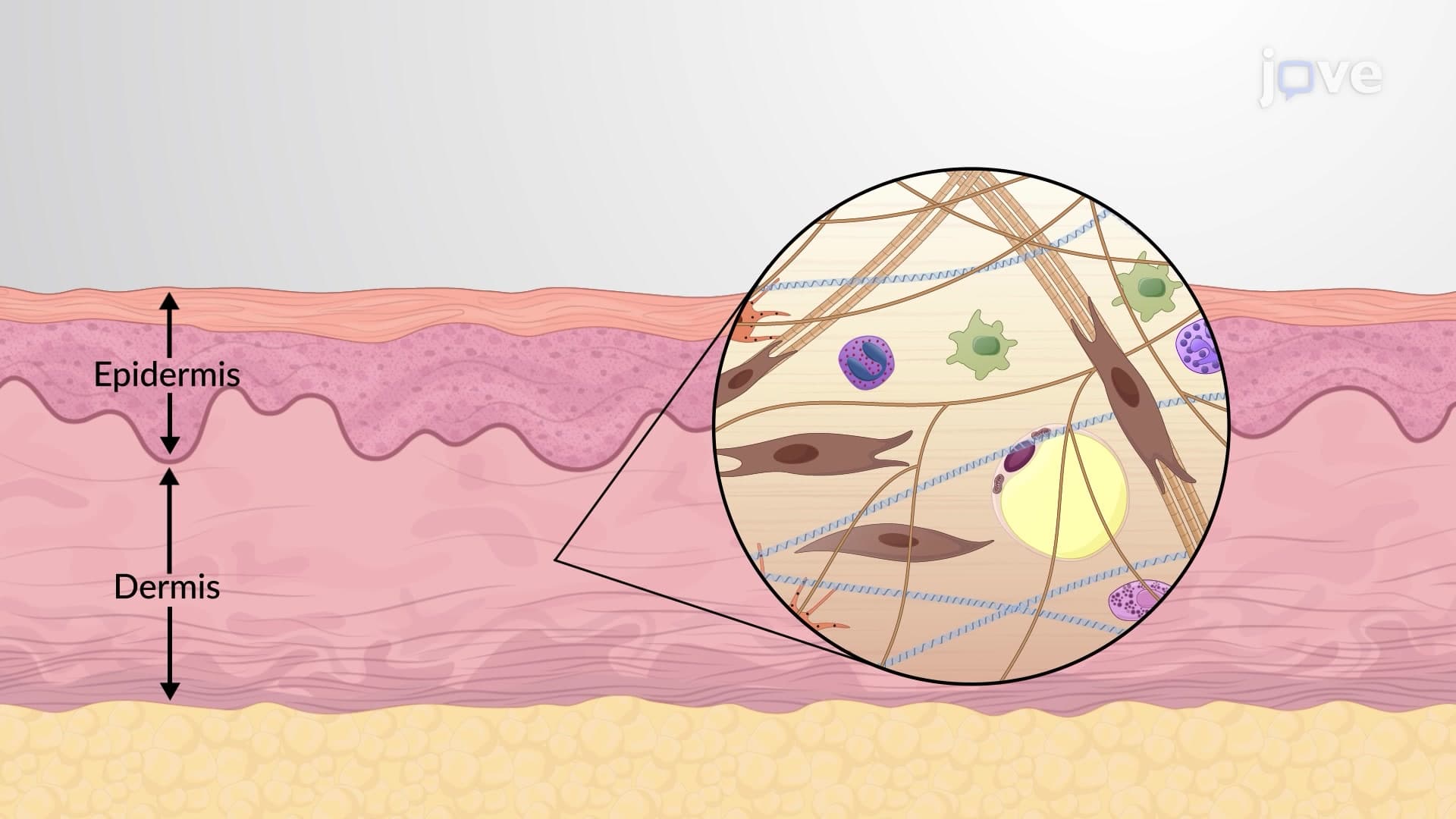
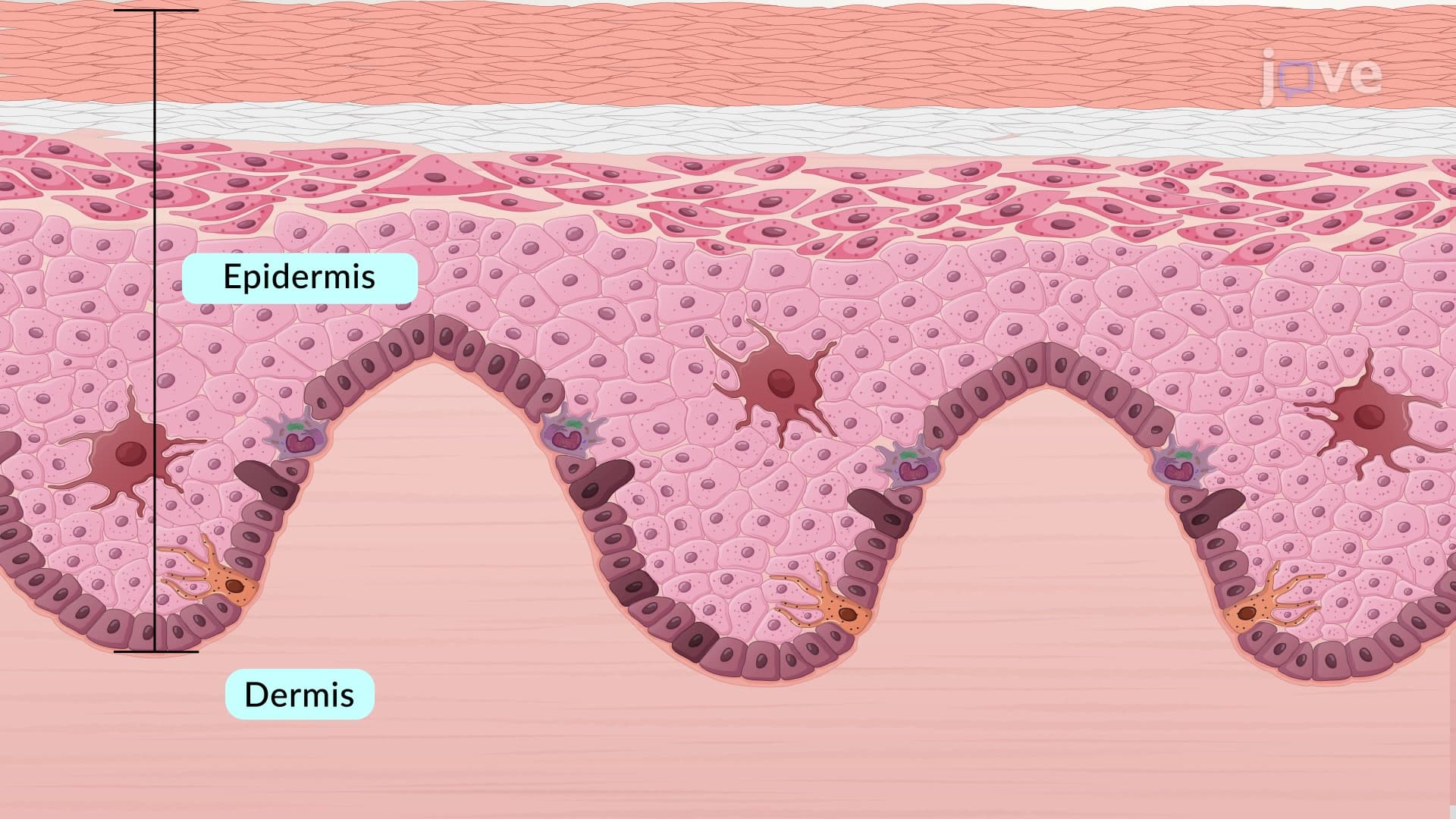
Burn injury classification begins with first-degree burns, the mildest form affecting only the epidermis. These superficial burns commonly result from brief sun exposure, minor kitchen accidents, or contact with warm surfaces. Characteristics include localized redness, mild swelling, and pain without blistering. The skin remains intact, and healing typically occurs within 3-7 days without scarring. Students studying for the MCAT or AP Biology exams should note that first-degree burns don't compromise the skin's barrier function, explaining why infection risk remains minimal. Common US examples include sunburns from beach vacations or brief contact with a hot pan handle.
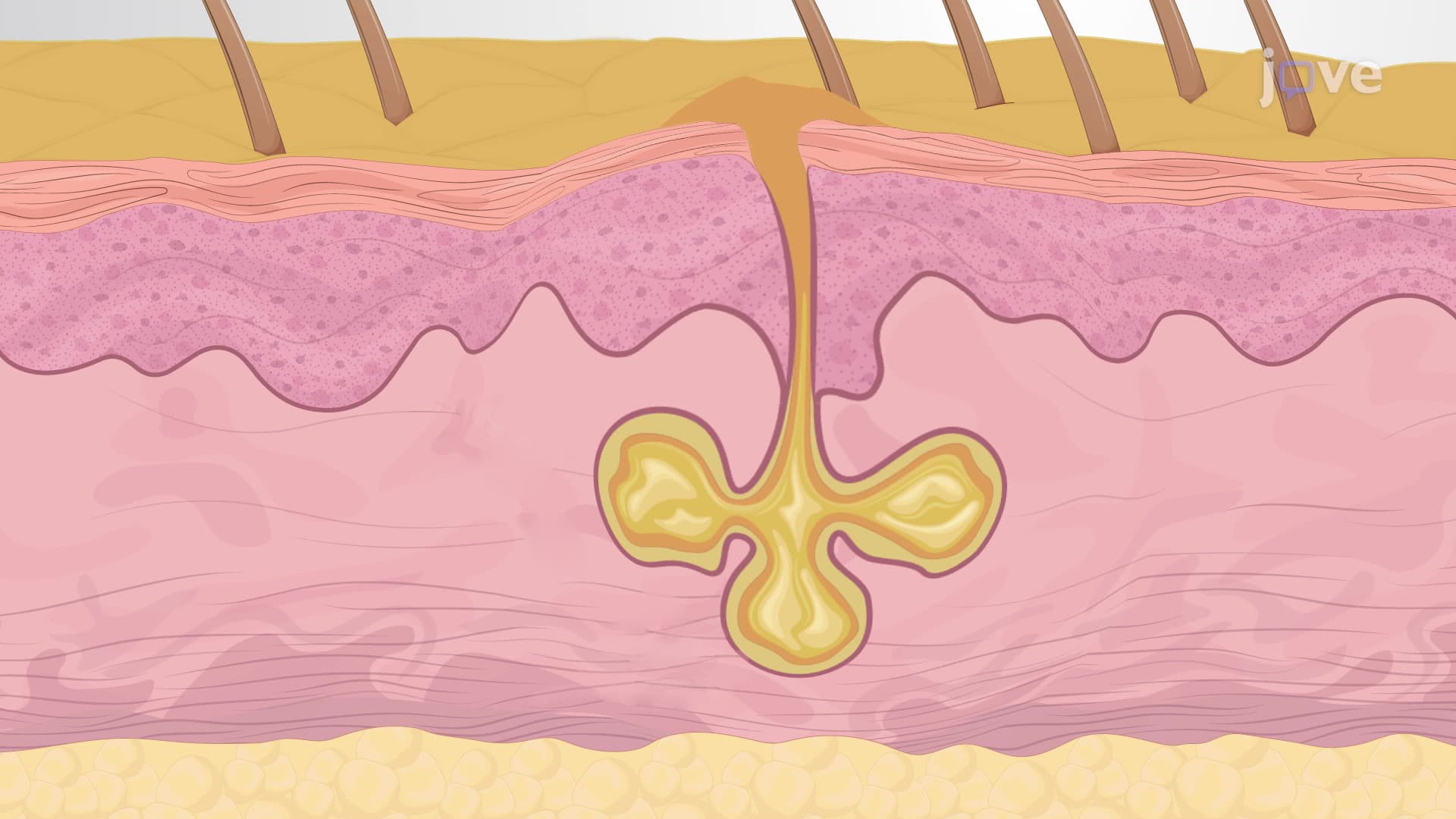
Second-degree burns represent partial-thickness injuries extending through the epidermis into the dermis. These burns injuries types explained include both superficial and deep partial-thickness categories. Superficial second-degree burns affect the upper dermis, causing intense pain, redness, and clear blisters. Deep partial-thickness burns penetrate deeper dermal layers, potentially appearing white or cherry red with reduced pain sensation due to nerve damage. Healing ranges from 1-3 weeks, with deeper burns risking permanent scarring. Boiling water spills, severe sunburns, and brief flame contact commonly cause these injuries in US households and workplaces.
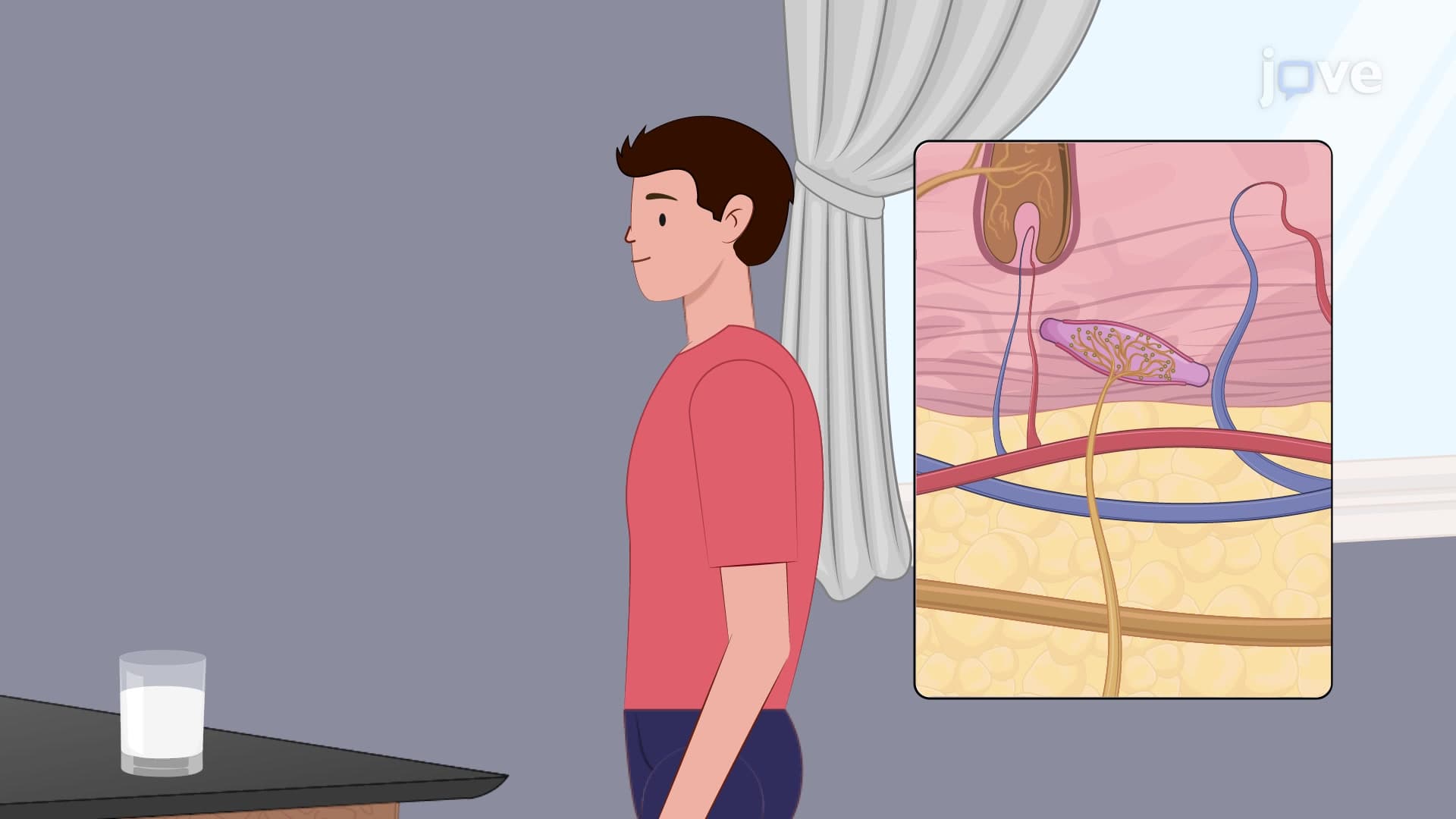
Third-degree burns represent the most severe thermal chemical burn type, destroying all skin layers including the hypodermis. These full-thickness burns appear white, brown, or charred, feeling leathery and painless due to complete nerve destruction. Without intervention, third-degree burns cannot heal naturally and require surgical intervention, typically skin grafting procedures. Students preparing for NCLEX or HESI A2 exams should understand that these burns always require immediate medical attention at specialized burn centers, as complications include infection, fluid loss, and circulatory shock.
Burn wound depth classification significantly impacts treatment decisions in US emergency departments and burn units. Healthcare providers assess burns using the "Rule of Nines" to calculate affected body surface area, combining this with depth classification to determine severity. This systematic approach, taught in medical schools from Harvard to UCLA, guides fluid resuscitation protocols, surgical planning, and patient transfer decisions to specialized centers when burns exceed local treatment capabilities.
Related Micro-courses