Loading subject page…


87,705 views
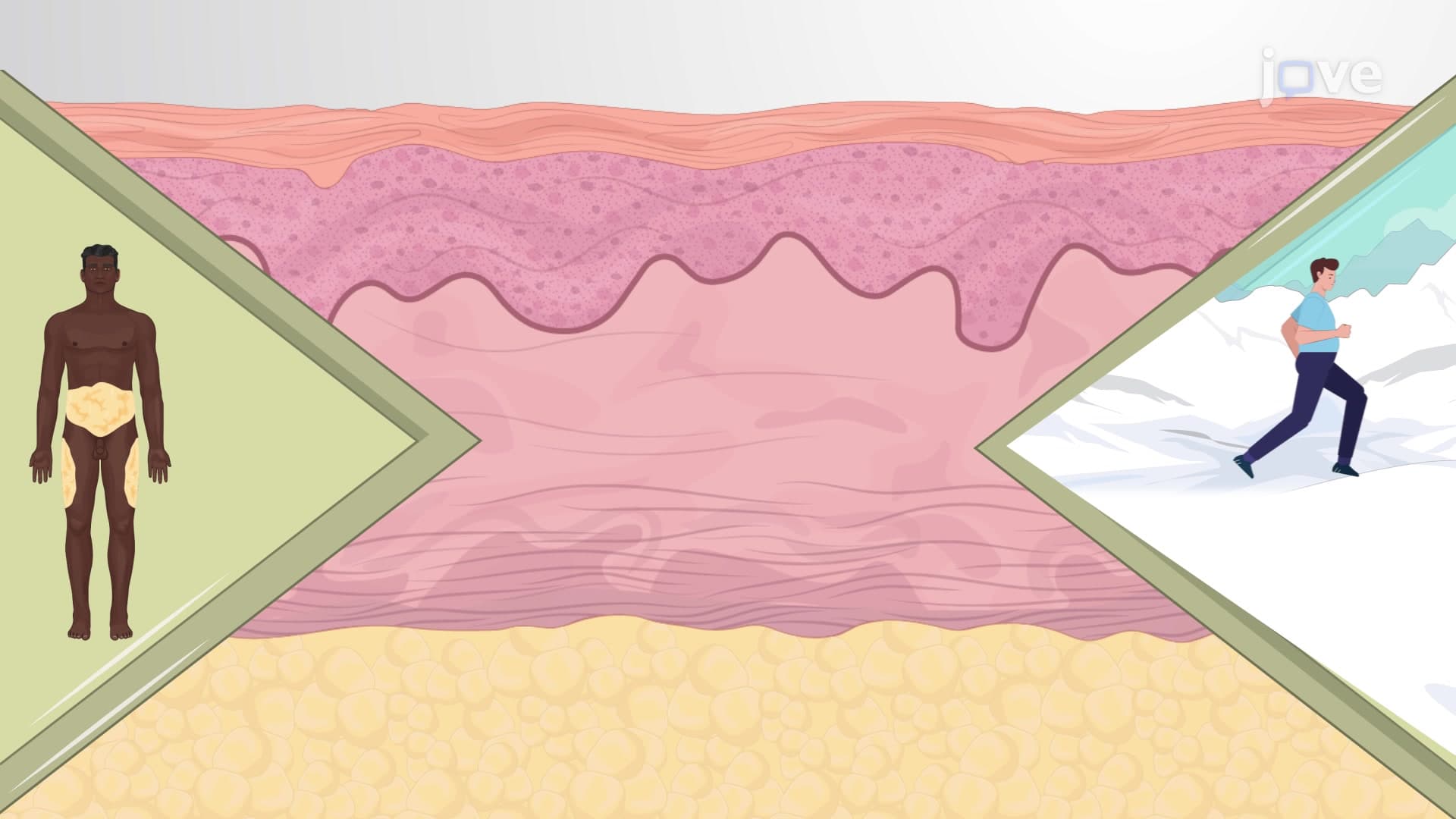

Video Summary: What Is Hypodermis
Ever wonder why marathon runners like those competing in the Boston Marathon can maintain body temperature during 26.2-mile races? The hypodermis skin layer serves as your body's natural insulation system, lying beneath the dermis as the deepest layer of skin structure. This subcutaneous layer, packed with fat cells, acts like a biological thermostat while anchoring your skin to underlying muscles-a critical function you'll see tested on AP Biology exams. Watch the full video on JoVE Coach to master this concept with expert-led visuals and step-by-step explanations.
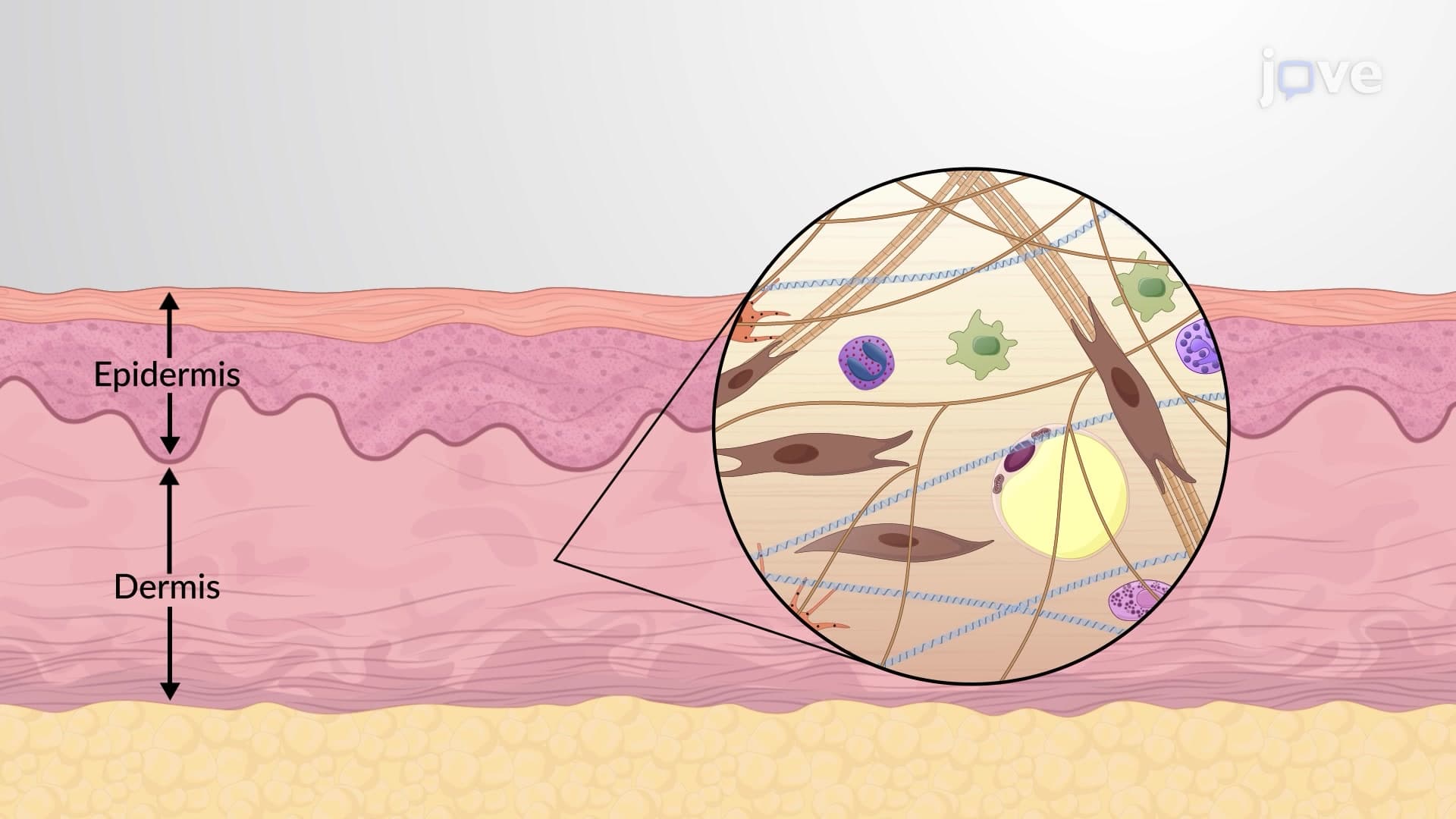
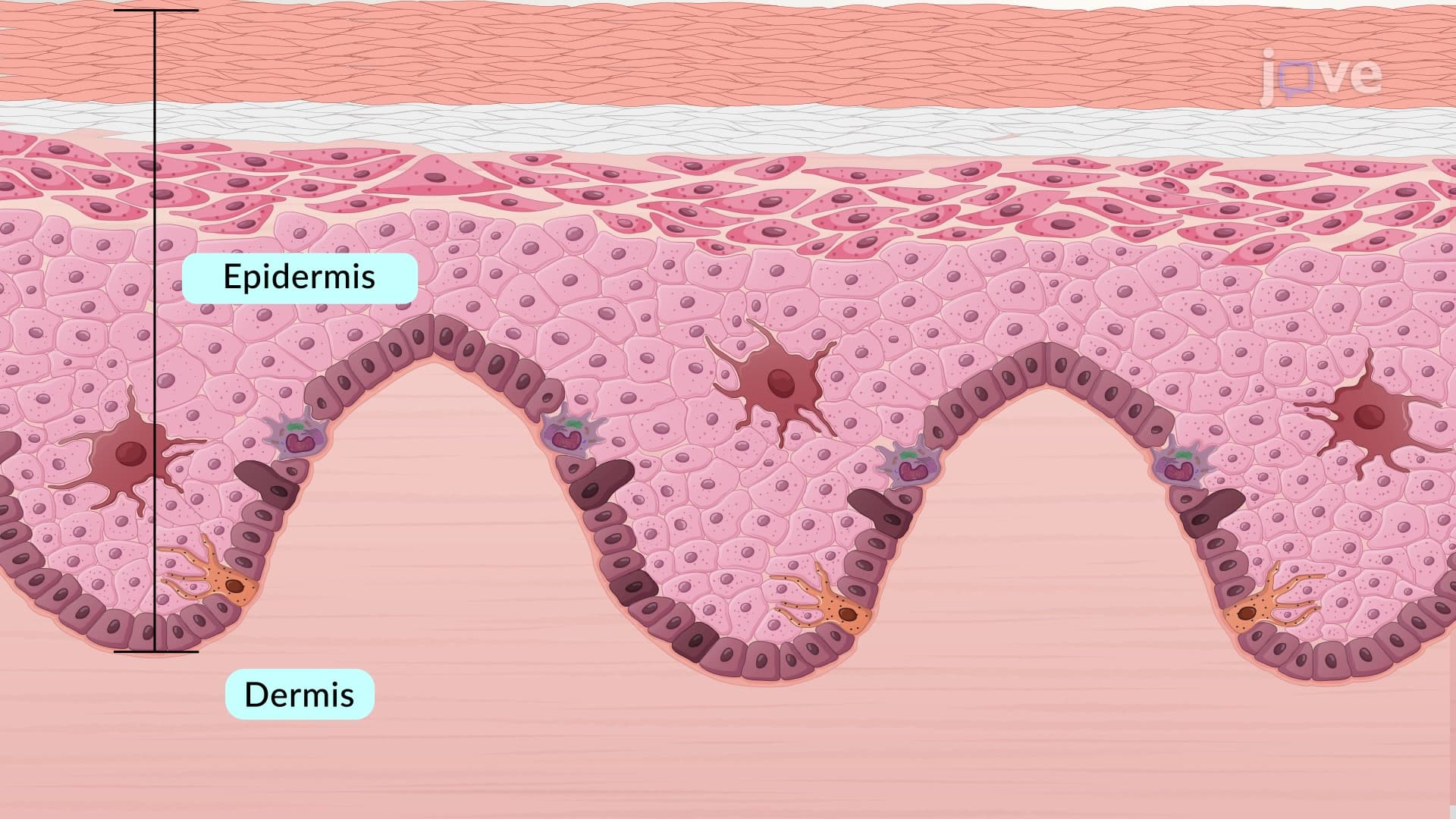
The hypodermis skin layer represents far more than just the deepest skin component-it's a sophisticated biological interface that connects your external covering to internal structural systems. Unlike the epidermis and dermis above it, the hypodermis technically falls outside the integumentary system proper, yet its functions prove indispensable for overall skin health and body homeostasis.
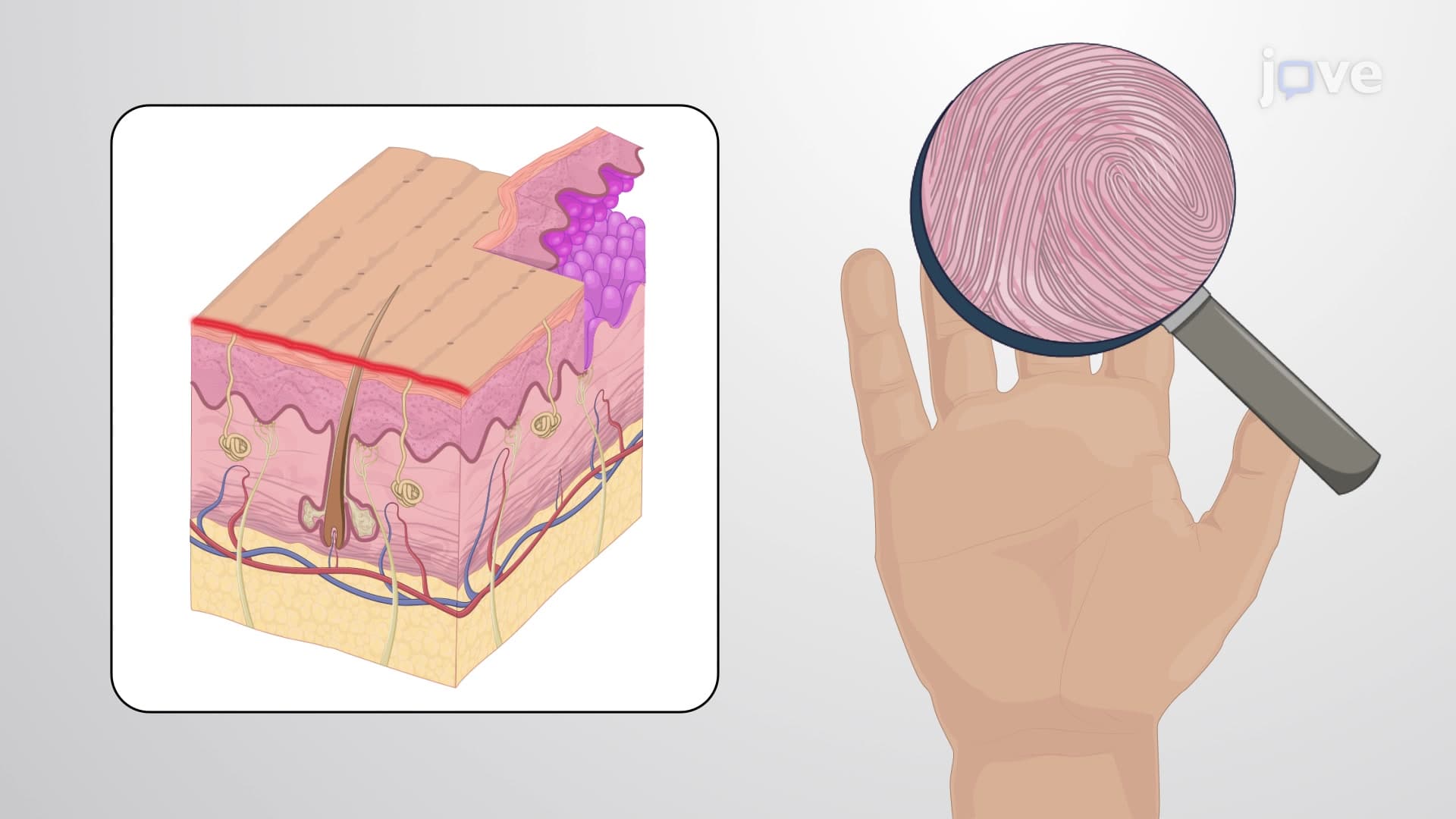
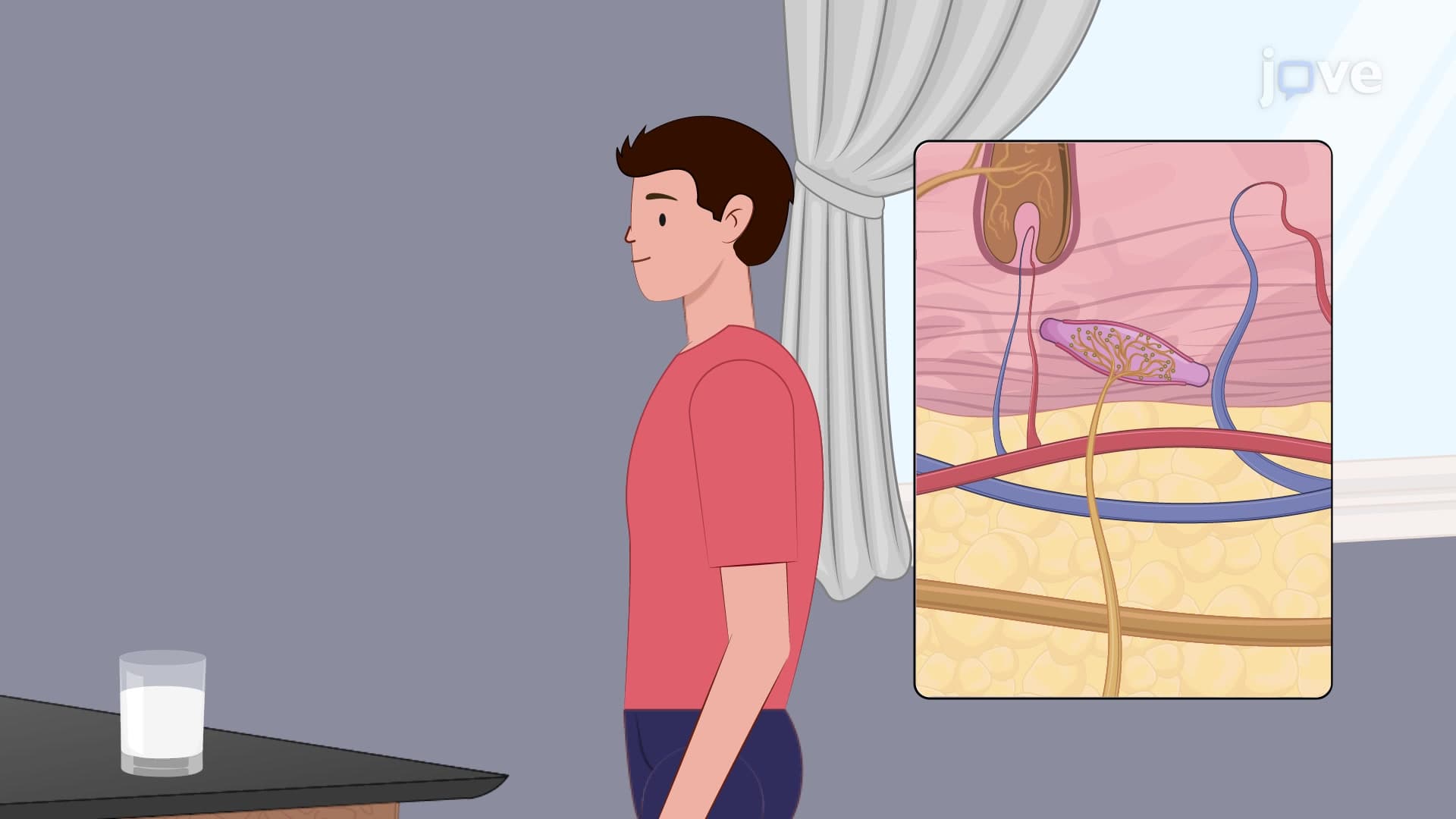
Hypodermis subcutaneous anatomy centers around specialized fat cells called adipocytes, which comprise the bulk of this layer's volume. These aren't just storage containers-they're metabolically active cells that respond to hormonal signals and temperature changes. The layer also houses Pacinian corpuscles, the same pressure-sensitive mechanoreceptors found in the reticular dermis, allowing you to feel deep touch and vibration. This dual sensory capacity explains why deep tissue massage feels different from light surface touch.
Medical students preparing for the MCAT encounter this concept when studying integumentary system questions, particularly those involving thermal regulation and sensory pathway integration. The anatomical relationship becomes crucial for understanding how local anesthetics like lidocaine must penetrate through multiple skin layers to reach nerve endings.
The hypodermis houses a sophisticated circulatory architecture featuring two distinct arterial networks. The cutaneous plexus runs along the border between hypodermis and reticular dermis, while the papillary plexus sends smaller vessels upward into the dermis. This arrangement ensures adequate blood supply reaches all skin layers-a concept frequently tested on AP Biology exams when discussing cardiovascular system integration.
Healthcare professionals recognize this vascular organization's clinical significance during procedures like subcutaneous injections, where understanding tissue depth and blood supply prevents complications. Nursing students taking the NCLEX-RN exam often encounter questions about proper injection techniques that require knowledge of hypodermis anatomy.
Hypodermis insulation function operates like your home's thermal barrier, preventing heat loss through specialized brown and white adipose tissue. White adipocytes store energy as triglycerides, while brown adipocytes generate heat through thermogenesis-a process crucial for maintaining core body temperature during cold exposure. This mechanism explains why individuals with higher subcutaneous fat percentages often tolerate cold temperatures better.
The hypodermis anchoring role connects skin to underlying fascia and muscle tissue through fibrous connective tissue strands. Without this connection, your skin would slide independently over muscle layers, compromising movement coordination and structural integrity.
Related Micro-courses