Loading video…


 14 Concepts
 51K views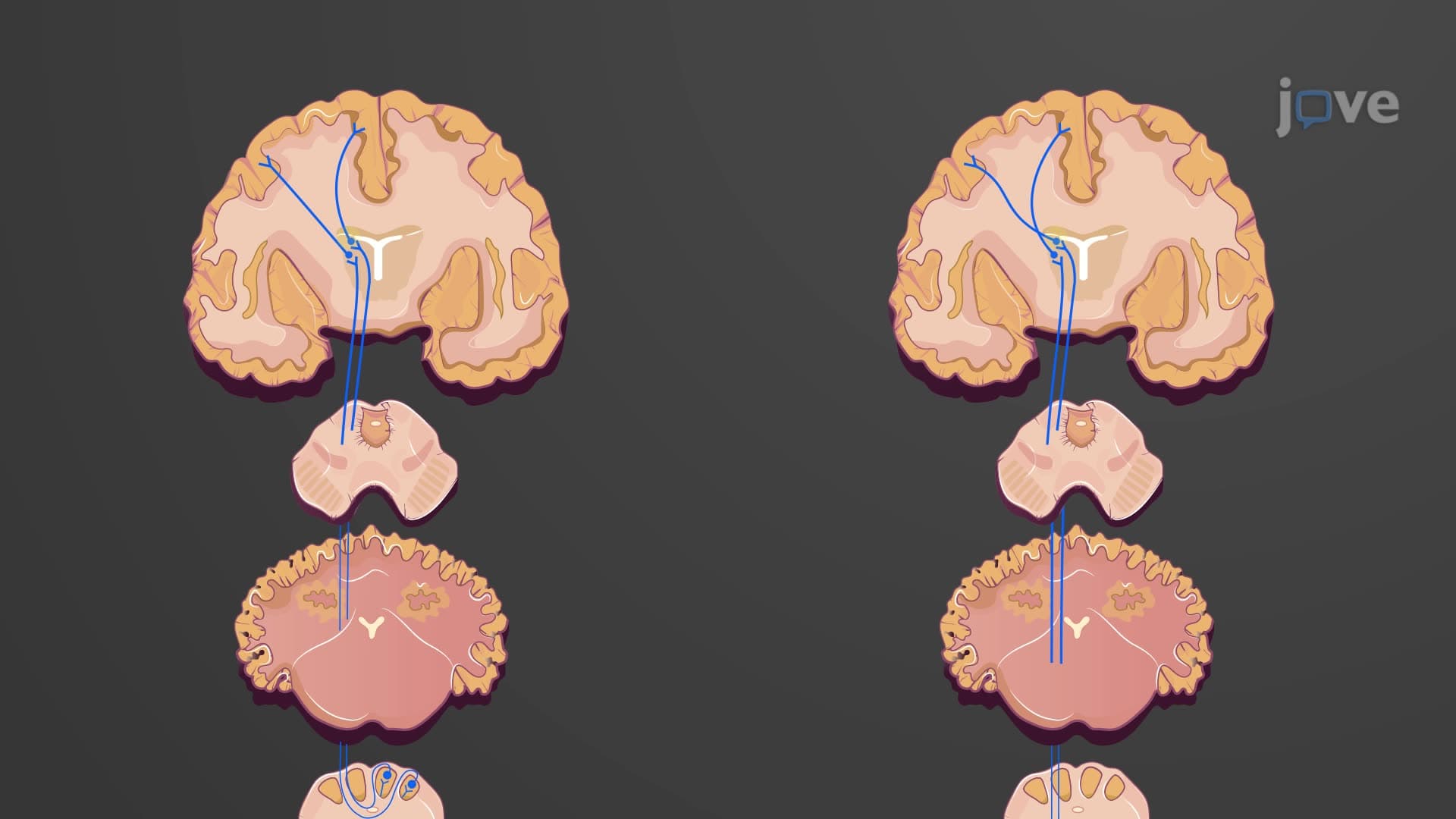

Video Summary: Overview of Somatic Sensory Pathways Explained
Ever wonder how you instantly feel a mosquito land on your arm during a summer evening in Texas? This remarkable ability involves the somatic sensory pathways overview, which explains how your nervous system transmits touch, pain, and position information from receptors to your brain. For instance, when a nurse administers a vaccine, these pathways simultaneously process the needle's sharp sensation, your arm's position, and the pressure applied. Understanding the Overview of Somatic Sensory Pathways Explained is fundamental to grasping how conscious and unconscious sensations reach their neural destinations. Watch the full video on JoVE Coach to master this concept with expert-led visuals and step-by-step explanations.
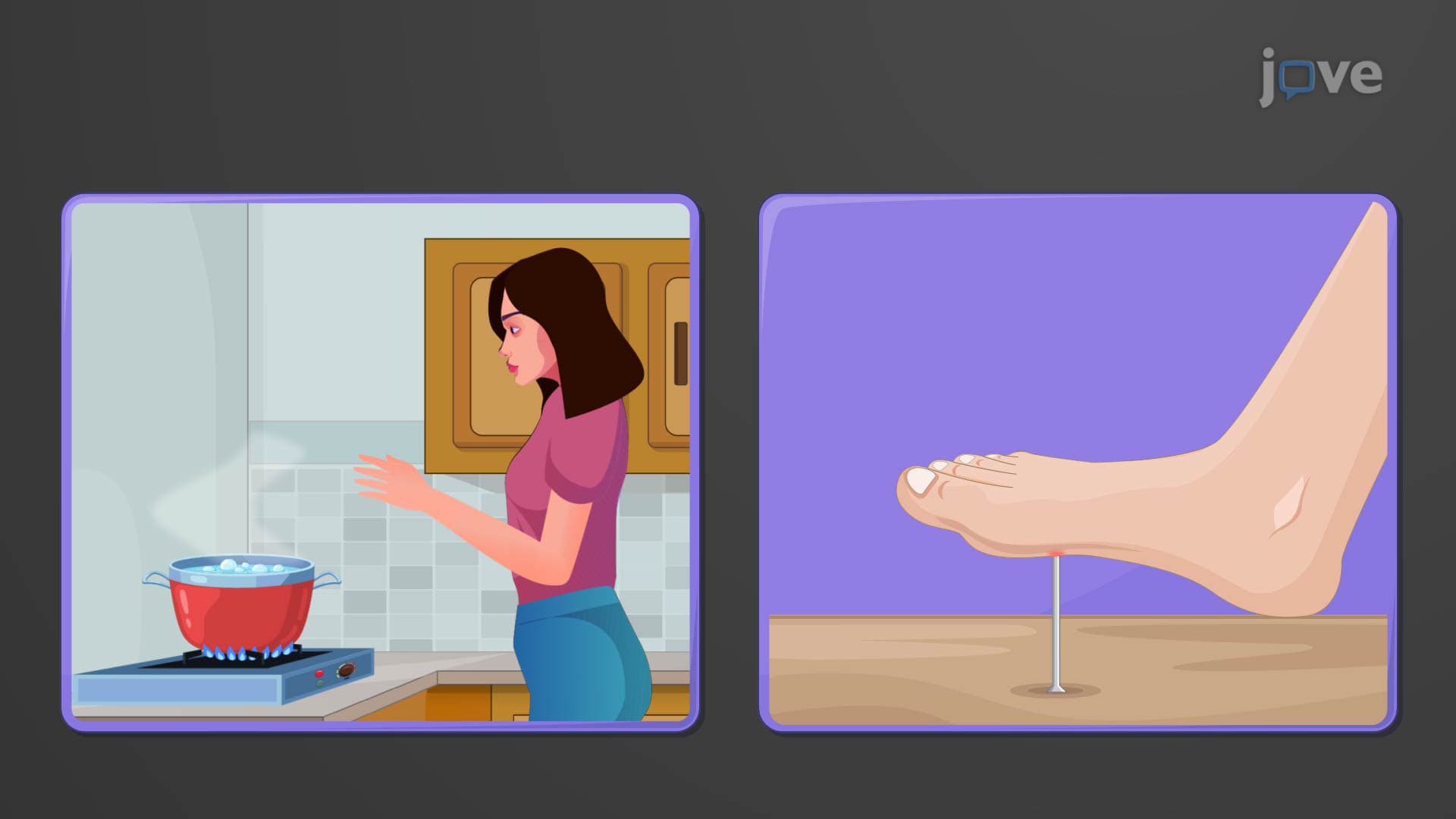
The Overview of Somatic Sensory Pathways Explained reveals a sophisticated neural network that processes everything from a gentle breeze to intense pain. These ascending pathways represent the nervous system's highway system, carrying sensory information from peripheral receptors to central processing centers. Unlike motor pathways that descend from brain to muscles, sensory pathways ascend from body to brain, creating our conscious awareness of the external and internal environment.
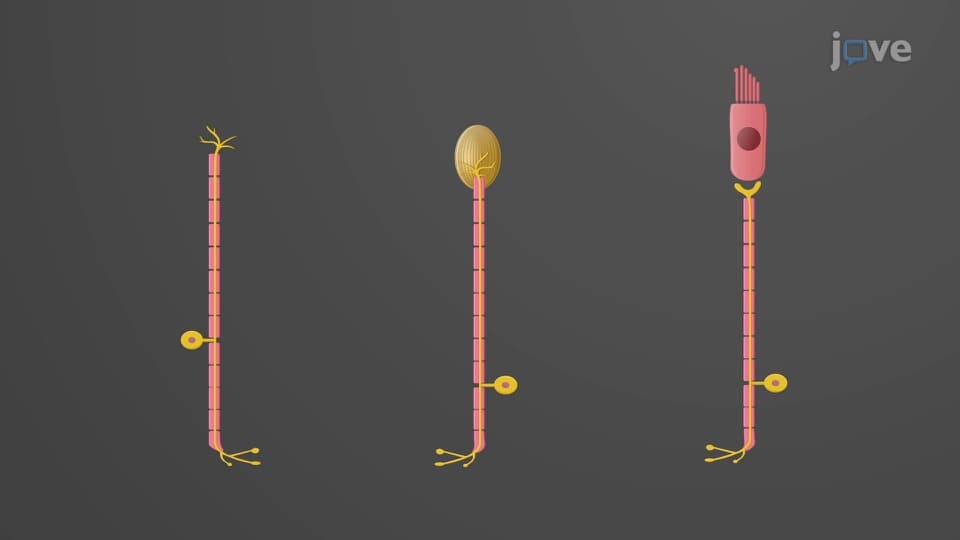
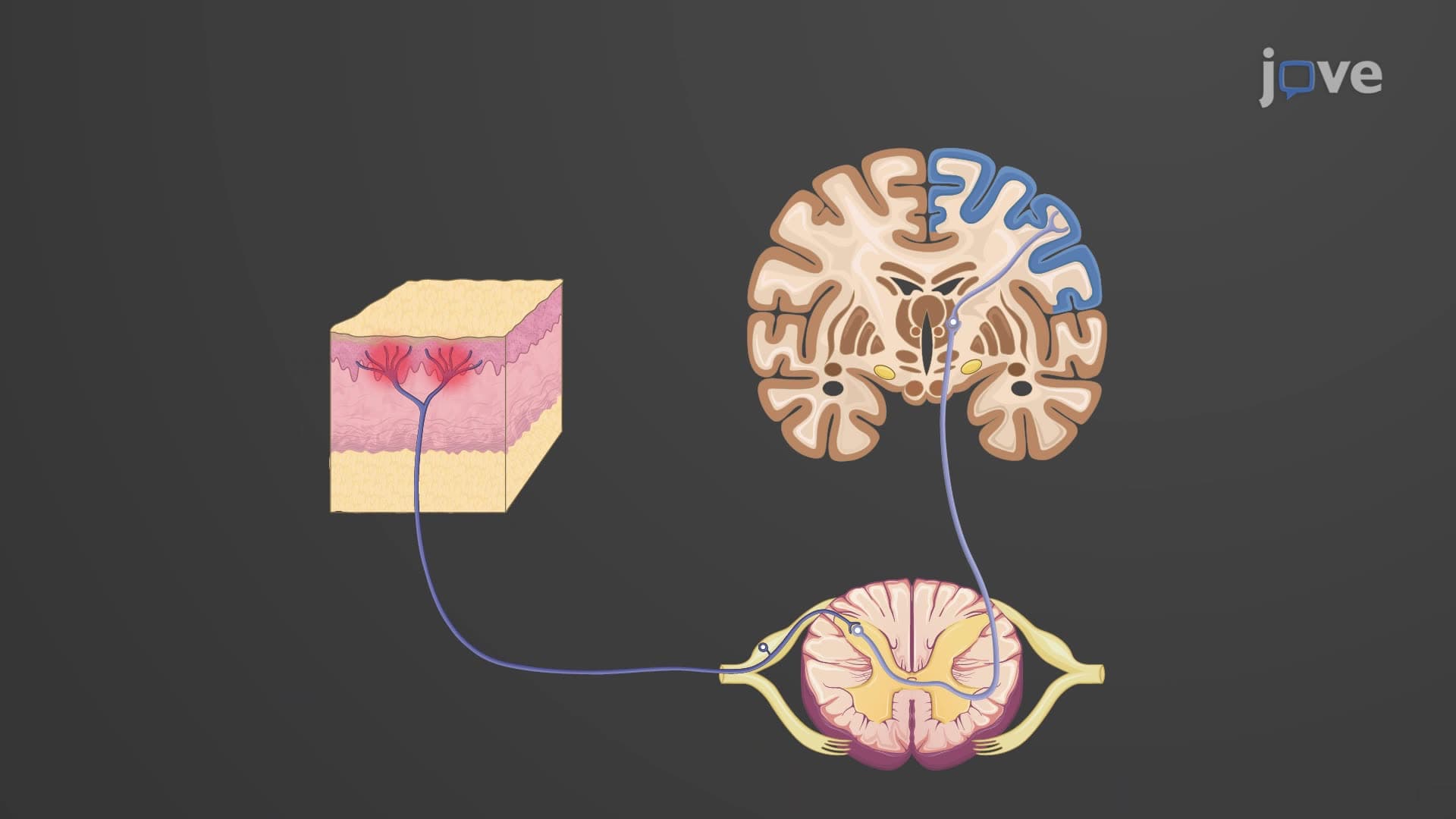
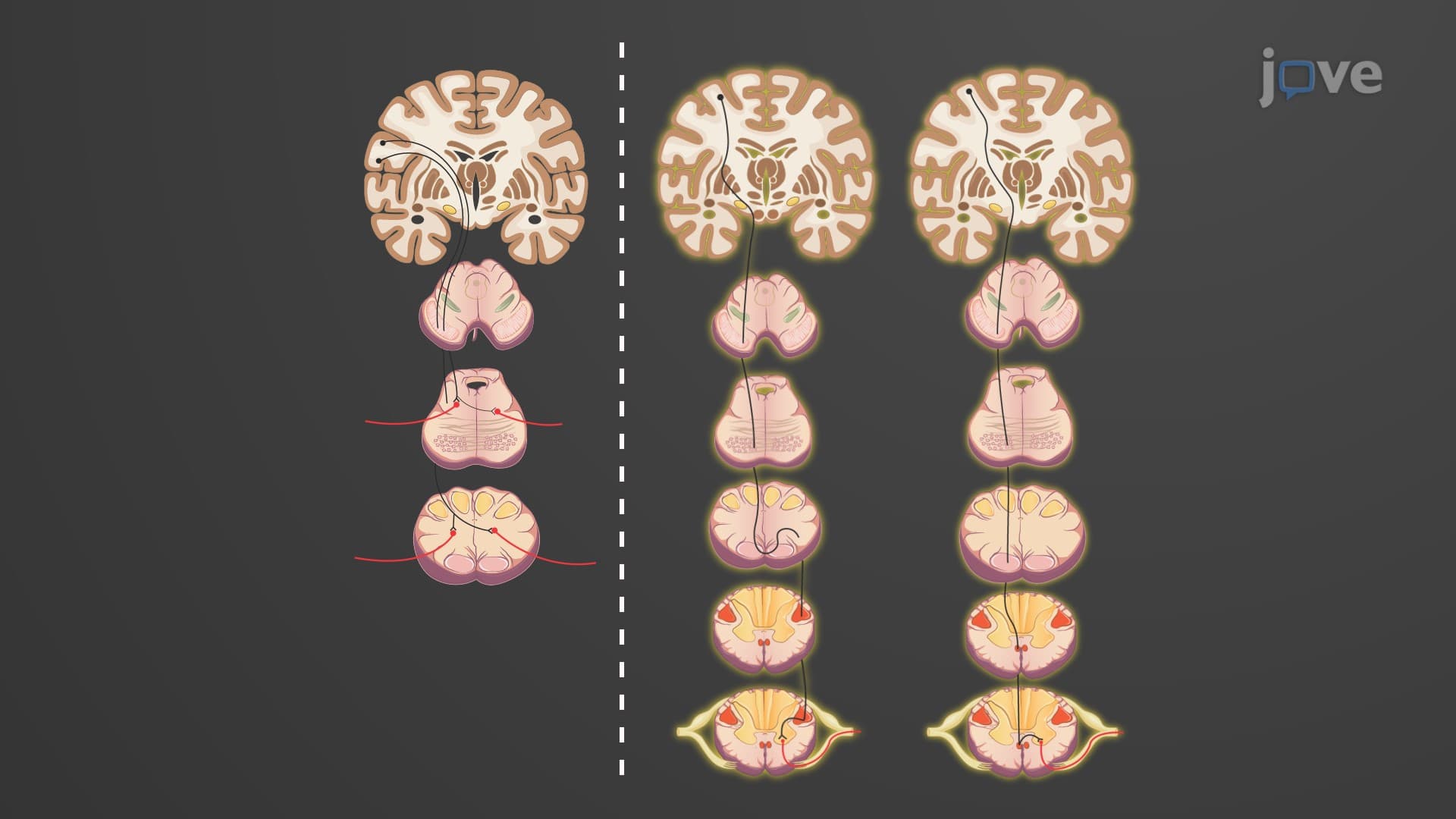
Every sensory pathway anatomy overview follows a fundamental three-neuron organization that students encounter in AP Biology and college neuroscience courses. First-order neurons have their cell bodies in dorsal root ganglia or cranial nerve ganglia, extending dendrites to sensory receptors and axons into the spinal cord or brainstem. Second-order neurons, located in the spinal cord gray matter or brainstem nuclei, receive synaptic input from first-order neurons and project to the thalamus (for conscious pathways) or cerebellum (for unconscious pathways). Third-order neurons, housed in thalamic nuclei, complete the relay to the primary somatosensory cortex, enabling conscious perception.
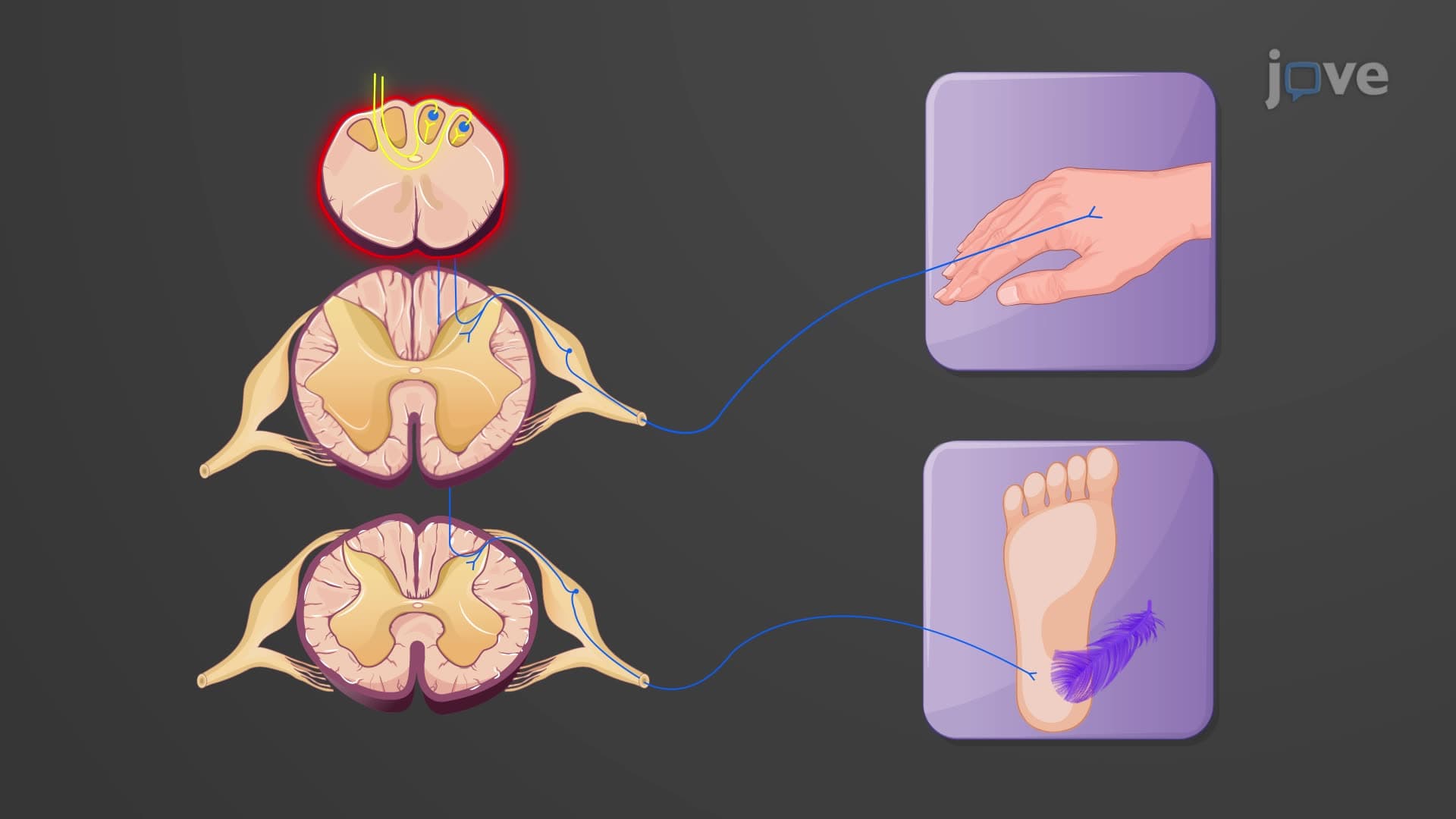
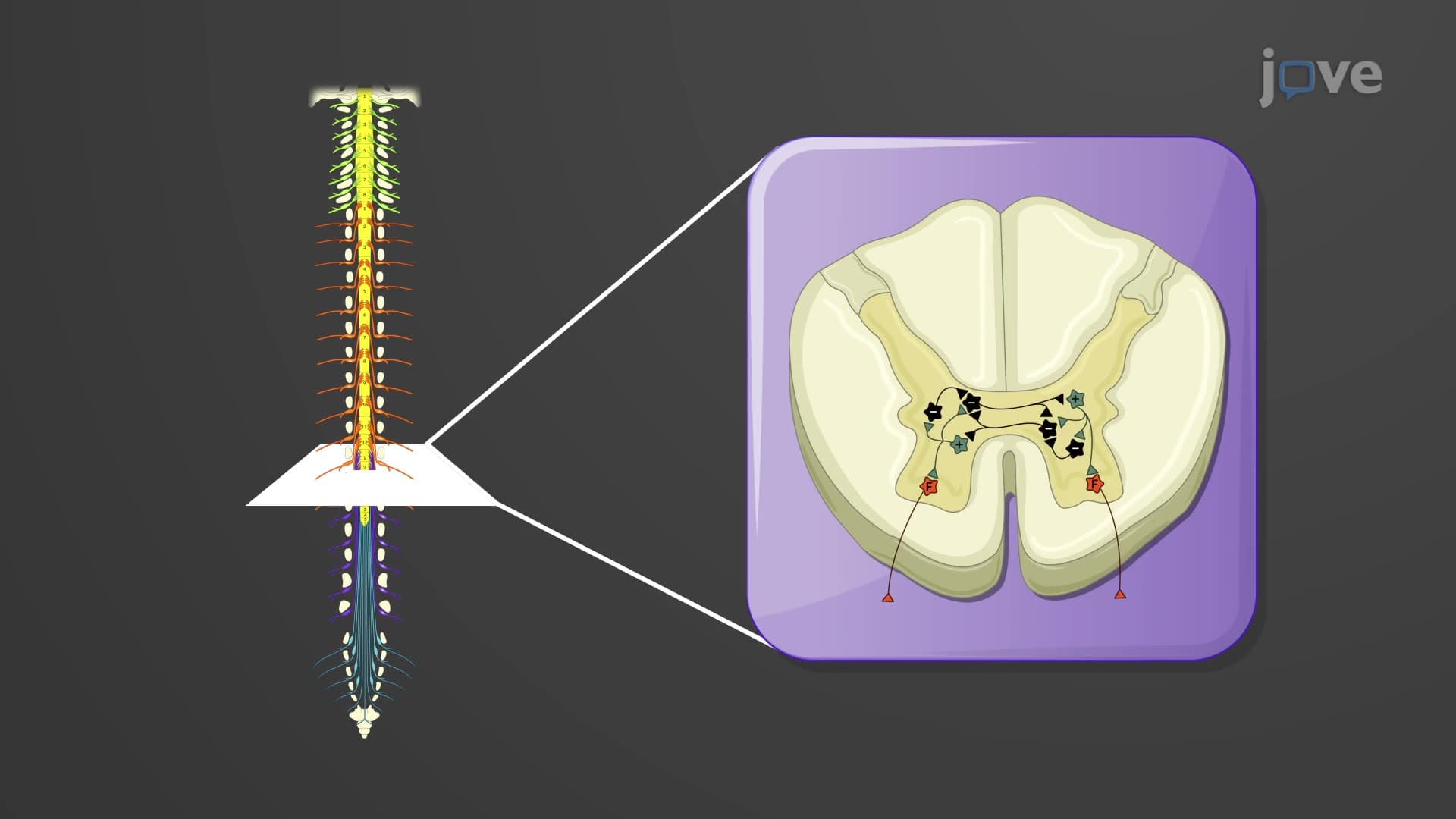
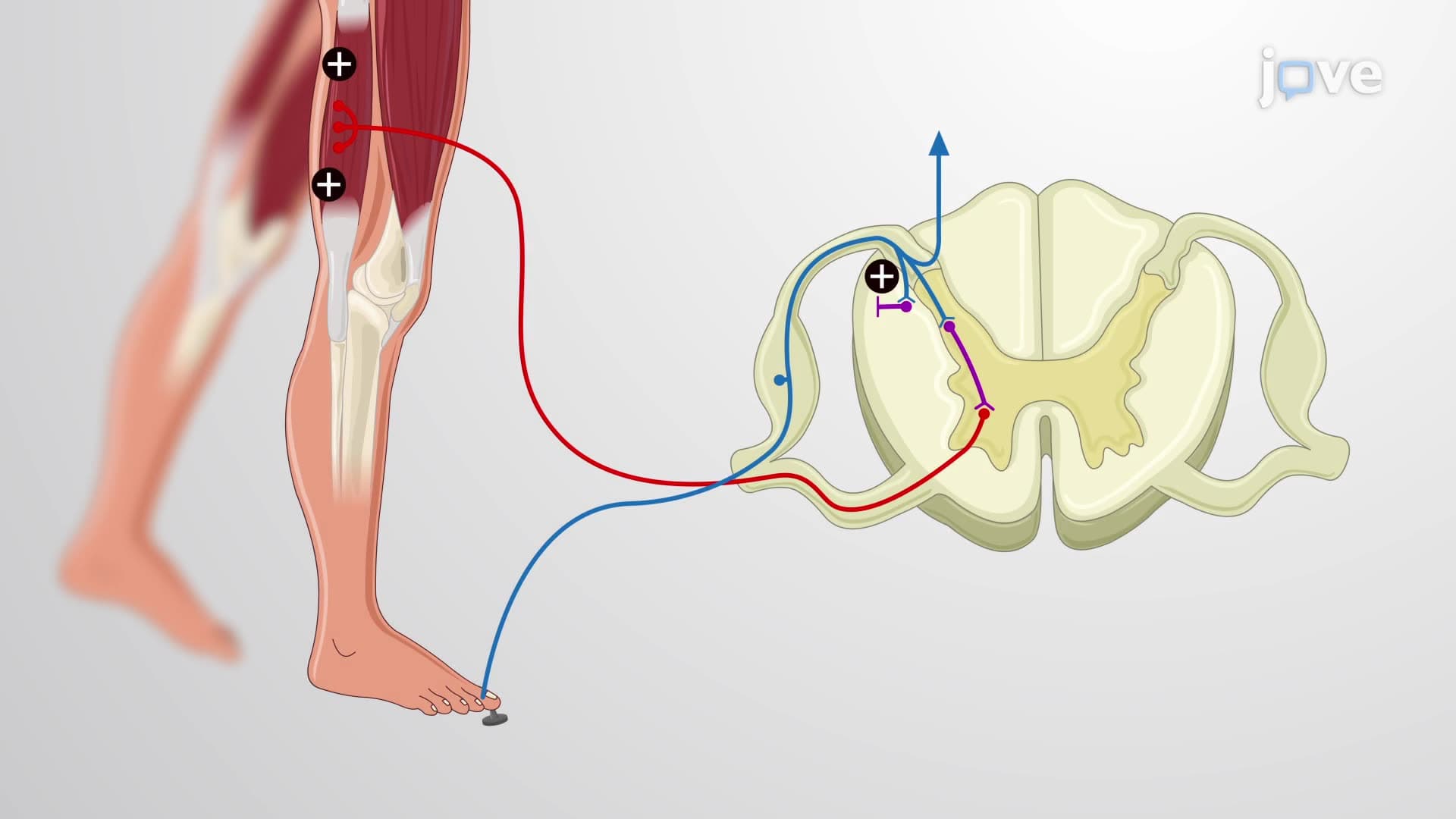
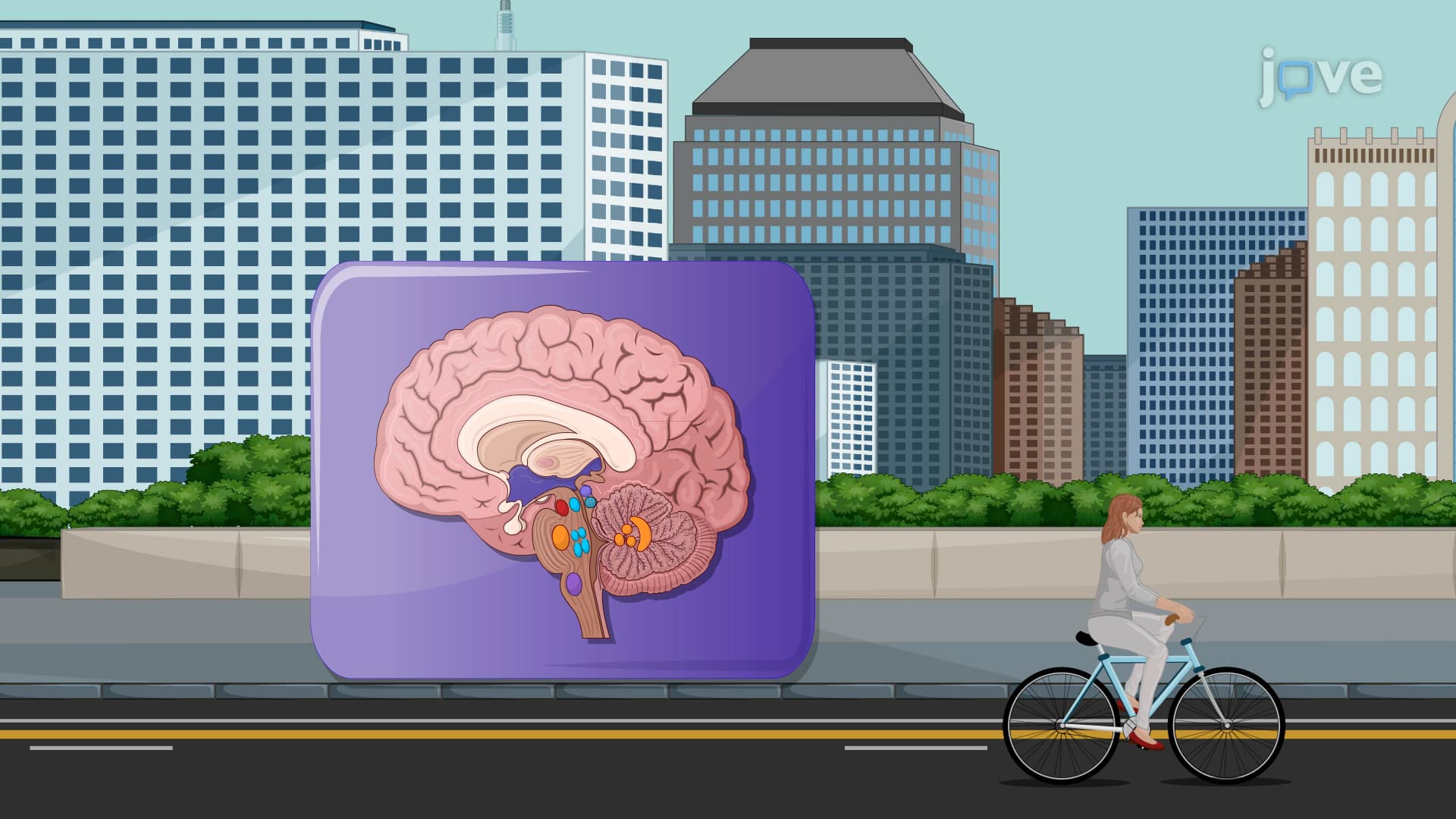
When examining what is an overview of somatic sensory pathways, three distinct systems emerge with specialized functions. The posterior column-medial lemniscus pathway handles discriminative touch, allowing you to identify objects in your pocket or feel a coin's texture. This pathway remains ipsilateral (same side) until it reaches the brainstem, where it decussates in the medulla. The spinothalamic pathway processes protective sensations like pain and temperature, crucial for survival. These axons cross immediately at their spinal level, explaining why stroke patients experience sensory loss on the opposite side of their brain lesion. The spinocerebellar pathway, unique among the three, bypasses conscious awareness entirely, providing the cerebellum with proprioceptive information essential for coordinated movement.
Understanding these pathways proves essential for MCAT success, particularly in passages describing spinal cord injuries or neurological disorders. Medical students frequently encounter questions about Brown-Séquard syndrome, where hemisection of the spinal cord produces ipsilateral loss of fine touch and proprioception (posterior column damage) with contralateral loss of pain and temperature sensation (spinothalamic damage). This pattern reflects the different decussation points of these pathways, making pathway anatomy a high-yield topic for USMLE Step 1 preparation.
Related Micro-courses