Loading subject page…

- Anatomy and Physiology
- The Axial Skeleton
- Overview of the Axial Skeleton
Micro-course: The Axial Skeleton
57,801 views
Learn key concepts and earn your certificate.



Overview of the Axial Skeleton

00:00
01:09
Video Summary: What Is Overview Axial Skeleton
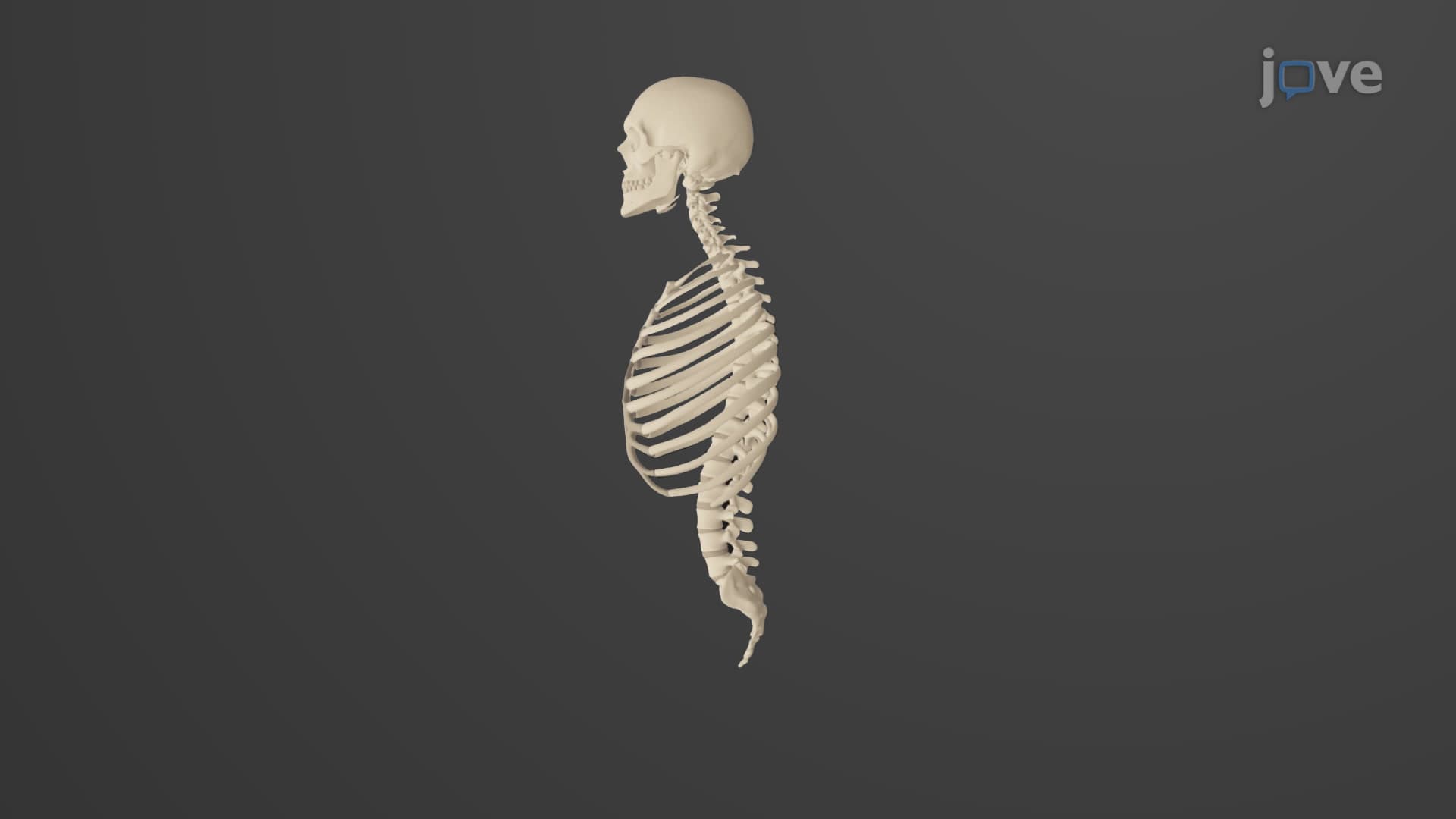
Ever wondered how your body stays upright when a NFL linebacker weighs over 300 pounds yet can sprint and tackle without collapsing? The axial skeleton overview anatomy reveals the incredible engineering of your body's central support system. What is Overview Axial Skeleton encompasses the skull, vertebral column, and thoracic cage-80 bones that form your body's protective core along the central axis. Watch the full video on JoVE Coach to master this concept with expert-led visuals and step-by-step explanations.
- Understand What is Overview Axial Skeleton and identify its three major components: skull, vertebral column, and thoracic cage
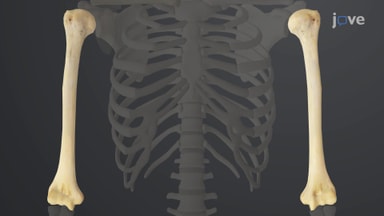
- Recognize the 80 bones that comprise the axial skeleton structure explained through anatomical organization
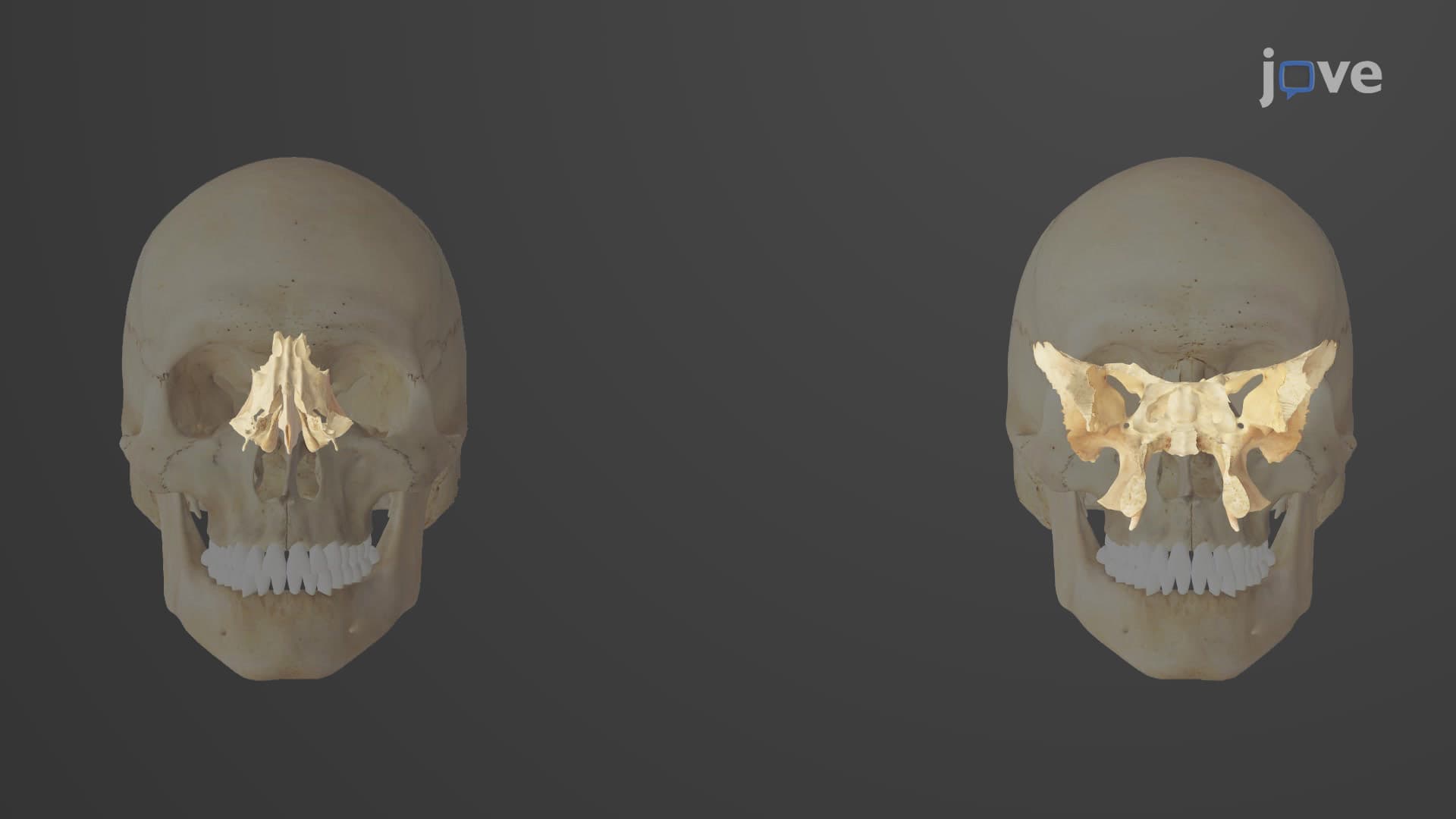
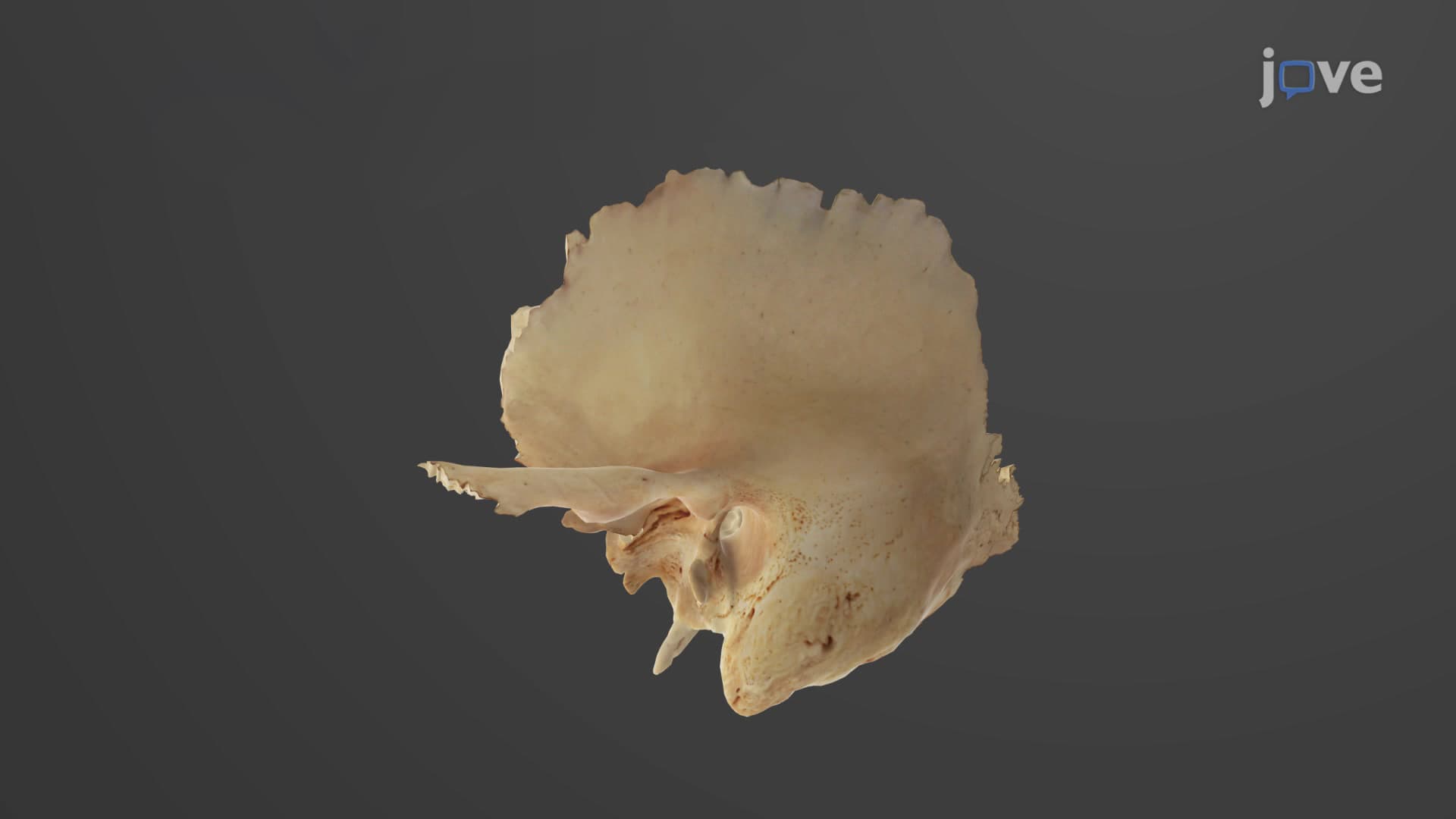
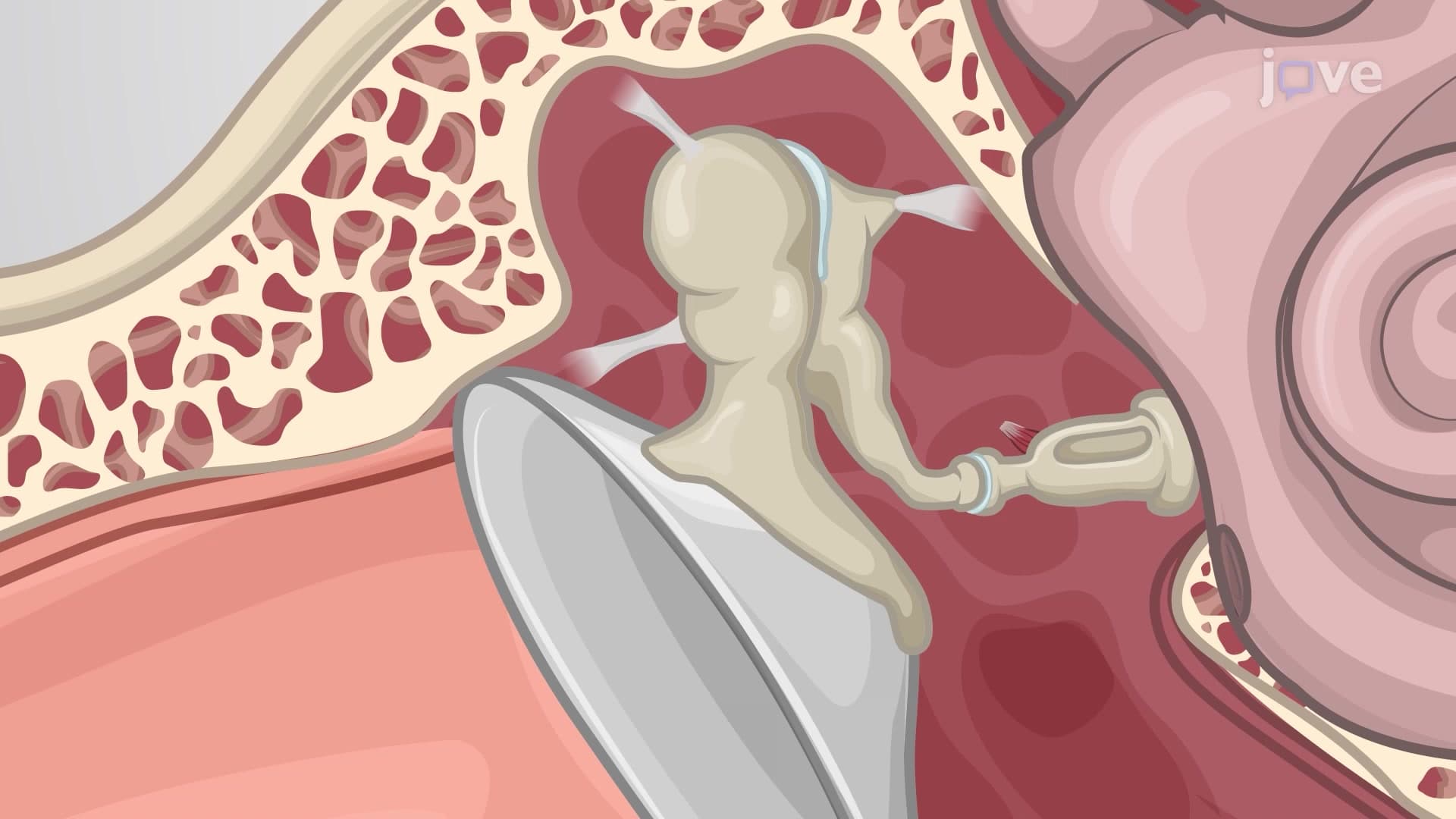
- Analyze how the skull's 22 bones (8 cranial, 14 facial) plus auditory ossicles protect vital brain and sensory functions
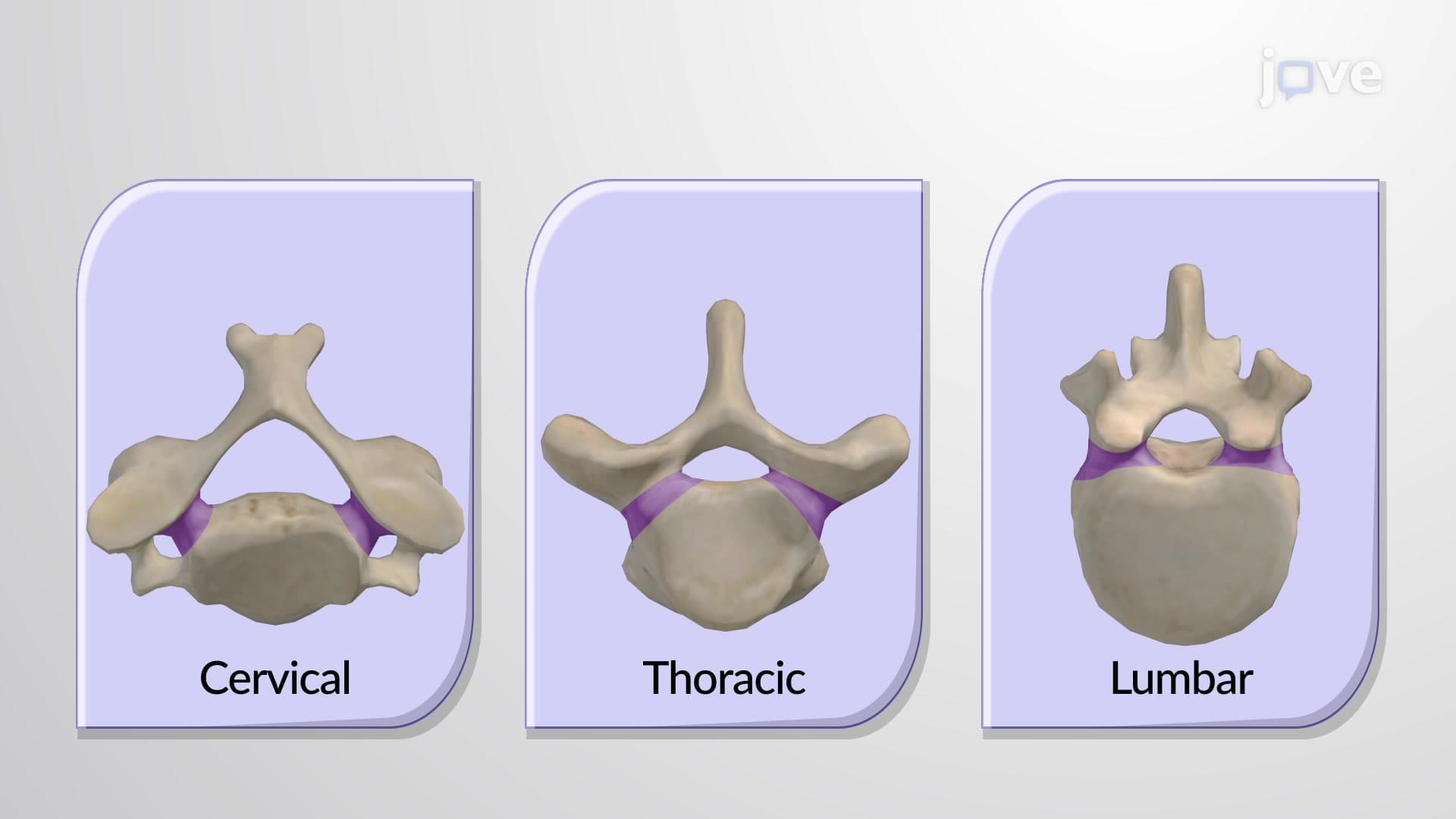
- Compare the five vertebral regions and their specialized functions in spinal cord protection and body movement
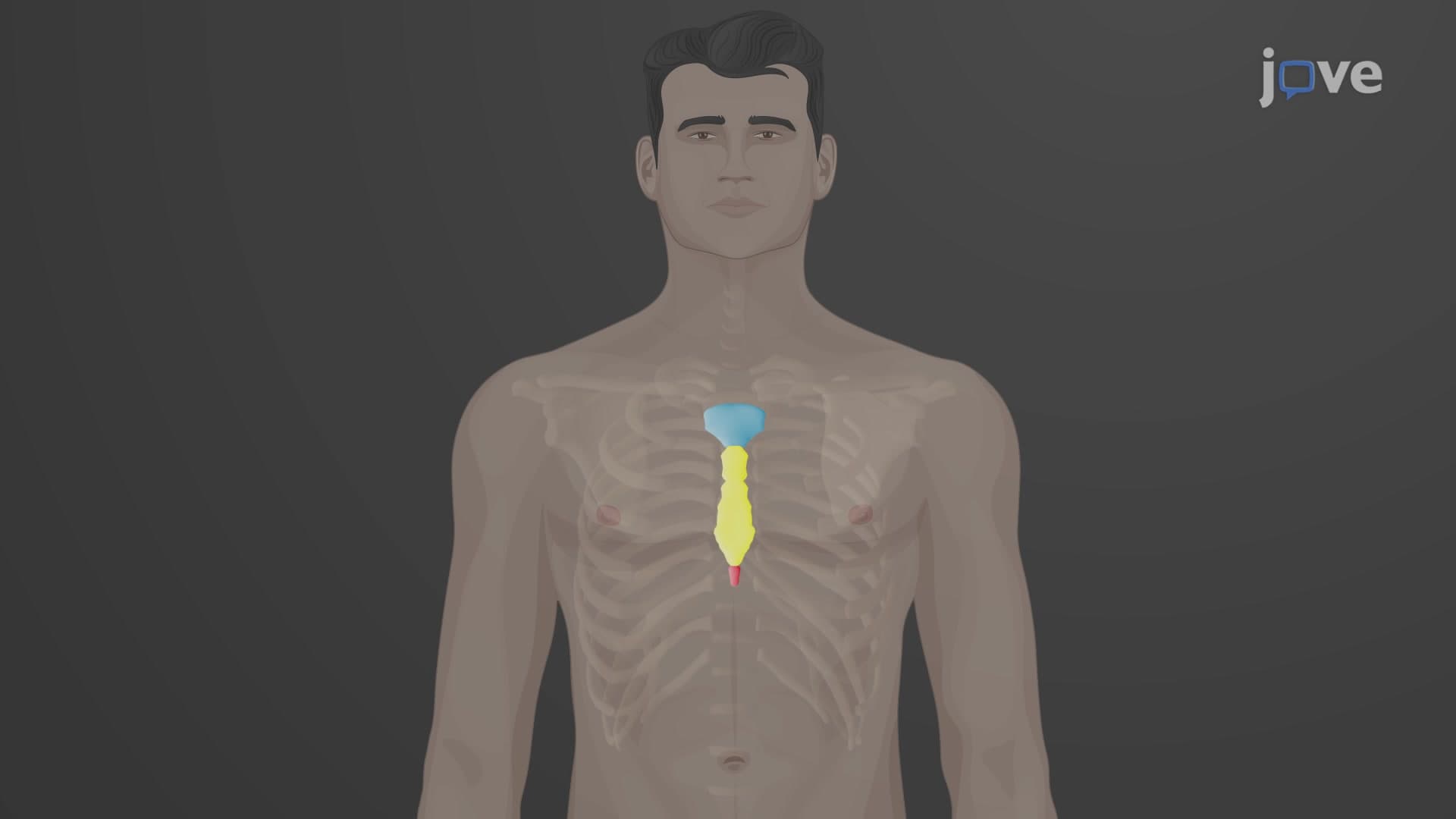
- Identify the thoracic cage components including 12 rib pairs, costal cartilage, and sternum in respiratory protection
- Evaluate the relationship between axial skeleton anatomy and maintaining upright posture against gravity
- Apply knowledge of intervertebral disc placement and function in spinal flexibility and shock absorption
- Explore connections between axial skeleton disorders and common medical conditions affecting posture and mobility
What is Overview Axial Skeleton: Your Body's Central Framework
The axial skeleton overview anatomy represents one of anatomy's most elegant engineering solutions-how to protect vital organs while maintaining structural integrity and mobility. This body axis skeleton forms the central core around which all other skeletal components organize, comprising exactly 80 bones that work in perfect harmony.
Skull: The Ultimate Protective Helmet
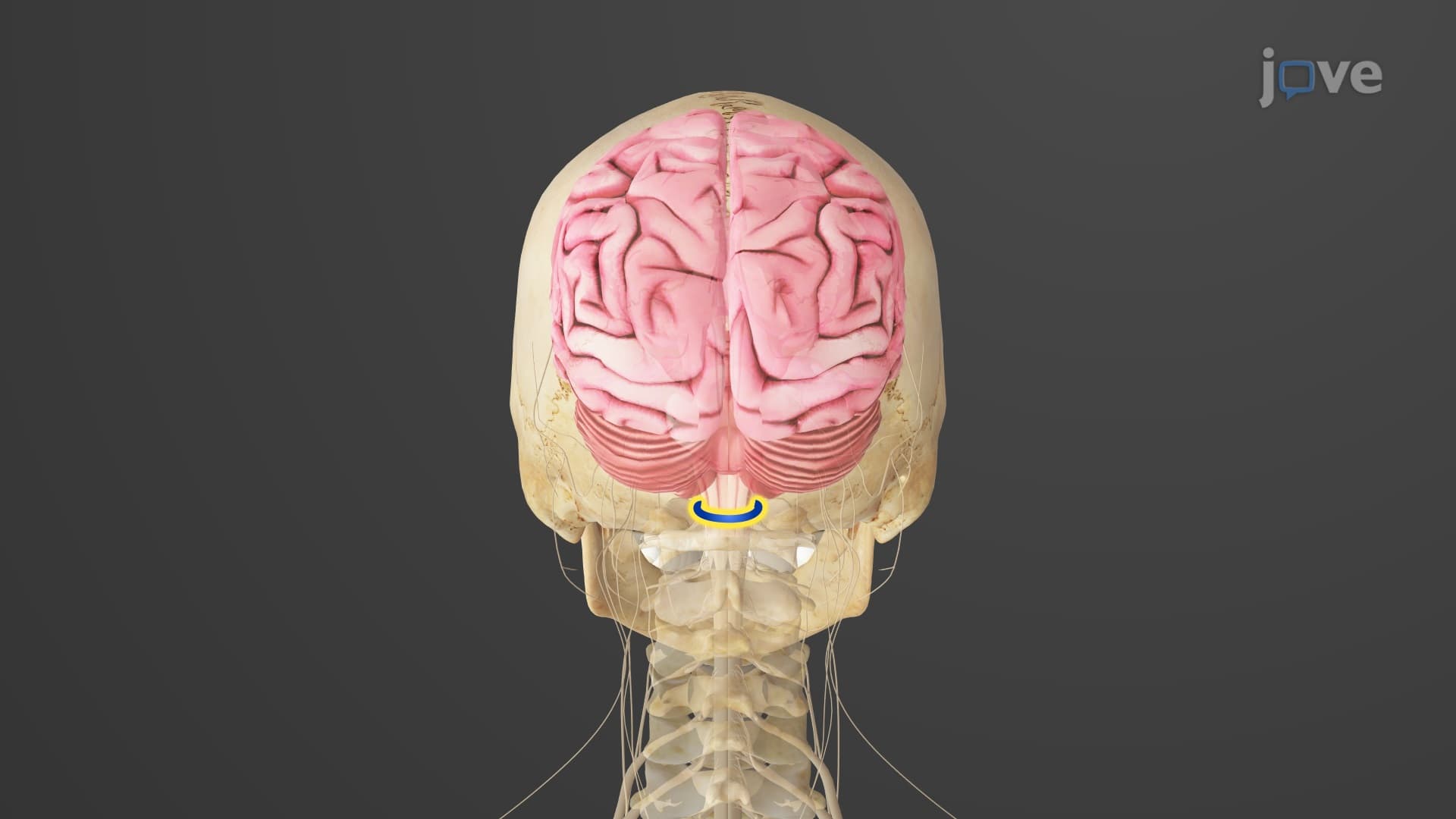
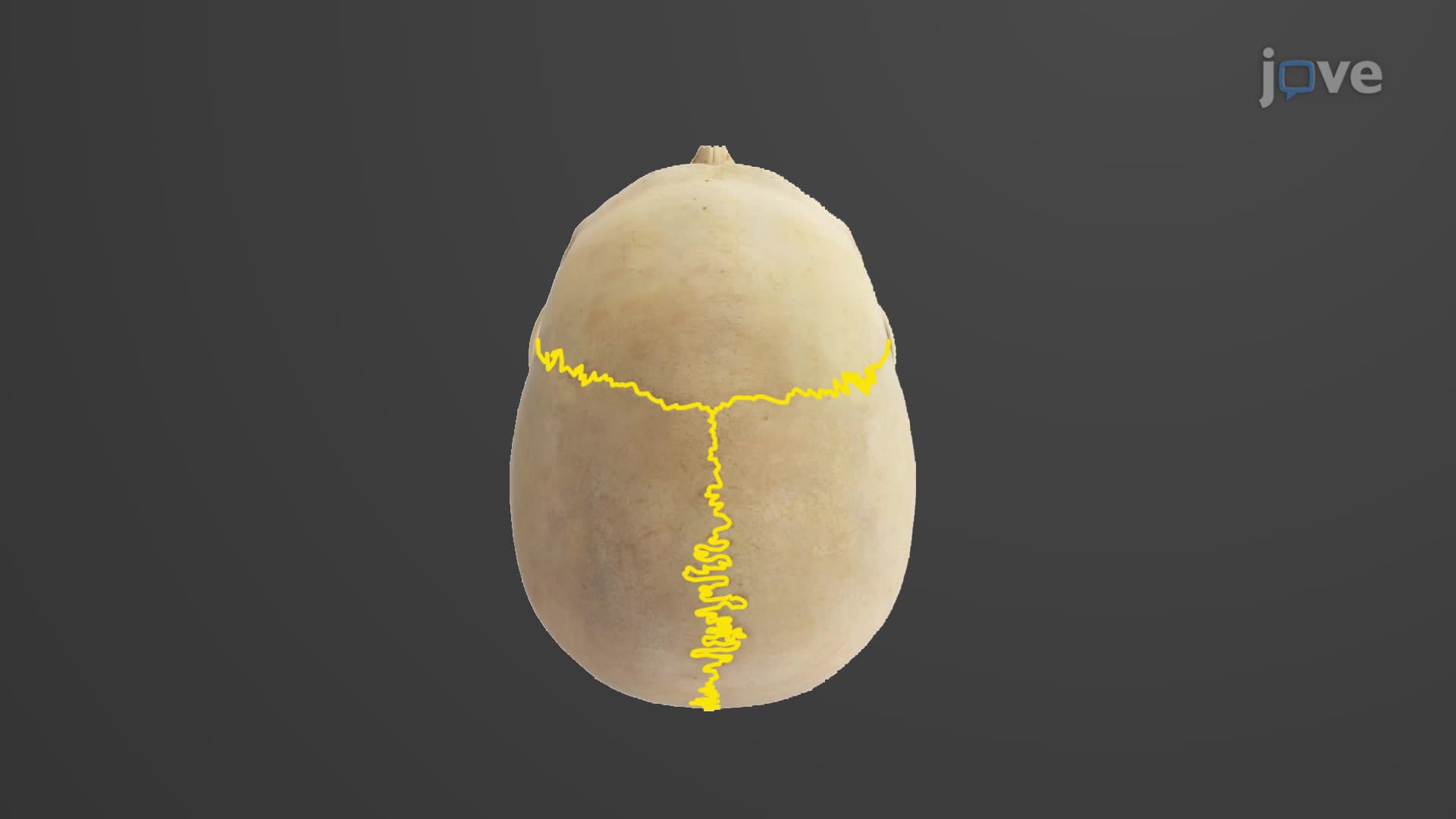
The skull demonstrates sophisticated biological architecture with its 22 primary bones. The eight cranial bones-including the frontal, parietal, temporal, and occipital bones-create an nearly impenetrable vault protecting the 3-pound human brain. Consider that race car drivers rely on carbon fiber helmets, yet your skull provides superior protection using calcium phosphate composite materials.
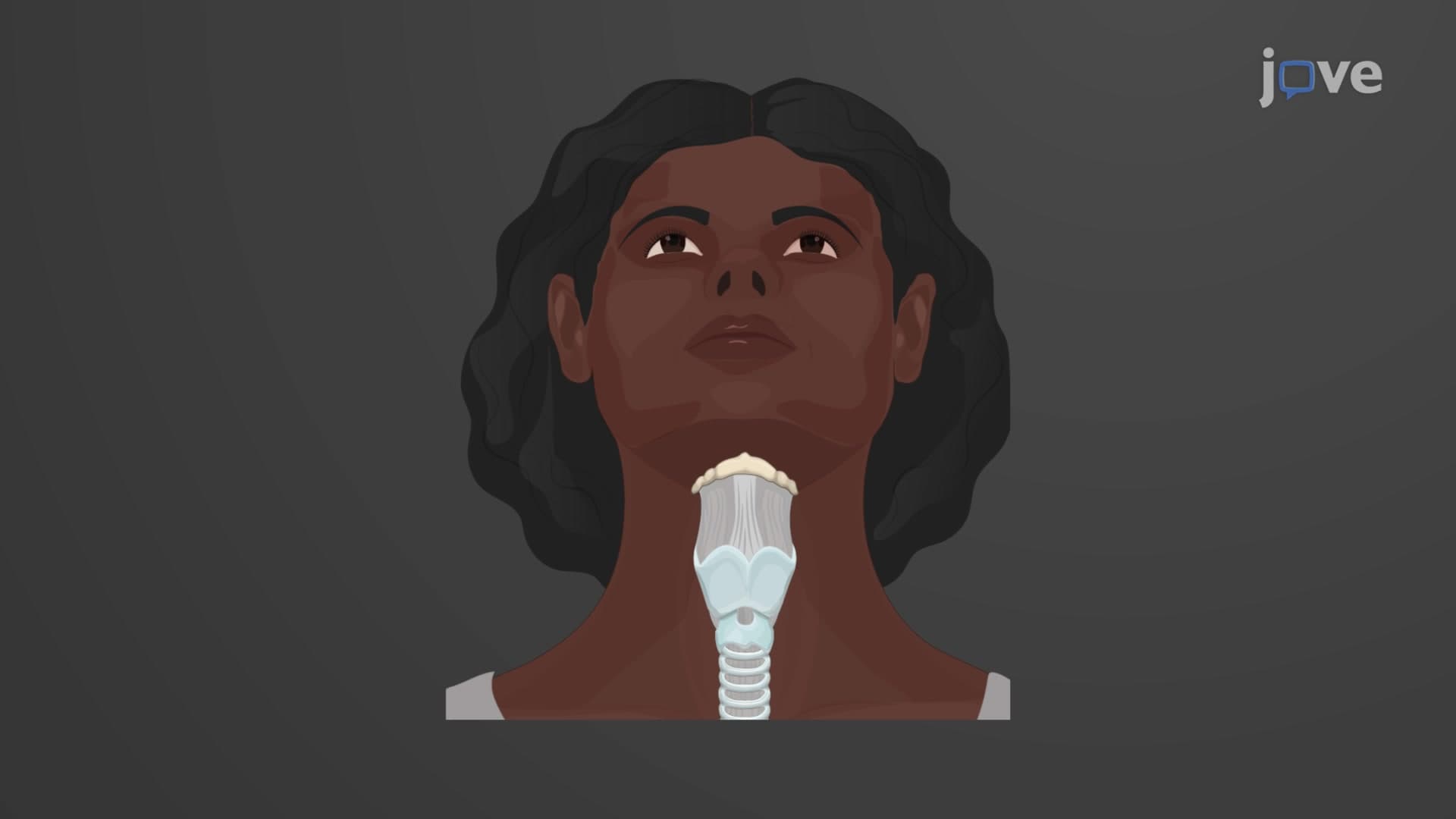
The fourteen facial bones, including the maxilla, mandible, and nasal bones, create the framework supporting your identity-literally your face. The suspended hyoid bone, unique as the only bone not directly connected to another bone, supports the larynx and enables speech production. When medical students study for the MCAT, they must memorize how these skull bones relate to cranial nerve pathways and brain protection.
Vertebral Column: Your Flexible Support Tower
The vertebral column showcases remarkable engineering with 26 vertebrae creating both strength and flexibility. The seven cervical vertebrae support your 10-12 pound head while allowing rotation-imagine a construction crane with similar mobility requirements. Twelve thoracic vertebrae anchor the ribs, while five lumbar vertebrae bear your body's weight during activities like lifting textbooks or playing basketball.
The sacrum and coccyx complete this spinal architecture. Intervertebral discs between vertebrae act like biological shock absorbers, containing a gel-like nucleus pulposus surrounded by tough fibrous rings. Physical therapy students studying for licensing exams learn how disc herniation occurs when this system fails under stress.
Thoracic Cage: Nature's Protective Barrel
The thoracic cage protects your heart and lungs through an ingenious design of twelve rib pairs connected to costal cartilage and the sternum. This structure must expand and contract over 20,000 times daily during breathing while maintaining protection. Emergency medical technicians training for certification learn how rib fractures can puncture lungs, demonstrating this system's critical protective role.
AP Biology students often examine how the axial skeleton's calcium storage function supports muscle contraction and blood clotting-functions extending far beyond structural support.
Frequently Asked Questions
The axial skeleton overview anatomy includes the 80 bones forming your body's central axis-skull, vertebral column, and thoracic cage. Unlike the appendicular skeleton (arms and legs), the axial skeleton provides core support, vital organ protection, and maintains upright posture. This distinction is crucial for understanding human biomechanics and appears frequently on MCAT and AP Biology exams.
The axial skeleton contains exactly 80 bones: 22 skull bones, 6 auditory ossicles, 1 hyoid bone, 26 vertebrae, 24 ribs, and 1 sternum. Medical and nursing students must memorize this count for USMLE, NCLEX, and HESI A2 exams. Understanding this organization helps identify fracture locations and plan surgical approaches in clinical settings.
MCAT questions often focus on axial skeleton functions in organ protection, posture maintenance, and calcium homeostasis. Expect passages linking vertebral column injuries to spinal cord damage or questions about rib cage mechanics during ventilation. The exam frequently tests understanding of how axial skeleton disorders affect breathing, posture, and neurological function.
Scoliosis affects vertebral column alignment in 3% of US teenagers, while osteoporosis weakens axial skeleton bones, causing compression fractures in elderly patients. Healthcare workers at institutions like Mayo Clinic and Johns Hopkins treat skull fractures, vertebral compression injuries, and rib fractures daily. These conditions demonstrate why understanding axial skeleton anatomy is essential for healthcare careers.
Axial skeleton concepts build logically from basic bone identification to functional understanding. High school students successfully master this topic in AP Biology and anatomy courses nationwide. The key is connecting structure to function-understanding why your skull is round (protection) and why your spine has curves (shock absorption and balance).
Focus on understanding functional relationships rather than just memorizing bone names. Create concept maps connecting axial skeleton components to their protective functions, practice identifying bones on anatomical models, and review clinical correlations. Many students find success using mnemonics for vertebral counts (7-12-5-1-1) and skull bone locations.
Investigate bone remodeling processes, calcium homeostasis regulation, and biomechanical principles governing spinal alignment. Advanced students often study vertebral column development, cranial suture fusion patterns, and thoracic cage mechanics during respiratory cycles. These topics prepare you for upper-level physiology courses and healthcare professional programs.
Related Micro-courses