Loading subject page…


215,804 views

Video Summary: Acids Bases and Neutralization Reactions Explained
Ever wonder why Tums neutralizes stomach acid so effectively? Acids bases neutralization reactions form the foundation of countless biological processes and everyday chemistry, from digestion in your stomach to water treatment plants across the United States. These fundamental chemical interactions explain how hydrochloric acid in gastric juice maintains optimal pH for protein breakdown, while antacids like magnesium hydroxide counteract excess acidity. Watch the full video on JoVE Coach to master this concept with expert-led visuals and step-by-step explanations.
The chemistry of acids bases and neutralization reactions governs everything from the pH balance in your bloodstream to the effectiveness of cleaning products. This fundamental concept appears extensively on AP Chemistry exams and college-level general chemistry courses, making it essential for academic success and real-world understanding.
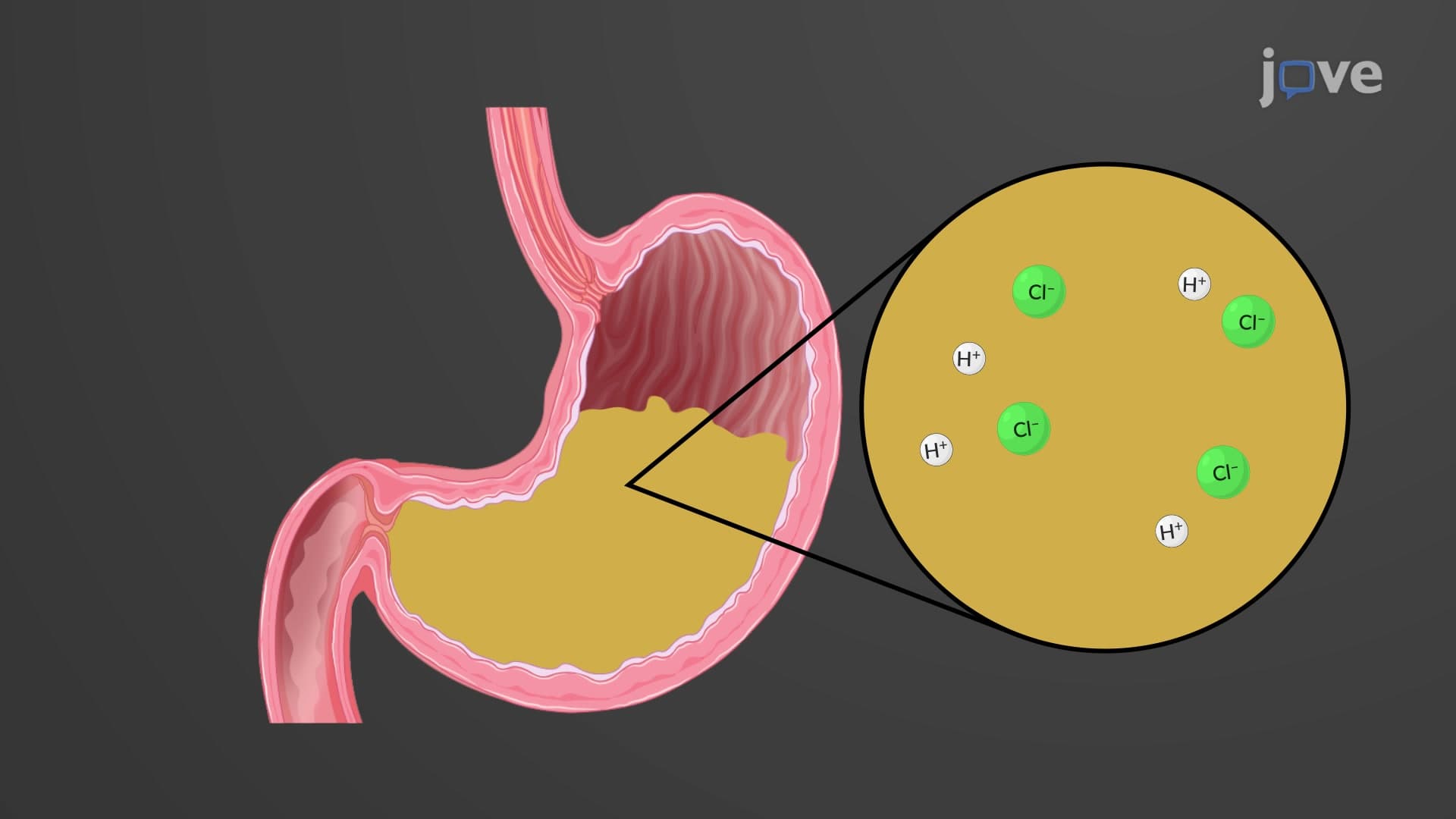
Acids function as proton donors in the Brønsted-Lowry framework, releasing hydrogen ions (H+) when dissolved in water. Consider hydrochloric acid (HCl) in your stomach-this strong acid completely dissociates, producing the acidic environment necessary for pepsin activation and protein digestion. The concentration of hydrogen ions directly correlates with pH values below 7, with stomach acid typically maintaining a pH between 1.5 and 2.0.
Strong acids like HCl, sulfuric acid (H2SO4), and nitric acid (HNO3) completely ionize in solution, while weak acids such as acetic acid (CH3COOH) in vinegar only partially dissociate. This distinction proves crucial for AP Chemistry calculations involving Ka values and buffer systems.
Bases increase hydroxide ion (OH-) concentration through two primary mechanisms. Traditional bases like sodium hydroxide (NaOH) directly release hydroxide ions, while Brønsted-Lowry bases such as ammonia (NH3) accept protons from water molecules, indirectly generating OH- ions. This process explains how household ammonia cleaning solutions achieve their high pH values around 11-12.
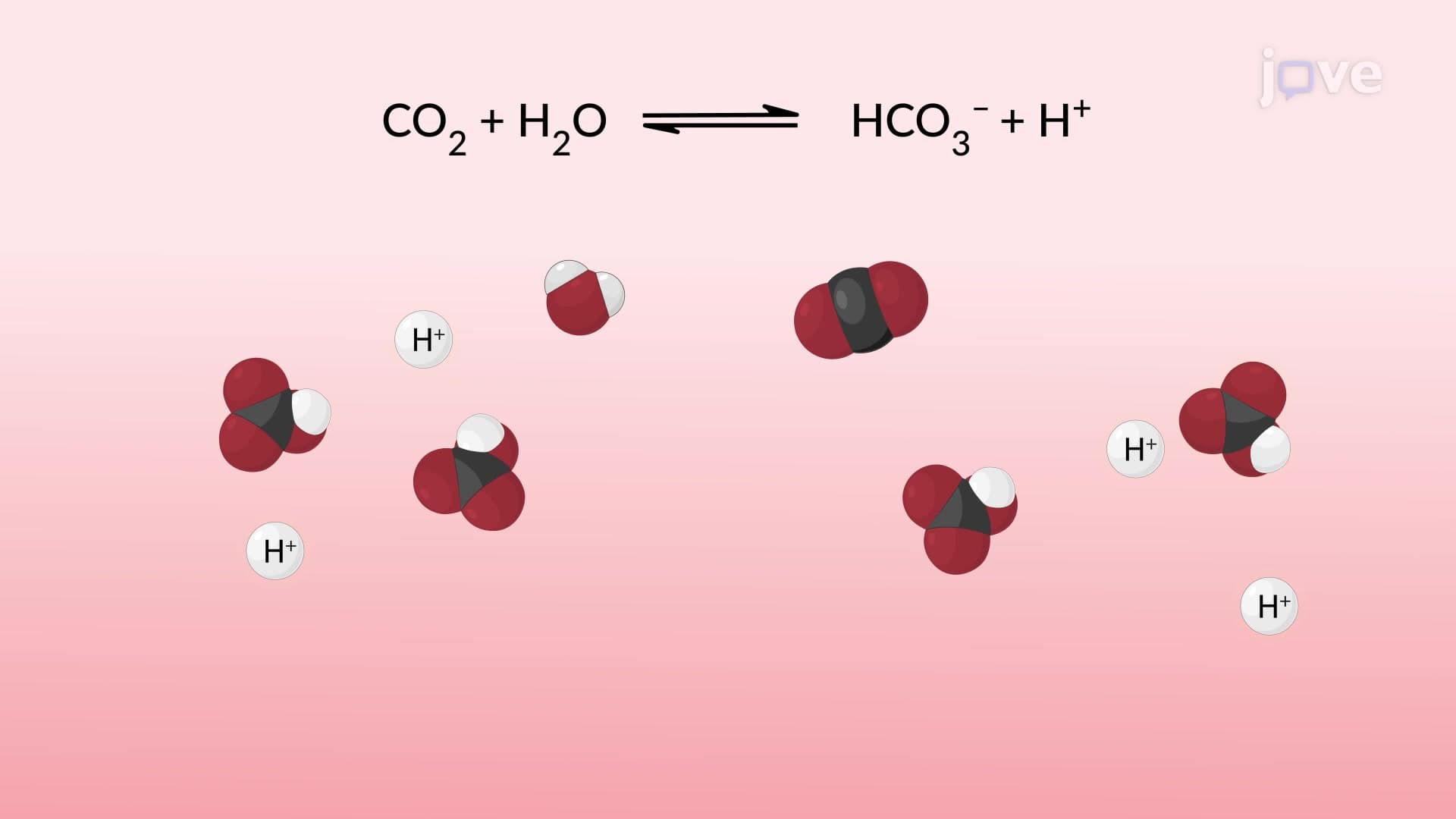
Biological systems rely heavily on base chemistry for pH homeostasis. Bicarbonate ions (HCO3-) in your bloodstream act as a crucial buffer system, maintaining blood pH within the narrow range of 7.35-7.45 essential for cellular function.
Neutralization chemistry explained through the fundamental equation: Acid + Base → Salt + Water. This process drives countless applications, from Pepto-Bismol neutralizing excess stomach acid to lime (calcium hydroxide) treating acidic soil in agricultural settings across the Midwest.
The stoichiometry of neutralization reactions follows predictable patterns essential for MCAT preparation and college chemistry exams. When magnesium hydroxide [Mg(OH)2] reacts with hydrochloric acid, the balanced equation produces magnesium chloride salt and water: Mg(OH)2 + 2HCl → MgCl2 + 2H2O.
Related Micro-courses