Loading subject page…


215,804 views

Video Summary: Atomic Number and Mass Number Explained
Ever wondered why carbon dating can determine a fossil's age while regular carbon cannot? The atomic number mass number concept holds the key to understanding atomic identity and isotopic variations. For instance, uranium-235 used in nuclear power plants differs from uranium-238 found in nature by just three neutrons, yet this small difference dramatically affects their nuclear properties. Atomic Number And Mass Number Explained reveals how protons define element identity while neutrons create isotopic diversity. Watch the full video on JoVE Coach to master this concept with expert-led visuals and step-by-step explanations.
The atomic structure forms the cornerstone of modern chemistry, with two fundamental numbers defining every atom's characteristics. The atomic number mass number relationship provides the essential framework for understanding elemental identity and isotopic variation across the periodic table.
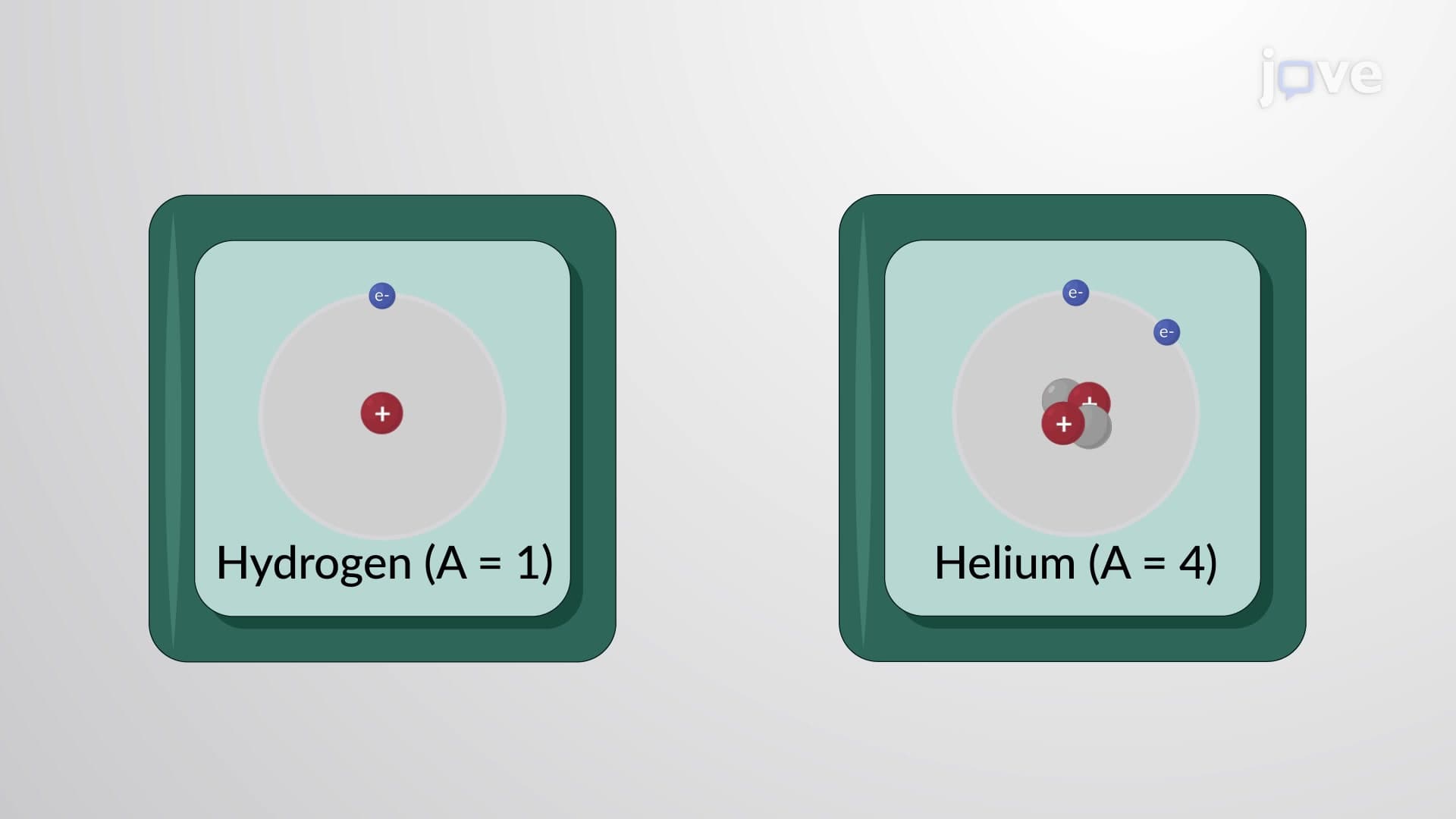
The atomic number (Z) represents the number of protons in an atom's nucleus and serves as each element's unique identifier. This proton number atomic characteristic never changes for a given element-carbon always has 6 protons, oxygen always has 8, and gold always has 79. The periodic table arranges all 118 known elements by increasing atomic number, creating the logical sequence from hydrogen (Z=1) to oganesson (Z=118).
In AP Chemistry courses, students learn that the atomic number element identity relationship is absolute. When solving problems on the SAT Subject Test in Chemistry or college general chemistry exams, remember that changing the proton count fundamentally changes the element itself. This principle appears frequently in MCAT questions testing atomic structure knowledge.
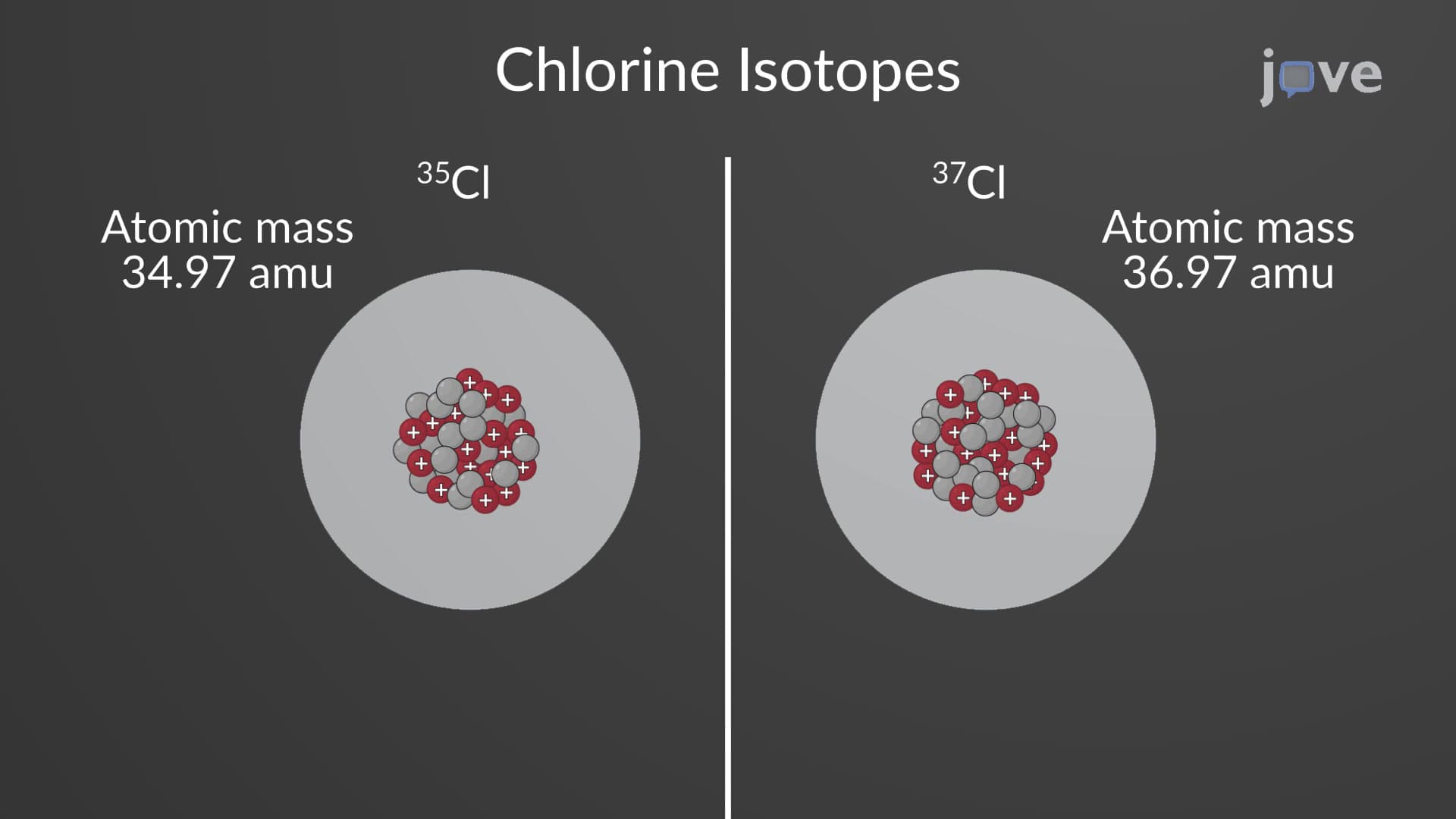
The mass number (A) equals the sum of protons and neutrons in the nucleus, representing the nucleon number mass total. Unlike atomic number, mass number can vary for the same element, creating isotopes with identical chemical properties but different nuclear characteristics. The mass number calculation becomes straightforward: A = protons + neutrons.
Consider carbon isotopes used in scientific applications across the United States. Carbon-12 (6 protons + 6 neutrons) serves as the standard for atomic mass units, while carbon-14 (6 protons + 8 neutrons) enables radiocarbon dating at institutions like the Smithsonian. Both share the same atomic number (6) but differ in mass number.
Scientists use standardized notation to represent isotopic information clearly. The format places mass number as a superscript and atomic number as a subscript before the element symbol: ²³⁵U represents uranium-235 with mass number 235 and atomic number 92. College chemistry courses emphasize this notation system for nuclear chemistry problems and isotopic calculations.
Understanding atomic and mass numbers proves essential in numerous US sectors. Nuclear power plants utilize uranium-235's unique properties for controlled fission reactions. Medical facilities employ technetium-99m for diagnostic imaging, while archaeologists rely on carbon-14 dating to determine artifact ages at sites like Mesa Verde National Park. These applications demonstrate how fundamental atomic concepts directly impact modern American technology and research.
Related Micro-courses