Loading subject page…


215,803 views


Video Summary: Matter Definition
Every breath you take, every sip of water, and even your smartphone screen-what do they all have in common? The matter definition chemistry reveals that all these things share the fundamental characteristic of having mass and taking up space. From the calcium carbonate in seashells found along California beaches to the nitrogen gas filling potato chip bags in US grocery stores, matter surrounds us in three distinct states. Understanding the definition of matter in science helps explain why ice floats, why helium balloons rise, and how our bodies process nutrients. Watch the full video on JoVE Coach to master this concept with expert-led visuals and step-by-step explanations.
What is matter in chemistry and physics forms the foundation of scientific understanding across multiple disciplines. Matter represents anything possessing both mass and volume-two measurable properties that distinguish it from energy forms like light or heat. This fundamental concept appears consistently on AP Chemistry exams and serves as a prerequisite for advanced topics in college-level chemistry courses.
The states of matter definition encompasses three primary phases: solid, liquid, and gas. In the human body, bones exemplify solid matter with their rigid calcium phosphate structure, while blood represents liquid matter flowing through our circulatory system. The oxygen we breathe demonstrates gaseous matter, essential for cellular respiration. These examples frequently appear on MCAT questions testing biological chemistry concepts.
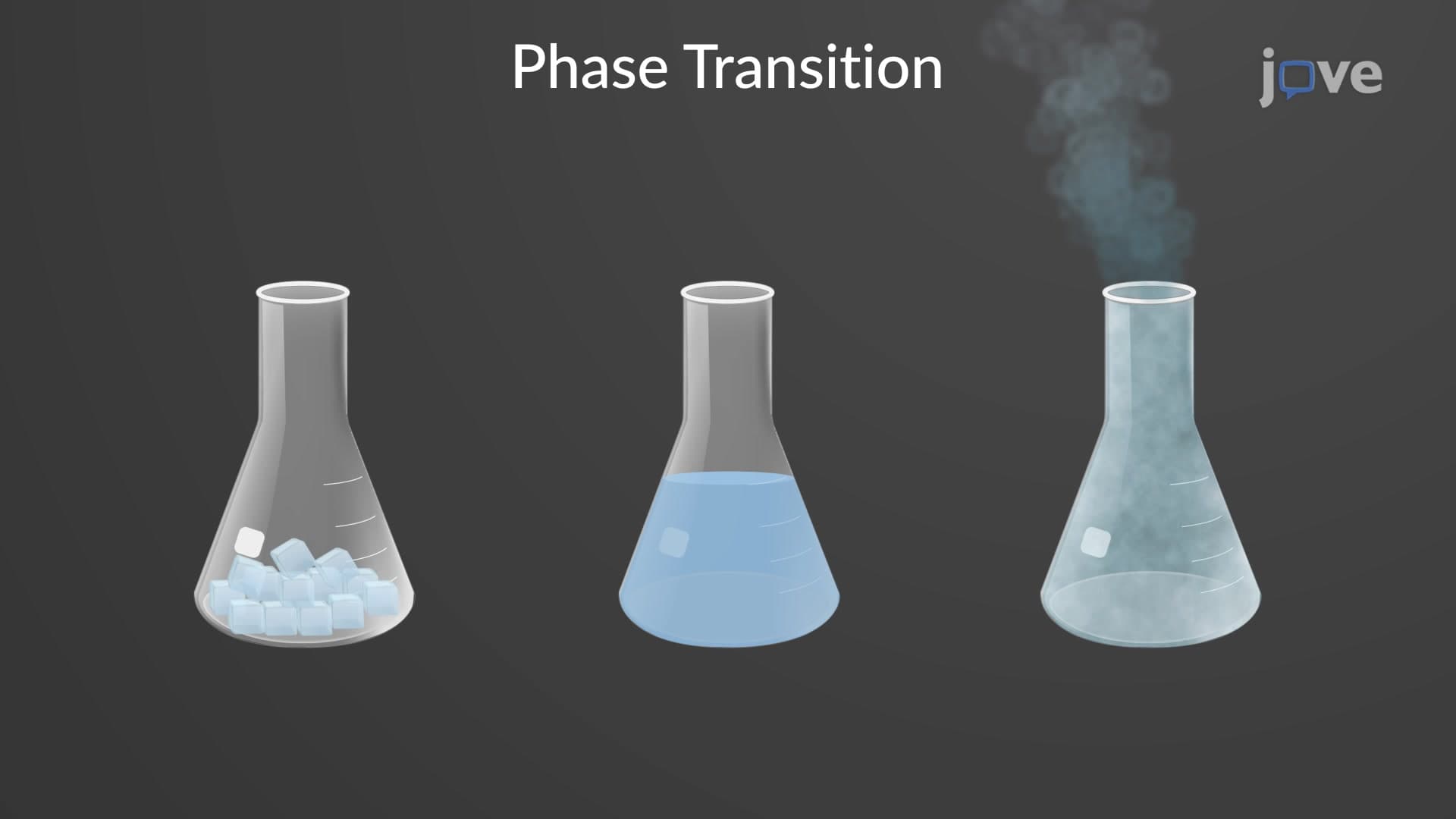
Understanding state transitions proves crucial for practical applications. Ice melting in your freezer, water boiling on a stove, or dry ice sublimating during Halloween displays all demonstrate matter properties chemistry in action. Students preparing for SAT Subject Tests often encounter problems involving these phase changes and their energy requirements.
Physical definition matter properties include characteristics observable without altering the substance's fundamental composition. Mass, density, color, and melting point remain constant for pure substances-concepts tested extensively on college chemistry midterms. For instance, pure water always boils at 100°C at sea level, regardless of the container or heating method.
Chemical properties, however, require compositional changes for observation. Flammability testing destroys the original substance, while pH measurements involve chemical interactions. These distinctions appear regularly on AP Chemistry free-response questions, where students must categorize various properties correctly.
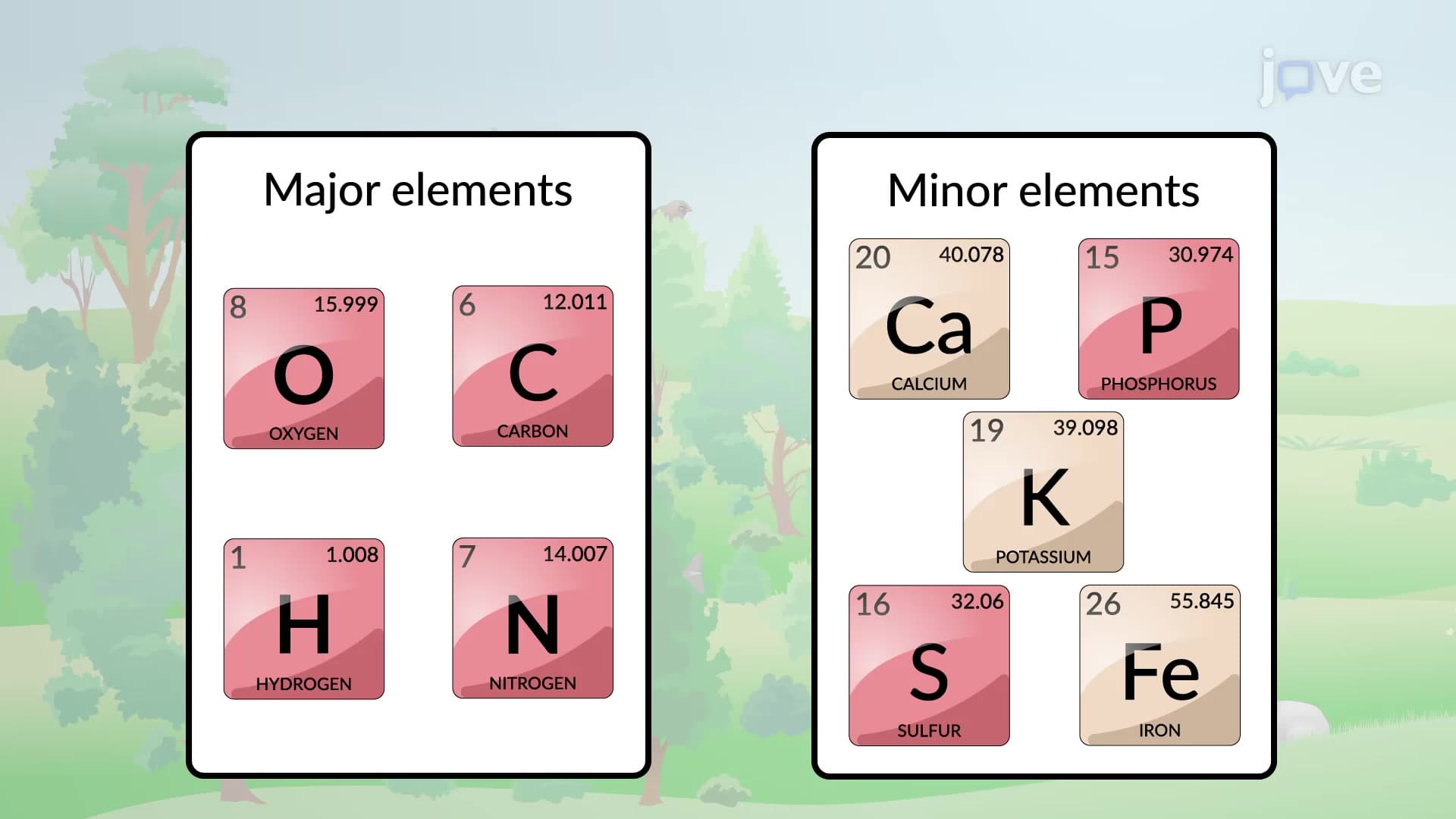
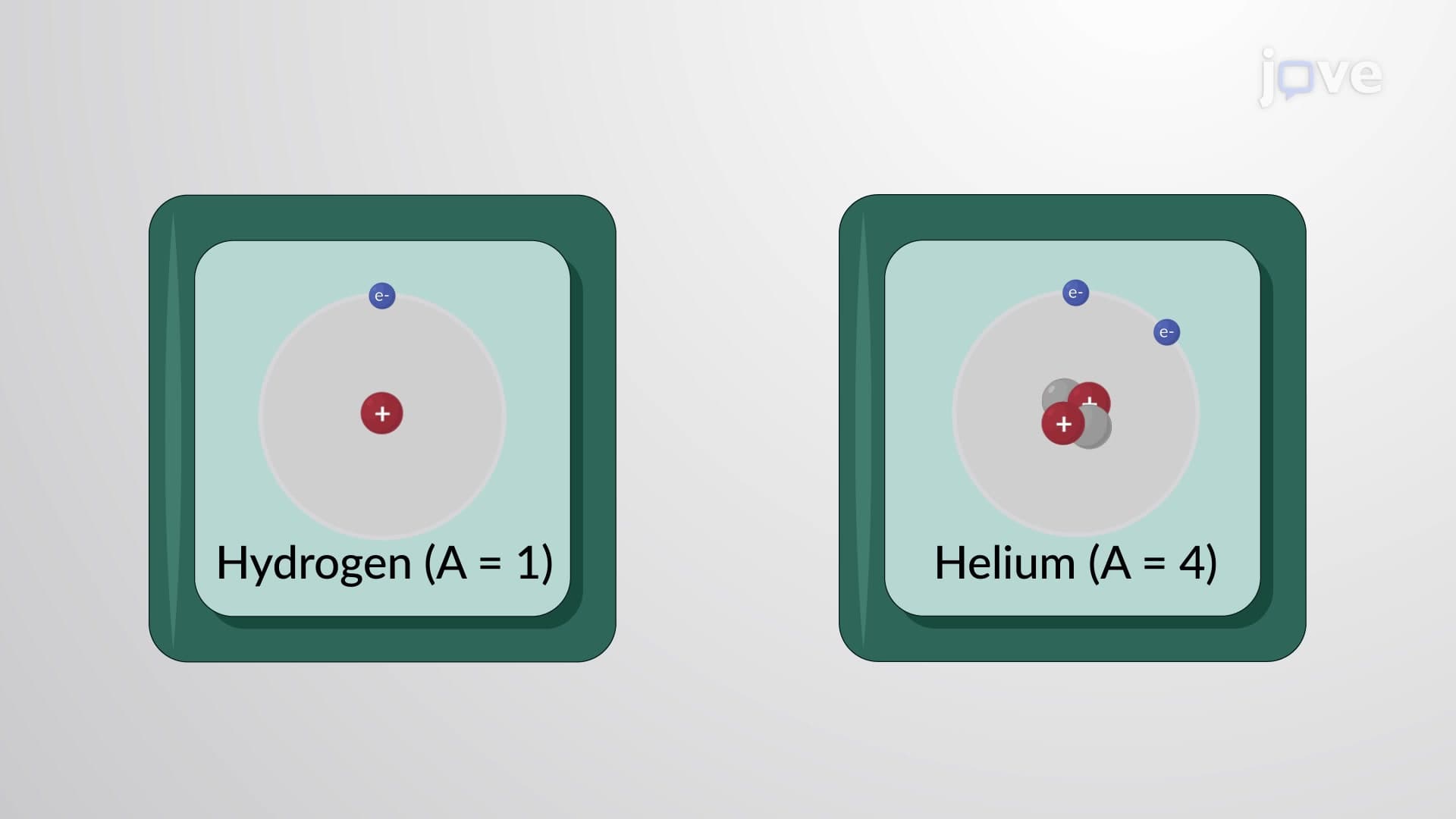
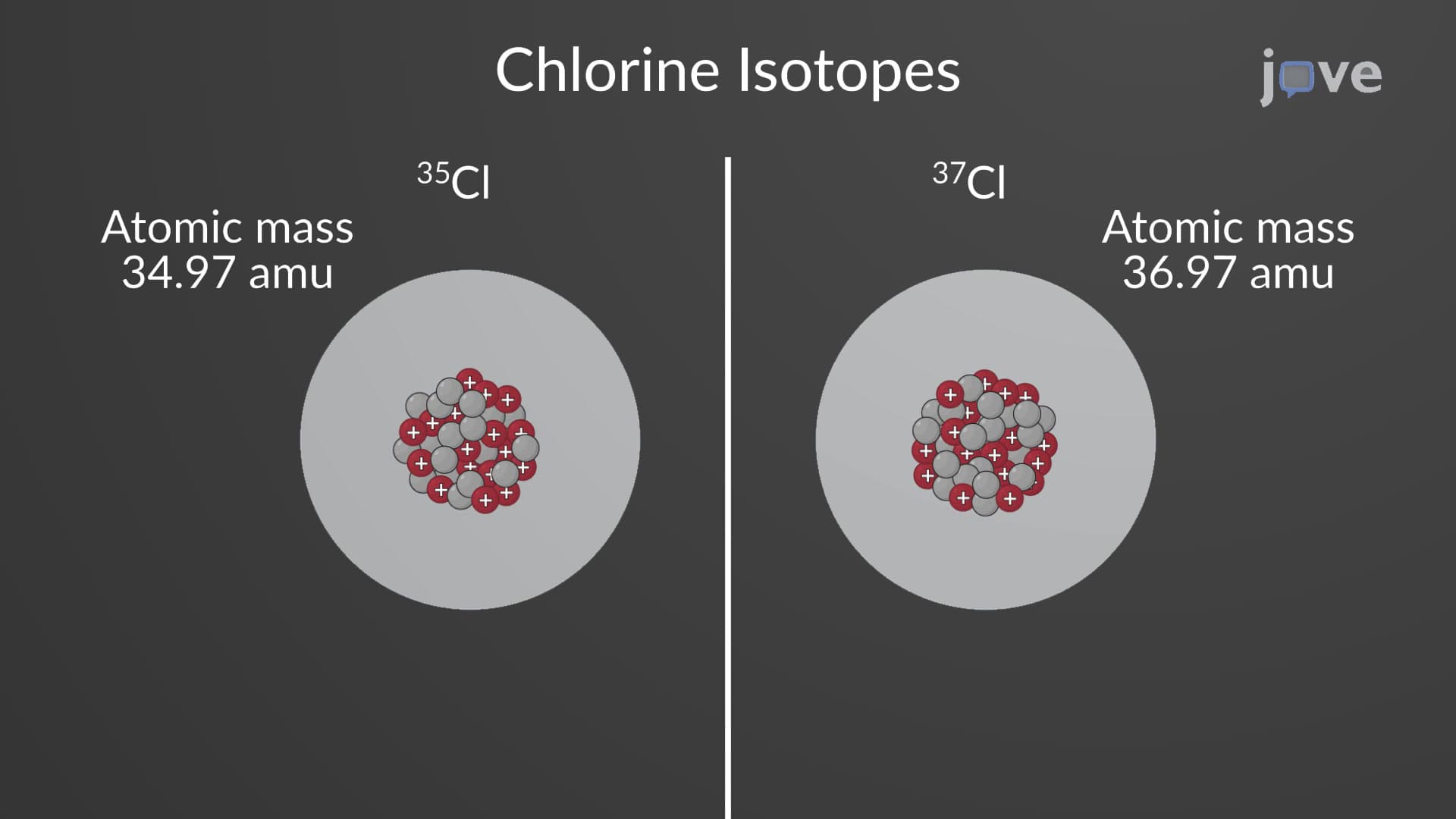
The composition of matter traces back to fundamental elements-pure substances that cannot be broken down further through chemical means. The periodic table, developed by American chemist Glenn T. Seaborg and colleagues, organizes these building blocks systematically. Each element consists of unique atoms that maintain all characteristic properties, from hydrogen's single proton to uranium's complex nuclear structure.
This atomic theory underlies pharmaceutical development, environmental science, and materials engineering throughout US industries. Understanding how elements combine to form compounds helps explain everything from medication effectiveness to environmental pollution remediation strategies.
Related Micro-courses