Loading subject page…


215,805 views

Video Summary: The Periodic Table and Organismal Elements Explained
Did you know that just six elements make up 99% of your body weight? The periodic table organismal elements reveal how fundamental chemistry drives all biological processes, from the calcium strengthening bones in NASA astronauts to the iron carrying oxygen in Olympic athletes' blood. The Periodic Table And Organismal Elements Explained connects Mendeleev's systematic arrangement with life's essential building blocks, showing how carbon, hydrogen, oxygen, nitrogen, phosphorus, and sulfur form every protein, carbohydrate, and DNA strand in your cells. Watch the full video on JoVE Coach to master this concept with expert-led visuals and step-by-step explanations.
The periodic table represents one of chemistry's greatest organizational achievements, arranging all known elements by increasing atomic number while revealing predictable patterns in chemical behavior. When we examine elements in the periodic table biology depends upon, we discover that life selectively utilizes specific elements based on their unique chemical properties and abundance. This selective pressure has shaped evolution itself, as organisms developed biochemical pathways around the most chemically versatile and environmentally available elements.
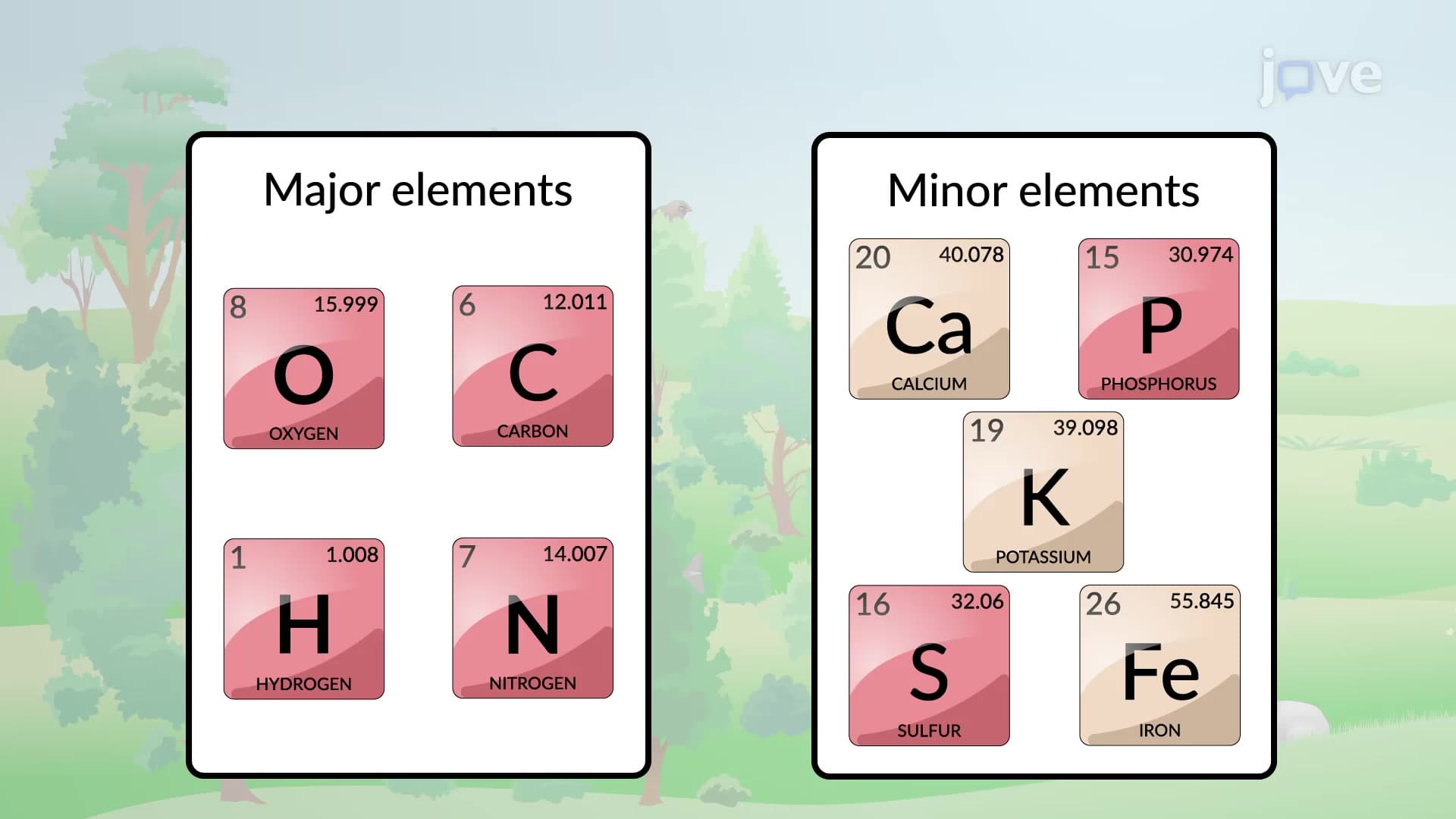
The organismal elements in the periodic table can be categorized by their abundance and biological roles. Carbon, hydrogen, oxygen, and nitrogen-collectively known as CHON elements biology-comprise over 96% of living matter. Carbon's four valence electrons enable complex molecular scaffolding, while nitrogen's electronegativity creates the polar bonds essential for protein structure. Phosphorus, with its ability to form high-energy bonds, anchors DNA's backbone and powers cellular energy through ATP. Sulfur's presence in amino acids like cysteine allows protein folding through disulfide bridges, critical for enzyme function.
These elements' positions in the periodic table explain their biological utility. Elements in the second period (carbon, nitrogen, oxygen) form strong, stable bonds due to their small atomic radii and high electronegativity differences. This chemical stability proves essential for the complex molecules that must maintain structure across an organism's lifetime.
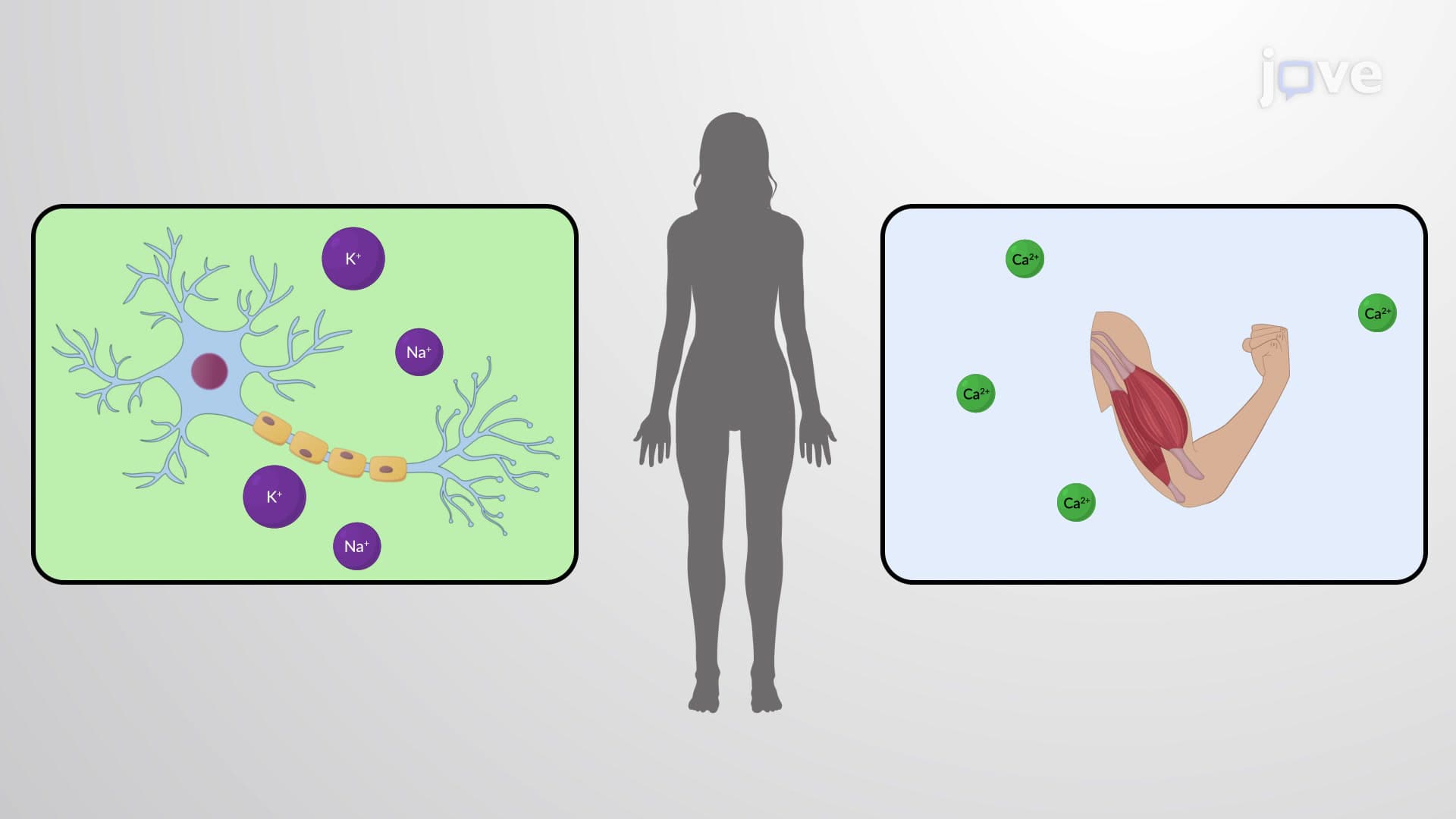
Beyond the major elements, biologically important elements include numerous trace elements whose periodic properties enable specialized functions. Iron's transition metal characteristics allow electron transfer in hemoglobin and cytochromes, making aerobic respiration possible. Calcium's large ionic radius and +2 charge create ideal conditions for bone mineralization and muscle contraction signaling. Potassium's position in Group 1 provides the ionic gradient necessary for nerve impulse transmission.
In AP Chemistry and college biochemistry courses, students frequently encounter questions about why organisms use specific elements rather than their periodic neighbors. The answer lies in size, charge, and electron configuration-properties that Mendeleev's arrangement makes predictable.
Understanding periodic table biological elements proves crucial in healthcare and food production. Physicians at institutions like Johns Hopkins use elemental analysis to diagnose conditions ranging from iron-deficiency anemia to copper toxicity. Agricultural extension services across the Midwest apply periodic principles to optimize soil nutrition, ensuring crops receive balanced ratios of essential elements.
The predictive power Mendeleev built into the periodic table continues driving discovery. Modern research into artificial elements explores whether superheavy elements might possess unique biological properties, potentially revolutionizing medicine or agriculture.
Related Micro-courses