Loading video…


 21 Concepts
 215.8K views

Video Summary: What are Chemical Bonds
Ever wonder how the salt on your French fries stays together as tiny crystals? Chemical bonds explained through this fundamental force reveal how atoms unite to form everything from water molecules to the calcium compounds strengthening your bones. These invisible connections between atoms create the solid table salt (sodium chloride) you sprinkle on food at any American diner. Watch the full video on JoVE Coach to master this concept with expert-led visuals and step-by-step explanations.
Chemical bonds represent the fundamental forces that unite atoms into molecules and compounds, creating virtually every substance we encounter. These bonds form when atoms achieve more stable electron configurations by either sharing, transferring, or pooling their valence electrons. The strength and type of these connections determine whether a substance exists as a gas like oxygen, a liquid like water, or a solid like the steel in American skyscrapers.
Ionic bonds form when atoms with significantly different electronegativity values transfer electrons completely. Metal atoms typically donate electrons to become positively charged cations, while nonmetal atoms accept these electrons to become negatively charged anions. The resulting electrostatic attraction creates ionic compounds with distinctive properties.
Consider sodium chloride, the table salt found in every American kitchen. Sodium atoms donate their single valence electron to chlorine atoms, creating Na+ cations and Cl- anions. These oppositely charged ions arrange themselves in a crystal lattice, explaining why salt forms cubic crystals and dissolves readily in water. This concept frequently appears on AP Chemistry exams when students analyze lattice energy and solubility patterns.
Covalent bonds develop when atoms share electron pairs to achieve stable electron configurations. These bonds typically form between nonmetal atoms with similar electronegativity values. The number of shared electron pairs determines bond strength and length-single bonds are longer and weaker than double bonds, which are longer and weaker than triple bonds.
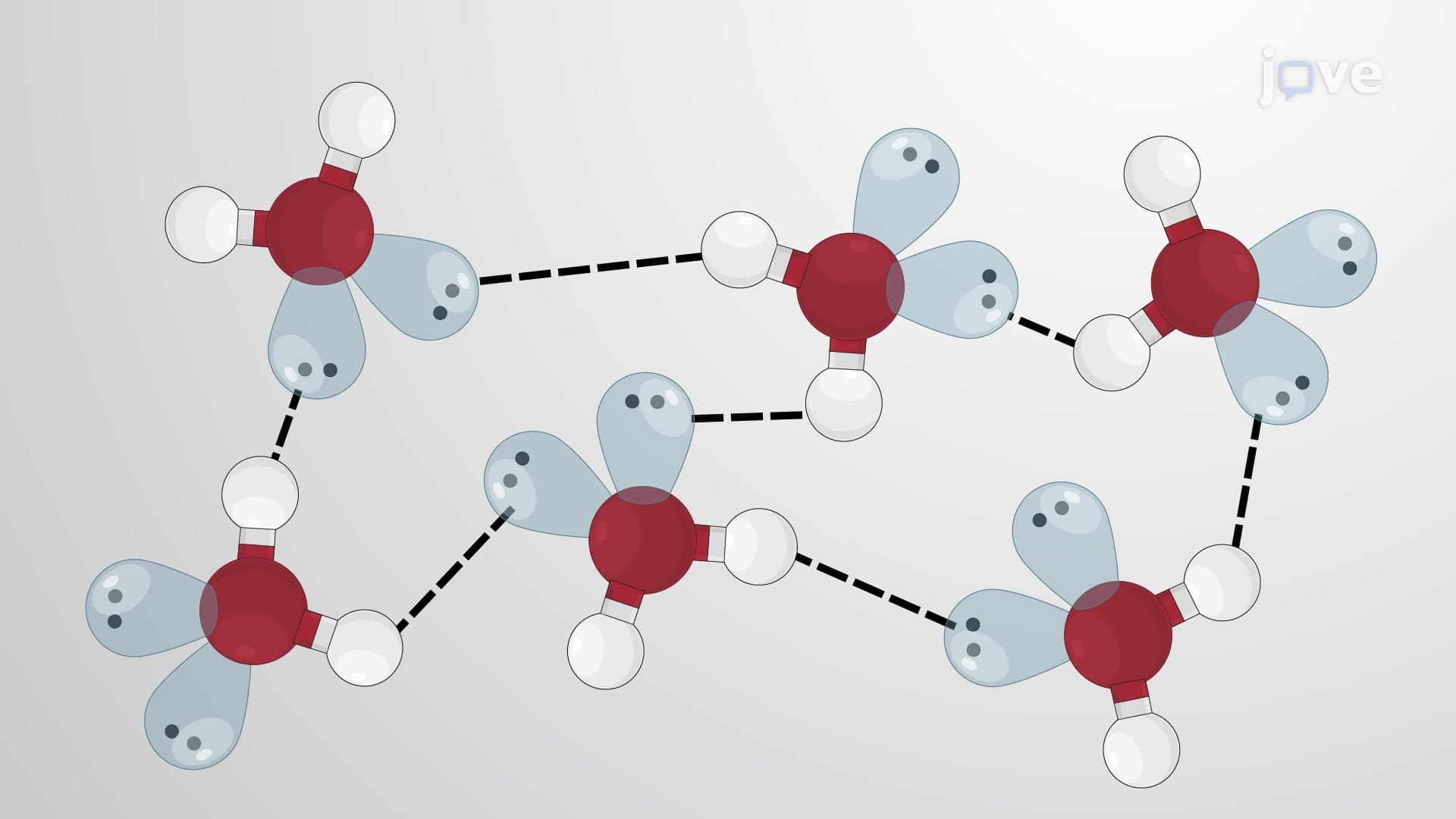
Water molecules exemplify covalent bonding perfectly. Each hydrogen atom shares its single electron with oxygen's six valence electrons, forming two O-H bonds. This sharing creates the bent molecular geometry responsible for water's unique properties, from its ability to dissolve ionic compounds to its expansion upon freezing-a phenomenon that bursts pipes during harsh winters across the American Midwest.
Metallic bonds involve the delocalization of electrons in a "sea" surrounding metal cations, explaining metals' conductivity and malleability. This bonding type allows the Golden Gate Bridge's steel cables to conduct electricity while maintaining structural flexibility during San Francisco's earthquakes.
Understanding chemical bond energy helps predict reaction spontaneity and material properties. Stronger bonds require more energy to break, influencing everything from fuel efficiency in American automobiles to drug stability in pharmaceutical compounds. These principles form the foundation for advanced topics in organic chemistry, biochemistry, and materials science courses at universities nationwide.
Related Micro-courses