Loading subject page…


215,805 views


Video Summary: What are Covalent Bonds
Ever wondered why water molecules stick together or how pharmaceutical companies design life-saving drugs? The answer lies in how covalent bonds explained through electron sharing creates the molecular foundation of everything around us. From the aspirin in your medicine cabinet to the DNA in your cells, covalent bonding determines molecular structure and properties. This fundamental chemistry concept shows how atoms achieve stability by sharing electrons rather than transferring them completely. Watch the full video on JoVE Coach to master this concept with expert-led visuals and step-by-step explanations.
Covalent bond definition chemistry centers on electron sharing between atoms to achieve stable electron configurations. Unlike ionic bonds where electrons transfer completely, covalent bonds form when atoms with similar electronegativity values share one or more electron pairs. This shared electron pair covalent interaction creates a region of electron density between atomic nuclei, effectively "gluing" atoms together through electrostatic attraction.
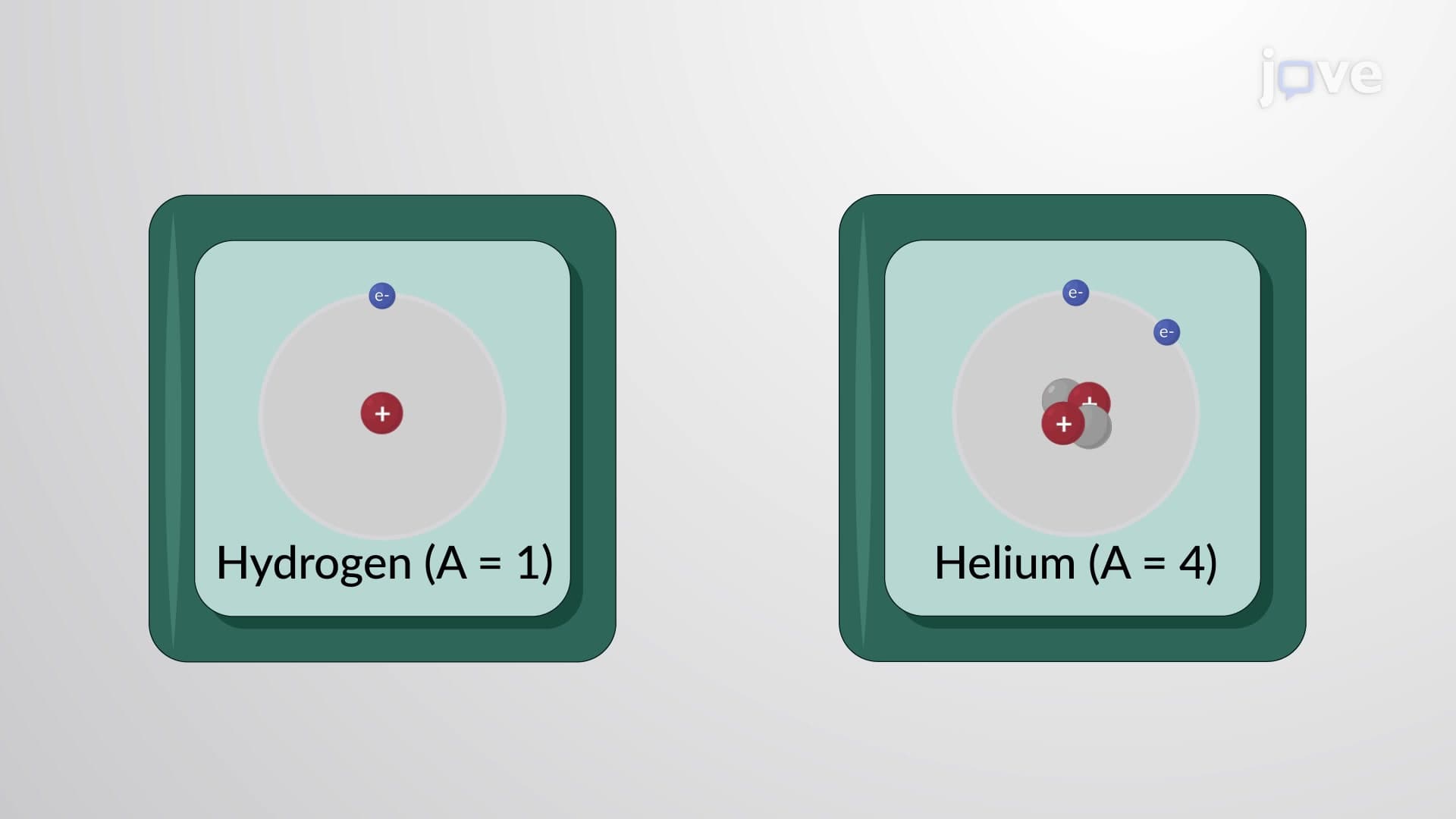
The driving force behind covalent bonding is each atom's tendency to achieve the electron configuration of the nearest noble gas. For most atoms, this means obtaining eight valence electrons (the octet rule), though hydrogen follows the duet rule, seeking two electrons like helium.
The number of electron pairs shared determines bond multiplicity. Single double triple bond formation depends on how many electrons each atom needs to reach noble gas configuration. Nitrogen atoms, requiring three additional electrons each, form triple bonds (N≡N) in molecular nitrogen. Oxygen atoms, needing two electrons each, create double bonds (O=O) in molecular oxygen. Carbon atoms commonly form single bonds (C-C) but can also create double (C=C) and triple (C≡C) bonds.
As bond multiplicity increases, covalent bond energy increases significantly. Triple bonds are stronger and shorter than double bonds, which are stronger and shorter than single bonds. This relationship explains why nitrogen gas is remarkably stable and why acetylene (containing a C≡C triple bond) is highly energetic.
Polar nonpolar covalent bond classification depends on electronegativity differences between bonded atoms. When atoms with identical or very similar electronegativity share electrons, nonpolar covalent bonds form with equal electron sharing. Examples include H-H in hydrogen gas or C-H bonds in methane.
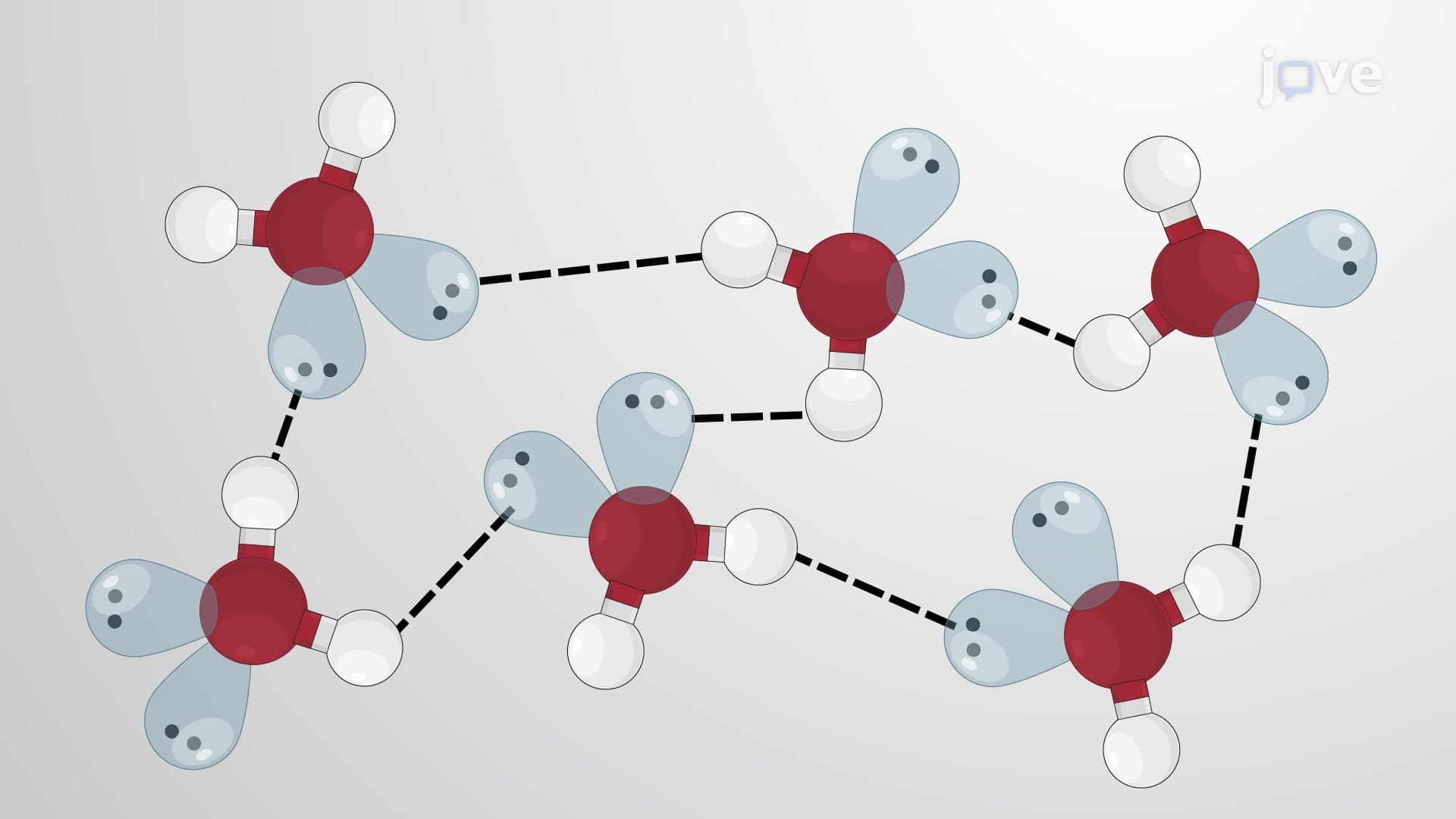
However, when atoms with different electronegativity values bond, polar covalent bonds result. In water molecules, oxygen's higher electronegativity pulls shared electrons closer, creating partial negative charge on oxygen and partial positive charges on hydrogen atoms. This polarity enables hydrogen bonding, explaining water's unique properties crucial for biological systems.
Understanding molecular covalent bonding proves essential for success in AP Chemistry, SAT Subject Tests, and college-level chemistry courses. Pre-med students encounter these concepts extensively on the MCAT, particularly in organic chemistry and biochemistry sections. Nursing students see covalent bonding applications in pharmacology through drug-receptor interactions, while engineering students apply these principles in materials science and nanotechnology.
In pharmaceutical research across companies like Pfizer and Johnson & Johnson, scientists manipulate covalent bonds to design more effective medications. Environmental engineers at the EPA use covalent bonding knowledge to understand pollutant behavior and develop remediation strategies.
Related Micro-courses