Loading video…


 21 Concepts
 215.8K views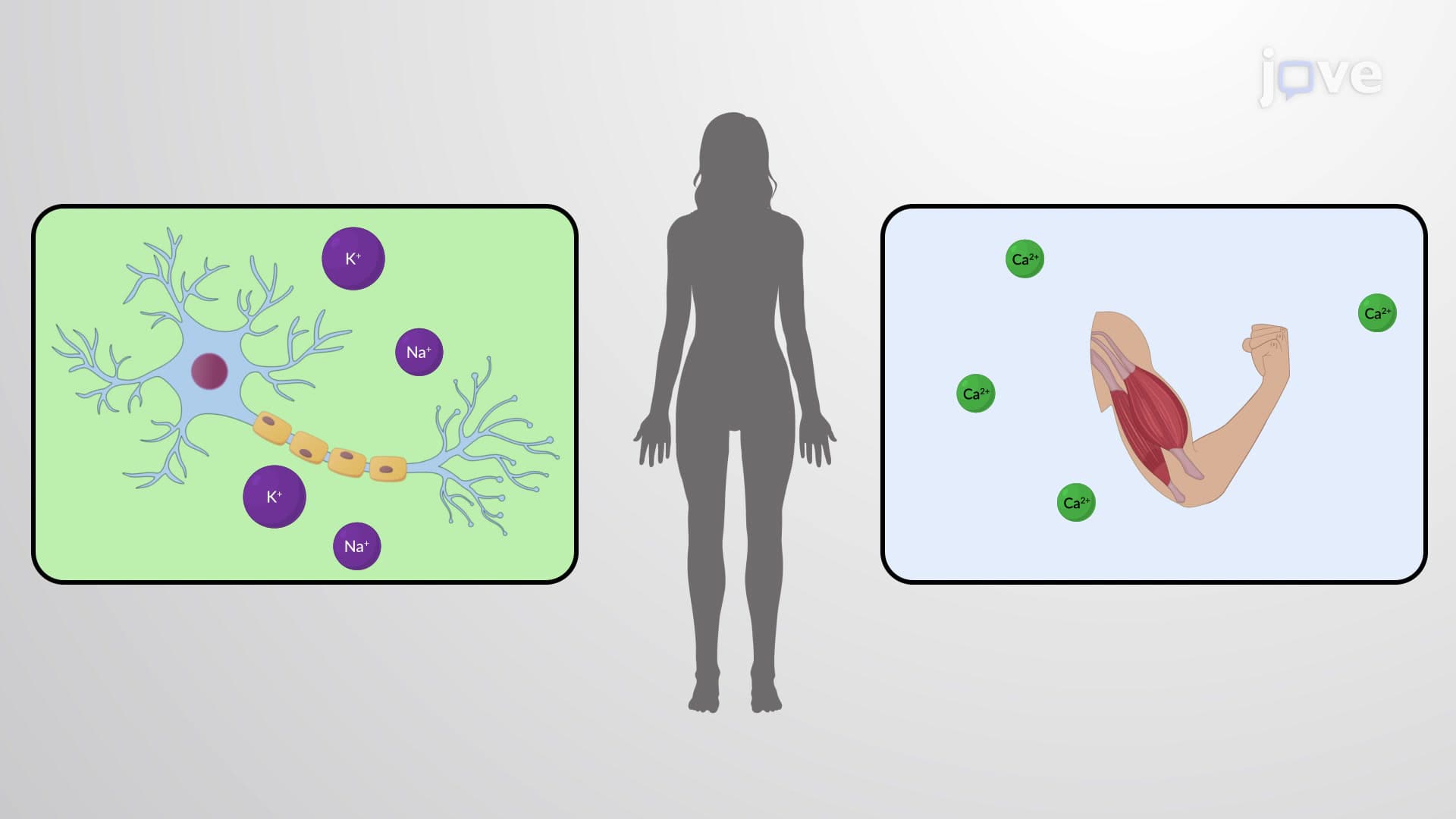

Video Summary: What are Ions Molecules and Compounds
Ever wondered why table salt dissolves in water while oil doesn't? The answer lies in understanding ions molecules compounds chemistry and how different types of chemical bonds create distinct properties. When sodium chloride (common table salt used in every American kitchen) dissolves, it separates into charged particles called ions, while oil molecules stay intact due to their covalent structure. Understanding what are ions molecules and compounds reveals the fundamental building blocks that determine how matter behaves in everything from our bodies to industrial processes. Watch the full video on JoVE Coach to master this concept with expert-led visuals and step-by-step explanations.
The distinction between ions molecules compounds chemistry forms the foundation of chemical understanding that students encounter from high school through advanced college coursework. These three categories represent different ways atoms can combine and interact, each with unique properties that determine how substances behave in real-world applications.
Ion formation chemistry occurs when atoms gain or lose electrons, creating electrically charged particles essential to countless biological and industrial processes. Cations form when metals like sodium lose electrons, becoming positively charged (Na+), while anions develop when nonmetals like chlorine gain electrons, becoming negatively charged (Cl-). This process is crucial in the human body-sodium and potassium ions enable nerve impulses to travel along neurons, allowing you to read these words and process this information. In medical settings, healthcare professionals monitor electrolyte balances containing these ions to assess patient health, making this concept directly relevant to MCAT preparation and nursing school curricula.
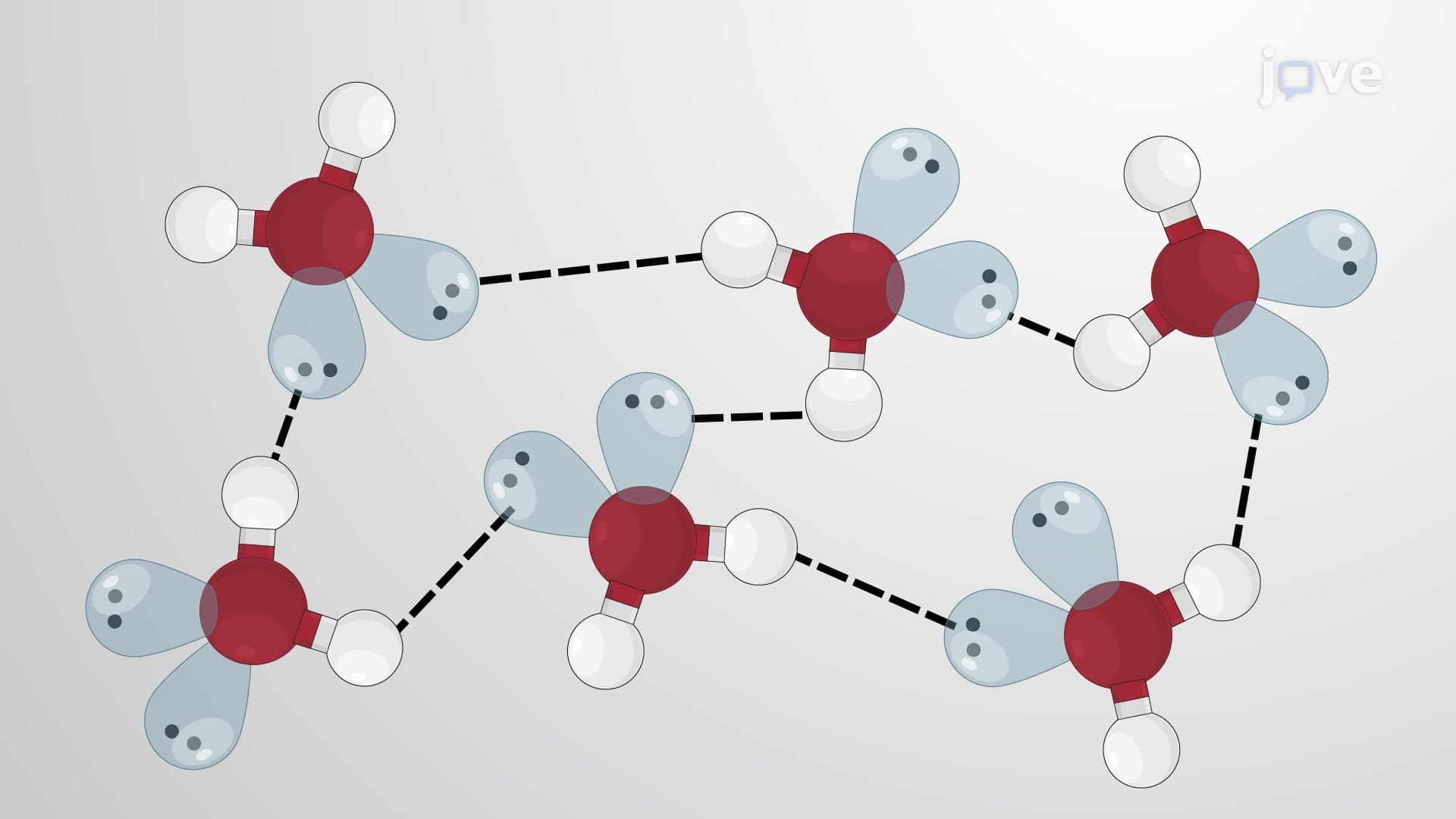
Molecular compound definition centers on atoms sharing electrons through covalent bonds rather than transferring them completely. Water (H2O), the most abundant compound in living organisms, exemplifies this concept-oxygen shares electrons with two hydrogen atoms, creating a stable molecule with unique properties. Methane (CH4), the primary component of natural gas heating American homes, demonstrates how carbon can share electrons with four hydrogen atoms in a tetrahedral arrangement. These sharing patterns determine molecular shape, which directly influences function-a concept emphasized in AP Chemistry and college-level organic chemistry courses.
The ionic vs covalent compound distinction extends beyond academic classification to practical applications. Ionic compounds like sodium chloride conduct electricity when dissolved in water, making them essential for battery technologies and biological systems. They typically form crystalline structures with high melting points, explaining why table salt remains solid at room temperature but dissolves readily in water. Conversely, covalent compounds like glucose provide energy through metabolic processes without conducting electricity, demonstrating how bonding type determines biological function. This differentiation appears frequently on standardized tests including the SAT Subject Test in Chemistry and college placement exams.
Understanding these chemical compound types provides the foundation for advanced topics in biochemistry, materials science, and pharmacology, making this knowledge essential for students pursuing STEM careers in healthcare, engineering, or research.
Related Micro-courses