Loading subject page…


215,803 views

Video Summary: What Is Atomic Structure
Ever wondered why gold conducts electricity while plastic doesn't? The answer lies in atomic structure basics, the fundamental arrangement of particles that defines every element's unique properties. From the silicon chips powering your smartphone to the carbon dioxide you exhale, understanding what is atomic structure reveals how subatomic particles-protons, neutrons, and electrons-determine an element's behavior in everything from NASA's rocket fuels to medical imaging contrast agents used in US hospitals. Watch the full video on JoVE Coach to master this concept with expert-led visuals and step-by-step explanations.
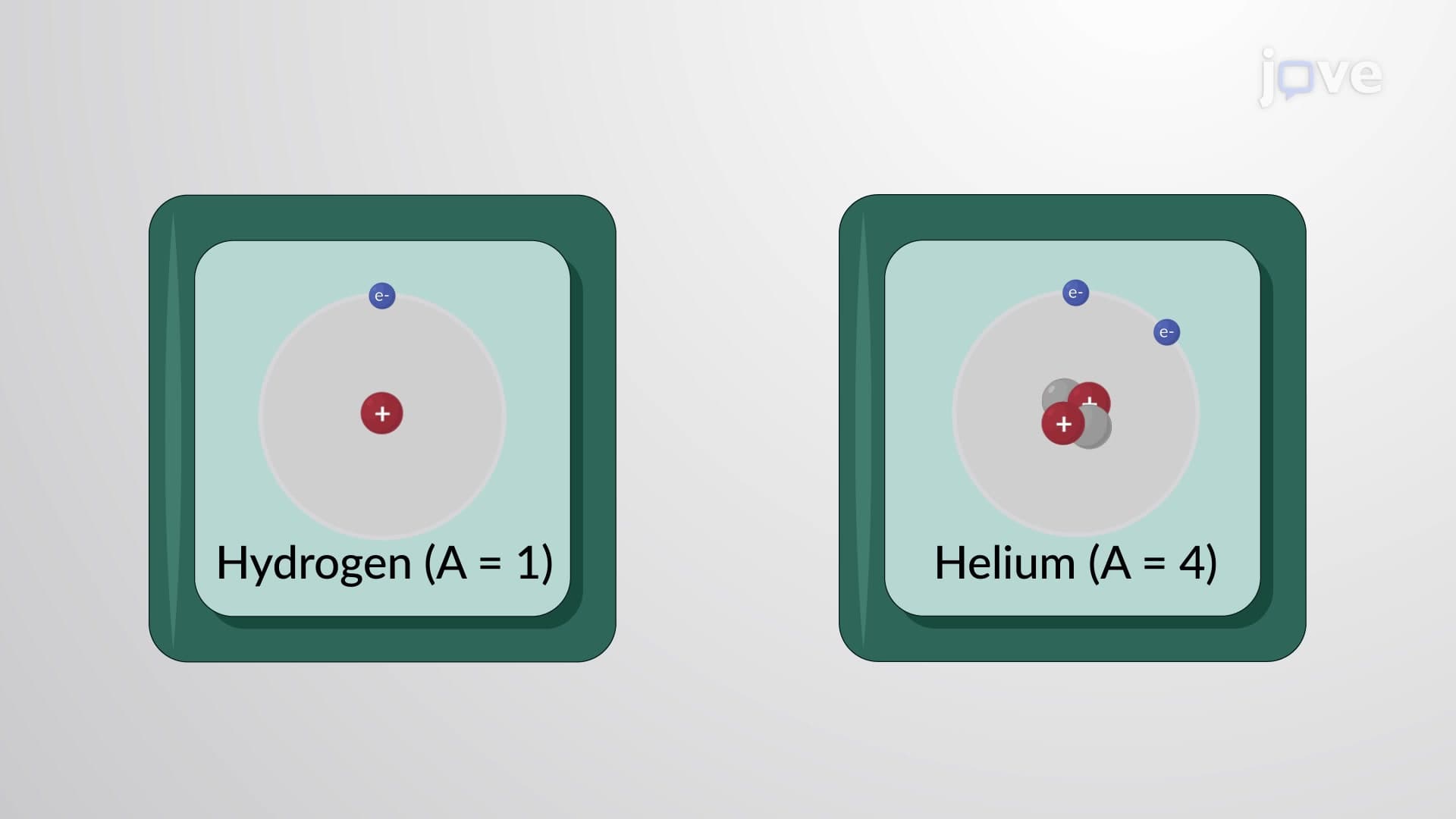
Atomic structure basics form the cornerstone of chemistry, physics, and materials science. At its core, atomic structure describes how three fundamental particles-protons, neutrons, and electrons-arrange themselves to create the 118 known elements. This arrangement isn't random; it follows specific rules that determine everything from why helium floats in balloons to how lithium batteries power electric vehicles across American highways.
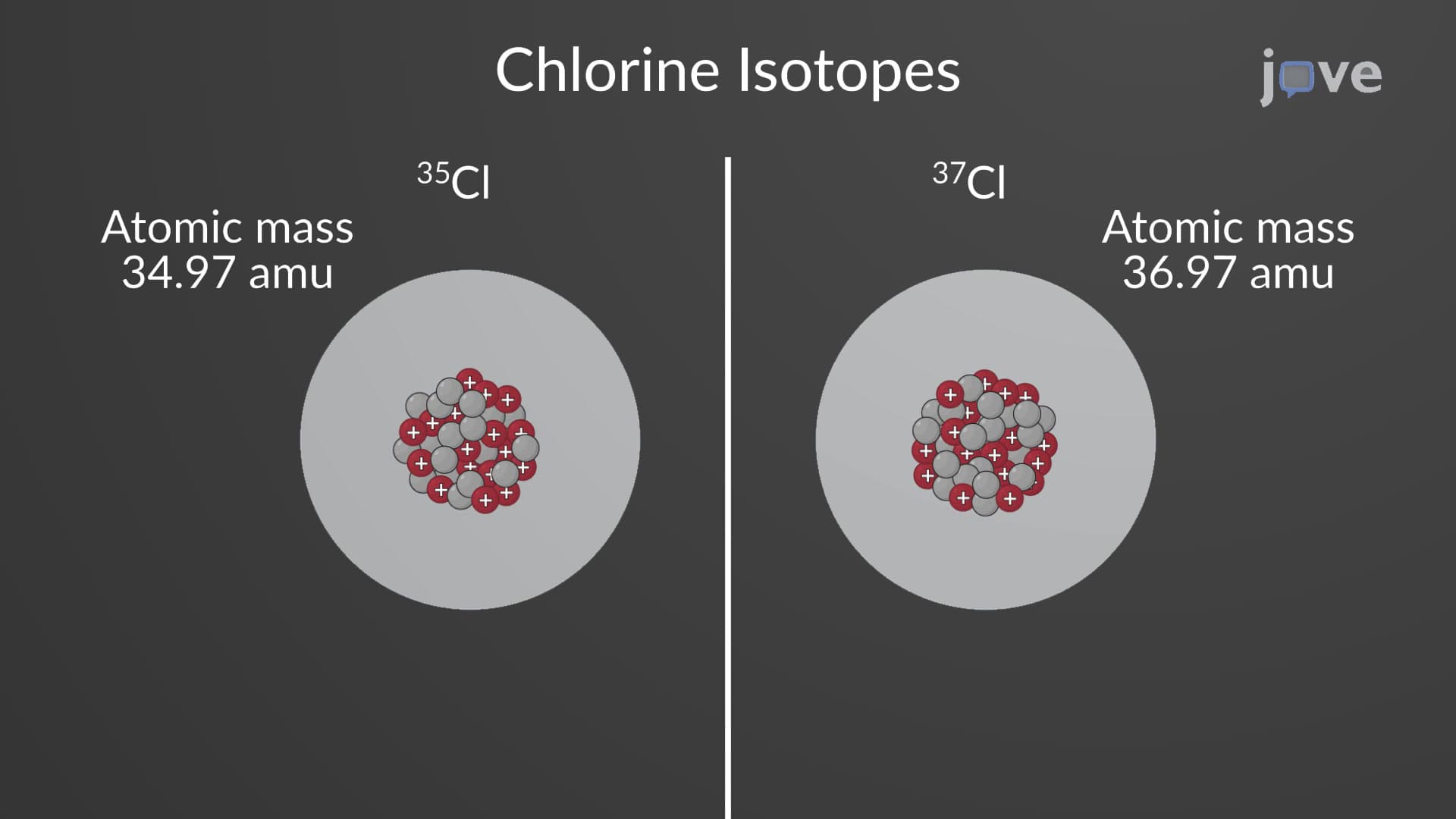
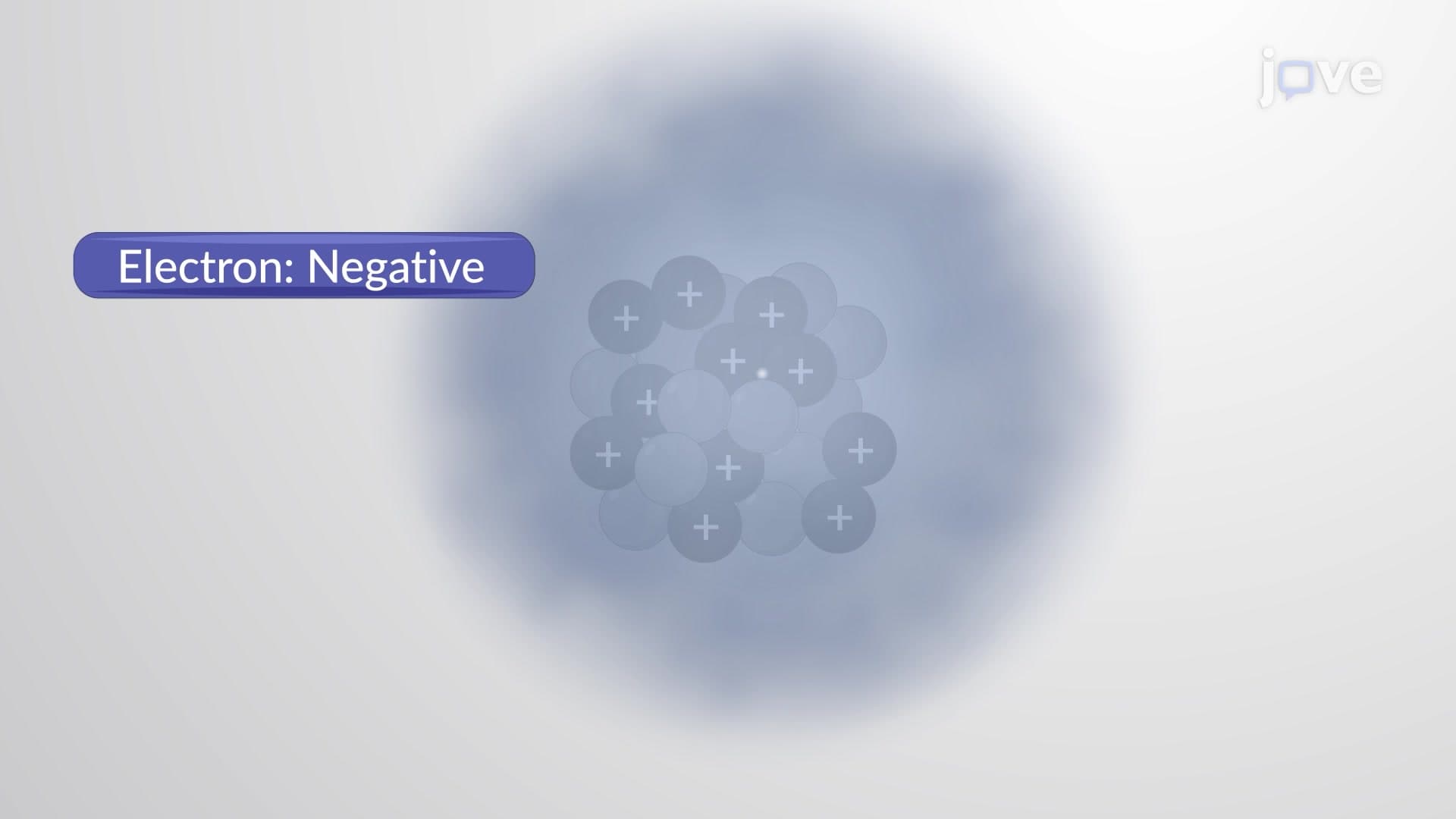
The nucleus sits at an atom's center, containing protons and neutrons in an incredibly dense package. Protons, each carrying a +1 charge, determine an element's identity through the atomic number. For instance, every carbon atom-whether in diamond engagement rings or graphite pencils-contains exactly six protons. Neutrons, with zero charge but nearly identical mass to protons, provide nuclear stability and create isotopes used in medical imaging at institutions like Mayo Clinic and Johns Hopkins.
This nucleus atomic structure occupies less than 0.01% of an atom's volume yet contains over 99.9% of its mass. To visualize this scale, if an atom were the size of a football stadium, its nucleus would be smaller than a marble at the center field.
Surrounding the nucleus, electrons occupy regions called orbitals within the electron cloud. These negatively charged particles, with mass roughly 1/1836th that of protons, determine chemical behavior. The atomic particle arrangement of electrons explains why sodium violently reacts with water while neon remains completely inert-concepts frequently tested on AP Chemistry exams and college general chemistry courses.
Understanding atomic structure explained chemistry proves essential for numerous fields. Pharmaceutical companies designing new medications rely on atomic structure to predict molecular interactions. Semiconductor manufacturers like Intel use atomic-level precision to create computer processors. For students preparing for standardized tests, atomic structure appears prominently on the MCAT, AP Chemistry exam, and introductory college chemistry courses at universities nationwide.
The Bohr model atom, while simplified, provides an excellent starting framework for visualizing electron arrangements before advancing to more sophisticated quantum mechanical models taught in upper-level chemistry courses.
Related Micro-courses