Loading subject page…


215,804 views

Video Summary: What Is Atomic Weight
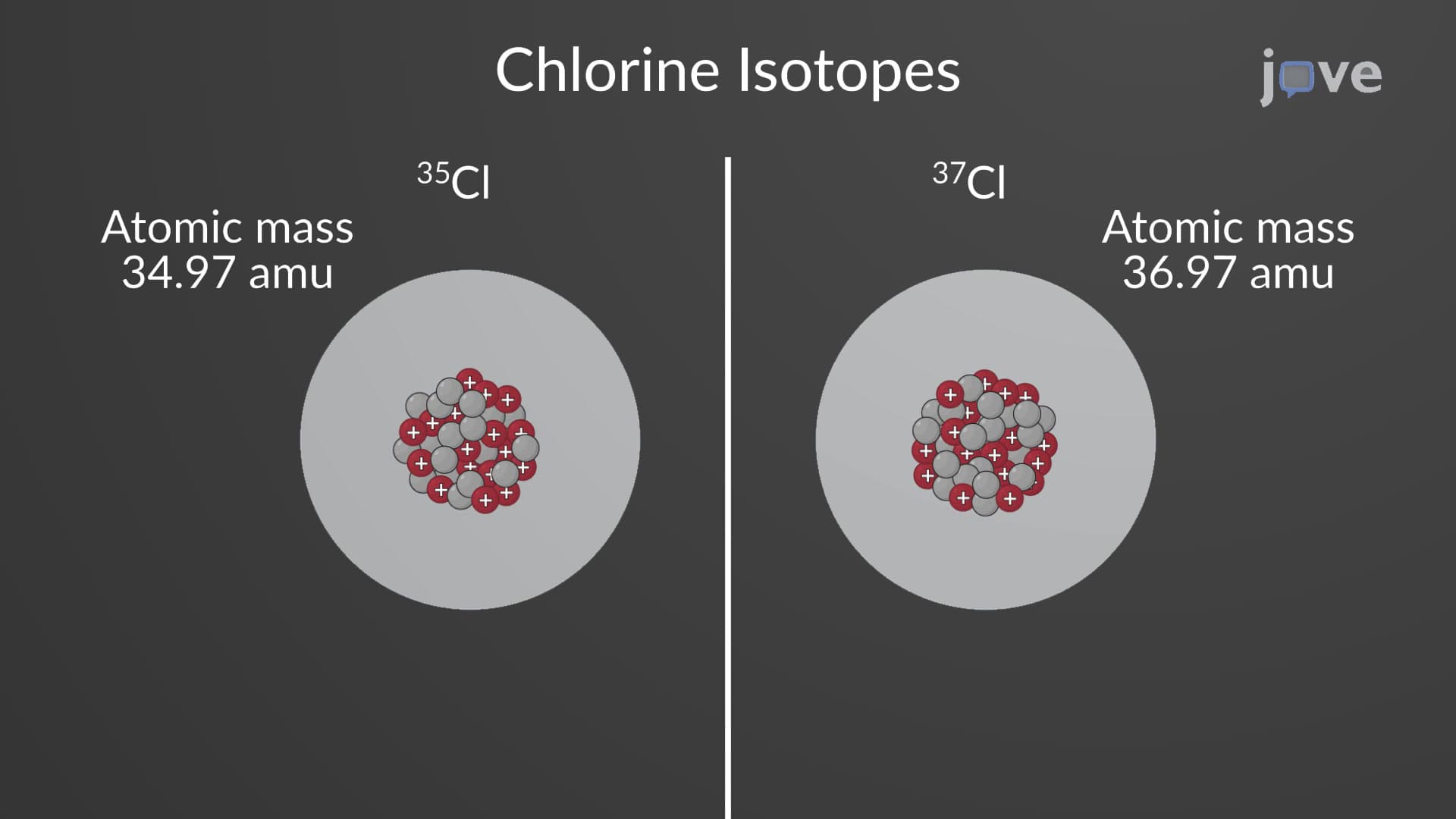
Ever wondered why chlorine's atomic weight on the periodic table isn't a whole number like 35 or 37? Atomic weight explained reveals that elements like chlorine exist as multiple isotopes in nature, each with different masses. The atomic weight definition chemistry uses is actually a weighted average of all isotopes based on their natural abundance. For example, chlorine-35 makes up about 76% of natural chlorine, while chlorine-37 comprises 24%, resulting in an average atomic weight of 35.45 amu. Watch the full video on JoVE Coach to master this concept with expert-led visuals and step-by-step explanations.
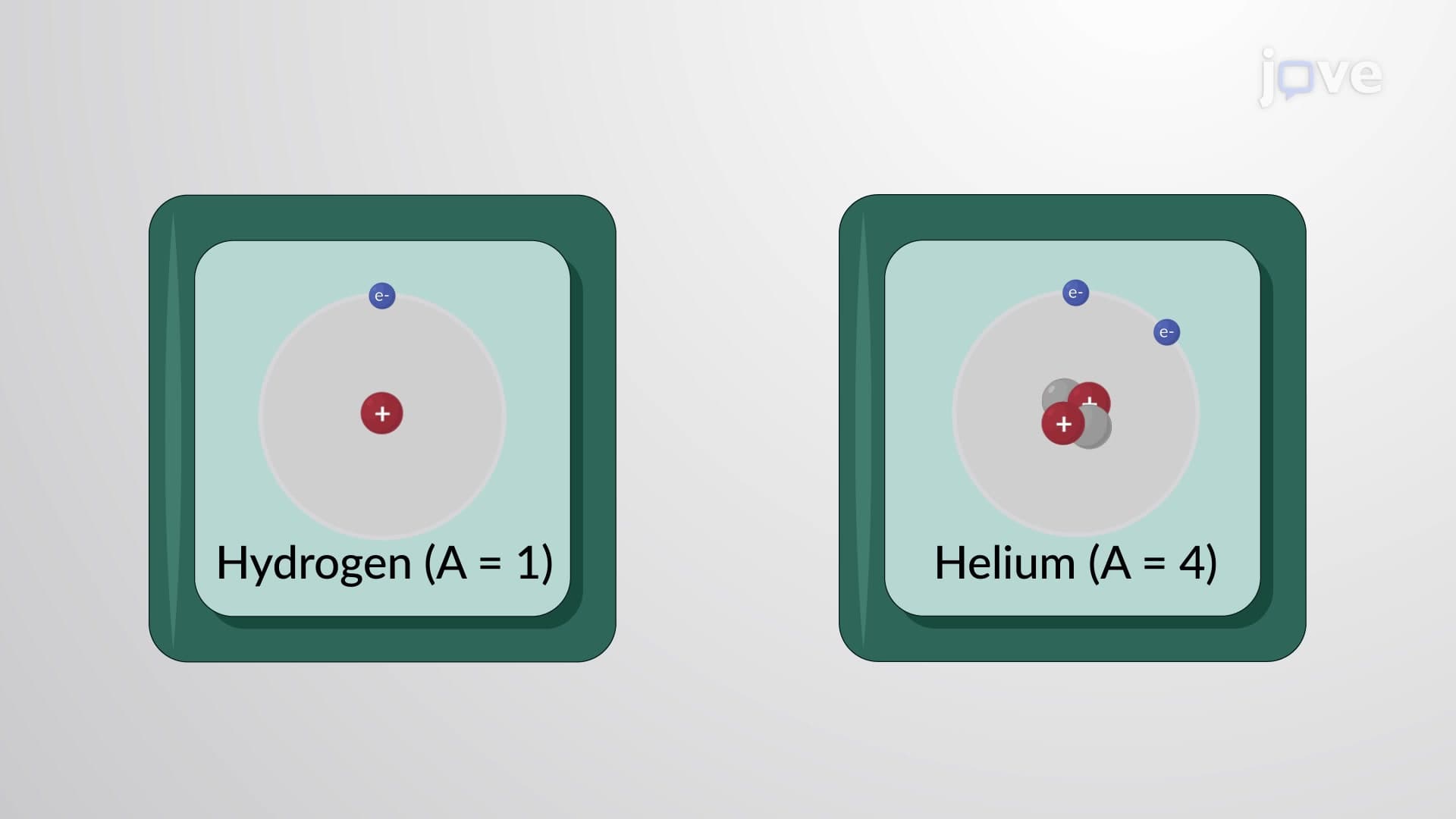
What is atomic weight fundamentally describes the average mass of all naturally occurring isotopes of an element, weighted by their relative abundance. Unlike the mass number (which counts protons plus neutrons for a specific isotope), atomic weight accounts for the fact that most elements exist as mixtures of isotopes in nature.
The atomic weight definition chemistry employs requires a weighted average calculation. For any element with multiple isotopes, the formula becomes:
Atomic Weight = (Mass₁ × Abundance₁) + (Mass₂ × Abundance₂) + ...
Using chlorine as our example: (34.97 amu × 0.7577) + (36.97 amu × 0.2423) = 35.45 amu. This calculation explains why chlorine's atomic weight periodic table entry shows 35.45 rather than a whole number.
High school AP Chemistry students frequently encounter isotope abundance atomic weight problems on exams. The College Board's AP Chemistry curriculum specifically requires students to calculate atomic weights from isotopic data. Similarly, pre-med students taking the MCAT encounter these concepts when analyzing mass spectrometry data or radioisotope applications in medical imaging.
Consider carbon, essential for organic chemistry coursework. Carbon-12 comprises 98.93% of natural carbon, while carbon-13 makes up 1.07%. This isotopic distribution gives carbon an atomic weight of 12.01 amu, crucial for molecular weight calculations in biochemistry labs across US universities.
The atomic mass unit chemistry system provides a standardized reference point, with 1 amu defined as exactly 1/12 the mass of a carbon-12 atom. This relative atomic mass system allows chemists to compare elements meaningfully. When students at institutions like MIT or Stanford perform stoichiometric calculations, they rely on these standardized atomic weights for accurate results.
Understanding atomic weight becomes particularly important in advanced coursework like physical chemistry, where precise mass measurements affect reaction kinetics and thermodynamic calculations. Medical students studying pharmacokinetics also depend on accurate molecular weights derived from atomic weight data.
Related Micro-courses