Loading subject page…


215,803 views


Video Summary: What Is Electron Behavior
Ever wonder why sodium violently reacts with water while neon remains completely inert? Electron behavior chemistry explains how electrons around atomic nuclei determine every chemical reaction we observe. Consider how lithium-ion batteries in your smartphone work-their function depends entirely on predictable electron behavior in atoms as lithium ions move between electrodes. Understanding what is electron behavior in atomic chemistry reveals why elements form specific bonds and exhibit unique properties, from the conductivity of copper wires to the stability of noble gases like helium in party balloons. Watch the full video on JoVE Coach to master this concept with expert-led visuals and step-by-step explanations.
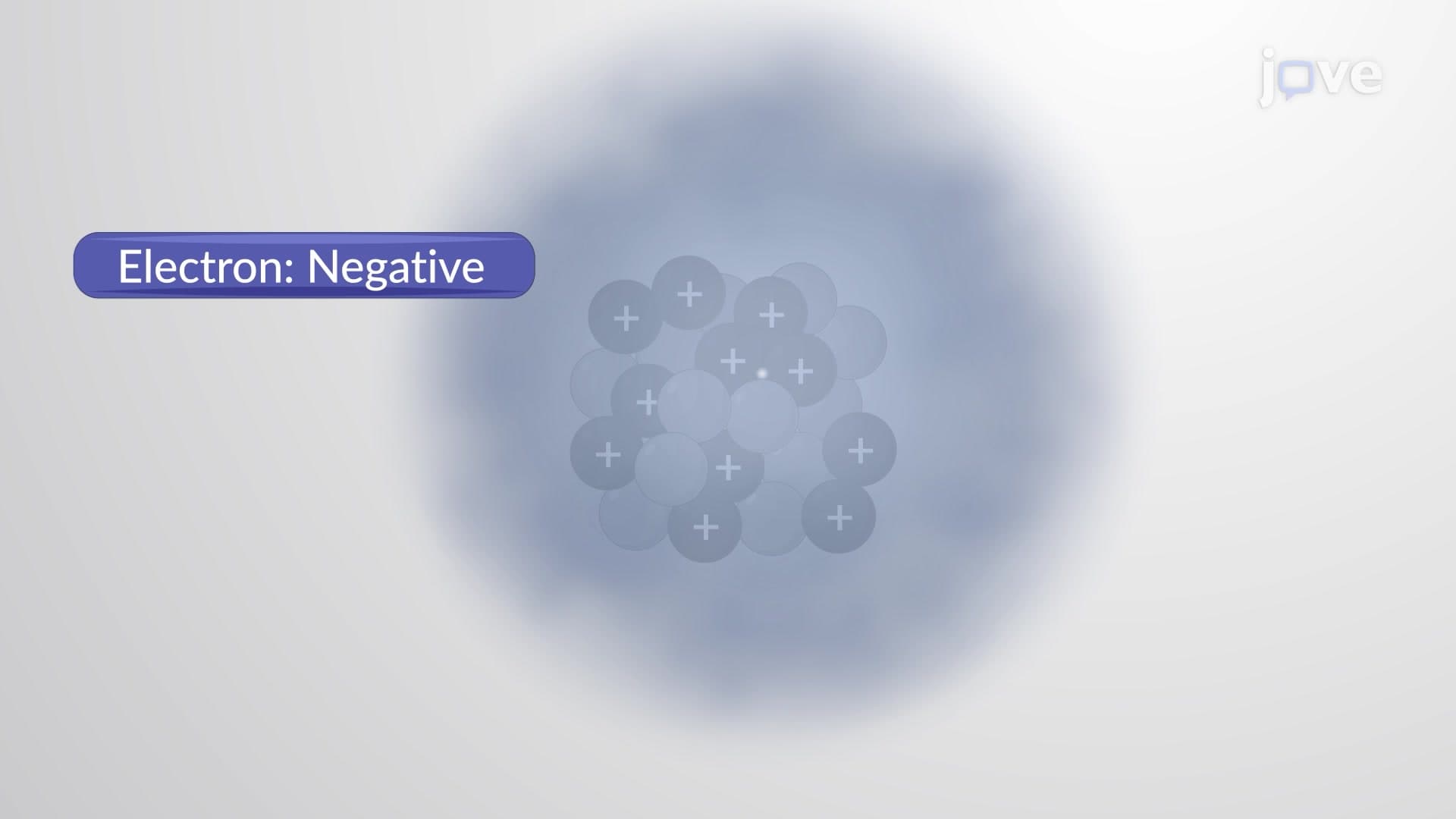
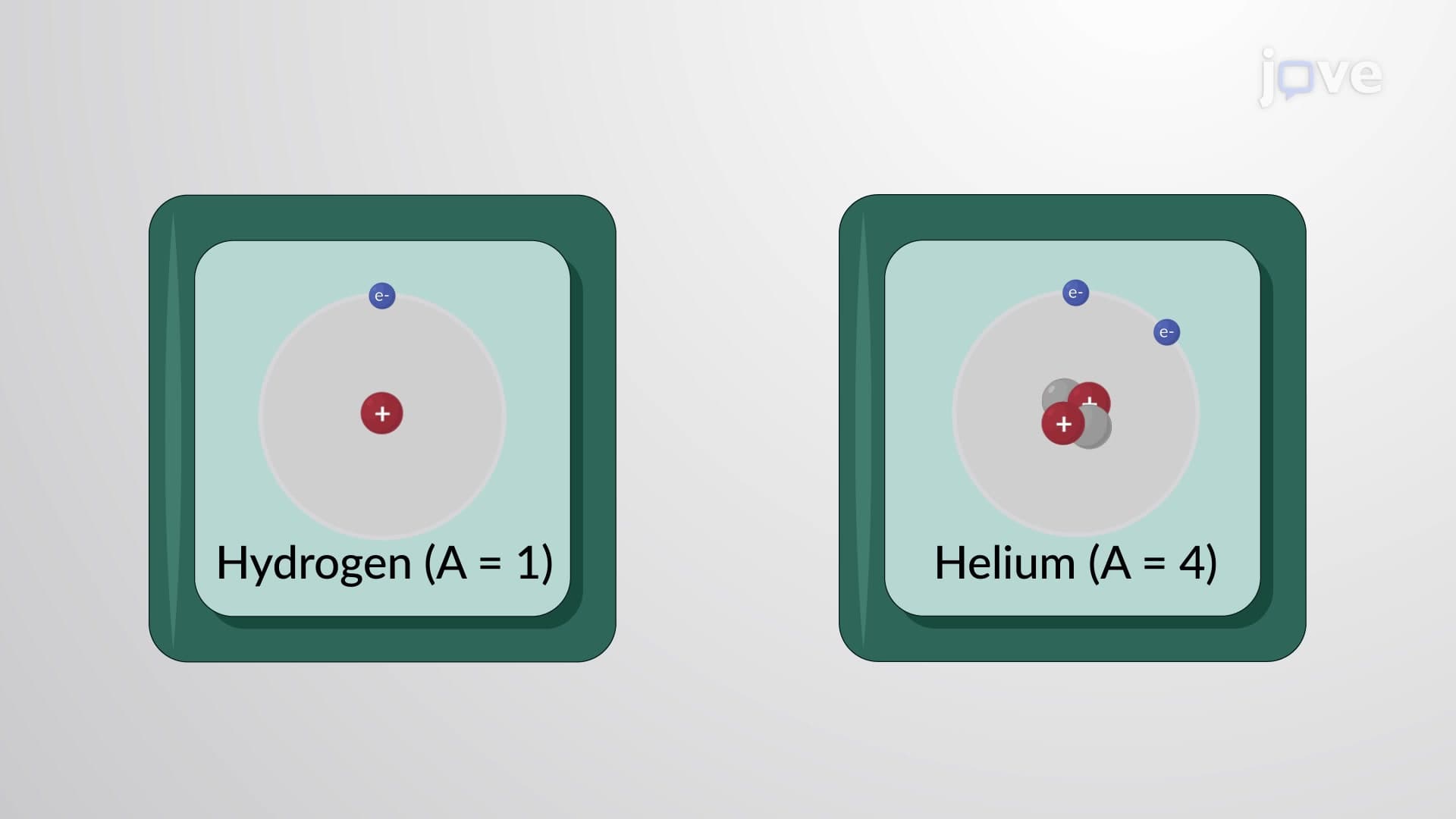
Electron behavior chemistry forms the foundation for understanding all chemical interactions. Unlike the simple planetary model often shown in textbooks, electron behavior in atoms involves complex probability distributions where electrons exist in three-dimensional regions called orbitals. These negatively charged particles don't orbit the nucleus like planets around the sun-instead, they occupy electron clouds with specific energy levels that determine their chemical activity.
The arrangement of electrons in shells directly impacts what is electron behavior in atomic chemistry. The first shell, closest to the nucleus, accommodates only two electrons due to its spherical s-orbital. The second shell holds eight electrons across one s-orbital and three p-orbitals. This shell-filling pattern explains why elements like carbon (4 valence electrons) readily form four bonds, while neon (8 valence electrons, full outer shell) remains chemically inert.
Students preparing for AP Chemistry exams frequently encounter questions about electron orbital behavior and shell configurations. For instance, understanding why chlorine has seven valence electrons helps predict its tendency to gain one electron and form Cl⁻ ions in ionic compounds like table salt (NaCl).
Modern atomic theory describes quantum electron behavior using wave functions that calculate probability distributions rather than fixed positions. This wave function electron behavior explains phenomena that the Bohr model cannot, such as why electrons in the same shell can have different energies (subshells) and why chemical bonds have specific directional properties.
Electron energy levels directly impact technologies used daily across the United States. LED lights work because electrons drop between energy levels, releasing specific colors of light. Medical imaging techniques like PET scans rely on electron behavior in radioactive isotopes. Even the semiconductors in computer processors depend on carefully controlled electron cloud model principles to function.
Understanding these concepts proves essential for students pursuing STEM careers, from materials engineering at MIT to pharmaceutical research. The MCAT extensively tests electron behavior concepts, making mastery crucial for pre-med students applying to US medical schools.
Related Micro-courses