Loading subject page…


215,805 views


Video Summary: What Is Energy Transfer
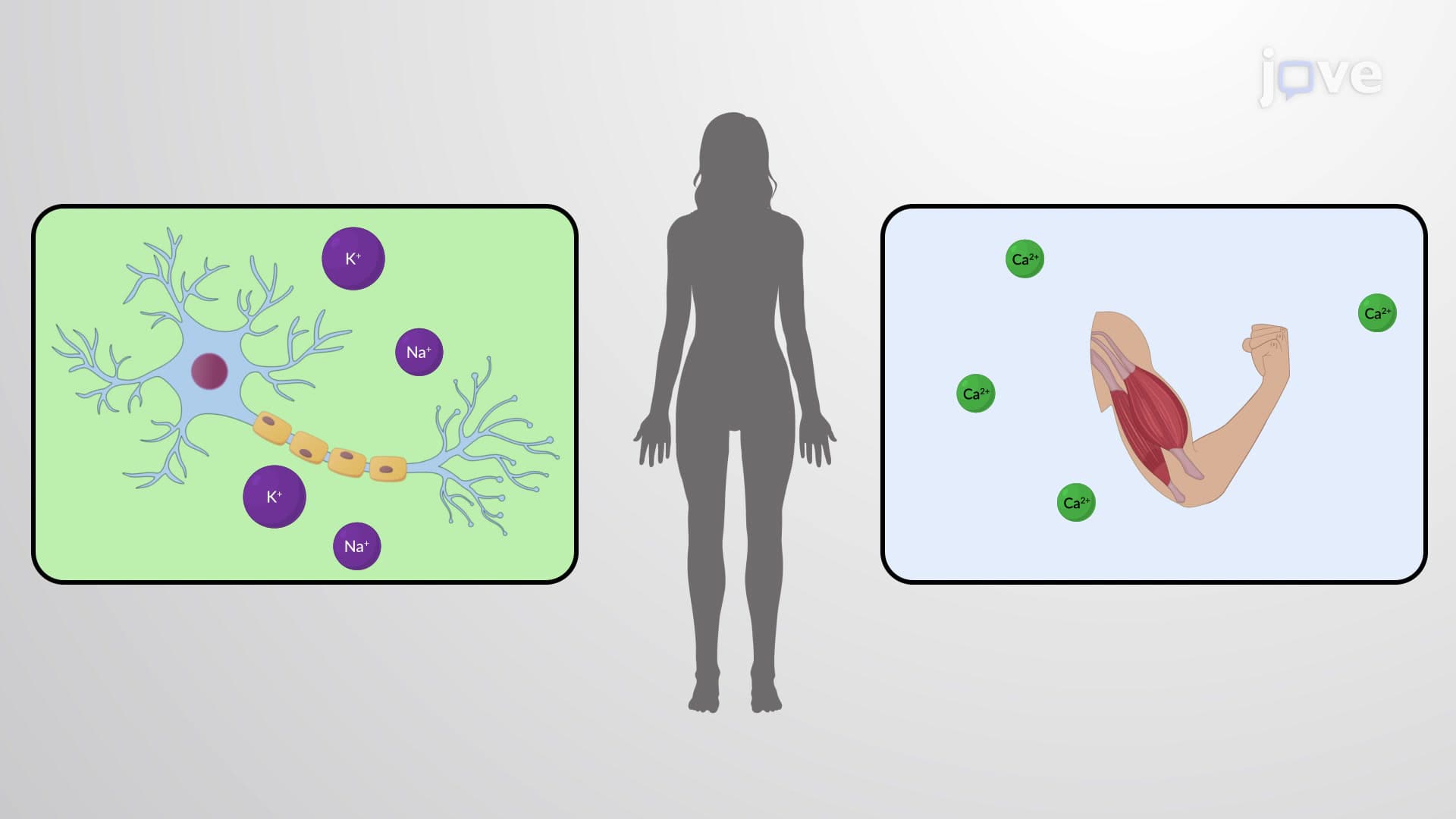
Ever wonder why your phone gets warm when charging or why your muscles heat up during exercise? Energy transfer chemistry governs these everyday phenomena, explaining how energy moves and transforms during chemical reactions. In the human body, ATP molecules undergo energy transfer in chemical reactions to power everything from muscle contractions to nerve impulses, similar to how a Tesla battery converts stored chemical energy into electrical energy for motion. Understanding what is energy transfer in chemistry reveals the fundamental principles behind both biological processes and technological innovations. Watch the full video on JoVE Coach to master this concept with expert-led visuals and step-by-step explanations.
Energy transfer chemistry forms the foundation of all chemical and biological processes. At its core, energy transfer describes how energy moves between molecules, transforms from one type to another, and drives the countless reactions occurring in living systems and industrial processes. This concept bridges the gap between abstract thermodynamic principles and tangible phenomena we observe daily.
Energy transfer in chemical reactions occurs through two fundamental pathways. Exergonic reactions release more energy than they consume, making them thermodynamically favorable. Think of burning gasoline in a car engine-the combustion releases significant energy that powers the vehicle while generating heat. Conversely, endergonic reactions require energy input to proceed, like photosynthesis in plants where solar energy drives the formation of glucose from carbon dioxide and water.
In AP Chemistry and college-level courses, students learn to calculate these energy changes using enthalpy values. The difference between products and reactants determines whether a reaction is exergonic (negative ΔH for exothermic endothermic transfer) or endergonic (positive ΔH). Understanding these calculations proves crucial for MCAT preparation and advanced biochemistry coursework.
The elegance of chemical energy transfer becomes apparent in biological systems through coupled reactions. Cells link energy-releasing reactions with energy-requiring processes, creating efficient metabolic networks. ATP (adenosine triphosphate) serves as the primary energy intermediary, storing energy in its high-energy phosphate bonds and releasing it when converted to ADP (adenosine diphosphate).
Consider muscle contraction during exercise at a high school basketball game. The chemical energy from ATP hydrolysis converts to mechanical energy, enabling muscle fibers to contract and generate movement. Simultaneously, cellular respiration replenishes ATP stores by coupling glucose oxidation with ATP synthesis, demonstrating the interconnected nature of energy transfer processes.
Thermochemistry energy transfer reveals why biological processes aren't perfectly efficient. During energy conversions, some energy inevitably transforms into heat-a consequence of the second law of thermodynamics. This apparent "waste" actually serves vital functions in mammals, including humans. The heat energy reaction from cellular metabolism maintains our core body temperature around 98.6°F, enabling optimal enzyme function and physiological processes.
Students preparing for standardized tests should understand that energy conservation applies universally-energy neither creates nor destroys, only transforms. This principle underlies both simple chemical reactions studied in high school chemistry and complex metabolic pathways explored in advanced biochemistry courses.
Related Micro-courses